
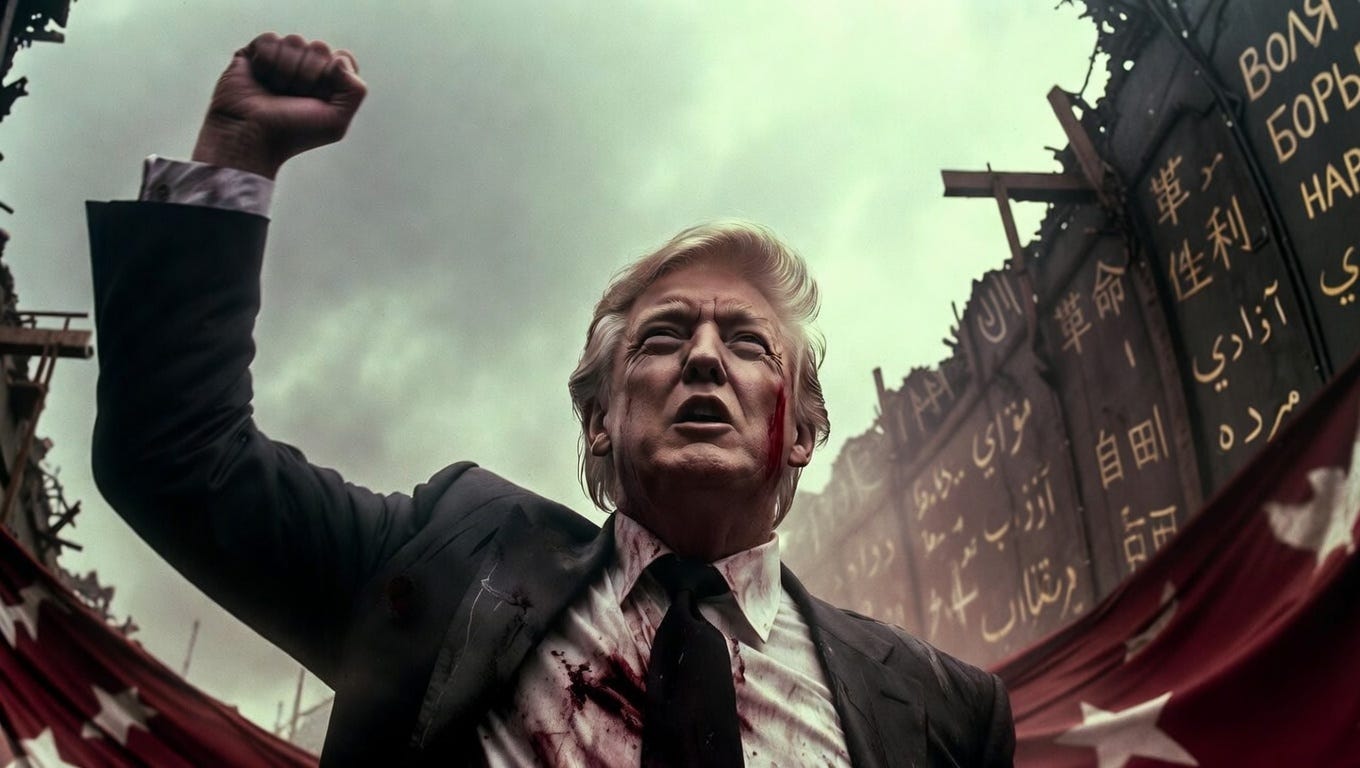
In the summer of 2024, as a would-be assassin’s bullet grazed his ear in Butler, Pennsylvania, Donald J. Trump rose, bloodied fist raised, and shouted Fight! Fight! Fight! to the crowd. The moment, captured in real time and seared into the national consciousness, was more than political theater. It was the dramatic reappearance of an archetype long foretold by historians William Strauss and Neil Howe: the Gray Champion.
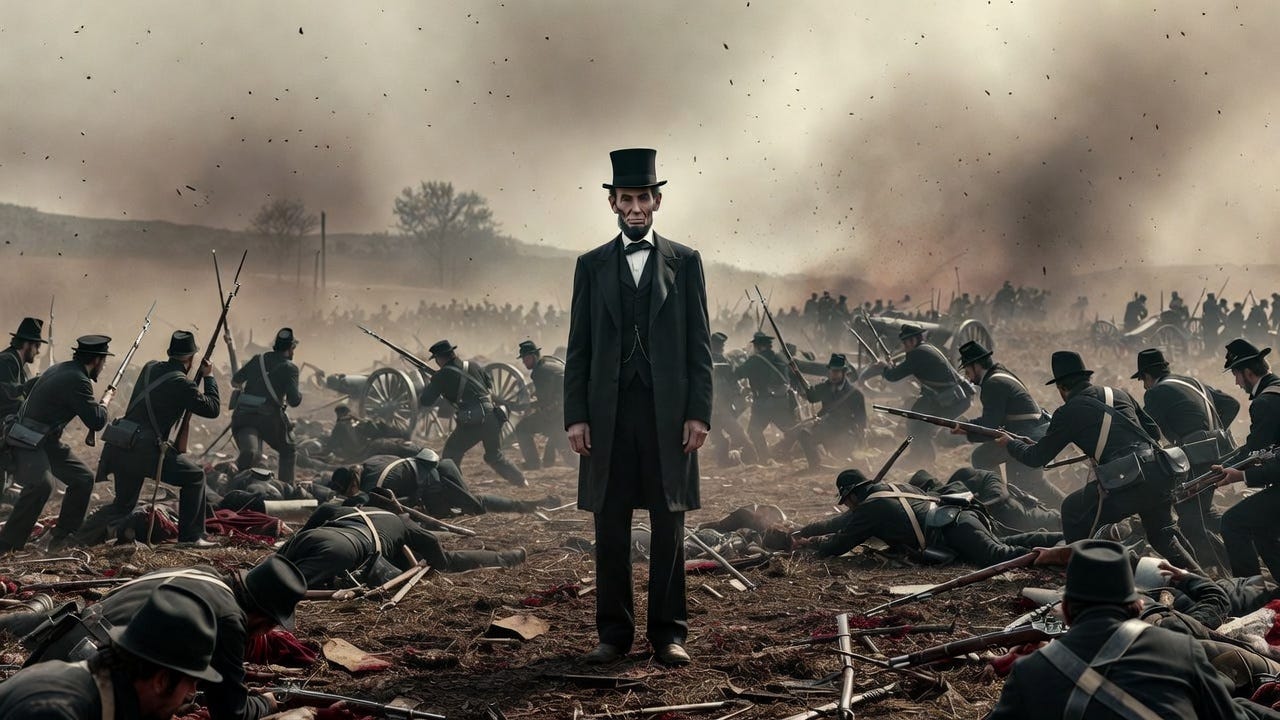
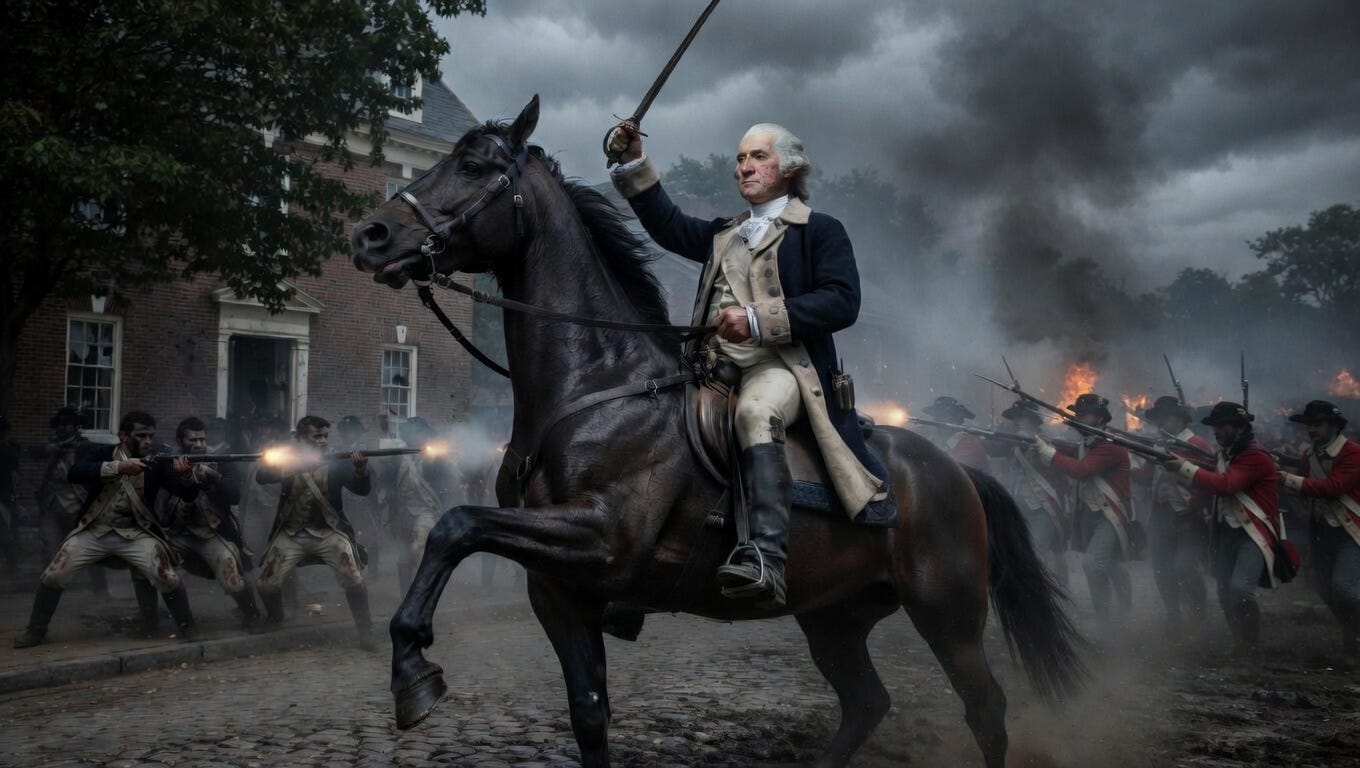
Emerging at the climax of a societal crisis, this elder figure drawn from the Prophet generation embodies resolute leadership, moral clarity amid chaos, and the will to rebuild institutions on new foundations. History records three prior American Gray Champions: George Washington in the Revolutionary era, Abraham Lincoln during the Civil War, and Franklin D. Roosevelt amid the Great Depression and World War II. Each presided over a Fourth Turning, the destructive yet regenerative phase of the roughly 80-to-100-year saeculum that Strauss and Howe identified as the rhythmic pulse of Anglo-American history.
Today, as the United States grapples with institutional decay, economic dislocation, cultural fragmentation, and geopolitical strain, events that have accelerated since the 2008 financial crisis, Donald Trump, a Baby Boomer born in 1946, stands as the Gray Champion of our Fourth Turning. His 2016 election marked the regeneracy, the point when civic energy begins to coalesce around a new order. His survival of legal warfare, two impeachments, and an assassination attempt, followed by his triumphant return to the presidency in 2024, positions him to guide the nation through the resolution phase.
Far from a conventional statesman, Trump’s disruptive style, unyielding ego, and America First vision fulfill the archetype’s demand for an uncompromising elder who tears down the old to forge the new. While skeptics, including Howe himself in earlier commentary, have questioned whether Trump is builder or mere wrecker, the unfolding events of his second term suggest he is the climactic leader who will define the post-crisis order.
In Generations (1991) and The Fourth Turning (1997), Strauss and Howe argued that history does not progress linearly but cycles through four turnings within each saeculum, each roughly the length of a human life:
A High brings institutional strength and collective confidence after crisis.
An Awakening unleashes spiritual and cultural ferment.
An Unraveling sees individualism flourish as institutions weaken.
Finally, the Fourth Turning, a Crisis, arrives as existential threats demand total societal mobilization.
These crises are crucibles that destroy and rebirth the social contract. Past Fourth Turnings include the American Revolution (1773-1794), the Civil War (1860-1865), and the Great Depression/World War II (1929-1946). Each ended with transformed institutions, a new civic ethos, and a Gray Champion who supplied the moral and political authority to steer the outcome.
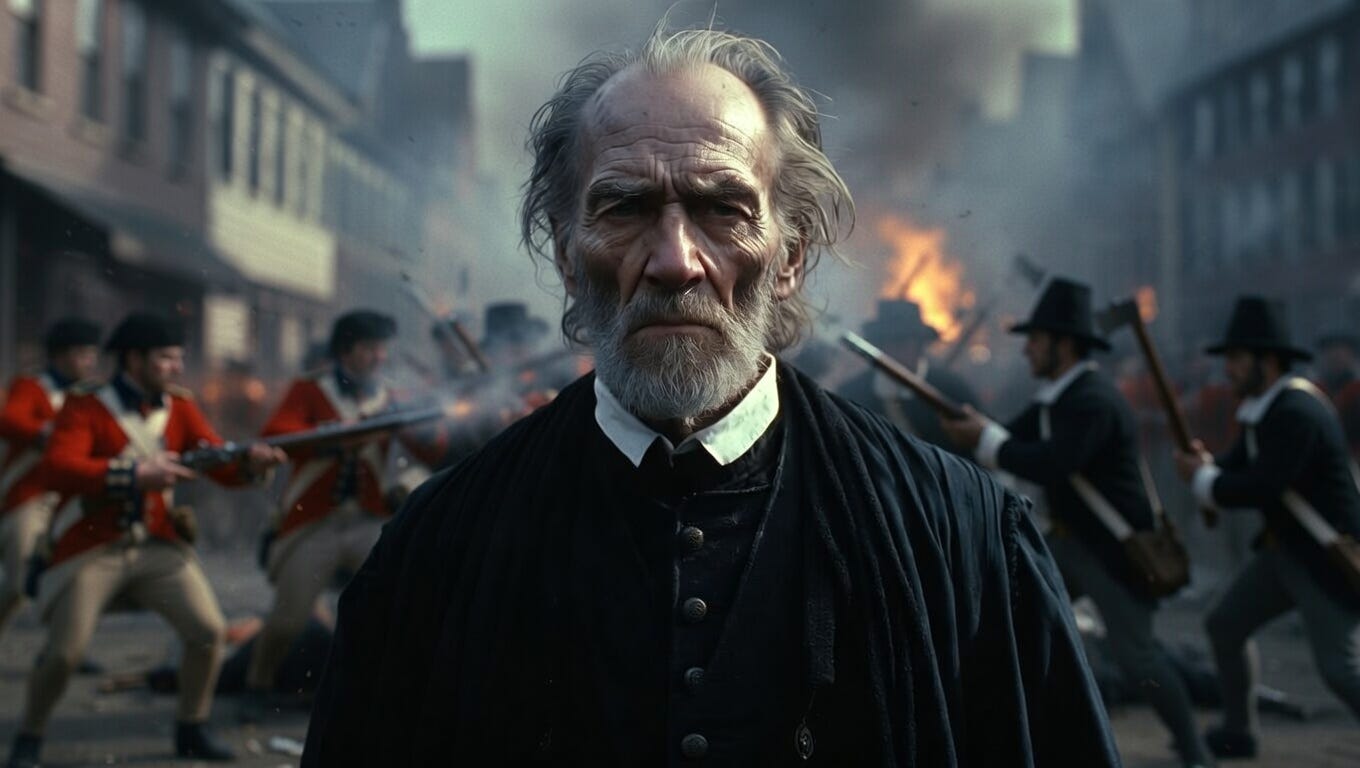
The Gray Champion draws its name from Nathaniel Hawthorne’s 1837 story The Gray Champion, in which an anonymous elderly Puritan appears during the 1689 Boston revolt against British tyranny, his very presence commanding obedience and restoring order. Strauss and Howe elevated this figure to archetype: an elder Prophet — visionary, principled, and often polarizing — who channels generational wisdom at the moment of maximum peril.
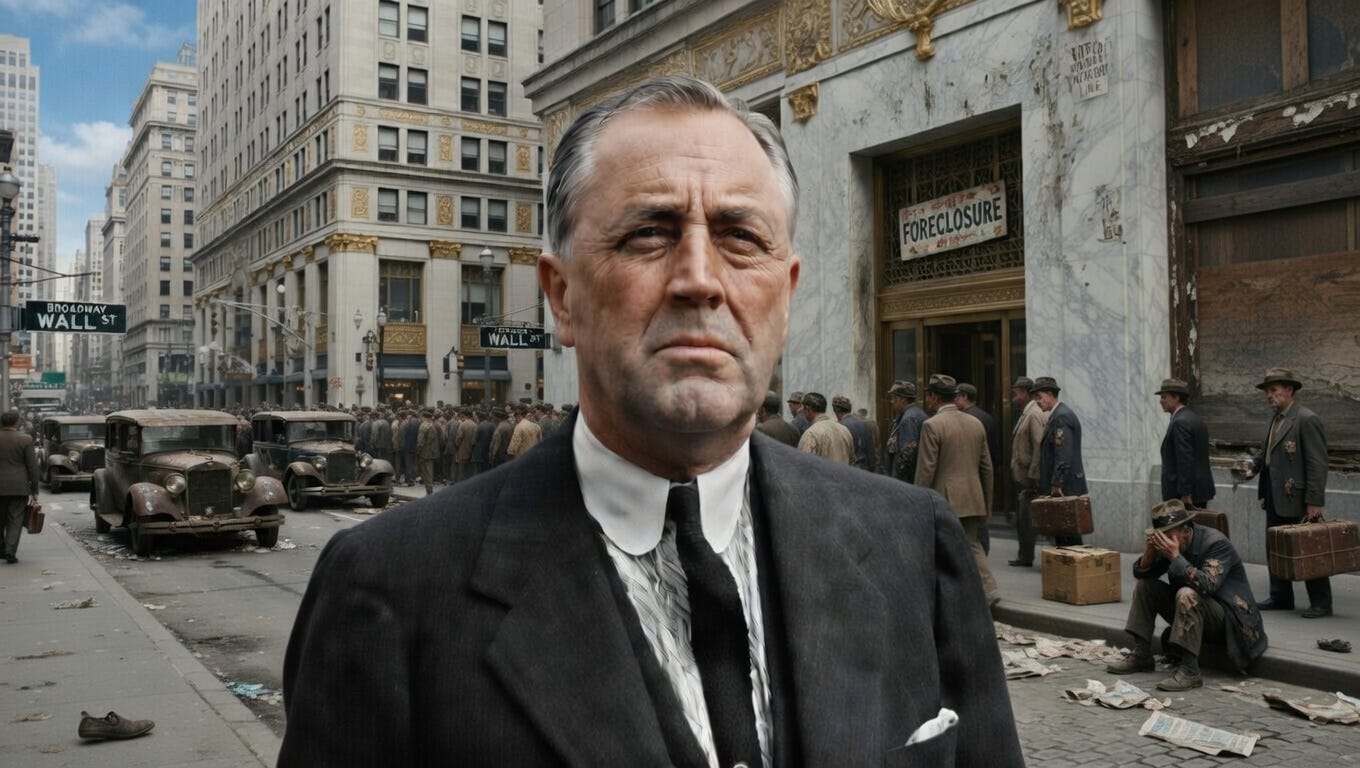
Washington provided the steady hand of constitutional founding. Lincoln preserved the Union through emancipation and total war. FDR redefined government’s role with the New Deal and global leadership. These men were decisive, ego-driven, and willing to wield power ruthlessly when institutions failed. Their Prophet generation status equipped them with the idealism and moral absolutism needed to inspire sacrifice and redefine national purpose.
Our current Fourth Turning began, by most accounts, with the 2008 global financial meltdown, the spark Strauss and Howe had anticipated around 2005. The preceding Unraveling (1980s-2000s) had hollowed out civic trust: rising inequality, endless culture wars, globalization’s dislocations, and elite capture of institutions.
Subsequent years brought deepening polarization, the opioid epidemic, stagnant wages for the working class, and the COVID-19 pandemic, which exposed governmental incompetence and supply-chain fragility. By the early 2020s, America faced eroded borders, cultural incoherence, debt-fueled fragility, and a political system where one side viewed the other not as opponents but as existential threats.
Into this void stepped Donald Trump. Born in 1946, he belongs squarely to the Baby Boomer Prophet archetype, the same generational cohort that came of age during the Awakening of the 1960s-1980s, preaching personal authenticity, institutional skepticism, and visionary rhetoric.
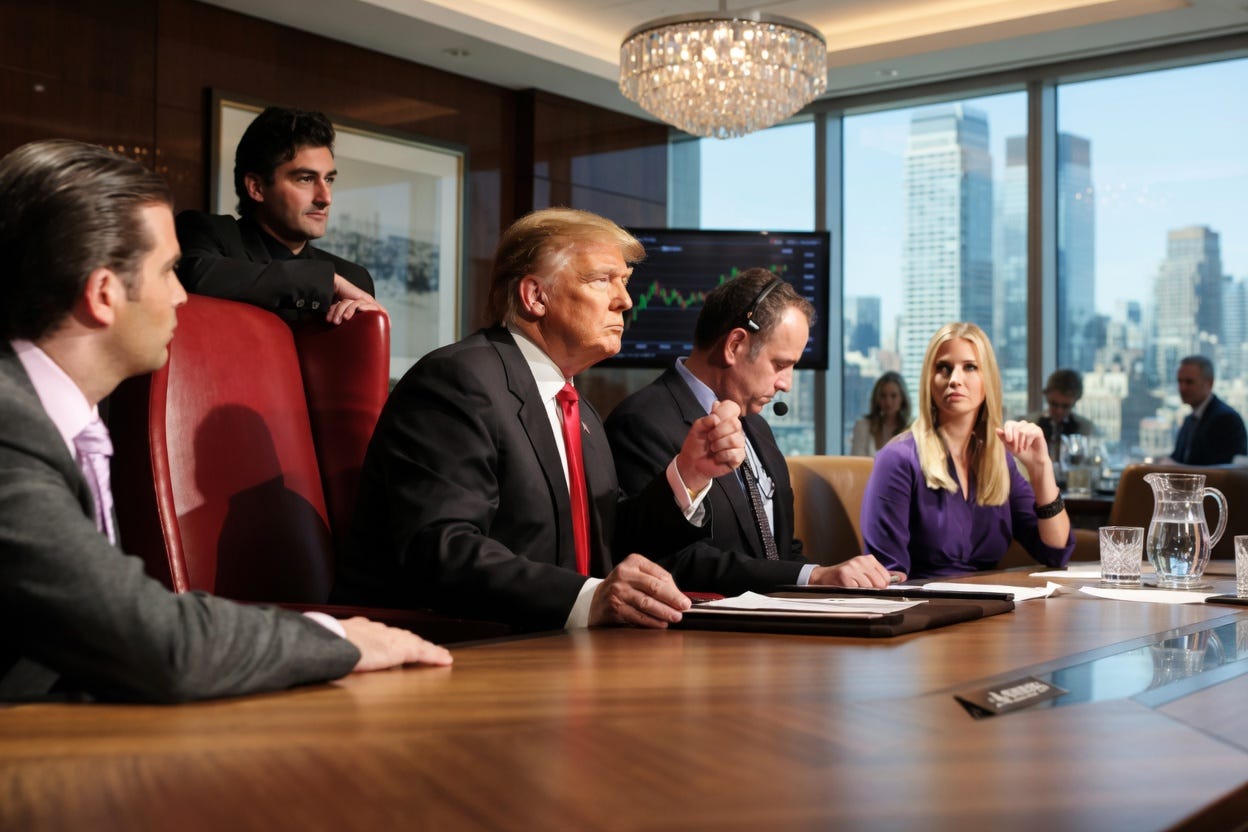
Trump’s pre-political life as a brash New York developer and media celebrity made him an unlikely candidate, yet it perfectly suited the role of outsider prophet. His 2015-2016 campaign rhetoric, Drain the swamp, Make America Great Again, Build the wall, was a prophetic jeremiad against a failing elite consensus. The 2016 election served as the regeneracy: the moment when civic energy, long dormant, surged behind a new order.
Trump’s leadership traits mirror the Gray Champions historical precedents. Like Lincoln, who suspended habeas corpus and prosecuted total war, Trump has shown willingness to shatter norms when institutions appear captured. Like FDR, who centralized power to combat depression, Trump has pursued executive vigor: tariffs to reindustrialize, mass deportation plans to restore sovereignty, and deregulation to unleash entrepreneurial energy.
His ego, often criticized as narcissism, echoes the enormous self-confidence Howe attributed to past champions; such figures do not lead by committee but by force of personality.
The July 13, 2024, assassination attempt provided the Hawthorne-esque climax. Blood streaking his face, Trump’s instinctive fist-pump and rallying cry transformed personal peril into national symbolism. His narrow survival, followed by the landslide 2024 victory, echoes Lincoln’s re-election amid Civil War or FDR’s during global conflict, proof that crisis forges legitimacy.
The events of July 13 have settled the question. President Trump is this era’s Gray Champion.
Chronicles Magazine, August 2024
Critics, including some interpreters of Strauss-Howe, counter that Trump is no true Champion. Neil Howe has at times described him as an accelerant or wrecker who hastens institutional collapse without necessarily rebuilding. Trump’s personal style, blunt, transactional, and unapologetically materialist, seems at odds with the moral authority of a Lincoln or Roosevelt. His first term ended in chaos: January 6, two impeachments, and electoral discord.
Yet these objections misunderstand the archetype. Gray Champions are rarely beloved in their time; Lincoln was hated by half the country, FDR derided as a dictator, Washington seen as a traitor to the Crown. Their morality is not personal piety but the forging of a new civic compact.
Trump’s moral vision — national sovereignty over globalism, merit over equity dogma, borders as sacred — resonates as the Prophet’s call to redefine American identity for the Hero generation (Gen Z) coming of age. His second term, now underway, offers the resolution phase. Early actions suggest the rebuilding of a public world: infrastructure, manufacturing renaissance, and restored deterrence abroad.
History’s pattern holds that the Champion does not merely survive crisis; he ends it by imposing order on chaos.
The stakes could not be higher. Strauss and Howe warned that Fourth Turnings can end in triumph or tragedy; the American Revolution birthed a republic, but the Civil War’s resolution required a century of reckoning with race.
If Trump succeeds, the emerging order may feature stronger national cohesion, economic nationalism, and a humbled administrative state, values that will define the next High. Failure risks fragmentation or authoritarian overreach. Yet the theory insists that the Champions arrival signals not inevitability but opportunity.
Trump’s Boomer Prophet energy, channeled through crisis-tested resolve, supplies exactly that.
In Hawthorne’s tale, the Gray Champion vanishes once order is restored, his work complete. So too may Trump’s role conclude as the saeculum turns. What endures is the transformed America he leaves: one where institutions, though scarred, stand renewed for the next generation.
Whether one loves or loathes the man, the generational tides have carried him to the helm at precisely the hour foretold. The Fourth Turning rages still, but under his watch, the dawn of resolution draws near. The question is not whether Trump is the Gray Champion. History, unfolding in real time, has already answered.
Comments
Nothing yet. Say the first thing.
Sign in to join the conversation.