
We grow up watching movies, listening to love and relationships stories (romantic, friendships, and other kinds) that make us believe that love is BIG and about grand gestures. We should feel fireworks and make sweeping declarations. We are taught to identify love based on intensity instead of quality connections.
But for those of us who have been navigating long-term relationships spanning years and decades we have realized another truth. Real love is more subtle and made up of so many other factors, some not so sexy. Love lives in our ordinary everyday conversations, in our compassion and forgiveness during conflicts. It does not have to be bold and dramatic. But it does have to be consistent and reliable, no matter what kind of relationship.
This is especially true when life becomes demanding, when stress stacks on top of disappointment, and exhaustion becomes part of life experiences. Those of us who have weathered these seasons in our relationships know that this is being in survival mode. This is when we feel the rhythm change. Our conversations get shorter, laughter is lost, and touch is avoided. If this disconnected tune persists too long some people realize they no longer recognize the relationship they are in. Sometimes, painfully, not even recognizing themselves.
Disconnection does not just plow into our relationships. It very slowly seeps in quietly, through unspoken needs, unresolved hurts, and the growing belief that it is easier to stay silent than to try talking or trying to work things out. This is when our toxic thoughts have taken over making it sound and feel that it is easier to dissolve or dispose of the relationship. We have become expendable to each other.
Why Does Love Matter?
What we don’t realize is that being so quick to disregard our relationships has compromised our own sense of who we are. We lose the pieces of ourselves that are embedded with each of these connections. Parts that feel warm, connected, or at home. I’m talking about the playful, curious, and emotionally safe versions of ourselves. Our reflections look different in the mirror. We may not even recognize ourselves as our toxic thinking permeates our minds telling ourselves we are unlovable, that it is not worth working through the issues or that it is simply too hard.
Think about the couple who sit on the same couch every night but are scrolling on their phones, living in two separate emotional worlds. Or the parent and adult child who exchange polite, surface-level messages but avoid real conversations. What about those long-time friendships where neither person knows how to bridge the gap that has grown between them. And you with yourself? Are you in autopilot, feeling strangely absent from your own life and who you are?
Disconnection is not always a result of conflict. It can also be part of our nervous system response to long haul stress or overwhelm. Over time, the nervous system learns to protect itself through emotional distancing as part of conserving energy and being in survival mode. Eventually, what once was about protection slowly can lead to something dangerous like toxic thinking and then…isolation.
How We Humanize Relationships
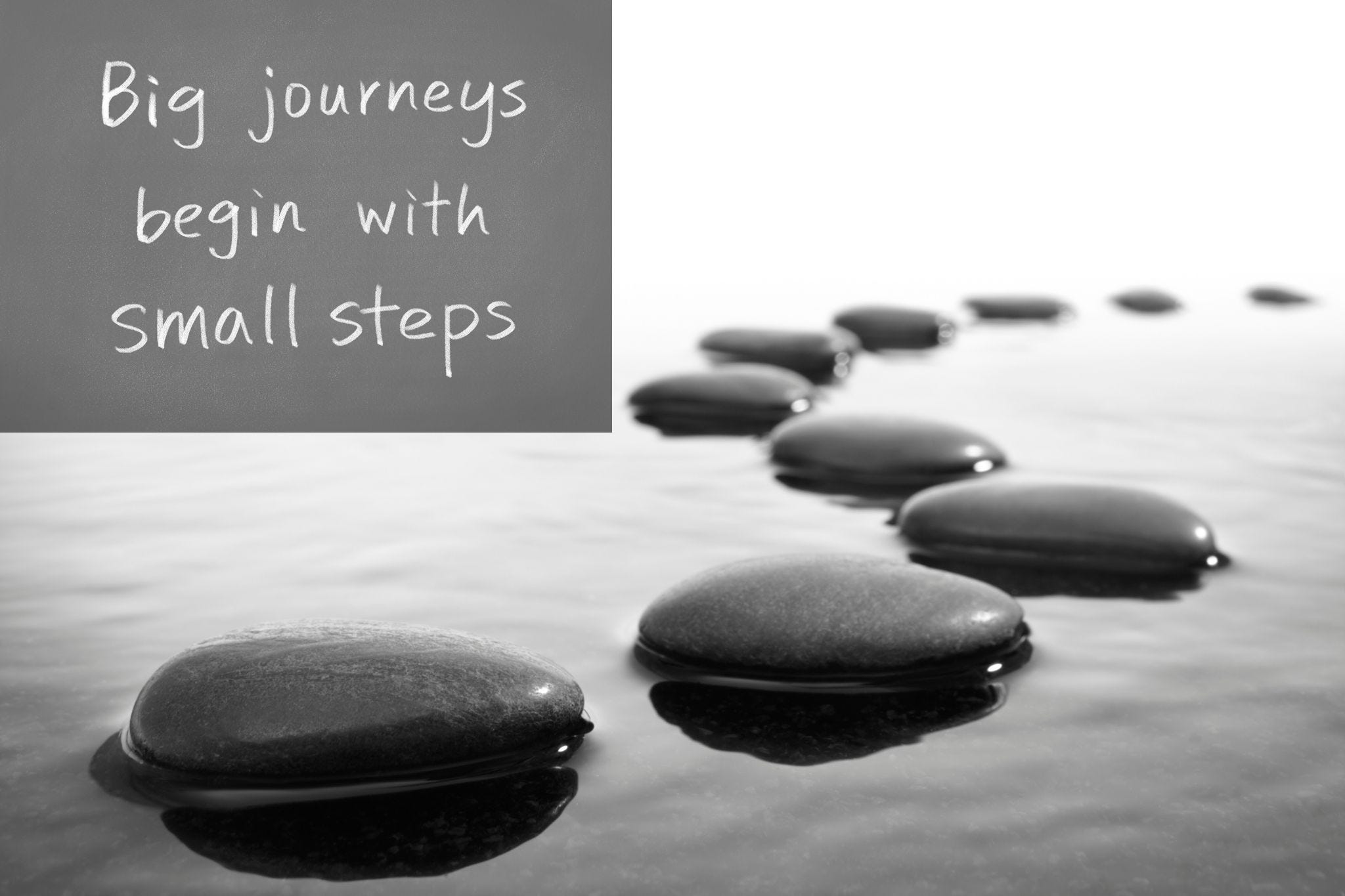
Humanizing our relationships begins with remembering that love is powerful when it is felt. It is not about being BIG or perfect. It is about being intentional and honest. Even small, intentional human-centric actions can interrupt long-standing patterns of disconnection in ways that grand gestures cannot. It is about finding little ways to remind the nervous system that it is safe to stay connected for both parties.
These are some of the things I, personally, have put into practice and encourage clients to do as well. These are just a few humanizing practices or examples of everyday ordinary ways to make a difference and reconnect with who we are.
Bringing a cup of coffee or tea without being asked.
Sending a text in the middle of the day letting someone know you are thinking of them.
Being willing to sit beside them in silence when words feel hard to find.
Another way we can help ourselves move from resentment to reconnection is to ask ourselves how someone made you feel differently or human again in a positive way. Then flip the script and ask yourself what is something you can do to remind someone else that they matter too?
Relationships are enhanced and sustained through ordinary humanized moments infused with intentional effort. We build and restore our connections. After conflict, have the courage to reach out again even when it feels vulnerable or too hard. Be willing to believe that the smallest step, when taken with care, can carry and restore a relationship much more than silence ever could.
Love does not require perfection, but it does need intentional efforts for human connection.
For more ways to reconnect with yourself, others, and more humanized life, follow PainToPossibilities.com on #Substack.
Find more information about Mind Armour® Services & Training Programs
Now Available on AMAZON:
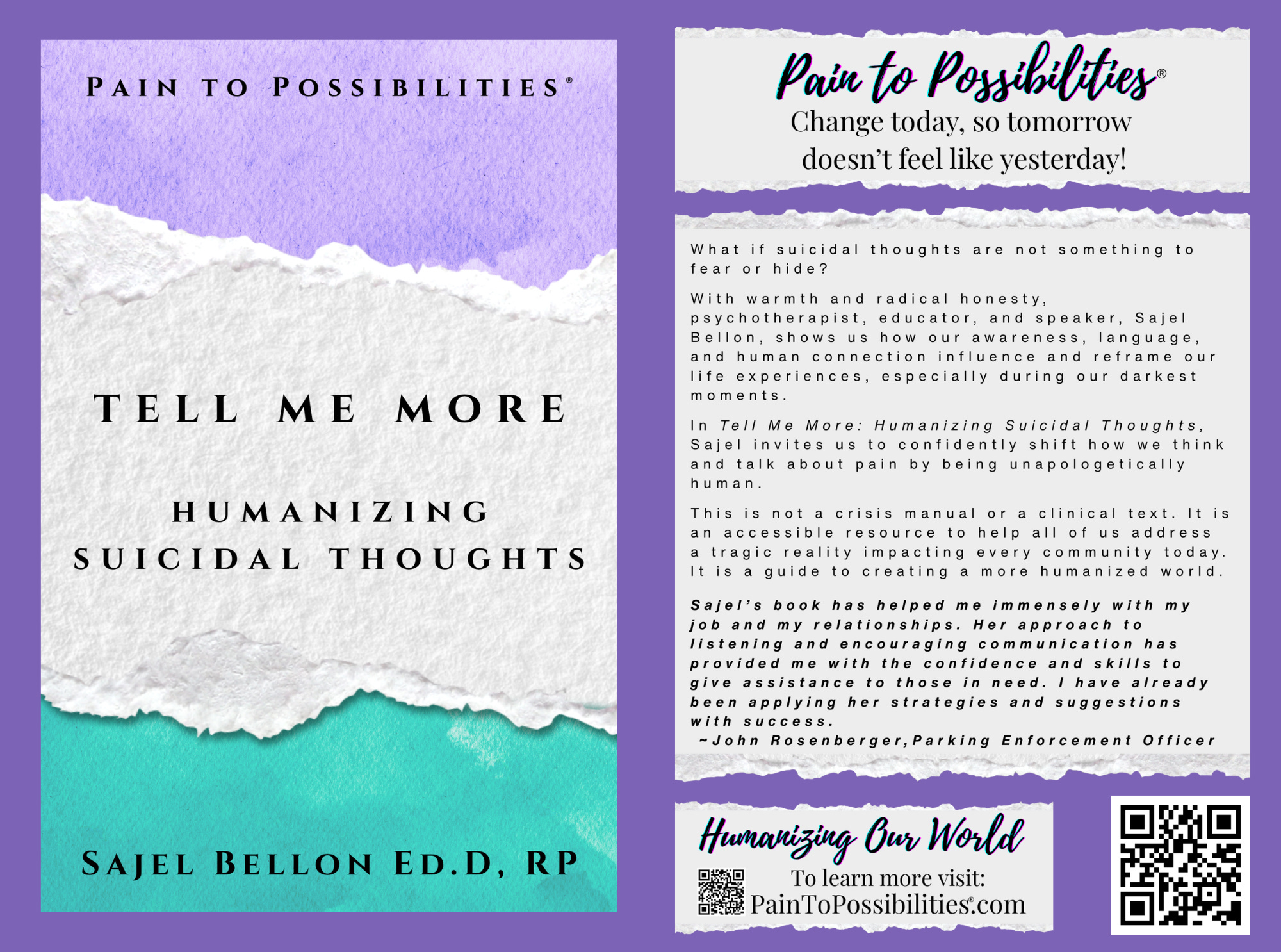
To stay updated about the release of the latest
Pain to Possibilities® Publications share & subscribe!
Comments
Nothing yet. Say the first thing.
Sign in to join the conversation.