

When something “blows up,” people call it luck. The algorithm gods liked it. The timing worked out. The internet chose it.
But if you zoom out, patterns start repeating. And in 2026, the patterns are getting clearer.
Feeds are more crowded. Audiences are more skeptical. Platforms are more precise about what they distribute.
Yet some posts still take off, not because they got lucky, because they tapped into the 4 pillars of psychology that is actually driving society to share.
TikTok’s own creative guidance shows that top-performing videos capture attention in the first 1 to 2 seconds, often through a sharp visual or tonal shift.
We’ve talked about this before in The Art of Creating Eye-Catching Content.
The brain notices change. Not beauty. Not polish. Change.
Stillness in a loud feed. A blunt sentence where people expect fluff. An angle that feels slightly off. It doesn’t have to be chaotic. It just has to feel different - and right away.
High-performing content rarely sits in one emotional lane.
Meta’s analysis of widely shared content shows that posts triggering mixed emotions outperform single-tone posts in share rates.
The posts that spread aren’t neutral, they take a position. Virality requires you having a spine about something. What is your hot take?
It doesn’t have to be reckless or cruel, but the internet rewards clarity. Even when people disagree with it.
“Inspirational” content gets polite likes, but opinionated content gets shared. Think about what actually moves through group chats. It’s usually something that makes people say:
“Omg this is so true.”
That slight edge is the engine.
According to Influencer Marketing Hub’s 2025 benchmark data, campaigns integrated naturally into a creator’s (or brand’s) existing narrative outperform reactive trend participation in both engagement and conversions.
There’s a big difference between:
“How do we jump into this trend?”
And:
“Were we already part of this conversation?”
In 2026, virality spreads through micro-communities first. Group chats. Niche corners. Comment sections that feel like inside jokes.
Likes don’t make posts go viral. Shares do.
In 2026, platform distribution is heavily influenced by saves and private shares. Once something starts moving through DMs and group chats, reach compounds. That’s when the algorithm pays attention.
But here’s the part most brands miss:
People don’t share content because it’s impressive. They share it because it reflects who they are.
A 2025 Sprout Social report found that 64 percent of Gen Z users share content to express identity and values.
When someone sends a post to a friend, they’re not promoting the creator. They’re signaling something about themselves. Their humor. Their taste. Their generation. Their worldview. The share button is a mirror.
That’s why hyper-specific content travels further than broad content. A sharp take spreads faster than a safe one. A clearly defined aesthetic moves more than a generic one. The more someone sees themselves in the post, the easier it is to hit send.
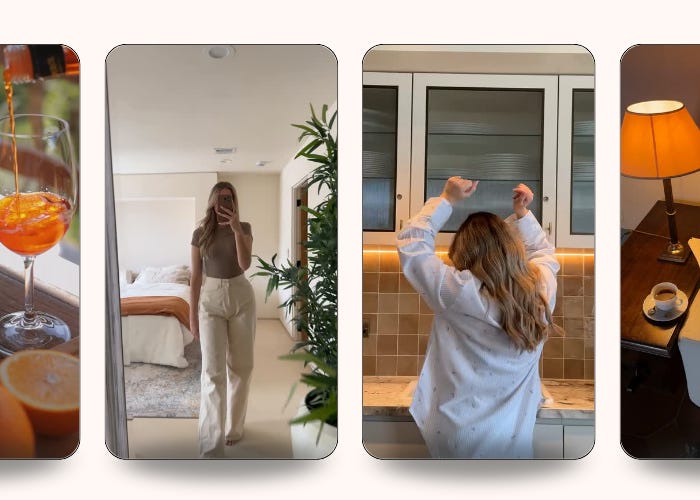
Packsia is an aesthetic & authentic stock footage platform - like having thousands of ready-to-post videos in your pocket.
Curated by our team and proven to perform, our exclusive library of trending videos are designed to elevate your content, marketing, ads and more. With hundreds of clips uploaded weekly, you'll never run out of content again.
Use the code LUCKY40 for 40% off your first month (ends March 18), or try for $5.

No posts
Comments
Nothing yet. Say the first thing.
Sign in to join the conversation.