
We are often at our wisest when the problem belongs to someone else.
A colleague is stuck in a bad role, and we can see the pattern immediately. A friend is overthinking a difficult conversation, and we know exactly what they should say. A junior professional is paralysed by criticism, and we can calmly separate the useful feedback from the emotional noise.
Then the same problem happens to us.
Suddenly, perspective collapses. Every option feels more complicated because the decision is no longer theoretical. It is attached to our identity, our ambitions and our sense of control.
We become like lighthouse keepers who can guide distant ships through a storm, but can’t use the search beam to guide ourselves.
The biblical reputation of KIng Solomon for his wisdom had a dark side. His personal life was a mess. His empire descended into disarray and broke up after him. Hence the “Solomon’s Paradox.”
Solomon’s paradox describes our tendency to reason more wisely about other people’s problems than about our own.
When advising someone else, we naturally take a wider view. We consider competing explanations. We recognise uncertainty.
When the problem is ours, that balance weakens. Emotion, ego and reputation narrow the frame. We defend past choices because changing direction feels like admitting failure.
This is why excellent mentors, managers and clinicians can still make poor decisions in their own lives.
Expertise does not automatically protect us from self-involvement.
Still, the gap between advising and acting can be reduced.
Self-distancing means mentally stepping back from a situation so that we can examine it with less defensiveness. Hitting the “Pause” button.
The simplest method is to imagine that the problem belongs to someone else we know, maybe respect.
Now, wearing the shoes of this person, ask: “What would they tell a colleague in this situation?”
Describe the problem in neutral language.
Separate facts from assumptions.
Identify what is within your control.
Notice where fear, pride or sunk costs are shaping the answer.
Self-distancing does not mean becoming cold or detached from your values. The goal is not to remove feeling, but to prevent it from becoming the only voice in the room.
Distance improves the view. It does not guarantee the destination.
Third-person reasoning makes self-distancing practical.
Instead of asking, “What should I do?” ask, “What should Arjun do next?” Using your own name may feel artificial, but that small shift can make the problem feel less fused with identity.
Then write three lines:
What should this person stop doing?
What should this person start doing?
What is the next reversible action?
That final question matters. Insight becomes useful only when it produces movement.
The next step might be requesting clarification, testing a smaller version of an idea, drafting an unsent message, asking for one counterargument or delaying a major decision until the emotional peak has passed.
You do not always need more wisdom.
Sometimes, you need enough distance to hear the wisdom you already give away so freely.
#DecisionMaking #SelfAwareness #LeadershipSkills #EmotionalIntelligence #CriticalThinking
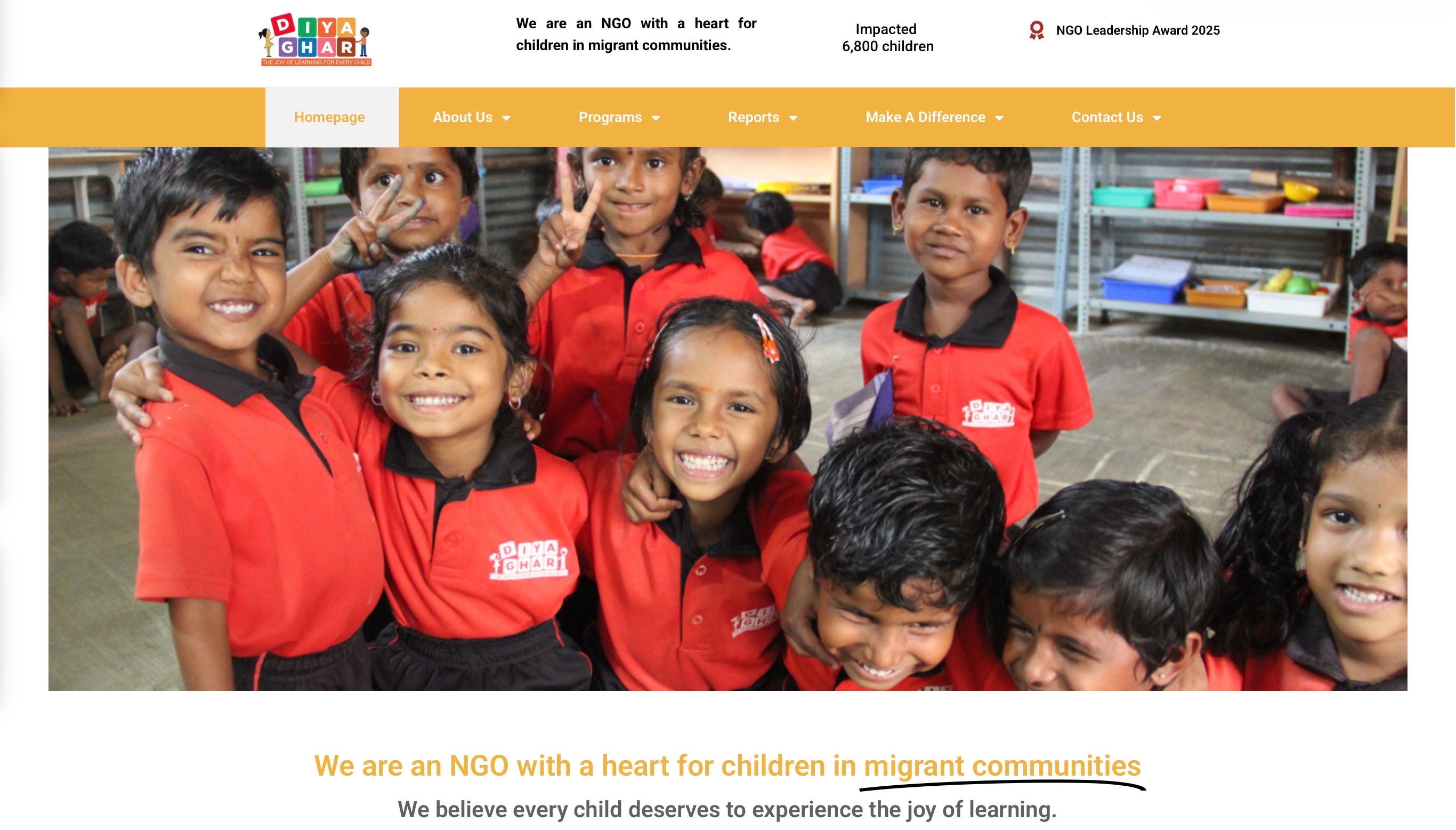
{P}rescription is free, but if you would like to show appreciation, you can make a donation at a very worthwhile cause for education of underprivileged children at diyaghar.org
Thanks for reading {P}rescription! This post is public so feel free to share it.
Comments
Nothing yet. Say the first thing.
Sign in to join the conversation.