
AI has made competent writing cheap. A professional can now produce a clean email, a persuasive proposal, a polished post or a tidy presentation in minutes.
Grammar improves.
Structure tightens.
Awkward phrases disappear.
Yet something else often disappears with them: the person.
The emerging challenge is no longer merely how to write well. It is how to remain recognisably human while using tools that can make everyone sound equally fluent.
That distinction matters because readers remember specificity, judgement, surprise and the sense that someone real is speaking to them.
Professional wallpaper is language that looks appropriate but fails to hold attention.
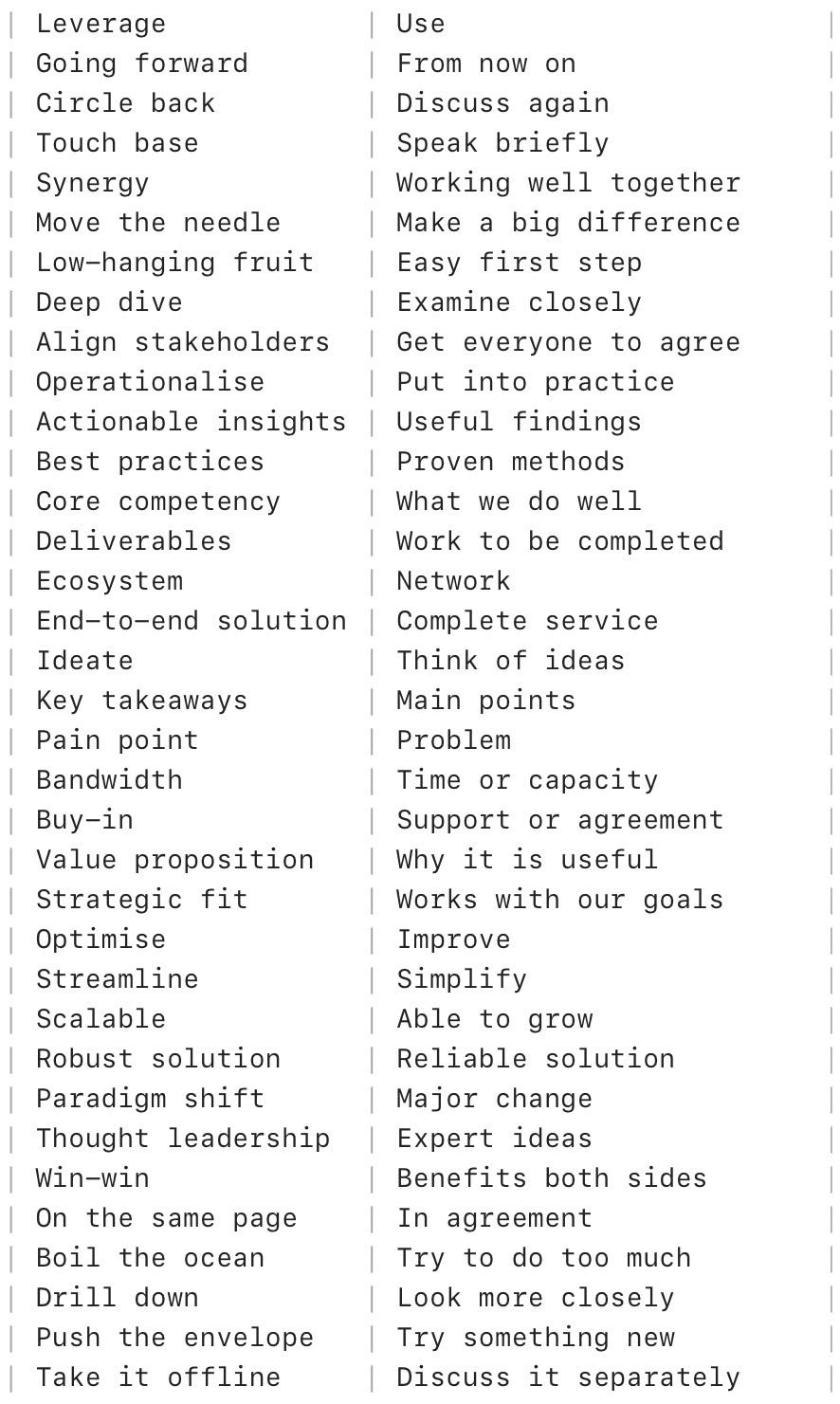
It is grammatically sound, strategically phrased and almost entirely interchangeable. It speaks of “leveraging opportunities,” “driving value,” “aligning stakeholders” and “moving forward.” - -
Nothing is visibly wrong.
Nothing is particularly alive.
The problem is that such language feels phony. It carries too little evidence of thought.
AI amplifies this problem because it is extremely good at producing the average version of professional language. Give it a vague prompt and it will usually return something fluent, orderly and familiar.
Communication becomes memorable only when it contains a detail, position, image or observation that could not have been written by just anyone.
Voice erosion happens gradually.
At first, AI corrects your grammar.
Then it improves your structure.
Soon it rewrites your sentences, replaces your metaphors and smooths away the peculiar rhythms that made the writing yours.
The result may be technically better and personally weaker.
Your voice is not simply a style. It is the visible trace of your judgement: what you notice, what you leave out, what you find absurd, what you consider important and how you connect one idea to another.
Start with rough notes. Include your doubts, irritations, examples and half-formed conclusions. Ask the tool to identify gaps, repetition or weak logic before asking it to rewrite anything.
Use AI as an editor, challenger and organiser. Don’t use it as a substitute thinker.
This is a hard task. It requires effort. It gets better as you do more.
The simplest way to sound human is to stop writing to an audience. Write to one person.
Imagine someone tired, intelligent, mildly sceptical and already overwhelmed by information. Ask what that person needs to understand, what might make them pause and what would make the message feel useful rather than merely impressive.
One-person writing removes abstraction. It forces relevance. It changes “communicating key strategic priorities” into telling someone what matters, why it matters and what they should do next.
The future of communication will not belong to those who sound most polished. It will belong to those who can use powerful tools without disappearing into them.
#communication #AI #writing #authentic
Business jargon ➡️ Plain-language substitute

{P}rescription is free, but if you would like to show appreciation, you can make a donation at a very worthwhile cause for education of underprivileged children at diyaghar.org
Thanks for reading {P}rescription! This post is public so feel free to share it.
Comments
Nothing yet. Say the first thing.
Sign in to join the conversation.