
Louisiana state health officials report a confirmed Naegleria fowleri infection in a Louisiana resident. The resident most likely acquired the infection while swimming in Lake Claiborne, located in Claiborne Parish, shortly before illness.
Local media reports the patient is 7-year-old Lillian Smart from the Ruston area. According to social media posts, Lillian’s medical team has been working with the CDC to obtain medication to treat the infection.
She is reportedly hospitalized at Willis-Knighton South.
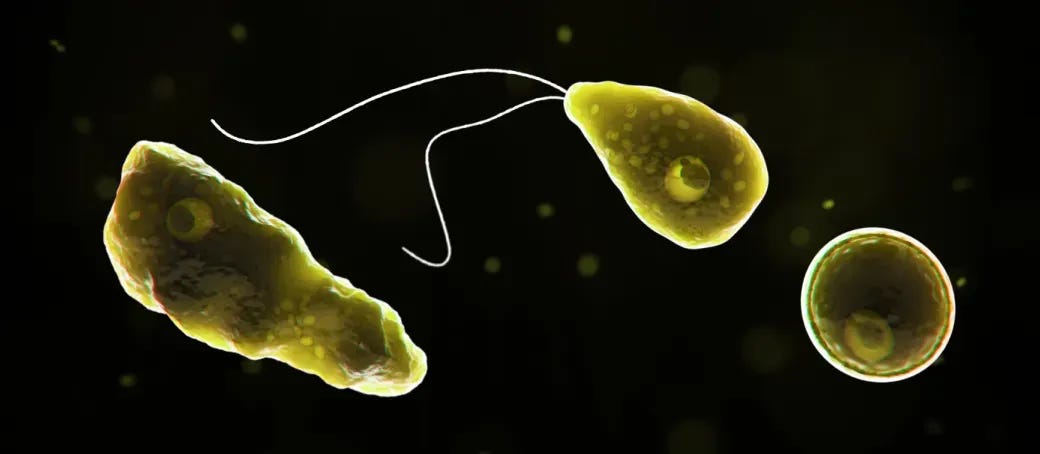
Naegleria fowleri is a microscopic amoeba which is a single-celled living organism. It can cause a rare and devastating infection of the brain called primary amebic meningoencephalitis (PAM). The amoeba is commonly found in warm freshwater such as lakes, rivers, ponds and canals.
Infections can happen when contaminated water enters the body through the nose. Once the amoeba enters the nose, it travels to the brain where it causes PAM (which destroys brain tissue) and is usually fatal. Infections usually occur when it is hot for prolonged periods of time, which results in higher water temperatures and lower water levels.
Naegleria fowleri infections are rare. Most infections occur from exposure to contaminated recreational water. Cases due to the use of neti pots and the practice of ablution have been documented.
You cannot be infected with Naegleria fowleri by drinking contaminated water and the amoeba is not found in salt water.
Initial symptoms of PAM usually start within 1 to 7 days after infection. The initial symptoms may include headache, fever, nausea, or vomiting.
Other symptoms can include stiff neck, confusion, loss of balance, seizures, and hallucinations. After the start of symptoms, the disease progresses rapidly.
Though the risk of infection is low, recreational water users should always assume there is a risk when they enter warm fresh water. You can reduce your risk of infection by limiting the amount of water that goes up the nose. Recommended precautions include:
Use caution when engaging in water-related activities in warm freshwater during periods of extended extreme heat. Naegleria fowleri usually occurs when temperatures increase for prolonged periods, resulting in higher water temperatures and lower water levels.
Swimmers can reduce their risk by keeping their heads out of the water and using nose clips or plugging their noses when going underwater.
Avoid submersing your head in hot springs and other untreated fresh thermal water.
Avoid digging in or stirring up the sediment while taking part in water-related activities in shallow, warm freshwater areas.
Naegleria fowleri infections are rare, with only 180 known cases of PAM in the U.S. (between zero and eight cases annually) from 1937 through 2025. Louisiana had three Naegleria fowleri cases during that time period.
Comments
Nothing yet. Say the first thing.
Sign in to join the conversation.