
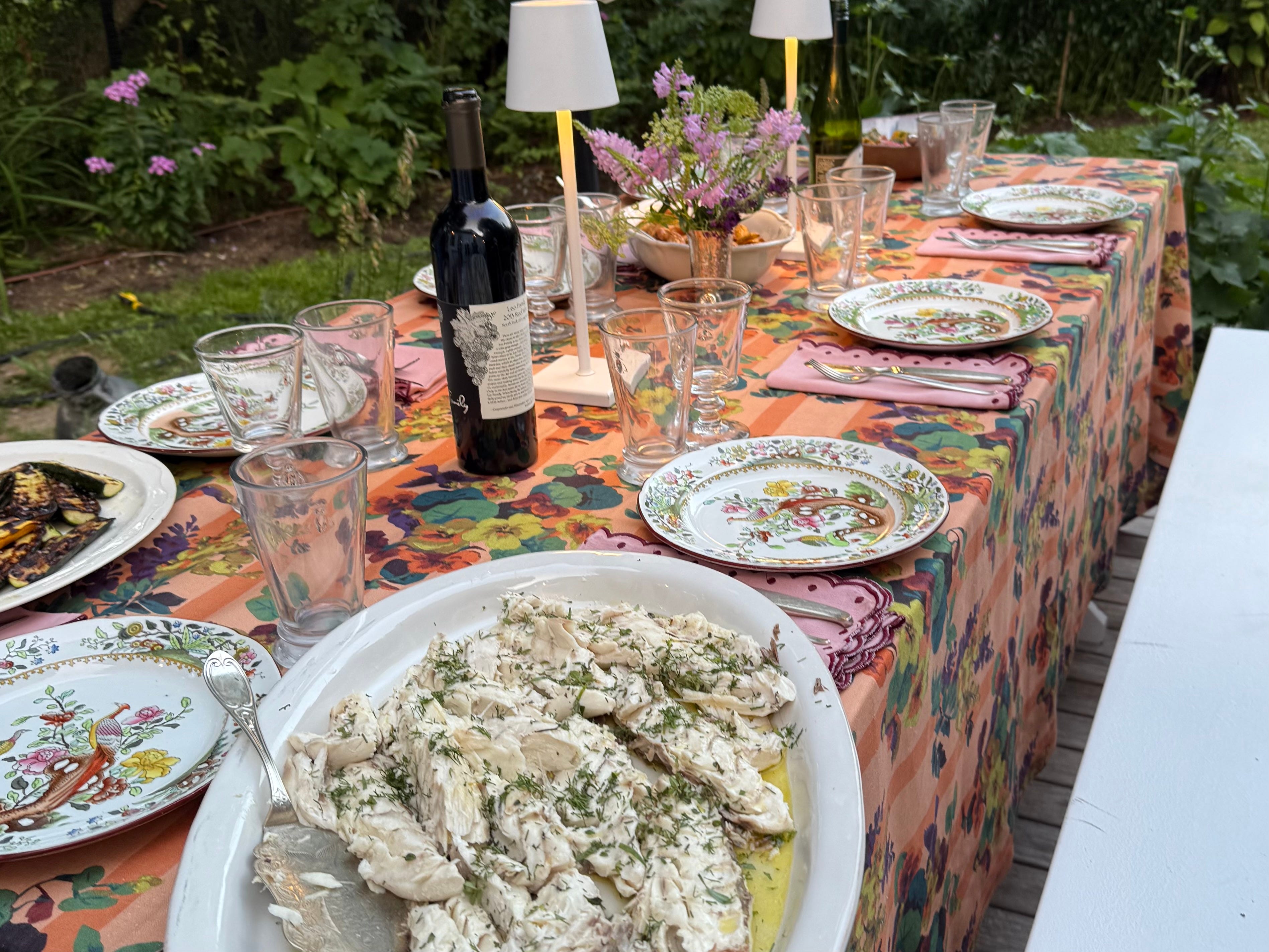
If you follow the entertaining guides thrown up by the home and garden universe in which this Substack finds itself, having friends over now appears to require roughly the same amount of advance planning as a small wedding.
No wonder most people don’t entertain.
And yet we know adult friendships require tending. The primary mechanism by which people once tended them—regularly being in one another’s homes—has somehow become another thing we’re meant to be good at.
When I was in my twenties, I devoured books on entertaining. There was something seductive about the idea that adulthood involved mastering this elaborate domestic art. My friend Sadie Stein, who hosts well and often, once gave me Entertaining Is Fun! How to Be a Popular Hostess, by Dorothy Draper, which is exactly the sort of thing I had been studying since I was an oddball teenager.
I wanted to know how to set the table, what could be made ahead, where everyone should sit, what one served with what. I loved the whole business of Entertaining, with a capital E.
But one of the things I’ve discovered in middle age is that the evenings that actually create connection and intimacy are rarely the picture-perfect ones.
The good hostess makes you feel wanted.
The bad hostess makes you feel hosted.
I think the most important entertaining skill may be making having-people-over feel as though it isn’t an event at all. It’s the difference between care and performance.
The beautiful table still matters, if setting a beautiful table amuses you. Flowers matter if you enjoy arranging them. Good food matters (though I’ve been to great dinner parties where little thought was given to the food). Candles certainly don’t hurt. But the table isn’t the hospitality, inviting someone into your life is.
I’ve been thinking about this because, at this very moment, I am considering having friends to dinner—a “dinner party,” if you will—much larger than our usual informal and manageable six to eight, so we can gather everyone who is in town before summer slips away.
To be fair, dinner parties in their simplest form, present logistical challenges. We are weather-dependent, for one thing, because until we build our new dining space, we can only accommodate a large group out-of-doors. Then there is the cooking and cleaning and finding enough glasses and chairs. And what to do with the children when bedtime arrives at precisely the moment everyone else does?
But this summer has taught me a few things about having people over, the first lesson arriving rather forcefully in early July.
At approximately 7 a.m., while we were having our first cup of coffee, Michael looked up from his newspaper and casually announced:
“Seventeen for dinner tonight.”
“Who are the seventeen?” I asked.
“Dunno.”
This is the kind of sentence that alters the course of your day.
It can happen in summer communities with beach houses. People travel in packs. Invite two friends and they each arrive with a sibling, a college roommate, three children, somebody’s boyfriend, an aunt who’s staying, and a mysterious Australian who seems delightful but nobody can quite explain.
The “dunno” Michael was referring to was our West Coast friends, the Thieles, who are particularly entourage-y. They are technically four, but once you add other people in their extended friend group who Michael has been friends with since they were all teenagers, plus their houseguests, seventeen is easily achieved.
I have heard rumors that sensible people confronted with this situation do a sweep of Round Swamp Farm and return home with several professional-looking trays of prepared food. I respect this.
Unfortunately, we have developed a reputation for actually cooking.
There was another problem.
Lately, people seem keen to “drop by.” I can’t tell whether they genuinely want to see us or are conducting quality control to establish whether Our Amagansett House is, in fact, an elaborate internet fiction.
“Oh,” they seem to say with their eyes. “It’s much smaller than it looks on the Gram. But the baskets are real.”
I glanced around the house. It had acquired the neglected look houses get after several weeks of actual summer living. Toys everywhere. The dining room completely overtaken by preparations for Louise’s birthday. Half-finished projects on every surface.
Could this be turned into a dinner party in twelve hours?
It could—and perhaps because it was so impromptu and less-than-perfect, it was more fun than usual.
I learn this every time I attend a dinner party given by European friends—particularly the British, who barely seem to tidy up before you arrive.
The lesson is don’t overachieve.
Because you want it to be, well, fun. Slightly rock-and-roll.
We all know the overachieving host in his various forms.
The Good Cook: Three days of prep and has not sat down since you arrived. You spend the evening watching him carry things, and then everyone feels obliged to compliment the chef volubly.
The Catered Dinner: Immaculate and somewhat like attending a benefit for eight people. Someone you have never met keeps asking if he may clear your plate.
The Chairman of the Board: Wants everyone to introduce themselves round the table, play a parlor game or stop conversation to participate in a “group conversation.” You develop stage fright half-way through dinner.
Our British friends, by contrast, who invited us for dinner recently appeared mildly surprised when we actually turned up. They apologized that the bathroom was “teenage.” Then a charming teen made me an excellent gin and tonic. They invited more people than settings, but loaves were divided, and we all squeezed in.
And it was SO much fun.
Imperfection creates intimacy. Performance doesn’t.
So having accidentally succeeded with our impromptu seventeen-person dinner in July, I am determined not to ruin the next one by having a few weeks to prepare for it.
If you find yourself in a similar position this summer, here are the things I am trying to remember.
First: Do you actually like these people?
This sounds obvious, but it is the most important question. My summer motto is: If it’s not hell yes, it’s hell no.
Seventeen people you don’t like is simply a hostage situation.
Fortunately, I love the people I want to invite, so we can proceed.
Next: Is your spouse helping with the cooking?
This is a critical distinction.
Michael volunteered to cook almost everything. I will bake. This leaves me with logistics: cleaning, shopping, finding serving platters, moving tables and chairs, figuring out lighting for outside, hiding clutter.
Also: ice.
You will need more ice than seems reasonable. Then double it. You will also need paper towels and a well-stocked bar. These are the unglamorous pillars of a successful party. As every stage manager knows, somebody has to be quietly taping things together backstage.
Remember: Seventeen never actually means seventeen.
Experience has taught me that roughly 25 percent of any summer dinner party disappears before sunset. A child melts down. Someone gets invited onto a boat. Someone falls asleep after the beach. Someone suddenly remembers another dinner.
Our seventeen became fifteen.
Hire help—but not too much help.
I don’t mean a chef or a caterer. For me, that can tip the evening from dinner at somebody’s house into a small corporate event.
What I want is one cheerful person who arrives an hour beforehand, keeps glasses full, clears plates and, most importantly, leaves the kitchen looking cleaner than it did before fifteen people came through it.
Ideally, this is someone who already knows where things live so you are not being asked where the forks are every six minutes.
This may be the single best money you spend on a party.
Grill absolutely everything.
Never attempt seventeen individual portions of anything.
Michael grilled seven pounds of pork tenderloin and three pounds of monkfish. There was a vast bowl of summer fried rice, corn on the cob, tomato, mozzarella and basil, and a green salad. Everything went onto a buffet.
Buffets are freeing. People take what they want and ignore what they don’t. No one notices that Aunt Margaret doesn’t eat garlic, little Oliver only eats beige food, and someone you haven’t seen since last year has recently become suspicious of seed oils.
Set up the drinks early and have an accessible bar.
Wine. Water. Something fizzy. One simple cocktail if you’re feeling ambitious.
The essential principle is that nobody should require your assistance in order to get a drink. You’re busy pretending none of this required any effort.
Make one excellent dessert.
People remember one wonderful homemade thing far longer than five respectable bakery boxes.
I was already making caramel brownies for Louise’s birthday, so I tripled the recipe. Brownies are friendly. Everyone loves them, and they don’t require forks. I served them with fresh pineapple and little cocktail picks with shells on top that I’d been saving for a rainy day.
One small flourish is worth twenty expensive ones.
Don’t be Shy. Flatter away.
You love your friends. Support them loudly. Nothing puts people at ease sooner than being noticed and given a nice compliment.
And lower the bar on everything else.
Your house does not need to look like a magazine. It needs to look like people live there and are happy you’ve come.
Close the doors to the rooms that are chaos. Light the candles. Put some flowers on the table. Done.
No one is conducting an inspection.
And if they are, they can host next time.
By the time everyone arrived that night in early July, the house looked imperfect but cheerful, the food was ready, and there were enough places to sit if you didn’t mind a certain amount of musical rearranging.
People ate. People wandered around. My five-year-old conducted approximately twenty rounds of a game called Mafia that only he understood. There were people representing every phase of life from early childhood to the early seventies.
It worked.
One of the unnerving discoveries of getting older is how easily friends can simply fall away. Not because you’ve had a fight. Nothing dramatic has happened. You think of them all the time. You just haven’t seen them since February.
We are forever saying, with complete sincerity, “We have to have you over,” and then consulting calendars, discovering that everyone has a free Thursday seven weeks from now, deciding Thursday isn’t really ideal, and going another year without seeing one another.
So I’m having the dinner.
I’m setting the table because I like setting tables. I’ll put out flowers because I like flowers. We’ll make good food because we like to eat it.
But I’m going to try very hard not to Entertain.
And I’m buying twice as much ice.
Meanwhile…ahem…this week’s Meals & Moods.
Angie the nanny is back! Order has been restored to the kingdom. And this week, in a small but significant transfer of power, Jack has chosen the dinners she’ll make for the children Monday through Thursday.
Monday — Surf’s Up
Mood: Salt-crusted, sandy-bottomed.
Surf camp is in session, which means the children will spend the day being healthfully exhausted by the Atlantic.
Kids: Quesadillas, avocado, carrots and celery, watermelon.
Parents: Dinner at friends’ house. Someone else is cooking, which is perhaps the most delicious meal of all.
Tuesday — Finalizing Our Travel Plans for the Year
Mood: My brain hurts. Why must we go anywhere?
This is the day I intend to sit down with calendars and actually commit to where we are going between now and Christmas, an exercise that invariably begins with “What about Venice again or Paris?” and ends three hours later with me cross-referencing airfare, friends and hosts, nanny, school holidays and wondering why we don’t simply remain in Amagansett forever.
Kids: Chicken tacos with black beans and rice, cabbage slaw on the side.
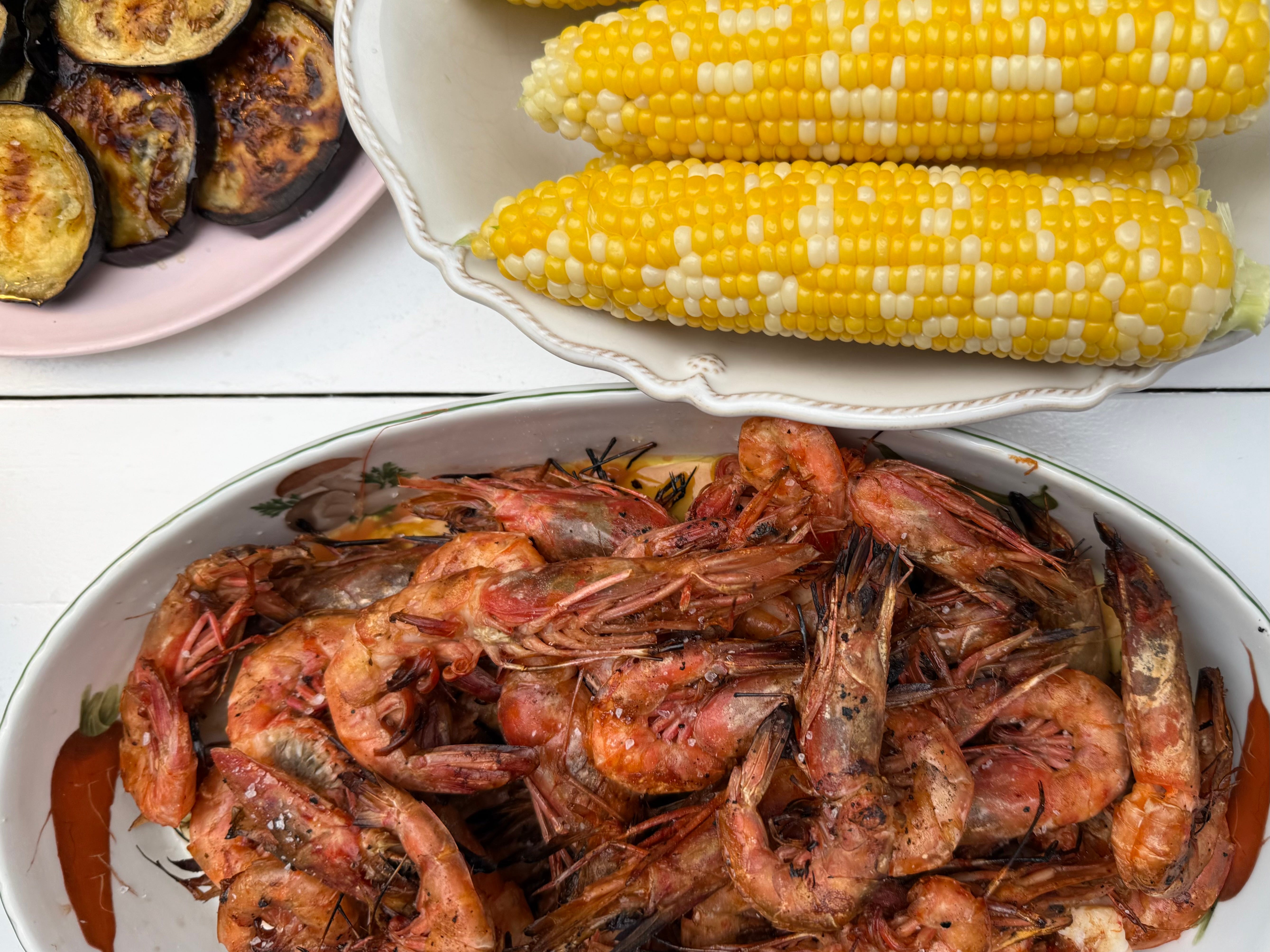
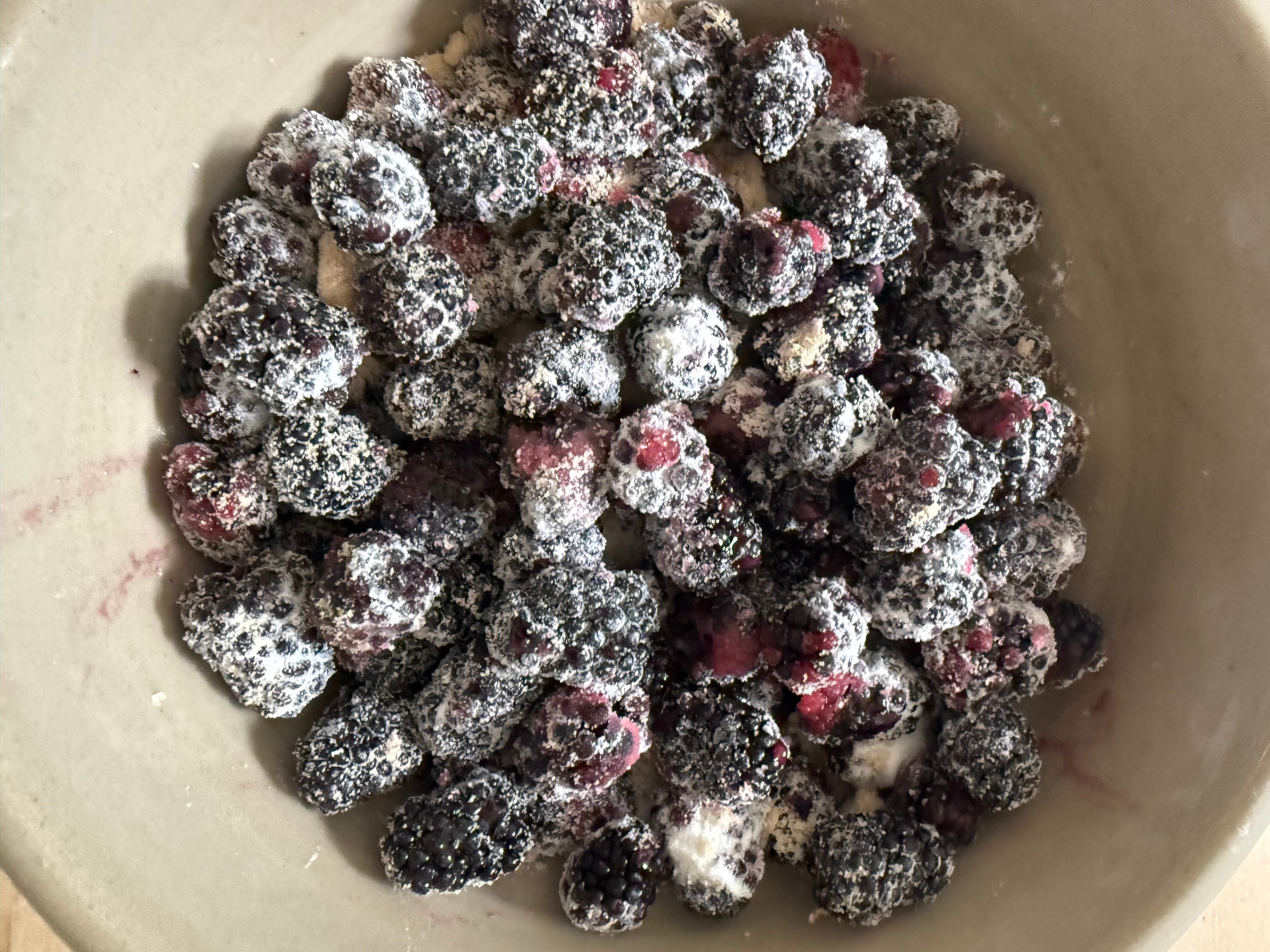
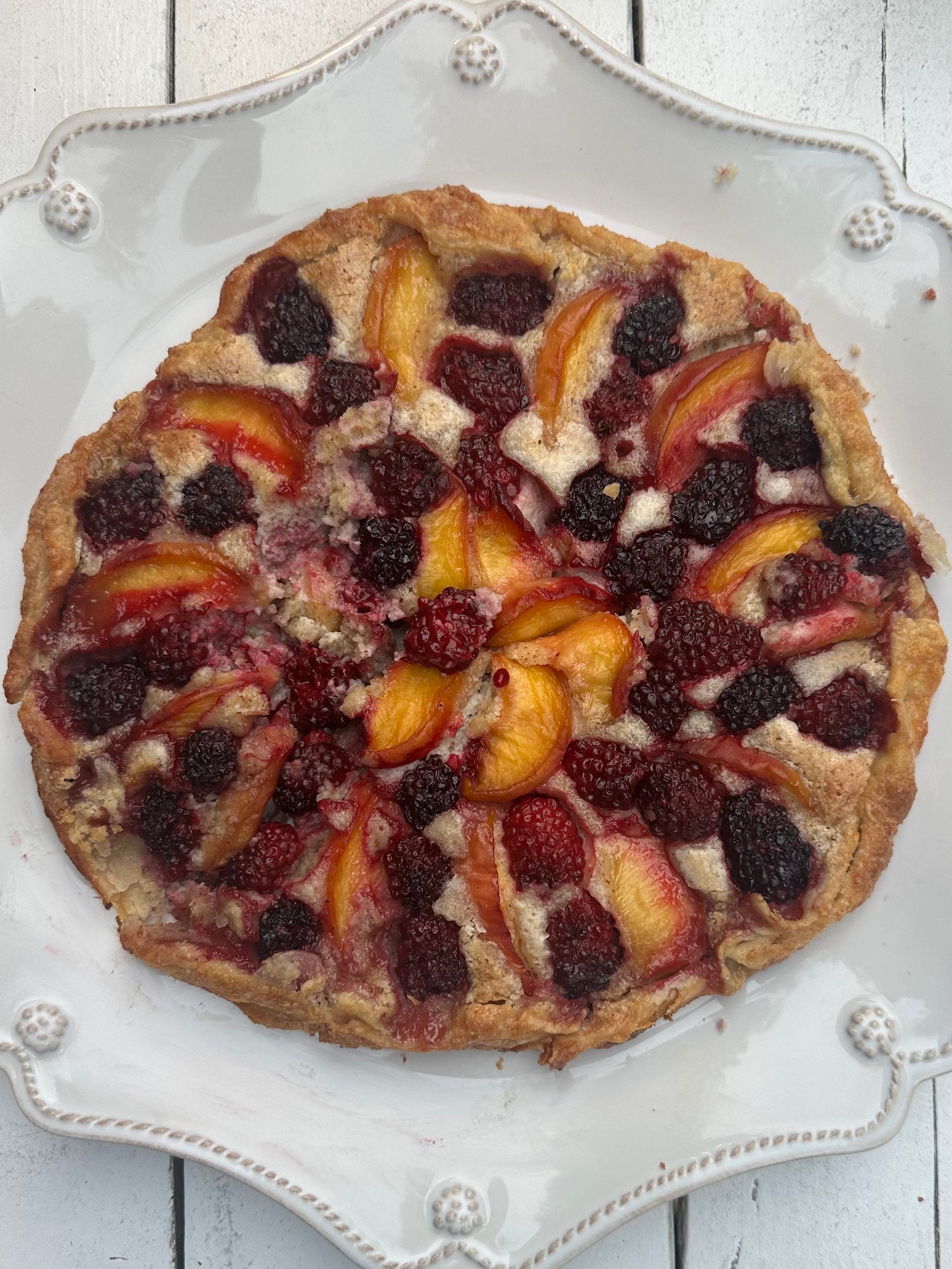
Parents: Grilled shrimp, grilled eggplant, salad and blackberry galette.
I’ll also start bread to go with the blackberry jam I’ve been making, because apparently while questioning the wisdom of travel I have become a homesteader.
Wednesday — Gardening
Mood: Just have to pull some weeds.
This is the great lie of my summer. I go out to weed and picks a few pole beans and reappear two hours later carrying flowers, six tomatoes, and absolutely no memory of what I originally went outside to do.
Kids: Hamburgers, baked potatoes and corn.
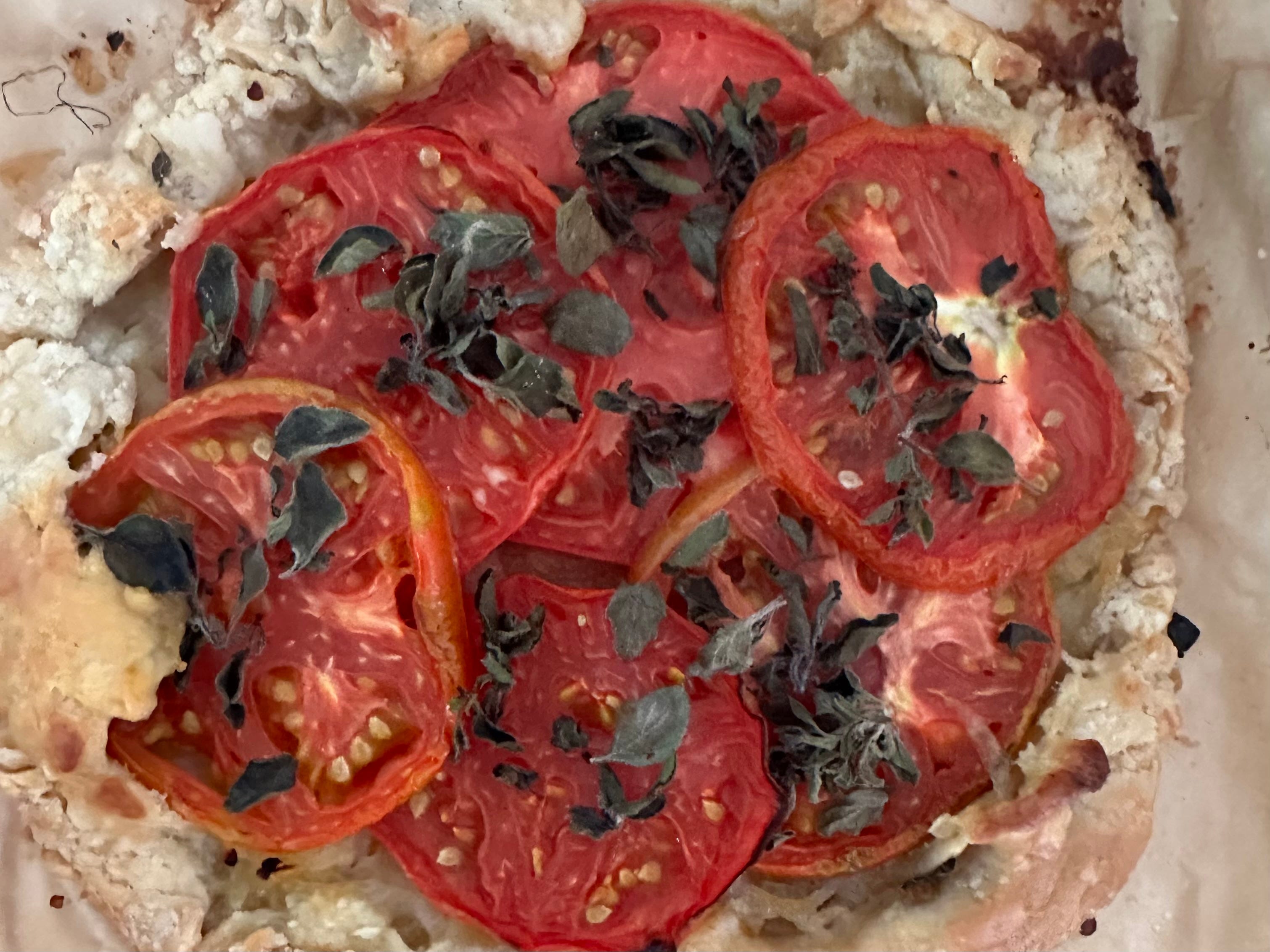
Parents: Tomato tart, salad and pole beans from the garden, assuming I remember to bring them inside.
Thursday — The Garden Has Begun Making Demands
Mood: Eat the zucchini or it wins.
We have reached that point in August when the kitchen garden ceases to feel charming and begins issuing instructions. Everything is ripe simultaneously. There is no longer any question of what we feel like eating. We eat what requires immediate intervention.
Kids: Salmon with mango salsa and roasted potatoes.
Parents: Kitchen-sink garden vegetable pasta. Zucchini will be involved. Zucchini is always involved.
Friday — Four Friends for Dinner.
Mood: Care, not performance.
Having just written several thousand words about the importance of not overachieving when people come to dinner, I will now have the opportunity to discover whether I believe any of it.
This is a small dinner. . .we’re pushing the biggie to later in the month.
Still, my plan is to be extremely casual about the whole thing.
Kids: Probably Annie’s mac & cheese. I have my limits.
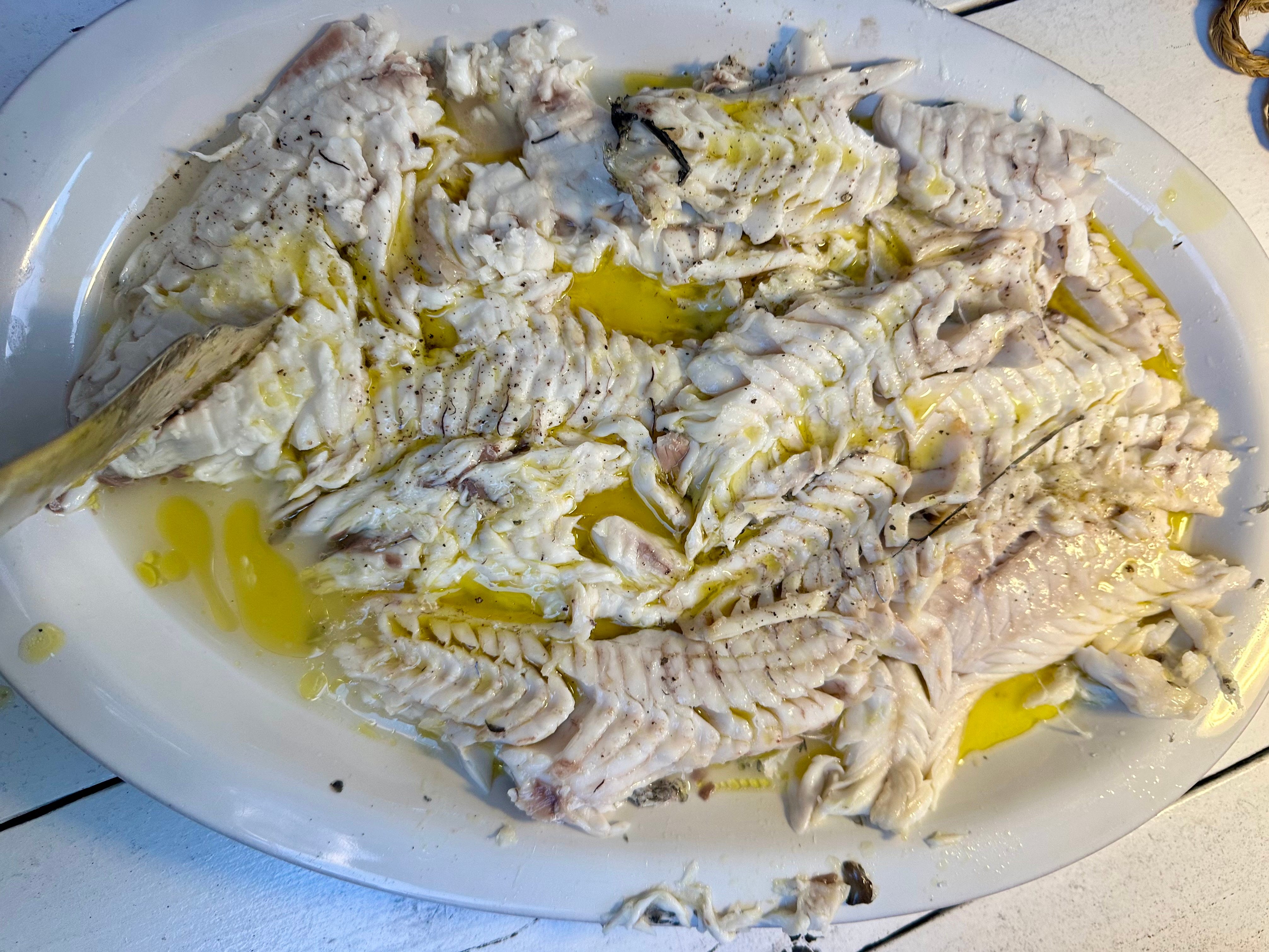
Parents + friends: Nat’s catch of the day, squash blossoms, beets, potatoes and peach-blackberry crumble.
Saturday — BBQ at the Firehouse
Mood: Blessedly not my problem.
We will appear. We will eat barbecue with our wonderful community. We will clear nothing.
Sunday — Dinner Out at Rita Cantina
Mood: Civilization.
After a week of feeding children, feeding friends, eating the garden and attempting to preserve blackberries for winter like Ma Ingalls, somebody else can bring me a margarita.
Drop a heart if you liked this post and do re-Stack if you found it useful as that really helps with visibility. If you want more interiors, recipes, meal plans, and essays then do consider becoming a paid subscriber for either a month or a year. Or you can give the gift of Our Amagansett House to a friend.
No posts
Comments
Nothing yet. Say the first thing.
Sign in to join the conversation.