
In the 1980s, the US military developed something called a Trojan horse delivery system for vaccines. The idea was simple: wrap the medicine in something the body won’t immediately reject. Get past the defences first. Then do the actual work.
Adam Garone did the same thing with a moustache.
He co-founded Movember in Melbourne in 2003. Thirty mates in a backyard, a dare about facial hair, and an award at the end of November for the best and worst mo.
No cause. No pitch deck. Just a dare.
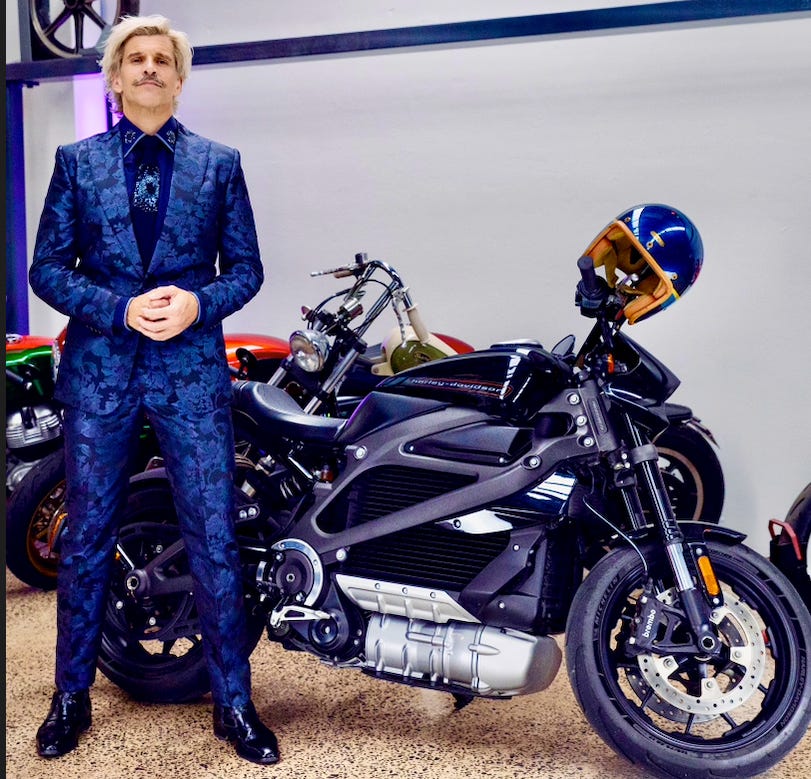
Last year, over 6 million people in 21 countries grew a moustache. They’ve raised well over a billion dollars since they began. Movember is the largest funder of prostate and testicular cancer research on the planet.
Here’s how they actually did it — and what you can take from it today. (If you prefer to listen, you’ll find the episode here)
Fun Is the Trojan Horse
The question every health campaign faces: how do you get men to talk about something they’ve been trained their whole lives not to mention?
Adam’s answer is disarmingly simple. You don’t lead with the cause. You lead with something so visually ridiculous that people are compelled to ask about it. “If by growing a moustache that becomes a bridge for the guys to have that conversation,” he told me, “that is so wonderfully powerful.”
The moustache does the work the campaign can’t. Someone sees it in a meeting, at the shops, at school pick-up, and asks why you’ve got it. That question is the conversation. The conversation is where the real change happens.
I got a bit emotional talking about this with Adam, because my family’s been touched by prostate cancer, and I know firsthand how hard it is to get men to say the actual words. The moustache lowers the drawbridge. You don’t have to announce you’re struggling — you just have to look weird for a month.
Make the fun the door. Let the cause be the reason the door is worth walking through.
You Already Have a Million Ambassadors
When Movember expanded to the US, every media outlet asked the same question: who’s your celebrity ambassador?
For a couple of years, Adam didn’t know how to answer. They didn’t have one. They’d never actively pursued celebrities to participate. “And then I had an epiphany,” he said. “Last year we had 1.1 million celebrity ambassadors.”
Every person who grows a mo and gets asked about it at work becomes the campaign. Movember’s job is to build the platform — the technology, the brand, the tools — and then hand the whole thing to the community and get out of the way. “We want the Mo Bros and Mo Sisters to take that and create their own story and tell their own story.”
Think about what a regular brand would pay for that kind of loyalty. For people who will literally wear your logo on their face for a month and defend it in public. Movember gets it for free, because the participants feel genuine ownership of the thing.
The question worth asking about whatever you’re building: are you trying to control the story, or are you creating the conditions for other people to tell it?
Share the Dead Ends, Not Just the Breakthroughs
There’s a lesson from this one which quietly blew my mind.
They’ve since done it many times over, yet when Movember had raised $100 million the first time, they audited the research they were funding across six countries. They found researchers in Melbourne, Sydney, Boston, London, and Dublin all working on the same problem — a better diagnostic test for prostate cancer — and none of them knew the others existed.
So they introduced them. 140 researchers. Now in regular contact.
I keep thinking about what Adam described next.
In competitive grant funding, you publish your breakthroughs.
The dead ends stay in a drawer.
But dead ends are data.
“They don’t share the 90% of things that end in a dead end,” Adam said. A researcher in Toronto had just received $2 million to go down a particular path. The London researcher on the call said: we spent a million pounds on exactly that two years ago — I’ll email you the results now.
Painful for Toronto. Invaluable for the field.
Movember now takes 10% of funds raised in every country into a global collaborative fund, managed by eight of the world’s leading scientific minds, specifically for projects like this. The dead ends get shared. The people the system keeps apart get introduced.
Whatever you’re working on — is there someone who already went down the path you’re about to take? Have you asked?
Listen to the full episode here or wherever you get your podcasts.
Comments
Nothing yet. Say the first thing.
Sign in to join the conversation.