
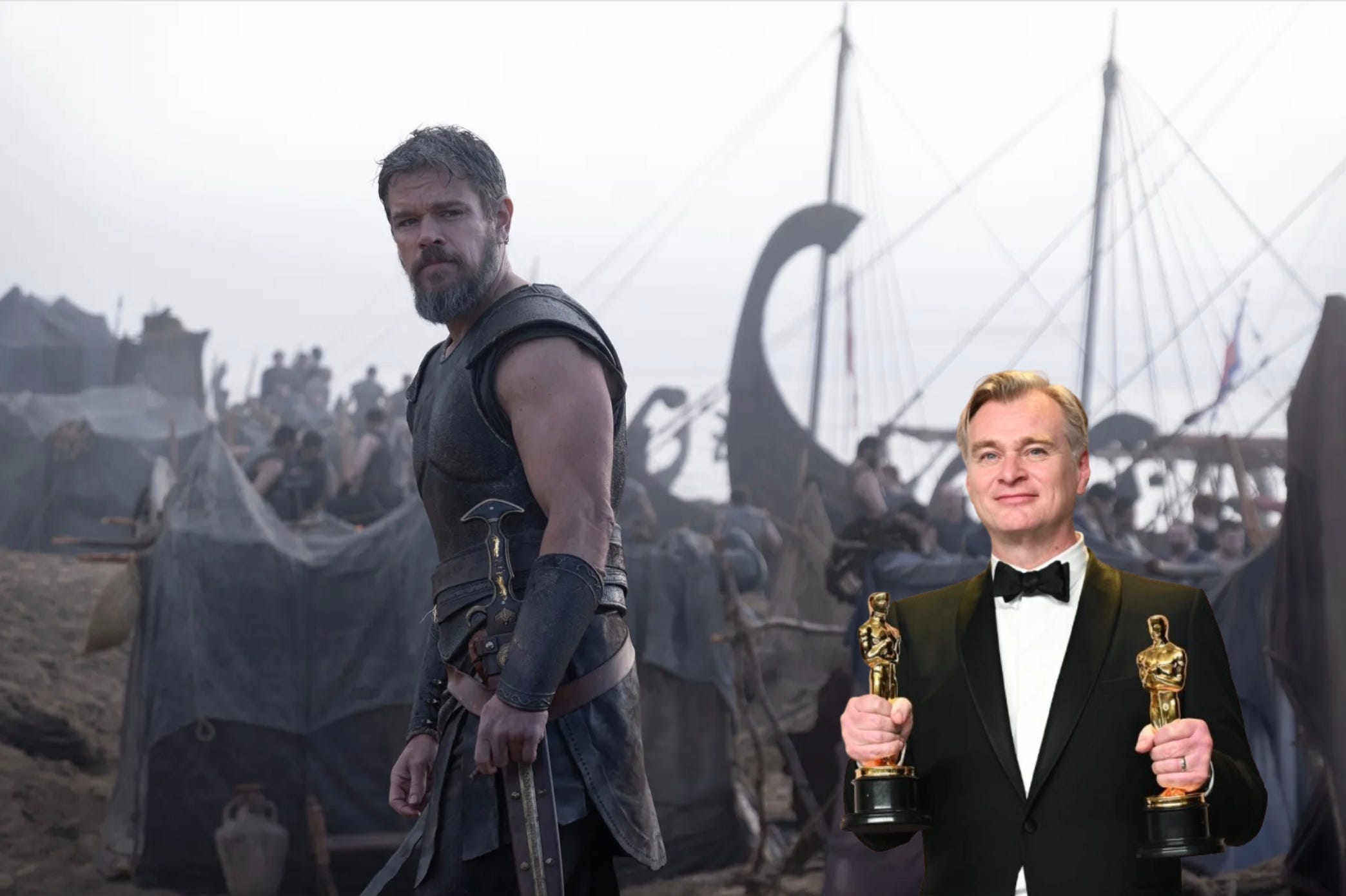
Every other Friday, I publish a deep-dive into the movies filmmakers made directly following their Academy Award wins for Best Director (their “Oscar Chasers,” if you will). I’ve begun with the most recent case (Chloé Zhao’s Nomadland follow-up Eternals) and will move back in time week-to-week.
But surprise! This is the first new release I’m getting to cover under the Oscar Chaser umbrella. Since we’re on the other end of opening weekend, I wanted to get this out as soon as possible. Friday, I’ll be dropping a bonus podcast episode with more thoughts about the movie, with guest Thomas Constantine Moore. But here’s a special early drop of my essay. It should be noted, SPOILERS for The Odyssey.
Christopher Nolan has always loved the idea of a trick.
He flips a truck, rotates a hallway, crashes a Boeing 747 into a building - and does it all in-camera. His narratives twist and turn backwards and forwards through time with the dexterity of a close-up magician, always arriving at some sort of “Aha” moment - a “prestige,” if you will - the spinning top in Inception, the revelation of what Oppenheimer really said to Albert Einstein, that final look between Bruce Wayne and his old butler.
It’s why, despite his myriad and oft-discussed flaws - his leaden dialogue, his almost willful inability to craft a dynamic female character - audiences and critics will always show up for him.
It’s also why, in the wake of his Oscar coronation for 2023’s Oppenheimer1, it feels particularly noteworthy that he chose to make a movie about one of the oldest tricks in the book.
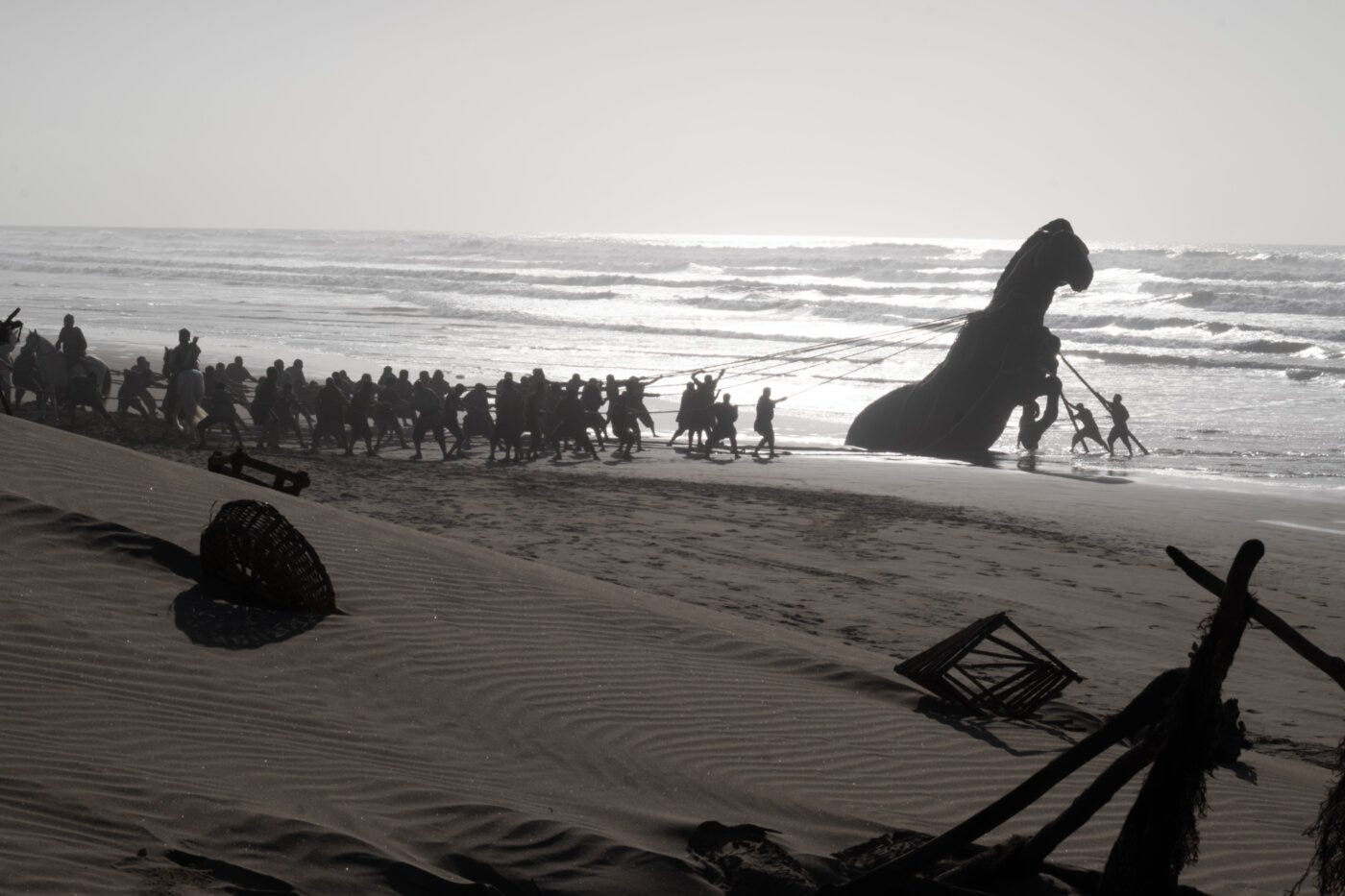
I’m sure we all expected Nolan’s staging of the Trojan Horse sequence to be a dynamic spectacle, and indeed it is. What we couldn’t have necessarily anticipated was his framing of it as a paradigm-shifting deception: the violation of Zeus’ law of hospitality that shattered the foundations of respectable civilization and set loose the world of distrust and corruption we’re still living in today.
His conception of Odysseus is not the cocksure tactical mastermind with whom we’re so accustomed from Homer, but a regretful old war criminal who climbed out of a wooden horse and broke the world - pouring “ten years of rage” into a city in a single night, transforming a fair fight into a slaughter.

The concept of “original sin” isn’t exactly new to Nolan; this is essentially a sequel to Oppenheimer, and arguably even Part Three of an unofficial trilogy about reckoning with the consequences of the past that began with Tenet. That film, released six years ago, has the most contemporary setting; The Odyssey, debuting this past weekend, would have taken place more than 3,000 years ago. Talk about a temporal pincer move.
I have to imagine Nolan’s selection of The Odyssey as his Oppenheimer chaser was borne largely out of the apex moment in which he found himself in 2024. He’d turned a three-hour movie about guys talking in rooms into an almost-billion-dollar blockbuster, not to mention one of the most inevitable Best Picture winners of the century. If there ever was a moment to cash in his blank check to adapt one of the vastest and most unfilmable stories ever told - not to mention the one that really started it all - this was it.
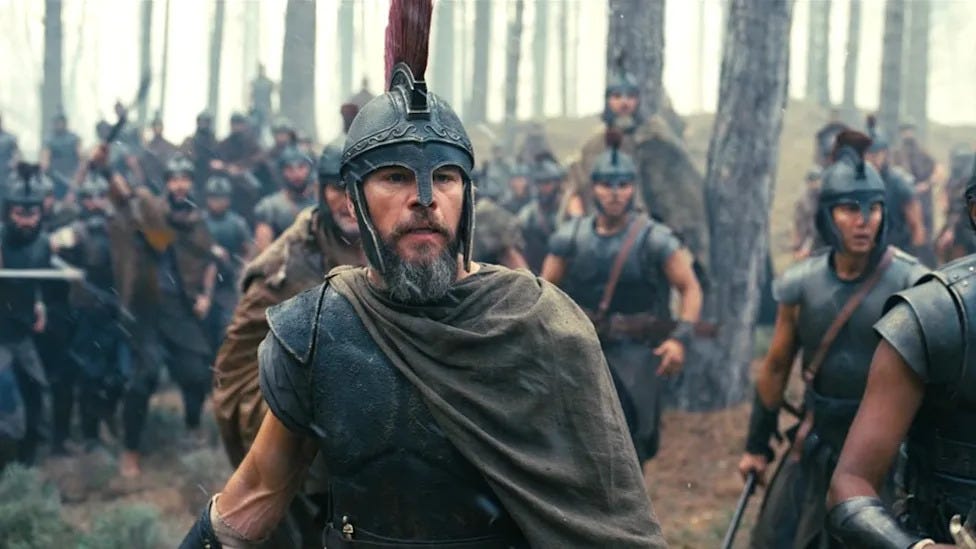
Nevertheless, there was tension in the selection. While he’s undoubtedly the most major and successful blockbuster filmmaker of the century2, Nolan has never made a fantasy. Everything he does is almost stubbornly rooted in reality; Interstellar was praised for its scientifically accurate depiction of a black hole, and he spent an entire three movies exhaustively detailing how Batman could’ve, like, totally been a real guy.
How he’d handle a giant Cyclops, a witch who transforms men into pigs, a six-headed sea monster, sirens, and a gaggle of gods who constantly intervene and manipulate the plot remained my chief question going into the movie.
The answer? He handles it mostly how you’d expect.
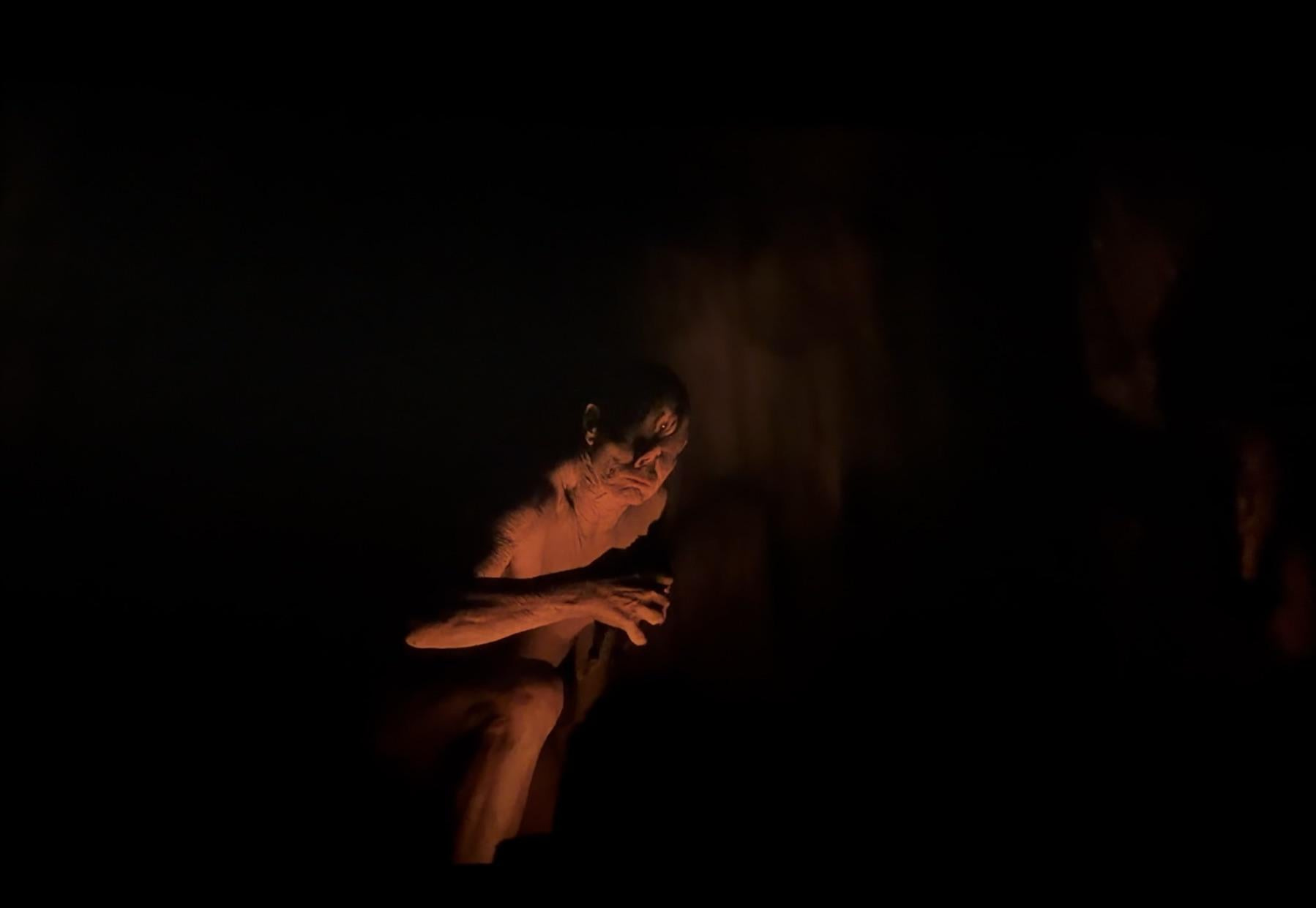
There is indeed a Cyclops, and a six-headed sea monster. But there’s no Zeus hurling thunderbolts from the clouds, no Poseidon emerging from the waves to conjure storms for Odysseus’ crew. Any hope of some sort of Ray Harryhausen-esque creature feature is dashed pretty early; one can imagine the field day Peter Jackson or James Cameron would have had with some of these setpieces, but Nolan has never been a filmmaker too preoccupied with the idea of fun.
This is initially a bit frustrating; there’s a rinse-and-repeat quality to the film’s first hour and a half, where Odysseus and his men wander onto one island after another, stumbling upon some threat which chases them back to their ship.
It’s around the moment when Samantha Morton strolls into the film as Circe and molds Himesh Patel and company into pigs, like Baba Yaga at the Pottery Barn, that his ultimate perspective comes thrillingly into focus.
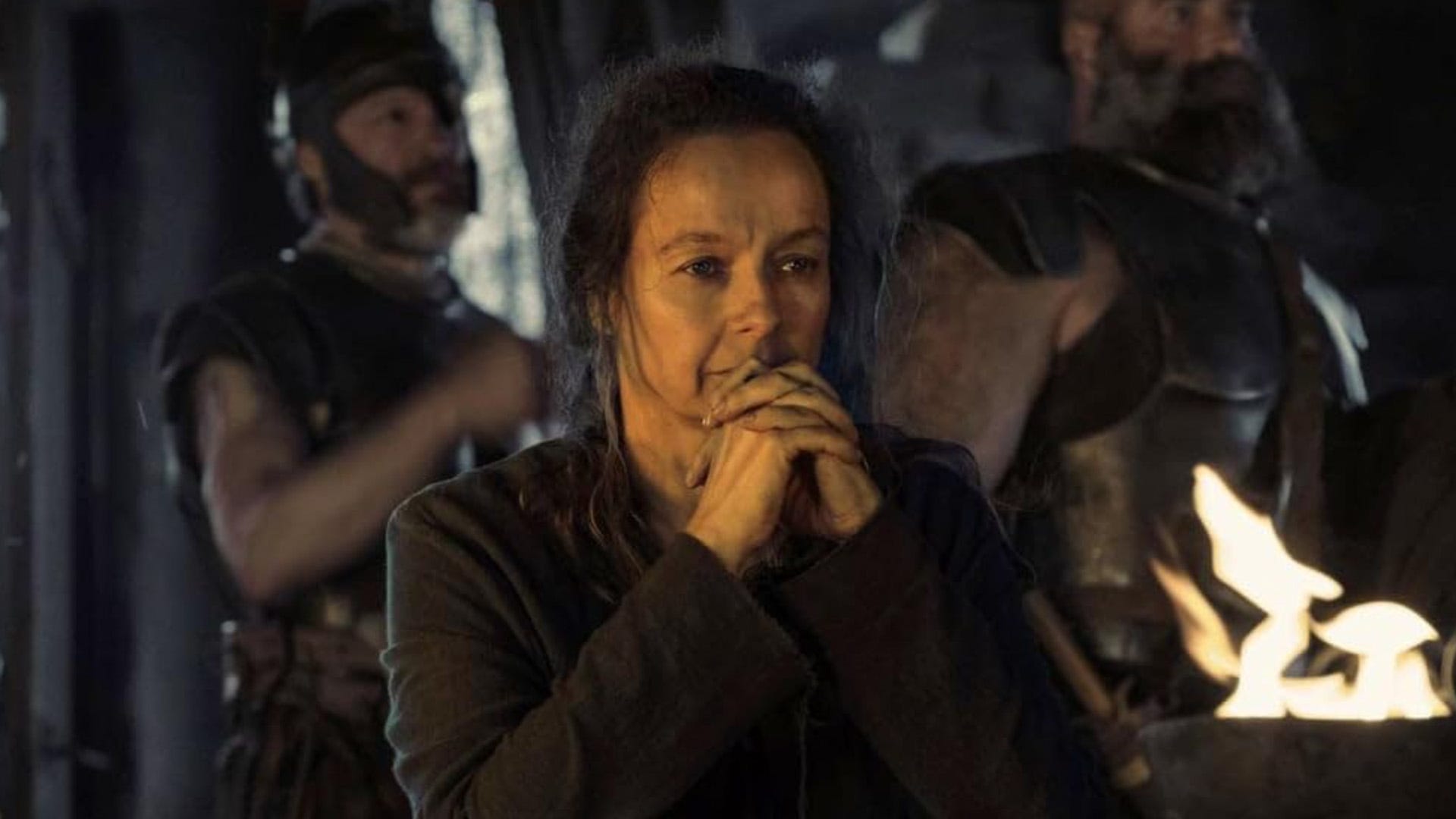
His Odyssey is not a fantasy so much as a series of invasions - men stumbling into strangers’ homes (that Cyclops was really just chilling), and violating one rule of hospitality after another. The gods may punish them, but the root of their anger is always in human choice. The responsibility always belongs to the mortals.
Suddenly, Nolan’s more earthbound telling - set in a time of “apparent” magic rather than outright fantasy - feels less a copout than a deliberate reinterpretation. He’s never been a filmmaker interested in how fates dictate human events. It’s not aliens who are talking to Murph in Interstellar, it’s her father. The gods may have delayed Odysseus’ journey home, but it all stems from that central human violation that happened when he crawled out of the horse in Troy.
With Nolan, the beginning is so often the end and the end is so often the beginning. So it makes total sense that his conception of the creation of the atomic bomb as “the moment it all went wrong” would shift as soon as he started work on The Odyssey, solidifying this as both prelude and closer to the nihilistic “end-of-the-world” trilogy that has defined this decade of his work.
Both Oppenheimer and The Odyssey have hinge moments focused entirely on brilliant men experiencing the thrill of creation immediately followed by the devastation of consequence. Cillian Murphy’s expression as the sound drops out and he gazes upon the majestic mushroom cloud his cleverness has wrought is one of sheer awe, a triumph that curdles almost instantly into horror: “Now I am become Death, destroyer of worlds.”
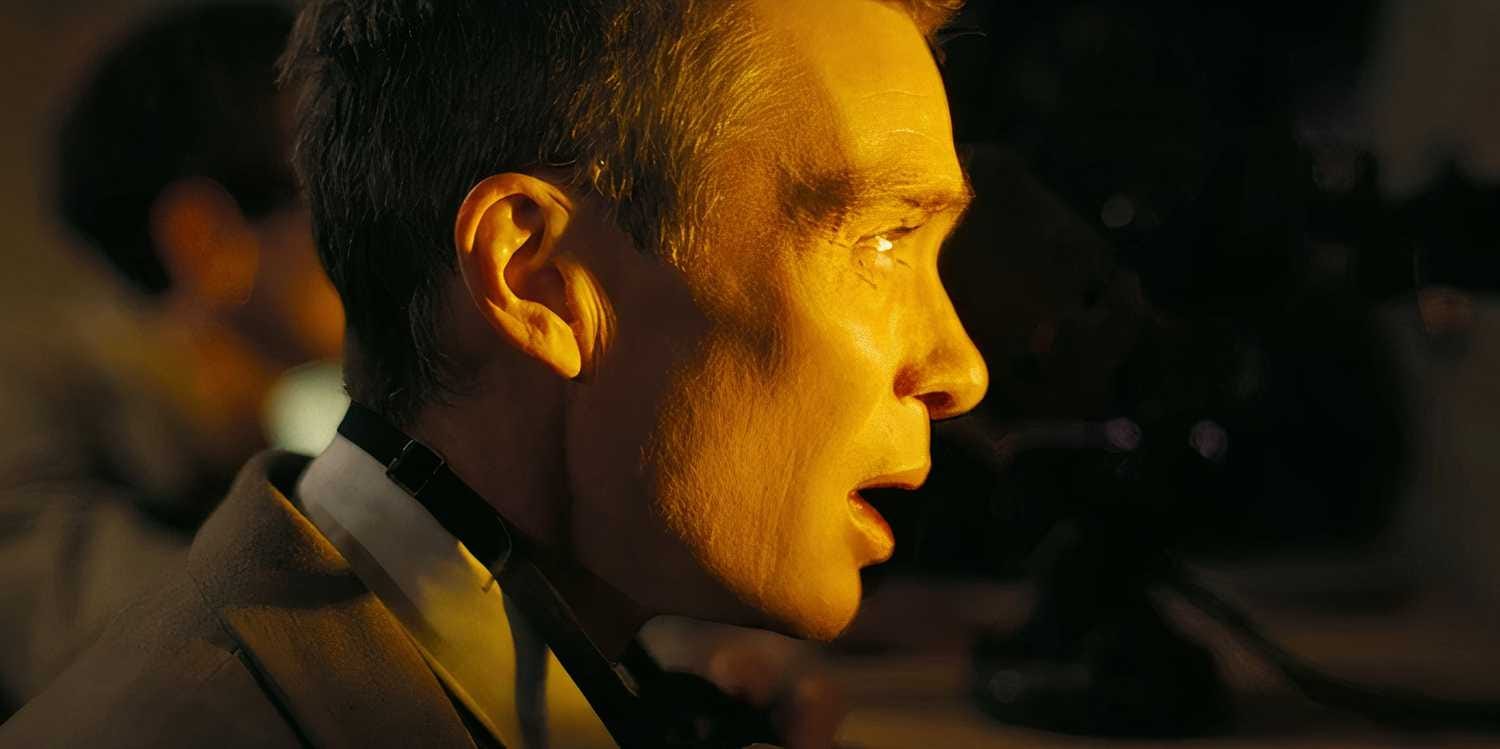
The same happens with Damon when the specter of Agamemnon enters the city of Troy; a man’s ingenuity becomes the instrument of society’s downfall.
It’s tempting to shrink this all down to some sort of personal reckoning from Nolan after having legitimized superhero movies and changed popular cinema for the worse. The Dark Knight was its own sort of Trojan Horse, after all, bringing him a neverending stream of blank checks while also decimating the kind of high-budget studio dramas that used to actually challenge and provoke audiences, as well as entertain.
But that’s reductive of two works that are ultimately getting blockbuster audiences to reckon with the choices that got us to where we are today.
The world is in a very bad place, largely through the ingenious violations of savvy leaders who file “deception” under “strategy” - much like Odysseus. Many of our greatest filmmakers are in similar periods of looking backward at the sins of the past in order to provide mournful warnings of a future toward which we’re barreling. The same year as Oppenheimer, Nolan was nominated against Martin Scorsese’s Killers of the Flower Moon and Jonathan Glazer’s The Zone of Interest, two films whose endings act as direct handshakes between past atrocities and the present.


The Odyssey does much the same, bringing Nolan - in his greatest act of time travel yet - back to the source of all storytelling, and - as he would argue - all of our current problems.
There’s no Rube Goldbergian bit of plot mechanics or narrative sleight of hand that can put the genie back in the bottle, and Nolan has argued repeatedly in his work that such fantasies are, in their own way, destructive. To quote Tenet3, “What’s happened happened.”
And while it may be tempting to read a certain hopefulness into the end of his Odyssey, it’s important to note that Nolan ends with a line even bleaker than the finale of Oppenheimer: .
“And dawn will break over the darkened world. And our mistakes will once again be forgotten.”
What little hope there is for us lies in resisting that forgetting - in remembering that a song can mask a requiem, a hero can commit great treachery, and something as innocuous as a trick can light the whole world on fire.

Christopher Nolan won the 2024 Academy Award for Best Director, for his 2023 film Oppenheimer. These were the other nominees, along with their Oscar Chasers:
Jonathan Glazer, The Zone of Interest (nothing yet)
Yorgos Lanthimos, Poor Things (Kinds of Kindness)
Martin Scorsese, Killers of the Flower Moon (likely releasing next year)
Justine Triet, Anatomy of a Fall (in production)
Friday: A bonus podcast episode on The Odyssey
August 7: Back to the regular schedule, with Woody Allen’s Annie Hall chaser, Interiors.
Oppenheimer was nominated for 13 Oscars and won seven: Picture, Director, Actor (Cillian Murphy), Supporting Actor (Robert Downey, Jr.), Cinematography, Film Editing, and Original Score. It was also nominated for Supporting Actress (Emily Blunt), Adapted Screenplay, Costume Design, Makeup & Hairstyling, Production Design, and Sound.
Worth noting that somehow he’s only ever received two Best Director nominations, one for Oppenheimer and one for Dunkirk (still my bid for his best). I suspect he’ll get another one for this.
Damn, arguing my way into thinking Tenet is his most defining film - guess I gotta rewatch.
Comments
Nothing yet. Say the first thing.
Sign in to join the conversation.