
Every other Friday, I publish a deep-dive into the movies filmmakers made directly following their Academy Award wins for Best Director (their “Oscar Chasers,” if you will). I’ve begun with the most recent case (Chloé Zhao’s Nomadland follow-up Eternals) and will move back in time week-to-week.
“At a moment like this, it’s difficult to leaven pride with humility.”
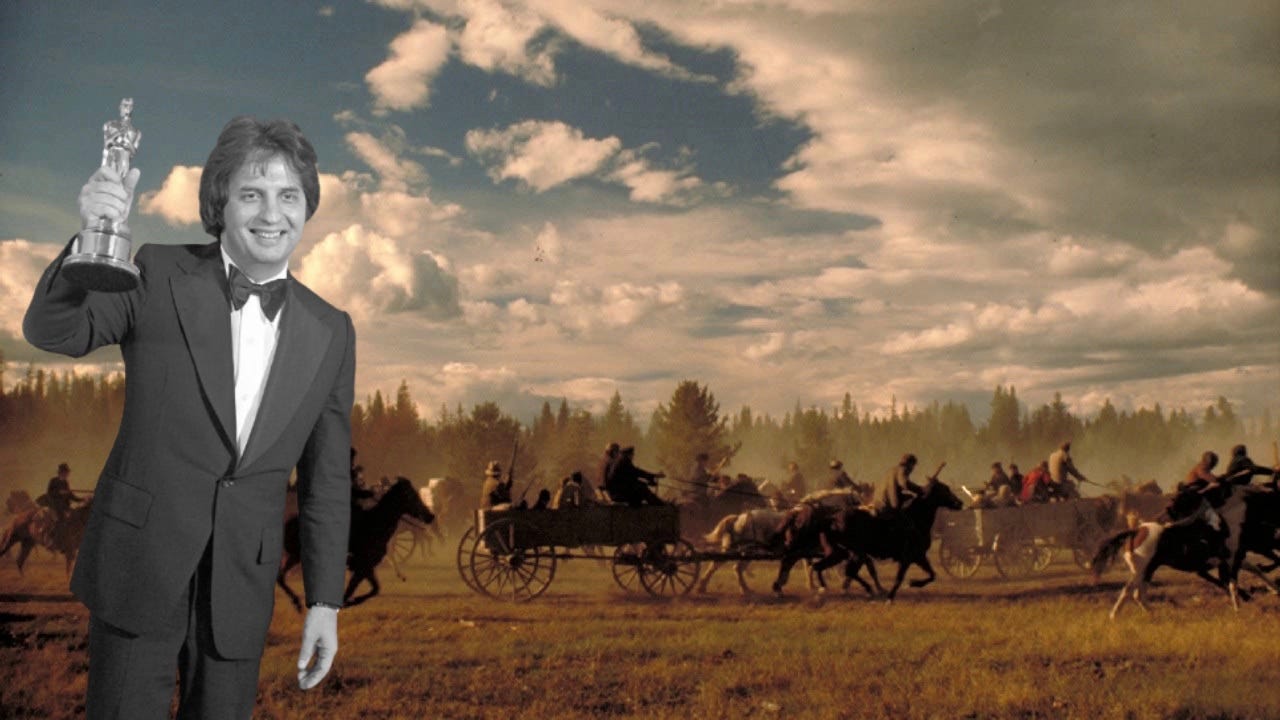
So said Michael Cimino when he accepted the Academy Award for Best Director for The Deer Hunter in 19791. A year later, he released Heaven’s Gate, a nearly four-hour Western whose ballooning budget and catastrophic box office performance became shorthand for Hollywood excess. As the story goes, the film bankrupted United Artists and killed New Hollywood in one fell swoop, bringing an end to an age of unchecked auteur control and kickstarting the corporate blockbuster era we’re still living in today.
That’s the legend, anyway - a legend so enduring that, for decades, it’s eclipsed any understanding of what actually happens in the movie.
The irony is difficult to miss. Heaven’s Gate is a film about the myths we tell ourselves to make history more palatable: an America that celebrates itself as a refuge for immigrants while simultaneously abandoning them to violence. But Hollywood wound up doing much the same to Heaven’s Gate, turning a messy industrial transition into a simple cautionary tale about unchecked directorial ego. The industry needed a scapegoat, and a movie about mythmaking became trapped inside one of Hollywood’s greatest myths.
But first: the legend.
Cimino first submitted the screenplay for Heaven’s Gate in 1971, under the title The Johnson County War. The subject was the same as the finished film: a little-known 1890 conflict in Wyoming during which wealthy cattle barons, organized through the Wyoming Stock Growers Association, hired a mercenary army to eliminate a death list of European immigrants they accused of cattle theft. It’s easy to see what about the story would appeal to the filmmaker who’d just won an Oscar for a movie about broken American promises2; the central conflict is a collision between the two visions of America still squabbling today: one of assimilation and one of the preservation of privilege.
United Artists passed. The script wasn’t drawing any bankable stars, and Cimino hadn’t yet proven himself as a commercially viable filmmaker. Cut to 1979, when The Deer Hunter bagged five Oscars, including Best Picture and Best Director, and Cimino was given the type of carte blanche that defined the final years of New Hollywood.
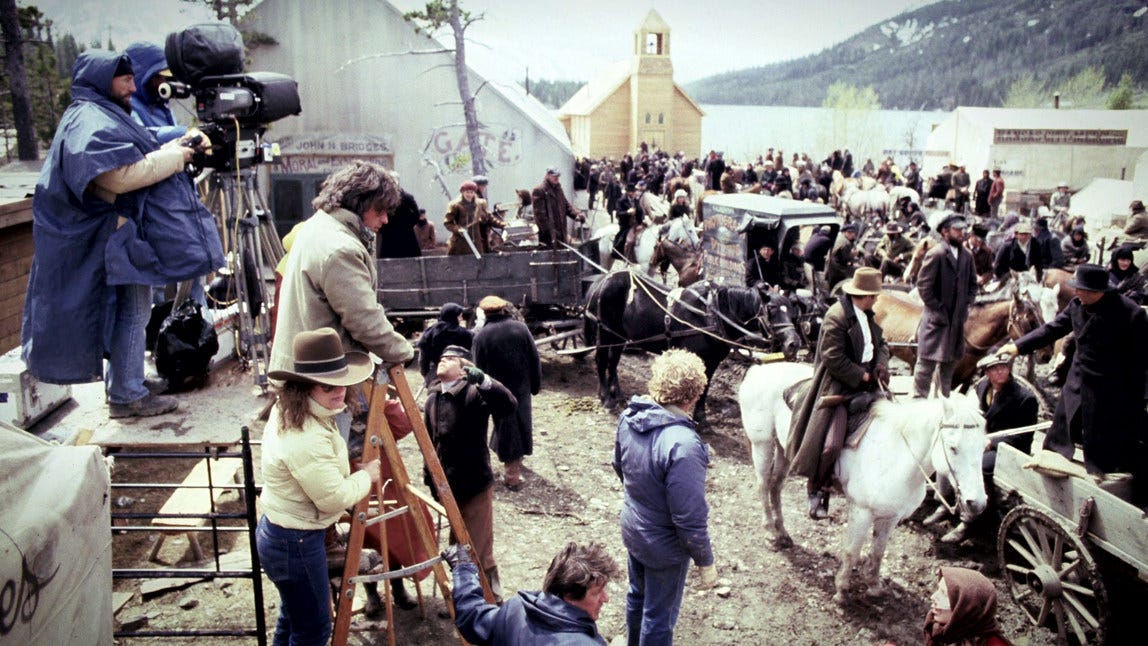
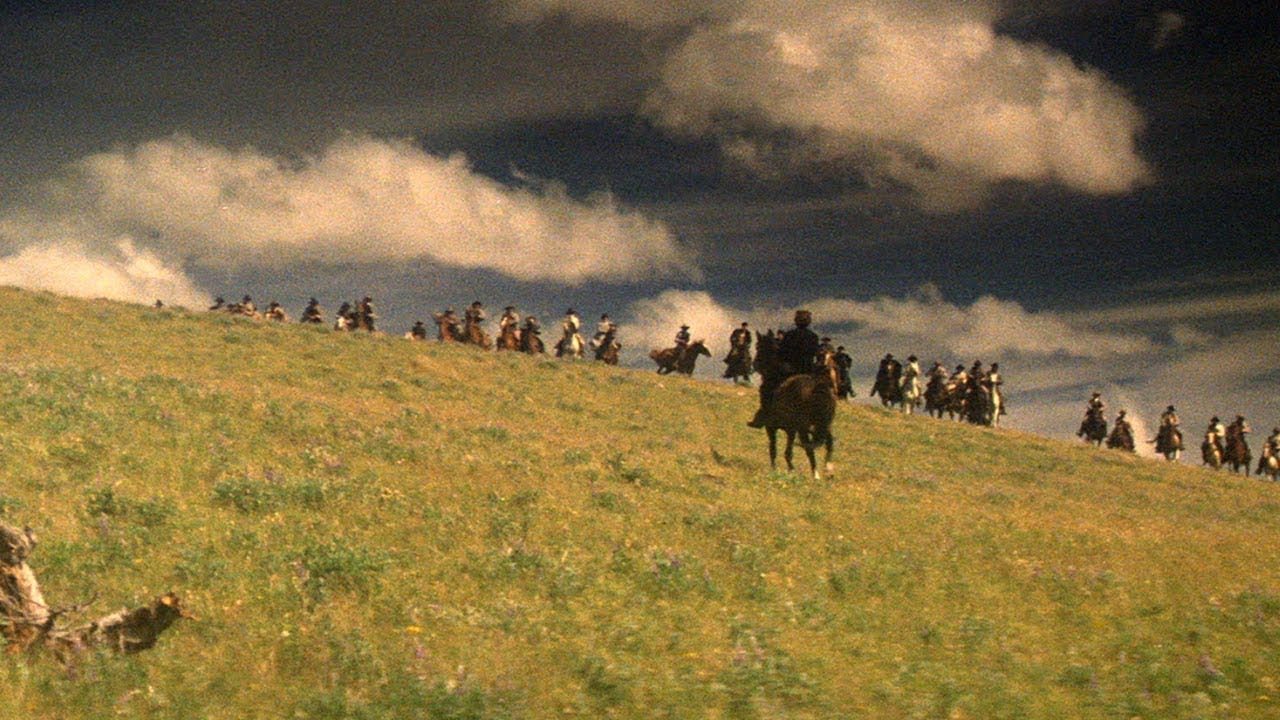
The ensuing horror stories are now infamous. Sets were built, then torn down due to minor imperfections. Hundreds of extras were arranged individually within vast landscapes, as if Cimino were composing a painting rather than making a film. The production fell behind almost immediately; by the sixth day of shooting, it was already five days over schedule. John Hurt had so much downtime on set that he was able to leave the production, star in The Elephant Man, and then return in time to finish his scenes.
Whether recounted as evidence of artistic devotion or unchecked indulgence, the stories accumulated into a single portrait: there was a dictator running wild in Montana and his name was Michael Cimino.
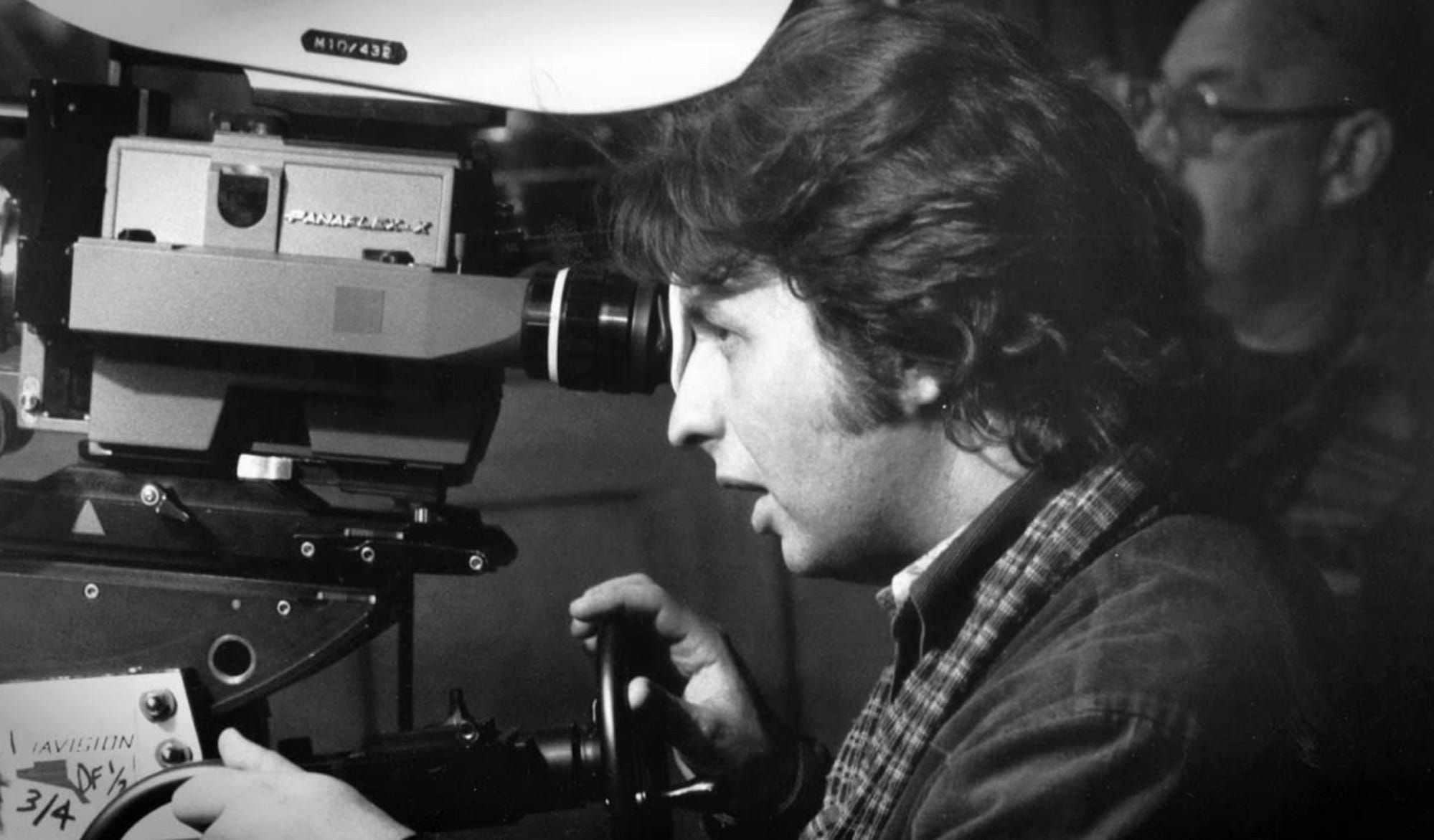
When production wrapped in March 1980, Cimino had shot more than 1.3 million feet of film, and the budget had ballooned from $11.6 million to $44 million. When he got back to Los Angeles, Cimino changed the locks on the editing room, prohibiting executives from seeing the film until he delivered a five hour and 25 minute cut. It was only “about 15 minutes longer than the final cut would be,” he told them.
Word of Cimino’s megalomania had reached the trades, which had been feasting on reports of runaway spending, endless delays, and a director gone mad. Add in allegations of animal abuse and by the time the film premiered in November 1980, its disastrous box office felt less like a surprise than the inevitable conclusion to a story to which everyone had already written the ending.
The critics were all too happy to join the pile-on, with The New York Times calling it “an unqualified disaster.” By 1985, UA executive Steven Bach’s memoir Final Cut: Dreams and Disaster in the Making of Heaven’s Gate transformed the production into Hollywood scripture, with the studio’s perspective on events serving as its Gospel.
The lesson? You, too, can go bankrupt if you give a director too much power. It’s not like the system wasn’t looking for an excuse to tighten the pursestrings after auteur-driven bombs like William Friedkin’s Cruising or Francis Ford Coppola’s One From the Heart. And particularly with the success of Star Wars and Jaws, the industry was eager to embrace a new era of more commercially minded filmmaking. New Hollywood needed to go, Cimino simply handed the industry its executioner.
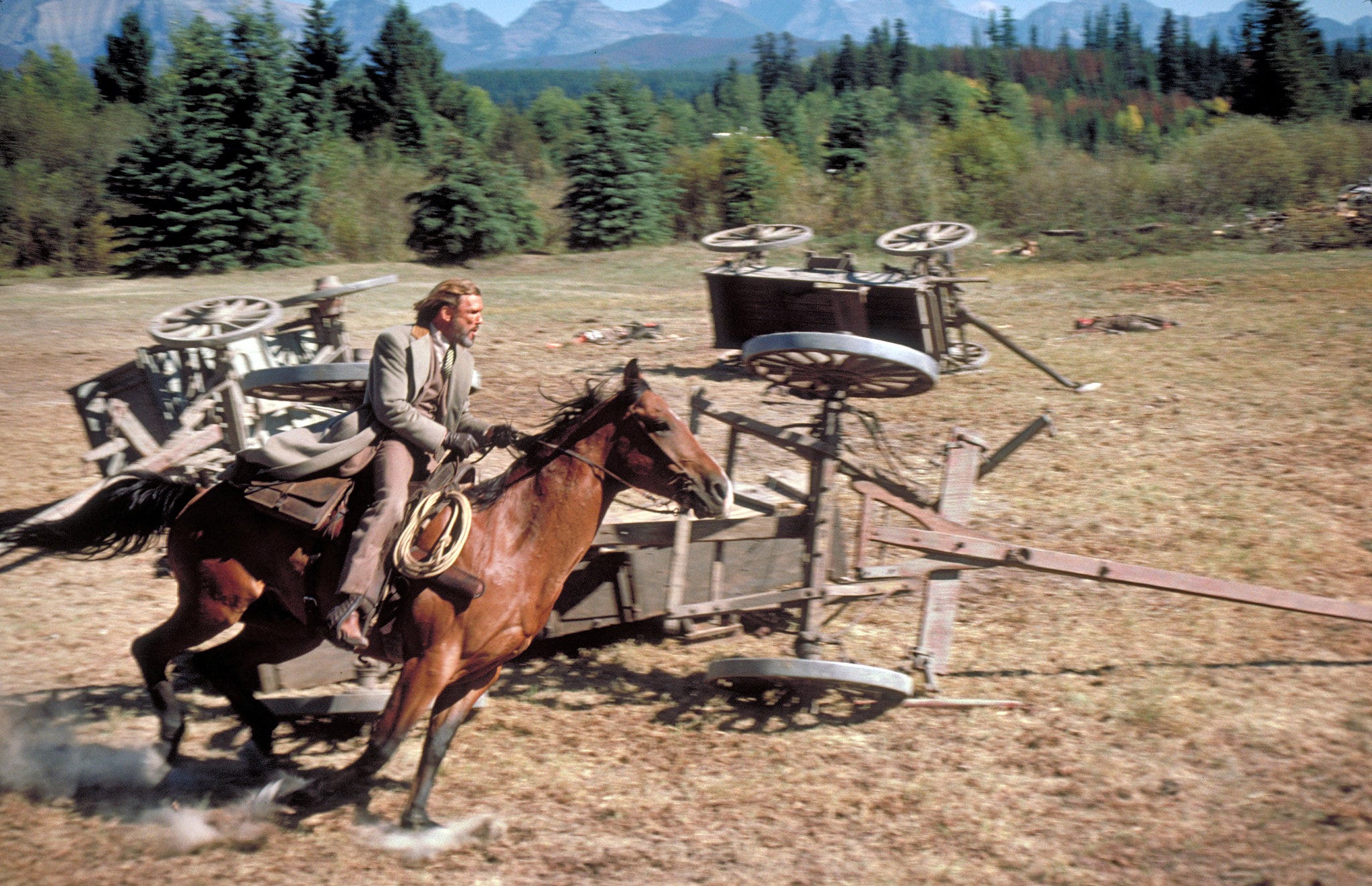
But is it actually that bad?
The short answer: absolutely not. This would all be much more understandable if, upon popping in the brilliantly restored Criterion disc, one were greeted by some sort of cinematic abomination - a Cats of the American West. But the truth is that Heaven’s Gate is mostly just a really long, gorgeous-looking movie3 that’s a little boring, with a few moments of genuine transcendence.
It’s true that narrative isn’t the film’s strongest suit; it’s 30 or 40 minutes in when Sheriff James Averill (Kris Kristofferson) finds out about the Association’s plan to murder 125 immigrants, yet he doesn’t warn the victims for another aimless two hours, by which point the killers are already closing in on the town. It’s true also that the love triangle between Averill, mercenary Nathan Champion (Christopher Walken), and local madam Ella Watson (Isabelle Huppert) is an almost total non-starter, even despite the whirling dervish of a performance by Huppert.
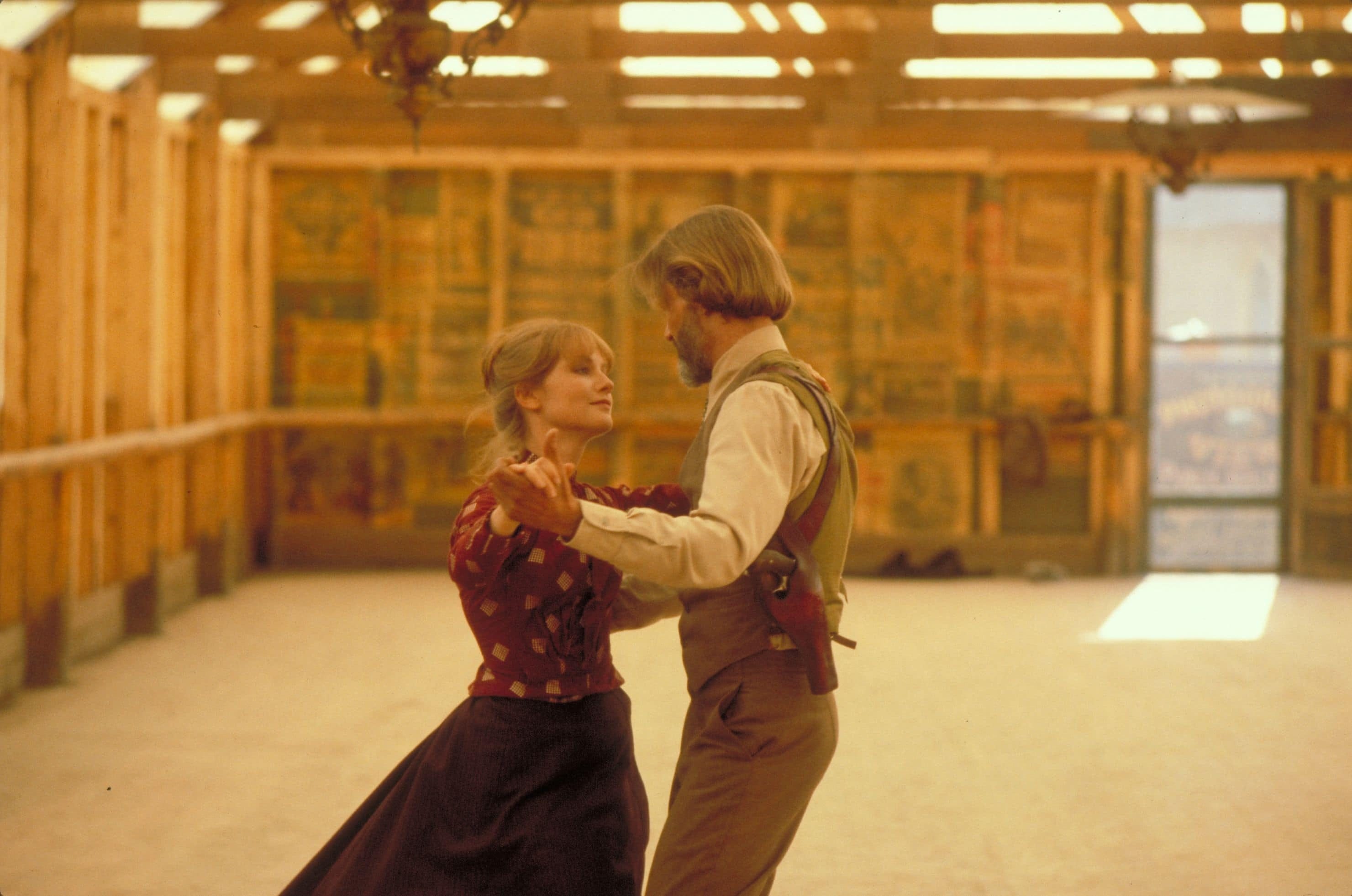
But set all that aside and the film is a pretty stunning exploration of a single contradiction: not of an American loss of innocence so much as the coexistence of the country’s highest ideals and darkest impulses.
The characters are constantly looking back fondly on a simpler, more idealized time. “Do you remember the good gone days?” asks John Hurt’s Billy Irvine after years of disappointment and alcoholism.
“Clearer and better, every day I get older,” answers Averill.
It’s an exchange that captures the illusion right at the heart of the film. Heaven’s Gate knows “the good gone days” never really existed. Averill and Billy’s youthful optimism, dramatized in the Harvard commencement sequence which opens the film, embodies a 19th-century aspiration toward “the contact of the cultivated mind with the uncultivated” and the “high ideal” of educating a nation. Twenty years later, those cultivated elites have become the architects - or, in Billy’s case, powerless witnesses - of the class violence that underpins the nation’s self-image.
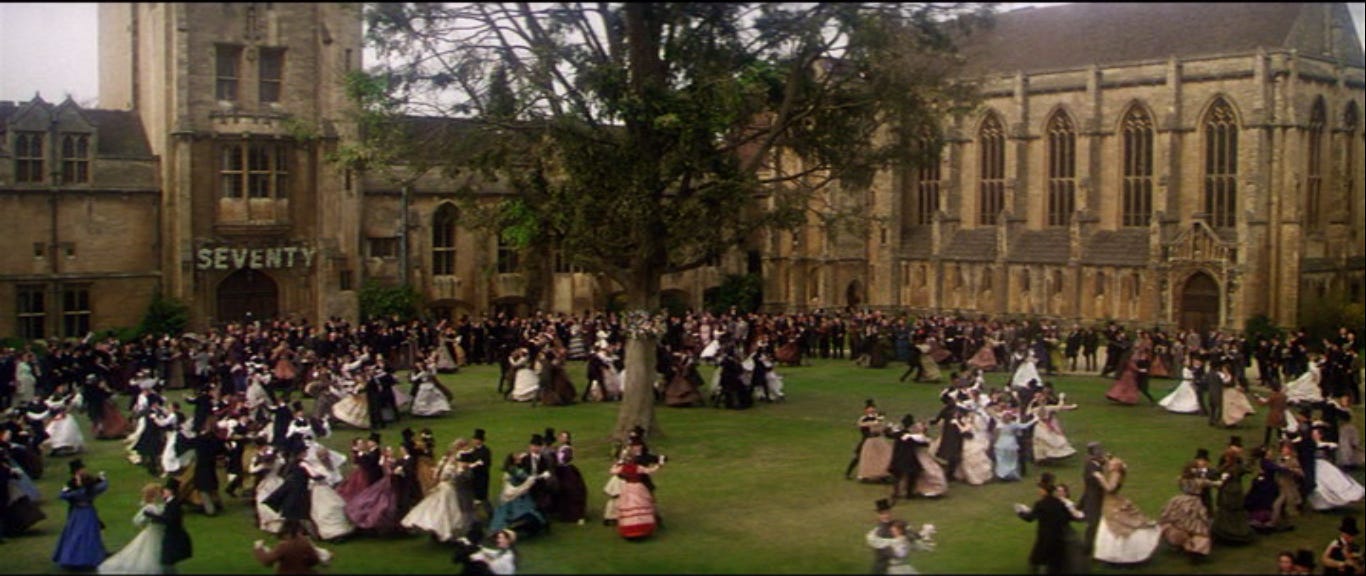
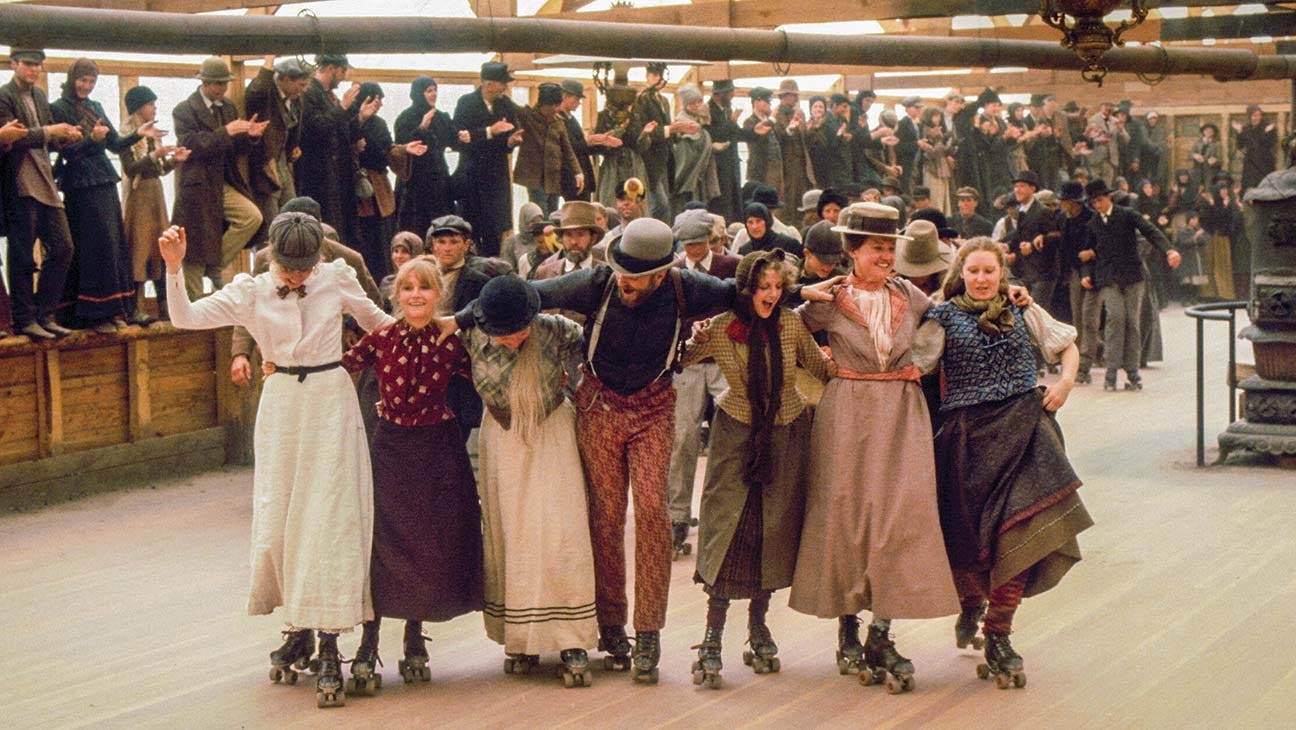
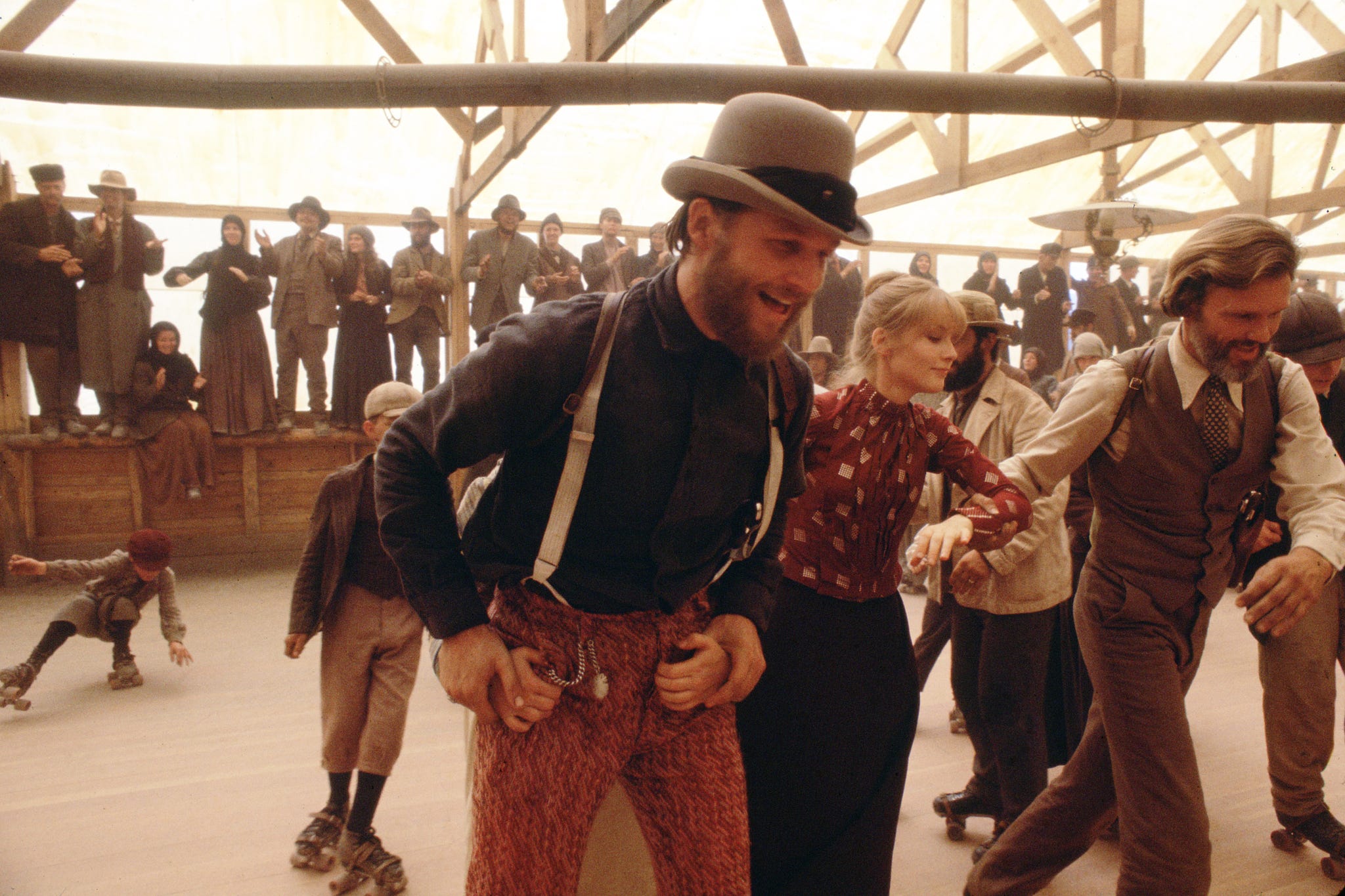
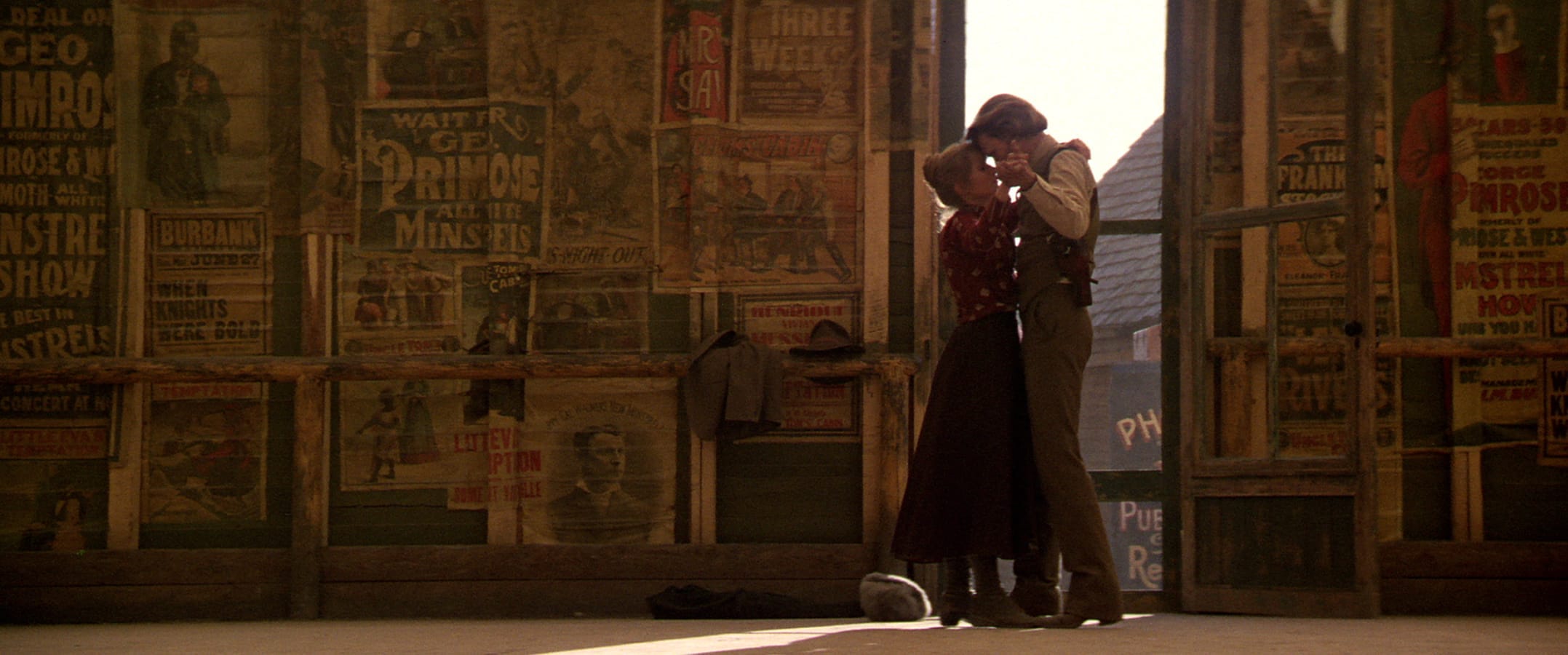
Cimino transforms that contradiction into one of the film’s defining visual motifs: a series of repeating circles. First, the dance at Harvard, where the country’s future leaders twirl inside their own bubble of privilege and idealism. Second, in the film’s greatest sequence, a ten minute roller skating scene where immigrants circle the rink in joyful communion to the strains of a fiddler-led jam session. Third, the climactic battle, in which those same immigrants are surrounded, hunted, and systematically murdered.
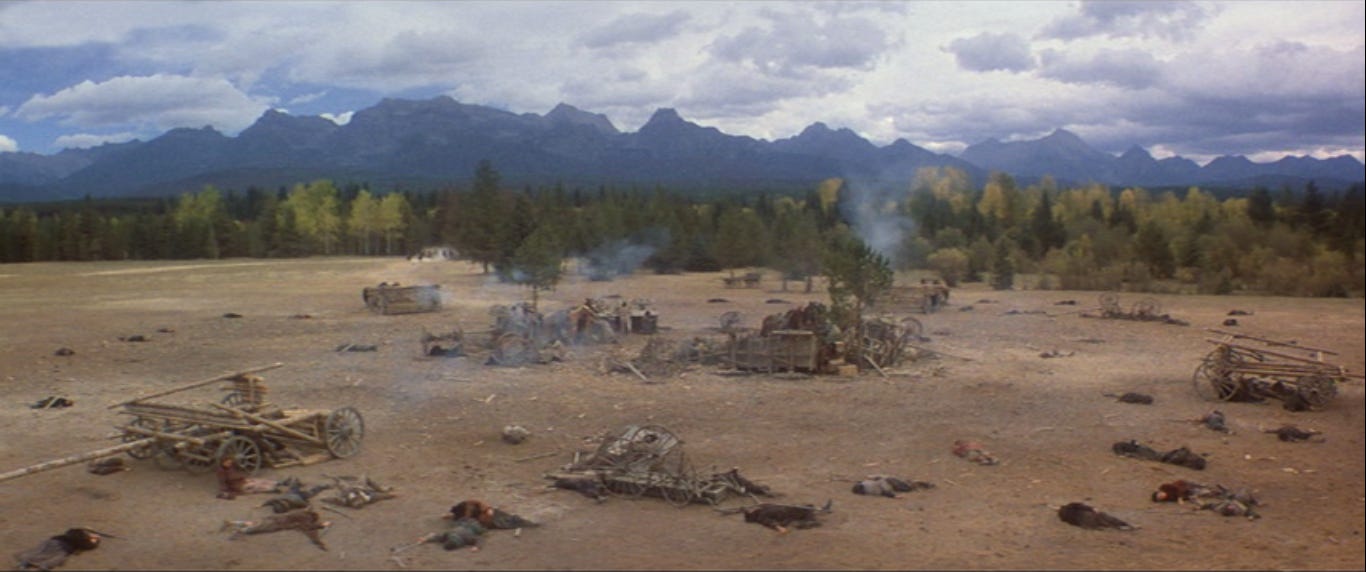
It’s a motif that points not only to the cyclical nature of history, but of how the “good gone days” have always existed right alongside our darkest - a sort of comprehensive vision that likely prompted Richard Brody to call Heaven’s Gate the definitive film about America over Fourth of July weekend - a far cry from the critical spanking it received nearly 50 years ago.
The legend lives on.
That reassessment of a once-flop is an interesting mirror of the film’s critique of rose-colored historical revisionism. It’s easier to admire the good within Heaven’s Gate from a 50 year distance, brushing aside the thornier context in which it was initially released. In this case, that’s maybe a good thing; it’s always better to evaluate a piece of art based on what it’s trying to do than how much it cost to make.
It’s worth noting that other auteur-driven projects with famously tortured production histories - Jaws, Star Wars, Titanic - aren’t remembered as cautionary tales. Commercial success has a way of erasing even the most horrific production nightmares. The blockbuster era had already announced itself as the way of the future, and would completely overtake the industry in the ‘80s. Whether Heaven’s Gate had wound up a success or not, it likely would have been the last gasp of New Hollywood. Beating it to death with “worst movie of all time” allegations only helped speed up the process, and pin the blame on the “villainous” Cimino.
It’s all very fitting for a movie about the stories we tell ourselves to make history simpler and more convenient. America remembers itself as a land of opportunity while forgetting the violence that’s accompanied it every step of the way. Hollywood remembers the death of New Hollywood as the inevitable consequence of one director’s hubris rather than an industry already drifting toward a more commercially minded, corporate brand of filmmaking. Contradictions are messy. Myths are easier.
So no, Heaven’s Gate was never a cinematic catastrophe. It’s an ambitious, uneven film whose frequent magnificence has long been obscured by its calamitous behind-the-scenes story. At a moment when immigrants are once again cast as threats and politicians increasingly promise a return to “the good gone days,” it feels a hell of a lot less like a period piece than a diagnosis.
Ask a film buff about the movie and they’ll likely tell you a story of how unchecked ego destroyed an industry, rather than one of America’s simultaneous capacity for compassion and cruelty. For decades, Heaven’s Gate has been remembered as a warning about excess rather than a meditation on contradiction. America has always contained both the roller rink and the extermination; Hollywood just preferred a simpler story.
Michael Cimino won the 1979 Academy Award for Best Director, for his 1978 film The Deer Hunter. These were the other nominees, along with their Oscar Chasers:
Woody Allen, Interiors (Manhattan)
Hal Ashby, Coming Home (Being There)
Warren Beatty & Buck Henry, Heaven Can Wait (Beatty: Reds, Henry: First Family)
Alan Parker, Midnight Express (Fame)
The Deer Hunter was nominated for nine Oscars and won five: Picture, Director, Supporting Actor (Christopher Walken), Film Editing, and Sound. Its other nominations were Best Actor for Robert De Niro, Supporting Actress for Meryl Streep (her first nomination), Original Screenplay, and Cinematography.
A few thoughts on Deer Hunter: I realized upon watching I’d only ever seen the first half, and yet it had all been pretty lodged in my brain since. Pennsylvania wedding representation has never been better, and that moment when the boys all sober up watching George Dzundza play piano has such a soft touch and plays so powerfully that the movie could almost end there. I’m less sold on the back half, whose deer hunting and Russian roulette metaphors overplay their hands, to say nothing of the nose-busting “God bless America” singalong at the end. But the performances are great - can you imagine watching Meryl in this having never seen her before? I know a few people who pick this as De Niro’s best performance, and I don’t hate that take at all - it’s so rare and rewarding to see him play decency. But even having just seen the first half, this has always been Walken’s movie - completely haunting stuff, and I love how even in a Vietnam movie he had to cut a rug.
Worth noting that the film did manage one Oscar nomination despite the brouhaha: Art Direction. It was beaten by Raiders of the Lost Ark. I’d also toss it nods for Vilmos Zsigmond’s cinematography, J. Allen Highfill’s costumes, David Mansfield’s score (love this score), and probably a Supporting Actress nod for Huppert.
Comments
Nothing yet. Say the first thing.
Sign in to join the conversation.