
If your group chats have been on fire since this morning, I get it. On Friday, in the holy city of Mecca, Recep Tayyip Erdogan, Crown Prince Mohammed bin Salman and Shehbaz Sharif sat down and signed what’s now being called the Mecca Joint Defence Agreement. It links the three largest Muslim-majority countries in the world under one security roof for the first time in history, and understandably, half of Pakistani Twitter is either celebrating or panicking. Let’s slow down and actually unpack it.
What was signed, in plain words
The core line, straight from Pakistan’s Foreign Ministry, is that any armed attack against any one of the three states shall be regarded as an attack against them all. That’s the headline. It’s a classic collective defence clause, the same architecture NATO’s Article 5 runs on. Turkish officials have been quick to insist the pact is purely defensive, not aimed at any specific country, and open to others joining later. Beyond the mutual-defence clause, it’s expected to open the door to joint military exercises, intelligence sharing, and technology transfers.
One caveat worth stating plainly, since it matters for how seriously to weigh anything below: what we have so far is the governments’ own summary of the pact, not the full legal text. Reuters has noted the joint statement gave no specifics on the actual commitments or obligations each side accepted. So questions that matter for a rigorous reading, whether this requires parliamentary ratification, how “armed attack” is legally defined, whether there’s a withdrawal mechanism, remain genuinely open until the underlying text is published.
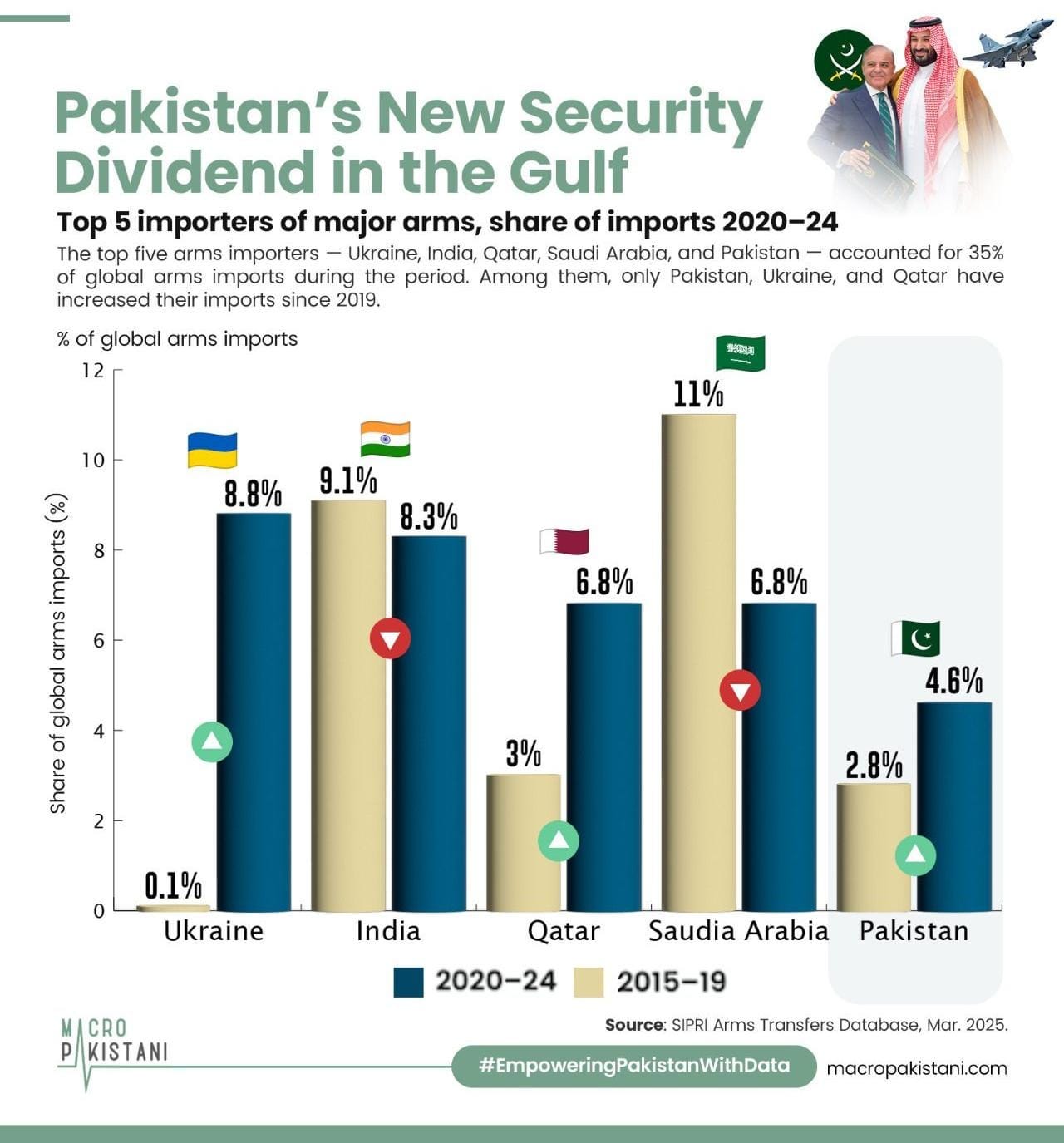
This didn’t come out of nowhere, either. It’s the third layer of a relationship built over roughly a year of negotiation. Turkey and Pakistan have quietly exchanged warships and training aircraft for years, and in 2023 Saudi Arabia signed its largest-ever defence import deal, buying Turkish drones. Then in September last year, Saudi Arabia and Pakistan signed their own bilateral Strategic Mutual Defence Agreement after the Israeli strike on Hamas leadership in Doha rattled every capital in the Gulf. Friday’s deal essentially bolts Turkey onto that existing Saudi-Pakistan spine.
Why now, and the historical echoes
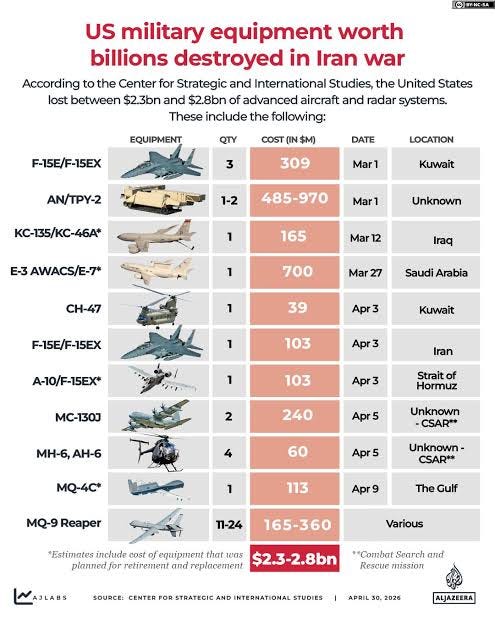
The timing isn’t subtle. Since February, Iran has been at war with the US and Israel, and Saudi Arabia’s oil infrastructure and Gulf shipping lanes have taken repeated hits from Iranian and Houthi fire. Riyadh has spent months looking to hedge away from total reliance on the American security umbrella, and this pact is that hedge made formal.
If you want a historical precedent, the closest one is the Baghdad Pact of 1955, which originally linked Iraq, Turkey, Iran, Pakistan and Britain, and which was reorganised as CENTO in 1959 after Iraq withdrew. That structure eventually collapsed after Iran’s 1979 revolution pulled Tehran out of the Western orbit entirely. The difference this time is there’s no external power sponsoring or anchoring the arrangement, and Iran now sits outside it as the implicit source of concern rather than a member. It also has echoes of the Gulf Cooperation Council’s own mutual-defence understanding, just scaled up to a larger, more geographically spread trio.
What it means for Pakistan, specifically
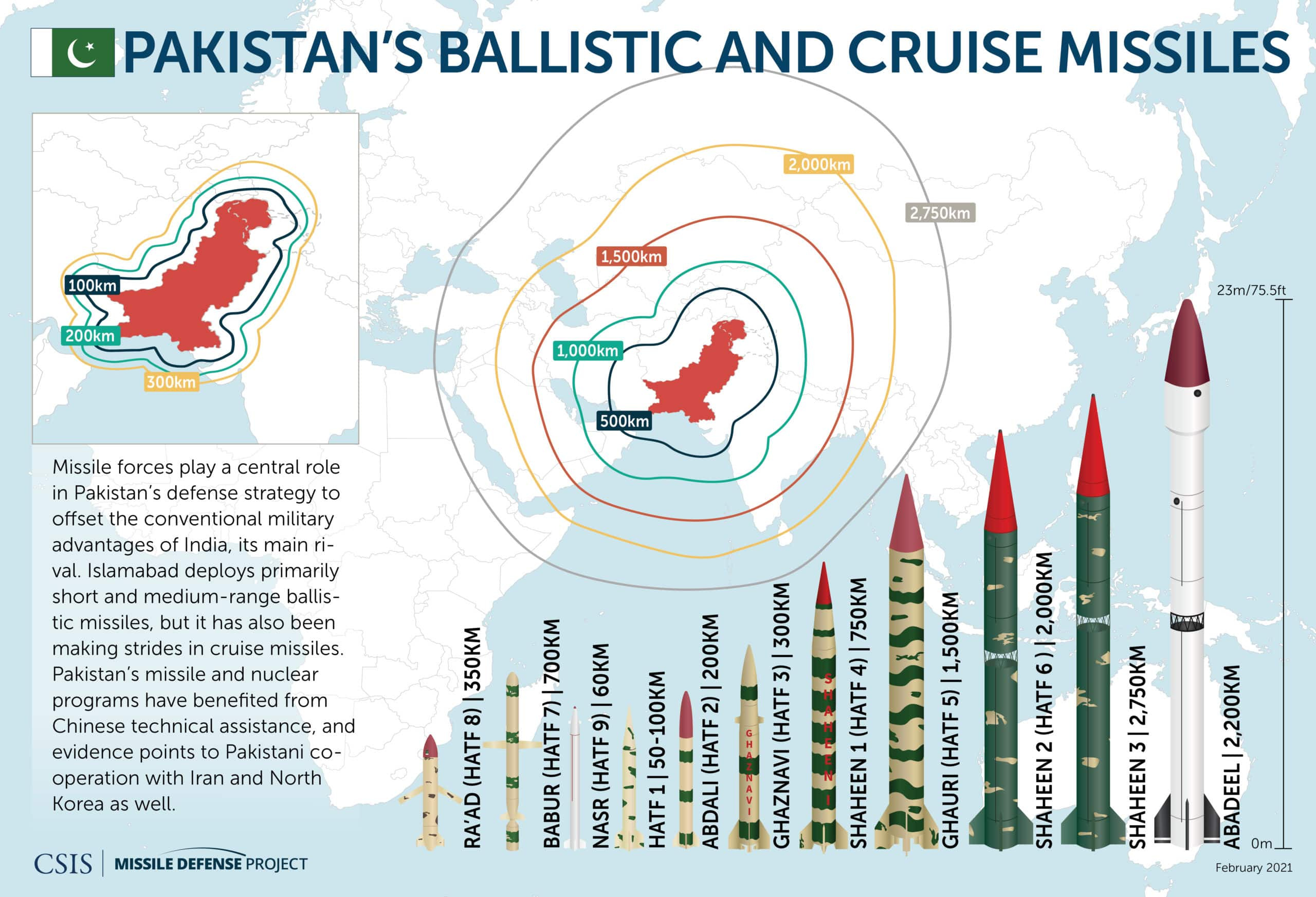
This is where the real debate is. Pakistan is the only nuclear-armed state in the Muslim world, and that fact alone changes the character of any alliance it joins, whether or not the bomb is ever mentioned in the text, which it isn’t. It’s worth being precise here: some Saudi-based analysts have speculated that Riyadh could lean on its defence relationship with Islamabad for a form of deterrence should the Iran war escalate further. That is analyst commentary, not a stated position of either government, and neither Riyadh nor Islamabad has acknowledged any nuclear dimension to the pact. Treat that reading as a live hypothesis in the commentariat, not a confirmed fact.
So under what conditions would Pakistan actually be obligated to act? Going by the language reported so far, an armed attack, meaning a conventional military strike, on Saudi or Turkish territory would trigger the clause. It would not obviously extend to proxy conflicts, cyber incidents, or diplomatic disputes, though without the treaty text this is inference rather than certainty. Turkish officials have stressed the pact does not replace existing alliances, which matters, since Turkey remains a NATO member and Pakistan still has its own separate, deeper defence relationship with China to manage alongside this one. My own read, and this is analysis rather than reported fact, is that Pakistan’s military leadership would retain wide practical discretion in deciding what actually counts as an “armed attack” serious enough to invoke the clause, since that’s how most mutual-defence treaties function in practice rather than on paper.
The benefit for Pakistan is fairly direct: deeper access to Gulf capital, a formal security relationship with two of the wealthiest and most militarily capable Sunni-majority states, and diplomatic weight at a moment when the region is genuinely on fire. The risk is equally direct: exposure to a Middle Eastern conflict, most plausibly one involving Iran, that Pakistan has spent decades trying to stay out of, given its own Shia population, a long shared border with Iran, and India watching closely at how a nuclear-armed Pakistan formalising overseas defence commitments plays out.
And UAE?
Notably absent, and worth getting right rather than reaching for the easy explanation. It’s true that Turkey and the UAE were on opposing sides in Libya’s civil war in the 2010s. But that rivalry is largely history at this point: MBZ visited Ankara in 2021, Erdogan reciprocated with a visit to Abu Dhabi in 2022, and the two sides have since signed billions of dollars in investment, trade and defence agreements. So UAE’s absence from this pact isn’t really about lingering Turkey friction. It more plausibly reflects Abu Dhabi’s own foreign policy instinct of late, hedging between Washington, Tehran and Riyadh rather than locking into a formal mutual-defence commitment that could drag it into someone else’s war. Turkish officials have said the pact is “open to other regional countries,” leaving the door ajar for UAE to join later if it chooses to. Whether it does will say a lot about how durable this new axis really is.
No posts
Comments
Nothing yet. Say the first thing.
Sign in to join the conversation.