
Core thesis: Pakistan does not only face a budget-allocation problem. It faces a revenue-creation problem: the state keeps extracting from visible pockets instead of building new durable revenue engines through formalisation, productivity, exports, retail documentation, property taxation, digital payments, and fair compliance.
Pakistan’s Budget 2026-27 should be read against one uncomfortable macroeconomic fact: the economy is recovering, but not strongly enough to make the budget people-friendly. Business Recorder reported that GDP growth reached 3.7% in FY26, below the official 4.2% target. Dawn’s survey coverage also placed the recovery inside a cautious macro context, while Reuters reported that the FY27 growth target sits near 4% and the IMF view is closer to 3.5%. In short, Pakistan is budgeting for recovery while still living inside stabilisation.
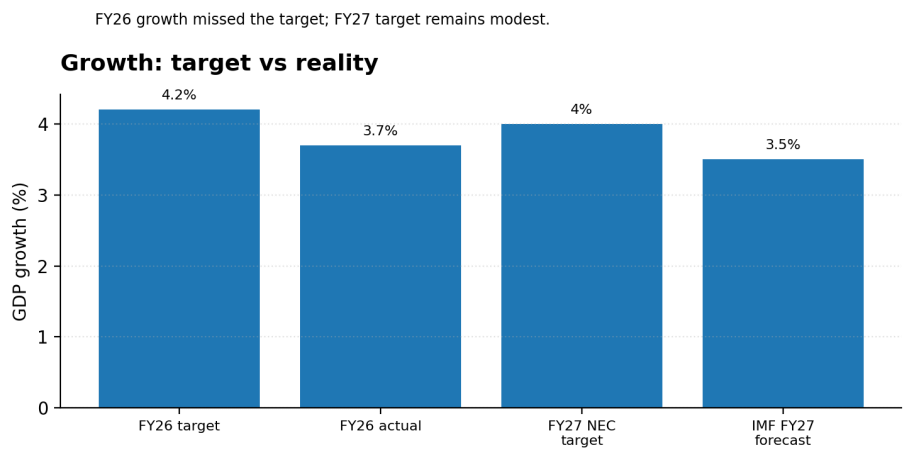
Chart 1. Source: Economic Survey / Dawn and Reuters.
This is where the “avenues for revenue” thesis matters. Pakistan keeps trying to raise more money from the same visible pockets instead of creating new taxable economic activity. Reuters reported that only 1.3% of Pakistanis filed returns showing taxable income last year and only 7.7% of adults hold a debit or credit card. That means much of the economy remains outside formal visibility. A higher FBR target sounds like reform only if it comes with retail documentation, property taxation, agriculture income capture, digital payment trails and better compliance.
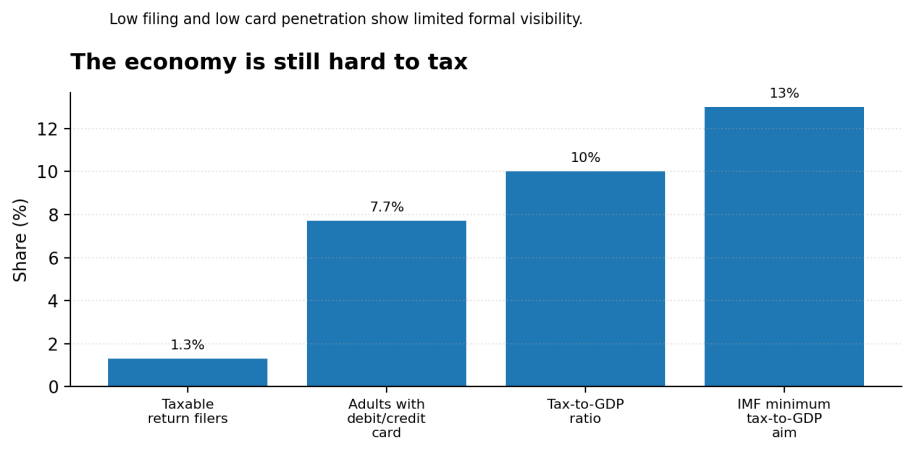
Chart 2. Source: Reuters analysis on tax visibility and documentation.
The clearest sign of this weak revenue model is the petroleum levy. Dawn reported the FY27 petroleum levy target at around Rs1.73 trillion, compared with a FY26 budgeted target of Rs1.468 trillion. Earlier reported data placed FY22 petroleum levy receipts near Rs127.5 billion. The reason this matters is structural: petroleum levy is retained by the federal government rather than shared through the divisible pool. But economically, this is a costly revenue route because fuel taxation passes into transport, food, logistics, agriculture, manufacturing and household inflation.
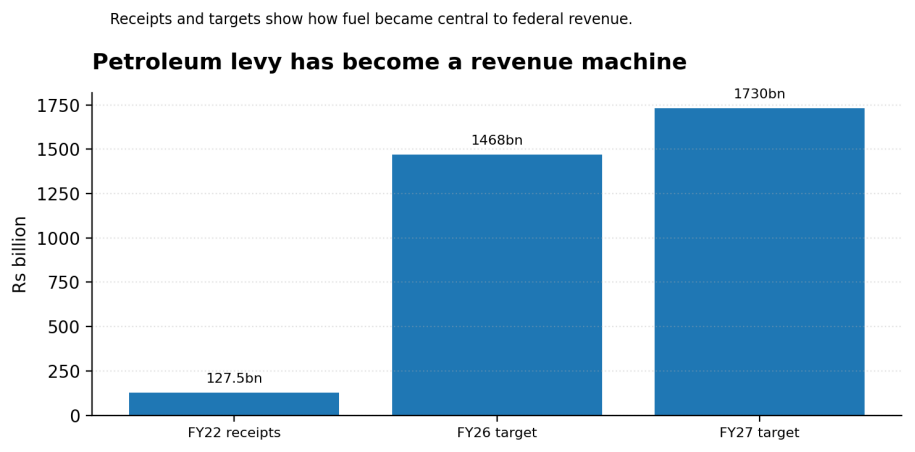
Chart 3. Source: Dawn petroleum levy report and prior reported levy data.
The development budget shows the same scarcity problem. Business Recorder reported that the NEC approved a Rs3.669 trillion national development outlay for FY27, including Rs1 trillion federal PSDP, Rs2.218 trillion provincial programmes and Rs451 billion for SOEs. This is not automatically bad because after the NFC Award and the 18th Amendment, provinces are supposed to carry a larger development role. But the real question is whether provincial ADPs improve health, education, water, agriculture and cities, or whether they become another headline with weak delivery.
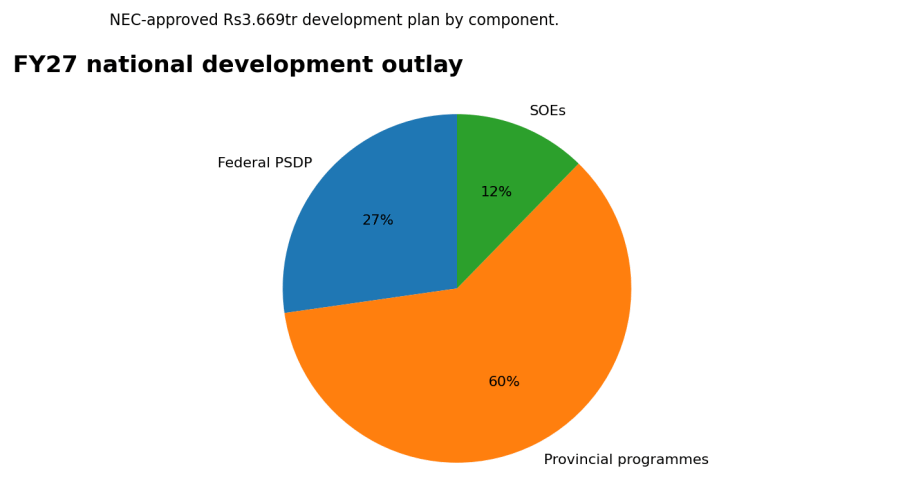
Chart 4. Source: Business Recorder budget tracker for NEC-approved development outlay.
The fiscal side looks better on paper, but it also creates another squeeze. Dawn reported that the fiscal deficit narrowed to 0.7% of GDP during the reported period, from 2.6% in the same period last year, while the primary surplus improved to 3.2% of GDP. The IMF framework keeps pressure on FY27 through a strong primary-surplus requirement. Fiscal discipline matters, but if it is achieved through spending compression, high levies and narrow revenue extraction, the state’s balance sheet can improve while household stress remains high.
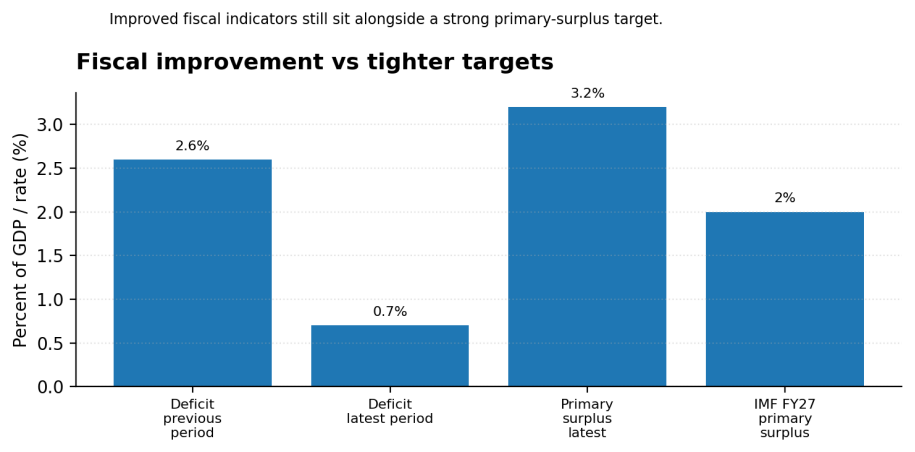
Chart 5. Source: Economic Survey coverage and IMF-related fiscal framework reporting.
Inflation makes this politically fragile. Dawn’s coverage put average CPI inflation at 6.2% during July-April FY26, but Reuters reported inflation climbed back to 11.7% in May, while the FY27 inflation target is around 8.2%. This matters because revenue measures are not neutral when households are already price-sensitive. Petroleum levy, tariff adjustments and indirect taxes do not stay inside budget tables; they move into transport fares, food prices, electricity bills and business costs.
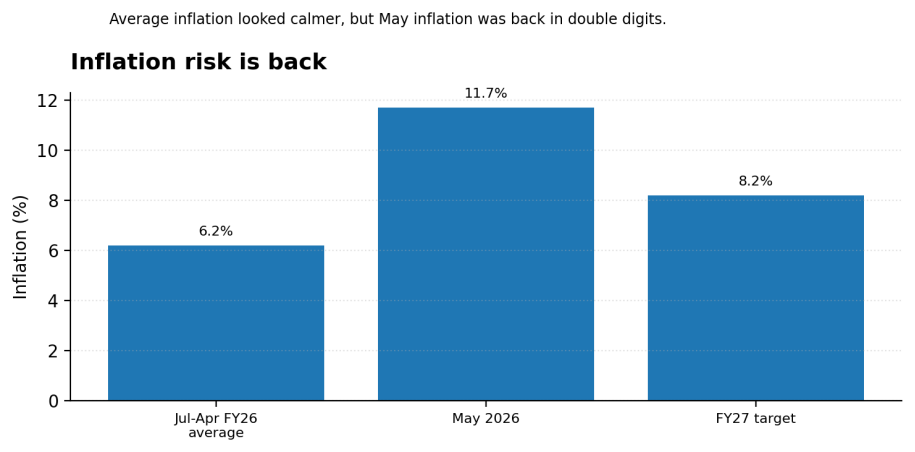
Chart 6. Source: Economic Survey coverage and Reuters inflation context.
This is why the “avenues for revenue” argument is stronger than normal budget commentary. Pakistan does not only need a higher tax target; it needs new tax-generating capacity. Reuters reported that the new retail proposal would impose a 1% income tax on small retailers with turnover up to Rs200 million, covering around 3.5 million retailers, in addition to the existing 18% sales tax passed on to consumers. This could be a start only if it creates documentation and transaction visibility, not if it becomes another symbolic fixed collection tool.
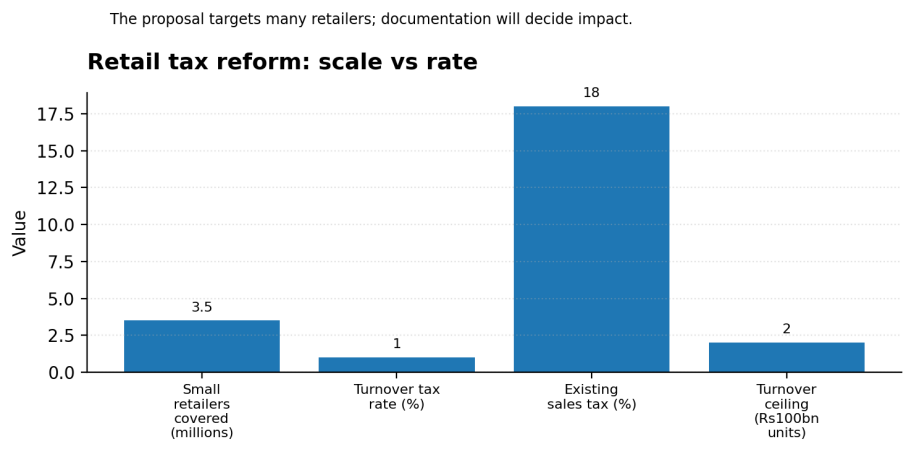
Chart 7. Source: Reuters retail tax proposal.
So the real conclusion is this: Pakistan’s budgets are trapped because the state keeps debating how to divide money that is not growing fast enough. It can move funds from PSDP to deficit control, from subsidies to BISP, from provinces to the Centre, from relief to petroleum levy, or from development to debt servicing. But these are reallocations, not revenue transformation. Countries that escaped this trap formalised transactions, expanded exports, documented retail, taxed property and land better, built digital payments and created productive sectors that generated taxable income. Until Pakistan builds these new avenues of revenue, every budget will remain scarcity management: more pressure on the same taxpayers, more reliance on fuel, and more promises than fiscal space.
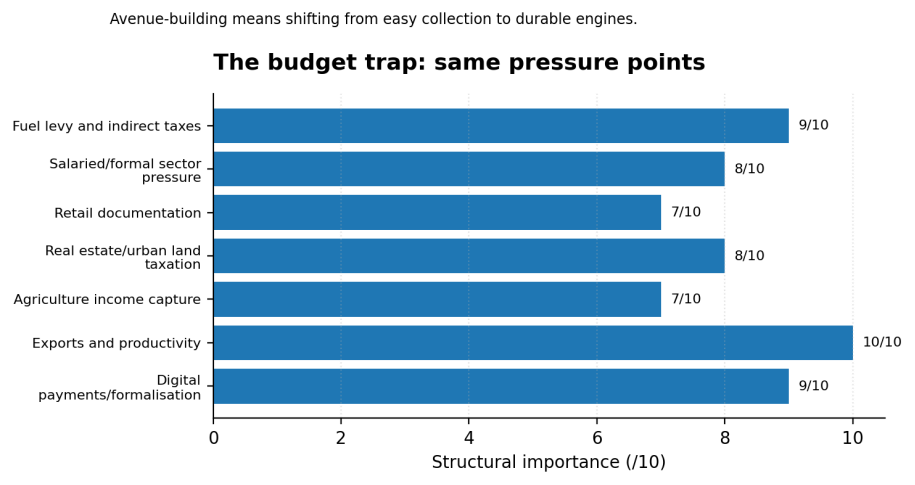
Chart 8. Analytical framework by author; data context from Reuters, Dawn and Business Recorder.
Selected linked sources
• Business Recorder: Economic Survey / GDP target miss
• Dawn: Economic Survey coverage
• Reuters: budget, IMF squeeze and documentation context
• Reuters: 1% small-retailer tax proposal
• Dawn: petroleum levy / FY27 framework
• Business Recorder: Budget 2026-27 live tracker / NEC development outlay
No posts
Comments
Nothing yet. Say the first thing.
Sign in to join the conversation.