
This Parsha is very relevant for military personnel. The Book of BaMidbar (Numbers) starts with a census of military-aged men so that the Israelites are prepared to conquer the land of Israel.
Now comes the real work: How do we do it? How do we achieve success in what is essentially a military mission?
Parshat Shlach tells the story of the “Spies.” God commands Moshe to send delegates from each of the twelve tribes to scout the land of Israel. Moshe then instructs them:
“See what kind of land it is and what kind of people dwell there. Are they strong or weak? Are they many or few? And what about the land where they sit: is it good or is it bad? And what about the cities where they dwell? Are they in camps or are they fortified? And is the land fat or lean?”
It’s kind of strange. Shouldn’t they all just have had faith that God will be on their side? Why bother?
Well, God didn’t want them to rely on blind faith. He wanted them to be rationalists. He wanted them to gather information like scientists to achieve their mission.
This begs the famous question: can reason and faith coexist?
According to many Jewish thinkers: of course! Actually, faith and reason are intertwined. This was first popularized among Jews by the medieval commentator Rambam, or Maimonides, who sought to blend Aristotelian thought with Judaism. Baruch Spinoza, influenced by Rambam, then took the belief in reason coexisting with Torah to the next level.
Spinoza lived in Holland in the 17th century, a descendant of Jewish marranos from Portugal. He was famously excommunicated by the Portuguese Jewish community in Amsterdam ostensibly for espousing heretical ideas, like questioning the divine authorship of the Torah.
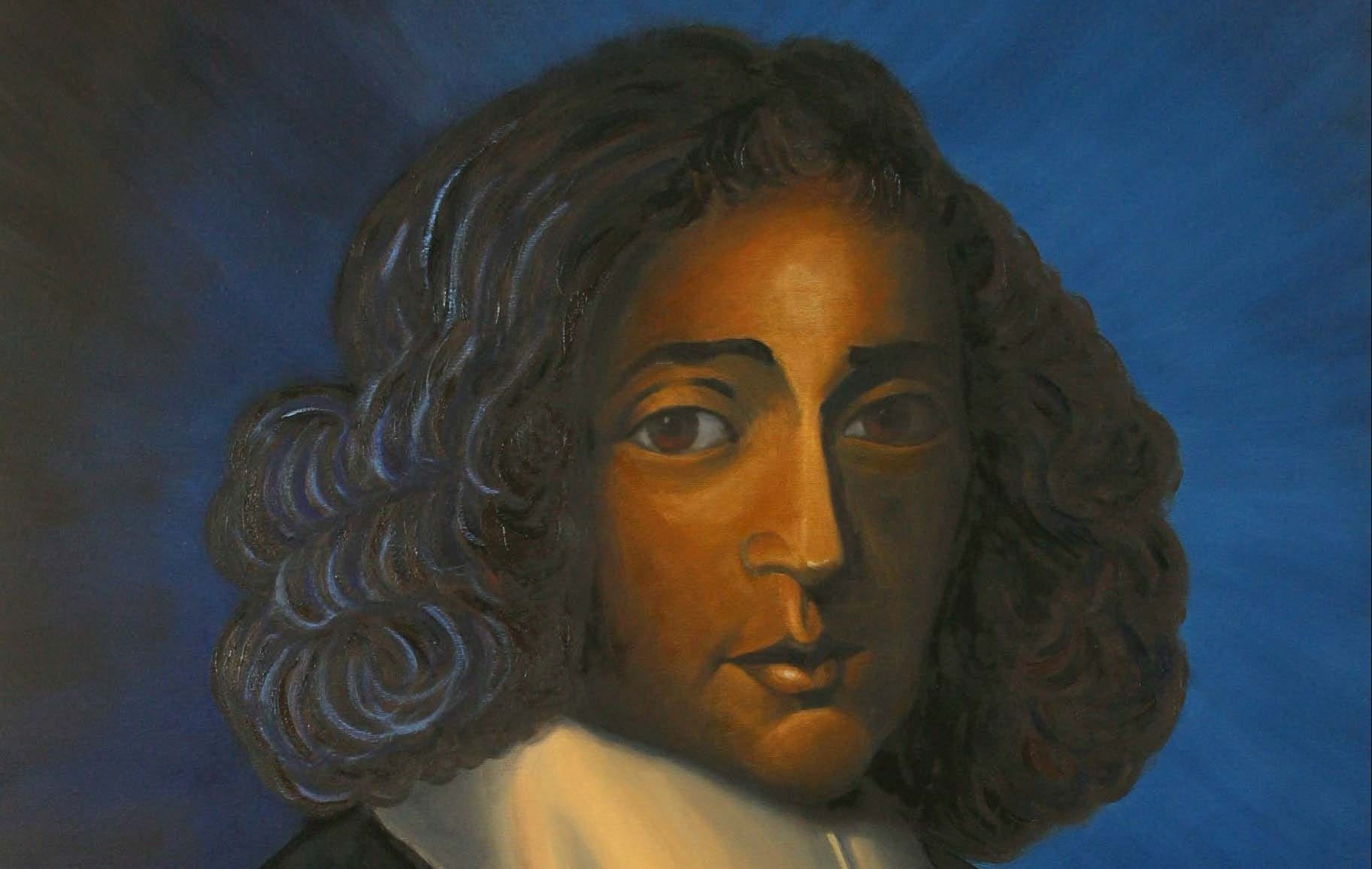
This has led to Spinoza being mislabeled as a “heretic.” His masterwork, Ethics, is a geometric proof of God’s existence. Actually, as one German philosopher put it, Spinoza was “a God-intoxicated man.” He seems to equate the world with God, leading to another common mislabel: pantheist.
What Spinoza really says is that we cannot understand the world without understanding God because God is the ultimate definer of all that exists. To put it very, very simply: God is the intelligence of the Universe. Let me distill this in one of his lines from Ethics:
“Everything that is, is in God, and must be conceived through God, and so God is the cause of all things, which are in Him” (Ethics I, Prop. 15).
Based on this idea, he says we have three ways of knowing about the world, which are each dramatized in this week’s parsha:
The first level of knowledge is Imaginatio (Imagination), which is best described as “sense perception.” This involves an understanding of how the world works based only on what you gather from your basic senses. For example, if there’s a storm, your basic senses would tell you to take cover, in say, a cave.
However, to find everlasting shelter from a storm you need the second level of knowledge: Ratio (Reason), or conceptual knowledge. Imaginatio, or sense perception, might be enough to help you build a simple tent, but you need conceptual knowledge to build a house. You need to understand the properties of raw building materials, like wood and cement. You need to make the tools. You need to figure out how to put all these materials together for the long term. Such knowledge is, in some ways, eternal. It provides a formula that can be used and improved upon from one generation to the next. Reason is unique to human beings, and for Spinoza, one step closer to knowing and loving God.
It seems, at first, that the spies followed the instructions to understand the land of Israel according to reason. They gathered the people at a type of press conference and gave their report:
וַיְסַפְּרוּ־לוֹ֙ וַיֹּ֣אמְר֔וּ בָּ֕אנוּ אֶל־הָאָ֖רֶץ אֲשֶׁ֣ר שְׁלַחְתָּ֑נוּ וְ֠גַ֠ם זָבַ֨ת חָלָ֥ב וּדְבַ֛שׁ הִ֖וא וְזֶה־פִּרְיָֽהּ׃
We came to the land you sent us to. Indeed, it flows with milk and honey, and here is its fruit.
אֶ֚פֶס כִּֽי־עַ֣ז הָעָ֔ם הַיֹּשֵׁ֖ב בָּאָ֑רֶץ וְהֶֽעָרִ֗ים בְּצֻר֤וֹת גְּדֹלֹת֙ מְאֹ֔ד וְגַם־יְלִדֵ֥י הָֽעֲנָ֖ק רָאִ֥ינוּ שָֽׁם׃
But the people who inhabit the country are powerful, and the cities are fortified and very large. Also, we saw the giant Anakites there.
The people of Israel were immediately demoralized. But sometimes you need more than facts to solve a problem. You need Spinoza’s third level of knowledge: Scientia intuitiva, or “intuitive knowledge.”
This is not mere rational knowledge about isolated incidents or things. It is a holistic understanding of the universe, human nature, and, most of all, ourselves and our capabilities. It’s tapping into divine intelligence to be clairvoyant. To utilize the genius inside us and around us to generate the ideas and strategies that help us overcome obstacles, including military ones.
Scientia Intuitiva is the type of knowledge demonstrated by Calev ben Yefuna.
After the spies’ demoralizing report Calev silenced the crowd and said:
עָלֹ֤ה נַעֲלֶה֙ וְיָרַ֣שְׁנוּ אֹתָ֔הּ כִּֽי־יָכ֥וֹל נוּכַ֖ל לָֽהּ׃
Let us by all means go up, and we will inherit it, for we can do it!
The great medieval commentator Rashi says that when Calev says, “let us go up,” he is referring to the heavens. That’s not far from Spinoza. He is referring to the highest level of knowledge, which, for Spinoza, is synonymous with the love of God.
But the spies would have none of that. And they regressed to the first level of knowledge: sense perception, in which they let their base emotions dictate what they saw:
וַיֹּצִ֜יאוּ דִּבַּ֤ת הָאָ֙רֶץ֙ אֲשֶׁ֣ר תָּר֣וּ אֹתָ֔הּ אֶל־בְּנֵ֥י יִשְׂרָאֵ֖ל לֵאמֹ֑ר הָאָ֡רֶץ אֲשֶׁר֩ עָבַ֨רְנוּ בָ֜הּ לָת֣וּר אֹתָ֗הּ אֶ֣רֶץ אֹכֶ֤לֶת יושביה׃
They defamed land they had scouted, saying, “The country that we traversed and scouted is one that devours its inhabitants.’”
They did not compare their power, their forces, with those of the inhabitants. They reported only what they felt about what they saw with no process of reason or conceptual thinking.
Calev knew that God would not command them to do something they couldn’t achieve. As the first cause of all things, wouldn’t that go against God’s nature? Along with Yeshua ben Nun, Calev challenged the consensus of skepticism which I’m sure you’ll find in any wartime situation room. But it’s Calev that God praised:
וְעַבְדִּ֣י כָלֵ֗ב עֵ֣קֶב הָֽיְתָ֞ה ר֤וּחַ אַחֶ֙רֶת֙ עִמּ֔וֹ וַיְמַלֵּ֖א אַחֲרָ֑י
But My servant Calev, had a different spirit and remained loyal to Me.
For this spirit he merited to enter the land of Israel and build his clan there.
As for the rest of the tribe, the generation of adults were decreed to die off before they could enter the land of Israel. Sounds harsh, but God knew that a people who were too easily swayed by emotion rather than rational thought—and inspired thought—cannot win a war.
So as you protect America and our allies, go up to the Heavens, like Calev, knowing that through a rigorous, inspired process of thinking, planning, strategizing, understanding the enemy, and, most of, understanding all our own capabilities, you can emerge victorious with any and every mission.
“Let us go up.” L’chu Neranena l’adonai! Shabbat Shalom.

Comments
Nothing yet. Say the first thing.
Sign in to join the conversation.