
From the Sports Desk
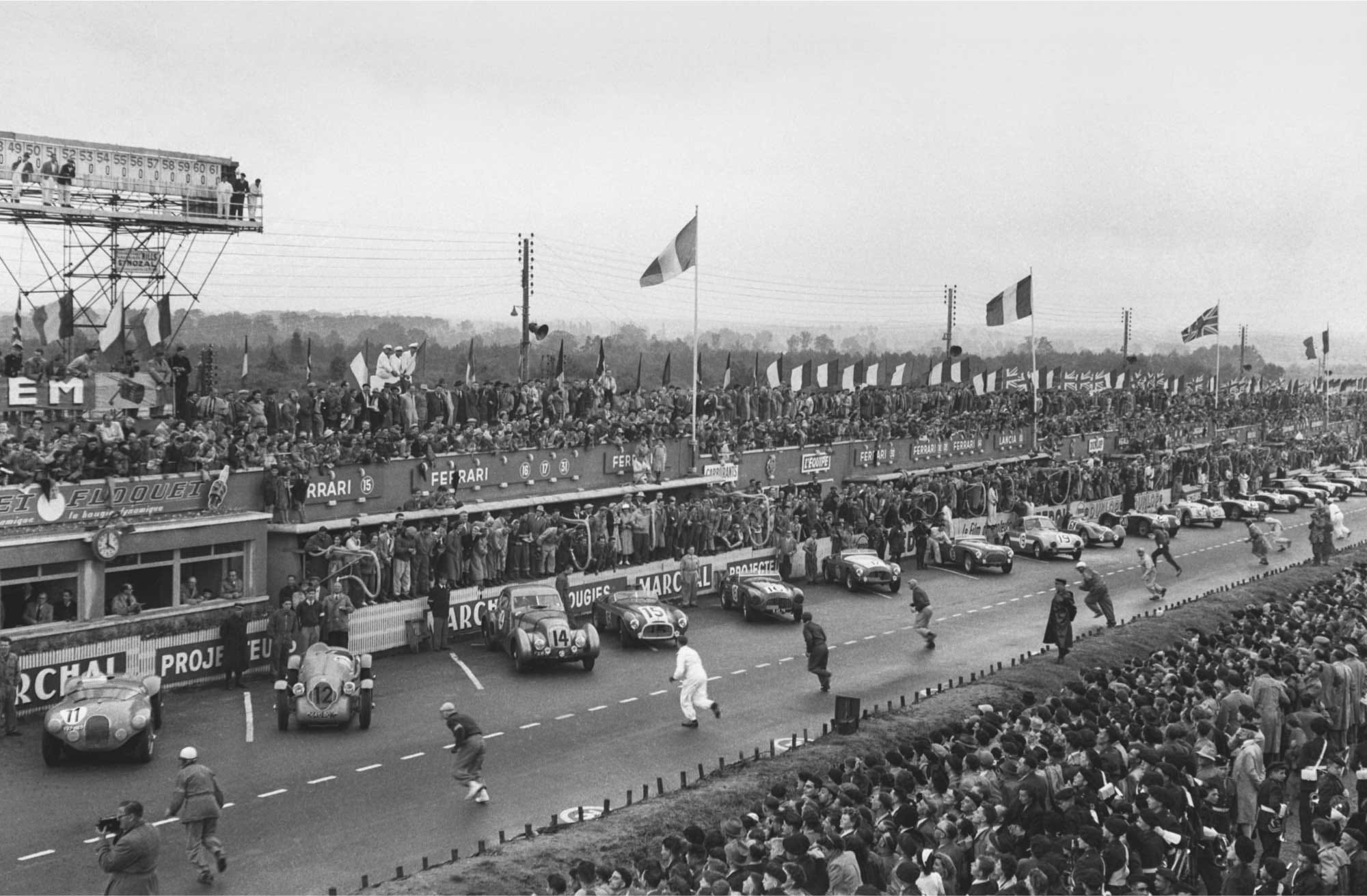
The 24 Hours of Le Mans, the most prestigious event in endurance racing and arguably motorsport’s premier event overall, was held last weekend in the French countryside. Toyota took home their first win since 2022, edging out BMW in a thriller. While horse racing claims to be the sport of kings, the 94th edition of Le Mans proved once again to be the sport of upper nobility.
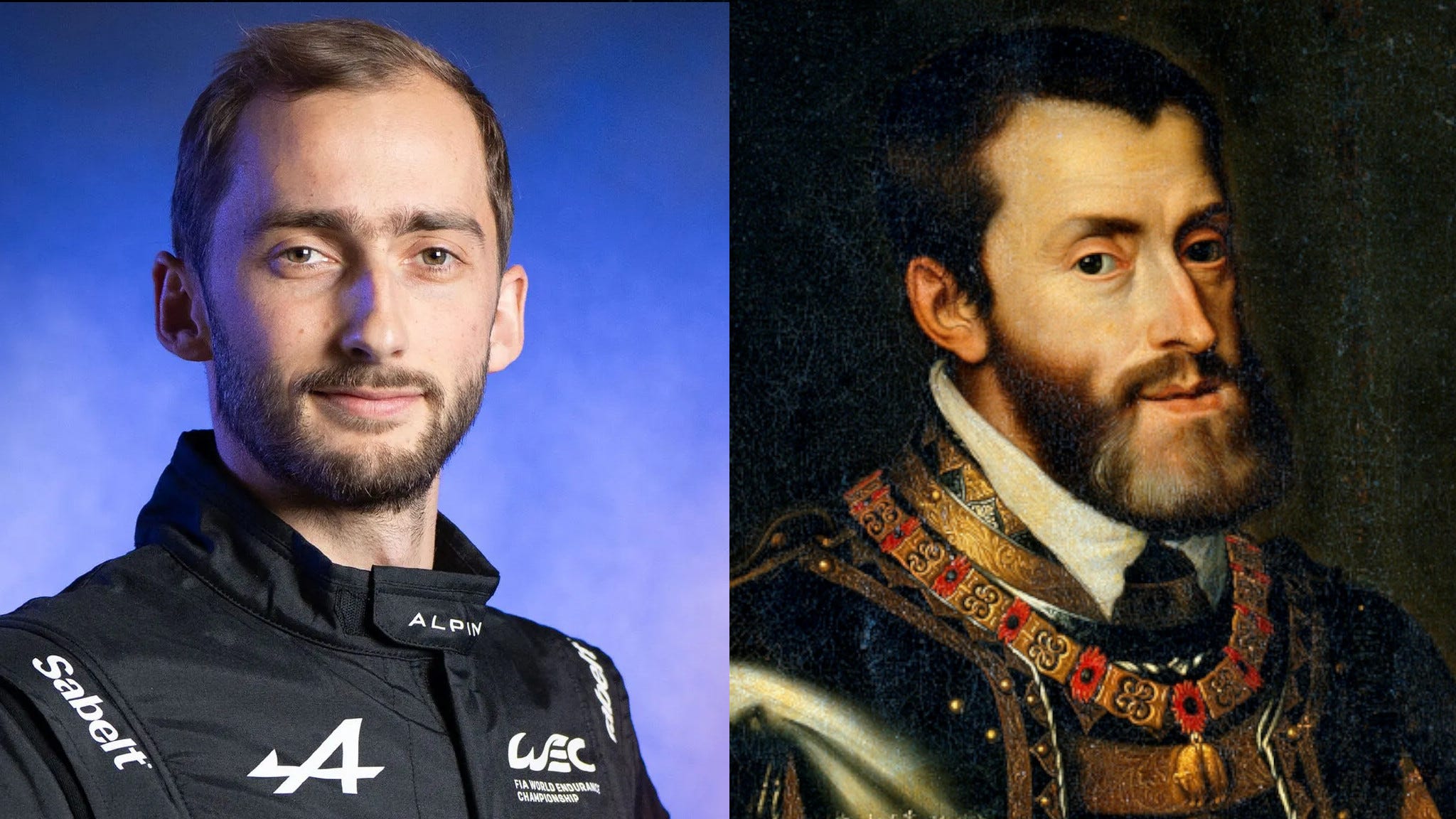
Since the race’s inception, Le Mans has been associated with the aristocracy and this year’s competition was no different. At least two drivers hold significant titles of nobility. The Alpine team, who finished 6th in the hypercar class, featured driver Ferdinand Habsburg, Archduke of Austria and heir apparent to the headship of the House of Habsburg-Lorraine. Meanwhile, driving the Corvette for the TF Sport team and finishing 14th in the LMGT3 class was Prince Jefri Ibrahim, Tunku Panglima of Johor.
Both of these royals are established drivers in their own right. This was the sixth Le Mans for Ferdinand Habsburg, who won his class in his first attempt in 2021. That same year the 13th-great-grandson of Holy Roman Emperor Charles V won his class in the FIA World Endurance Championship, the racing series to which Le Mans belongs.
Prince Jefri Ibrahim, son of the current King of Malaysia, is no slouch himself having established the Johor Motorsports Racing Team in 2019 and going on to earn several podium spots around the world, including the GT World Challenge Asia Pro-Am driver’s championship.
Like many elite sports, a smattering of lesser-royals has been common over the years in motorsport. Le Mans in particular has long held the tradition of the “Gentleman Driver,” a wealthy amateur who often funds the team either directly or through sponsorships. In the modern era, most amateur drivers are capable and train rigorously. Each year, a couple dozen or more drivers compete in Le Mans as Gentlemen. But at the dawn of the sport, around a century ago and well into the mid-20th Century, the princely class dominated. Today we look back at these royals of the road.
Francis Richard Henry Penn Curzon
Titles Held: 5th Earl Howe, 5th Viscount Curzon, 5th Baron Howe
Style: The Right Honourable The Earl Howe
Raced Le Mans: 1929, 1930, 1931, 1932, 1934, 1935
Best Result: 1st overall (1931)
Cars: Bentley 4½ Litre, Alfa Romeo 6C, Alfa Romeo 8C
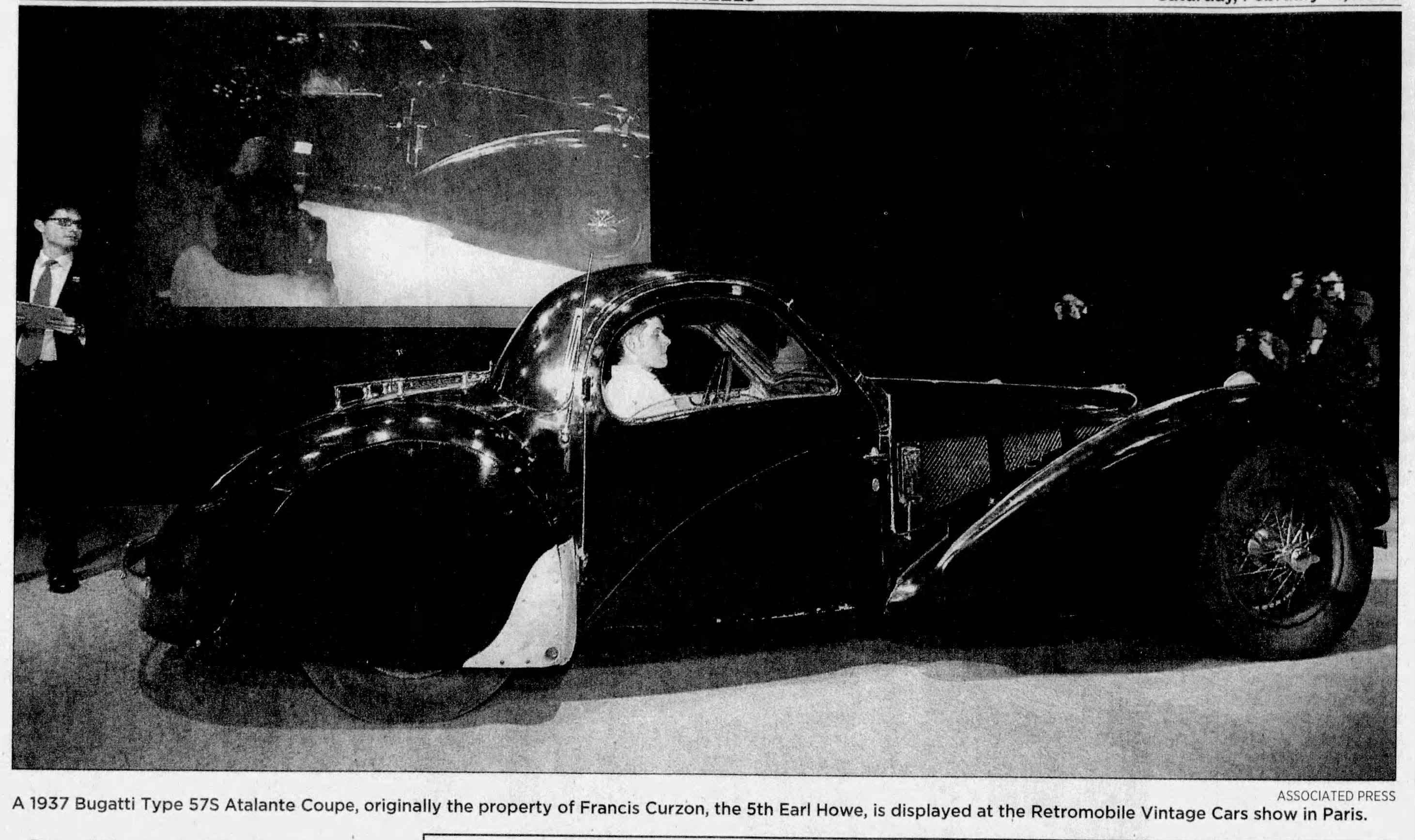
In the British system of peerage, the hereditary title of Earl Howe is bestowed upon the senior heir of the Curzon family, descending from Admiral Richard Howe, 1st Earl Howe. The 5th such Earl, Francis Curzon, was a Member of Parliament, British naval officer, and legendary racing driver.
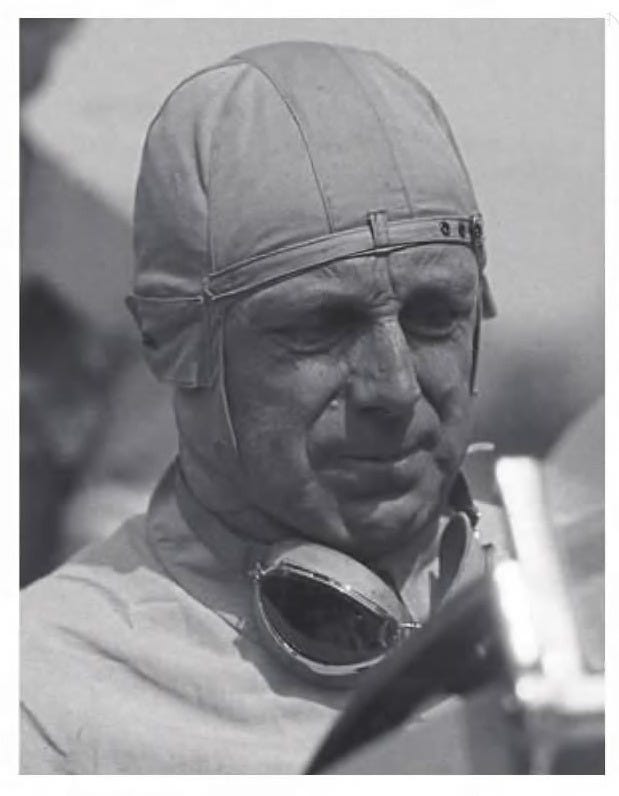
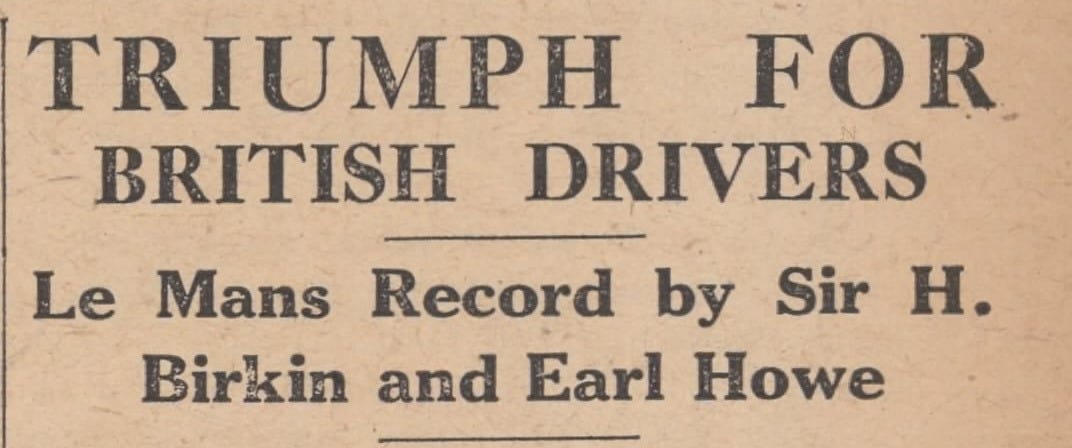
The Earl was a late bloomer in driving, making his race debut at age 44. He abandoned a career in Parliament to focus on racing, driving for the Bentley factory team and later in his own cars. He raced Le Mans six times between 1929 and 1935, winning it all in 1931 behind the wheel of an Alfa Romeo 8C, setting a then record for distance traveled in the 24-hour span.
Unfortunately for some, Earl Howe did not limit his speed to the track. In December of 1932, the good Earl was out for a drive on a country road when he narrowly avoided hitting a policeman riding a bicycle. Lord Howe, driving a large sports car, closed in too quickly on a small army vehicle ahead of him. He swerved to avoid rear-ending the the other vehicle but in doing so forced the oncoming policeman off the road where he had to leap off his bike and onto a bank.

The car’s plates were traced by police back to Earl Howe and he was charged with dangerous driving and driving without due care and attention. In his defense, the Earl said he was unfamiliar with the road and his car lacked a speedometer, but he estimated his speed at only 30 mph.
“I cannot understand why the policeman jumped off his bicycle,” Earl Howe said. “The car was under perfect control.”
Earl Howe was acquitted of dangerous driving but convicted of the lesser charge and fined £3 with £2 7s in costs.
On May 1, 1937, his birthday, Earl Howe was badly injured in an accident while challenging fellow royal Prince Bira of Siam for the Campbell Trophy at the Brooklands circuit in Surrey, England. Earl Howe would continue to promote racing while accumulating one Europe’s most elaborate collection of cars. He co-founded the British Racing Drivers’ Club in 1928 and served as president until his death in 1964.
Prince Nicholas of Romania
Title Held: Prince of Romania
Styled: His Royal Highness Prince Nicolae of Romania
Raced Le Mans: 1933, 19341, 1935
Best Result: DNF (1935)
Car: Duesenberg SJ
Like Lord Howe, Prince Nicholas was also a naval officer and reluctant politician. In 1927, Prince Nicholas’ father, King Ferdinand I, died at 61 from cancer, leaving Nicholas’ 5 year old nephew to ascend to the throne as King Michael I. Prince Nicholas was appointed as one of three regents, a position he held until 1930 when his older brother Carol, father to the King, usurped the thrown from his own son, proclaiming himself King Carol II.
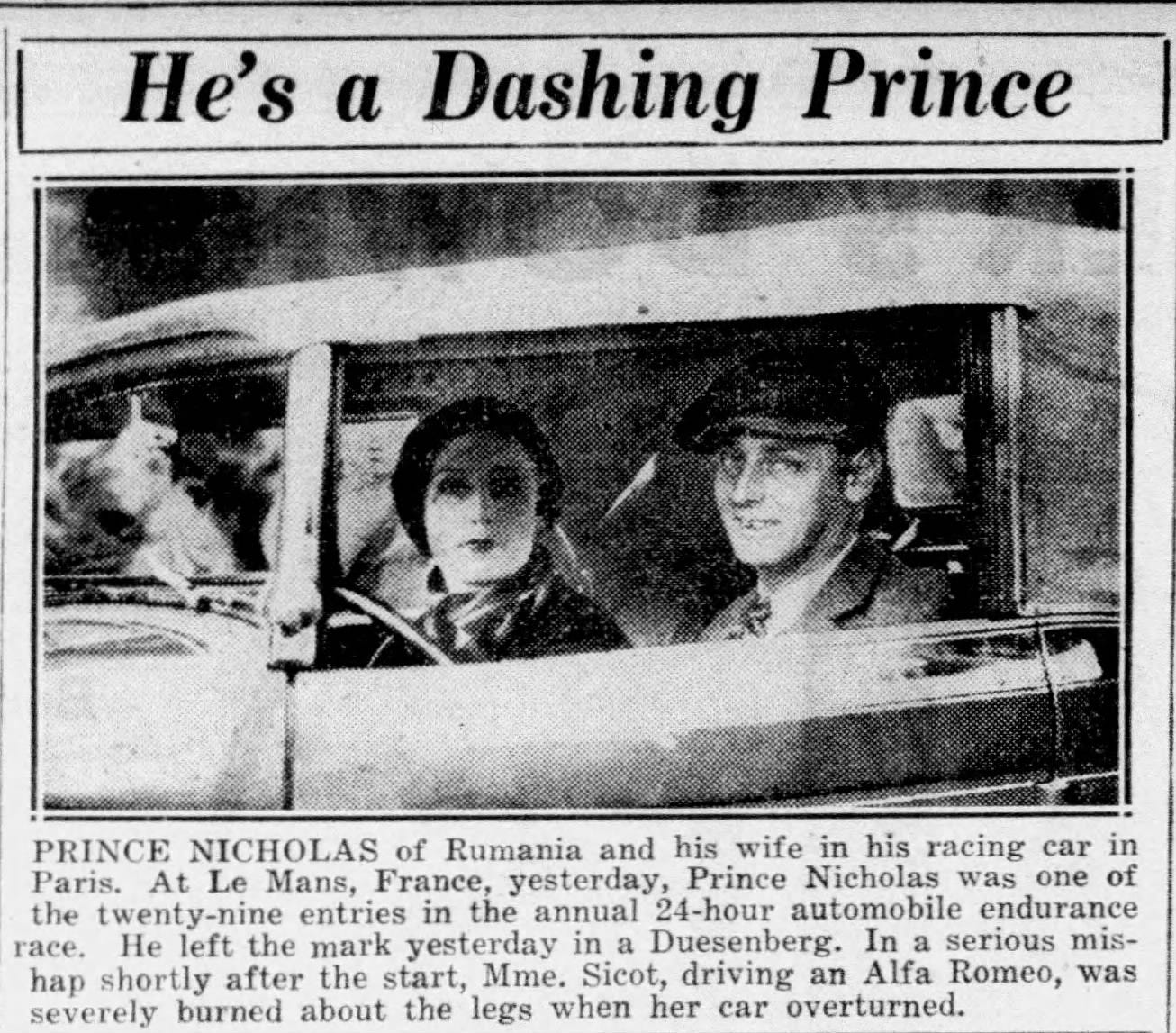
Prince Nicholas never wanted to be regent anyway and was fine with his brother taking over. Nicholas was far more interested in his naval career and racing cars than he was in ruling Romania.
His Royal Highness’s Le Mans outings were less than stellar, he never completed the race and in 1934 was unable to even start due to engine issues. By far the most notable aspect of these failed outings was his car. The Prince showed up to the race in his own giant Duesenberg SJ.
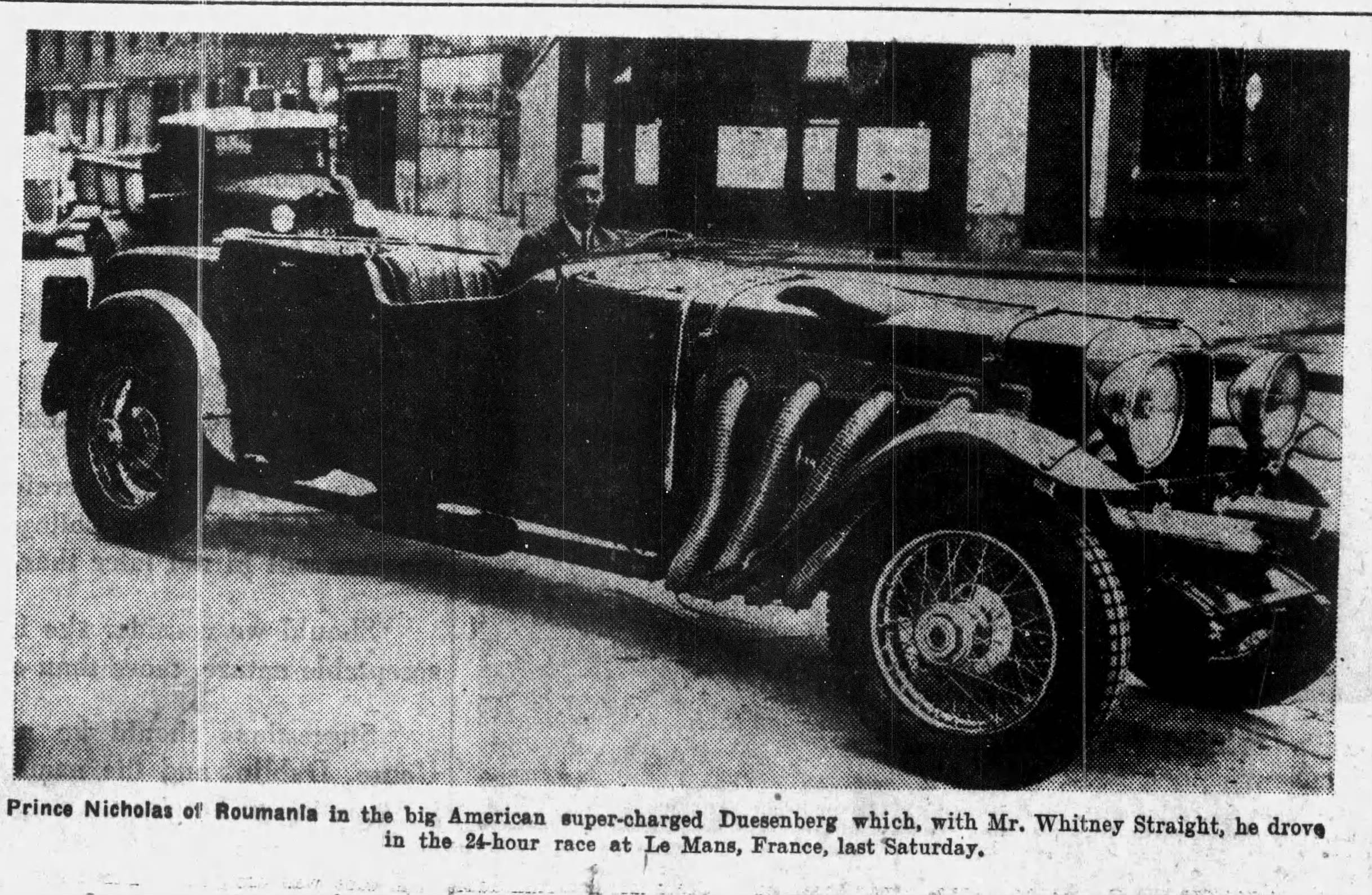
This car, powered by a supercharged 6.9-litre straight-eight, was one of the largest, and easily the most luxurious, cars to run at Le Mans. Famous for its Art Deco design, this piece of American machinery was the car of tycoons and movie stars, including Clark Gable and Gary Cooper. Sadly, it didn’t make for the best endurance racer.
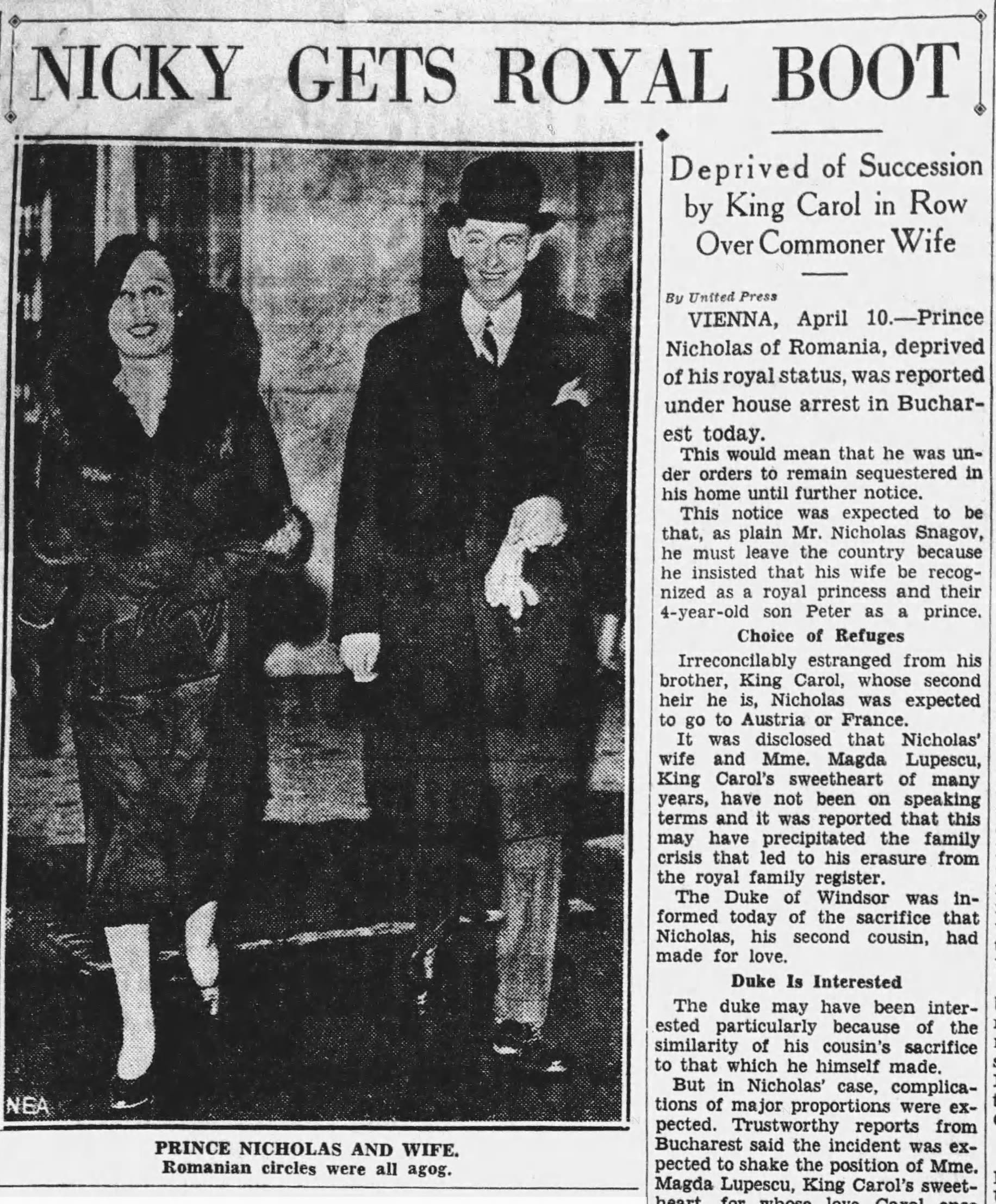
Prince Nicholas’ royal career, like his Le Mans attempts, was cut short. After marrying a commoner and getting into a tiff with his brother, he was stripped of his titles and exiled to Spain. Life, like a Duesenberg, comes at you fast.
Alfonso Cabeza de Vaca y Leighton
Titles Held: 11th Marquess of Portago, Grandee of Spain, 13th Count of la Mejorada
Styled: Ilustrísimo Señor Don Alfonso Cabeza de Vaca y Leighton, Marqués de Portago
Raced Le Mans: 1954, 1956
Best Result: DNF (1954)
Cars: Maserati A 6 GCS, Ferrari 625 LM
Alfonso Cabeza de Vaca y Leighton, commonly known as Alfonso de Portago, was the epitome of the cliché “live fast, die young.” Alfonso was born into a prominent family of Spanish nobility, a descendent of explorer Álvar Núñez Cabeza de Vaca. A true playboy of the era, he spoke four languages, flew planes, raced cars, and even dabbled in bobsledding.
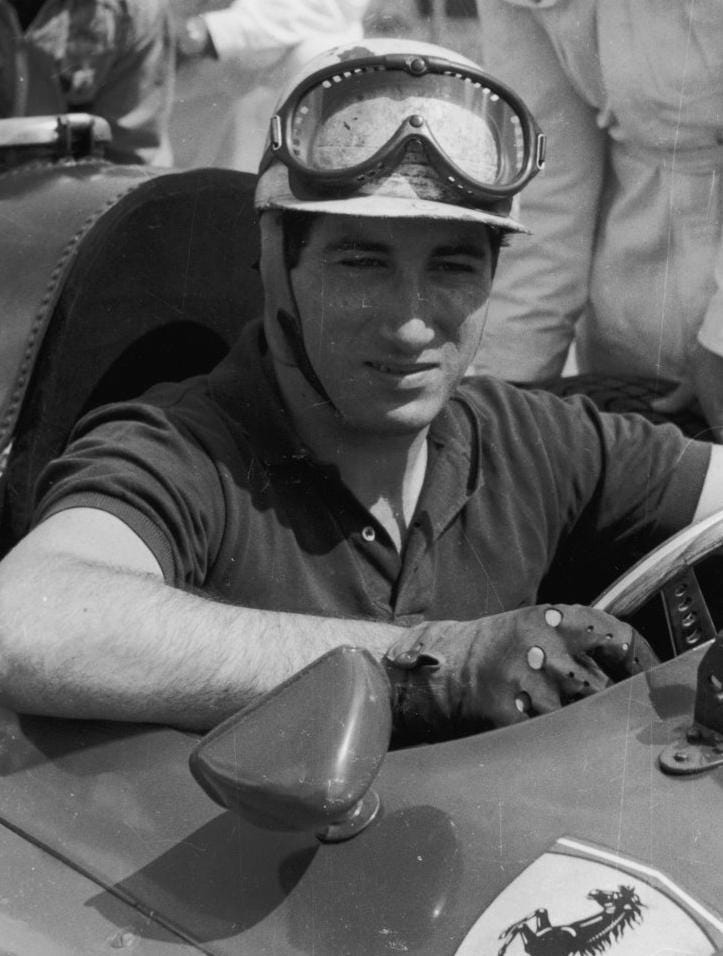
Alfonso de Portago began racing Ferraris in 1953 and quickly started winning races, including the Grand Prix of Oporto and the Nassau Governor's Cup. He gained a reputation for burning out, or even wrecking, his cars with his aggressive driving style. His Le Mans appearances were underwhelming; he never completed the race.
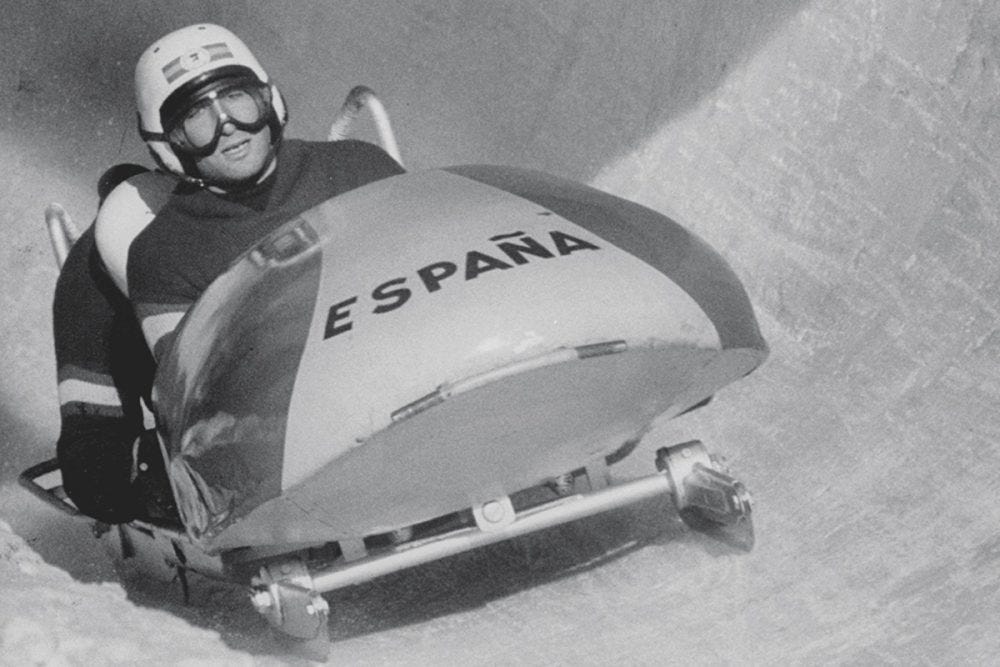
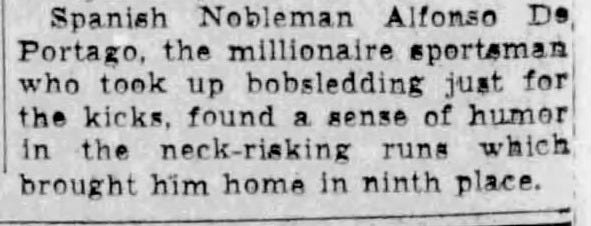
Just for fun, he decided to create the Spain’s first bobsled team, entering the 1956 Winter Olympics in Cortina d’Ampezzo, Italy.
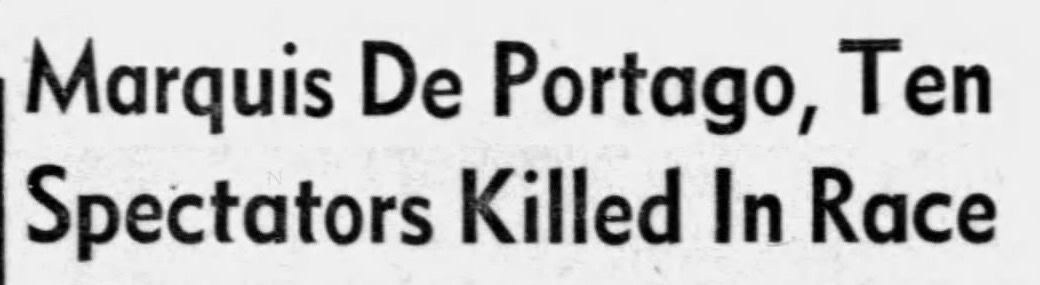
The Marquees’ flamboyant lifestyle met its tragic end in May of 1957 at the Mille Miglia race in Italy. A tire blew on Portago’s Ferrari 335 S, sending it spinning into the crowd along the highway, killing Portago and his co-driver along with several spectators. He was 28.
Moments before the deadly crash, an unknown photographer snapped a picture of Portago kissing actress Linda Christian during his last stop. The photo has gone down in history as The Kiss of Death.
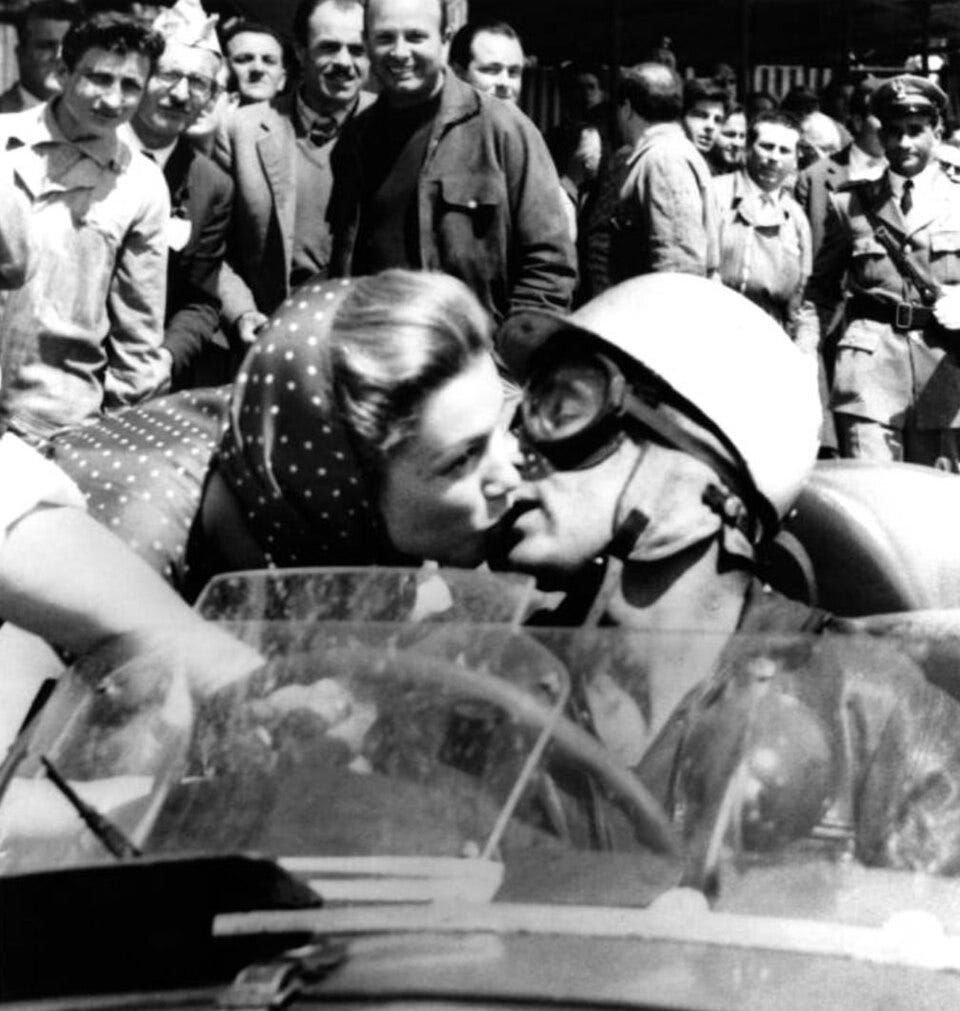
“A man like Portago appears only once in a generation, and it would probably be more accurate to say only once in a lifetime,” said author and driver Gregor Grant. “The fellow does everything fabulously well. Never mind the driving, the steeple chasing, the bobsledding, the athletic side of things, never mind being fluent in four languages. [...] He could be the best bridge player in the world if he cared to try, he could certainly be a great soldier, and I suspect he could be a fine writer.”
Birabongse “Bira” Bhanudej Bhanubandh
Title Held: Prince of Siam
Styled: His Highness, Prince Birabongse Bhanudej
Raced Le Mans: 1939, 1954
Best Result: DNF (1939)
Cars: Alfa Romeo 6C, Aston Martin DB3S
Birabongse Bhanudej Bhanubandh, or Prince Bira for short, was the grandson of King Mongkut, inspiration for the movie The King and I. Like any good royal, Bira was educated at a British boarding school and mastered the gentlemanly pursuits of sailing, flying, and, of course, Grand Prix racing.
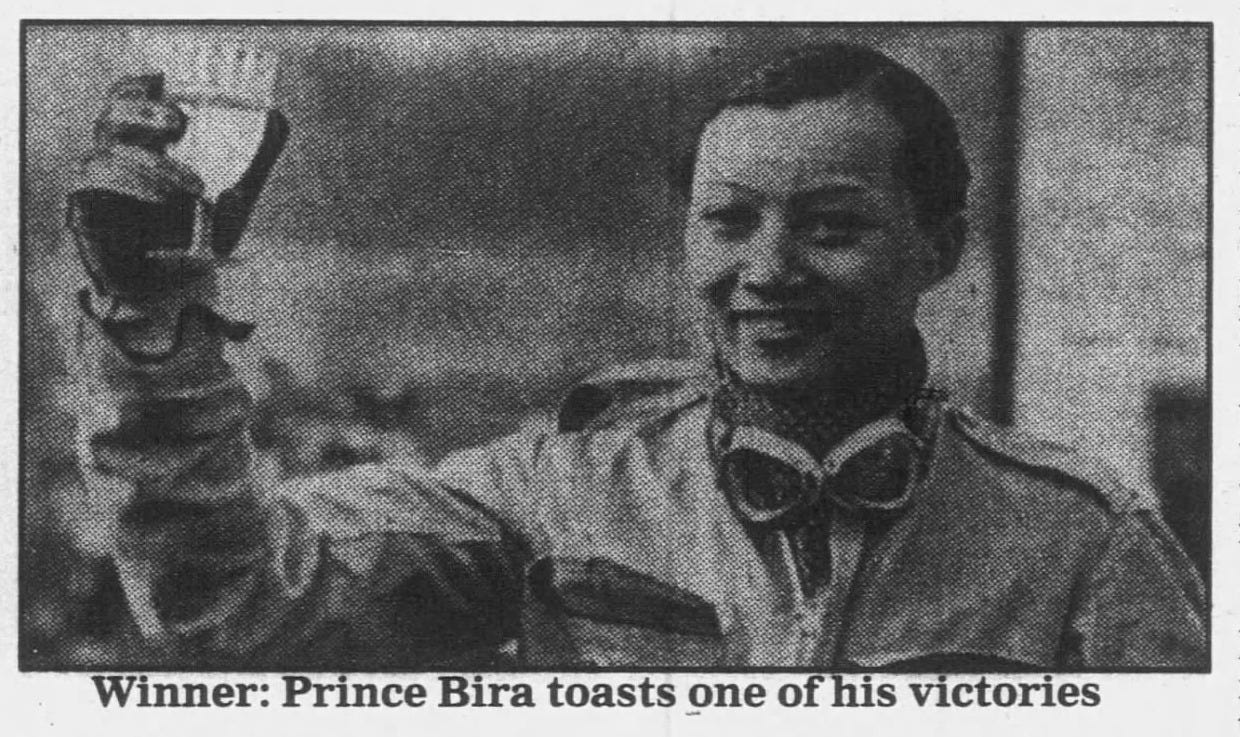
Despite being one of the most accomplished royal racers, he did not fare well at Le Mans. In both of his attempts he was unable to complete the race. Nevertheless, he would go on to have a modestly successful career in Grand Prix and the newly created Formula One.
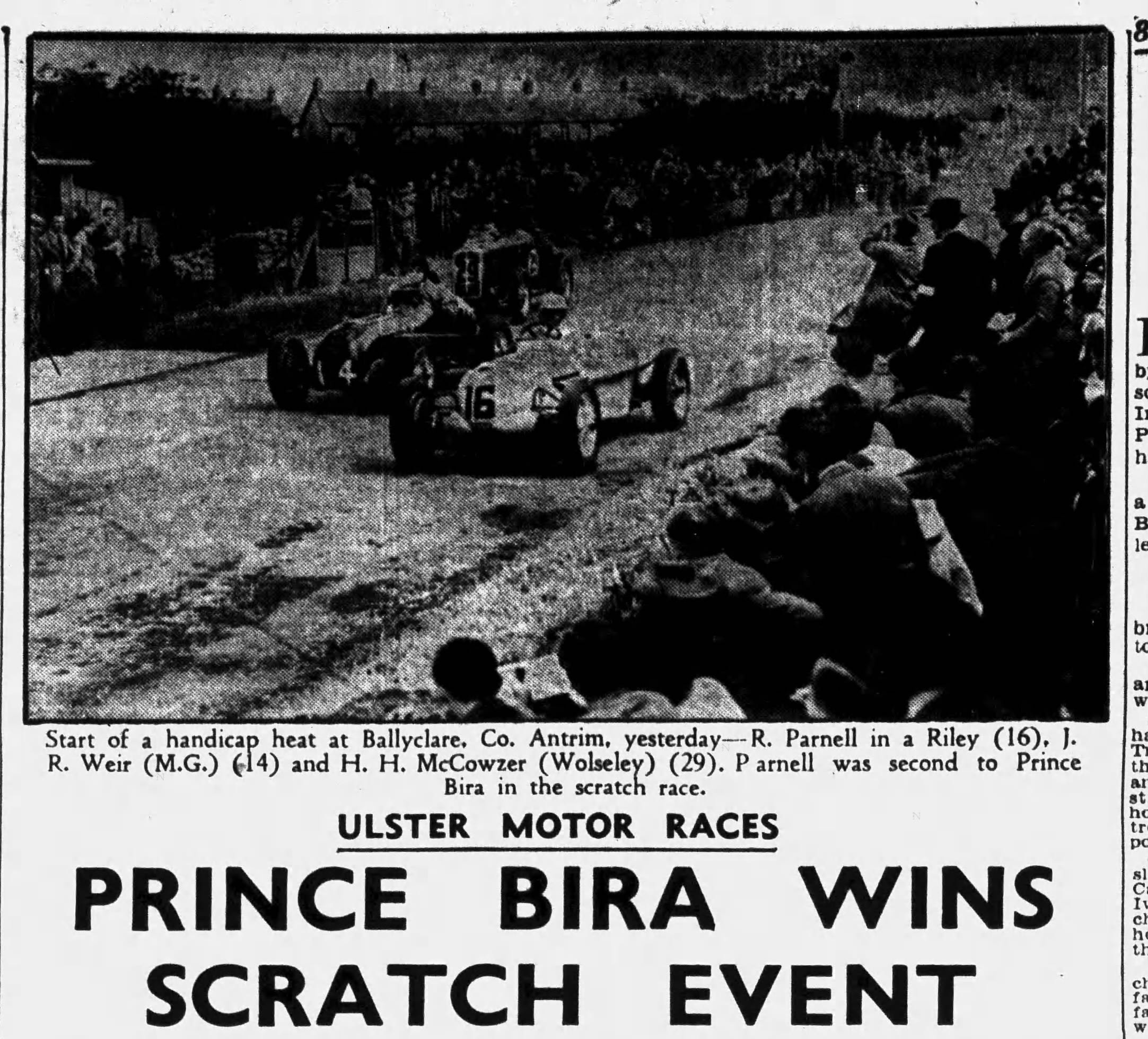
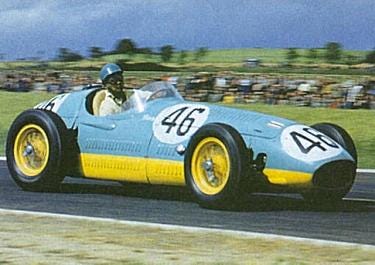
Prince Bira left his mark on the sport, influencing the national racing colors of Thailand. The nation’s pale powder blue was adopted by Bira in 1934, inspired by an evening dress of a young woman he met as a youth in London.
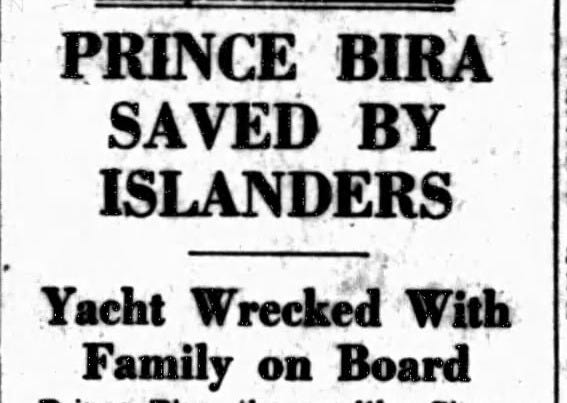
The Prince was also an avid sailor, competing in the Olympics in 1956, 1960, 1964, and 1972. His sailing wasn’t always smooth. In 1955, a storm wrecked his yacht, leading to one of the most rich adventurer headlines of the era:
American Royalty
The United States of America famously has no monarchy, but we are not without our royalty or our gentlemen racers. Hollywood legends Paul Newman and Steve McQueen each had their brushes with Le Mans greatness.
Paul Newman
Raced Le Mans: 1979
Best Result: 1st in class (2nd overall)
Cars: Porsche 935
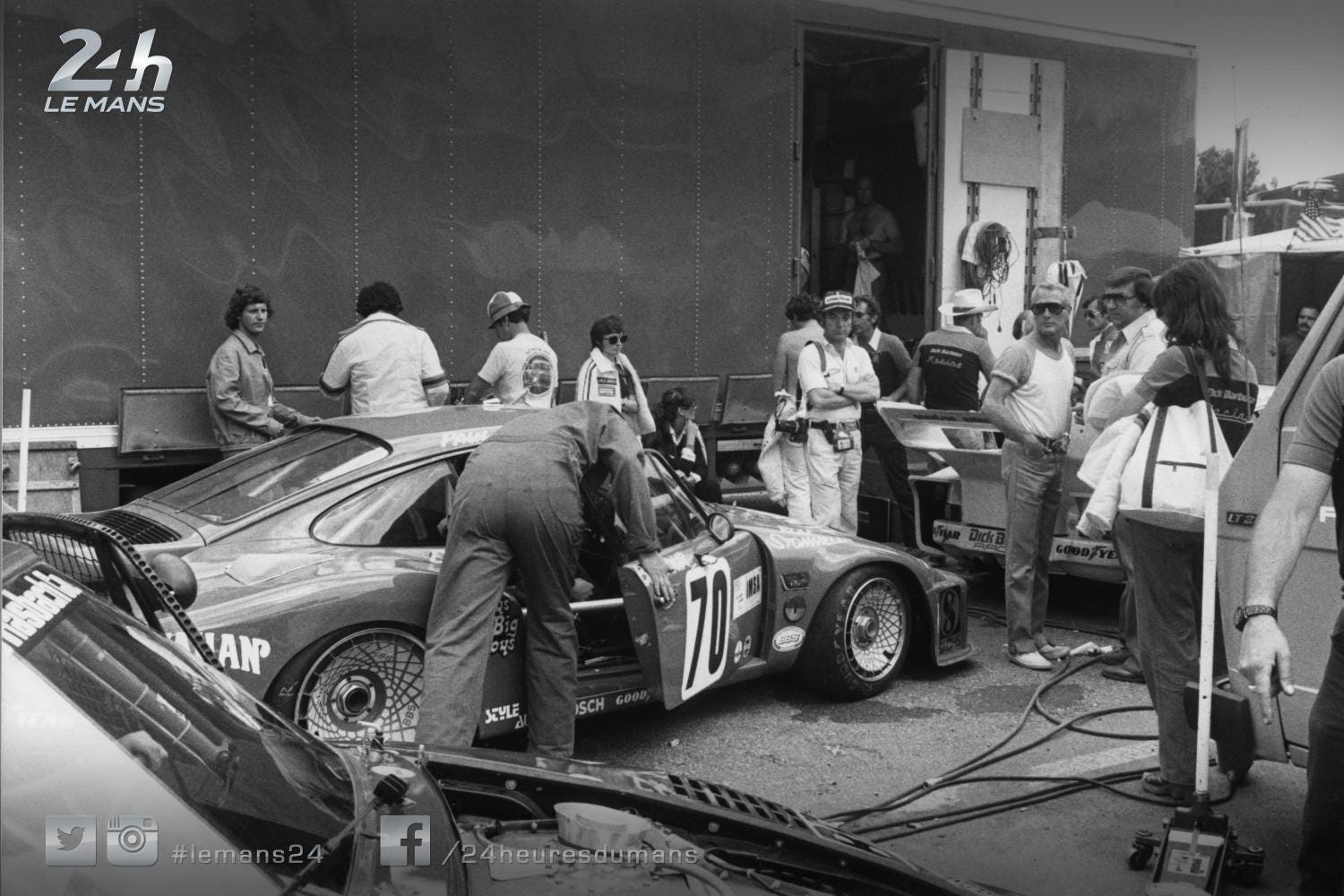
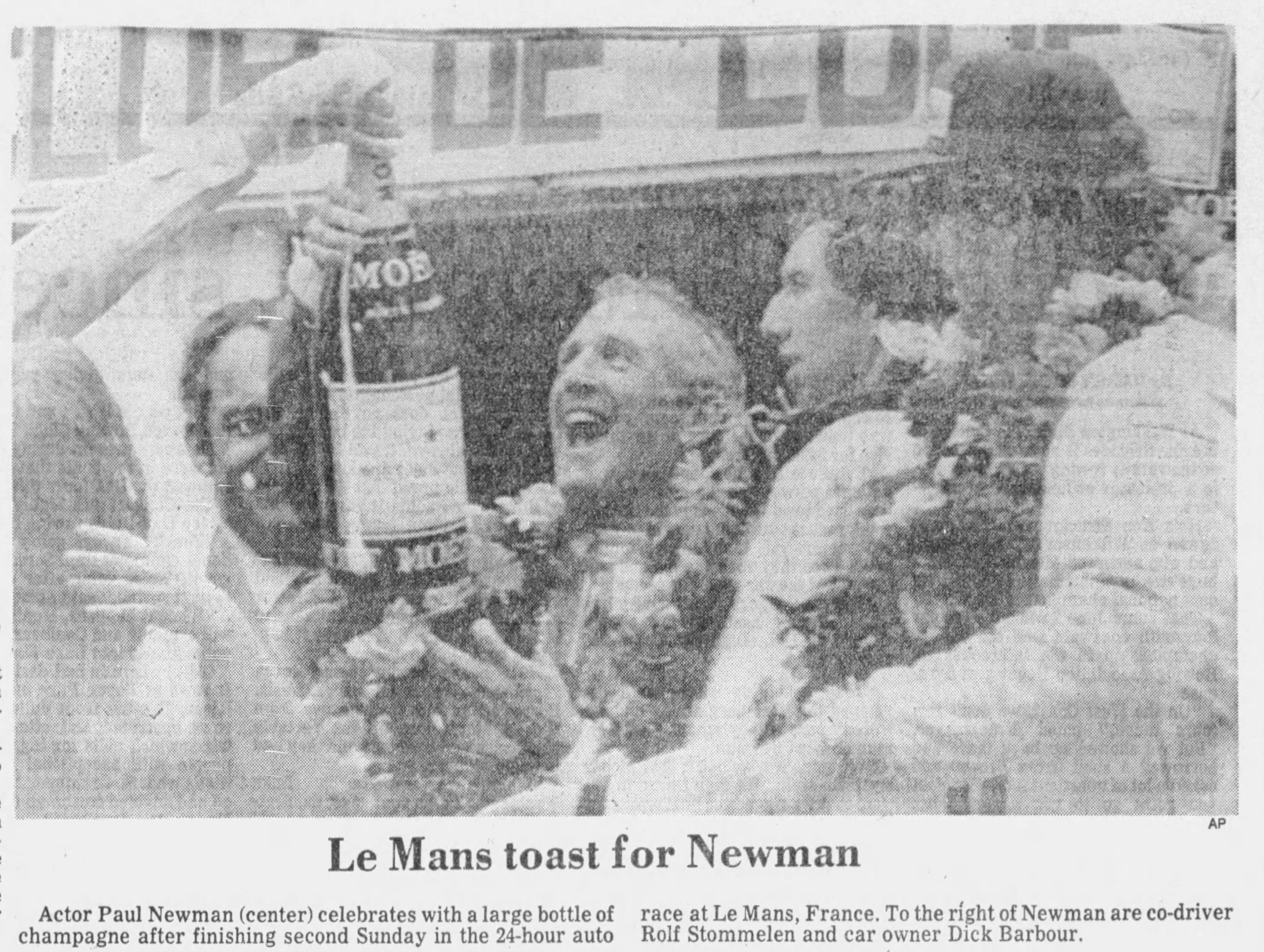
Paul Newman raced Le Mans in 1979 for Dick Barbour Racing, driving a Porsche 935. The team placed 1st in the IMSA+2.5 class and 2nd overall. A true pro racer, Newman would drive for years for the Bob Sharp Racing Team and later his own Newman Freeman Racing team. Newman racked up multiple victories in the SCCA National Championships and became the oldest driver to date to be on a winning team in a major sanctioned race when he won his class at the 1995 24 Hours of Daytona at age 70. He earned an Oscar nomination for Best Actor that same year for Nobody’s Fool. The screen and track legend continued to compete into his 80s.
Steve McQueen (Honorable Mention)
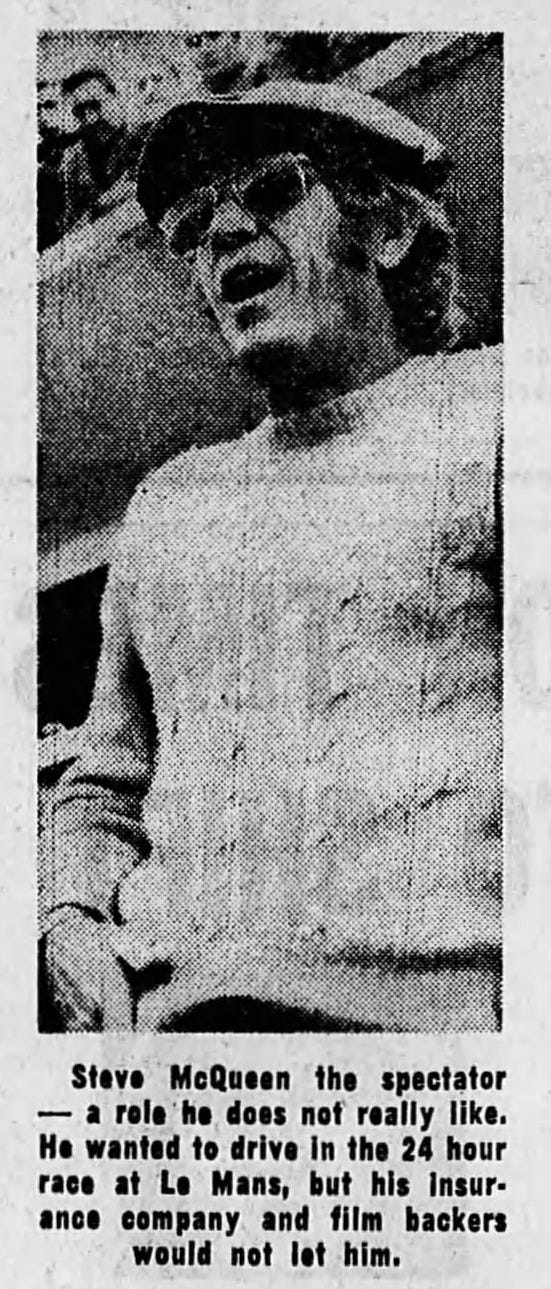
Thanks to some insurance nerds, Steve McQueen never actually got to suit up for the real thing, but he came awfully close during the making of his 1971 film Le Mans.
McQueen was not allowed to drive the race himself, but his car was let in. In order to capture real race footage, Steve McQueen’s film company, Solar Production, entered the race with his Porsche 908 equipped with multiple movie cameras. The camera car team managed to finish 9th, but were not classified because they did not cover the required minimum distance due to the stops to change film reels.
The other star of the film, the iconic Porsche 917 in pale blue and orange Gulf Porsche team livery, traded hands between collectors over the years, landing with Porsche aficionado Jerry Seinfeld in 2002. Seinfeld had the car fully restored and sold it in 2025 for an undisclosed amount, estimated around $25 million.
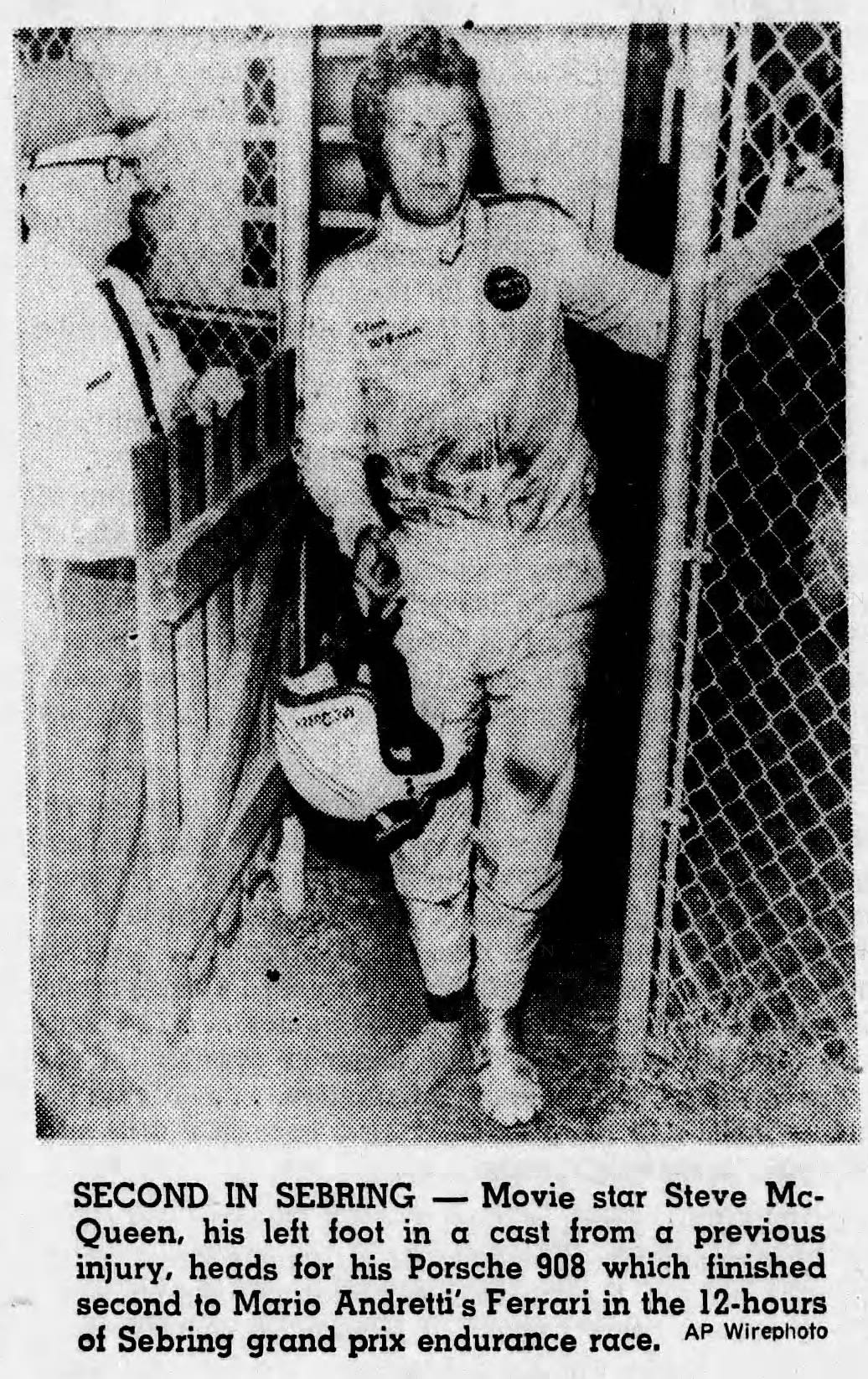
He might not have raced Le Mans, but McQueen was no stranger to the track or danger. In 1970, driving the same Porsche 908 later used to film his movie, he placed second at the 12 Hours of Sebring. He did so while wearing a cast over a broken left foot suffered in a motorcycle race weeks prior.
Entered but did not start (engine)
No posts
Comments
Nothing yet. Say the first thing.
Sign in to join the conversation.