
When we think about Indigenous communities, there is a persistent tendency to imagine them as fixed in time: unchanging, even disappearing.
The Orang Laut identity has never been static. It is fluid, continually shaped by shifting socio-political realities, environmental change, and development pressures. Far from being a relic of the past, it is lived, negotiated, and affirmed in the present. As scholars of identity have long argued, communities are not timeless artefacts but are continually formed through history and experience, rather than inherited unchanged (Benedict Anderson).
Until the 19th century, the Orang Laut were both feared and respected, renowned for their seafaring expertise across the Riau-Lingga Archipelago. They were not peripheral actors but central to the region’s political and economic order, playing a vital role in the rise and maintenance of maritime empires such as Srivijaya and the Malacca-Johor Sultanate.
Their intimate knowledge of the sea enabled them to guard shipping lanes, fend off adversaries, and guide traders safely to port, functions essential to the survival of these kingdoms. Historians have shown that such maritime networks depended not only on rulers and ports, but on mobile sea peoples like the Orang Laut, whose labour and knowledge underpinned regional trade and power (Anthony Reid; Leonard Y. Andaya).
This position was fundamentally disrupted with the arrival of the Dutch and the British. Seeking to control the region's lucrative trade routes, colonial powers dismantled long-standing patron–client relationships between the Orang Laut and Malay rulers. In the process, they recast the Orang Laut not as protectors, but as “pirates”.
This reframing was not incidental. As historians have noted, “piracy” in the Malay world was often a political label, deployed to justify imperial expansion and to neutralise existing maritime powers that stood in the way of colonial control (Nicholas Tarling). Through this shift in narrative, the Orang Laut were not only displaced but also criminalised.
Yet, despite these efforts, Orang Laut communities have endured; adapting, persisting, and maintaining their presence across the land and sea they have long called home.
If colonialism marked one rupture, post-independence development marked another.
In Singapore and Johor, land reclamation, industrialisation, and environmental transformation reshaped the very seascapes on which Orang Laut livelihoods depended. For some, such as the Orang Seletar, this meant migration to Johor, where they continued their maritime way of life while adapting to new, more sedentary conditions. Mussel farming, while it is not a traditional way of life, has been adapted to sustain livelihoods amid ecological decline.
Such adaptations are not departures from identity, but expressions of it. As anthropologist Cynthia Chou observes in her work on Orang Laut communities, mobility and responsiveness to changing environments have long been central to their way of life.
For Singapore’s Southern Islanders, however, development took a more dislocating form. State-led projects, including land reclamation, resettlement, compulsory citizenship, and tightening maritime borders, compelled many coastal communities to relocate to the mainland and assimilate into dominant societal structures.
Detached from our ancestral islands, the markers of Orang Laut identity have necessarily evolved. Today, identity is often grounded less in geography and more in lived experience; in memories of life at sea, knowledge of marine practices, ancestral lineage, and, crucially, the continued pride in identifying as Orang Laut.
At its core, identity is political.
When imposed by authority, whether through colonial labels like “pirates” or contemporary classifications that subsume Orang Laut within broader racial categories, identity becomes a tool of governance. It simplifies, flattens, and ultimately controls how communities are understood. As Edward Said argued, such representations are never neutral; they are bound up with power.
Researchers, too, play a role in shaping these narratives. Without careful and ethical engagement, research can become extractive, taking knowledge without accountability and speaking about communities rather than with them. Indigenous scholars such as Linda Tuhiwai Smith have long cautioned against such practices, calling instead for approaches grounded in collaboration, consent, and reciprocity.
Yet identity extends beyond what is imposed or documented. Across the region, indigenous communities are actively reclaiming the right to define themselves. Initiatives such as Hari Orang Pulau, as well as efforts to recognise and sustain traditional knowledge, from fishing practices to craft, are not merely acts of preservation. They are acts of authorship.
Importantly, identity is not only claimed; it is recognised. Our encounters with Orang Laut communities in Bintan and Johor often affirm this, where Singapore-based Orang Laut are acknowledged as part of a wider, transboundary community. Such moments of recognition, grounded in shared ancestry and kinship, underscore that Orang Laut identity is relational, extending beyond the borders that now divide them.
What it means to be Orang Laut today is not what it was in the past, nor what it will be in the future. Identity is not fixed. It is lived, negotiated, and continually in motion.
Ultimately, the authority to define Orang Laut identity should not rest with the state, nor with researchers, but with the community itself — a principle affirmed globally in the recognition that indigenous peoples have the right to determine their own identity and belonging (United Nations).
The Orang Laut story is not one of disappearance. It is one of continuity through change — a reminder that identity, like the sea itself, is never still.
References:
Andaya, L. Y. (2008). Leaves of the same tree: Trade and ethnicity in the Straits of Melaka. University of Hawai‘i Press.
Anderson, B. (2006). Imagined communities: Reflections on the origin and spread of nationalism (Rev. ed.). Verso.
(Original work published 1983)
Chou, C. (2003). The Orang Suku Laut of Riau, Indonesia: The inalienable gift of territory. Routledge.
Reid, A. (1988). Southeast Asia in the age of commerce 1450–1680: Vol. 1. The lands below the winds. Yale University Press.
Reid, A. (1993). Southeast Asia in the age of commerce 1450–1680: Vol. 2. Expansion and crisis. Yale University Press.
Said, E. W. (1978). Orientalism. Pantheon Books.
Smith, L. T. (2012). Decolonizing methodologies: Research and indigenous peoples (2nd ed.). Zed Books.
(Original work published 1999)
Tarling, N. (1963). Piracy and politics in the Malay world: A study of British imperialism in nineteenth-century Southeast Asia. F. W. Cheshire.
United Nations. (2007). United Nations declaration on the rights of indigenous peoples.
https://www.un.org/development/desa/indigenouspeoples/declaration-on-the-rights-of-indigenous-peoples.html
On 17th March, we visited our friends in Bintan to support the cleanup of their community burial grounds. Upon arriving with Asti, we joined Johanes and members of the community as they carefully tended to the graves and cleared overgrowth from their newly demarcated land.
Johanes invited us to pay our respects and take part in a ritual honouring the ancestors. As part of this, we offered cigarettes in place of the traditional rokok daun (Nipah leaf cigarettes), due to the declining availability of Nipah palms in the area.

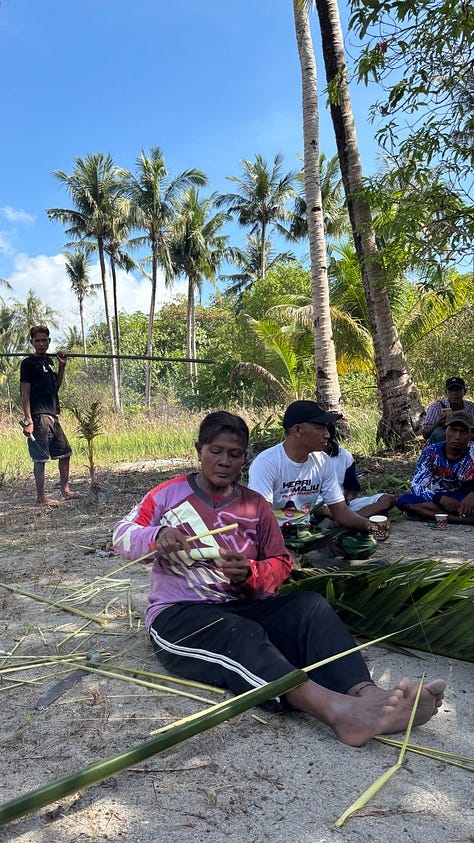

After several hours of work, we gathered to share a simple meal and Asti's teh tarik. During this time, community members demonstrated how rokok daun is traditionally made from Nipah leaves, offering us a glimpse into practices that are becoming increasingly difficult to sustain.
Johanes also updated us on several developments regarding the burial grounds:
The land has been formally measured in collaboration with the local authorities, and concrete posts have been installed to demarcate a 30m by 20m plot.
The community is currently in consultation with the local government to obtain Tanah Wakaf status for the site. Once granted, the land will be legally protected from sale or commercial use, ensuring it remains for the community’s benefit.
The local government has indicated plans to install fencing around the perimeter, establishing clear boundaries for the Orang Suku Laut cemetery.
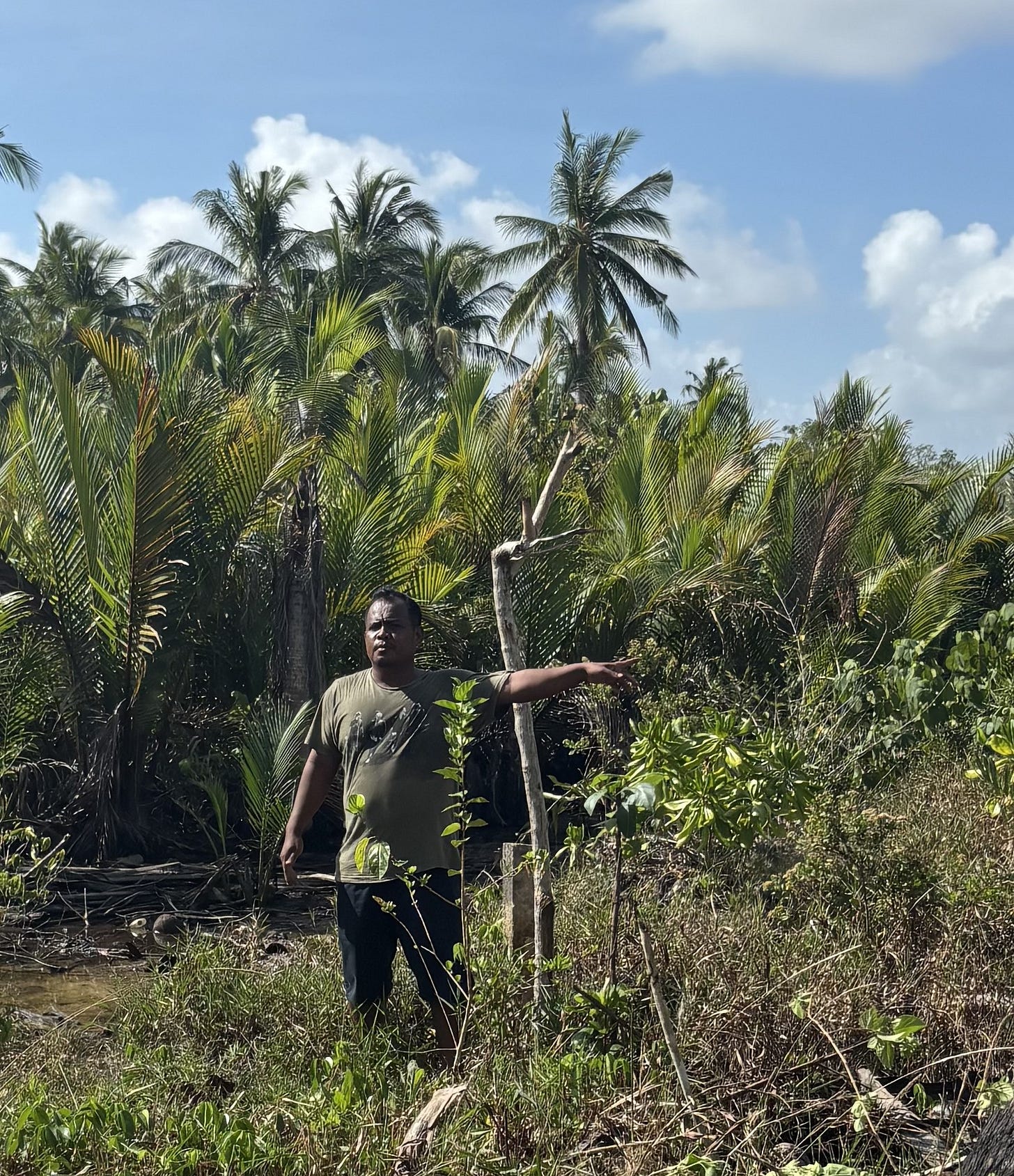
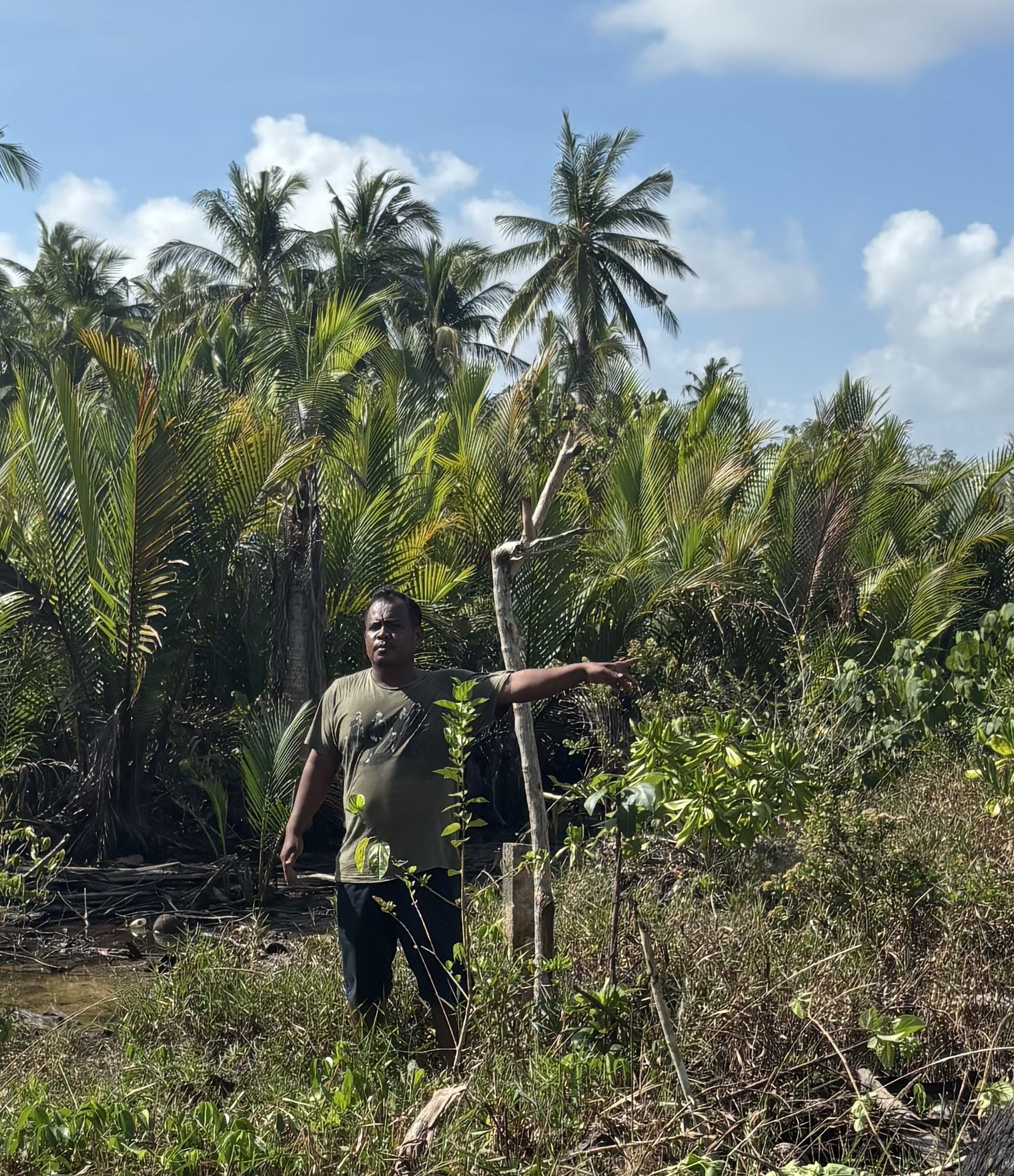
Johanes showing us the land demarcation with the concrete post just behind him
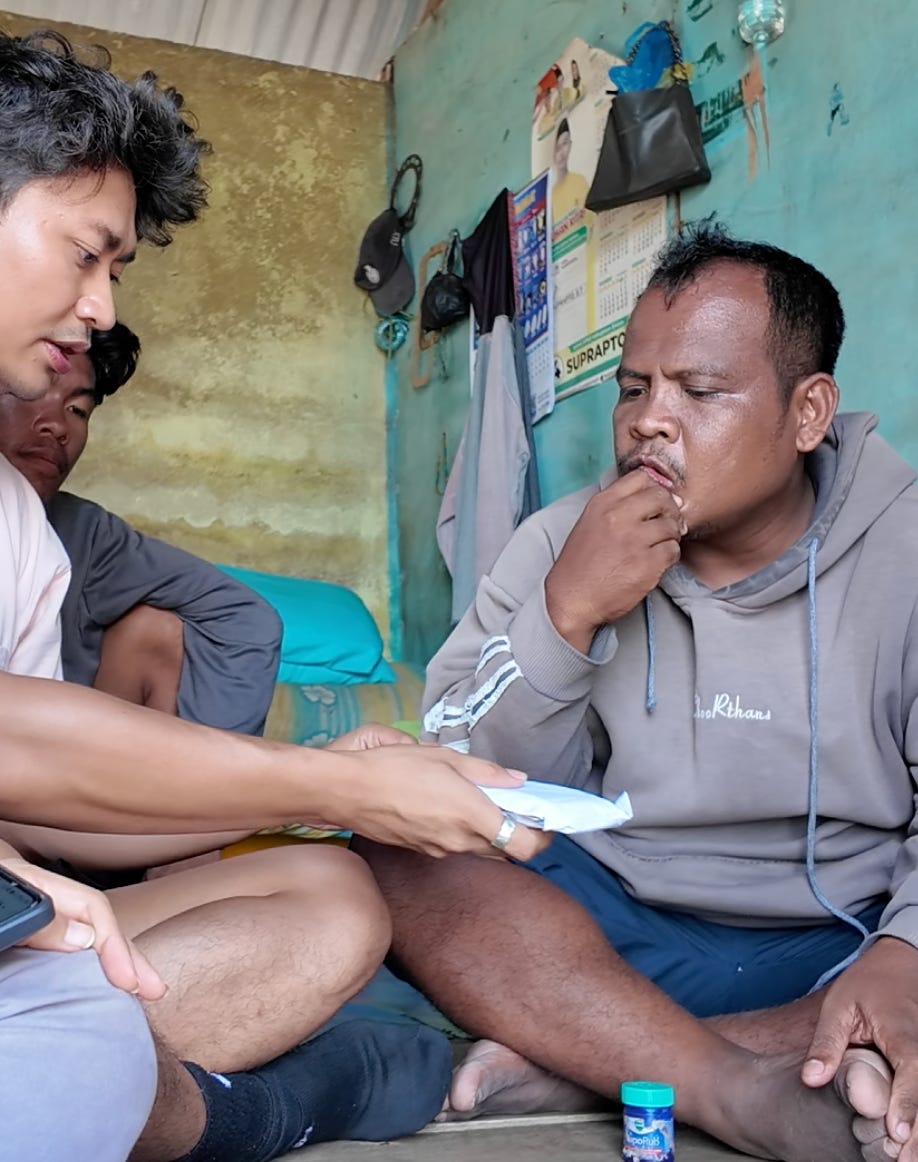
Following the cleanup, we visited Nenek Kancil’s home to hand over a portion of the crowdfunded donations to Johanes. After discussion, the funds will go towards:
Installing signage at the entrance to clearly identify the land as the Orang Suku Laut Kawal cemetery, affirming their longstanding presence and connection to the area.
Building a small storage structure to house items needed for rituals and offerings.
Procuring essential ritual materials such as charcoal and kemenyan.
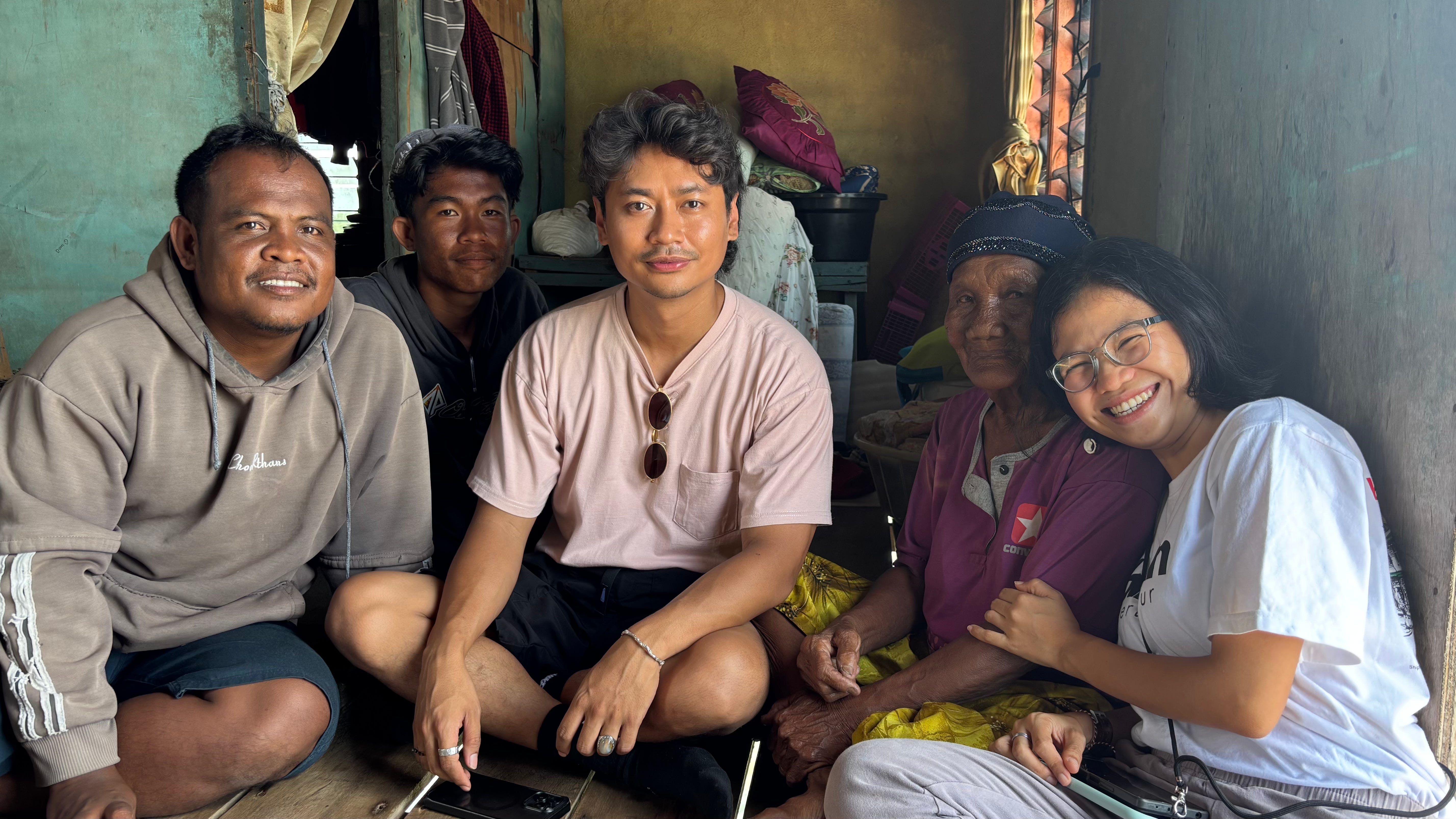
We extend our deepest thanks to everyone who has supported the Orang Suku Laut in Bintan, whether through donations, legal assistance, or raising awareness. These collective efforts reflect how solidarity can safeguard ancestral spaces and cultural continuity.
On 2nd March, we received concerning updates from Jefree Salim regarding the temporary housing arrangements for the Orang Seletar following the recent fire. The proposed relocation to the People’s Housing Programme (PPR) in Johor, intended as a 2–3 year interim solution, presented significant challenges.
Community members reported that some units lacked basic utilities, such as electricity and water, while others were in poor condition, with issues including flooding and animal droppings. Beyond these conditions, relocation away from the coast poses deeper challenges for the Orang Seletar, whose way of life is closely tied to the sea. Distance from the coastline limits access to livelihoods and disrupts long-standing socio-cultural relationships with the maritime environment.
On 18th March, we visited the affected community in Kampong Teluk Jawa, Masai, Johor, together with Jefree. There, we witnessed many families working steadily to rebuild their homes using salvaged wood and discarded construction materials. Their efforts reflect both resilience and a strong commitment to remaining in a place deeply connected to their family histories.
Through conversations with community members, we also learned about the impact on children. Some have experienced lingering fear following the fire, while many expressed a deep sense of loss for their homes. Yet, even amidst this, we saw moments of resilience as children continued to play and support one another.


We further understand that the land they currently occupy was acquired by a developer without prior knowledge or consultation with the community. This information only surfaced through discussions with local authorities after the fire. For many, this land is not just a place of residence, but one tied to generations of lived experience, memory, and identity. There is a strong hope that future generations can continue to grow up in this environment, maintaining their connection to both land and sea.
While they have been informed that the current arrangement may last for two to three years, there remains uncertainty about what will follow. Community members have expressed a desire for secure, formally recognised coastal spaces where they can sustain their livelihoods. Above all, they hope for clarity and assurance in writing regarding their future.
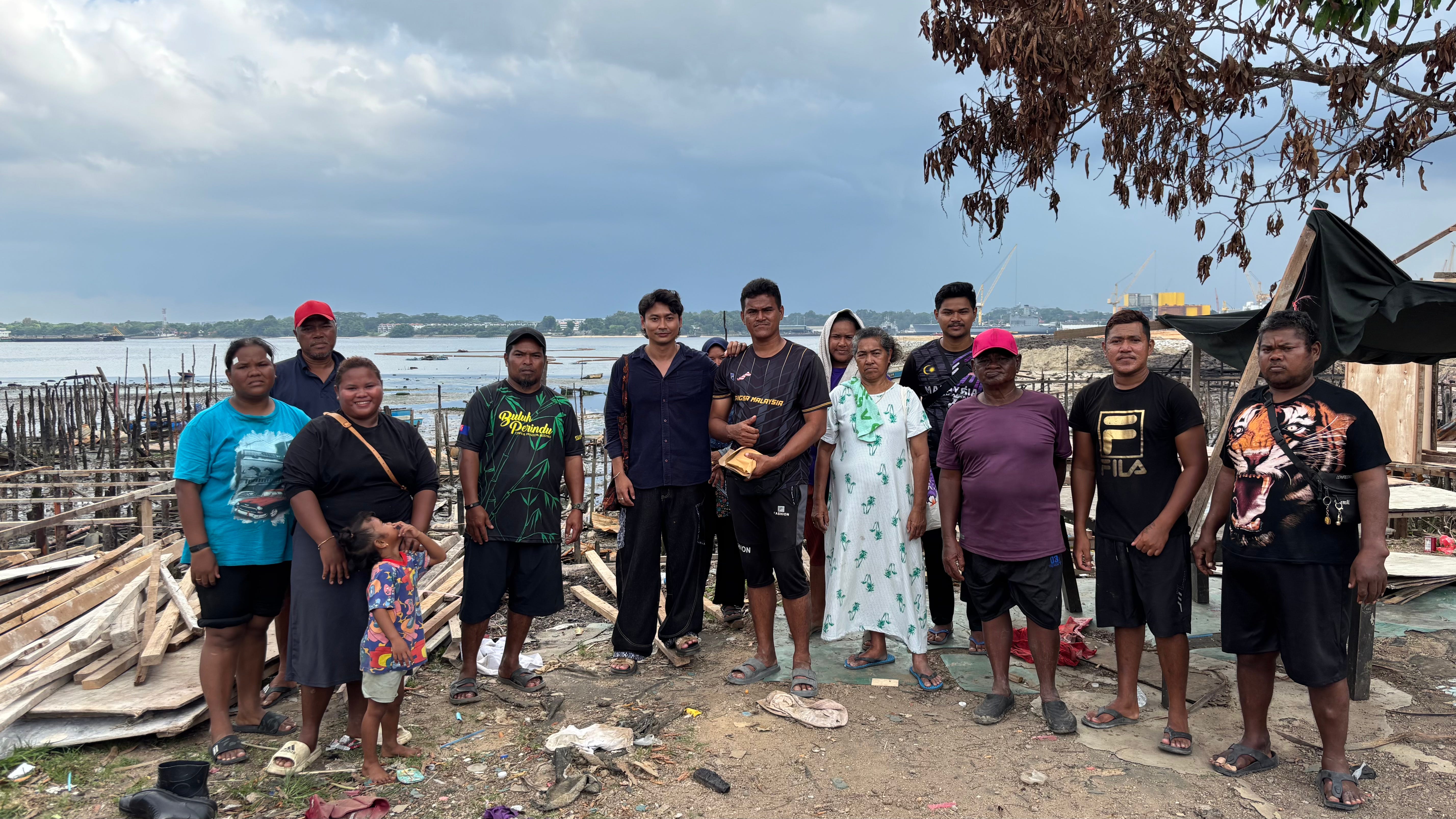
To support ongoing rebuilding efforts, we distributed the funds raised to procure essential building materials. On 28th March, the community received a delivery of wooden posts and planks to support the reconstruction of their homes.
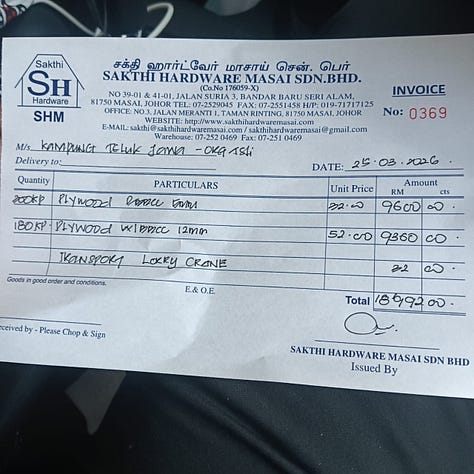




Future distributions of donations will support the community's efforts to rebuild its homes. Thank you for supporting the Orang Seletar during these arduous times!
School Programme at Singapore American School
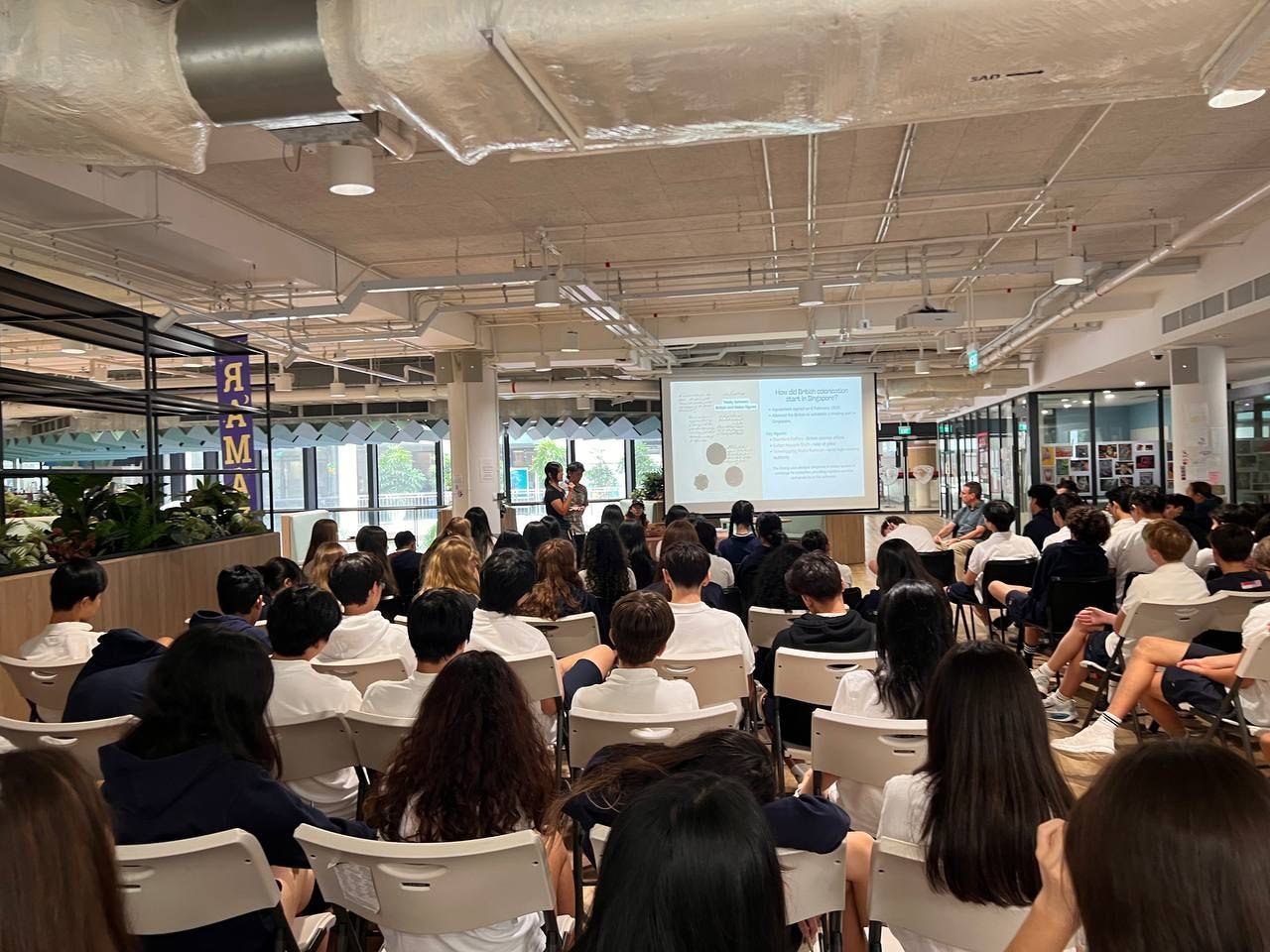
On 5th and 6th March, our team headed to Singapore American School to facilitate a programme exploring the Orang Laut’s perspectives on Singapore’s early colonial period. Through our sharing, we invited students to consider how different communities experienced this period of change in distinct ways.
Following the session, we conducted small-group discussions to unpack themes such as governance, identity, and the evolving relationships between Indigenous communities and state structures. It was a meaningful experience engaging with such thoughtful and inquisitive students, and we appreciated the opportunity to share more about our culture and lived histories.
School Engagements at UWCSEA
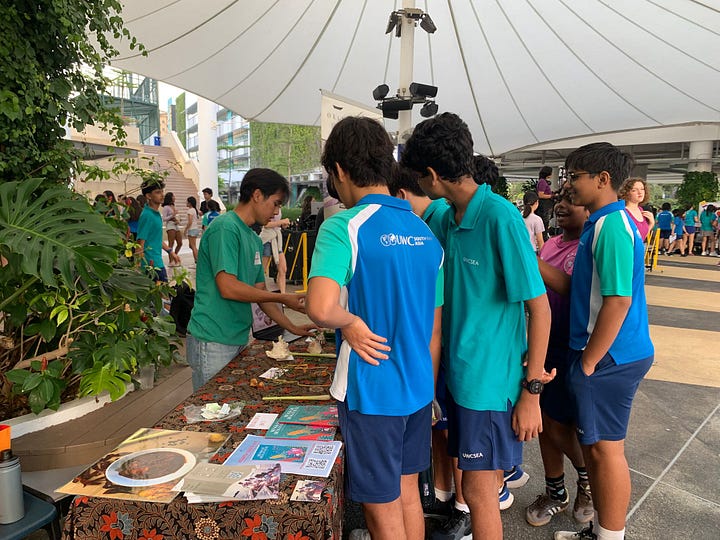
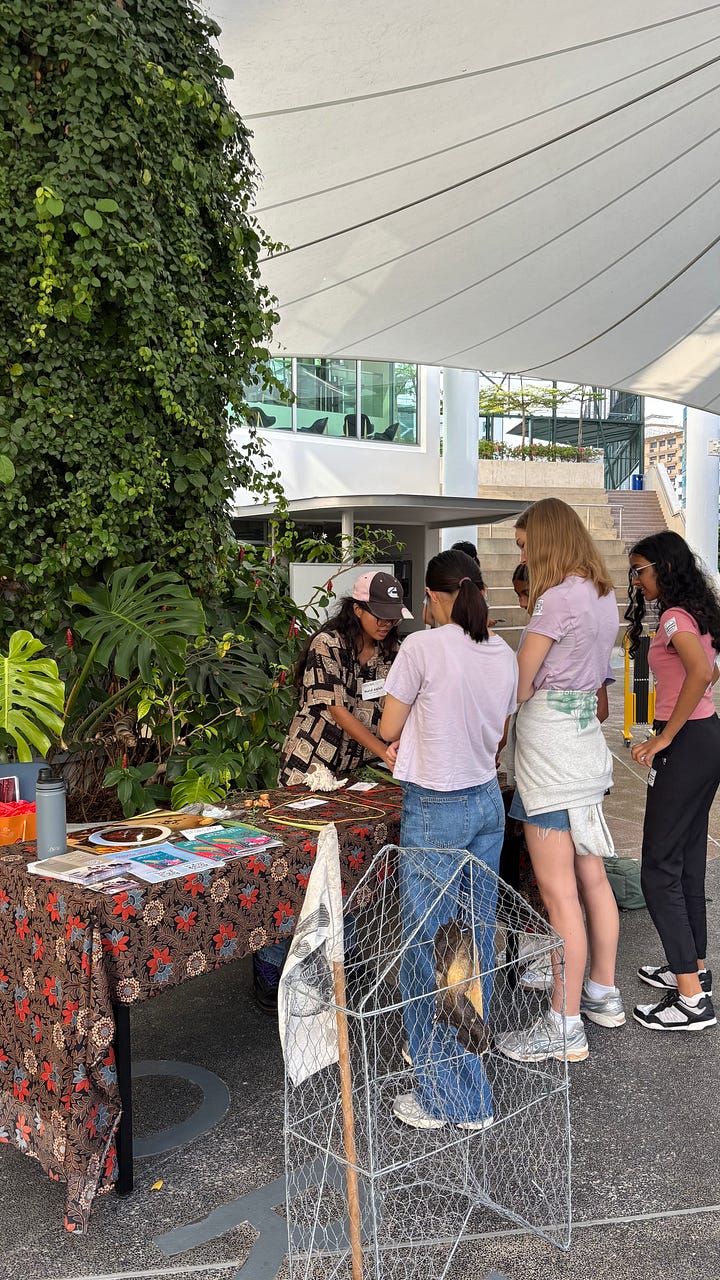
On 11th March, we hosted a booth at UWCSEA’s Zero Discrimination Day fair, showcasing our culture and ongoing work. Students were introduced to the important flora and fauna of our community through an interactive game and had the chance to experience elements of our maritime heritage, including a bubu trap with preserved pufferfish skin.
It was heartening to see so many students engage with curiosity and openness, taking the time to learn more about Singapore’s Indigenous coastal communities.
Coastal Walk at West Coast Park is back!
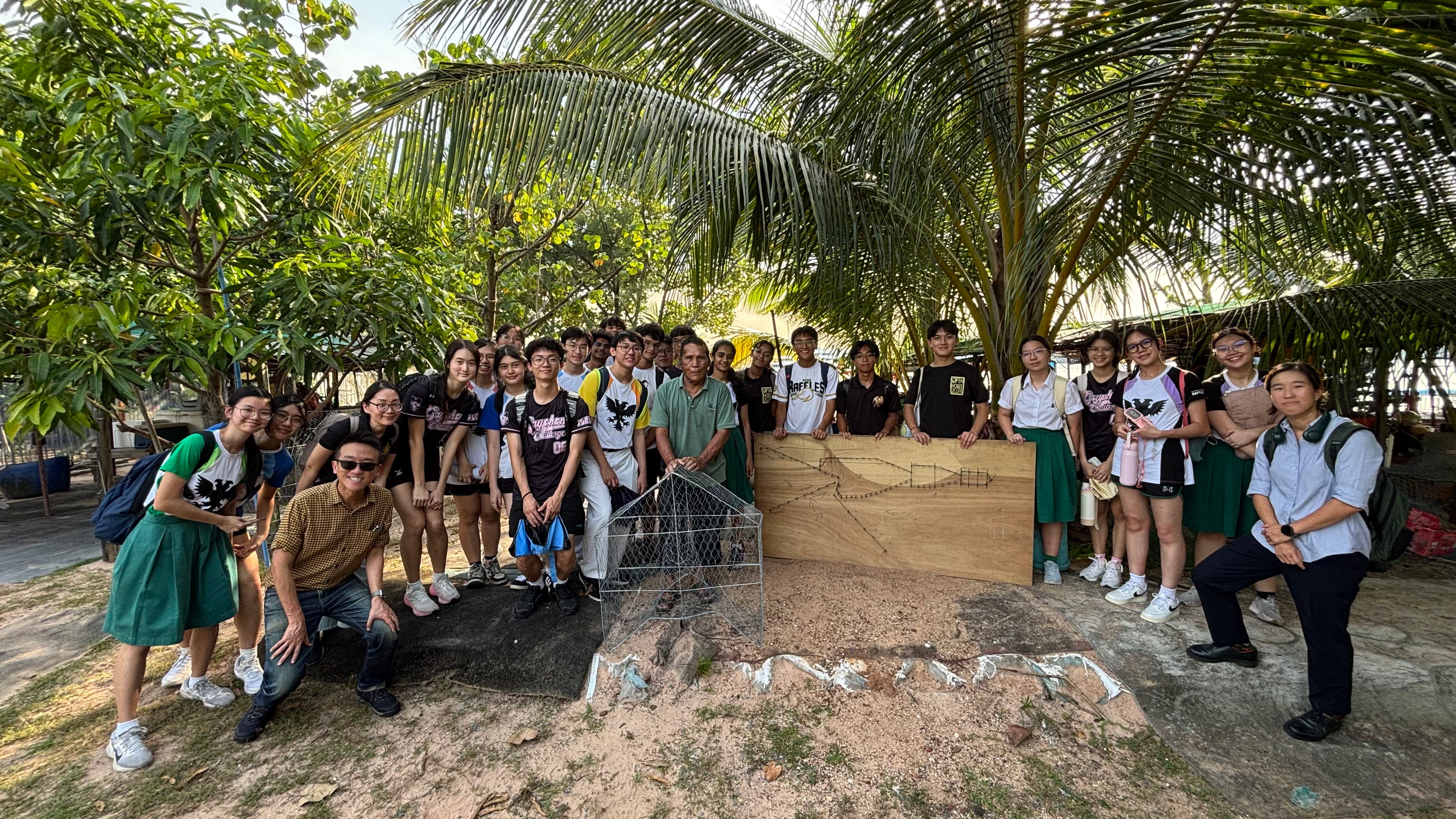
This month, we conducted our Coastal Walk programmes in collaboration with NUS CiRe Lab and Raffles Institution (RI). Participants joined us at West Coast Park, where we shared our community’s narratives and perspectives on the transformation of the coastline and surrounding islands over time.
They also met our resident ICH Expert, Cik Hamzah, who generously shared his knowledge of bubu fishing and weaving, along with stories from his earlier experiences setting up kelongs with his brother. A highlight was his handcrafted mini kelong model, which offered a tangible glimpse into these practices.
We concluded the programme with a shared meal prepared by former Pulau Semakau islanders, in collaboration with NUS CiRe Lab. Our session with RI ended on a thoughtful note, with many insightful questions and reflections from the students.
For schools or organisations interested in similar programmes, feel free to reach out at hello@oranglaut.sg. We would love to connect with more of you.
We will also be conducting a Culture Pass programme, Coastal Walk, Food & Stories, on 19th April. We hope to see you there.
Bubur Lambuk Distribution
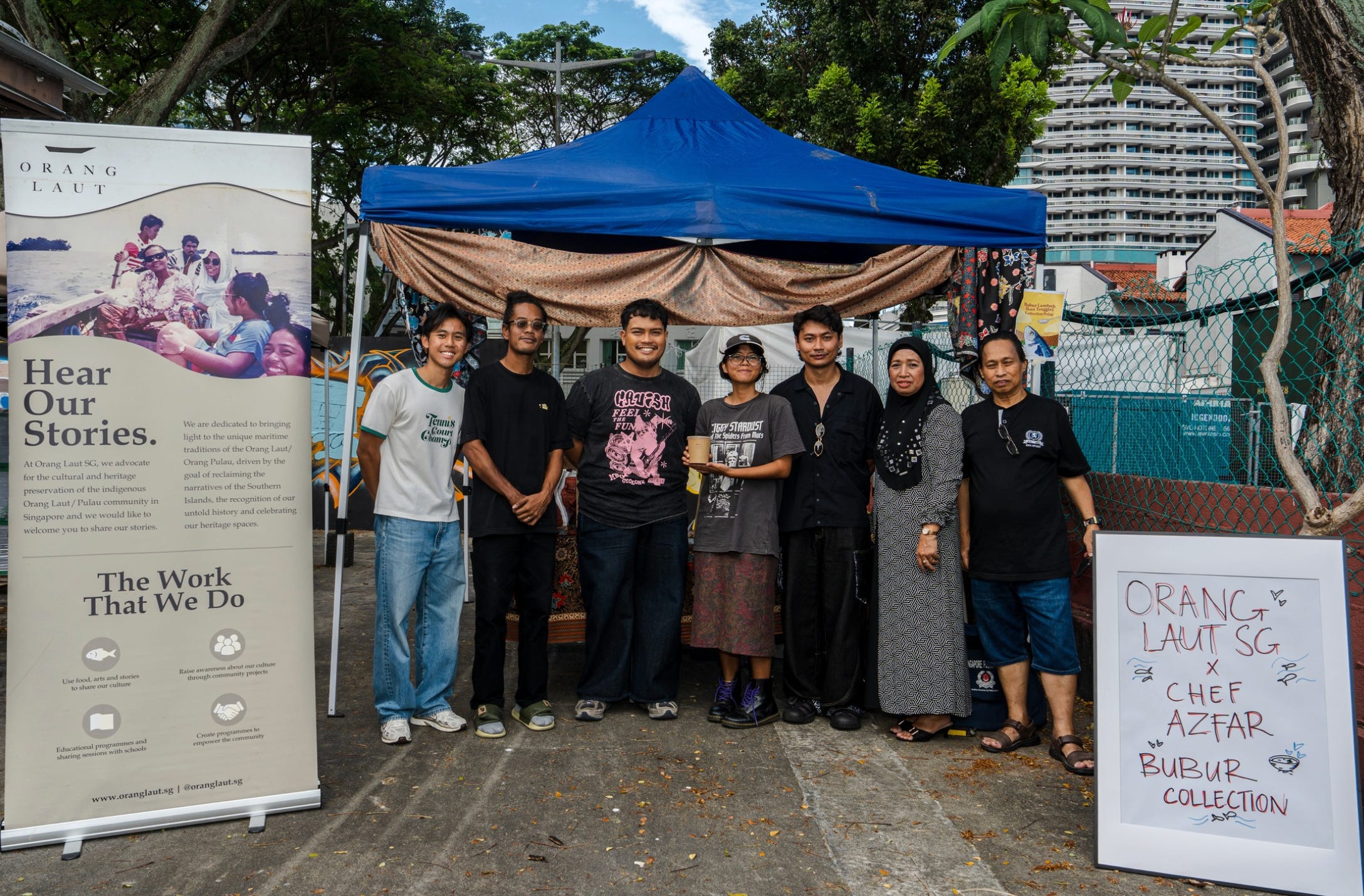
This March, we continued our annual Bubur Lambuk distribution, preparing our savoury Bubur Lambuk Ikan Tenggiri alongside our friend Chef Azfar’s sweet Bubur Sum Sum. We distributed these at Jurong on 11th March, and in Kampung Glam on 14th March with our venue partner, The Black Book Studio.
Now in its sixth year since 2021, this initiative remains our way of giving back to the wider community that has so generously supported us. This year felt especially meaningful with Chef Azfar’s contribution, and it was a joy to see so many of you enjoying what we prepared with care.
Under One Atap
At The Black Sampan, we hosted the final edition of Under One Atap, a youth-focused extension of Atap Assembly at City Sprouts (West Coast Park) on 26th March.
We were honoured to have Seni Sini, Annsiang Sounds, and Labour Block as panellists, sharing their experiences in building and sustaining communities in Singapore. The space then came alive with an art trade area where creatives exchanged works, alongside an art jam and a drum circle flow session.
It was inspiring to witness participants fully immersed in creating, sharing, and connecting through art and music. If you’re looking to collaborate on community-driven activations, we encourage you to reach out to these incredible creatives.
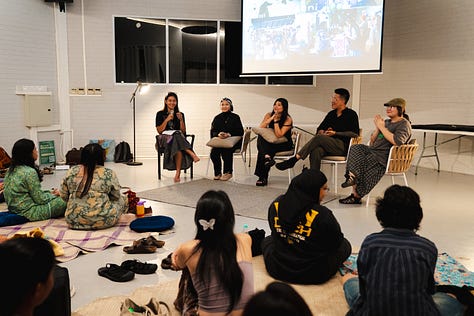
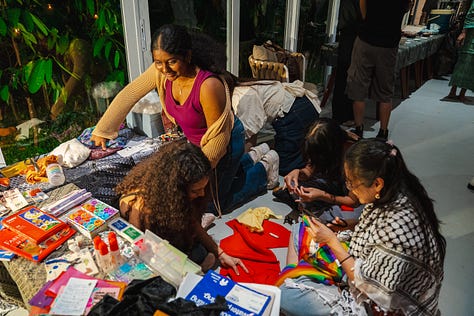
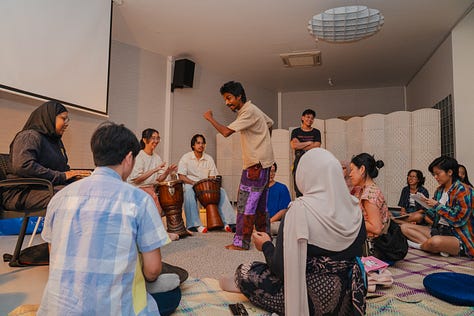


Thank you to everyone who joined us across the four editions of Under One Atap. From conversations of the mind to expressions of the body and spirit and the building of community, these sessions have been deeply meaningful. We hope to gather again soon, so do keep an eye on The Black Sampan’s Instagram for future events.
See you soon!
Firdaus
No posts
Comments
Nothing yet. Say the first thing.
Sign in to join the conversation.