
English below.
3 月過完生日後,直到現在,我一直有種混亂的感覺。
可能是手邊正在處理的事情太多,也可能是那些看似被我整理好的情緒,其實只是暫時被擱置在角落。這段時間,我數度陷入焦慮的循環,又很快地開始尋找解方,把自己硬是從漩渦裡拉出來。
一次又一次。
我一邊欣慰自己一路走來,受到非常多人的幫助。可以說,如果沒有那些人,我大概無法站在現在的位置。
可是這幾週,有個自以為是的聲音,一直在腦中盤旋:
「可是這些幫助,其實也是你很努力去尋求來的。是你鼓起勇氣找方法,是你一次次試著把自己救回來。否則,你現在也不會坐在這裡,打著這篇文章。」
這樣說起來,好像我對現在的生活並不滿意。
但事實上,我是滿意的,也沒有理由不滿意,某種程度上,我實現了 18 歲時的夢想。
只是偶爾還是會想,如果 18 歲的我早知道,要走到這裡需要付出這麼多代價,需要經歷那麼多犧牲、焦慮、孤獨與自我懷疑,他還會願意走上一樣的路嗎?
我反覆想過這個問題。
我不是很常回憶過去的人。對我來說,過去的一切就是發生了,而我也確信,沒有那些經歷,就不會有現在的自己。
所以每一次,我給出的答案都是肯定的:
我願意。
可是很奇怪。
白天清醒的我,似乎對過往沒有太多後悔。我可以理性地告訴自己:
「你已經走過來了。那些痛苦、掙扎、失去,造就了現在的你。你應該滿意,也應該感激。」
但到了夜晚,過去卻總是用夢的形式回來。
反反覆覆,用一些模糊卻熟悉的場景提醒我,那些我以為早就過去的事情,其實並沒有真的過去。
某些遺憾與傷痛,也許還未被好好處理,它們沒有消失,而是潛伏在暗處。
白天的我,擔心的多半是未來。
還有什麼事情沒完成?
接下來該怎麼辦?
如果我做得不夠好,會怎麼樣?
但夜晚的我,最放不下的,似乎一直是過去。
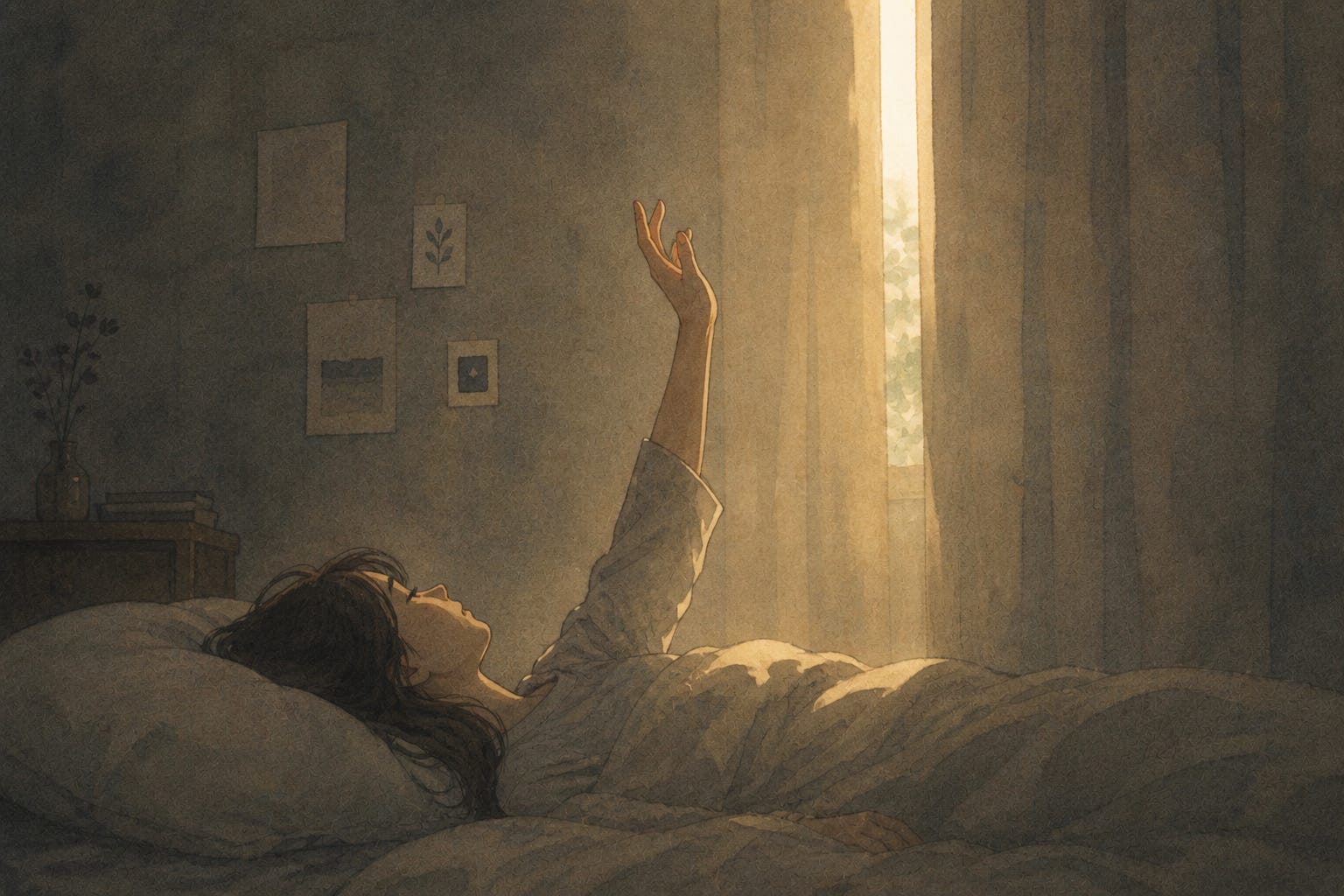
我是一個無法放著問題不管的人。
人生好像也一直在解決問題。
一個問題出現,我就想辦法處理,另一個問題出現,我就繼續找方法應對。
久而久之,我把好多事情都視為問題。
情緒低落是問題。
不夠有自信是問題。
心理的感受沒有人懂是問題。
容易焦慮是問題。
無法真正接納自己,也是問題。
可是冷靜下來想,這些事情真的有被徹底解決的一天嗎?
也許不會。
也許它們根本不是問題,而是生命裡某些會反覆出現的部分。它們不一定需要被消滅,而是需要被看見、理解,或僅僅被允許存在。
但我總是太急著想擺脫它們。
「自我接納」說起來容易,可每次真的要實踐時,心裡那個苛責的聲音又會跑出來:
你怎麼又這樣?
不是已經懂很多道理了嗎?
不是已經更成熟、更穩定、更能處理自己了嗎?
結果我以為在練習接納,最後反而帶來更多失望與自責。
忘了在哪裡讀到一段話:現在最困擾你的事情,也許根本不需要急著解決。
可這份不得不自我拯救的責任感,不知從什麼時候開始,已變成我生存本能。
自我拯救是件極致孤獨的事。
像是你掉進一個很深的地方,必須獨自摸索環境,找出可以踩穩的位置,再一點一點練出往上爬的力氣。
你不是沒有被幫助過。
只是你很早就知道,不會有人剛好出現,替你照亮路,也不會有人一路把你拉上去。
所以你學會了自律。
學會了懂事。
學會了不要太麻煩別人。
學會了在快要掉下去之前,抓住自己。
可是最近的我,像一個無理取鬧的大人。
我忽然很想拋下一切責任,重回童年的單純。
想回到那個,一哭就會有人看見,一伸手就會有人抱住的時光。
但我翻遍腦海的記憶,卻幾乎想不起自己是否真的擁有過那樣的時光。
家人說,我小時候很活潑、很愛鬧、很喜歡展現自己。
每次聽到這些話,我都感到很陌生。
我好想請他們把記憶裡的那個女孩帶到我面前,讓我好好認識她。
認識那個我自己都不太記得的部分。
心理學中,有個概念叫做退行 (Regression)。
大概是說,人在面對壓力、焦慮或內在衝突時,心理運作會暫時「退回」到較早發展階段的情緒或行為模式。
聽起來有點負面,畢竟跟自我成長的概念背道而馳,但研究卻說退行本身是中立的,它是心智在保護我們的方式。
有時候你真的太累,所以下班後大吃大喝;真的沒有多餘的力氣回應,所以將伴侶的話當耳邊風;真的很想拋下一切,所以遲遲不回重要的訊息。
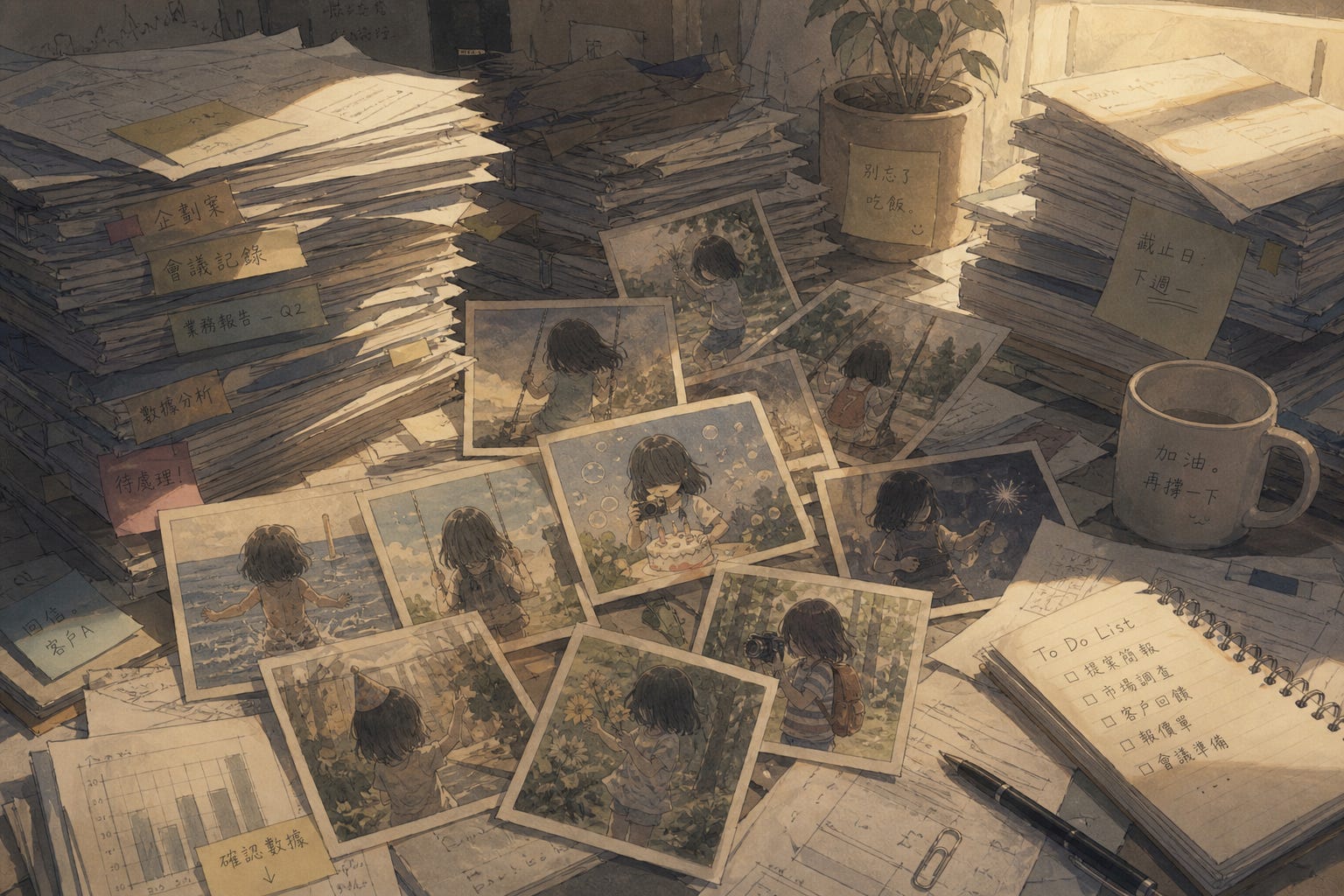
馬斯洛 (Abraham Maslow) 曾談到,成熟的人並不一定是永遠理性、永遠穩定、永遠像大人一樣的人。
相反地,真正成熟的人,往往也保有某種健康的孩子氣。他們可以在適當的時候玩耍、依賴、示弱,允許自己暫時退回比較柔軟的位置。
我想,這種能夠「自願退行」的能力,仰賴於很強大的安全感。
因為你知道自己可以暫時停下,也不會因此落單,更知道即使你不那麼懂事、不那麼穩定、不那麼有用,仍然值得被愛。
而現在的我,最困難的可能不是繼續自救。
我已經太會自救了。
真正困難的是,我不知道該怎麼允許自己不自救。
我不知道該怎麼在某些時刻,放下那個一直警戒、一直用力、一直試圖把所有事情處理好的自己。
我還找不到那個退行的開關。
那個可以讓我暫時變回孩子,暫時不用那麼堅強,暫時不用證明自己有能力撐過一切的開關。
不過,也許能夠意識到這件事,本身就是一個開始。
也許我不需要再急著把自己修好。
那些突然想逃、想哭、想被照顧、想變回小孩的時刻,不一定代表我退步了。也許只是心裡某個很久沒有被看見的地方,終於有力氣發出聲音。
如果你也曾經很努力地把自己從某些地方救出來,希望你知道,那真的已經很不容易了。
但接下來的人生,也許不只需要自救。
也需要練習在安全的地方放下,練習向值得信任的人伸手,練習相信自己不那麼堅強的時候,也不會失去被愛的資格。
我很喜歡 Oliver Burkeman 在書中的一段話:
人可能永遠不會有解決所有問題的一天。
既然這是一場永遠贏不了的戰役,那就沒甚麼好急的。
再也不必努力避開問題,更不用把每個問題都當成非解決不可的敵人。
要做的,是承認那些遺憾還在,焦慮還在,想逃的念頭也還在。
承認那個很會自我拯救的自己,其實也累了。
原地踏步、坐下來休息,甚至往回走都沒關係。
因為往回走,不等於退步。
是回去看看那個 18 歲的自己,看看他是怎麼一邊害怕,一邊走到這裡。
也是回去找那個家人口中活潑、愛鬧、喜歡展現自己的女孩,看看她是不是還在某個地方,等我終於有空認識她。
我想,我還是會繼續往前走。
只是這一次,也許不用再那麼急著把自己救起來。
人生不是拿來解決的,不是一場要把所有問題解決的戰役。
此刻的我,也許可以先放下武器、脫下盔甲,坐下來,喘一口氣,欣賞一路過來的風景,把那些曾經被我留在半路上的自己,一起帶回來。
如果這篇文章讓你想起某個很努力把自己撐過來的時刻,也歡迎你留言或回信跟我分享。
也許我們不一定能替彼此解決什麼,但至少可以讓某些感受不再那麼孤單。
Ever since my birthday in March, I have been carrying a strange sense of confusion.
Maybe there have simply been too many things on my plate. Or maybe the emotions I thought I had neatly sorted out were only temporarily set aside in some quiet corner. Over the past few weeks, I have fallen into cycles of anxiety several times, only to quickly start looking for solutions again, forcing myself to pull myself out of the spiral.
Again and again.
Part of me feels grateful when I look back on how far I have come. I have received help from so many people along the way. Without them, I probably would not be standing where I am now.
And yet, these past few weeks, there has been a somewhat self-important voice circling in my head:
“But those forms of help were also something you worked hard to seek out. You were the one who found the courage to look for a way. You were the one who kept trying, again and again, to save yourself. Otherwise, you would not be sitting here now, writing this essay.”
Put this way, it almost sounds as if I am dissatisfied with my life now.
But the truth is, I am satisfied. I have no reason not to be. In some sense, I have achieved the dream I had when I was eighteen.
Still, I sometimes wonder: if my eighteen-year-old self had known in advance how much it would cost to get here, how much sacrifice, anxiety, loneliness, and self-doubt it would require, would he still have chosen the same path?
I have thought about this question over and over.
I am not someone who often looks back on the past. To me, what happened has happened. And I am also certain that without those experiences, I would not be who I am today.
So every time, the answer I give is almost always yes.
I would.
But it is strange.
During the day, when I am awake and clear-headed, I do not seem to have many regrets about the past. I can rationally tell myself, “You have made it through. All that pain, struggle, and loss has shaped who you are now. You should be satisfied. You should be grateful.”
But at night, the past always returns in the form of dreams.
Again and again, it reminds me through blurry but familiar scenes that the things I thought had long passed were never truly over.
Some regrets and wounds may still have not been properly dealt with. They have not disappeared. They are simply lurking somewhere in the dark.
During the day, what I worry about is mostly the future.
What still needs to be done? What should I do next? What will happen if I am not good enough?
But at night, what I cannot let go of seems to have always been the past.
I am someone who cannot leave problems alone for too long.
My life, too, seems to have been a long process of solving one problem after another.
When one problem appears, I look for a way to handle it. When another problem comes up, I continue looking for ways to respond.
Over time, I started treating so many things as problems.
Feeling low was a problem. Not being confident enough was a problem. Having feelings that no one understood was a problem. Being easily anxious was a problem. Not being able to truly accept myself was also a problem.
But when I think about it calmly, will these things ever be completely solved?
Maybe not.
Maybe they are not problems at all, but parts of life that return again and again. They do not necessarily need to be eliminated. They need to be seen, understood, or perhaps simply allowed to exist.
But I am always too eager to get rid of them.
“Self-acceptance” sounds easy. But whenever I actually try to practice it, that harsh voice inside me appears again:
Why are you like this again?
Haven’t you already understood so many things?
Aren’t you supposed to be more mature, more stable, more capable of handling yourself by now?
In the end, what I thought was an attempt to practice acceptance only brought more disappointment and self-blame.
I once read somewhere that the thing troubling you most right now may not need to be solved so urgently.
But this sense of responsibility, this feeling that I have no choice but to save myself, has somehow become part of my survival instinct.
Self-rescue is an extremely lonely thing.
It is like falling into a very deep place, where you have to feel your way around alone, discipline yourself to build enough strength, and search for every possible tool that might help you climb just a little higher.
It is not that you have never been helped.
But very early on, you stopped expecting someone to appear at just the right moment and pull you up properly.
So you learned discipline. You learned to be sensible. You learned not to trouble others too much. You learned to catch yourself before you fell too far.
But lately, I feel like an unreasonable adult.
All of a sudden, I want to throw away every responsibility and return to the simplicity of childhood.
I want to go back to a time when crying meant someone would notice, when reaching out meant someone would hold me.
But when I search through my memories, I can barely remember whether I ever really had such a time.
My family says that when I was little, I was lively, mischievous, and loved expressing myself.
Every time I hear this, I feel strangely unfamiliar with that child.
I want to ask them to bring the girl from their memories to me, so I can properly meet her.
So I can meet the part of myself that even I no longer really remember.
In psychology, there is a concept called regression.
Roughly speaking, it refers to the way a person’s mind may temporarily “return” to an earlier stage of emotional or behavioral functioning when facing stress, anxiety, or inner conflict.
It sounds somewhat negative. After all, it seems to go against the idea of self-growth. But research suggests that regression itself is neutral. It is one way the mind tries to protect us.
Sometimes you are simply too tired, so you overeat after work.
Sometimes you truly have no extra energy to respond, so your partner’s words go in one ear and out the other.
Sometimes you want so badly to abandon everything that you keep putting off replying to an important message.
Maslow once suggested that mature people are not necessarily those who are always rational, always stable, and always adult-like.
On the contrary, truly mature people often retain a certain healthy childlikeness. They can play, depend on others, show weakness at the right moments, and allow themselves to temporarily return to a softer place.
I think the ability to “regress at will” depends on a very strong sense of safety.
Because you know you can pause for a while without being left alone. You know that even when you are not that sensible, not that stable, not that useful, you are still worthy of love.
And for me now, the hardest thing may not be continuing to save myself.
I have already become too good at saving myself.
The truly difficult part is that I do not know how to allow myself not to.
I do not know how to put down, even for a moment, the self that is always on guard, always trying so hard, always attempting to handle everything properly.
I still cannot find the switch for regression.
The switch that would allow me to become a child again for a while, to stop being so strong for a while, to stop proving that I am capable of surviving everything.
But perhaps becoming aware of this is already a beginning.
Perhaps I do not need to be in such a hurry to fix myself anymore.
Those sudden moments when I want to run away, cry, be taken care of, or become a child again do not necessarily mean that I am regressing in a bad way. Maybe they are just signs that some long-unseen place inside me has finally found the strength to speak.
If you, too, have worked very hard to pull yourself out of certain places, I hope you know that this alone was already not easy.
But perhaps life from here on does not need only self-rescue.
Perhaps it also requires practicing how to let go in safe places, how to reach out to people we trust, and how to believe that even when we are not so strong, we do not lose our right to be loved.
I really like a passage from Oliver Burkeman’s book:
“Perhaps there will never be a day when all our problems are solved.
And if this is a battle we can never truly win, then there is no need to be in such a hurry.
There is no need to keep trying to avoid problems, and no need to treat every problem as an enemy that must be defeated.”
What we need to do is acknowledge that the regrets are still here, the anxiety is still here, and the urge to run away is still here.
To acknowledge that the self who is so good at saving herself is actually tired, too.
It is okay to stay where we are, to sit down and rest, or even to walk backward for a while.
Because walking backward does not necessarily mean falling behind.
Sometimes it means going back to look at that eighteen-year-old self, to see how he walked all the way here while being so afraid.
It also means going back to find the lively, mischievous girl who loved expressing herself, the girl my family remembers, and seeing whether she is still somewhere, waiting for me to finally have the time to know her.
I think I will still keep moving forward.
Only this time, perhaps I do not need to be in such a hurry to save myself.
Life is not something to be solved. It is not a battle where every problem must be defeated.
Perhaps, for now, I can put down my weapons, take off my armor, sit down, catch my breath, look at the scenery I have passed along the way, and bring back with me all the selves I once left behind halfway.
Comments
Nothing yet. Say the first thing.
Sign in to join the conversation.