
People sometimes reach out to me and ask how to find sea slugs in Olympic National Park. I think the answer they are hoping for is something useful like “look under rock ledges” or “go to Third Beach at a -1.5’ tide.” Really I think the first thing you have to do is train for it.
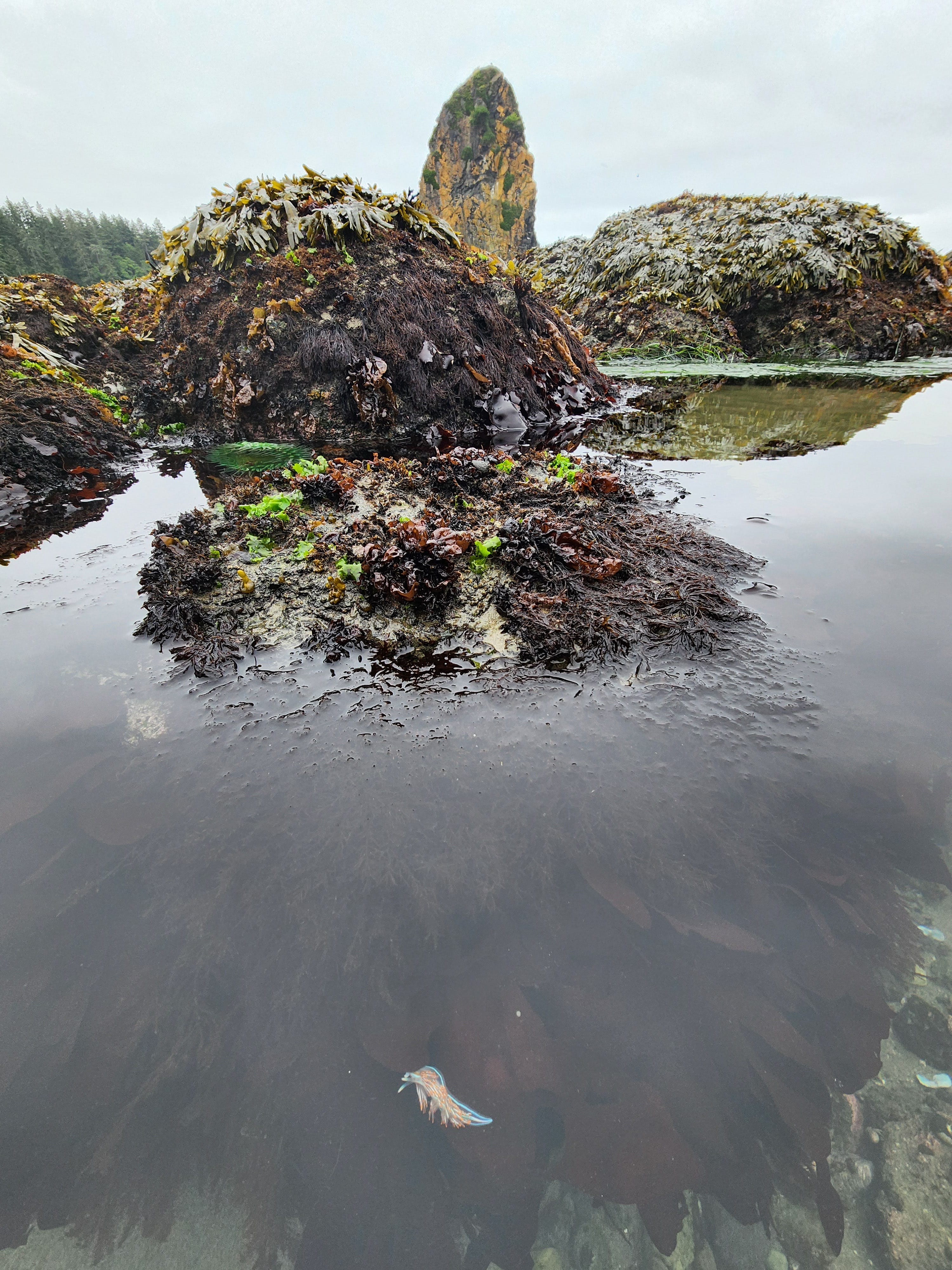
Before I knew how to look for sea slugs on the Olympic Coast I spent a ridiculous amount of time looking at sea slugs basically everywhere else. Guides, ID books, other peoples observations, iNaturalist. Not just looking at the slug either. Looking at what it was sitting on. What was growing nearby and what the pool it was in looked like. Whether there were hydroids, sponge, bryozoans, whatever.
I also spent plenty of time tide pooling in named tide pooling locations, the ones that end up on “Top Ten Tide Pooling Spots This Summer” articles. California is amazing for this because people have been looking at tide pools there forever. There are famous sites, signs, parking areas, books, lots of observations. Oregon too. You can go somewhere already knowing nudibranchs exist there and practice actually seeing them.
This is important because looking for nudibranchs is a skill. At first you are just looking for an animal. Eventually you are looking for the things around the animal.
Hydroids start looking important. Sponge starts to become highly intriguing. You notice egg ribbons, tiny patches of bryozoan, little tufts of stuff you would have previously called seaweed and moved on from. Certain cracks start looking better than other cracks. Some pools just have more life moving around in them and after a while you notice that before you even know exactly what you noticed.
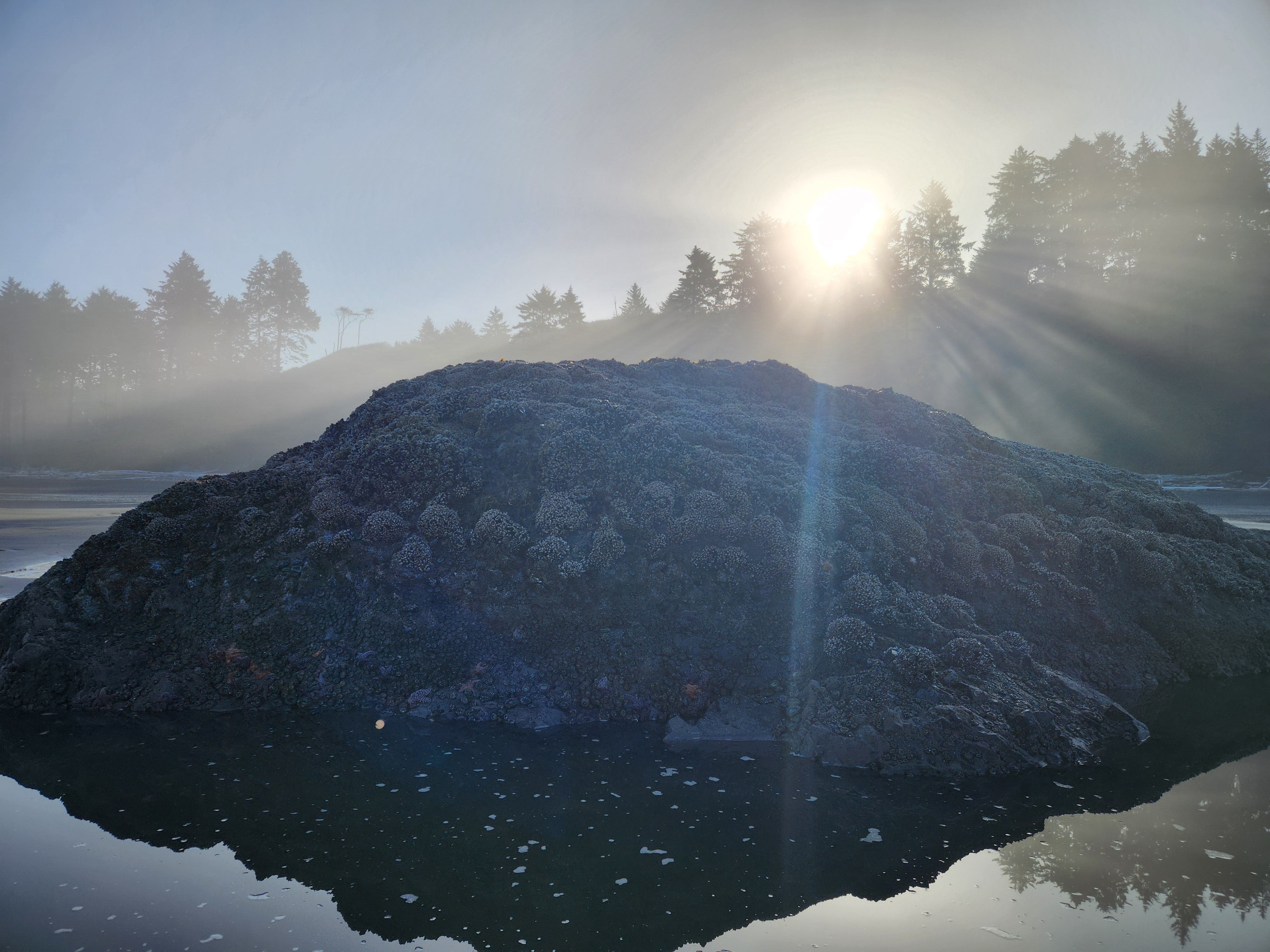
Mostly you get better by looking in a lot of places where there is absolutely nothing. I have stared into SO MANY empty pools (and by “empty” I mean “no slugs”). That is the training.
The Olympic Coast is hard because outside of the tide pooling beaches listed on the Olympic National Park website, there really isn’t much telling you where to go. Even those beaches encompass large search areas with no signs or rangers telling you where to look.
Olympic National Park recommends a few spots for tide pooling on their website, and those places are great! However, there is a lot of coast beyond those places and if you want to know what is around some random headland or at the end of a trail, there usually isn’t a convenient nudibranch report waiting for you.
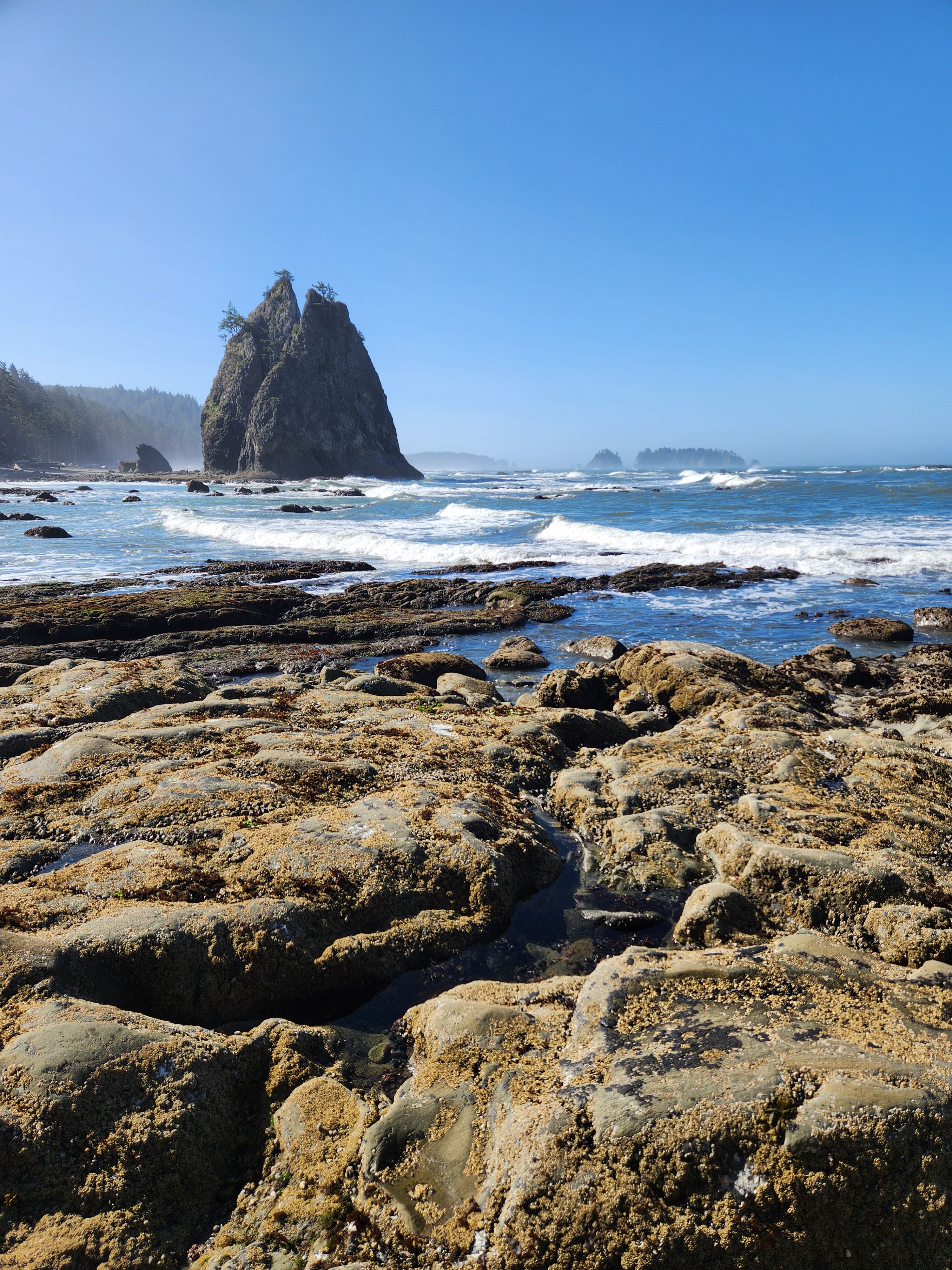
I end up reading hiking reports. This has made me deeply interested in completely incidental marine biology observations from people who were not doing marine biology at all. Someone writes that they had to wait for the tide and there were a bunch of anemones around.
ANEMONES YOU SAY.
Now I’m interested. People upload huge sets of beach photos where almost every picture is scenery or their friends or camping setup and I am zooming into some ugly bit of exposed rock in the background because I want to know what the shoreline looks like.
Google Maps helps. Sometimes the place photos are more useful than the actual map. Satellite imagery can help too, though it can also be an absolute liar. I look for structure. Rock shelves, reefs, protected pockets, headlands, places where it looks like water might stay trapped as the tide drops. Sometimes something looks fantastic from above and when I finally get there it is smooth useless rock, or buried in sand, or never actually gets exposed.
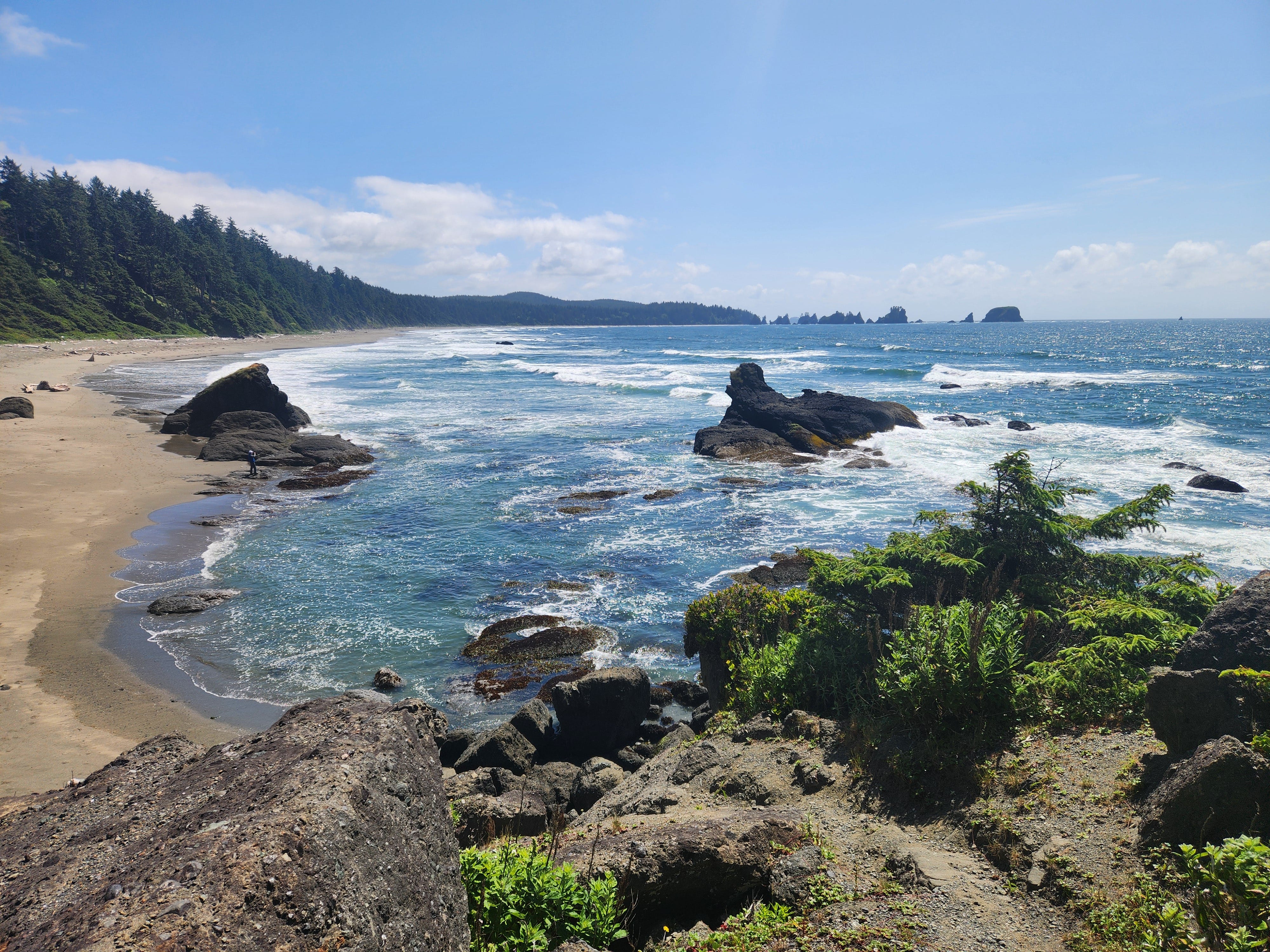
At some point there isn’t anything more to learn from staring at it on a screen so I go. Before I had my own private campsite, this would mean booking a campsite 30 min or an hour from trail heads. If low tide is around 7 or 8 in the morning (which it mostly is) I might be driving at 4.
I like getting to unfamiliar places way too early. Better yet, I will scout it the day before and explore during daylight. If a hike supposedly takes an hour, I don’t really believe that until I’ve done it. The trail might be washed out. There could be a creek crossing or I could take the wrong route. The beach section might be covered in giant logs and horrible to walk through in the dark. Maybe there is an overland trail I didn’t know about.
Fortunately sunrise is mostly between 5 and 6 AM in summer, when tides are the lowest, but often I am hiking in the dark. Having equally insane friends is very helpful in this situation, but they aren’t always available. I have had to develop a strong fortitude of will to traverse rocky beaches in the dark with the ocean roaring beside me, blocking out all other sounds.
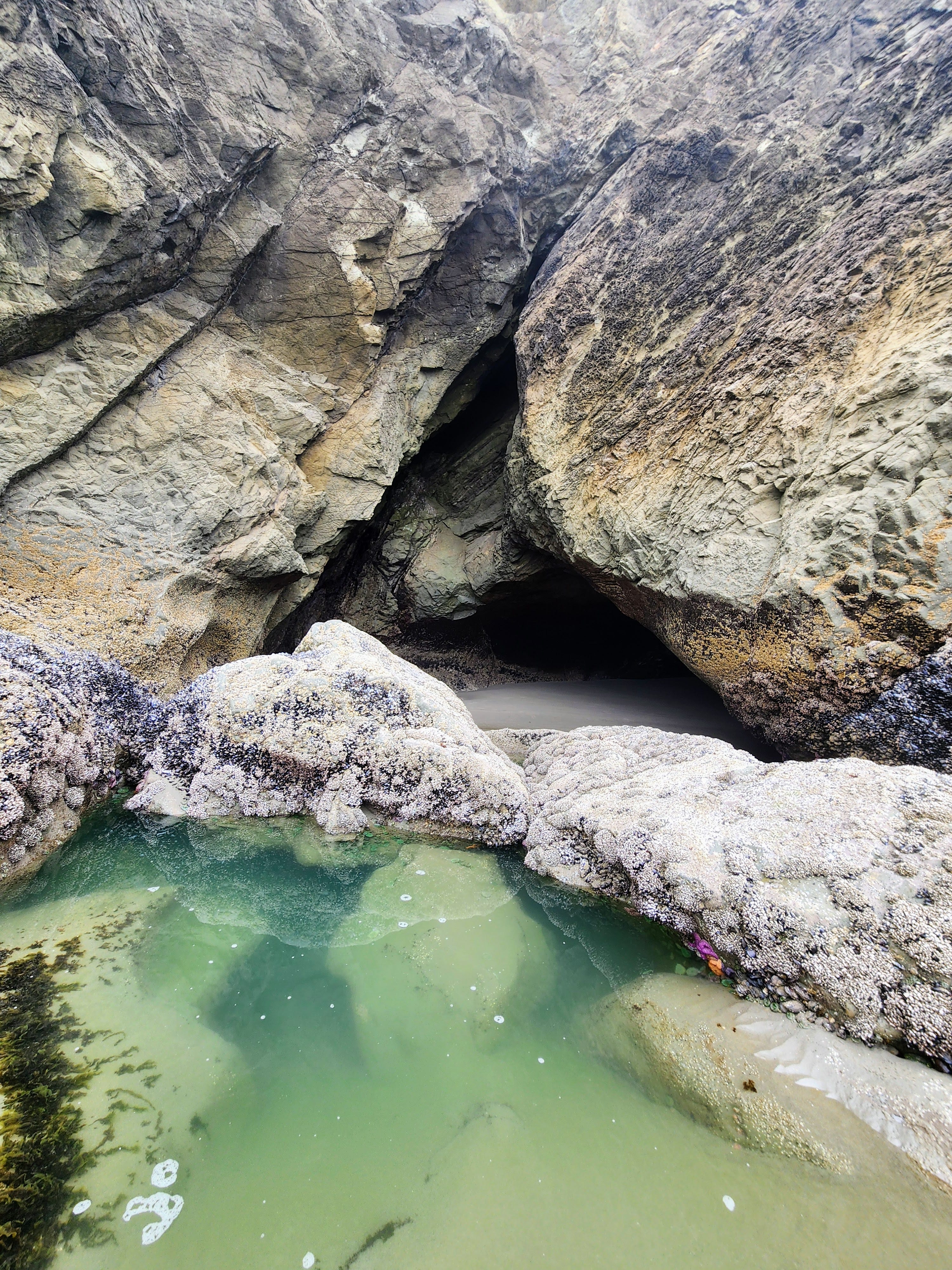
The tide is another thing you don’t totally know until you’re there. A tide chart gives you a number but it doesn’t tell you how that particular beach drains. Some reefs start exposing surprisingly early. Other places hold onto water forever. A pool that looked deep and inaccessible on the hike in might be ankle deep an hour later.
I have gone to places where I had no idea what the good part even was yet. Or if there was any “good part” at all. That first visit is partly just figuring the place out.
You notice where the water hangs around, which side stays shaded, what is barren and what isn’t. Maybe a shelf has sponge all over it or maybe there are hydroids in one tiny section and nowhere else. Perhaps the thing that looked like the main reef isn’t the interesting part at all.
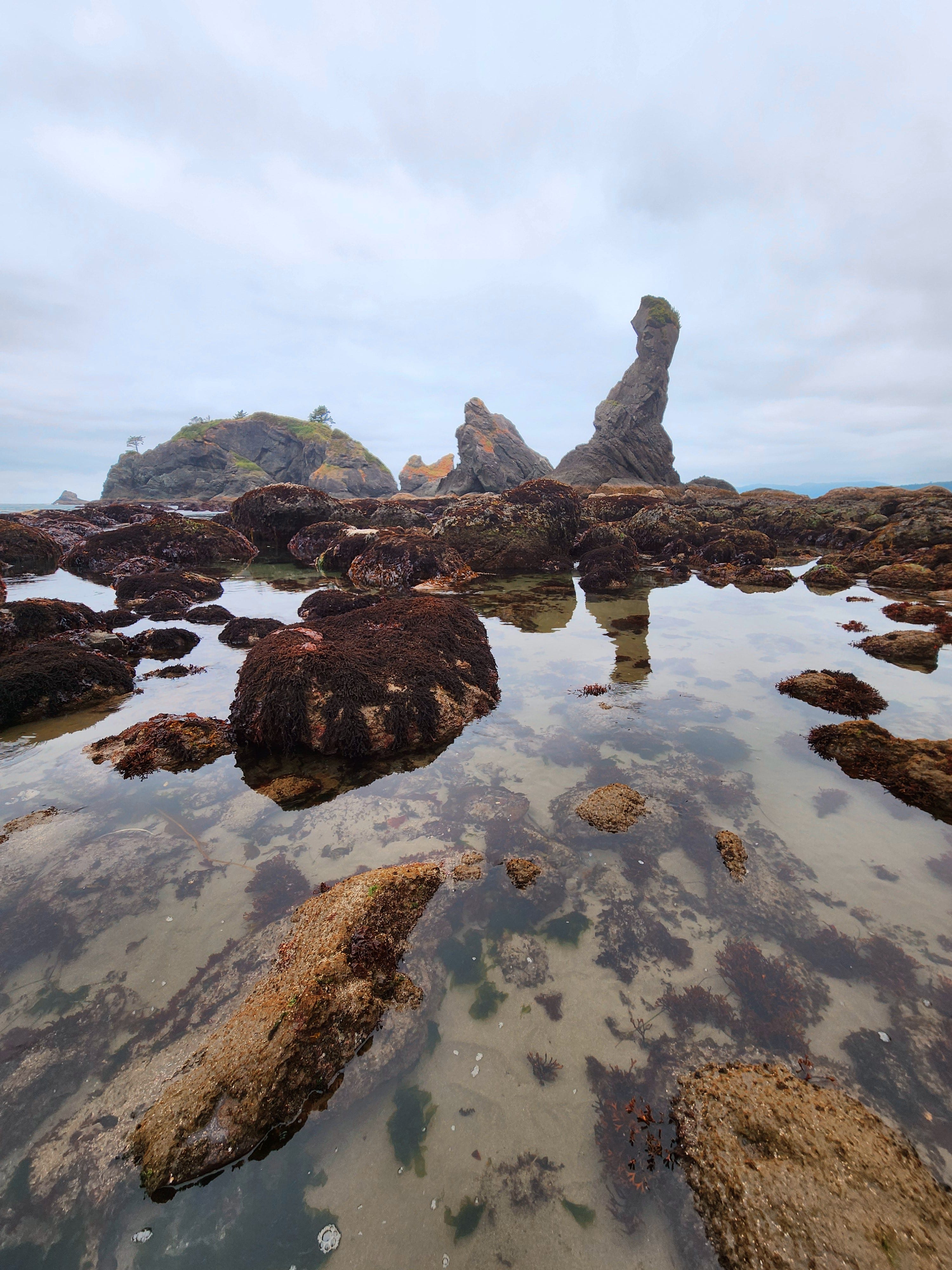
Sometimes I search for four or five hours and find three nudibranchs. Three actual slugs, not species (I’m looking at you, Ozette Triangle). This can be after hours of driving, camping, getting up in the dark, hiking miles and crawling around on wet rocks staring into cracks. There have been plenty of those days.
There are also days where suddenly everything is there. You find a species, then realize there are more nearby, then egg masses start appearing. There could be dorids all over one patch of sponge or aeolids buried in hydroids. Sometimes a tiny section of reef is full of animals while twenty feet away there is almost nothing. There have been plenty of occasions where I only see the “nothing” and discover the “something” after multiple trials.
That happens often enough that I don’t really think of a site as one habitat anymore. There is the beach, and then there are all the little places inside the beach. This is why going back is crucial and why it is so hard to give people advice on where to go if they are only going once.
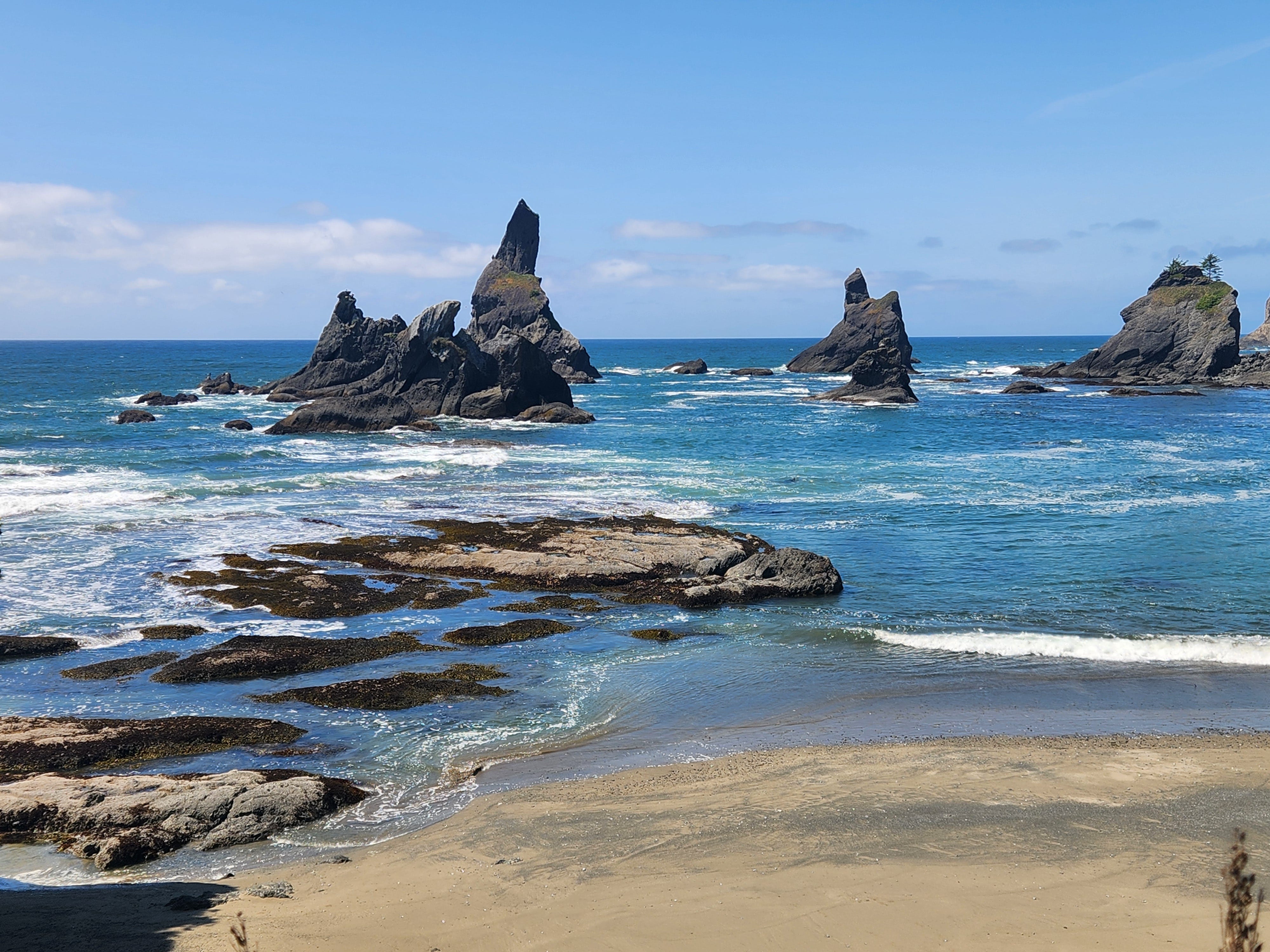
The next visit is different because now I know which section was useless last time. I know where the basin drains. I’ll remember a hydroid patch tucked under one ledge. I re-check the one crack that was weirdly productive. I know I can get around the headland at a certain tide.
Even with my prior experience, it might all be different anyway. The hydroids might be torn away in a storm. Something could suddenly be covered in eggs. A species that was everywhere before might have disappeared. Often, the whole place is just quiet. That’s one of the things I really like about returning. I’m not only getting better at searching the site, the site itself keeps changing underneath me.
There are also places I know I searched years ago where I almost definitely walked past things I would see now. I just didn’t know what I was looking at yet. People sometimes talk about finding unusual animals as luck and obviously a huge amount of it is. You can’t make an animal be there, but you can certainly make yourself much more likely to encounter it.
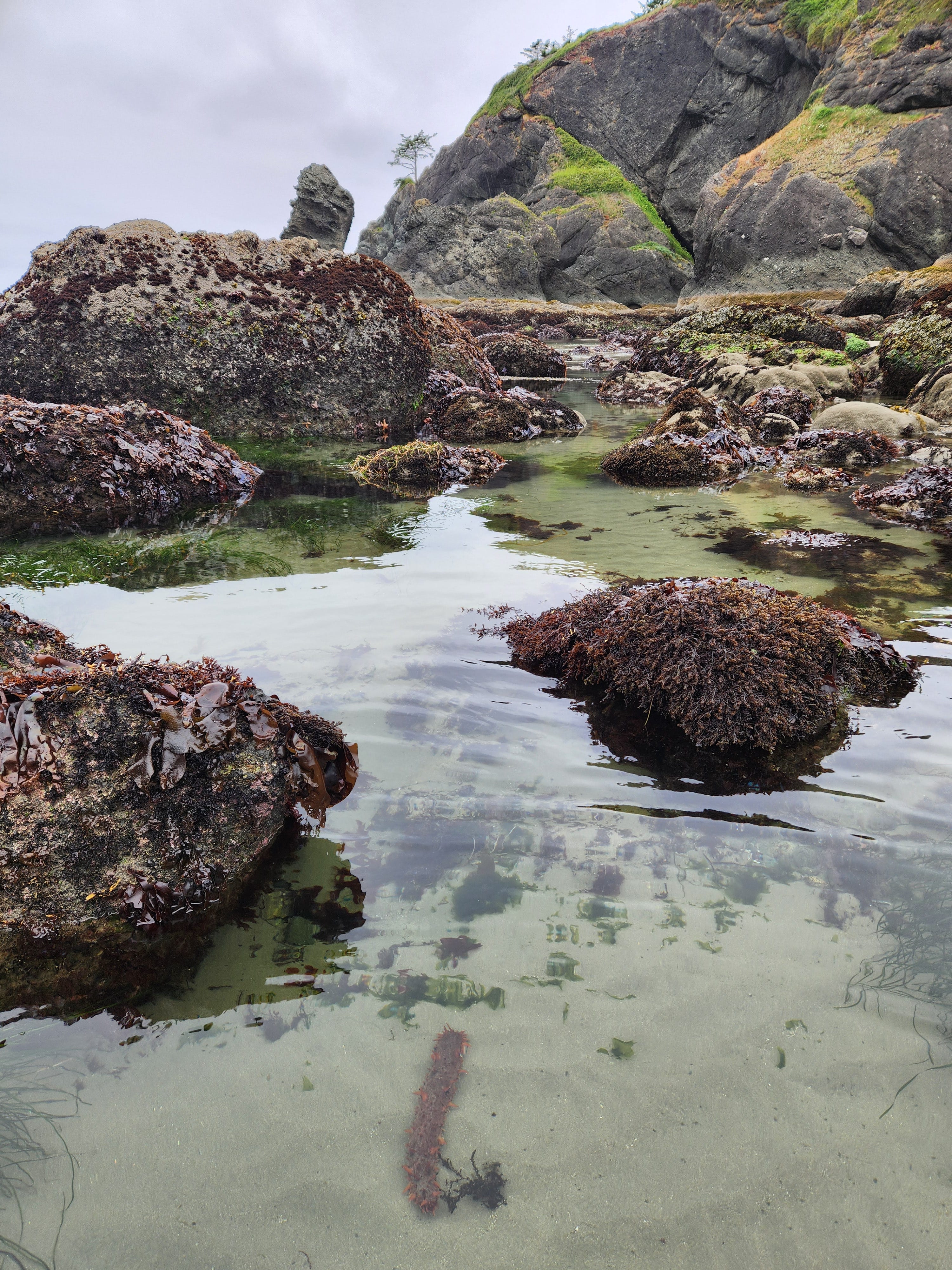
You can learn what its habitat looks like, and figure out its food. You can learn the rhythm of the tides and go to places other people don’t bother with, spending a stupid amount of time looking at very small things.
Mostly what you need to do is go back.
That is probably the real answer.
You spend years training your eyes somewhere easier. Eventually you start staring at random hiking photos and satellite images trying to decide if some obscure patch of coast looks promising.
At some point you go find out.
Maybe there are three slugs there.
Maybe there are fifty.
Either way, now you know something you didn’t know before.
Comments
Nothing yet. Say the first thing.
Sign in to join the conversation.