
This edition of our newsletter carries a story very close to our hearts: the story of the Survivor Liberation Project.
From October 2024 to April 2025, we walked alongside women, queer, and trans survivors of sexual and gender-based violence to create a space where both healing and livelihood could flourish together. At its heart, this program is built on a simple truth: survivors should never have to choose between survival and safety.
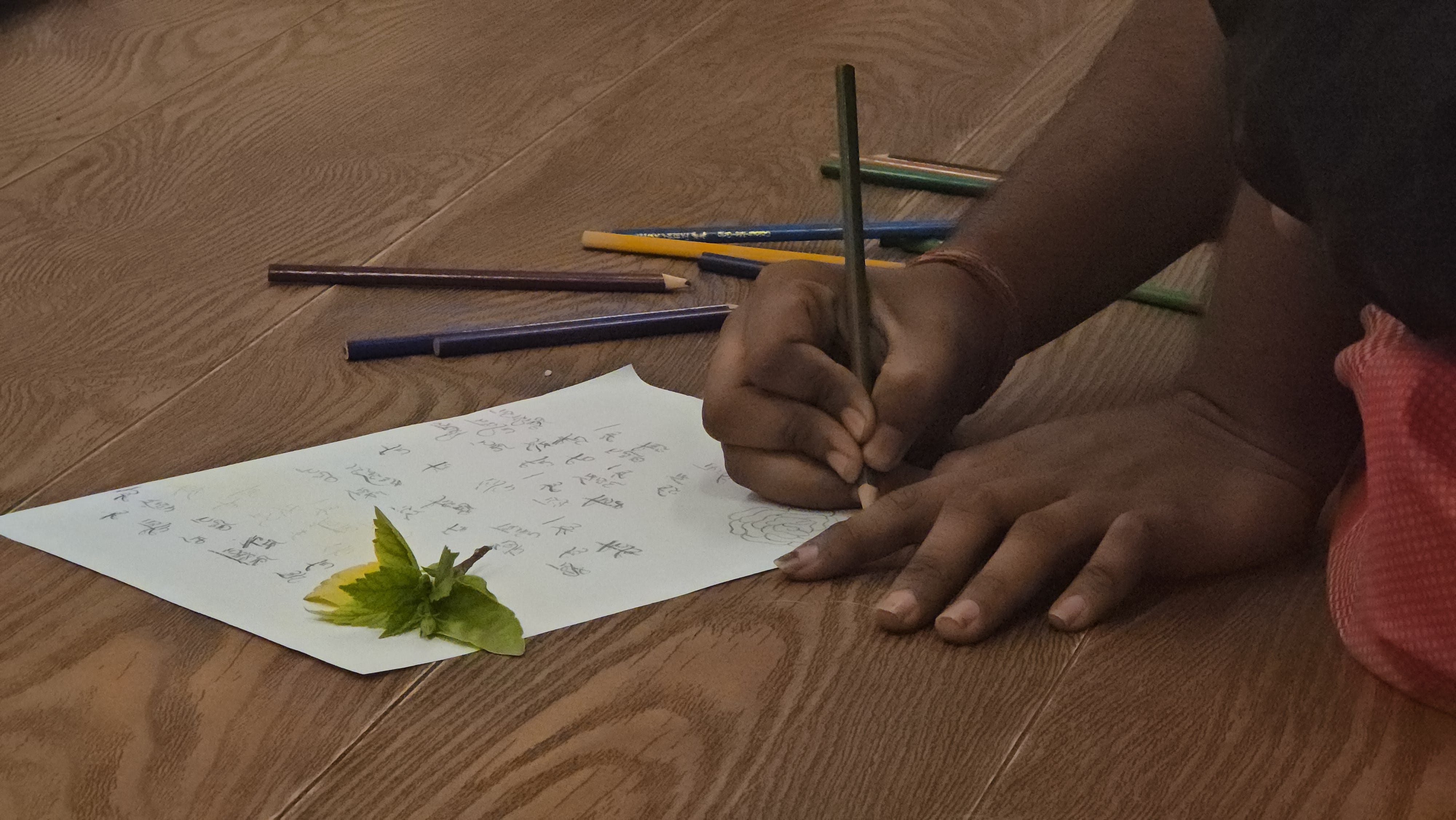
Over the course of six transformative months, we conducted 10-session psychosocial well-being programs, led by five women and queer mental health professionals trained by One Future Collective. This program complemented the efforts of five partner organisations, which were running livelihood initiatives across Delhi, Mumbai, and Kolkata.
None of this would have been possible without the kindness and generosity of so many. To everyone who donated to our crowdfunding campaign, thank you for believing in this vision and making it possible. To our wonderful mental health practitioners — Aritra, Mansi, Mihika, Radhika, and Yashtika — thank you for holding space with such care and imagination. To our partners — Bengal Transmen Collective (BTC), Committee of Resource Organisations (CORO), Each One Feed One (EOFO), Naz Foundation, and Shakti Shalini (SS) — thank you for your solidarity and commitment to reimagining what justice can look like for survivors. And to our team, who poured love and dedication into every step of this journey, we have created something truly special together.
In this newsletter, we share glimpses of what we built together, what we have learned along the way, and how this journey continues to inspire our vision for collective healing and justice. I invite you to sit with us in these reflections, and to imagine with us what healing justice can continue to look like when it is built together.
Love,
Vandita Morarka
Founder and CEO, One Future Collective
The Survivor Liberation Program (SLP) was created to support women, queer, and trans survivors of sexual and gender-based violence (SGBV) by linking healing with livelihood pathways.
👉🏾 Five women and queer mental health practitioners came together to co-design and deliver the program.
👉🏾 The initiative complemented the work of five organisations supporting survivors’ livelihood journeys across three cities.
👉🏾 More than 100 survivors engaged in 40+ sessions — held both online and offline — creating meaningful pathways for collective healing.
This pilot highlighted the value of pairing psychosocial care with livelihood support, while also providing us with space to reflect on the learnings that will guide future iterations.
Before the program began, our mental health practitioners joined a participatory training with the One Future Collective team. They explored trauma-informed practices, facilitation tools, self-care strategies, and creative approaches, including expressive arts and narrative work. Equipped with this grounding, they delivered the program through more than 40 sessions. This kept the work aligned with our ethos of a community-based model of mental health, which values care and justice alongside technical expertise.
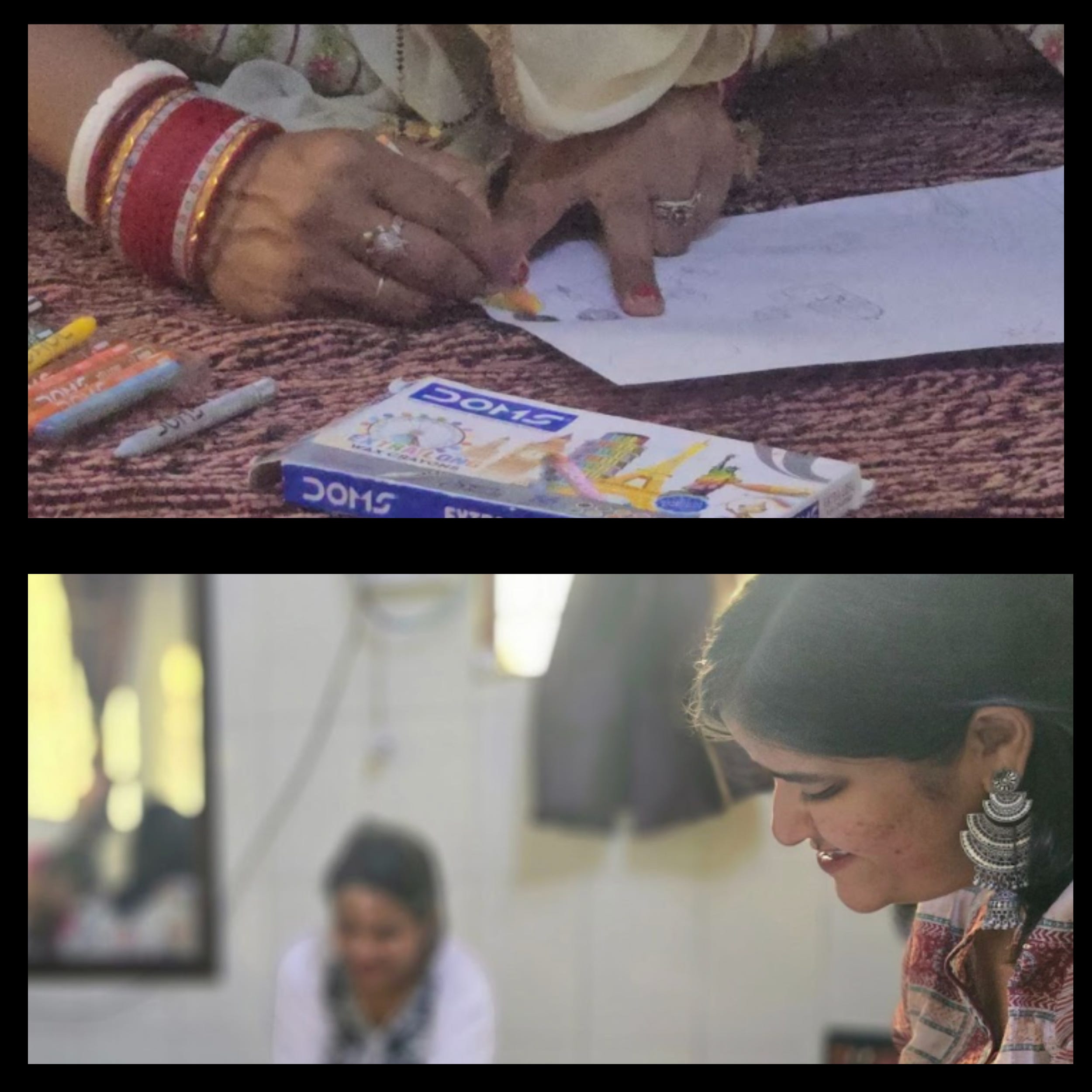
We partnered with CORO’s Gender-Based Violence Programme to deliver 11 psychosocial well-being sessions over a 3-month period for 30 participants. Facilitated by expressive arts therapy practitioner Yashtika Tandon, the sessions built on CORO’s CRC model of community-led support, with themes of domestic violence, injustices faced by trans communities, power, grief, self-harm, and connection to the body, nature, and the inner child being explored.
“जो बचपना खो गया था एकदम, वह इन सेशंस ने मुझे वापिस दिलाया। हसने के लिए हमे कही जगह मिलती है पर रोने के लिए कही बार सोचना पड़ता है; पर में यहाँपे इतनी बार खुल के रोई। ये स्पेस मेरे लिए बनाने के लिए बस एक चीज़ कहूँगी आय लव यू।”
“These sessions offered me back my childhood that I had missed. We often get spaces to laugh in, but when it comes to crying, a lot of thought goes behind if I can cry in a space, but I wholeheartedly cried in the sessions. For creating such a space for me, I have to say only one thing: I love you.”
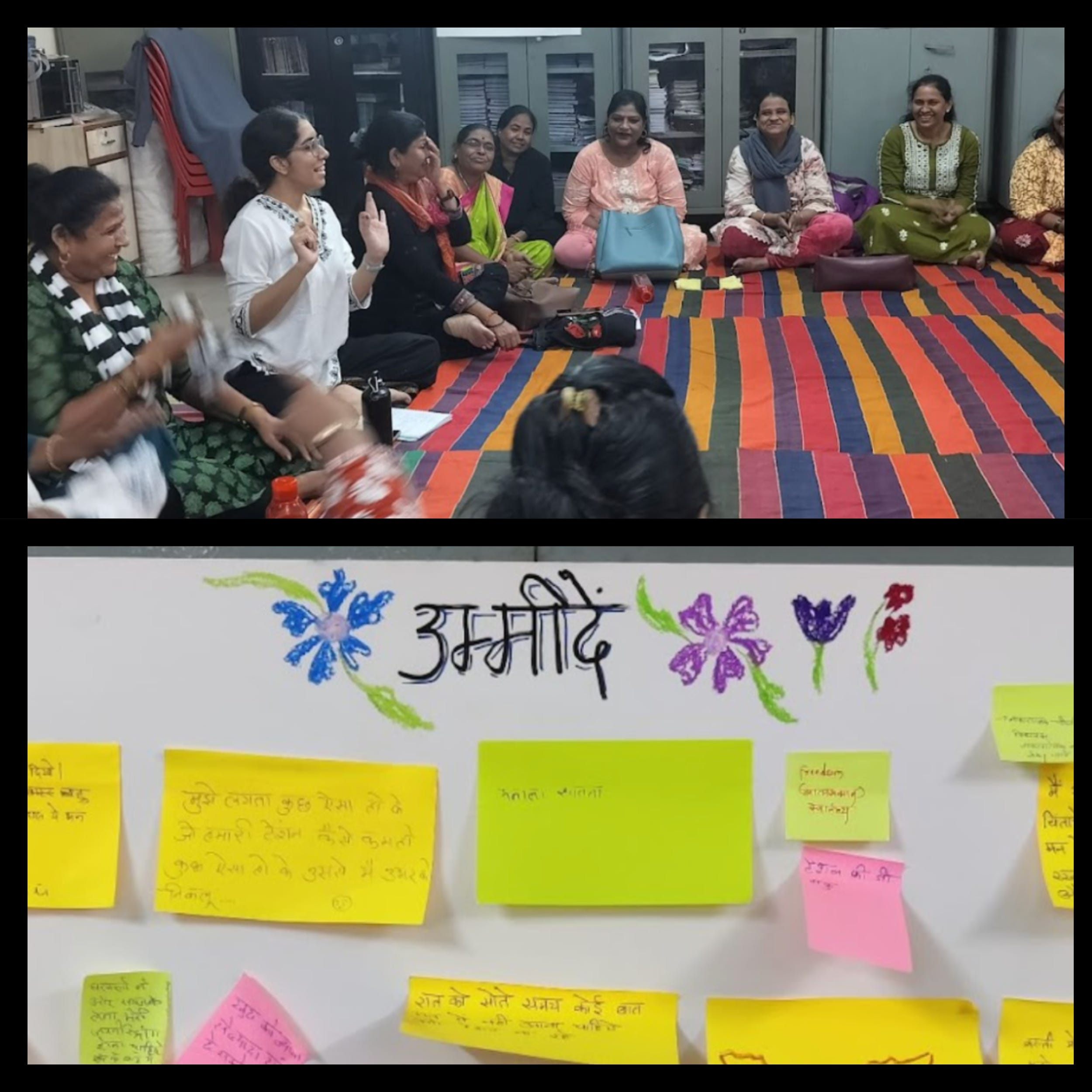
We also partnered with Each One Feed One (EOFO) under their Aashayein program, which supports women from marginalised communities and survivors of domestic violence through skill-building, livelihood opportunities, and community leadership. Over the course of three months, counselling psychologist and expressive arts practitioner Mihika facilitated 9 psychosocial well-being sessions with 20 participants. Drawing from decolonised expressive arts practices, the sessions created space to explore themes such as nostalgia for childhood, language and religion, grief, gendered roles, burnout, and the importance of play. Together, the group navigated moments of joy, anger and resistance.
“Hum saath aate hai, hum alag hote hai, hum aage badhte hai”
“We come together, we move away, we move forward”
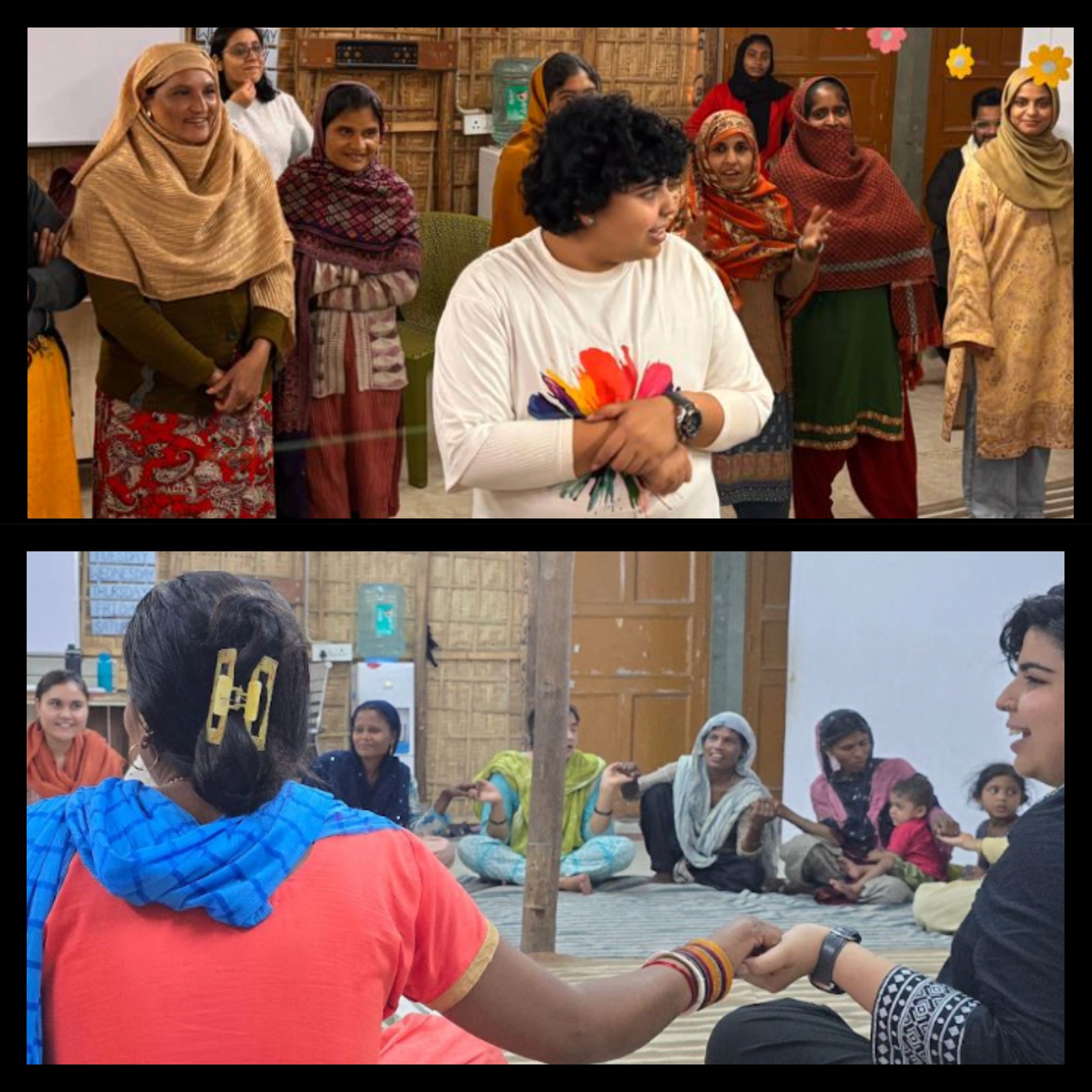
For Shakti Shalini, an organisation dedicated to supporting survivors of gender-based violence and building gender-equal communities, we facilitated 9 psychosocial well-being sessions with 28 members over 3 months. Led by trauma-focused psychotherapist Mansi Aggarwal, the sessions created space for participants to reflect on autonomy, familial and interpersonal relationships, and the impact of gendered violence on self-esteem. Using expressive arts and movement-based practices, the group explored their connections with their bodies and emotions, expressed their need for joy and freedom, and worked towards building a collective web of care.
“मैं इन सेशंस से अपने लिए एक शब्द लेकर जा रही हूँ: हिम्मत।”
“I am taking one word with me from these sessions: courage.”
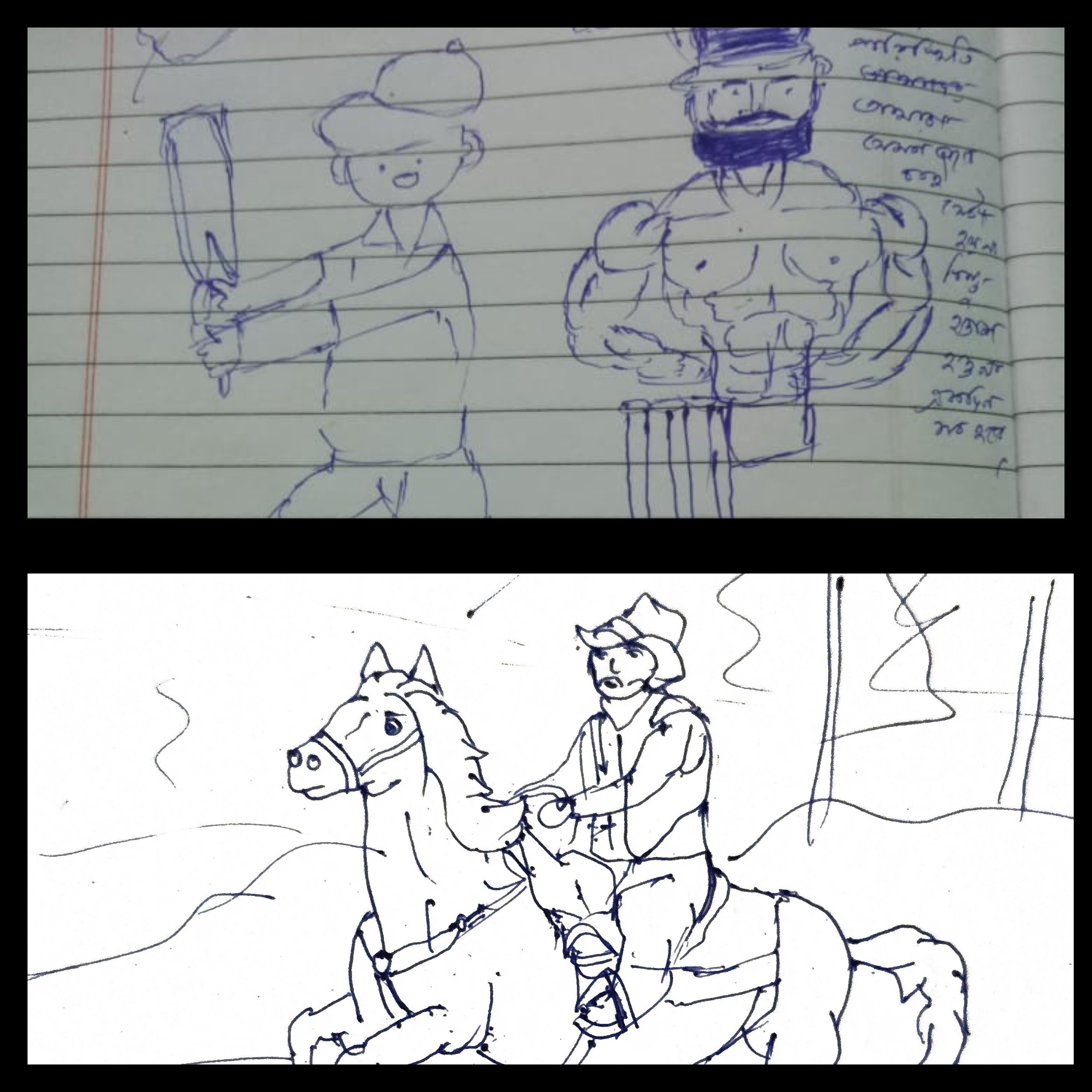
In collaboration with the Bengal Transmen Collective, a grassroots network comprising over 200 trans men across West Bengal, we facilitated 8 virtual sessions over 2 months with 20 participants. Led by clinical psychologist Aritra C., the sessions explored themes of gender dysphoria, navigating unsupportive families and romantic relationships, redefining masculinity, and facing systemic barriers in healthcare and community acceptance. The sessions were delivered in Bangla and rooted in art-based modalities, creating affirming and brave spaces for dialogue and reimagination.
“In the world of ‘what is mine and what is not’, my journey of transition is mine.”
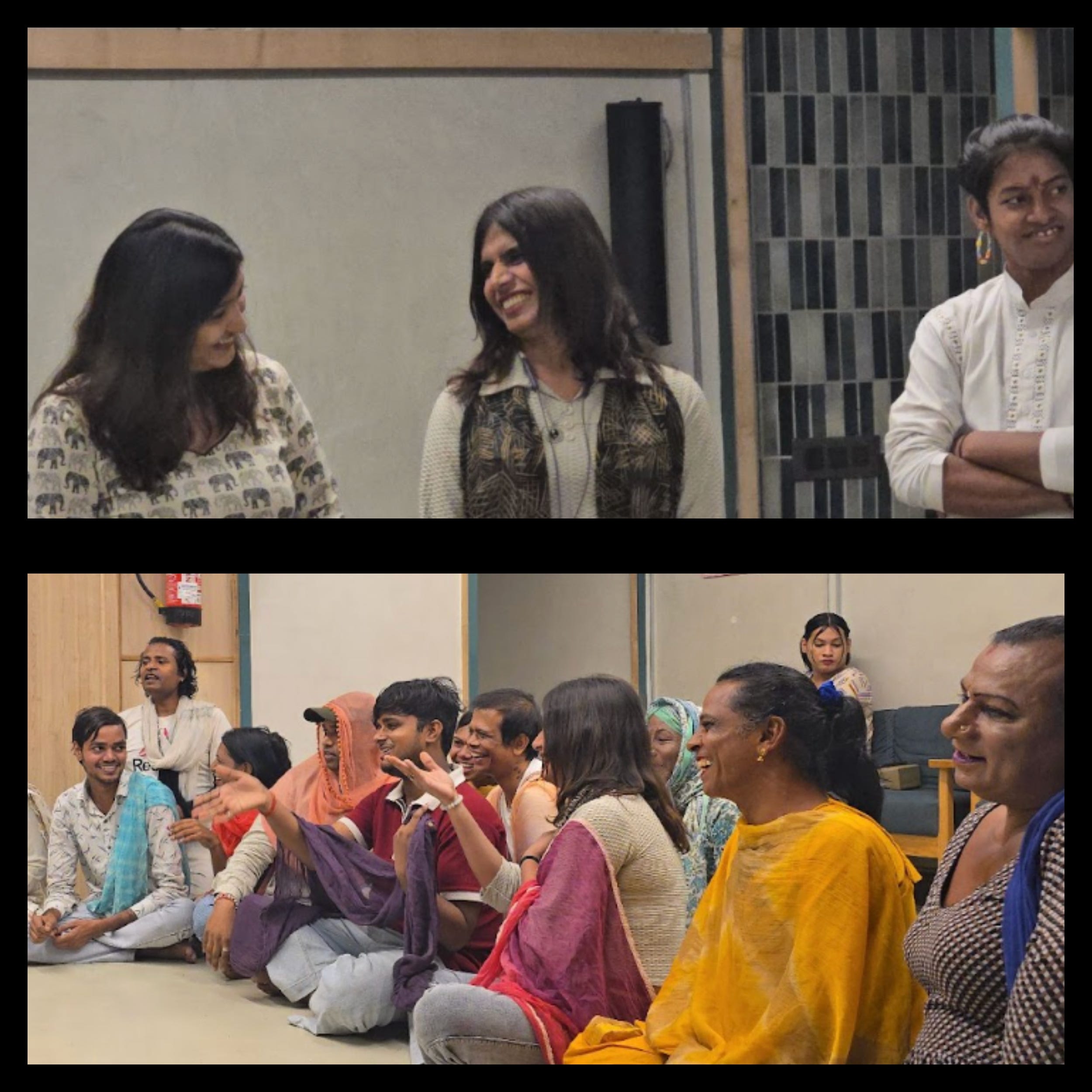
In collaboration with Naz Foundation, an organisation with a long history of working on HIV, sexuality, and LGBTQIA+ support, we facilitated 6 psychosocial well-being sessions with 15 queer and trans participants. Led by counselling psychologist and Dance/Movement Therapy facilitator Radhika Goel, the sessions became a joyful space filled with play, humour, and movement. Themes of trust, belonging, identity, and community dualities emerged; participants explored how solidarity can nurture but also constrain, and how safety and stress coexist within collective life. Through this, the group built moments of both joy and reflection, while holding space for the many complexities of queer community experiences.
“जैसे नेचर में अलग-अलग चीज़ों की अलग-अलग क्वालिटीज़ होती हैं, वैसे हमारी भी होती हैं। जैसे नेचर की चीज़ें अलग हैं लेकिन आपस में जुड़ी हुई हैं, वैसे हम भी अलग हैं लेकिन जुड़े हुए हैं।”
“Just like elements in nature have different qualities, we also have our own. Nature's elements are distinct yet connected—just like us.”
Healing must go beyond purely medical or traditional approaches. While these have their place, we learned that healing cannot be limited to treatment or diagnosis alone. Collective care, peer support, and community solidarity are powerful forces that help survivors feel seen, held, and less alone.
Trust grows through collaboration. Our work with partner organisations showed us how vital it is to build trust, not just with survivors, but also across movements and institutions.
Healing justice belongs at the centre. Care cannot be an afterthought. Healing justice needs to sit at the very heart of programs that address violence, livelihood, and rights. When we put healing at the centre, dignity and justice become possible.
Creativity makes space. Arts, movement, and other creative modalities opened doors for expression where words sometimes fell short. They made our spaces safer, more inclusive, and more alive.
As we look to the future, we hope to continue building on this community model of care. Our vision is to take these learnings further, share them with other stakeholders, and continue shaping programs where healing, livelihood, and justice are not separate, but held together with care.
Thank you for taking the time to read and walk alongside us on this journey. Your care and solidarity make this work possible. We invite you to continue supporting our efforts so that together we can build stronger pathways of healing and justice.
Make a donation here. 🌱
Comments
Nothing yet. Say the first thing.
Sign in to join the conversation.