
In a world where everything feels increasingly fast-paced, it’s no surprise that many of us are overstimulated. The constant scrolling, the notifications, the news cycles, the comparison…It’s a lot. And more and more people are opting out, craving something slower, intentional, and real.
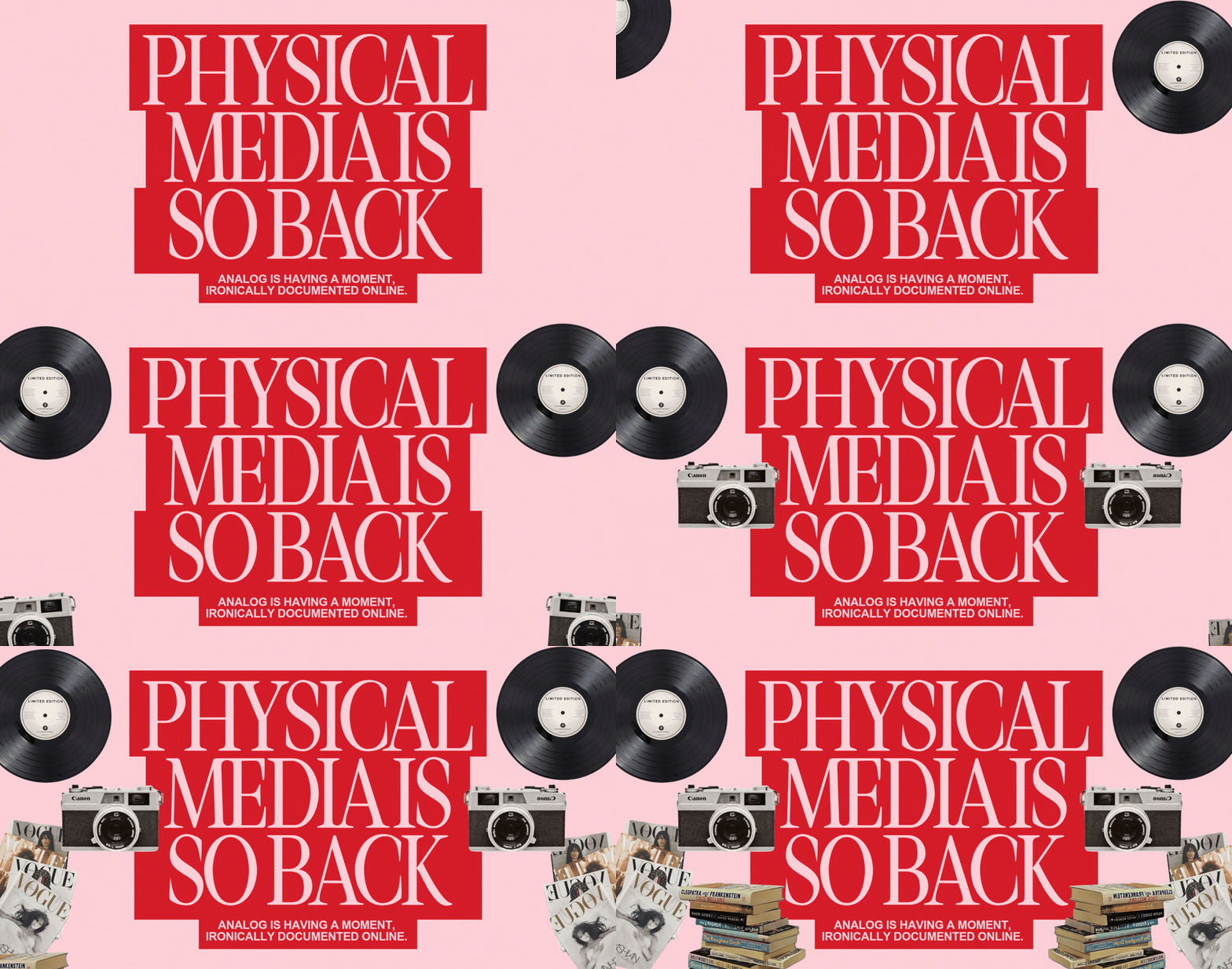
Google Trends data shows that search interest in “slow living” has hit an all-time high. And that shift is showing up in the media we consume, too. Print magazines, vinyl records, physical books, film cameras, CDs - all of it is making a comeback.
US vinyl record sales topped $1.04 billion last year, marking an unprecedented period of consecutive growth. Independent bookstores are opening faster than they’re closing. Instant film is a $1B+ market. Sales of “dumbphones” - basic phones with no social apps - have been climbing for three years running.
Turns out, convenience isn’t always what we’re craving.
After all, all a girl really wants these days is her wired earphones and digital camera.
The endless digital overload has become exhausting. What once felt accessible, exciting, and oh-so-entertaining has, for many of us, quietly become addictive in the worst way.
The 2010s were a decade of frictionless maximalism. Spotify replaced the record shelf, Netflix replaced the DVD collection, Instagram replaced the photo album, and Tinder replaced the meet-cute. The goal was always convenience - one-click purchases, autoplay playlists, same-day delivery, infinite scroll.
By the early 2020s, the costs started to surface. Attention fragmentation, comparison anxiety, algorithmic sameness, and a creeping sense that everything was optimised and nothing was actually owned. We’d traded the physical for the frictionless and somewhere along the way lost the thing that made consumption feel meaningful.
The irony is that having access to everything turns out to be just as exhausting as having nothing. Endless choice leads to decision fatigue, and algorithmic recommendations lead to a kind of dopamine burnout - you’re fed content you technically “like” but feel increasingly hollow consuming.
A vinyl gives you one album. A magazine offers a finite number of pages. There’s a comfort in knowing where something begins and ends.
Physical media asks more of us. You flip the pages, set the vinyl, develop the film, or charge the digital camera. There’s a level of friction involved. But even that tiny bit of effort transforms consumption into ritual. Listening becomes an activity, reading becomes an experience, and consuming media starts to feel a little more human again.
In a culture obsessed with speed, maybe that’s exactly the appeal.
While nostalgia certainly plays a role, the analog revival runs deeper than aesthetic appreciation. Many younger consumers never experienced vinyl records or magazine subscriptions the first time around. What they’re seeking isn’t necessarily the past itself, but what the past represents: slowness, tangibility and permanence.
In today’s attention economy, every notification, autoplay feature and recommendation is designed to keep us engaged for just a little longer. Choosing physical media becomes a small act of reclaiming control over how we spend our time and attention. Legacy brands like Kodak and Fujifilm have also reported sustained demand for 35mm and instant film.
In a world where algorithms increasingly shape what we consume, owning something physical feels grounding. A CD collection, a shelf of annotated books, or a stack of magazines becomes less about utility and more about identity.
There’s a word for it - anemoia. Nostalgia for a time you’ve never known. What Gen Z is reaching for isn’t the past itself, but what the past represents: slowness, tangibility, permanence. Things that feel grounded in a world that increasingly doesn’t.
This also links to a much bigger macro shift happening right now. Reduced dating app usage, the return of in-person nightlife, a renaissance of social clubs, IRL communities, phone-free events. A widespread, loneliness-driven hunger for what sociologists call “third places.” And physical media is just the most purchasable expression of that same shift.
Naturally, brands have taken notice.
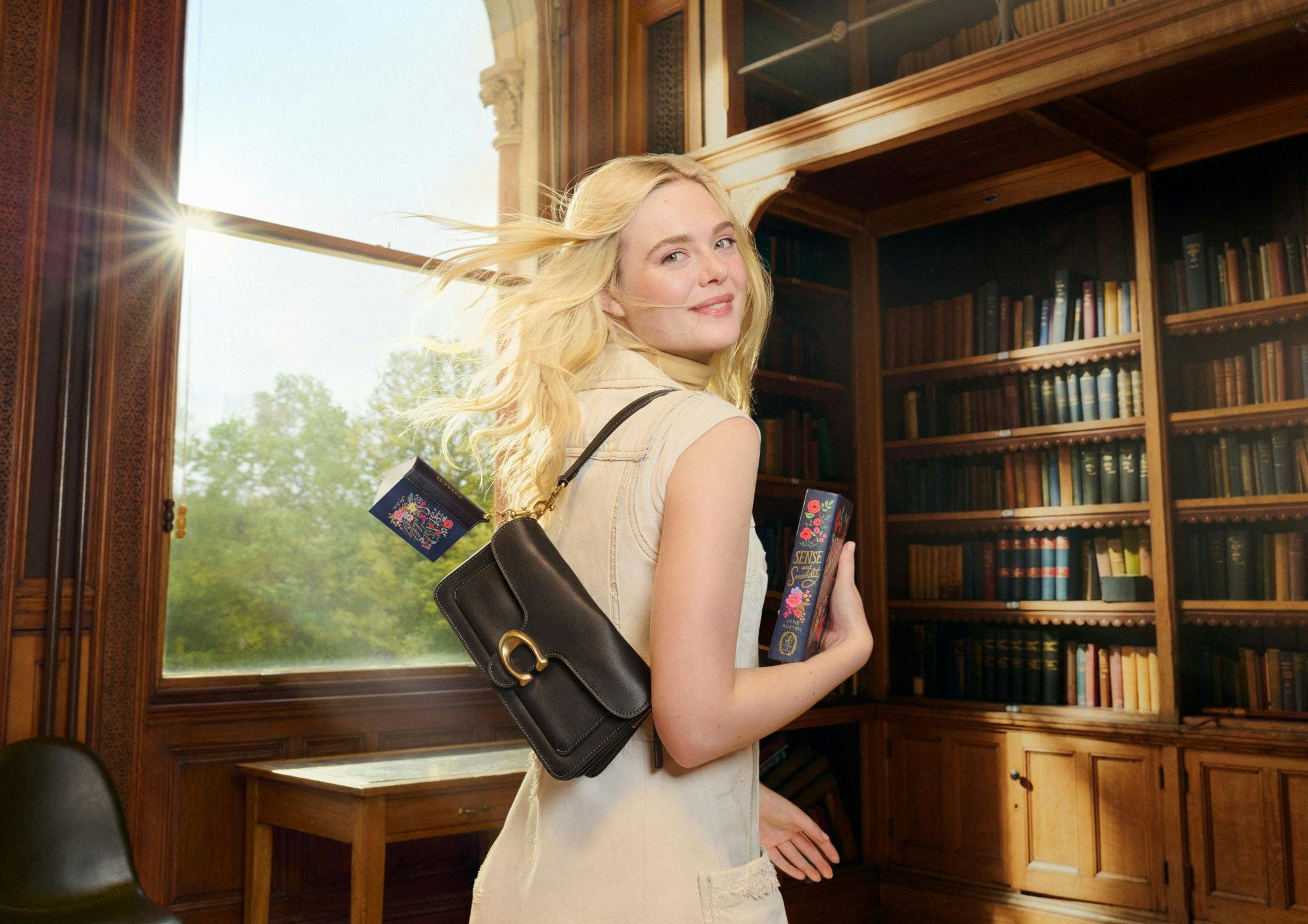
Coach’s Explore Your Story campaign transformed books into an immersive brand moment. The campaign romanticised the tactile experience of actually reading: the smell, the highlights, the creased spines. Books tell stories, and the marks we leave in them are a record of the journeys we’ve taken. As part of the campaign, Coach introduced the Front Row Book Club, where ambassadors like Emily Bader share their current reads and reflect on their libraries. They also dropped limited-edition book bag charms in collaboration with publishing house Penguin- tiny, trinket-sized, readable, and immediately sold out.
Meanwhile, Miu Miu’s literary clubs elevated reading into a cultural event, blurring the lines between fashion, community, and intellectual curiosity. Functioning as a modernised literary salon, the series hosts public reading rooms, lectures, and panel discussions with contemporary writers and thinkers. Their latest instalment at Milan Design Week 2026 explored desire, consent, and AI, alongside live entertainment.
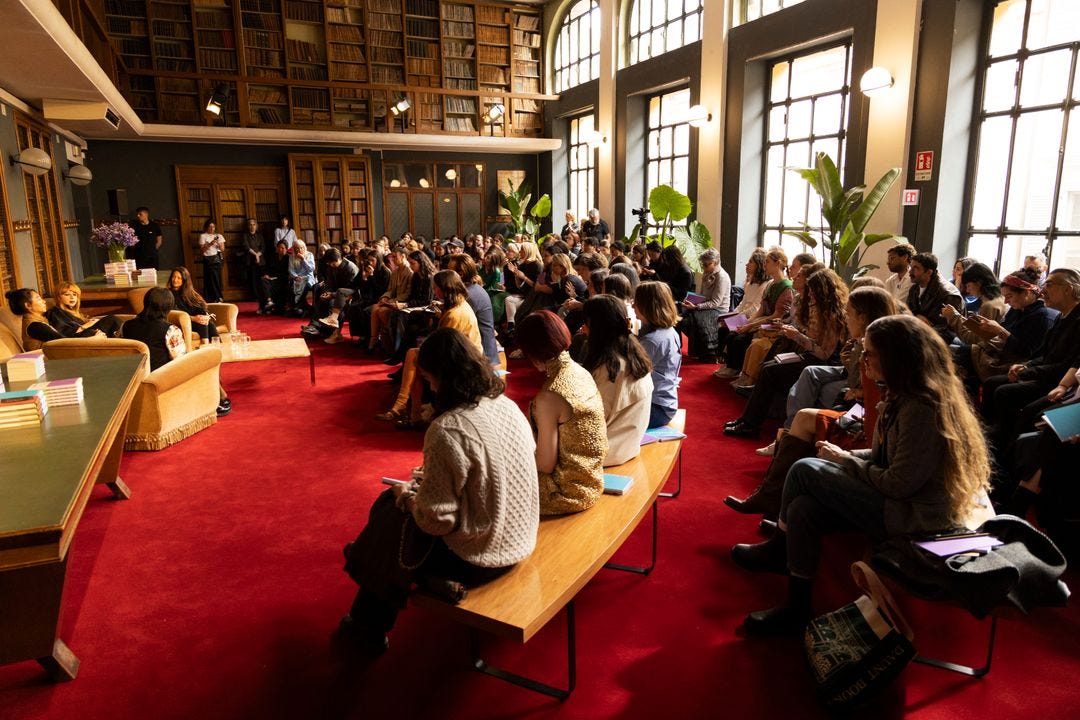
What’s particularly interesting about both of these is the deliberate introduction of effort and participation. You have to attend, browse, queue, and engage. In an increasingly frictionless world, that involvement is exactly what makes the experience memorable. Friction isn’t a design flaw; it’s the point. For younger audiences, especially, these events are becoming spaces for connection, curiosity, and identity.
And perhaps ironically, these offline moments generate some of the most powerful online conversations and organic content.
Below for paid subscribers: the psychology behind why physical media works on us the way it does, and what it actually means for your brand strategy.
Comments
Nothing yet. Say the first thing.
Sign in to join the conversation.