
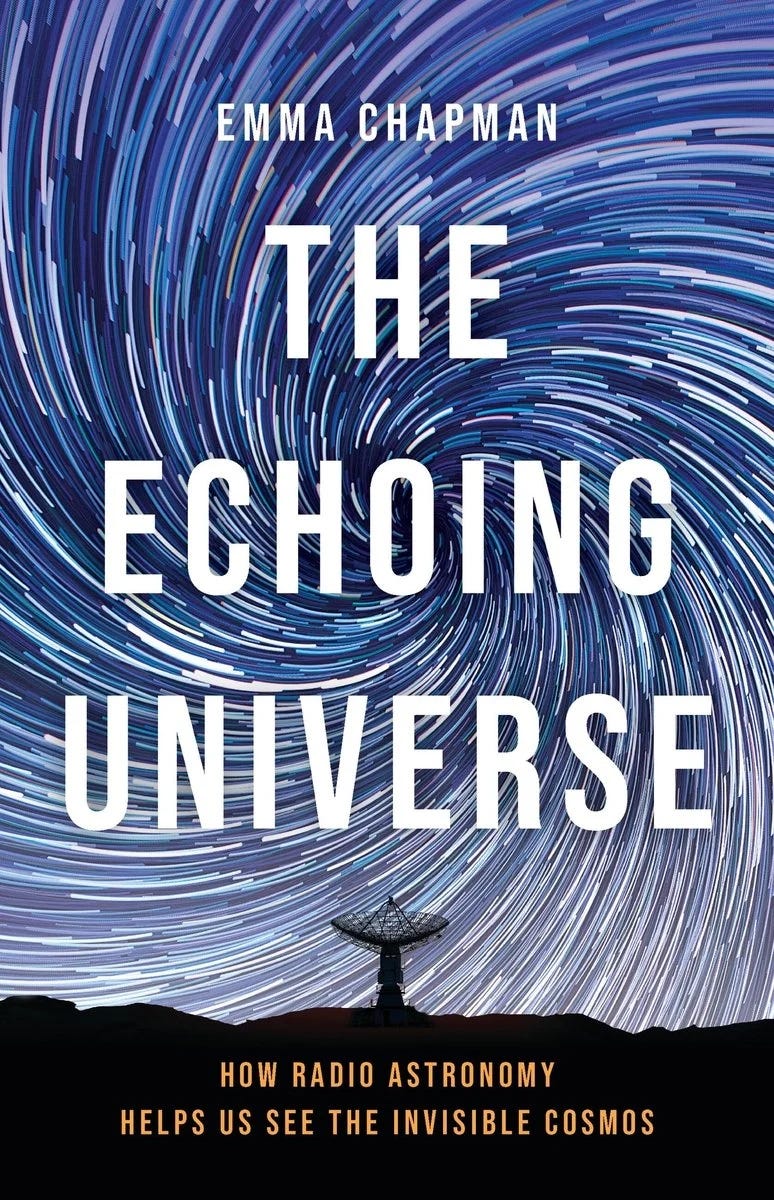
Looking to escape into space for a while? Check out The Echoing Universe: How Radio Astronomy Helps Us See the Invisible Cosmos by Emma Chapman. “The universe is far from silent. It’s been speaking all along, broadcasting its stories and secrets, for those who know how to listen.” In the book, Chapman, an astrophysicist and Royal Society Research Fellow, “tunes us in to the universe and what it is trying to say, through the science of radio astronomy. With radio waves, we can uncover what visible light cannot show us and peer into realms that are otherwise unreachable. … The Echoing Universe reveals that the future of astronomy is loud and vibrant. When we turn our radio telescopes to the sky and simply listen, we’ll discover far more than what our eyes could ever see.”
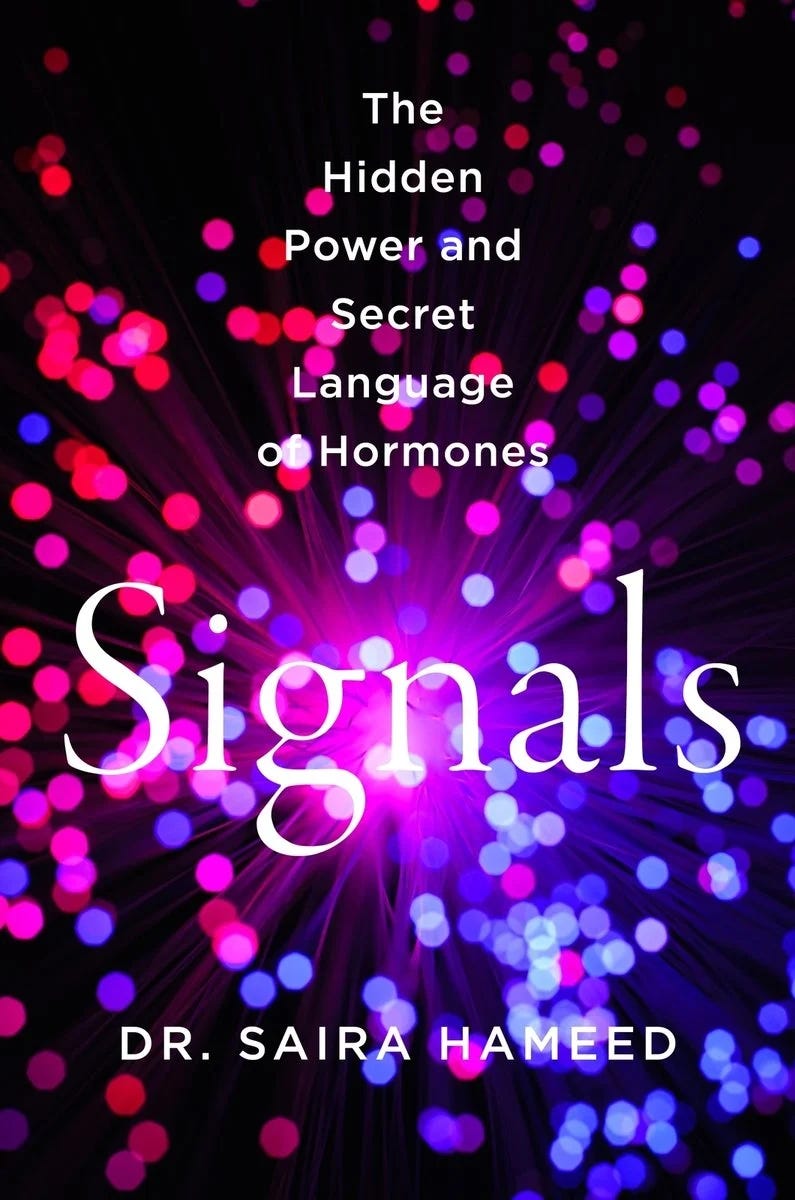
Hormones don’t get nearly enough attention, especially given how much control they have over our bodies. In Signals: The Hidden Power and Secret Language of Hormones, endocrinologist Saira Hameed “takes us on a journey through the endocrine system, the body’s miraculous and often misunderstood communication network of endocrine glands and hormone signals. … Hormones write life’s masterplan—building a new human being in utero, transforming a helpless newborn into a sturdy toddler, igniting the firestorm of puberty, directing the transition into menopause and beyond. … hormones control our mood and stress levels, how hungry we feel and how much we weigh, changes in libido and blood sugar, the circadian rhythm of our energy balance and sleep-wake cycle. … Dr. Hameed combines expert experience, revelatory science, medical history, and cultural commentary.”
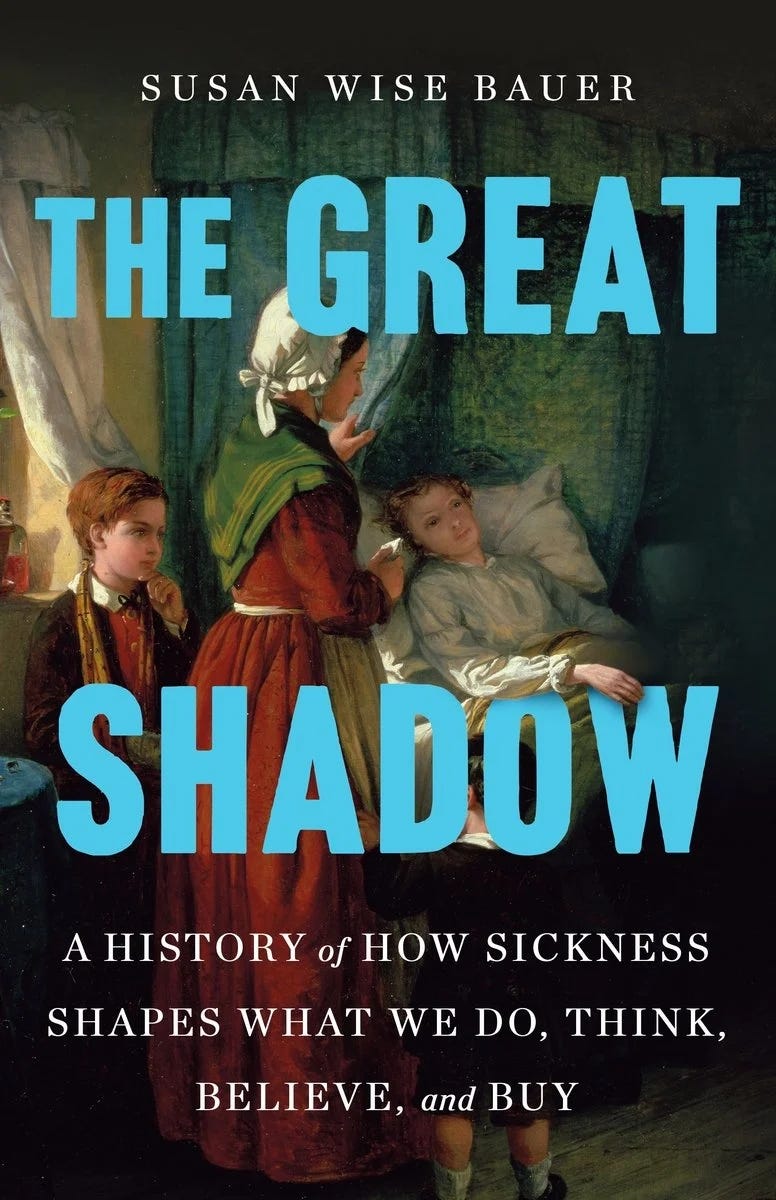
“Anti-science, anti-vaccine, anti-reason beliefs seem to be triumphing over common sense today. How did we get here?” The Great Shadow: A History of How Sickness Shapes What We Do, Think, Believe, and Buy by Susan Wise Bauer attempts to help answer that question by interrogating the actuality of being ill. These are the kinds of books I love—the ones that bring history to life. “What did it feel like to be struggling with illness in ancient times, in the Middle Ages, in the seventeenth century, or in 1920? And how did that shape our thoughts and convictions? The Great Shadow uses extensive historical research and first-person accounts to tell a vivid story about sickness and our responses to it.” The book “reveals just how many of our current fads and causes are rooted in the moment-by-moment experience of sickness.”
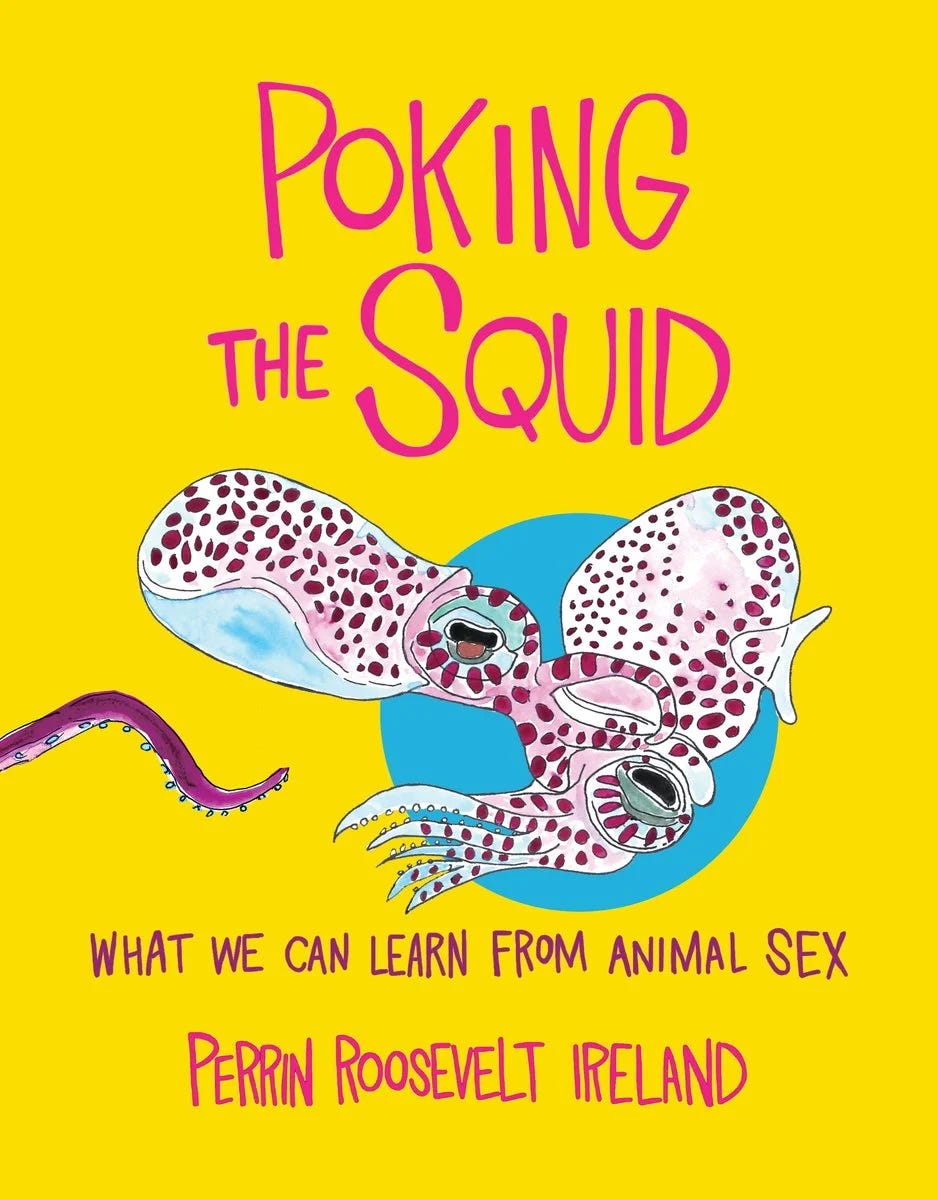
The animal world offers another great avenue for escapism. In Poking the Squid: What We Can Learn from Animal Sex by Perrin Roosevelt Ireland, you’ll find a glorious watercolor-comic romp through the world of animal sex. “…pregnant seahorse dads, spider oral sex, and the four-headed echidna penis”—the book is “a wild biodiversity ride through queerness, infidelity, consent, divorce, sex change, and even sexual cannibalism in the animal world. Ireland interviews researchers probing the leading edge of animal reproductive biology,” who are “making dolphin vaginal popsicles, retrieving sperm packets from male squid mouths, and documenting dolphin orgies. … Earth’s sexual ecosystem is filled with joy, resilience, and vitality—a balm to climate grief and a reason to protect all forms of nature’s pleasure.”
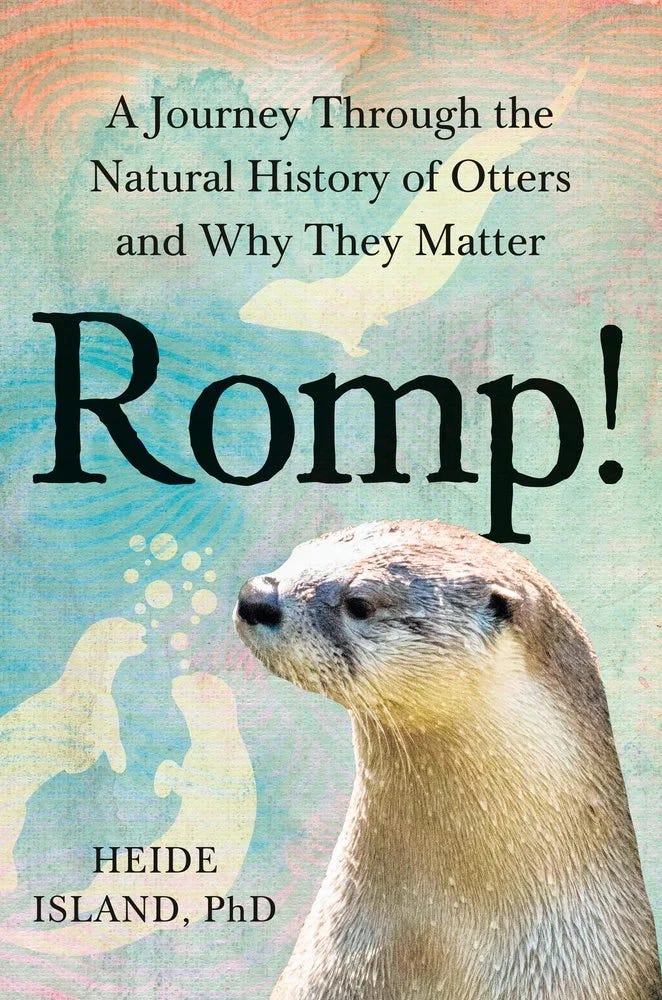
Who doesn’t love otters? My oldest son spent years transfixed by them after discovering them at a nature center in Asheville, North Carolina, at age 5, so otters will always have a special place in my heart. by Heide Island. “You’ve heard of a murder of crows and a pride of lions—but what about a romp of otters?” In Romp! A Journey Through the Natural History of Otters and Why They Matter, animal behaviorist Heide Island takes readers on an odyssey through otterdom, focusing on a family, or ‘romp,’ of river otters that live near her home in Puget Sound, Washington, while also weaving in research about otters around the globe. … these charming creatures, like so many species, face an uncertain future in an era of climate change and habitat destruction. And we can learn crucial lessons about nature and our relationship with it by studying their adaptability, diversity, and personality.”
Olivia Campbell is a New York Times bestselling author interested in the intersection of women and science. Her latest book, Sisters in Science: How Four Women Physicists Escaped Nazi Germany and Made Scientific History, tells the story of four women who fought sexism to become brilliant physicists, only to be fired by the Nazis, and how they helped each other flee the country.
A seasoned science journalist and essayist, Campbell is a regular contributor at National Geographic; her work has also appeared in The Atlantic, Vanity Fair, The Guardian, Washington Post, New York Magazine, People, Smithsonian Magazine, Scientific American, Boston Globe, The Wall Street Journal, Aeon, and History.com, among others. Find out more on her website.
No posts
Comments
Nothing yet. Say the first thing.
Sign in to join the conversation.