
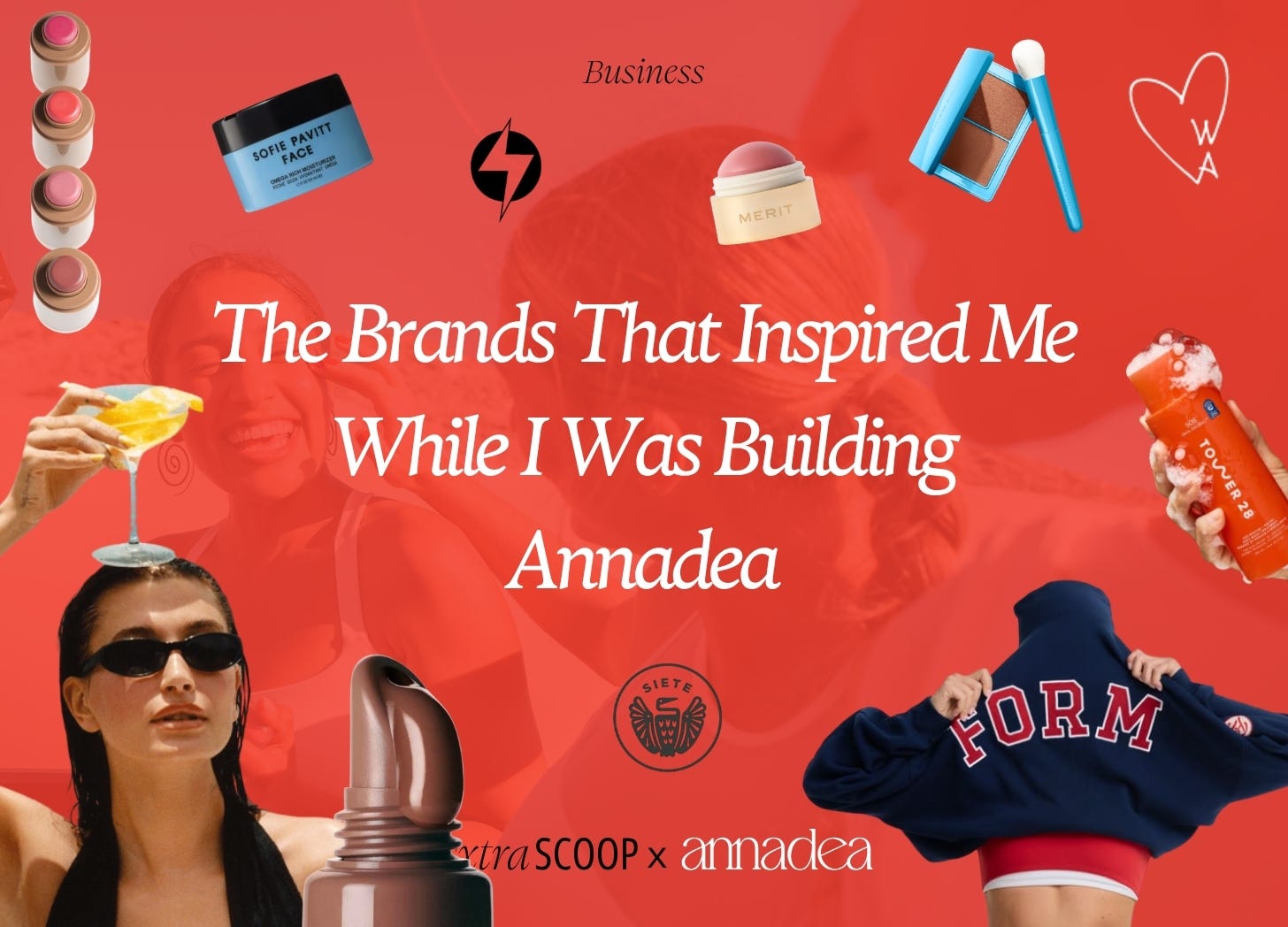
I’m the type of person who is endlessly inspired by others. I love looking up to women who have built impressive businesses or dreamed up imaginative brands. I turn to my trusted advisors when I have big questions that I don’t want to make in a vacuum. I love to collaborate and learn from people who push me in every way. That’s also why I looked to so many brands for inspiration when I started building Annadea. We’re surrounded by incredibly capable, brilliant creative women who have built multi-million or even billion dollar businesses and I have a lot to learn from them. People often ask me which brands in particular stand out to me, who I admire most, so I wanted to share some of the companies and founders who have been endless sources of inspiration and motivation.
When I looked at these brands, I asked myself: what were they getting right? What had they learned the hard way? And what was the unglamorous decision underneath the beautiful result?
Something I only noticed once the list was finished: nearly every brand on it was built by a woman who saw a gap and simply refused to let it exist.
Here are the brands that taught me the most, and the lessons I carried straight into Annadea.

The first thing I’ll say about building a beauty brand is that you cannot charm your way out of a formula that doesn’t work. If a formula isn’t good, there isn’t any campaign or founder story that will prop it up. A few brands understood this with a rigor that genuinely raised my standards.
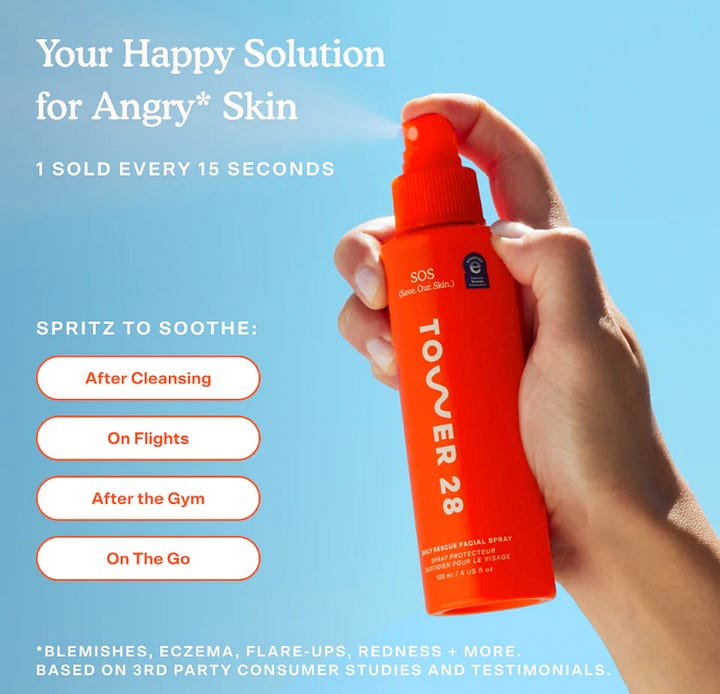
Tower 28 is the clearest example I know of a brand built backward from a real, specific need. Amy Liu spent more than two decades as a beauty executive—Smashbox, Kate Somerville, Josie Maran—and the whole time, she couldn’t actually use most of what she was helping to sell, because she’d lived with severe eczema her entire adult life. So in 2019, at around forty, she built the brand she’d needed the whole time. Tower 28 is, to this day, the only makeup brand fully compliant with the National Eczema Association’s ingredient guidelines, and what I find so smart is that Amy refused the usual trap of “clean equals safe.” As she likes to point out, poison ivy is natural too. The hero product, the SOS Daily Rescue Facial Spray, went viral during the mask-wearing years not because of a clever campaign but because it actually calmed people’s skin, and the community had the before-and-afters to prove it. The brand is named after a lifeguard tower in Santa Monica, a symbol of safety, and that idea sits underneath everything: products that are safe for the most sensitive skin, but made for all, kept deliberately under thirty-something dollars so the door stays open to everyone. That phrase—made for sensitive skin, but made for all—reorganized how I think about inclusivity in a formula. It’s a positioning we hold ourselves to at Annadea.

Westman Atelier taught me the opposite end of the same lesson: that “clean,” “luxury,” and “high-performance” don’t have to be a contradiction. Gucci Westman spent twenty-five years as one of the most sought-after editorial makeup artists in the world, and her whole thesis is that makeup should behave like skincare. Her Vital Skin Foundation Stick—the product that started the brand—reportedly took around fifty trials to get right, built without silicones, engineered to melt into skin like a liquid while quietly doing the work of an antioxidant-rich treatment underneath. Fifty trials for one stick. That number stayed with me every time we were frustrated that the lab didn’t get it right on the second or third try.
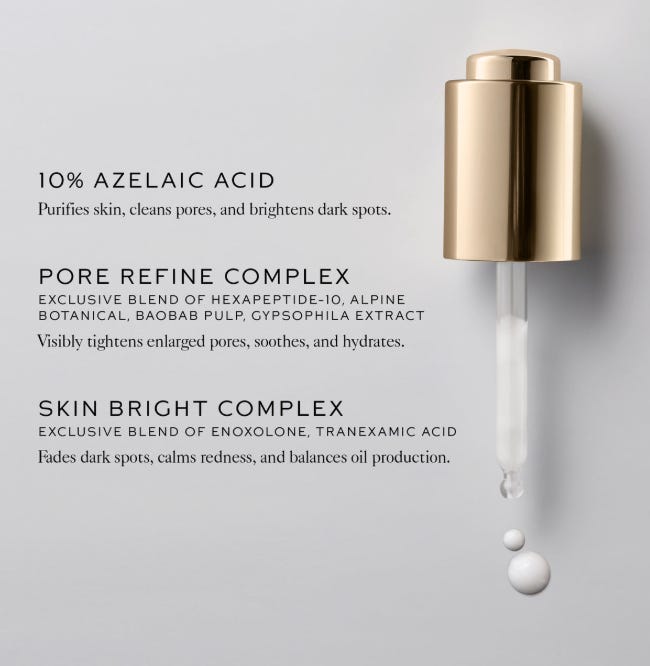
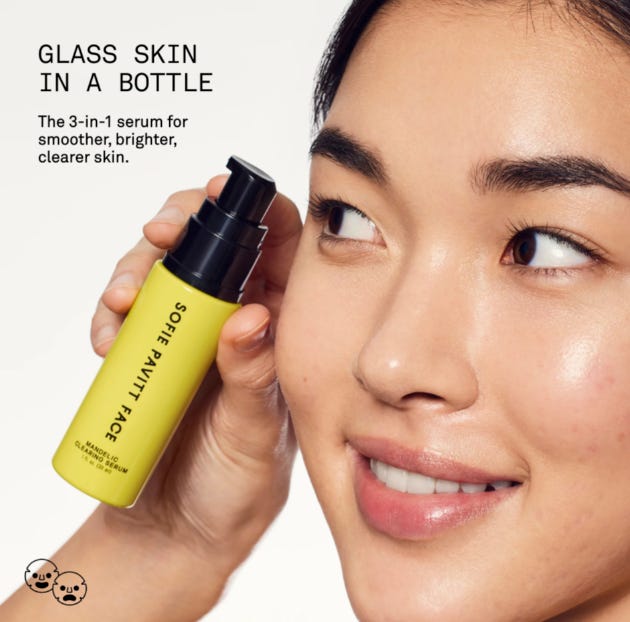
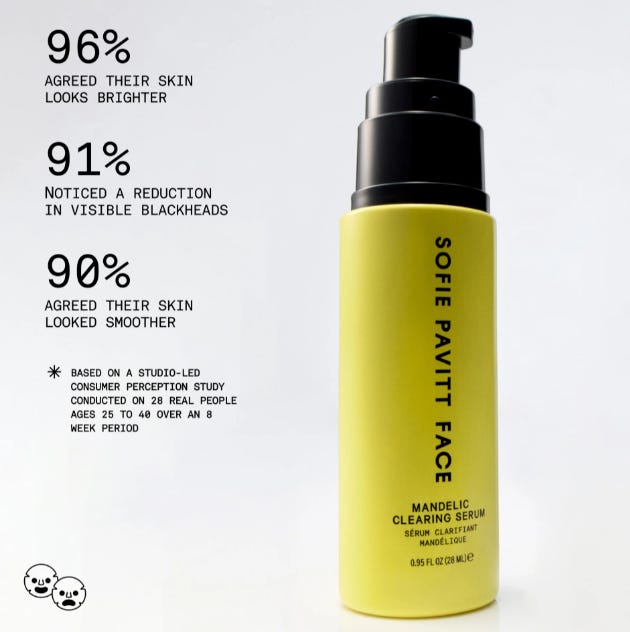
Sofie Pavitt Face is the brand I point to when I want to talk about texture and efficacy as a feeling, not just a claim. Sofie is a New York facialist with the kind of waitlist that has a waitlist. She’s been nicknamed “the acne whisperer,” and her expertise is the brand. Her Mandelic Clearing Serum is built around an 8% large-molecule acid that works slowly and gently precisely because it doesn’t barge into the skin the way harsher acids do. What I love is how honest the experience is: it’s lightweight, almost watery, there’s no sting, and the results arrive gradually and then, one morning, all at once. In a category addicted to the promise of instant, here’s a brand confident enough to sell gradual and real because the expertise underneath it has earned that patience. That’s a kind of confidence you can’t fake, and it’s the energy our developer and lab partners brought to our own custom formulas, where the skincare benefit has to be as real as the color payoff.

A formula gets someone to repurchase. A world gets them to belong. Two brands here are masterclasses in how differently that can be done.
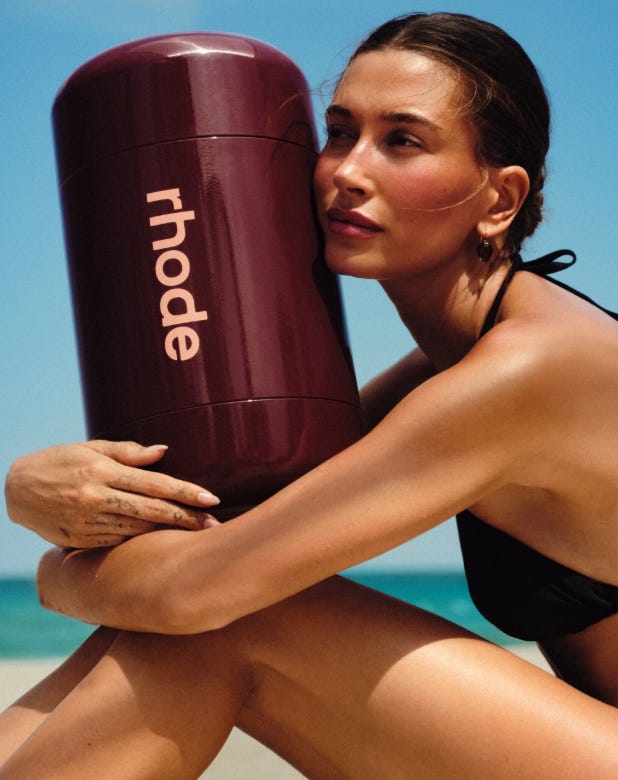
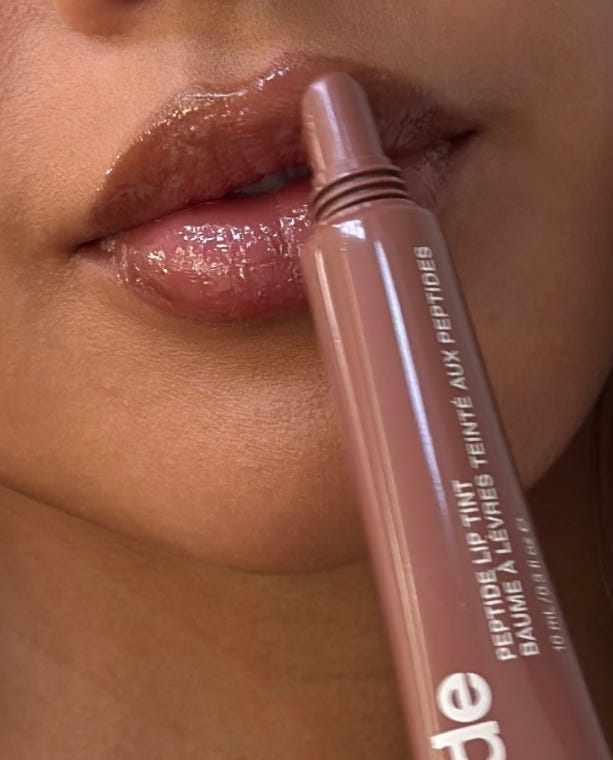
Rhode is the world-building case study of our generation. Hailey Bieber launched it in 2022 with just three products and one extremely specific aesthetic: the “glazed” look she’d already made her own. What’s brilliant isn’t the minimalism, it’s the cohesion: every drop is a full sensory rollout. When the Cinnamon Roll lip treatment launched around her birthday, the campaign went warm and brown, cinnamon-roll recipes circulated, there was even a coffee collaboration, and the logo itself got dusted in sugar. The brand built a universe so consistent that buying a single lip treatment felt like buying into an entire way of living—right down to the viral phone case made to hold the tube, which did millions in revenue on its own. The discipline paid off in the most literal way possible: e.l.f. Beauty acquired Rhode in a deal worth roughly a billion dollars, and it went on to become one of the biggest launches in Sephora’s North American history. The lesson I took wasn’t “be minimal.” It was be consistent—decide what world you’re building and then let every email, every shade name, every photograph live inside it. It’s exactly why we shot our launch campaign in southern Morocco. The world had to feel like somewhere specific, not anywhere.
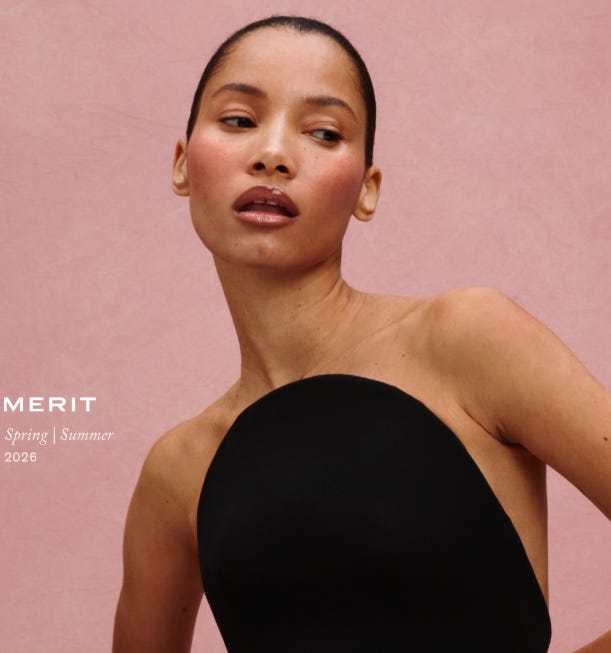
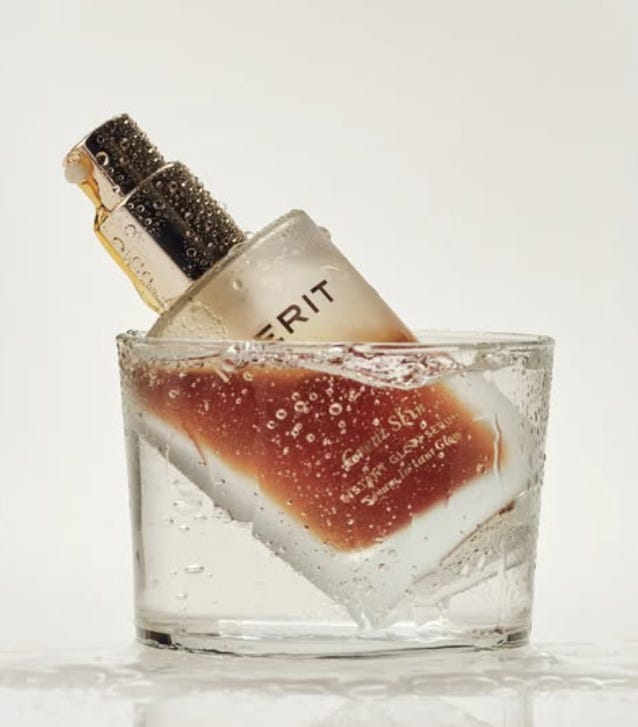
MERIT taught me that branding can be a discipline of subtraction. Katherine Power—who also built Who What Wear, Versed, and Avaline—launched MERIT in 2021 into a market drowning in newness, and did the unthinkable: she made less the entire point. Seven multifunctional products, a calm, editorial, almost quiet aesthetic that reads as understated luxury rather than another candy-colored Gen Z drop. The brand has actually wiped its own Instagram before a launch—I still don’t know if I would have the confidence to do that! They once positioned their complexion stick alongside the Bic pen, the Mason Pearson brush, and Levi’s 501s—objects whose design never needed to change. That’s not a product post; that’s a worldview. MERIT proved you can be both cross-generational and razor-sharp, that restraint photographs as expensive, and that a brand with a truly distinct point of view doesn’t have to shout to be heard.

Not every brand that shaped Annadea is a beauty brand. Some of the most important lessons came from women building in entirely different categories.
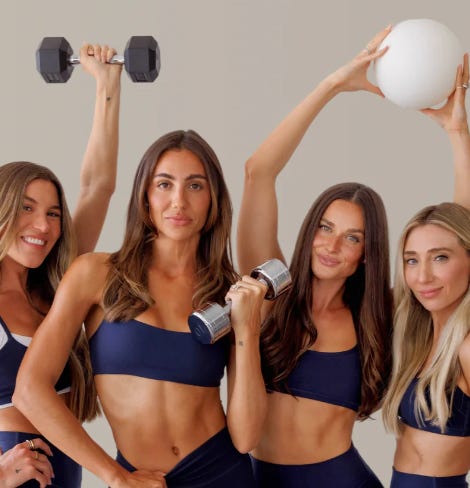
FORM is my answer whenever someone asks what real community looks like. Sami Clarke and Sami Spalter built their fitness and wellness platform out of the free Instagram Live workouts Sami was running during the pandemic, and the thing that makes it work isn’t the workouts, it’s that the community genuinely steers the ship. Members asked for mat pilates, so they launched mat pilates. They asked for nutrition, so a whole new vertical launched. There are local WhatsApp groups and monthly community walks in LA, and people refer to themselves, unironically, as the “FORM fam.” What I took from it is that community can’t be a marketing layer you apply at the end. It has to be the center of gravity, and you have to actually let it change what you make.
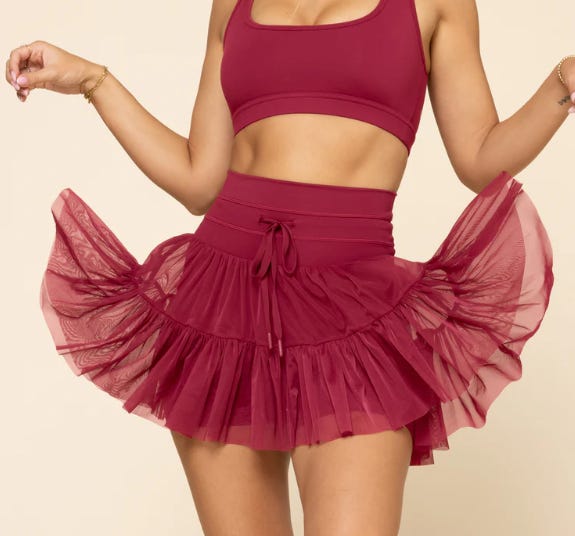
Popflex is the brand I think about when I think about innovation that comes straight from listening. Cassey Ho—the founder behind Blogilates—designs activewear, in her words, “with a why,” and her customers are part of the design loop in a way that’s rare. Her Pirouette Skort became so iconic (it went stratospheric after Taylor Swift wore it) that she patented the design to fight off the inevitable dupes—but my favorite detail is smaller than that: she made the back hem of the skort a touch longer in a later version specifically because customers said they wanted more coverage. Pockets in everything. Sizing from XXS to 3X. That’s a founder treating feedback as the raw material of the next product, not as noise to manage. We try to build that same listening posture into how we develop–we are actively thinking about the best way to solicit and incorporate community feedback into our future product pipeline.

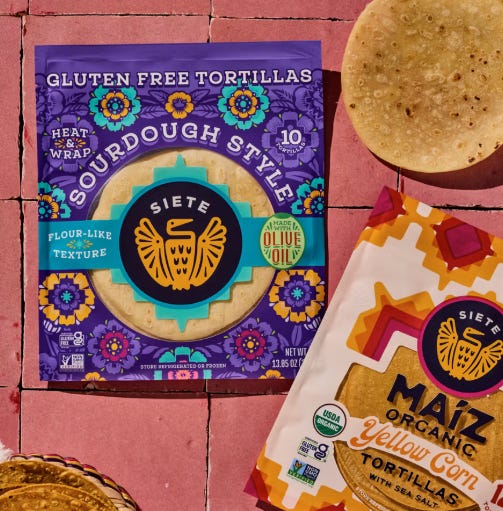
Siete is the one that’s a little further afield, and maybe the most personal to me as someone whose whole platform is built around food. Veronica Garza was diagnosed with autoimmune conditions as a young woman and found herself cut off from the foods that connected her to her heritage, so she reverse-engineered a grain-free, almond-flour tortilla so she could eat tacos and enchiladas again. From a single tortilla sold out of a CrossFit gym, the Garza family—all seven of them, which is where siete comes from—built a brand that PepsiCo acquired for $1.2 billion. But the number isn’t the lesson. The lesson is that they made better-for-you food feel like joy rather than restriction—vibrant, nostalgic, rooted in culture, something you’d want at the table whether or not you “needed” it. That refusal to let healthy mean joyless is something I think about constantly, in food and in beauty alike.

Looking at the list now, the common thread is obvious: every one of these brands was built by someone who started with a genuine problem and an unreasonable amount of conviction, and who refused to choose between rigor and beauty, between efficacy and delight, between substance and a world worth belonging to. That’s the standard I hold us to. It’s why we obsess over formulas that perform and feel like a treat, why we built a brand world we’d actually want to live inside, why we aim to keep the people who buy from us close enough to shape what comes next.
None of this is built alone, and none of it is built without studying the people who came before. I’m endlessly grateful to the founders above for the lessons (most of whom have no idea they were giving me a class) and I’m even more excited for all of you to take part in what we’re about to launch.
More soon.
Comments
Nothing yet. Say the first thing.
Sign in to join the conversation.