2026, oh là là
In his “Time of Indifference”, Alberto Moravia describes a society not undone by dramatic evil, but by emotional withdrawal.

Journey to the East is a 10,756 km ride from Amsterdam to Shanghai, tracing history, culture, nature, and human connection along the Silk Road. The road shaped the story—now, the story finds a new path. Subscribe and join the journey for peace.
Live Last read · last published · next check
In his “Time of Indifference”, Alberto Moravia describes a society not undone by dramatic evil, but by emotional withdrawal.
From Greek tragedy to modern cinema, one scene returns again and again: a villain holds an innocent hostage, the heroes raise their weapons, and someone shouts, “Don’t shoot—you’ll hit the innocent!” Euripides staged it with threatened children, Shakespeare with captive princes, and Hollywood with bank robbers and police snipers.
These days, I’m anxiously waiting for signs of life from the new friends I made last year while traversing Iran by bicycle on my way along the Silk Road to China.
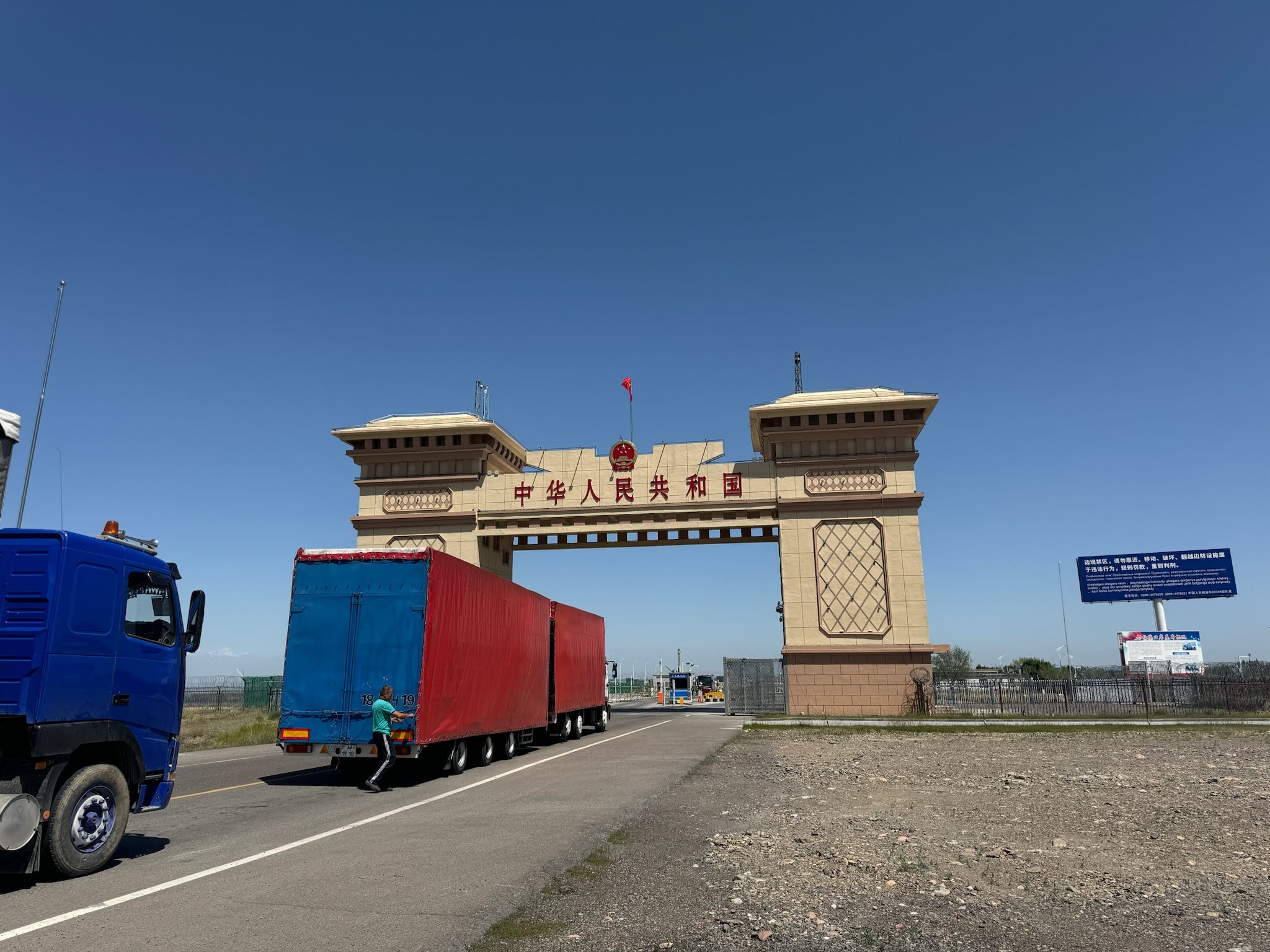
On May 10 at noon, three months and nine days after my departure from Amsterdam, I reached the border of China.
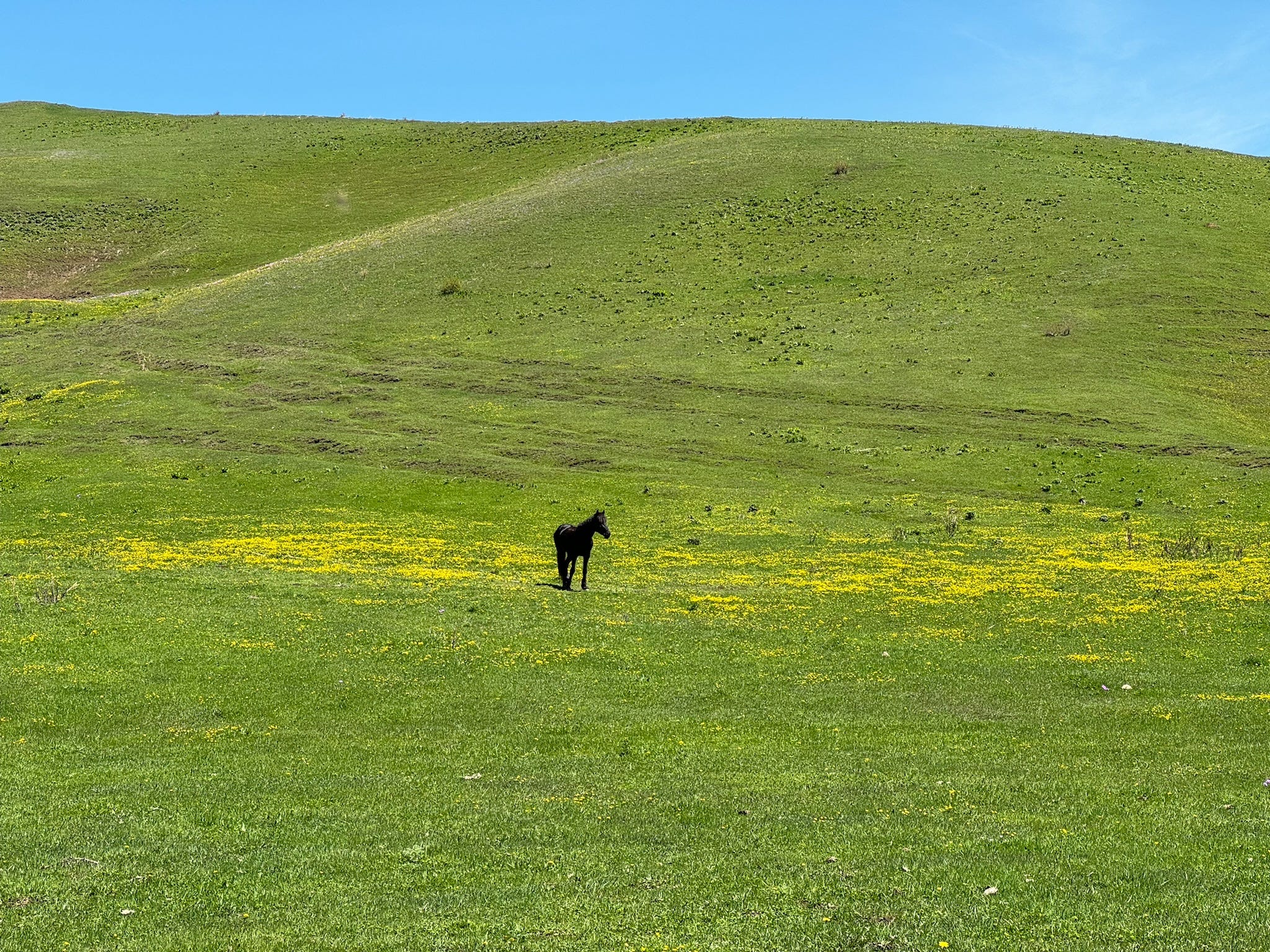
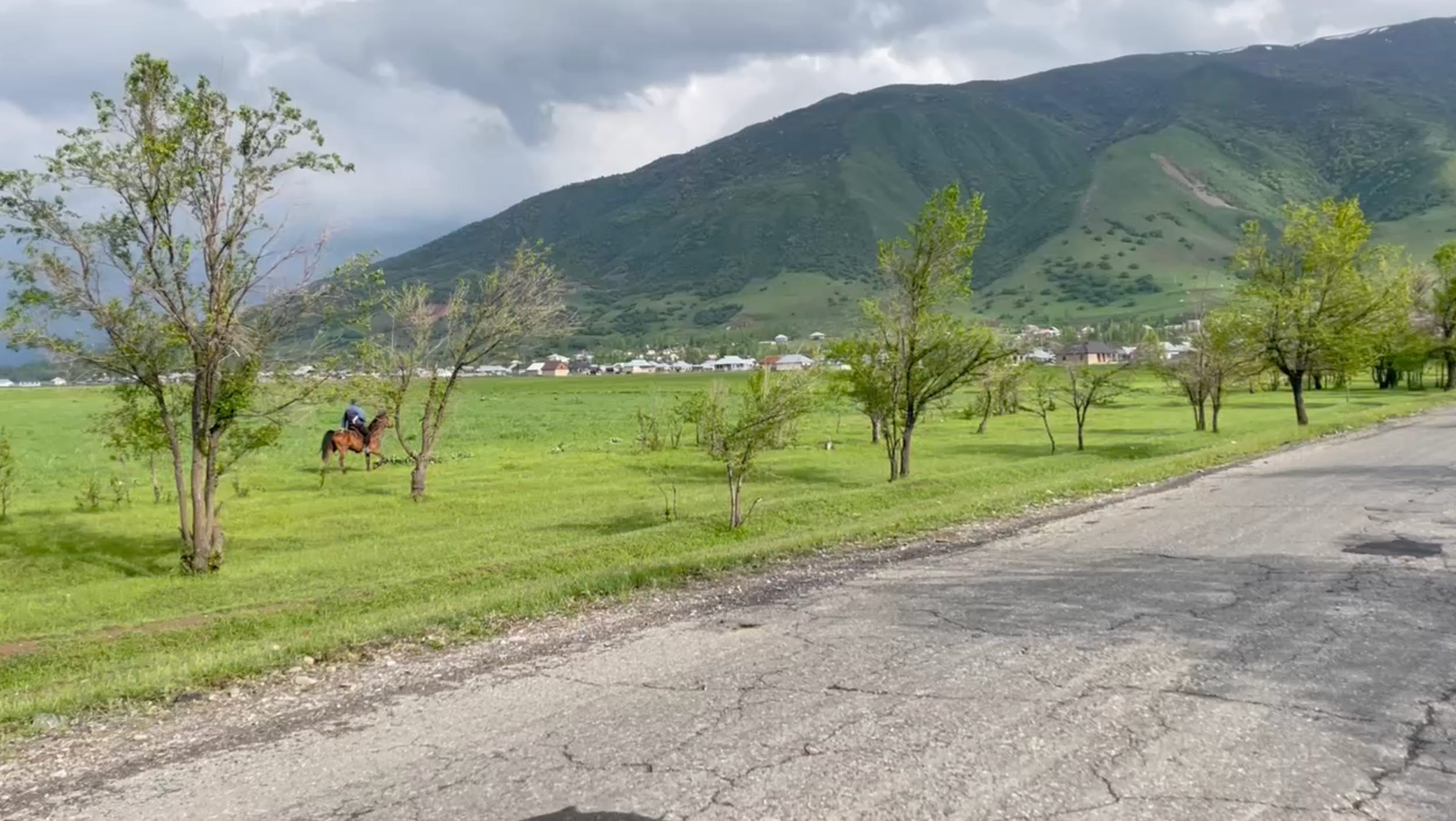
Heading for Kazakhstan, the day I left Kyrgyzstan became one of the most awe-inspiring, driven by the sheer power of nature.
When I departed Jalal-Abad, I was prepared for a tough day of continuous climbing.
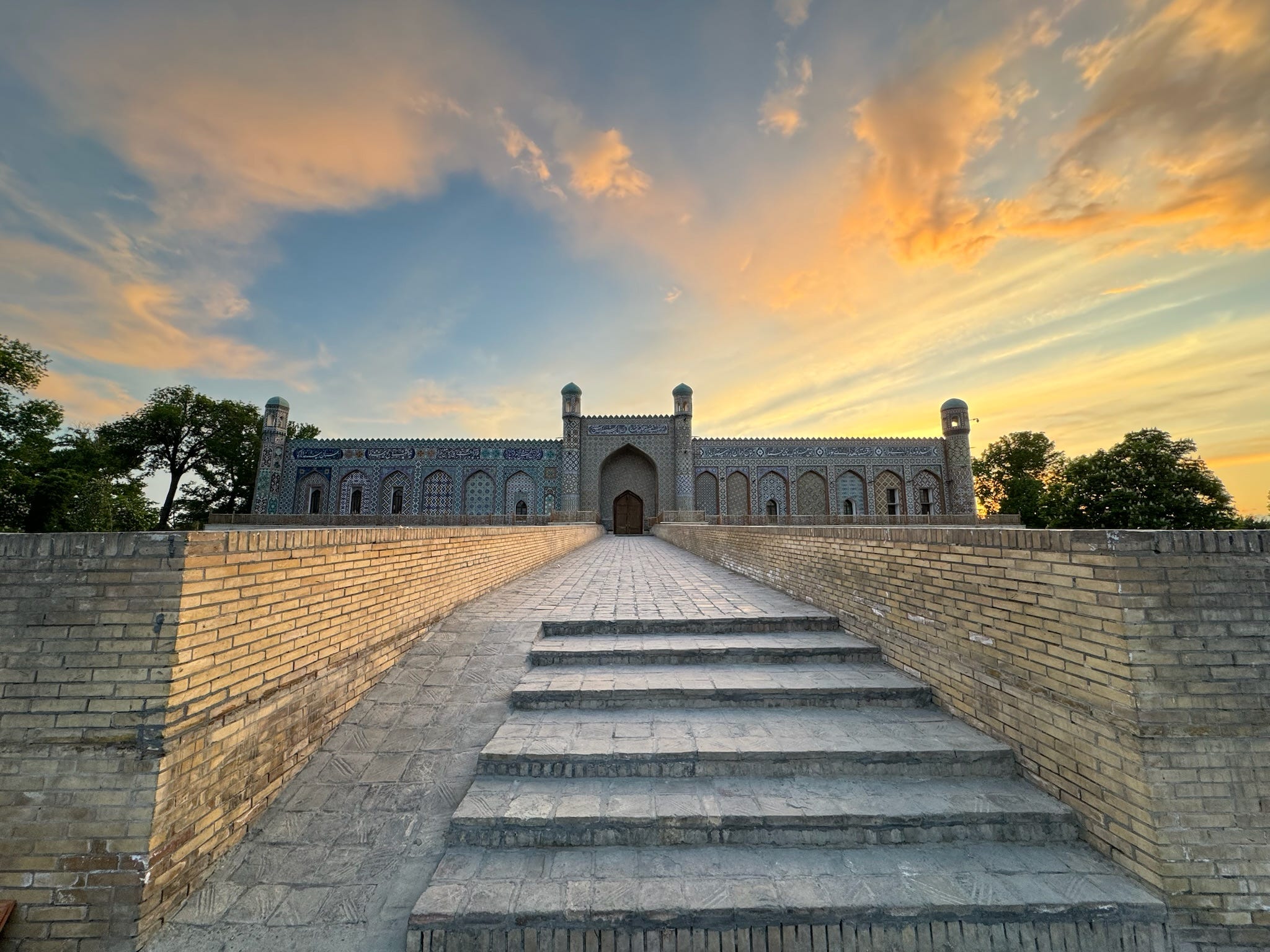
I stayed for a night in the city of Kokand, deep in the Fergana Valley.
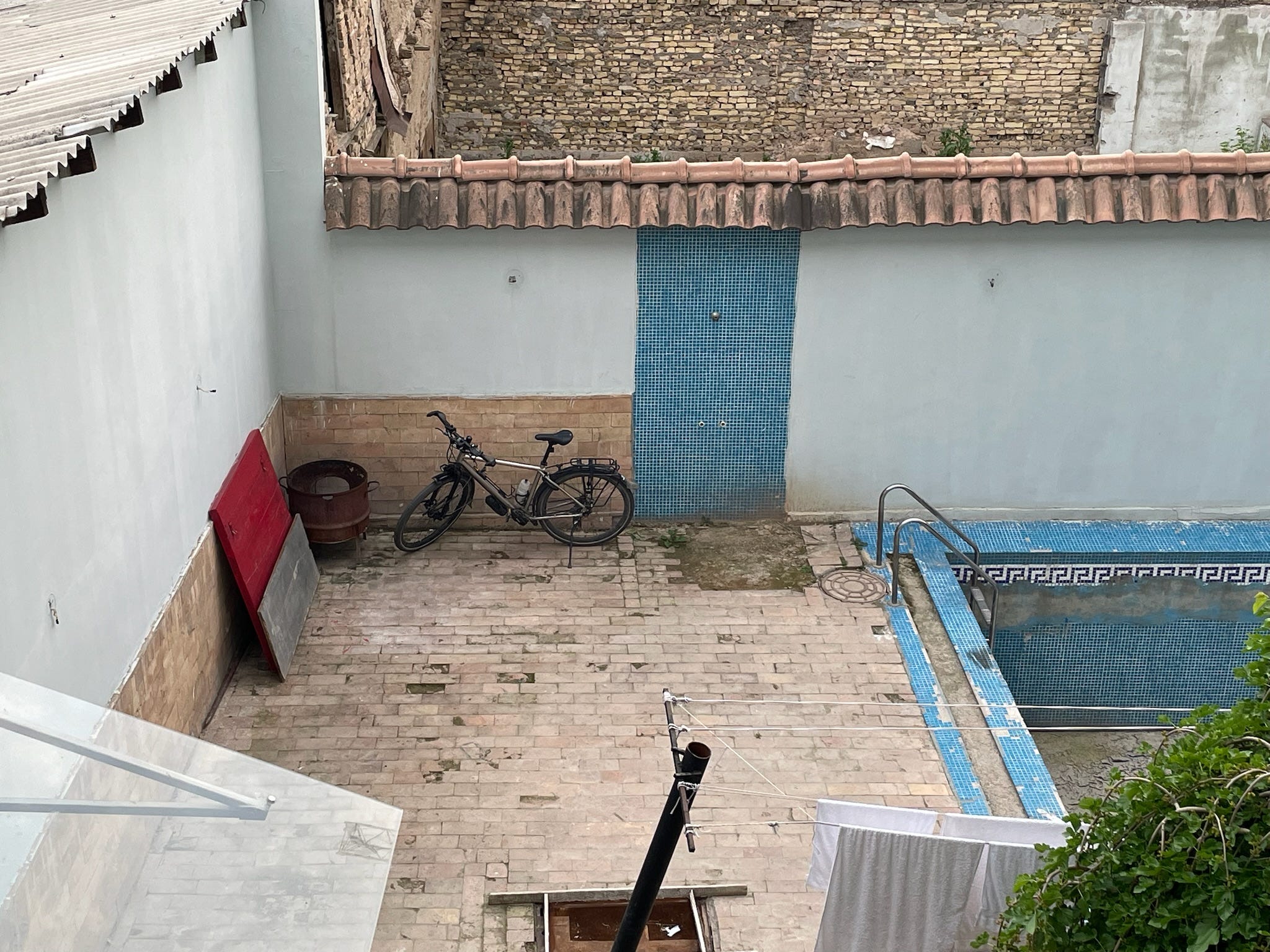
I needed to stay in Tashkent for several days, waiting for news about my bicycle, which had gotten stuck in Dubai after the biggest rainstorm of the century.
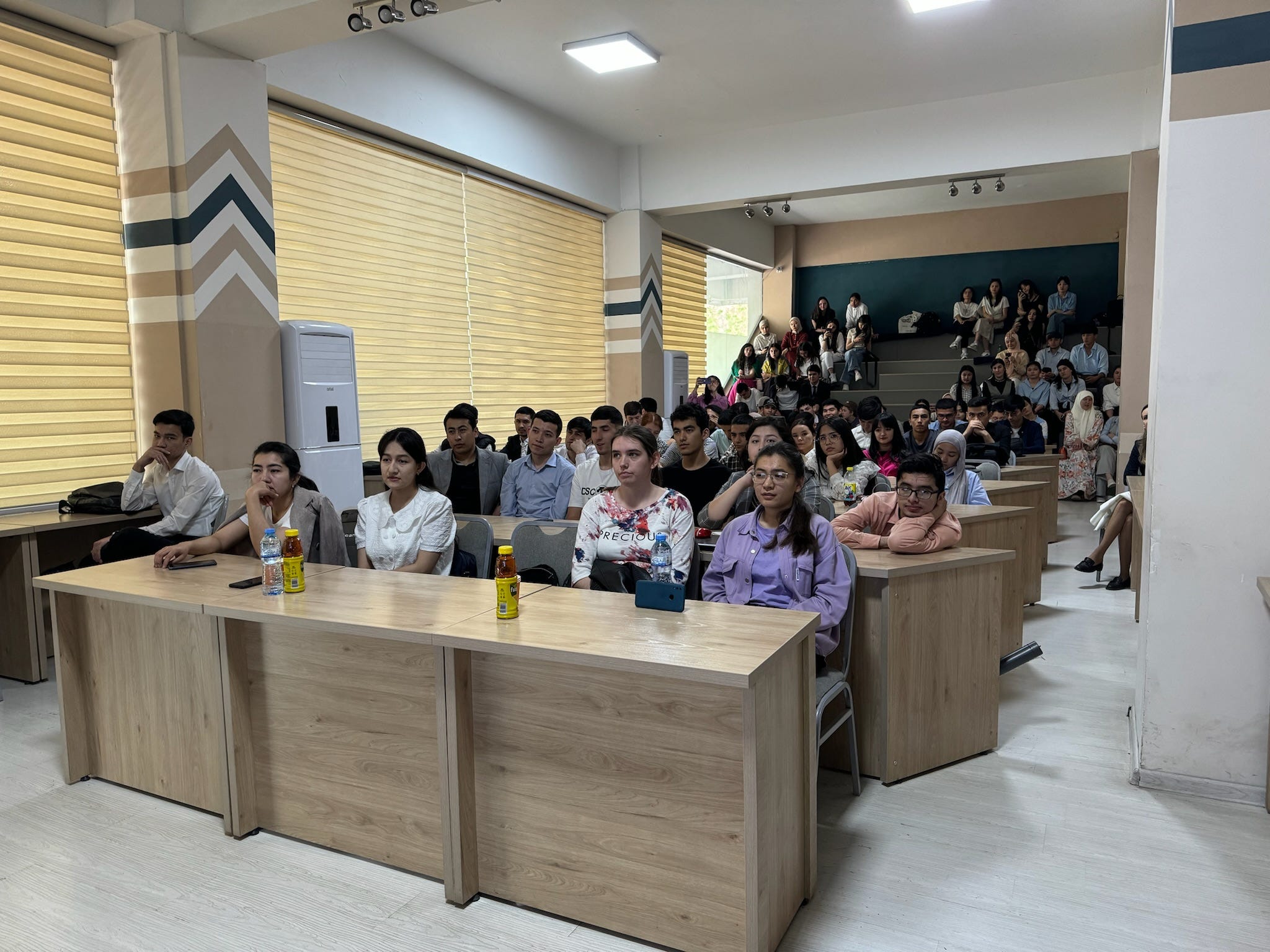
I have given last-minute lectures at architecture schools for many years, and I never know what makes an audience turn out to be successful.
The day I entered Iran at the town of Bazargan, I defied about half a century of negative sentiment about the country—or at least the dominant bias during my life so far.