
This is a pretty contentious topic, so I want to start by saying this is a personal essay about my personal experience with, and relationship to, Botox. I don’t believe getting Botox is bad or wrong, but I do believe we need more stories from women who have decided not to get it or who have stopped getting it.
It’s been three years since I last paralysed the muscles in my face. I was 38 when I decided to stop getting Botox (I’m 41 now) and I started at 28. I got injections anywhere from one to three times a year for 10 years.
I’ve written about this before, but the first time I got Botox was a few months before my wedding and at the time, I was working as a beauty editor. Preventative anti-aging was big and Botox was just beginning to enter the mainstream beauty conversation.
If you follow editors, influencers or creators on social media, you’ll know one of the biggest perks is free stuff in exchange for sharing the product, treatment or experience with your audience.
Back in 2013, this meant trialling treatments and products in exchange for an article or mention on the women’s lifestyle website I was writing for at the time.
I’ll never forget laying down on the treatment bed that very first time. The injector gave me a giant frozen hand — a plastic glove that had been filled with water and frozen — to place on my face and numb the areas the needle was soon to penetrate. There was no consultation about how many units she recommended for me being so close to my wedding, or even what type of botulinum toxin she would be using (Botox is just one of many brands). I simply numbed my face with the frozen hand and off she went on an injecting spree.
I hold a lot of grace for younger me — the one surfing the magical beauty editor wave who didn’t want to seem ungrateful by speaking up.
As you can probably guess, I couldn’t move my face on my wedding day. I was completely frozen. Like many brides, I cried walking down the aisle but you wouldn’t have known it because I couldn’t express any emotion. I find looking at the photos tricky for this reason.
Here’s the part where I tell you even though I didn’t like not being able to express emotion on my face on my wedding day, I did like not being able to express emotion on my face on a regular day. I also liked how high my brows sat, how wide-open my eyes looked and how Botox seemed to give me glass-looking skin.
That was until three years ago when I started to feel trapped inside my own body. Encased. I can’t describe it to you any other way. I was alive on the inside — a rich tapestry of emotion — but lifeless on the outside. The stillness and control I had once loved had started to feel like a prison. My little girl was also a huge factor because I couldn’t make a lot of the expressions that were important to her development and our emotional bond.
It was around this time that I realised I was telling myself and everyone else a lie. I told anyone who would listen that for me, Botox was an act of self care. Yes it was expensive, yes it was medically unnecessary (not true for everyone) but it made me feel confident. It was something I was doing for me.
The truth is that for me, Botox was actually an act of self abandonment. I wasn’t getting it because it made me feel good, I was getting it because I couldn’t accept what I saw when I looked in the mirror.
Every time I lay down on the bed to get injected I wasn’t empowering myself, I was rejecting myself. My main goal was looking perfect in selfies and videos and we have to talk about this because no other generation has had to — or chosen to — look at themselves as much as we do. No other generation has had to receive and perceive themselves in the way that we have. It’s not normal and it’s not healthy to see yourself from every angle. We’re supposed to imagine what we look like, not know the ins and outs of which side to stand on, where to strategically place our arm or how high to lift our chin.
For me, I realised I was complying with a beauty standard that tells women youth is beautiful and aging is ugly. And that if we surrender to the aging process, we are also surrendering our relevance in the world because our relevance is tied to our desirability. Patriarchy has made it super clear that aging women aren’t desirable and therefore aren’t relevant, and so I think I was gripping onto youth as a kind of survival strategy.
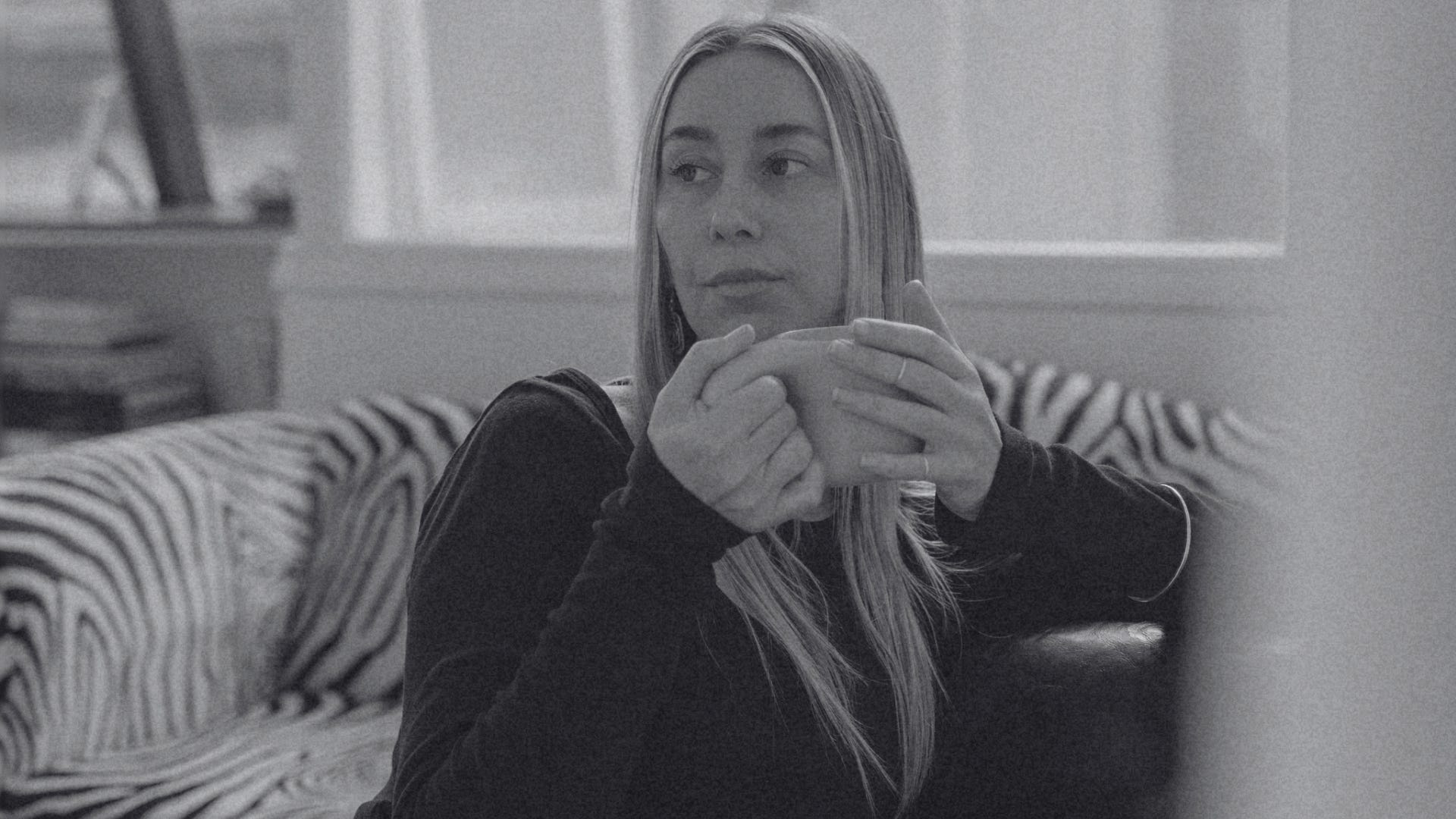
This is an important word for me and it’s where I find myself today, three years on from my last injecting session.
I now bow down to the natural expressions my face wants to make after 10 years of allowing someone else to decide what parts should move and what parts shouldn’t. Reclaiming movement has meant re-learning that it’s safe for me to be perceived as looking “angry” when my brow is furrowed from being deep in interesting work or a compelling thought.
The lines around my eyes are now evidence of all the times I’ve smiled with joy or winced from pain. Childbirth, losing my mum at the same time I became one — these experiences live on my face now and that feels right to me because these experiences have shaped the woman I am today.
Overall I am surprised I don’t hate my natural face and this is why I wanted to write this essay, for any other woman who might be reconsidering her relationship with aging and injectables.
My biggest fear was that I’d have to learn to love myself again but that couldn’t have been further from the truth. When I look in the mirror I see me, Alison, and I feel radiant and alive. I look older and wiser, more grounded and unique. My face can say things words can’t. I am also experiencing a level of relaxation and overall softness I couldn’t access when my face was frozen in time and place, and people tell me I look more beautiful than I ever have before.
Acceptance is a state of consciousness. I’ve accepted myself fully and where I’m at in my journey in this body — entering my wise woman years.
Alison xo
Know someone thinking about giving up Botox? Share this personal essay with them.
Comments
Nothing yet. Say the first thing.
Sign in to join the conversation.