
I know it’s easy to get caught up in the headlines, the dread and the rage, even despair, it gets a lot of clicks. But! But, but, but a lot of interesting, hopeful, positive things are happening too. Let’s look at some of those shall we? Maybe bit a dash of optimism into your day to keep the gloom away.
This edition of Now and Ten is all about three genuinely encouraging developments from the last few weeks/months that have nothing to do with the latest AI model or geopolitical tension. One in space, one in energy, and one in how we’re quietly reshaping how we live and work.
Let’s dive in.
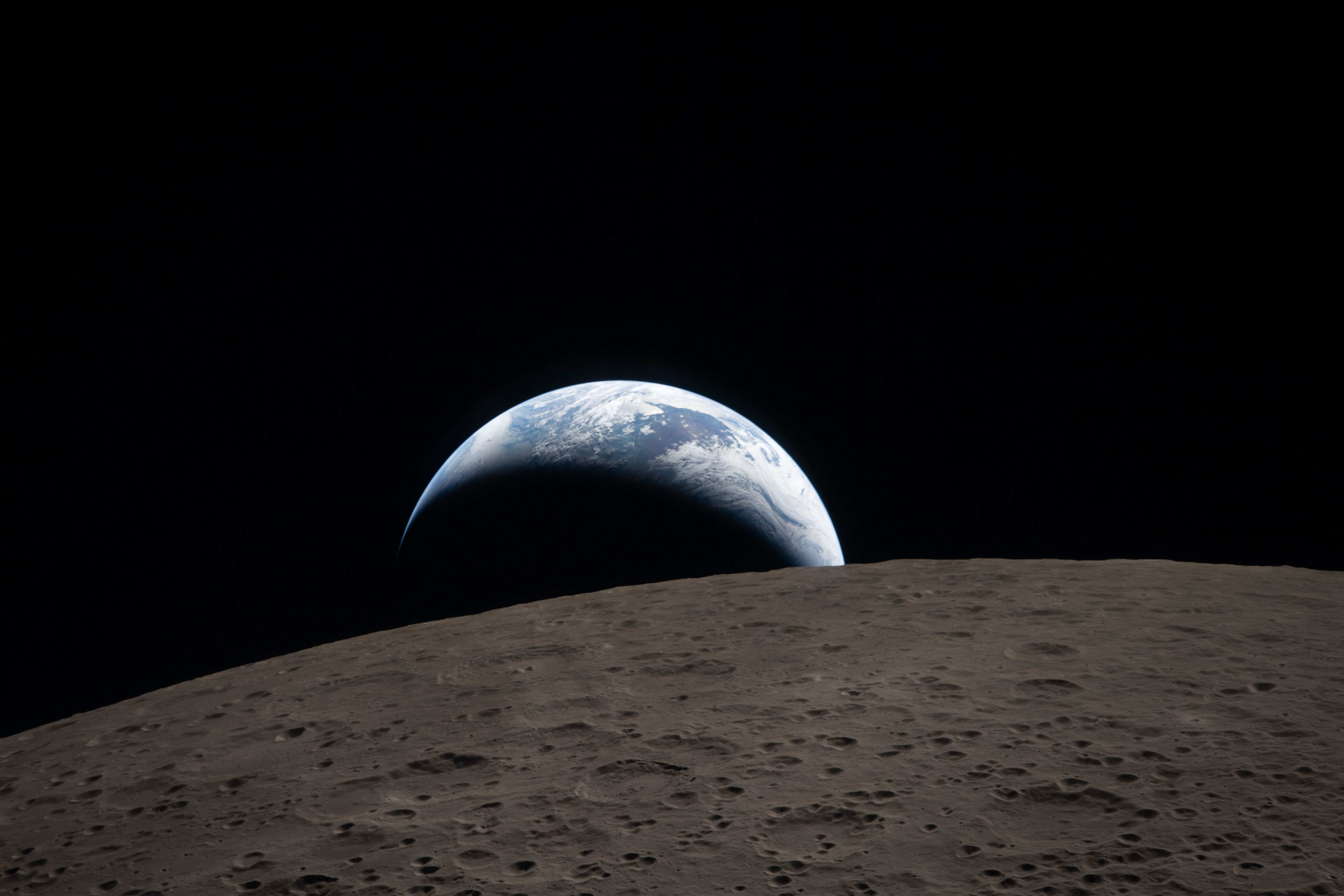
It’s been a while since humans journeyed towards the moon, but after more than half a century, NASA and its partners successfully flew four astronauts around the Moon and back. Artemis II launched on April 1st and splashed down 10 days later back on earth. The crew tested Orion in deep space, captured stunning images, broke the Apollo 13 distance record, and proved that the hardware for sustained lunar exploration is coming together.
It’s a concrete step toward building a real presence on and around the Moon and makes our reach for the stars and becoming a multi-planetary species a little less like science-fiction.
NASA official mission page: https://www.nasa.gov/mission/artemis-ii/
If you’re enjoying Now and Ten, consider sharing it with a fellow futurist-nerd.
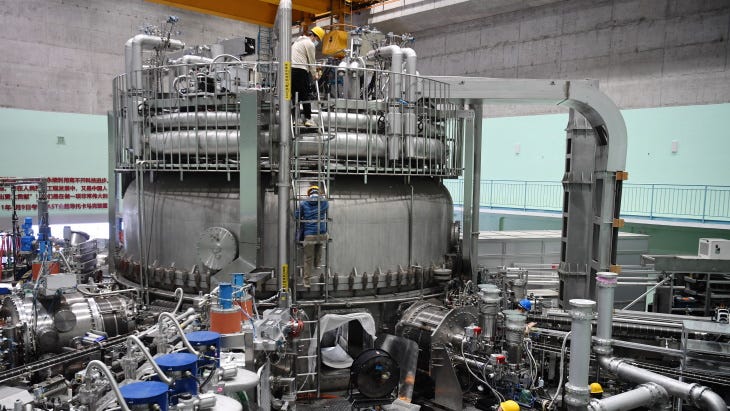
Nuclear fusion continues its slow-but-steady march out of the “always 30 years away” zone.
In January 2026, China’s EAST tokamak (“Artificial Sun”) achieved something significant: it operated stably at plasma densities 1.3 to 1.65 times the long-standing Greenwald limit, a boundary that was supposed to be extremely difficult to exceed without destabilizing the plasma. Another step forward.
On the commercial side, Commonwealth Fusion Systems is making solid hardware progress toward SPARC achieving net energy gain (Q>1) in 2027, with plans already forming for the first commercial plants shortly after.
These aren’t overnight miracles, but they’re the kind of deep-tech advances that compound over a decade and could give us abundant, clean power … which would change everything for the better..
World Nuclear News on the EAST breakthrough: https://www.world-nuclear-news.org/articles/chinese-tokamak-achieves-progress-in-high-density-operation
Commonwealth Fusion Systems SPARC page: https://cfs.energy/technology/sparc/
On the societal side, the post-pandemic experiment with remote and hybrid work has settled into a new equilibrium, and the data suggests it’s working better than many thought.
According to Gallup’s latest tracking, among remote-capable jobs in the US, roughly 52% of people are now in hybrid arrangements, 26% fully remote, and only 22% fully on-site. More interestingly, both hybrid and fully remote workers are reporting noticeably higher life satisfaction scores than their fully on-site counterparts.
It’s not the radical “everyone works from Bali” future that I predicted some years back, but real advancement for remote work.
I’m a huge proponent of more acceptance of remote work in general, even if it doesn’t make sense for everyone, every company, or even every phase of your life. It’s a great solution for a lot of companies and people, especially families. As I write this blog post, both of my kids are home sick with some sort of flu. Thanks to remote work, that doesn’t affect my ability to keep getting things done (albeit at slightly reduced effectiveness).
This feels like one of those quiet social, technological shifts that will keep shaping culture and geography well into the 2030s and beyond….. Maybe we’ll even work office jobs from the moon in the future!
Gallup Hybrid Work Indicator: https://www.gallup.com/401384/indicator-hybrid-work.aspx
The Artemis mission went by with little headlines, no one reads about the minor improvements in fusion, or quiet acceptance of remote, but these are the advancements that will shape the coming decade just as much as AI, the middle eastern conflicts, or immigration concerns. I remain ever optimistic!
In a decade full of big unknowns, these kinds of foundational wins matter. They remind us that steady engineering, smart experimentation, and cultural adaptation are still moving humanity toward a better future.
What do you think? Do any of these developments surprise you, or spark bigger questions about your life now, or in the next 10 years? Comment!
No posts
Comments
Nothing yet. Say the first thing.
Sign in to join the conversation.