
Hi friends,
I hope you’re having a beautiful day.
Can I ask you something?
When you sit down to write, on your novel, an essay, even a Substack post, what are you trying to do on that first attempt?
If the answer is anything close to get it right, let’s have a chat.
I spent years trying to do just that. Sitting down, writing a sentence, hating it, deleting it, trying again, hating that one too. Opening a document, staring at it, opening a new one (because it’s so different in another document).
Spending forty-five minutes on a first paragraph and then closing the laptop because none of it was good enough. Wondering why writing felt so hard when I had so many things I wanted to say.
It took me an embarrassingly long time to figure out what was actually wrong.
I was trying to do two things at once. And your brain cannot do two things at once.
And if you’ve been here before, you know that here we like to keep things practical. So everything I’m about go go through, is not a Pinterest picturesk essay - here we dive into resrarch and things that you can apply to your own set up.
Let’s talk about it.
If you haven’t seen me before, HELLO! I’m so excited to e-meet you.
I’m Elin, passionate about everything storytelling. With a degree in journalism and BA film, here we unpack the story behind our favourite films and books and deep dive into how we can write our own.
Is that your vibe? Let’s be friends x
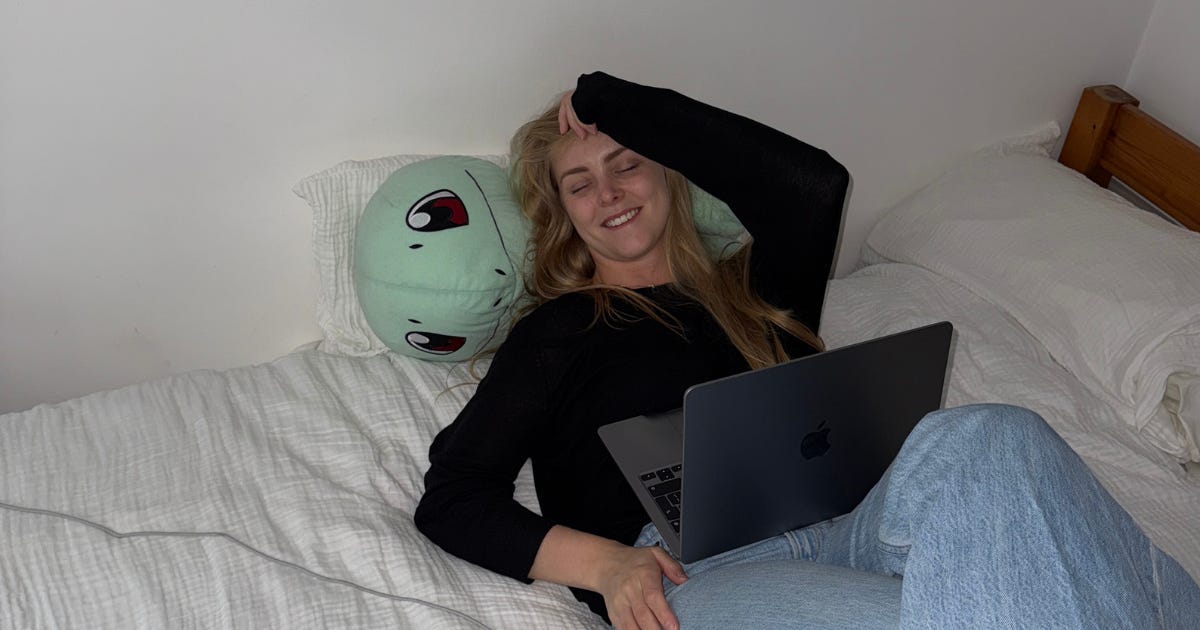
Anyone who knows the pokemon in this photo get’s extra points x
Your brain uses two different “networks” when it comes to creative work.
The first is the Default Mode Network, this is the part that generates ideas, wanders, brainstorms and fantasise.
So when you’re in the shower and suddenly get a scene in your head, this is the one that’s activate.
The second is the Executive Control Network, that evaluates, organises, and judges.
Both are helpful, but as you can see when you’re reading this, they’re both doing quite different things which in a way contradicts one another.
When you try to create and evaluate at the same time, think of it like you’re asking your brain to run both modes simultaneously, and what tends to happen is the evaluative one wins. It shuts the generative one down.
The inner critic is faster than the creative impulse. And if you let it in during the first draft, it will eat the whole thing.
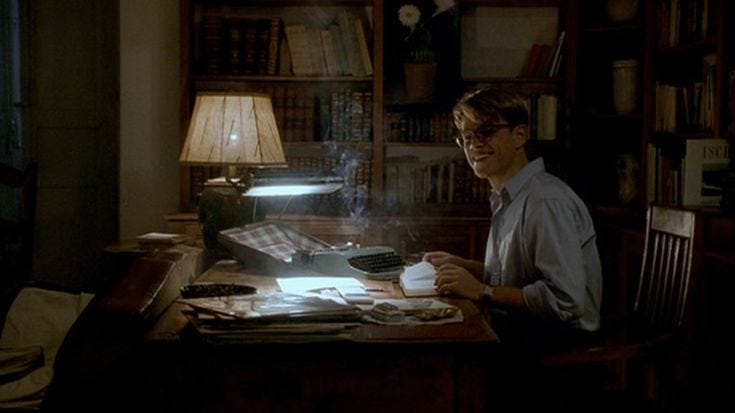
Anne Lamott has a chapter in her book Bird by Bird called “Shitty First Drafts.” It is, genuinely, some of the most useful writing advice I have ever read.
“ll good writers write terrible first drafts.” Seeing it as a non-negotiable part of the process. The good second draft and the great third draft only exist because someone was willing to write the bad first one.
“Almost all good writing begins with terrible first efforts,” she writes. “You need to start somewhere.”
It is supposed to be a mess. The first draft is not the writing. It is your ideas and thinking that the story comes from.
I think “give yourself permission to write badly” is advice that sounds good but it’s hard to actually do.. So here are some ideas on what it could mean in practise.
Write like you’re texting a friend. Ugly sentences, spelling errors, placeholder words, brackets where you’ll fill something in later.
Don’t read it back while you’re writing it. The moment you scroll up and start rereading, your inner critic arrives. Keep moving forward. You can read it when it’s done.
Leave yourself notes in brackets. Something like [figure out transition here] or [need better example] or [this paragraph is terrible but keep going]. You can fix it later.
Write “bad draft” at the top of the document. Sounds silly but it works.
Set a timer. The time pressure makes the inner editor harder to hear because your hands are just trying to keep up.
Our first bad drafts are often not as bad as you think they’d be, and at the end of the day, it’s more about mindset and thought process.
Some of it is genuinely rough haha. But they so often lead to other thoughts, ideas and directions that I otherwise wouldn’t have had if I hadn’t got anything out at all.
Hemingway supposedly said “the first draft of everything is shit.”
Jodi Picoult put it: “You can always edit a bad page. You can’t edit a blank page.”
Both of them were right. And both of them still had to write the bad pages first.
So do you. So do I. Every time.
Do it for the plot.
I’d love to know. What’s the hardest part of the first draft for you? Tell me in the comments.
All my love, Elin
Join 6K+ writers, readers, and storytellers as we nerd out over our favourite books, films, and shows, break down the storytelling behind them, and help each other become better writers while pursuing our own creative projects.
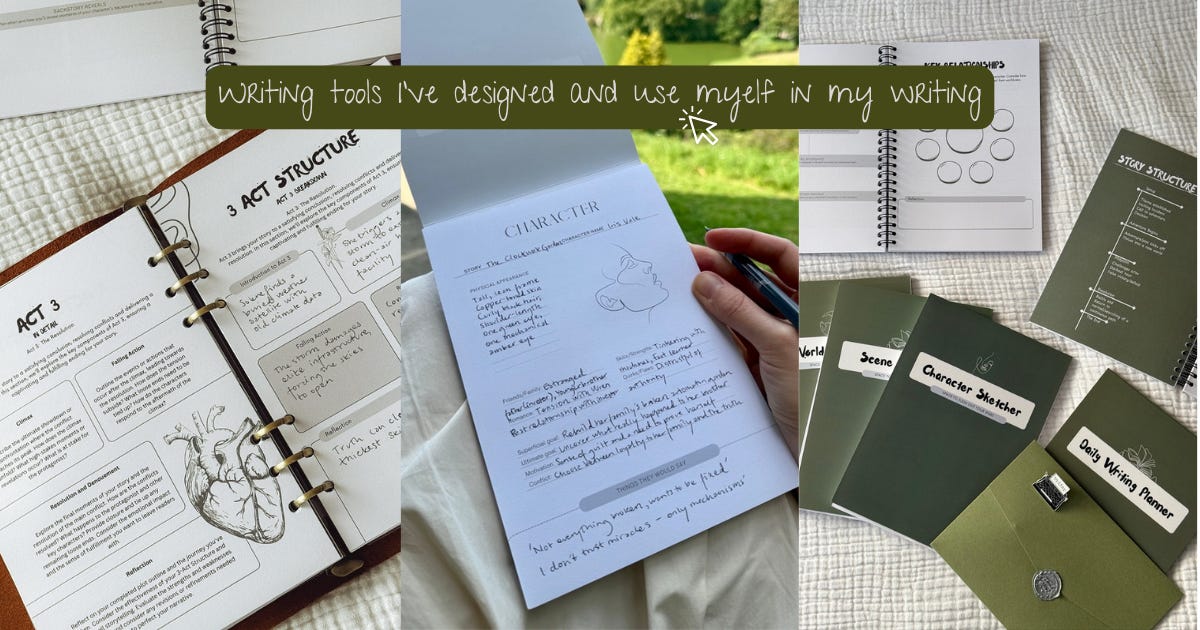
Want to start writing?
I’ve created free digital workbooks, writing tools, and resources based on what has helped me write my novels and what I learned through my journalism degree.
Let’s connect:
💌 Reply to this email, I’d love to hear your thoughts
📱 Come say hi on Instagram
If you enjoyed this essay, feel free to like, comment, or share it so more writers can find this little corner of the internet.
Thanks for reading; I’m so glad you’re here. x
Sources:
No posts
Comments
Nothing yet. Say the first thing.
Sign in to join the conversation.