
Manchester United have adopted a pragmatic stance on Jadon Sancho, accepting that a full fee recovery is unrealistic and moving toward a sale at a reduced price. The shift opens the door for a swift resolution next window, with Borussia Dortmund placed to lead the race after his successful loan spell. United’s priority is clarity: a clean exit, wage relief, and smart add-ons to protect future upside. Interest from Germany and Italy is active, and a structured deal—lower base fee plus sell-on—now looks the most likely pathway to end a long, costly impasse.
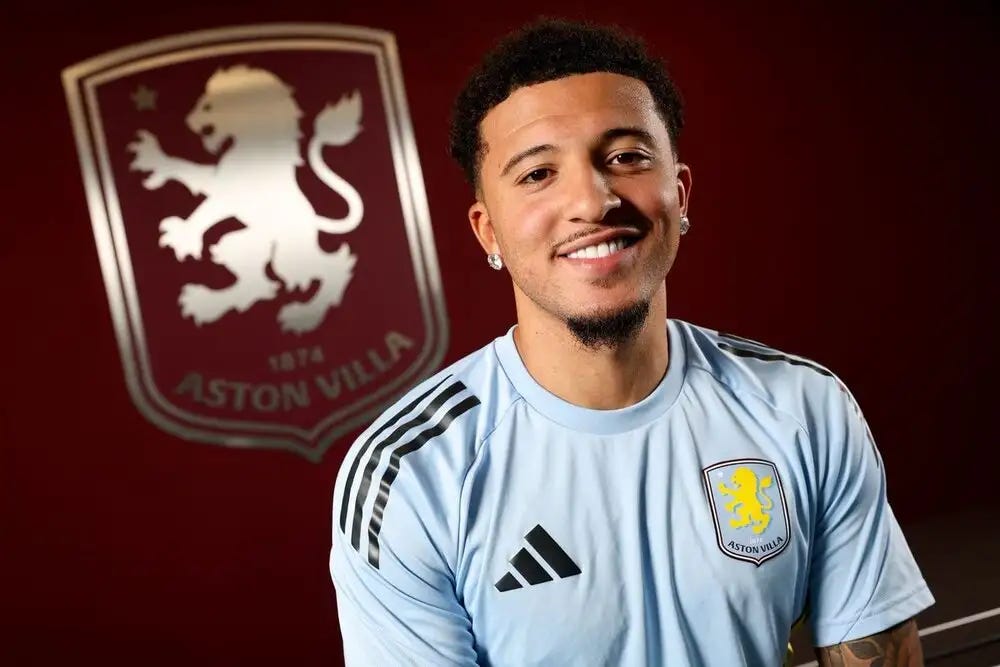
Club briefings indicate United no longer expect to recoup the £70m+ outlay on Jadon Sancho and will entertain realistic proposals featuring lower guaranteed sums and performance-based add-ons. Sancho’s productive stint back at Borussia Dortmund last season revived his market, especially in the Bundesliga and parts of Serie A. Financial compliance, squad planning under the current coaching setup, and wage optimization are driving the decision. Conversations with intermediaries point to Dortmund maintaining strong interest, while other European suitors have sounded out loan-to-buy structures to manage immediate cash flow.
Impact Analysis
A cut-price Sancho exit would be significant on multiple fronts. For Manchester United, the immediate impact is financial hygiene: removing a high earner from the wage bill and avoiding further amortization pressure strengthens room to maneuver under domestic profitability and sustainability rules. Even if the headline fee is modest, add-ons and a robust sell-on clause can hedge against downside and preserve upside should Sancho rediscover peak levels elsewhere.
Sportingly, a clean resolution clarifies squad roles and recruitment priorities. United can reallocate minutes and budget toward a right-sided creator who fits the current manager’s pressing shape and transitional tempo. It also reduces the ambient noise around disciplinary history and selection politics, stabilizing the dressing room dynamic.
For Borussia Dortmund, Sancho is a tactical plug-and-play. Operating as an inverted winger or narrow playmaker, he thrives in half-space combinations, third-man runs, and quick rotations—patterns Nuri Sahin’s 4-2-3-1/4-3-3 encourages. A favorable fee allows Dortmund to reinvest in finishing and depth while restoring a player already integrated with the club’s demands. In Serie A, clubs seeking controlled-possession entries would value his ball security and chance creation from zone 14.
Reaction
Fan sentiment is polarized and loud. A chorus of United supporters brand the transfer a failure, with some dubbing it the “worst signing” and fixating on the wage burden as the core mistake. There’s visible frustration at the financial reality—accepting a reduced fee—yet also relief that the saga is nearing closure. A few replies debate amortization figures and PSR calculus, speculating that any offer over a low-eight-figure baseline would be a bonus if it removes the salary load.
Others take aim at the source of the report, questioning reliability, while rival fans mock the fee erosion. Amid the noise, a pragmatic thread emerges: the recognition that a structured deal with add-ons and a sell-on is sensible business in 2025’s market. An official club post about kits was cheekily dropped into the discourse, drawing jokes that the commercial narrative continues while the footballing clean-up happens in the background. Overall, the online mood swings between catharsis and cynicism, but the majority appear ready to turn the page.
PredictionExpect United to prioritize a permanent transfer with a lower base fee (£20–30m range is plausible market logic) plus add-ons tied to appearances, team success, and continental qualification, alongside a 15–25% sell-on clause. Borussia Dortmund will stay at the front of the queue due to system fit, player comfort, and established relationships, likely proposing staggered payments to protect cash flow. If negotiations stall on wages, a loan with a mandatory buy—triggered by appearances or Champions League qualification—offers a compromise.
Serie A clubs could complicate the race with creative structures: initial loan fees, options that turn into obligations at manageable thresholds, and image-rights flexibility. Saudi Pro League enquirers may test the waters with higher guaranteed money, but the player’s European preference historically narrows the funnel. Timeline-wise, early-window movement benefits all parties: United lock in PSR clarity; the buying club integrates Sancho for the run-in; the player gets a reset without a protracted standoff.
ConclusionThis is the right move at the right time. United cutting through sunk-cost psychology signals a mature recruitment reset: bank the wage relief, protect the downside with smart clauses, and move decisively for profiles that suit the manager’s game model. For Sancho, a return to an environment that amplifies his strengths—tight-space craft, combination play, and calm final-third decisions—maximizes the chance of a revival without the magnifying glass of Old Trafford.
All signs point toward an amicable, structured exit rather than brinkmanship. Dortmund’s continuity edge is hard to overlook, while Serie A presents a viable Plan B. With clear lines now drawn and the market suitably briefed, expect momentum to build quickly once the window opens. The saga that once felt endless finally has a logical, workable endgame—and it’s one that can leave every stakeholder better positioned for the seasons ahead.
No posts
Comments
Nothing yet. Say the first thing.
Sign in to join the conversation.