

“We cling to our tragedy just as tightly as we cling to the things we love most. Airtight explanations for what ails us.”
This is not my first attempt at writing a review for this book. In fact, I’ve tried several times, and to no avail. The reason being, this is simply not an easy book to discuss — I find most memoirs pose this challenge. How can my perspective add to someone else’s extremely deep and personal experience? What right do I have to give my “two cents” on someone else’s life? I knew what this book was about only from the headlines that surrounded it, and what I read online didn’t just scare me, it put me off for a long time. Yet, there is a reason this book has been plastered all over the internet, in trendy lit circles and an ongoing juicy topic of conversation in the weeks since it came out. In the big year 2026, Dunham’s work presents a fascinating issue that is maybe, probably, partially why it has made such an impact: we, as a society, are obsessed with being sick.
How do you define “sickness” in a world where everyone is afflicted with something. How do you make others understand that your experience is legitimate in a culture obsessed with self-diagnosing? How do you show up every day, and live when nobody can see your suffering? When all you want to do is scream? These are questions I often think about and I’m certain are not unique to my personal experience. Do you cry at the movies? You may have a hormonal imbalance. Everyone is a little ADHD right? Those bumps on your arm may be a symptom of MCAS or cancer, or maybe just heat rash. From “wellness” influencers who promote everything from wedding season weight loss teas, to PCOS girl-dinners, we are force-fed the general notion each and every day that we all have something wrong with us. So how do we deal with this? Try a supplement…see a specialist…maybe try puppy yoga! But most importantly? Never forget that your sickness is what distinguishes you. It’s what makes you special. It’s who you are.
“Hollywood’s culture has always been permissive toward everything but human frailty. Cruelty in the name of achievement was considered justified, but stopping in the name of grief or pain or simply fatigue was not.”
Another reason I struggled with this review is because I’ve been wanting write my own think-piece on mental and chronic illness, and my ideas for that kept getting in the way of my thoughts on Famesick. Writing this now, I can say maybe that’s also the point. It is impossible not to see yourself in this work — you may deeply relate to the imperfect chaos Dunham describes, or instead, measure your own completely unique early adulthood experiences against hers. This is not a comfortable read, but it does make you think. About yourself, about your life, your past, future and health. As someone who has struggled with invisible ailments for as long as I can remember (and an ongoing healthcare journey that has still not wielded answers), I found myself drawn to Dunham’s raw and honest account of her medical experiences. Lying in bed feeling too sick to be a functioning person one day, only to appear totally fine the next. Too sick to be excited or hopeful for the future. Too sick to remember to even want to be better.
As someone who has always loved film and TV and has worked in production, I was also drawn to her honest account of working in Hollywood and eventual struggles with fame. While fame is one kind of sickness presented here, it also goes deeper than that. Dunham describes all the things that shaped her career, certain traits that in themselves can become all consuming — idealism, creativity, ambition…dreaming. What do you do when you have so much inside your head and nowhere to put it? What happens to girls in a world that tells them they can be anything only for them to realize, come puberty, how truly absurd that notion is? And what happens when you put everything you have into your work knowing you have something to prove to your support system who have always commented on your potential? To yourself? To the people that gave you a chance when so many don’t get one?
In Famesick, an illustrious Hollywood career is the nail in the coffin for Dunham’s declining health. The reason she got sick, “recovered,” then went back to work only to get sick again and again and again. And yet, while reading this, I wondered if the same outcome would have occurred regardless of the ruthless world of fame and celebrity depicted here. Maybe not in the same way, but there is something to be said about how society in general ignores women’s issues — especially when they have to do with mental and physical health. Dunham felt pressured to return to work because of a voice in her head telling her this was her chance and she better not screw it up. Ignore the pain, power through. This is an internal voice I believe many people possess, and one most girls develop from a very young age.
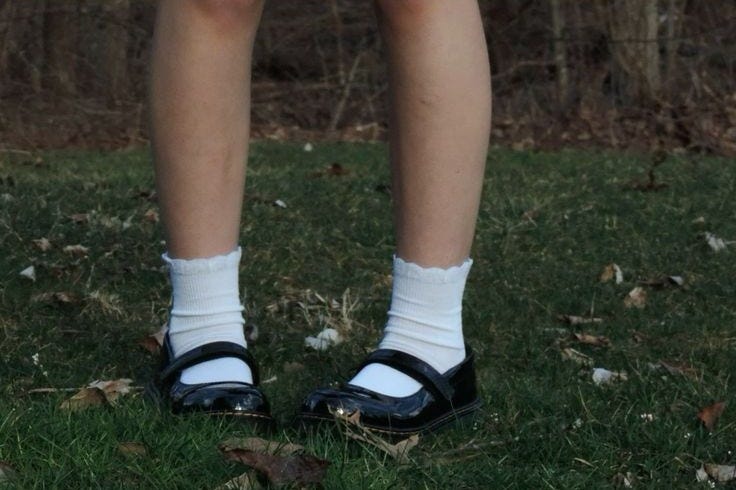
“These girls are overeducated and underemployed”
When Famesick first came out, I was met, like many, with a tirade of headlines and out of context snippets all across my social media feeds. Dunham has always been a controversial figure, popping up every so often with a new taboo issue to be dissected by strangers on the internet. Reading this, I finally feel I know her better that I would having just focused on all the gossip about who she is online. On the other hand, I also feel as though I don’t know her at all and never will. Perhaps she knows herself well, and perhaps — like everyone else on the planet — she will never truly understand herself at all. In essence, my biggest takeaway from Famesick is how much we don’t know about each other. How important it is to encourage compassion and empathy and to just listen. Because, not every sickness is visible and most likely, whoever you encounter is dealing with something. Moreover, how illness, while inextricably linked to aspects of our personal experiences — grief, trauma, pain — does not ultimately define us.
If you made it this far, thank you! Please share your thoughts below <3
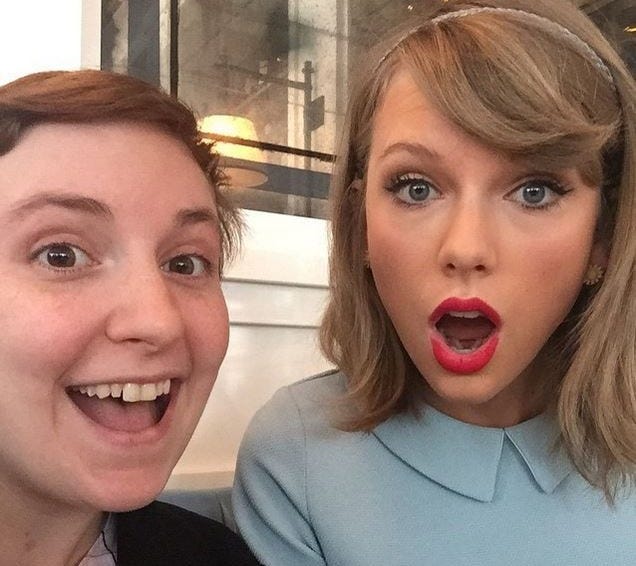
TayTay — you sing the songs I wrote this book to, the stories that pulled these stories out of me, the music that makes the whole world feel seen," writes Dunham in Famesick. "And yet somehow, miraculously, you also pick up every desperate call at every desperate hour.
No posts
Comments
Nothing yet. Say the first thing.
Sign in to join the conversation.