
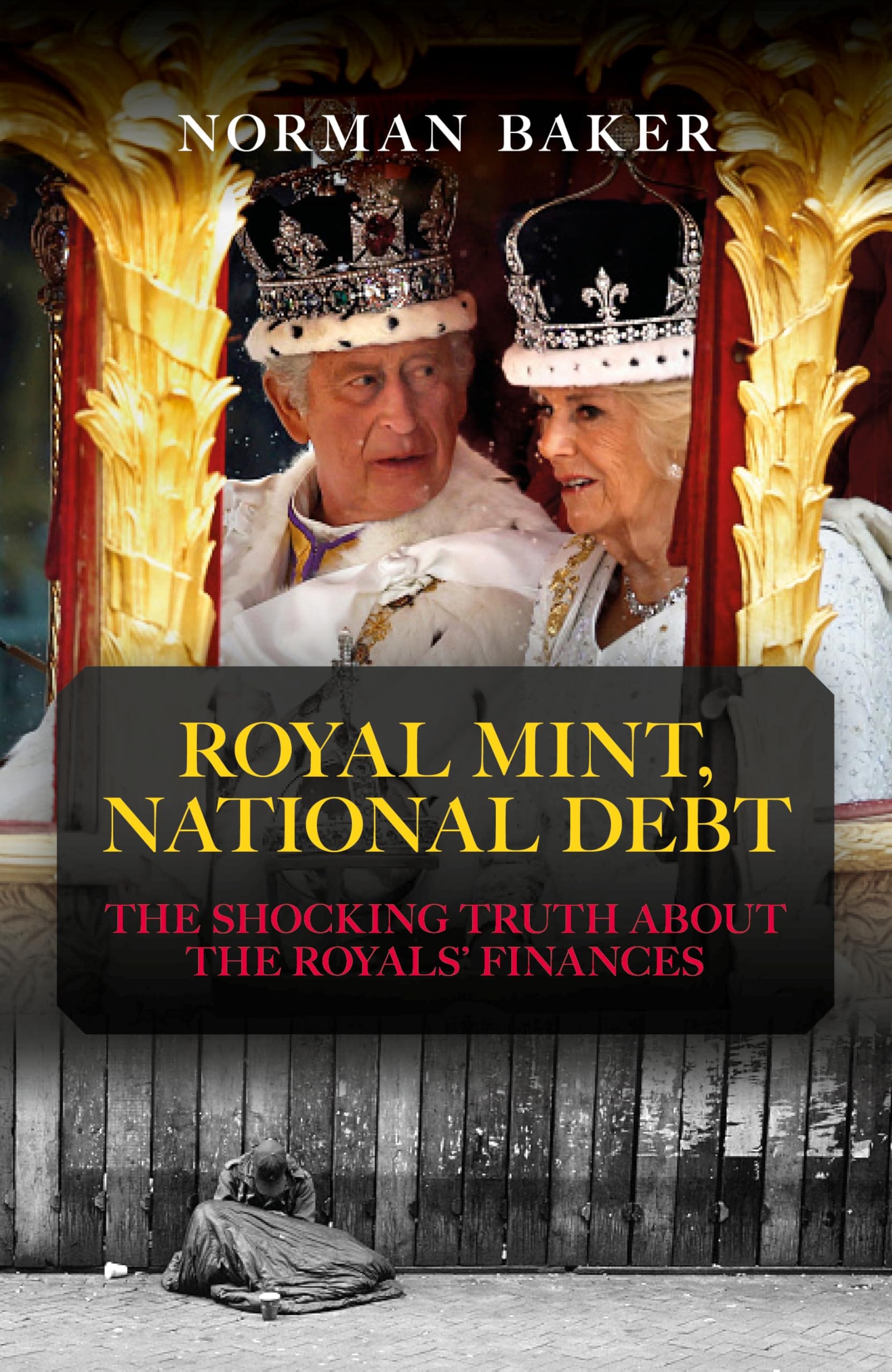
An extract from my book Royal National, National Debt: The shocking truth about the royals’ finances
In 1760, the monarchy was effectively bankrupt. Up to that year, when George III inherited the throne, the monarch had been responsible for meeting the increasing costs of a wide range of public services, including the army and the civil service.
So a deal was reached whereby responsibility for most of these matters was transferred to Parliament and, in order to fund these services, the revenues from royal landholdings in what is now known as the Crown Estate were surrendered to Parliament, so in effect to the public. Henceforth, a Civil List would provide an annual income to the monarch from the public purse to enable royal duties to be carried out. In 1760, this was set at the then generous level of £800,000 a year.
This system lasted largely unchanged in form until 2011, when the Civil List was replaced by the Sovereign Grant. This hugely retrograde step gave the monarch a financial stake in the fortunes of the Crown Estate for the first time since 1760. It is entirely illogical to tie the level of support for the royals to the unconnected fortunes of a public property outfit. There was no more logical justification for this move than benchmarking their income against profits at Tesco.
The key question at the centre of this book is this: how did a bankrupt royal family in 1760 become a fantastically wealthy outfit by 2025, with King Charles alone having amassed a fortune worth at least £1.8 billion?
There is an unattractive combination of reasons: unique exemptions from tax, questionable claims to ownership of large parcels of land, misuse of public money, accumulation privately of valuable gifts that should belong to the state, a willingness to invite and accept large sums of money from dodgy and unpleasant characters and, most of all, an insatiable desire for more and more money direct from the public purse.
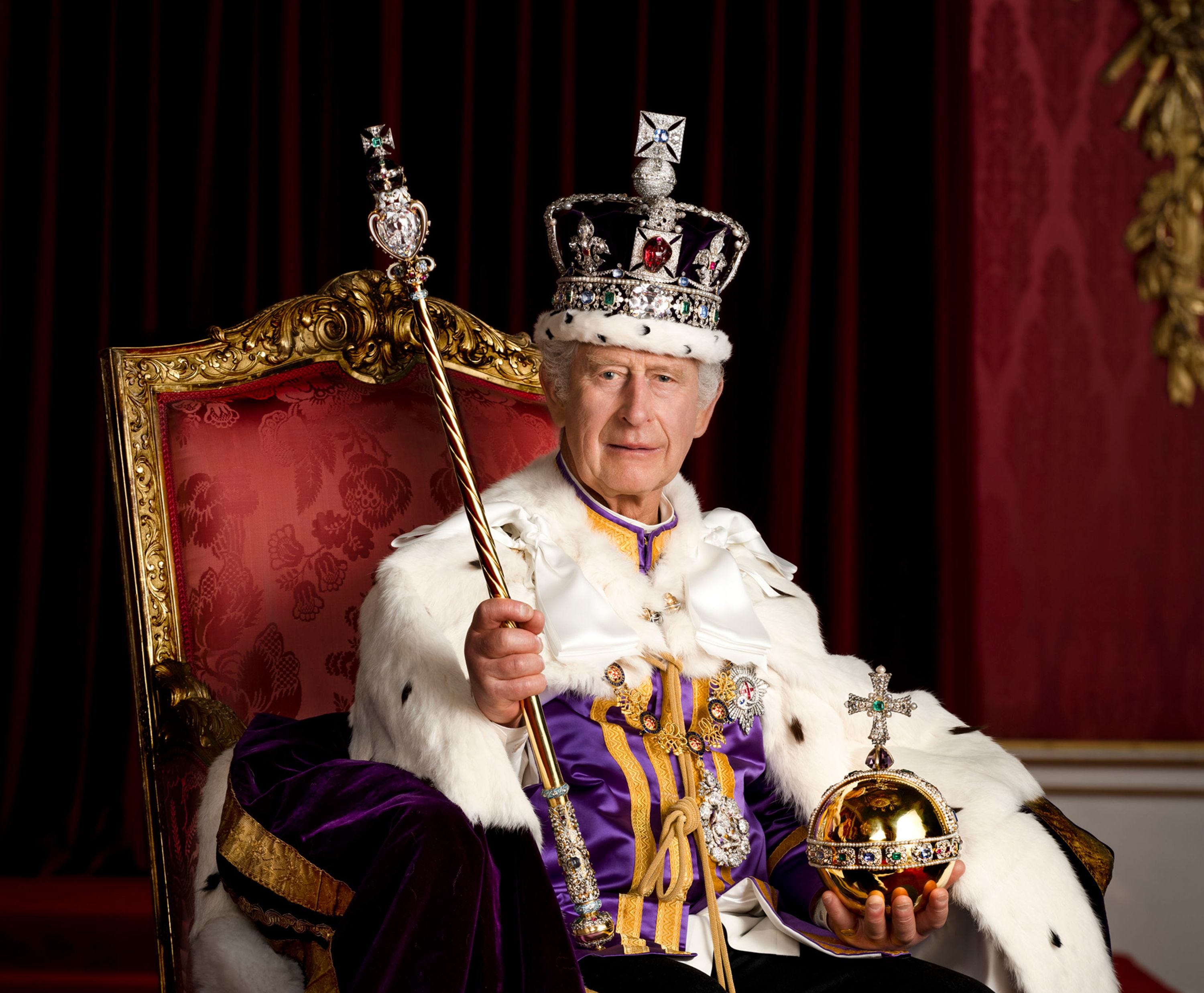
In essence, the consistent driving force, especially since the start of the twentieth century, has been naked royal greed, relentlessly and ruthlessly pushed, taking advantage of the nation’s deference and the unwillingness of governments of all colours to challenge this.
There is a legitimate argument for a monarchy, just as there is for a republic. What there can be no argument for is the unreformed imperial monarchy we uniquely still have, and its enormous and ever-increasing cost to British taxpayers.
The past fifteen years have been hugely advantageous for the royals. The Civil List in 2011, its last year, came in at £7.9 million. The 53 per cent increase applied to its replacement, the Sovereign Grant, in 2025, takes that up to £132.1 million. You do not have to be a republican to think that obscene.
Overall, taking into account the profits from the Duchies and other costs, for example from tax exemptions, the latest estimate puts the annual cost of the monarchy at around £500 million. No other European monarchy comes remotely near this figure. All the others come in at less than £50 million.
Charles has made it known he wants a slimmed-down monarchy, and we do now have a reduced number of working royals. He has also taken steps to increase efficiency and become even more commercial in the way royal properties are run. But the savings are not benefiting the taxpayer. They are simply adding to his personal fortune and that of his heir, William. What we really need is a slimmed-down cost to the public purse, but Charles shows no appetite for delivering that.
Truly we have a royal mint and a national debt.
Get Royal National, National Debt: The shocking truth about the royals’ finances here
No posts
Comments
Nothing yet. Say the first thing.
Sign in to join the conversation.