
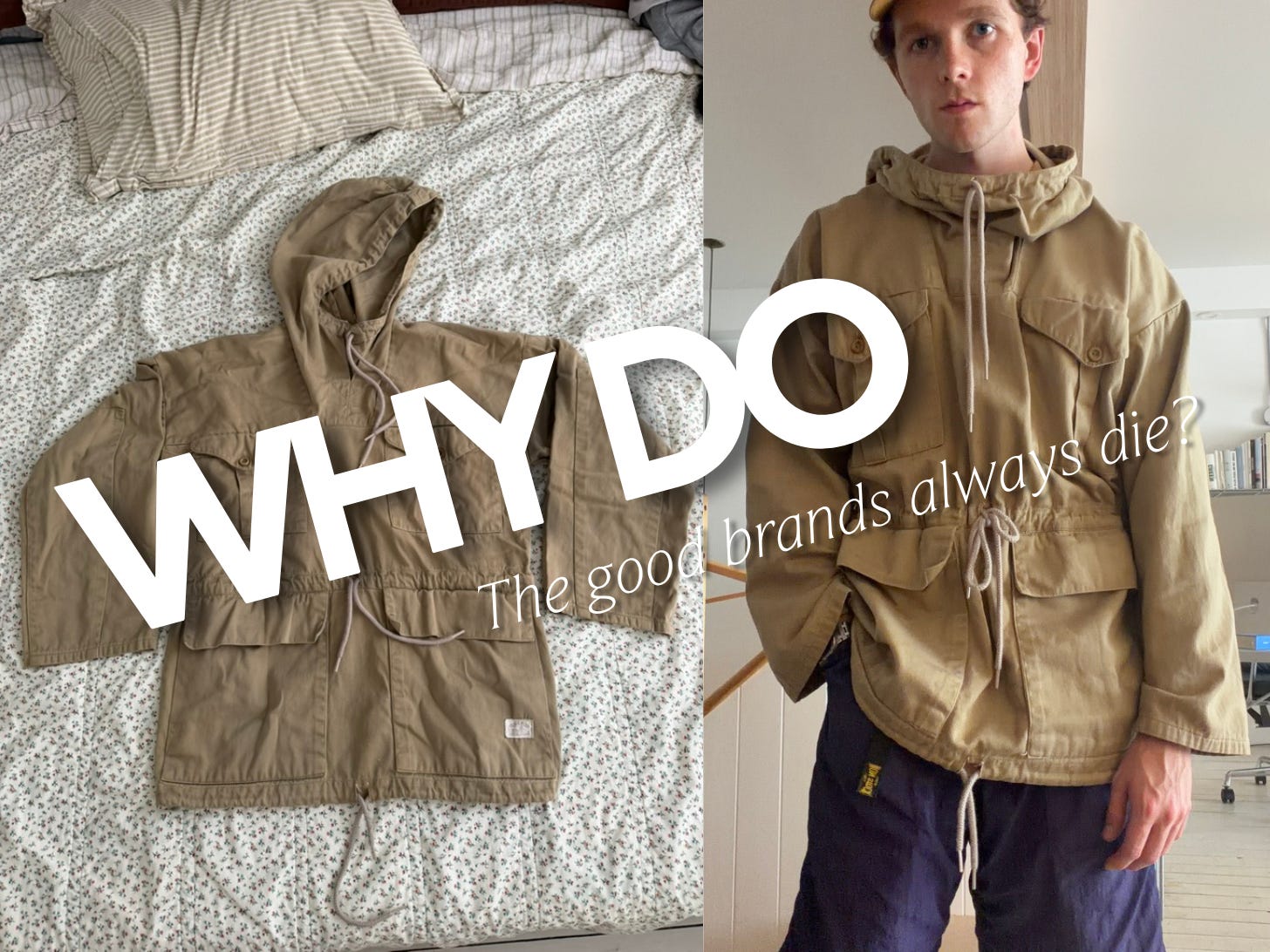
We’re suckers for nostalgia. In the realm of clothing, we’re constantly lamenting about “the way things were made”, “the way it used to be”, and I get it. Odds are if you’re subscribed to this newsletter, you own a few pieces of clothing made 40+ years ago, and there’s a marked difference in not only the way it was made, but the way it ages compared to what’s made today. Of course there is a bit of survivorship bias when it comes to vintage clothing. It’s not that everything made “back in the day” was better than everything made today, rather, only the best stuff has survived. Whether it’s more expensive garments that people took more care of, or workwear build to last years on a job site, the cream rises to the top and we only see the best from yesteryear.
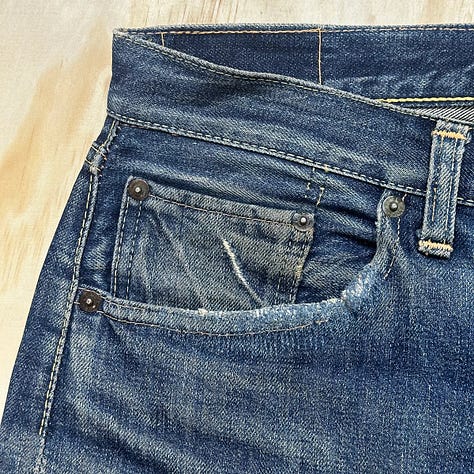
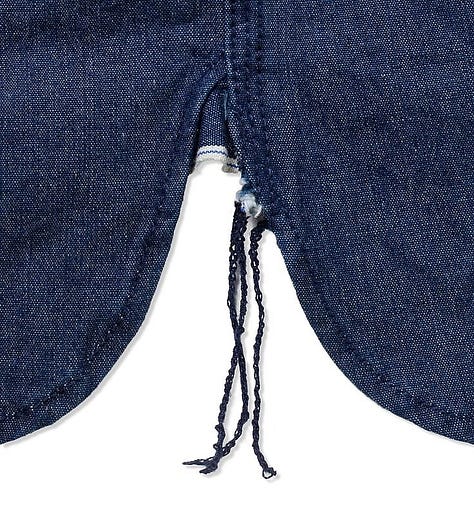
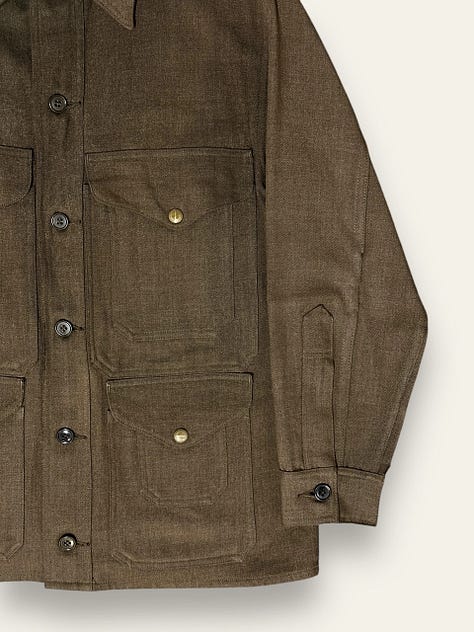
In spite of this survivorship bias, I can still say with certainty that the average quality and lifespan of a garment has declined over the past half-century. Not only has domestic (often brand-owned) manufacturing declined significantly, but so has our expectations of price point and durability. You can still find well made garments, but the accessibility of said garments has dwindled greatly. We’ve seen this decline happen through some of the most dependable and beloved household names. If you’ve ever spoken to your parents, or grandparents, about clothing I’m sure you’ve heard them mention how **insert brand** isn’t as dependable as it used to be. Whether it’s their foregone repair policies, cheapening materials, offshoring of manufacturing, we consumers feel the impact of brands shaving down their product costs to try and milk out a little more margin.
While some brands dwindle, others outright disappear.
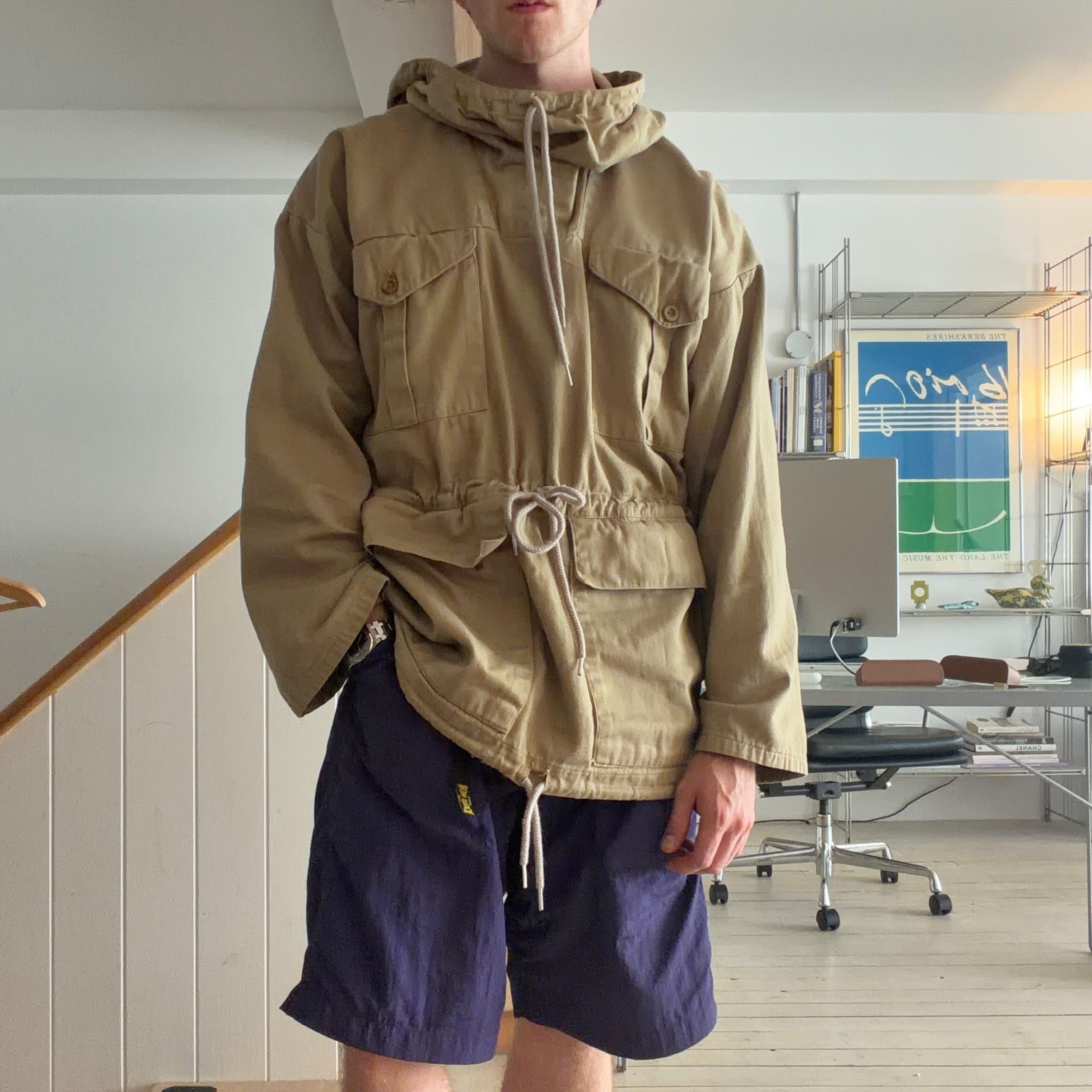
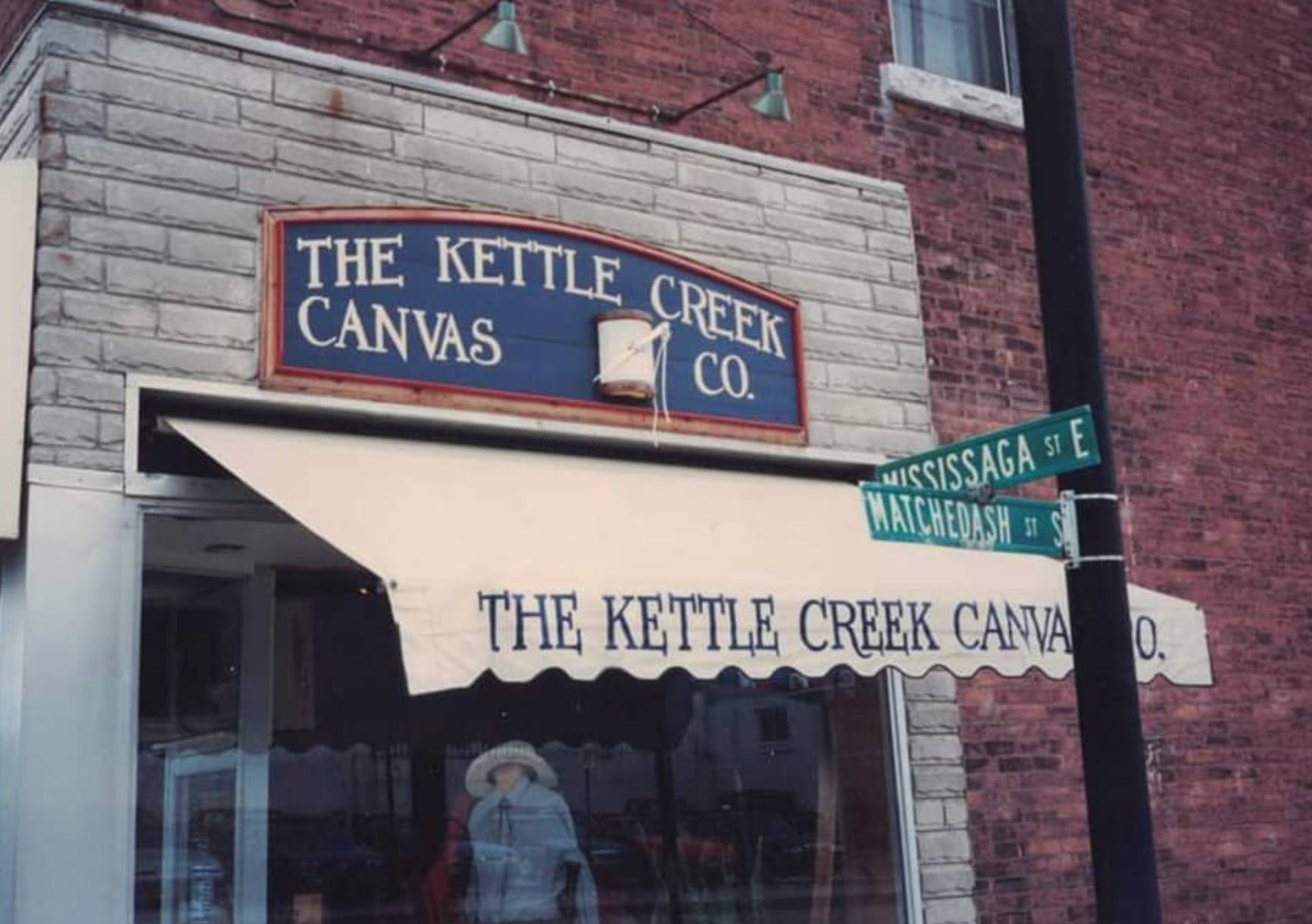
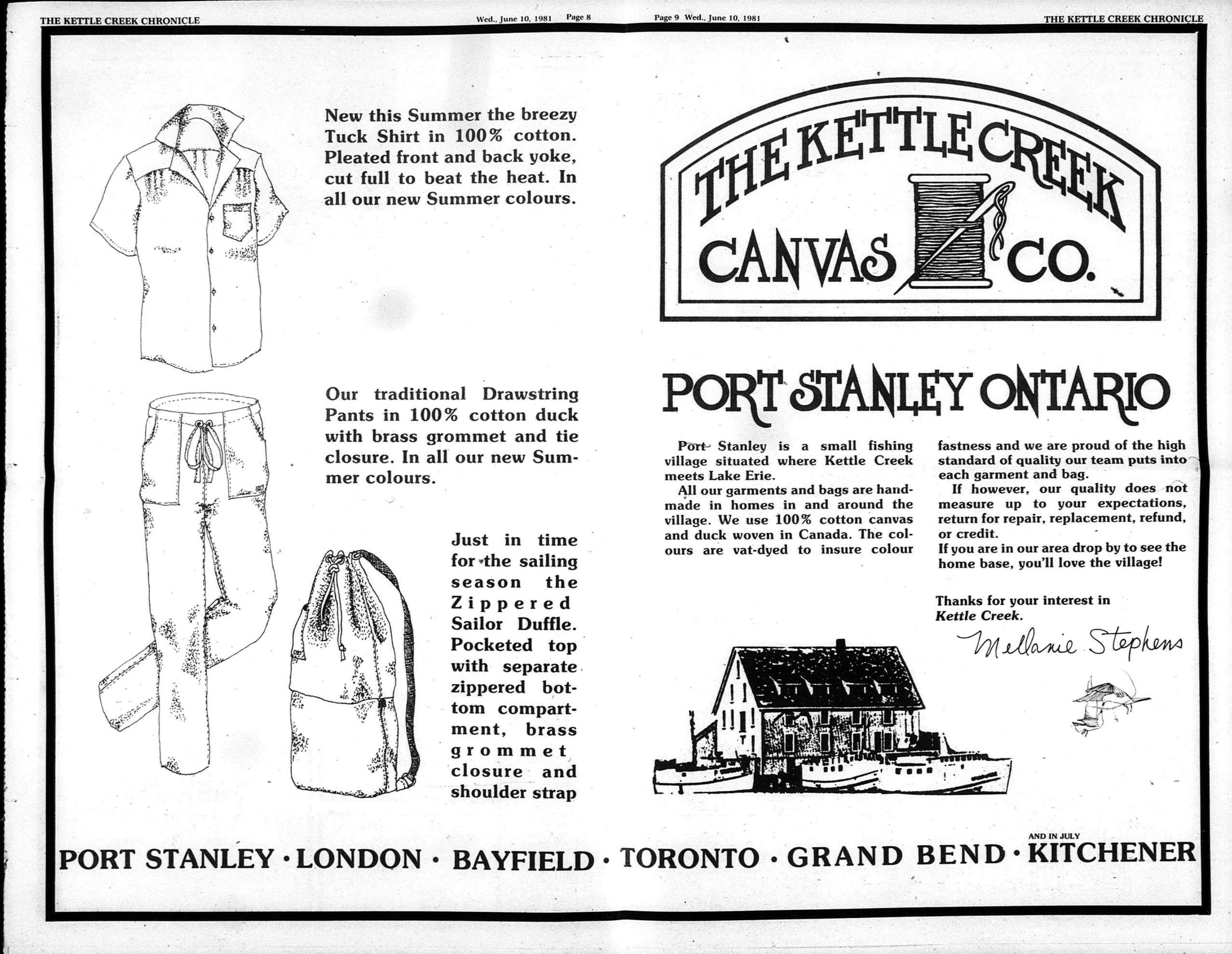
I went home to visit my parents a few months ago, and we got to talking about how many of their favourite, trusted brands from their youth have declined or vanished altogether. They brought up a name I’d never heard of, from a town I’d never been to. The Kettle Creek Canvas Company was started in Port Stanley, Ontario in 1979 and became a defining “Canadiana” brand of the 1980s and 90s. Outdoorsy, casual, utilitarian, lightly preppy and waspy. Fit right in with the likes of L.L. Bean, J.Crew, and Lands End, but with a uniquely Canadian Great Lakes vibe to it. It encapsulated the windswept, misted lake air of an Ontario summer, and people loved it. In talking to a few more Boomer and Gen X Canadians, I got more and more glowing reviews of KCCC, followed by a “what ever happened to them?”. As someone obsessed with vintage, defunct brands, and Canadian made clothing, I too wanted an answer. What happened to Ontario’s most beloved outfitter of the late 20th century?
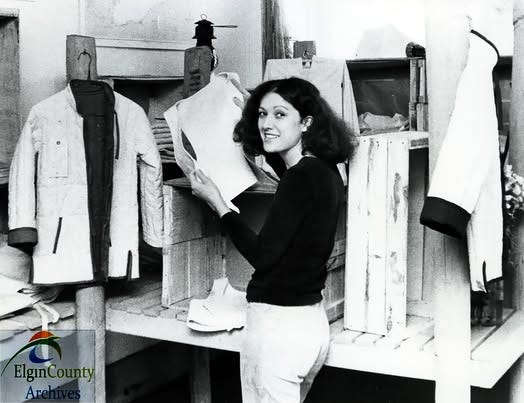
I managed to track down the founder of Kettle Creek Canvas Co, Mellanie “Mel” Stephens and spoke to her about the company’s beginnings, rise, fall, and the impact it had on the community of Port Stanley.
Before we get into the article, here are a few more posts of mine you may enjoy!
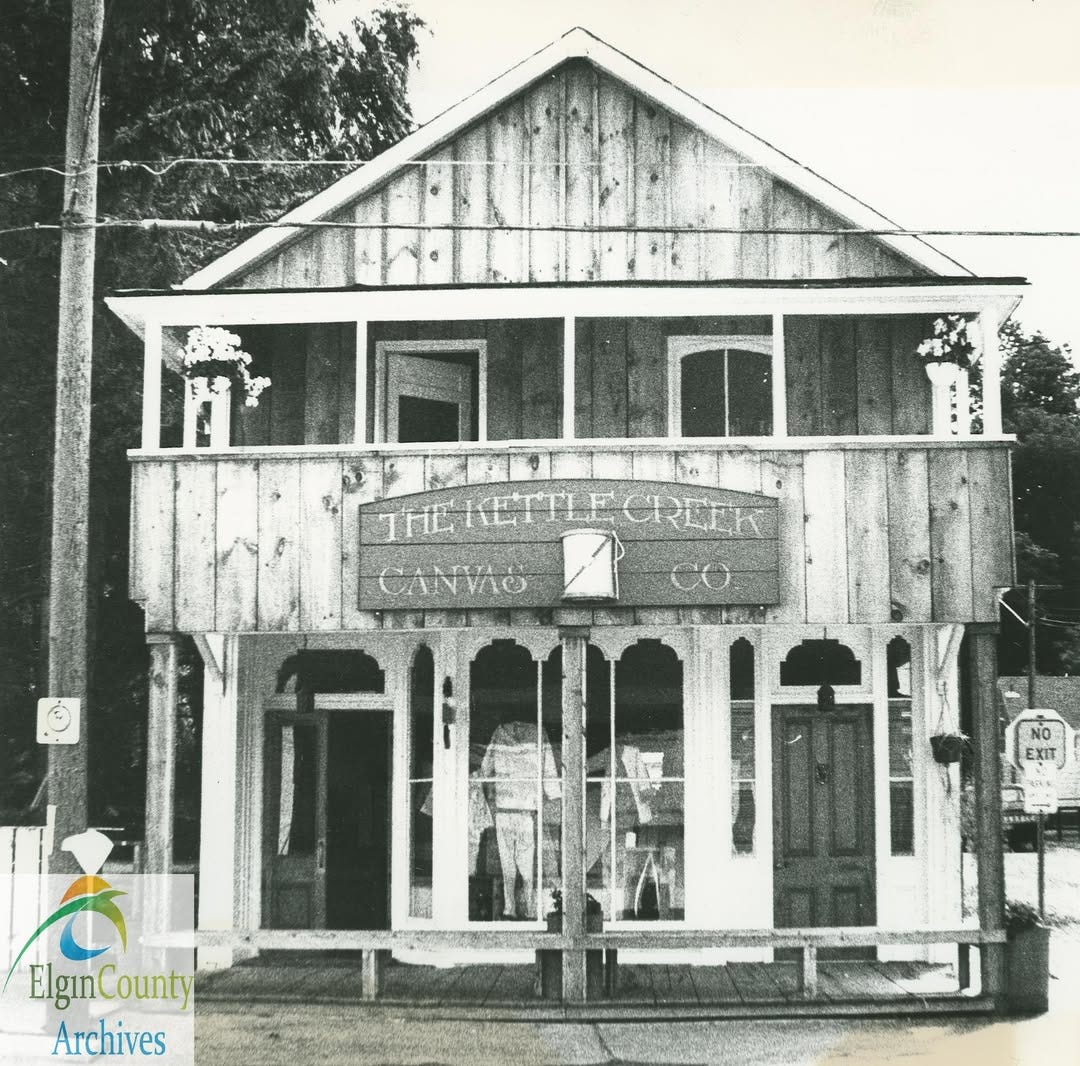
Mel started Kettle Creek Canvas Company almost by accident. She was a self-taught seamstress in Port Stanley making canvas bags and boat cushions for sailors when she decided to open a small shop. Coming up on the May long weekend in 1979, she didn't have enough bag inventory to fill the shelves, so she sewed a few pairs of pants and some tops just to keep the store from looking empty. The clothes sold first, and people were hooked.
“I didn’t have enough inventory of bags, so I just made some pants and tops, just to kind of fill the shelves, so it didn’t look empty, and the clothes sold first. So that was kind of how it started.”
"It was crazy. Things moved so fast… so it's kind of a blur."
A second store opened on Richmond Street in London that fall. Despite the broader economy struggling, people drove from far and wide to get their hands on some KCCC, largely because Kettle Creek was "a happy story" in an era of doom and gloom.
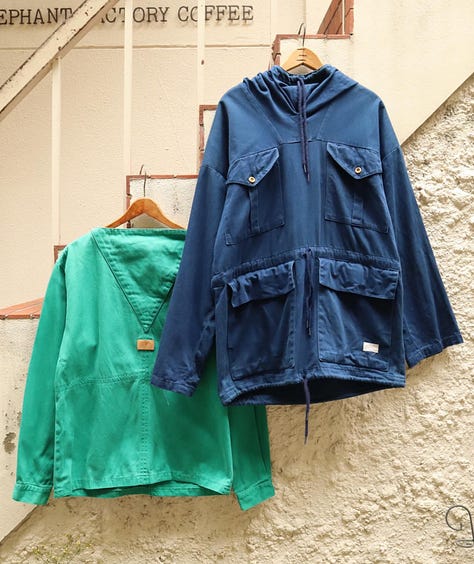
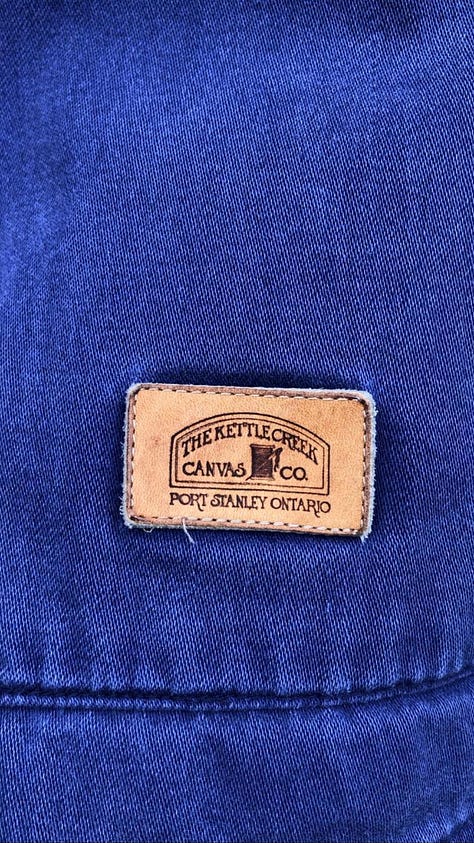
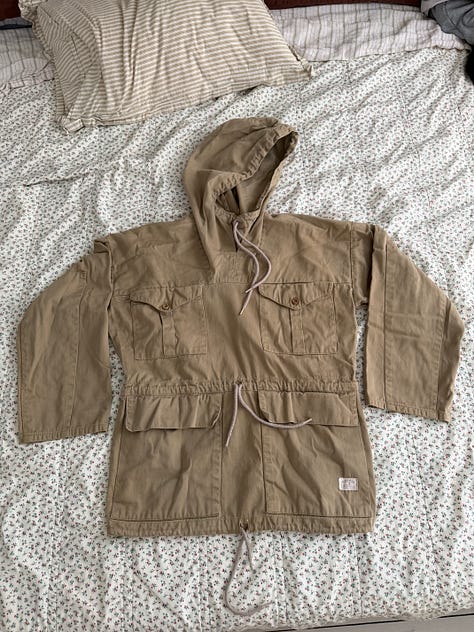
The product was simple: plain, solid-colour cotton-canvas clothing with wooden or plain buttons. Often worn sailing, camping, canoeing, or as weekend wear, the hearty canvas broke in and fade beautifully with age. Mel mentioned how customers would form an unusual emotional attachment to pieces.
"A guy came in with his wallet and it was all duct-taped together, and he said, 'Will you fix this wallet?' And I said, 'Come on, just take a new one.' 'I don't want a new wallet. I want this."
The clothing was understated, yet distinct, Mel remembered seeing two strangers recognize each other in an airport by their Kettle Creek pieces, and striking up a chat.
She was ahead of her time on marketing, too; recruiting popular kids from local high schools to come and pick out a few items for free. Awfully reminiscent of how brands do “seeding” today. At its peak the company ran roughly 50 locations (a mix of franchises and company stores) stretching from Vancouver Island eastward, plus a stint with a Toronto store on Yonge Street and one in Charlottetown. The Canadian department store Eaton’s even knocked off several of her pieces with their own line mimicking the KCCC branding and vibe.
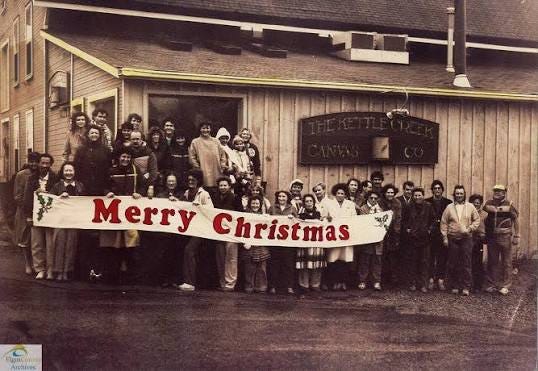
At its peak everything from KCCC was made in Canada via a cottage production model. Newly arrived immigrants from Vietnam, China, and Laos, many already trained on industrial sewing machines and sponsored by local churches, came to Mel looking for work. Combined with women across Ontario seeking extra income, KCCC fuelled a cottage-industry model: home sewers across Southwestern Ontario (and as far as Windsor) picked up cut, edged, bundled pieces, sewed them on matching industrial machines they bought on $100/month post-dated cheques, and returned finished goods for buttonholing and finishing.
It was a decentralized model allowing the flexibility many manufacturing jobs didn’t offer at the time. At the company’s peak Mel employed over 150 sewers, not to mention all of the retail, administrative, marketing, and design staff spread across Canada.
In spite of their fast success, the brand had always struggled financially. Even from the beginning Mel received support from her community, but skepticism and stringent terms on an institutional level.
“When we were getting the first store ready, April 1979, my dentist signed a $15,000 note for me, because I'd made cushions for his boat and uniforms for his sailors. So I'm there getting the store ready, the phone rings, and it's the bank manager. He says, ‘I'd like to talk to your husband.’ I said, ‘I don't have a husband.’ ‘Well, I'd like to talk to your father.’ I was 27, I'd been away from home since I was 18. I said, ‘My father's not here, but there's a plumber who has a penis, do you want to talk to him?’ That was the start of my love of banks.”
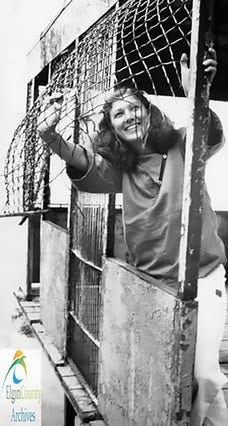
Like many clothing brands, in spite of high revenues there was still a lot of debt on the books, and an immense amount of pressure. The beginning of the end was in the company’s 10th year, when Mel was invited to speak at Young Presidents, which according to their webpage is a global leadership community of extraordinary chief executives. The current requirements for membership include being under 45 and leading a company with 8+ figure revenues, depending on the industry.
“it's a room full of executives, mostly men, all under 40, I said, ‘I want you men to look around this room and realize the decisions you make every day have a direct effect on whether people have another baby, whether they buy a house, a car, a washer and dryer.’ They looked perplexed. It had never occurred to them. I thought, get me out of here. I wanted to talk about small business being the backbone of the country, but everyone kept saying, ‘We understand you're having trouble with finances.’"
“Then a guy stands up and says, ‘We have a hobby — we like to take on small businesses with a lot of potential. How would you like it if we took all the financial stress off you?’ You can imagine what that did, because I spent most of my time looking for money. The banks loaned me money on far stricter terms than anyone else, it was ridiculous. And these were pillars of the country, so it wasn't like being offered money by a shyster. So I said, ‘Okay, let's have a meeting.’ That was the start of the end.”
Mel describes the following two years as a “typical corporate raid”. They took over management of the company after investing capital. Management ran the company into the ground by forcing big losses, shared the losses for tax breaks, and went bankrupt in 1991. The trademark was sold to Columbia Sportswear for next to nothing. Mel recollects:
My staff put $1,500 together and went to whoever was in charge of selling it off, and tried to buy the trademark for me. They refused, and turned around and gave it to Columbia.
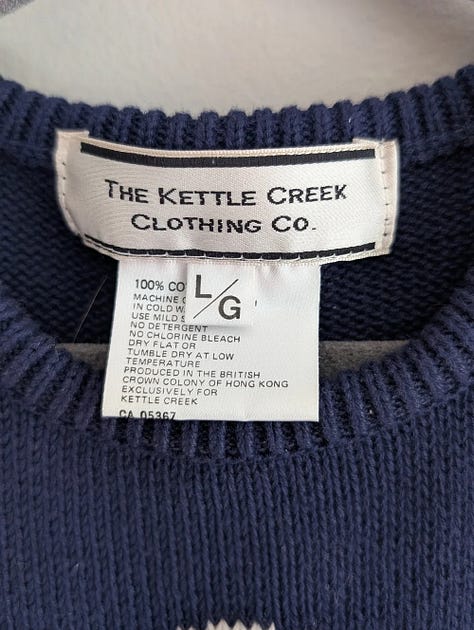
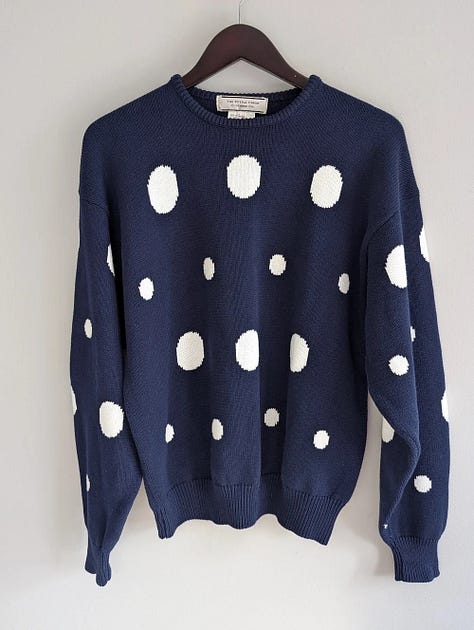
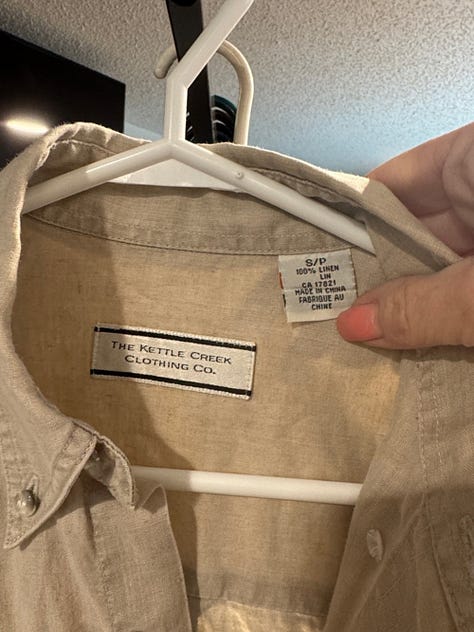
The company then underwent a name change to the “Kettle Creek Clothing Company” where production was offshored and the design philosophy was abandoned. According to records from Corporations Canada, Columbia Sportswear then sold the company to Jaytex who owns it to this day. Jaytex also holds the LL Bean distribution license in Canada. No Kettle Creek Canvas Company clothing has been produced for decades.
While getting a first-hand retelling of a brand’s rise and fall is rare, the story itself is not. Short of restaurants, clothing brands are possibly the most difficult companies to run successfully. In spite of that, I think there’s a rare opportunity for Kettle Creek Canvas Company to return to its former glory with less resistance than some companies face.
See, had KCCC survived and thrived throughout the 90s, 2000s, into today, it’d likely fit among the many once-beloved-now-enshittified-brands that fill the racks at department stores across the country. But despite its short stint as an enshittified brand, those who remember the colourful canvas clothing think back at the KCCC with a warm remembrance. It’s been preserved in a bog of corporate limbo, its licenses, trademarks, and international property rights buried in the coffers of Jaytex Group. If one could acquire the rights to the Kettle Creek Canvas Co, bring back its signature simple cottage charm and Canadian manufacture, I think they’d have a hit on their hands.
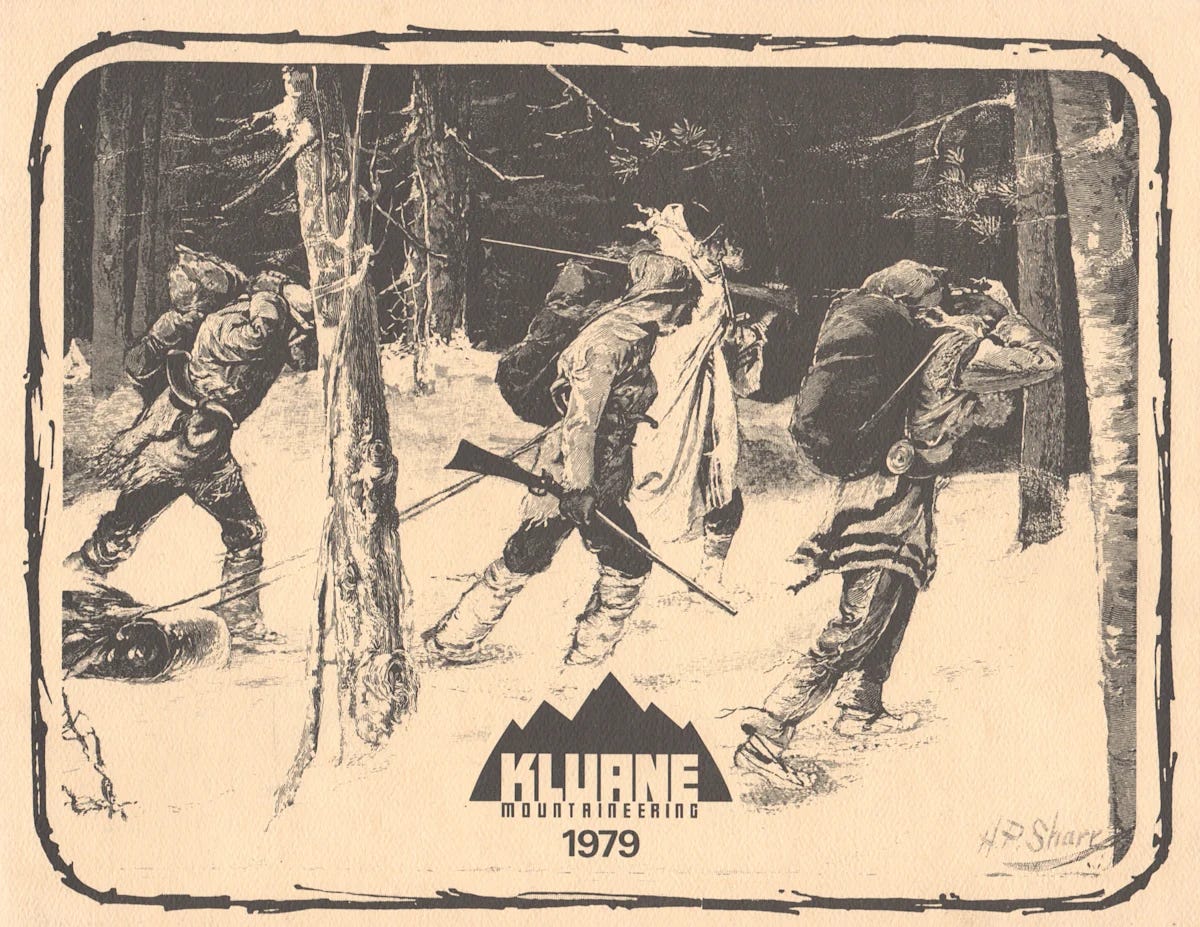
A great case-study for this is my friend Dylan Lynch’s own Kluane Mountaineering. Founded in the very same year, with a similar pragmatic appeal, Kluane Mountaineering began when two students decided to make their own down sleeping bags for their camping trips. They started making bags for their friends, then friends-of-friends, and very soon had a down sleeping bag/jacket company on their hands. The brand then traded hands a few times until Dylan had come across it by accident. At the time (less than a decade ago) it was being ran out of an Edmonton basement, still operating as if it were the 80s - for better and for worse. While the marketing, sales, accounting, and creative strategy were frozen in time, so was the manufacturing process, the obsession with quality, and the integrity of the product.
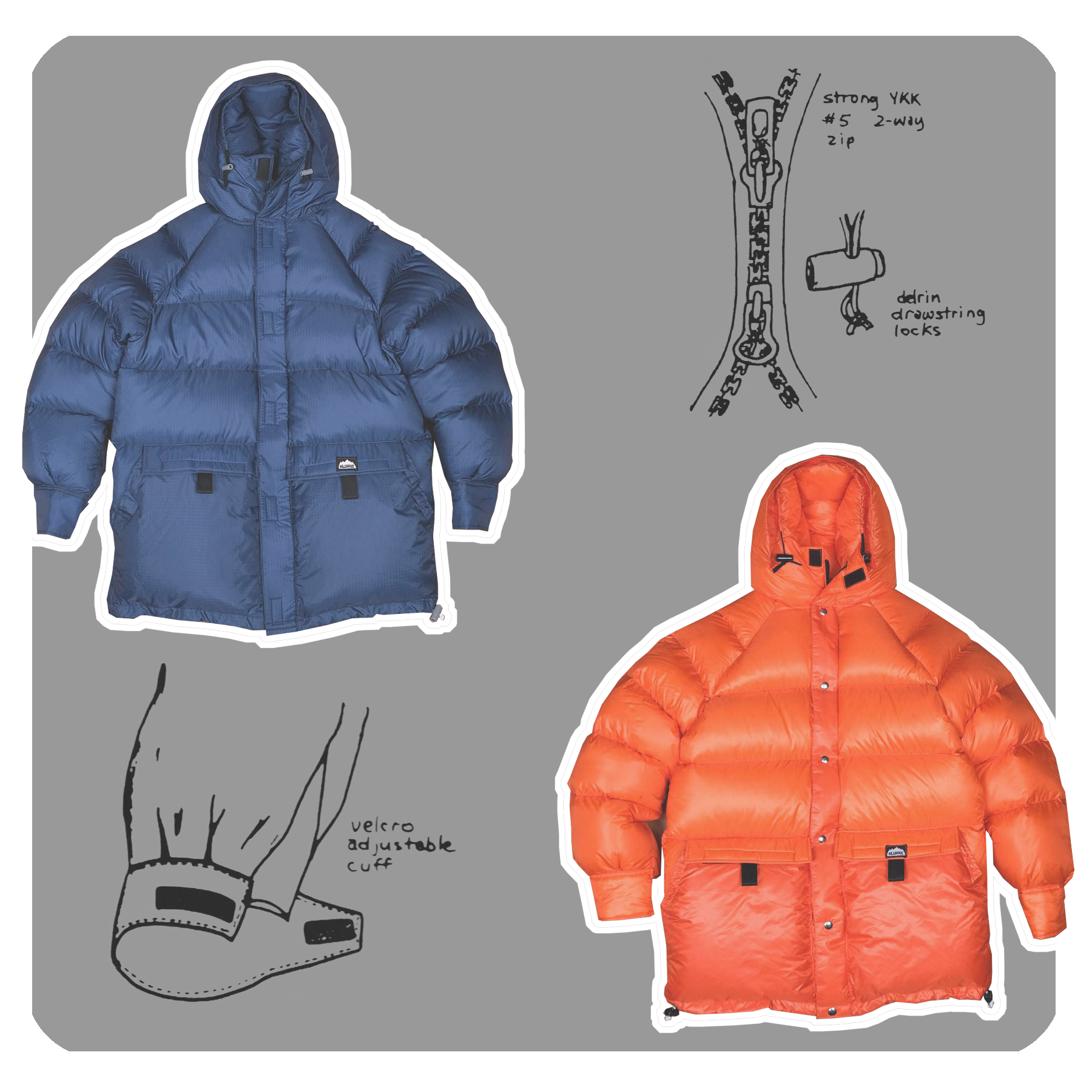
Dylan took himself to school before taking over the brand and elevating it to the level it’s at today. The brand has a growing cult following, a bigger online presence, a growing list of wholesale stockists, but still maintains the high standards that the brand has uplifted for nearly half a century. I can’t help but think that there’s a similar opportunity for The Kettle Creek Clothing Company. There’s a big demand for Canadian-made casual wear and I think the cottage-prep vibe of the KCCC would resonate so well with today’s crowd. People want domestically made, good looking, versatile wears that improve with time.
So, this is my plea to the people at Jaytex: either sell the KCCC name and IP for pennies on the dollar to someone who will bring this brand back to its former glory, OR do it yourselves, and do it right. Feel free to email them if you agree: jaytexinfo@jaytex.com
Thank you to Mel for taking the time to speak with me, and I hope that we could one day see the return of the Kettle Creek Clothing Company and the domestic jobs that came with it.
No posts
Comments
Nothing yet. Say the first thing.
Sign in to join the conversation.