
Last week, I suggested that if you want to get to know someone, you should ask them what they keep. This week, that same idea has been occupying my headspace, but with a slightly different approach.
Who decides what we keep? We assume we do.
After spending an afternoon in conversation with fellow field agent and companion in inquiry, Timothy Maurice Webster, I’m no longer convinced that’s entirely true. Perhaps our brains have been slowly curating our collections long before we realise we’re collecting anything at all.
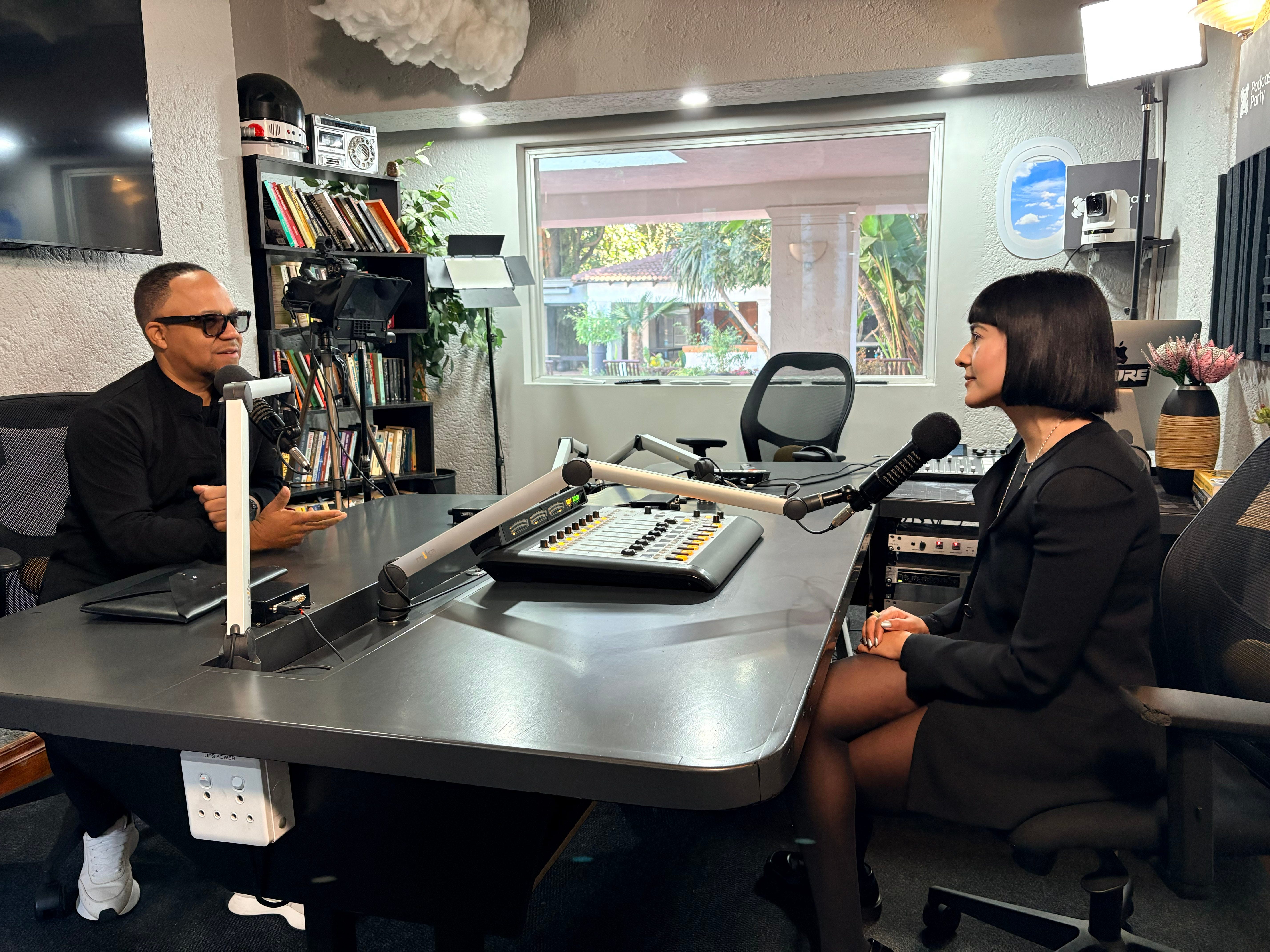
When Timothy and I first spoke about recording a conversation together, we quickly realised we were circling many of the same ideas but approaching them from opposite directions.
I’ve always approached design through lived experience - my Fieldwork. I walk, observe, collect, notice, feel and make, and only afterwards do I begin to understand the patterns. Timothy, a behavioural psychology author, brand strategist and podcast host, begins somewhere else entirely. He starts with neuroscience - with perception, cognition and emotion - and studies the mechanisms behind why we notice, what we notice, and why certain experiences stay with us while others disappear. Neither approach is trying to validate the other. They’re just two ways of exploring the same landscape through different disciplines.
What surprised me most was that we weren’t really talking about the brain. We were talking about the design mind. Throughout our conversation, Timothy kept returning to the same everyday spaces - roads, conference rooms, museums, living rooms, churches, even our eating habits. Then he said something that reframed the whole conversation for me.
0:00
-0:52
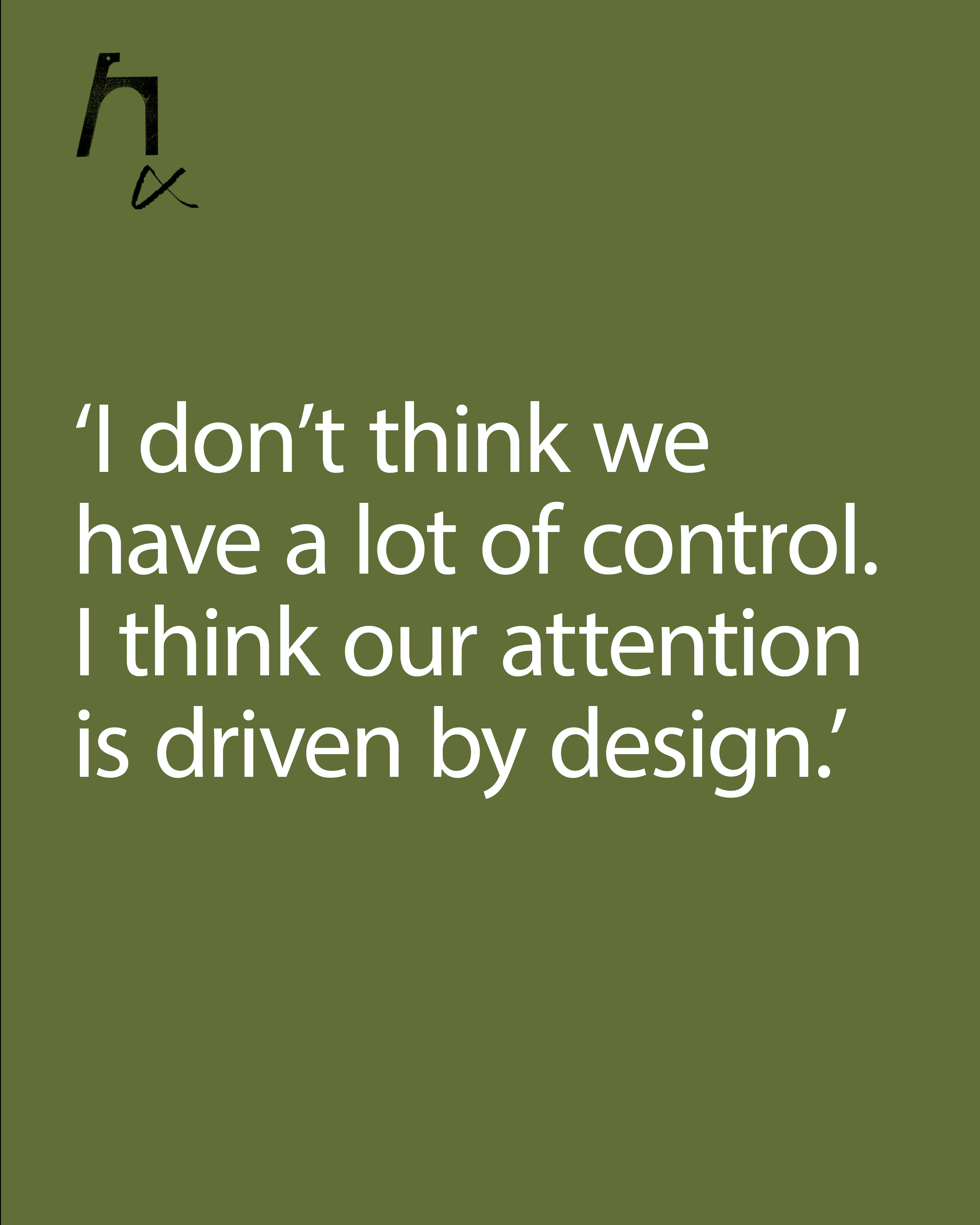
I’ve spent years believing that good design begins by paying attention. Timothy was suggesting something else entirely, that before we decide what deserves our attention, the world has already begun deciding for us.
Think of the last room you walked into. Before you’d admired the architecture or noticed the furniture, before you’d consciously decided whether you liked the space, your body had already formed an opinion. The light, the temperature, the texture, the general feeling of the space - all of it registers before you’ve named a single thing.
I’ve become fascinated by this invisible conversation between people and the environments they inhabit. We assume we experience design with our eyes. Timothy’s work suggests we experience it first through our nervous system and that our nervous systems were shaped long before design became a discipline.
Evolution has spent millions of years teaching us what deserves our attention. Ripe fruit catches our eye more readily than rotten fruit. We recoil from decay. We seek warmth when we’re cold, and look for refuge when a storm approaches. As Timothy explained, these aren’t arbitrary preferences, they’re ancient survival strategies embedded within us.
It made me wonder whether our attraction to certain materials and landscapes carries traces of that same inheritance. The comfort of wool, the warmth of timber, the sound of moving water or the shelter of a tree canopy. Maybe these don’t feel beautiful because we’ve learned they are, maybe our bodies simply remember them.
Timothy described the brain as a ‘prediction machine.’ Every second, it’s making thousands of unconscious assumptions about the world, not to limit our experience, but because it couldn’t survive if it processed everything from scratch. You glance at a doorway and, before you’ve consciously registered it as a doorway, your body has already adjusted your stride to walk through it. That’s prediction. It’s efficient and mostly invisible. It means that much of what we think we’re seeing isn’t entirely new, in fact, we’re recognising, anticipating, filling in gaps, responding to patterns we’ve met before. Our experience of the world is edited before consciousness has a chance to catch up.
0:00
-1:01
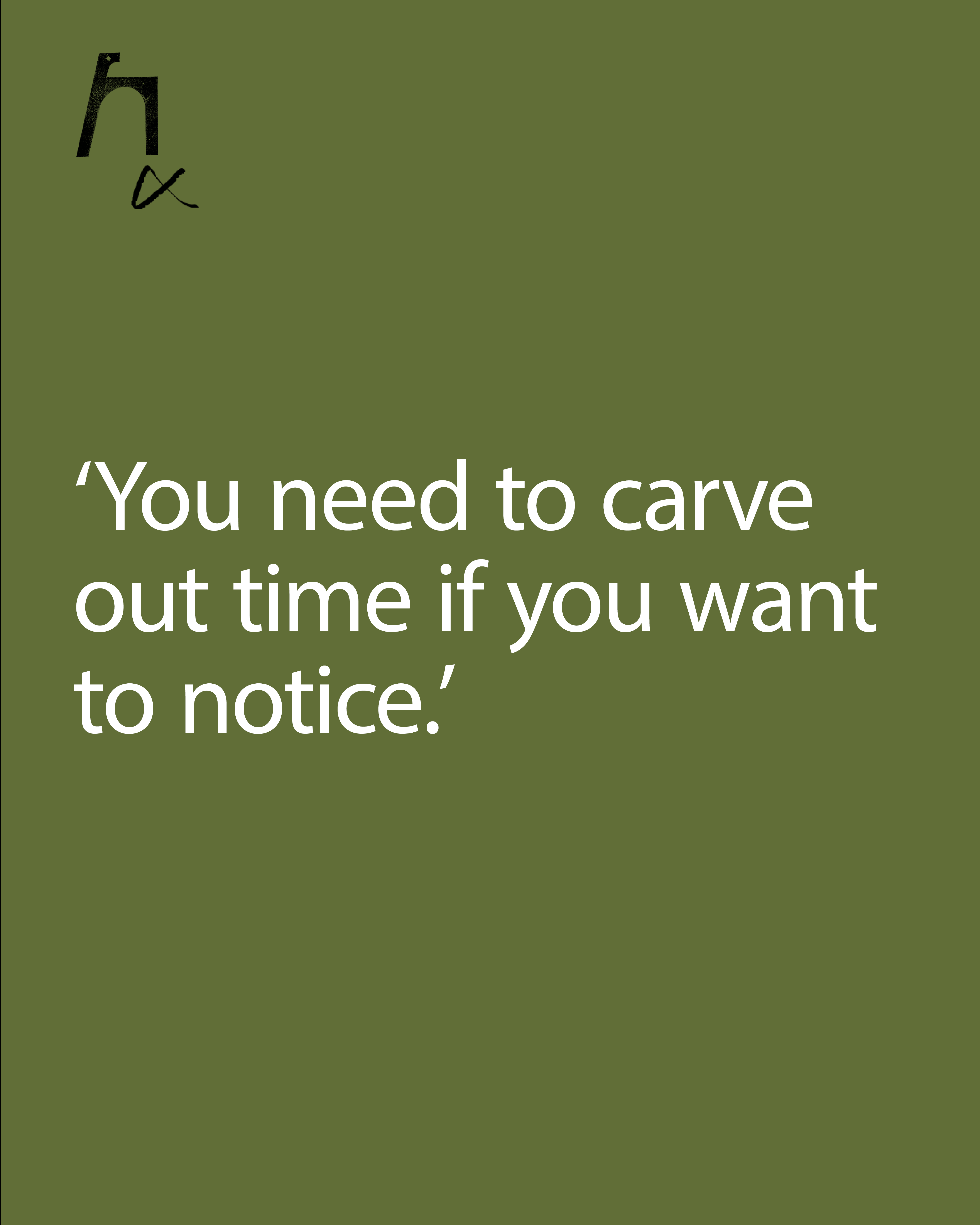
When Timothy said this, I thought back through almost every Fieldwork essay I’ve written this year. For twenty-one weeks I’ve been describing the same practice. Walking, collecting, travelling, curating, going dark, searching for mystery, without once calling it neuroscience. Now I think each of those pieces was doing the same job, interrupting prediction.
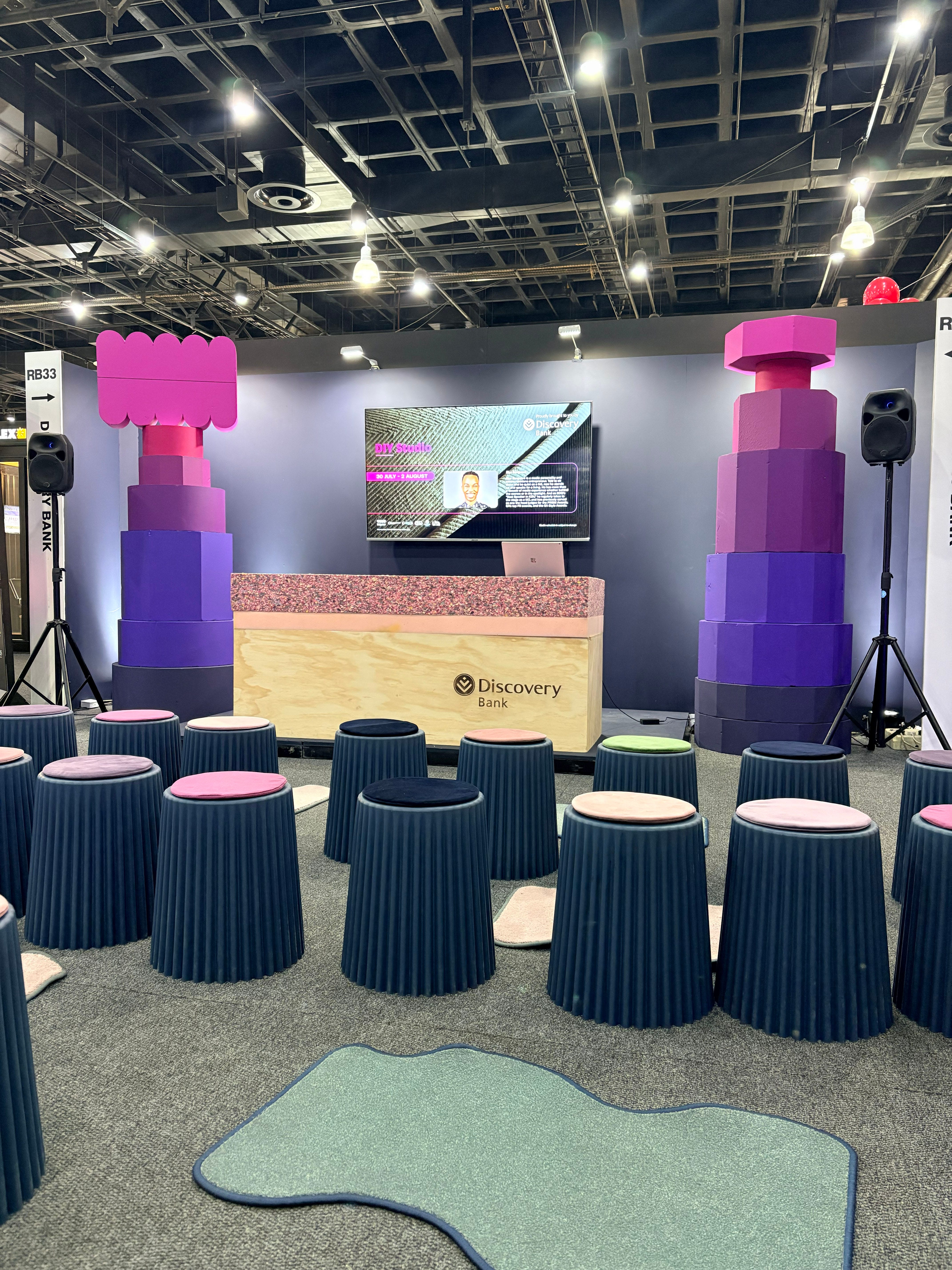
Take a conference room for example. You’ve probably sat in plenty of them. The moment you walk in, your brain has already predicted the rows of chairs, the table, the harsh lighting, the smell of the carpet, and stopped paying attention before the conversation has even started. Now imagine something slightly different. Earlier this week I was invited to give a talk at Decorex. Instead of the typical cinema style seating arrangement there was something less formal, small stools with a simple cushion. Scattered amongst the seating were sofas and high tables to allow for more comfortable engagement. For those who would rather stand, there was a counter to lean on. No formal podium, just a large high density foam table that could be used for a talk or demonstration. None of that was just decorative. It was a deliberate interruption of the prediction your brain was about to make on autopilot, and it’s the difference between a room people endure and a room people actually notice.
That’s why travelling feels expansive. Not because foreign places are inherently more interesting than home, but because they force us to notice again. Familiar patterns dissolve, and suddenly we’re paying attention to things we stopped seeing long ago.
Walking does the same thing. It’s always felt like the most natural way for me to think, and I’d assumed that was just a personal preference, but Timothy suggested something different. For most of human history, we understood the world on foot. Walking wasn’t leisure, it was how we learned to survive, and how we learned to pay attention. It invites the brain to loosen its predictions and get curious again. A reminder that the world is still full of things we haven’t noticed yet.
Mystery works the same way. The moment everything is explained, labelled and revealed, prediction takes over and curiosity exits the room.
I’ve always thought of Fieldwork as a practice of paying attention. Now I think it’s a more deliberate return to an older way of knowing, one that teaches me to notice not only what my brain has learned to overlook, but what my body has always known.
That doesn’t mean we all notice the same things. I asked Timothy why two people can walk into the same room and leave with entirely different experiences. His answer was a good reminder that perception is never neutral. We each arrive carrying our own history, memory, culture and genetics, and no two people are reading exactly the same room.
Then he said something that felt surprisingly hopeful:
0:00
-1:05
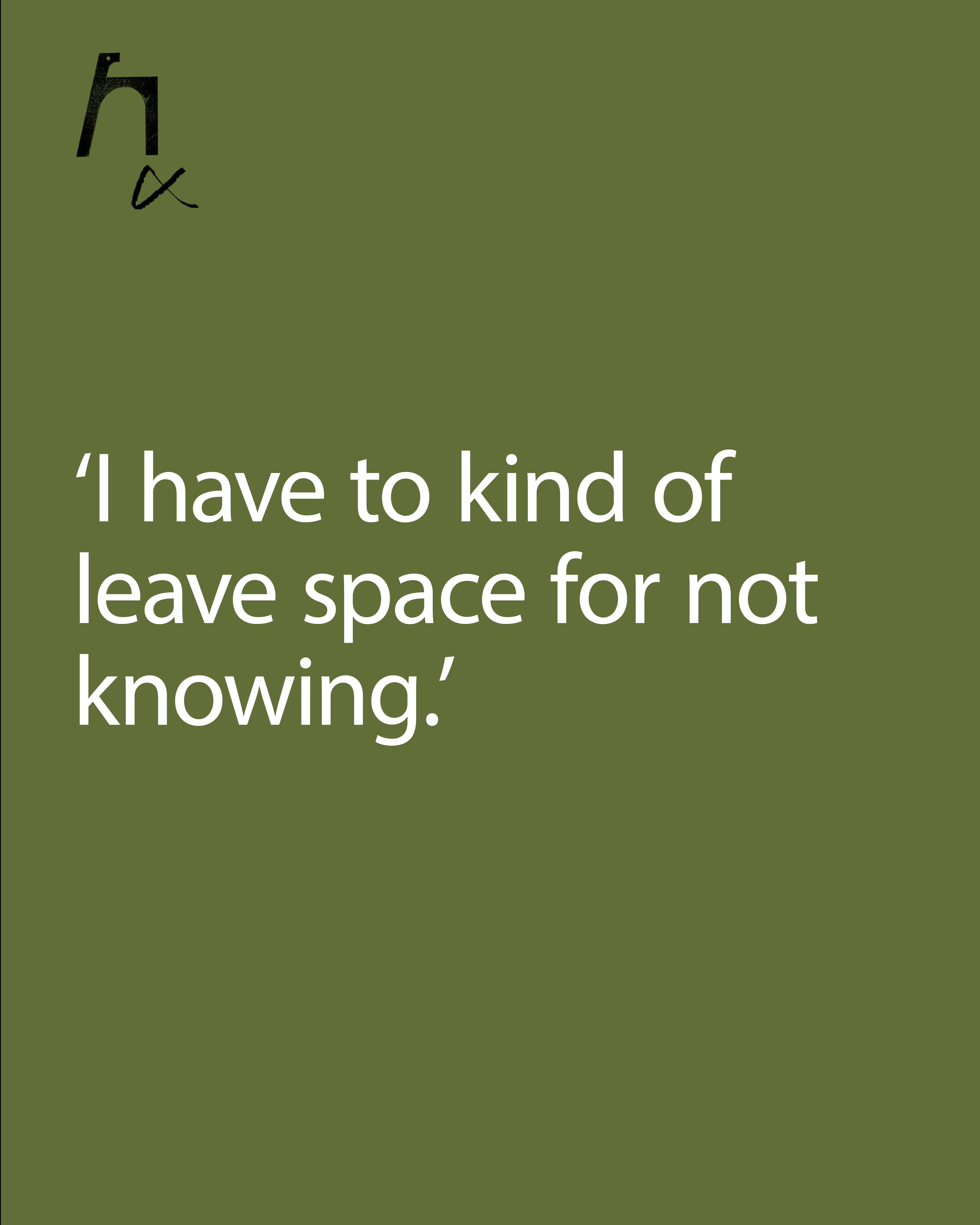
That’s exactly what I’ve been chasing through Fieldwork, the idea that every place, object and encounter can be experienced in countless different ways. Good design isn’t about creating a single interpretation, it’s about creating enough richness for many interpretations to coexist.
For designers, this changes things. We’re not just arranging furniture, selecting finishes or composing colour palettes. We’re shaping invisible conversations that begin long before conscious thought does.
The question isn’t whether design captures attention, we know it does. The more interesting question is: what are we asking people to pay attention to? There’s a real difference between capturing attention and cultivating it. One competes for the mind. The other expands it. As designers, our job isn't to compete for attention, it's to appreciate that inherited instinct, by creating environments that invite people to notice more deeply, not shout for their attention more loudly.
Every threshold, every change in light, every material, every place to pause, even silence has a way of directing our attention. The same room that feels restorative to one person can feel unsettling to another. Designing attention isn’t about controlling perception, it’s about creating the conditions for meaningful experience to unfold in different ways for different people. We can choreograph the invitation but we can’t choreograph the response.
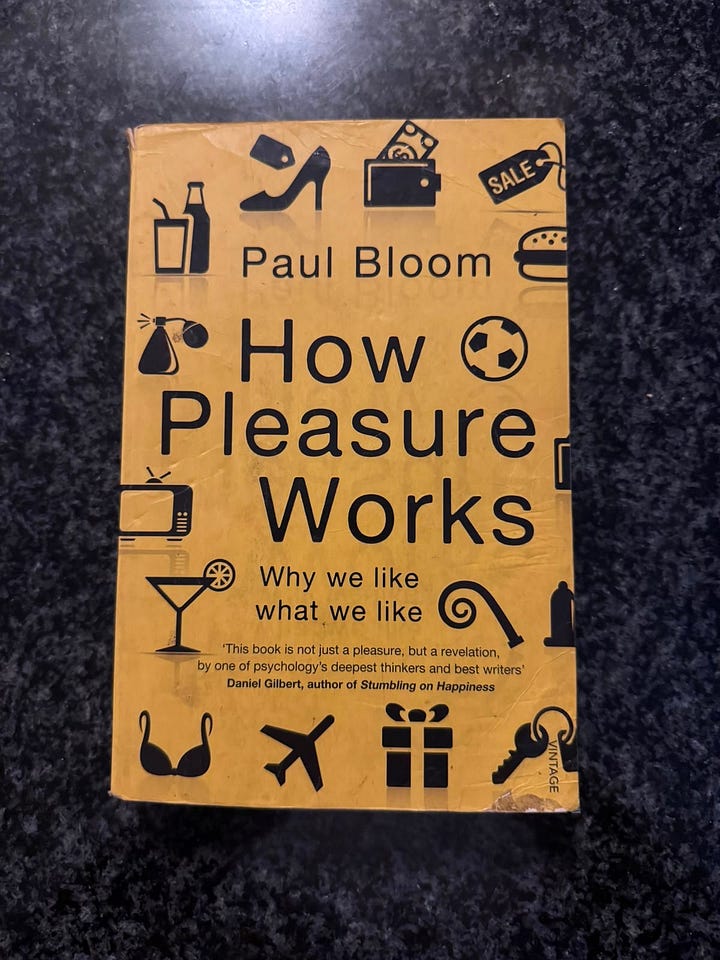
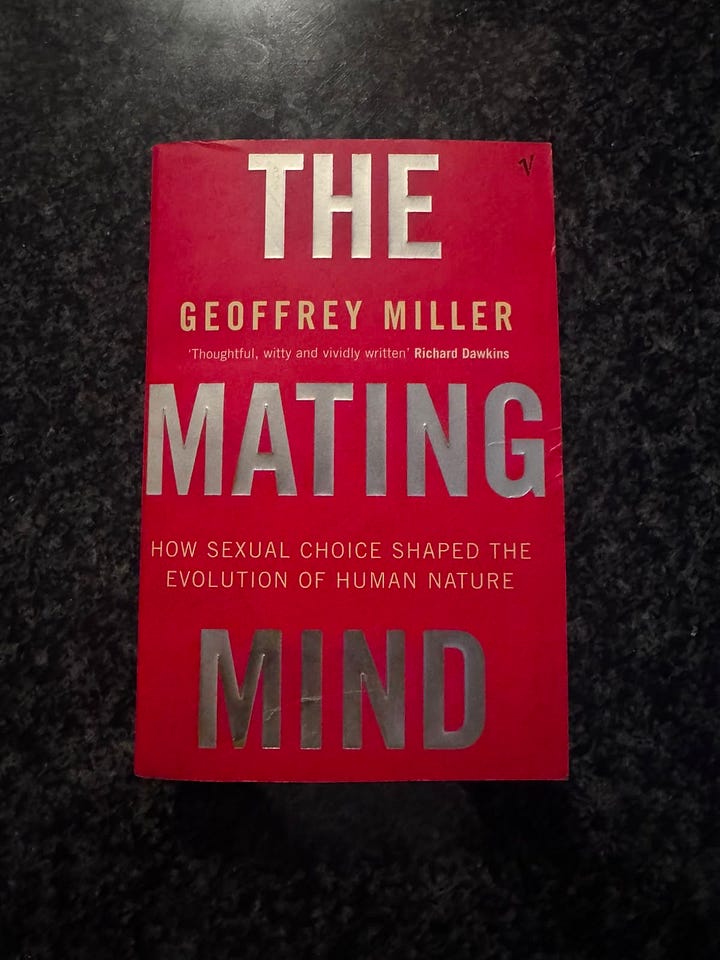
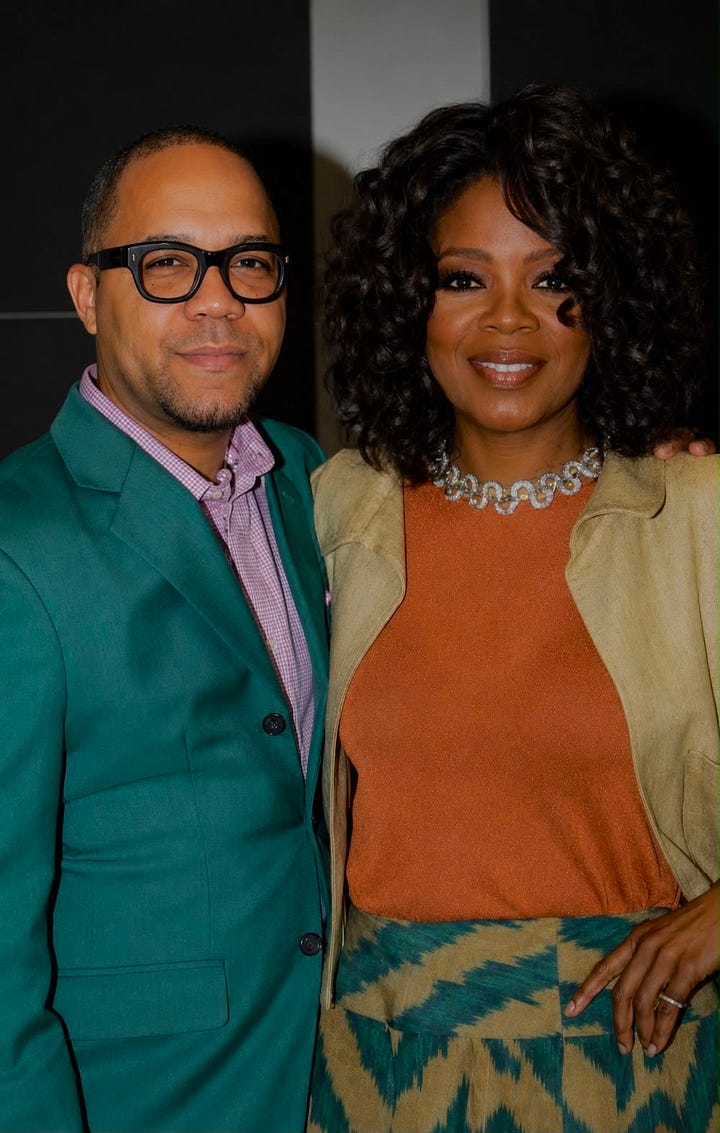
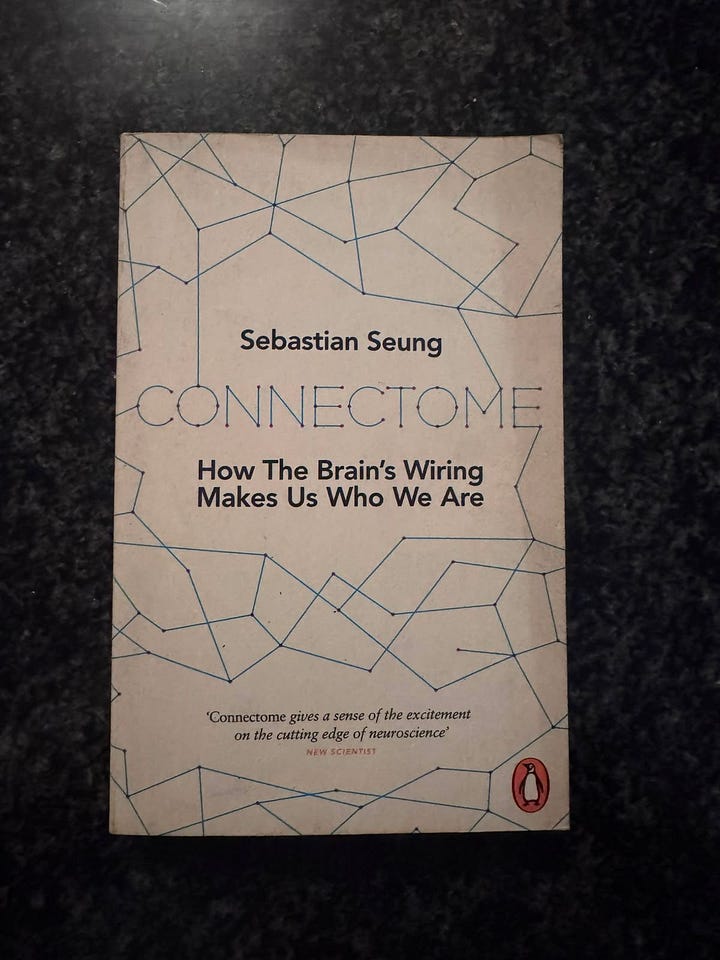
Near the end of our conversation, Timothy said something that had very little to do with neuroscience and everything to do with practice, which resonated with me.
0:00
-0:53
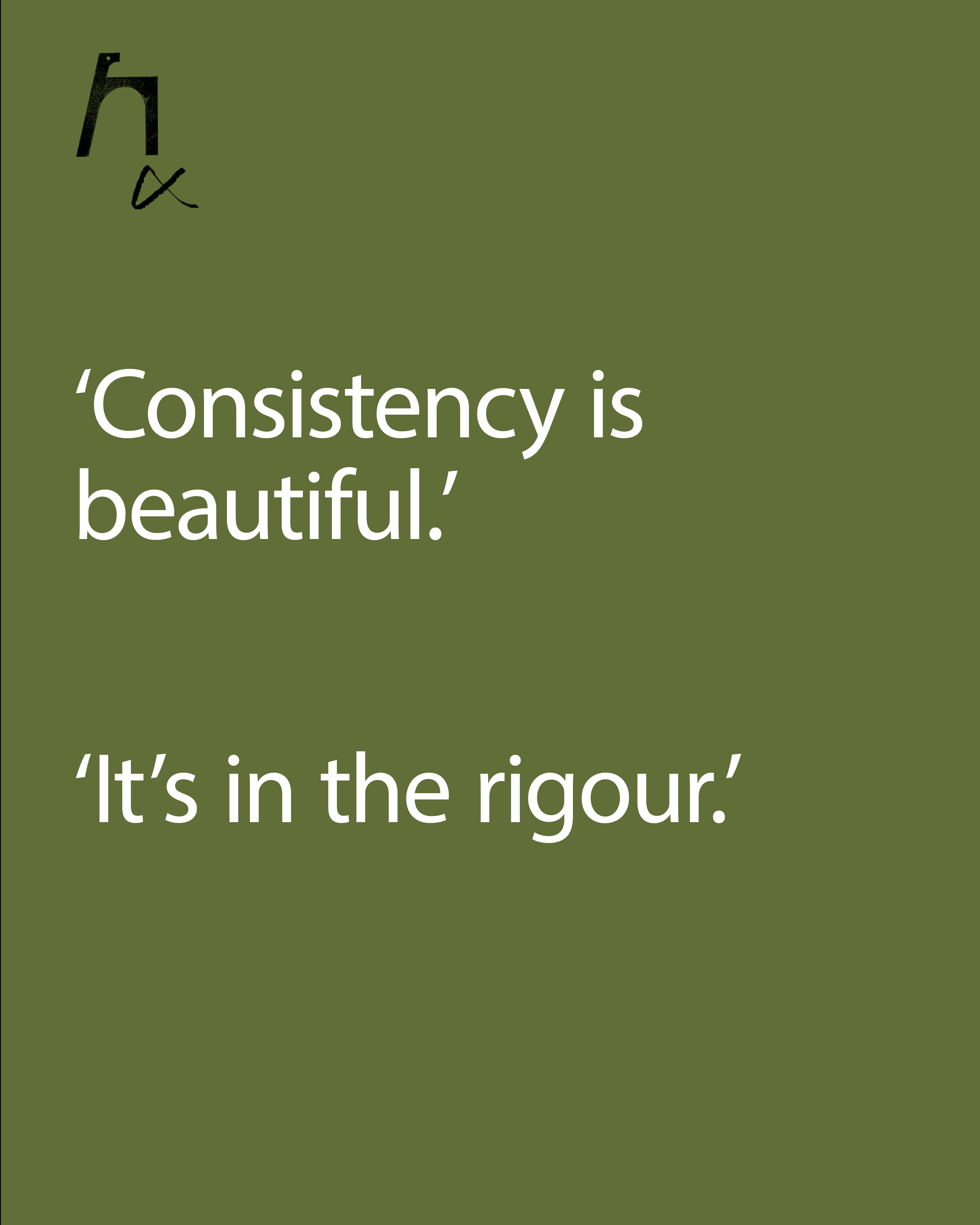
He talked about writers showing up every day whether inspiration arrives or not, and about consistency as its own form of beauty. Twenty-one weeks into writing Fieldwork, I’ve realised this series was never really an archive of projects, it’s become an archive of what I pay attention to.
Which brings me back to where I began. Last week I suggested that if you want to get to know someone, you should ask them what they keep. This week I’m wondering whether the better question is: what have they been paying attention to?
If attention eventually becomes memory, and memory shapes identity, then what are we designing for people to remember?
Next time you walk into a room, try noticing what your body decided before your mind did.
As a designer, perhaps the most important design project I’ll ever undertake isn’t a home or a building, it’s the careful design of my own attention, or as Timothy put it, the practice of creating enough space to notice it.
See you next week,

No posts
Comments
Nothing yet. Say the first thing.
Sign in to join the conversation.