
Kōrero māori mai,
Kia rere i te wai
Koia rā ko te atawhai,
Kōrero māori
Speak plainly (māori) to me
Go with the flow
That’s how you show your love
Speak plainly
Songwriter: Marlon Williams.
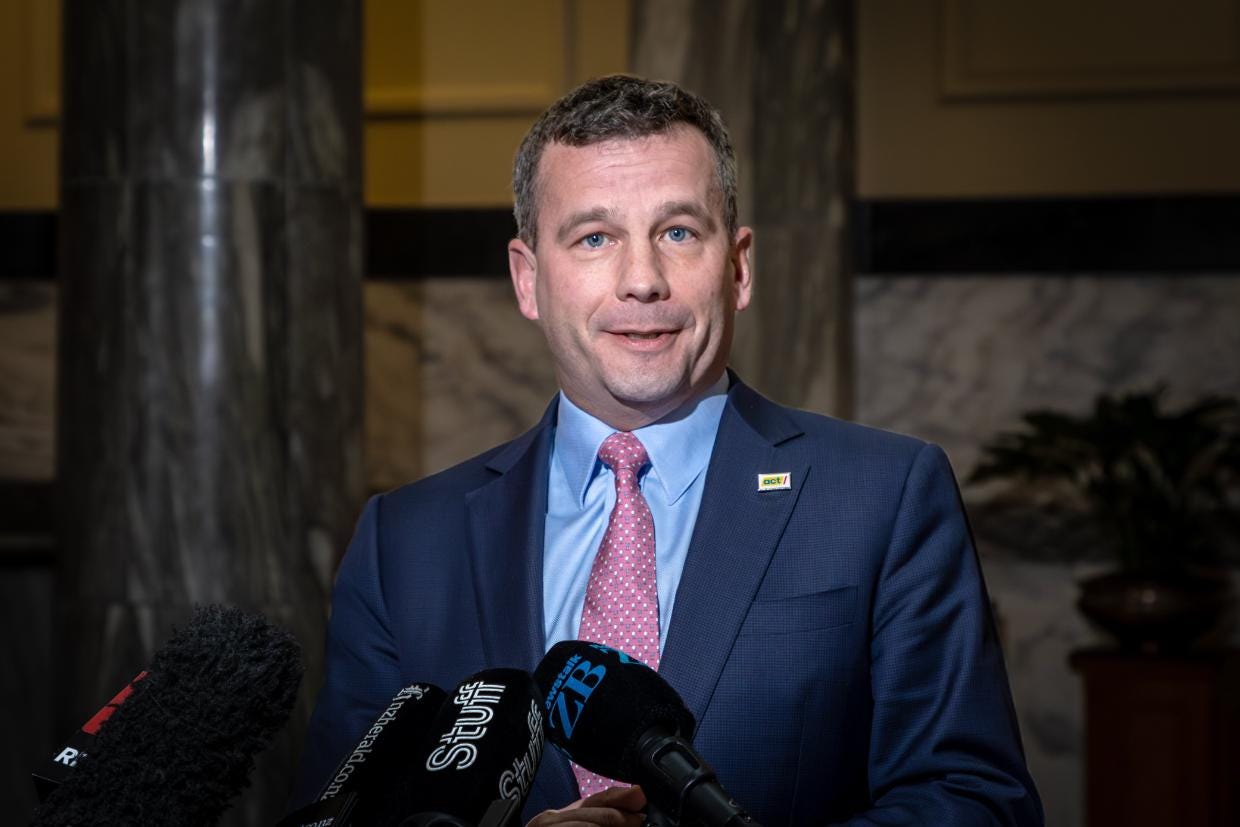
This morning, Breakfast held interviews from one end of the political spectrum to the other, from David Seymour, standing in for Christopher Luxon, to Te Pāti Māori, which made a welcome return to discussing strategy rather than infighting.
I still find it mind-boggling that what began as a punishment for TVNZ over Maiki Sherman’s actions, who is long since gone, has continued all this time, with the Prime Minister still refusing to appear on either Q&A or Breakfast and handing the slot to his political rival, Deputy Dave, whose most likely source of votes is from National.
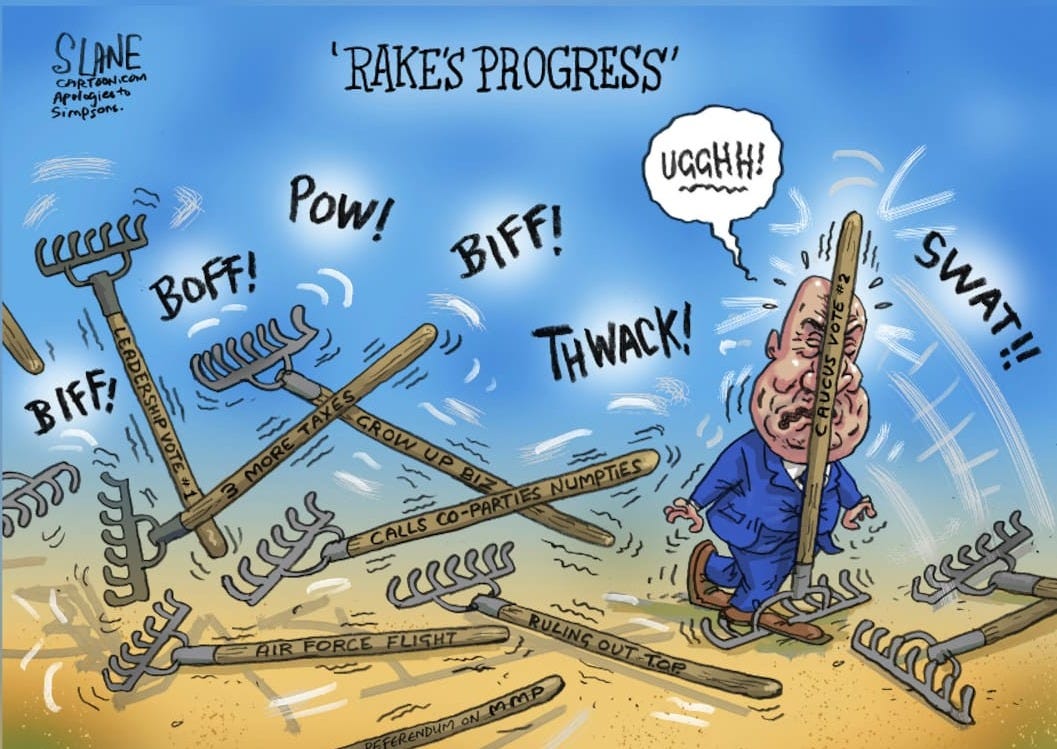
While we’re on that, I can’t help but think, with the benefit of hindsight, that Maiki has been treated terribly unfairly. Losing a career over a word used in a private social setting is ridiculous the more you think about it, and it stands in stark contrast to that weasel Lloyd Burr, who kept his mouth shut about the context and kept his job.
Up first was Seymour with Chris Chang. They began with a video of Erica Stanford from yesterday, in which she pledged her undying loyalty to Christopher Luxon. Personally, I think such declarations are more meaningful beforehand than four days after a vote, but each to their own.
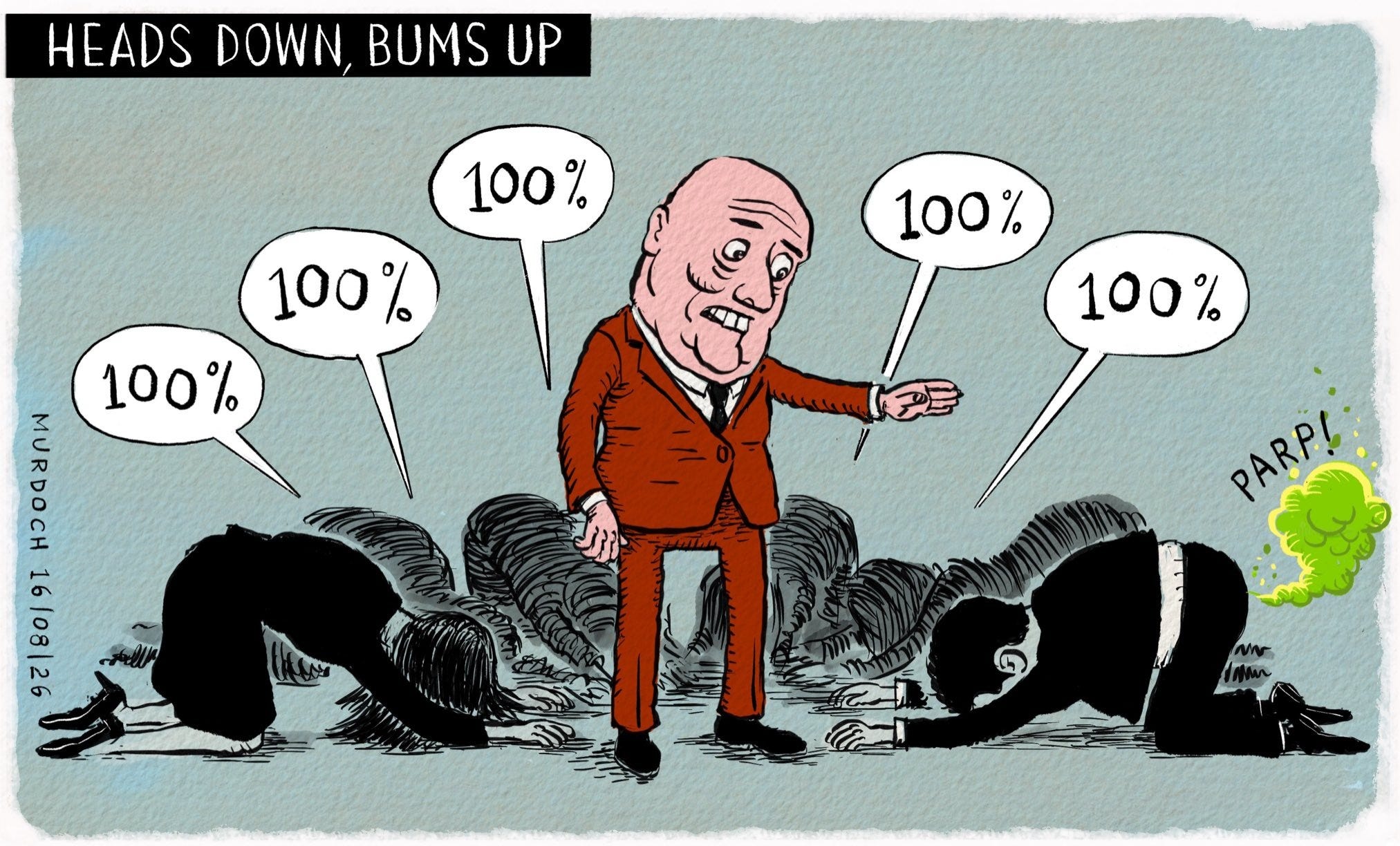
Chang suggested Seymour appeared because Luxon was still PM; David joked that if he had known his position on Breakfast was at risk, he would’ve taken more interest in the attempted spill. I know most people reading this probably find Seymour as appealing as something you scrape off your shoe, but his ability to turn up with a smile, no matter how unpopular his ideas are, makes Luxon look all the more feeble.
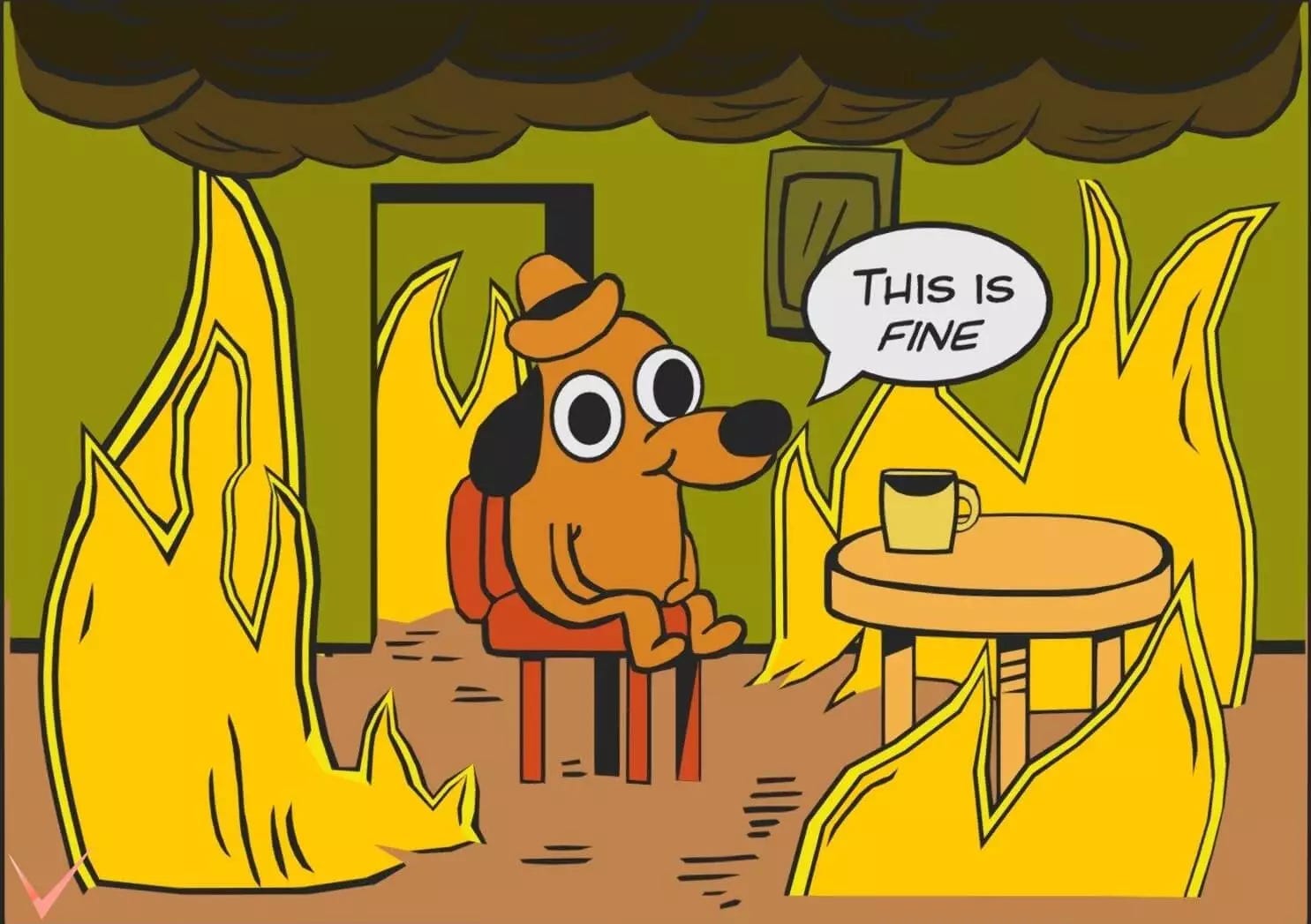
Chang said ACT Minister Andrew Hoggard had called the attempted coup a “shit show” and asked how Seymour would describe it, but he played it diplomatically with the coalition line that everything is fine.
Then David went off on a spiel about his policy announcement over the weekend, which seeks to remove consideration of Te Tiriti or Te Ao Māori from the hiring process to finally create a level playing field for Pākehā.
That was a joke, by the way; no such issue exists beyond a few ACT-supporting weirdos who have conniptions at the thought of being involved in anything Māori.
According to Seymour, considering things Māori was causing the public sector to underperform, which is absolute nonsense. In truth, I suspect ACT hates this because they know that exposure to people and culture is how you end ignorance, the cause of racism, and they sure don’t want that. They even want to end Karakia, and I posted last night:
Paul pointed out, “It appears he has little experience in the commercial world, where meetings now often begin with karakia.”
Margaret wrote, “Does he think he can stop our tangata whenua from exercising their cultural rights - he’s got to be joking.”
Heather said, “Ignorant, pontificating, nasty, self-important weasel. There is a problem in Wellington with an infestation of weasels.”
Katie commented, “I don’t think he realises people actually like it and he is in the minority.”
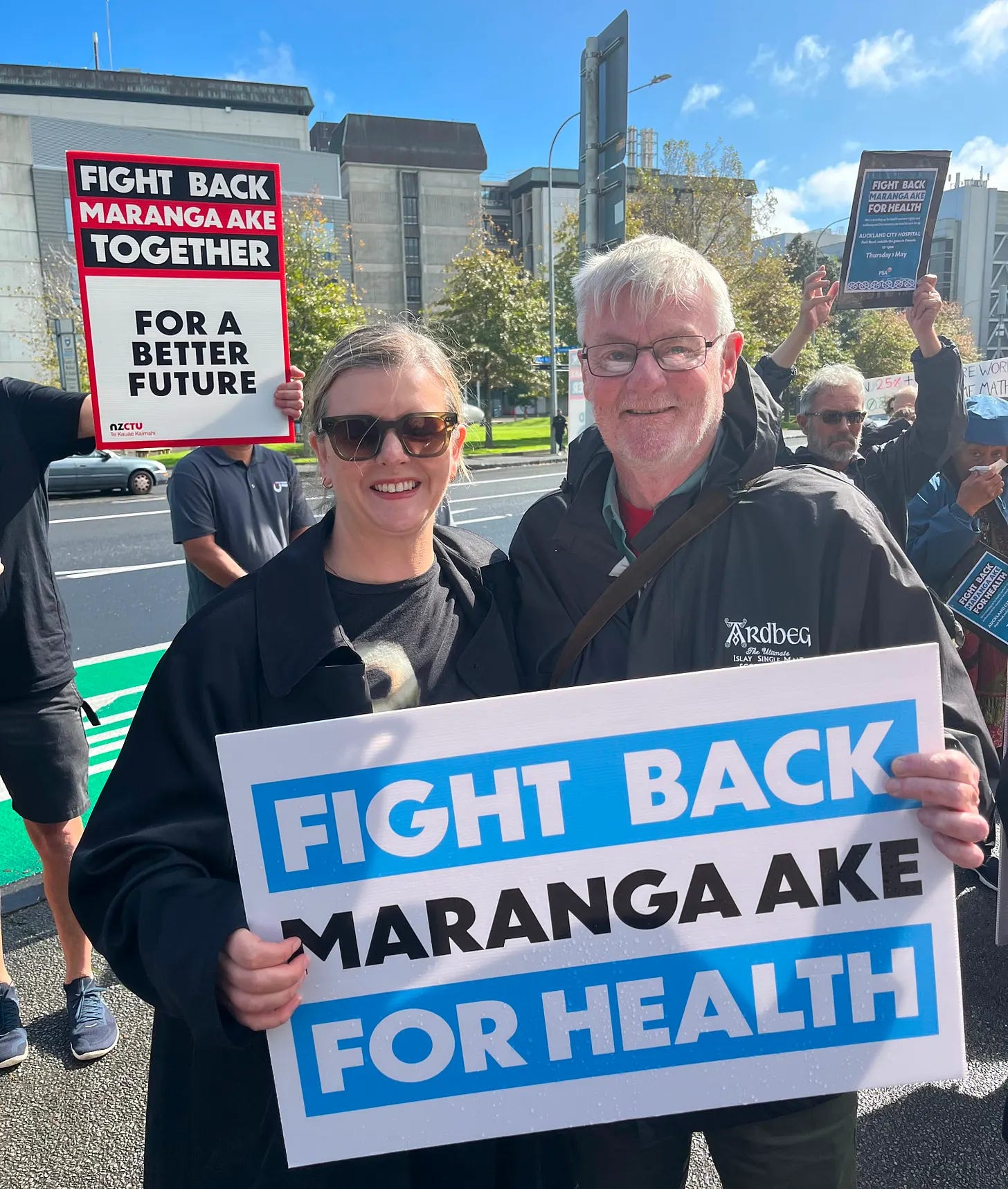
There are plenty of pākehā who have had a gutsful of Seymour’s anti-Māori BS, and I wonder whether he might struggle to get re-elected now that Paul Goldsmith has confirmed he will stick with the Epsom electorate rather than take Chris Penk’s safe seat. Goldsmith is campaigning for both the candidate and party votes, so who knows, maybe if the left vote strategically, Camilla Belich could come through the middle and take the seat for Labour. Wouldn’t that be great?
Seymour’s rhetoric was repugnant; his hatred of Māori was clear as emotion entered his voice, and he said it was about people feeling included. I don’t know what meetings Seymour has been imagining, but in my experience, and I imagine in most people’s, there is nothing exclusionary about a Karakia.
He made increasingly absurd claims, saying that Karakia exclude talent from entering the public sector, which is nonsense. I don’t believe anyone with talent has turned down a job for that reason. If a candidate were so repulsed by a simple Karakia, I would question their suitability for a public role.
Asked about Te Pāti Māori’s message on strategic voting and whether it was a good thing, David said it would be good if they delivered a policy. Which is just dumb because if you go to the party’s website, they have a comprehensive list of policies. For example, this on Military Neutrality:
Declare Aotearoa a militarily neutral nation.
Reset foreign policy to be independent, grounded in Māori values, and centred on Pacific and Indigenous relationships.
Review and withdraw from military alignments that undermine sovereignty.
Refocus the Defence Force on protection, disaster response, and Pacific support.
Uphold international human rights and hold war criminals to account.
I can see why Seymour wouldn’t like that last one; he's all for supporting war criminals like Netanyahu and turning a blind eye to human rights violations in Gaza.
David rambled on about education, saying that ACT had done more for Māori Education than TPM and that he didn’t know what they wanted. Well, this is one thing they say, David: “Education should never teach our tamariki to leave themselves at the door. It should strengthen identity, grow confidence, open pathways, and prepare our people to lead in the world as Māori.”
To top it all off, Seymour said parties shouldn’t tell people how to vote, which is so hypocritical as to be absurd, after National kept ACT on life support by doing just that for years in Epsom.
Up next were the two co-leaders of Te Pāti Māori with their strategy to end this government, which I posted about when it was covered in last night’s 1 News:
Understandably, those who want to see Labour or Green candidates win Māori electorates may not see it that way, but you can’t argue with the fact that if people follow their suggestion, the left will end up with more seats than if they don’t.
Lathee wrote, “That is very good thinking. They have identified the real danger of the right winning again.”
Some pointed out that people voted strategically last time, and we ended up with the coalition, but that wasn't due to vote splitting; it was about how many people voted for the coalition. In a closer election, those additional seats could make all the difference.
Shaayd wrote, “I don’t understand how Labour and the Greens aren’t on board with this given how close this election is set to be. I’m not saying they should stand down; I’m saying they should at least acknowledge the strategy's validity. Many people aren’t politically plugged in, and it would benefit our whānau to know exactly what their options are.”
I fully understand that some Labour people want their candidates to go all out for the Māori seats, but that would be a hollow victory if they win the local battle yet lose the opportunity to form a government, ending up short by a few seats.
Rawiri said it was a huge sacrifice for the greater good. While TPM weren’t necessarily giving away much in terms of a potential party vote, he was right: this plan is for the greater good of ending the coalition’s time in power, and that is what matters.
Debbie said, “You've got to ask yourself: is our priority to hear and feel the pain of our people and do what’s right by them, or to do what’s best for the party? As a Kaupapa party, we decided to put our people first.”
Some might say that’s a bit rich after a year of infighting from TPM, but I’ve always respected Debbie and Rawiri, although John Tamihere is a different matter. The two leaders were quite open and honest about what happened over that period, and I got the impression they have come through it, and I’m so glad to see it.
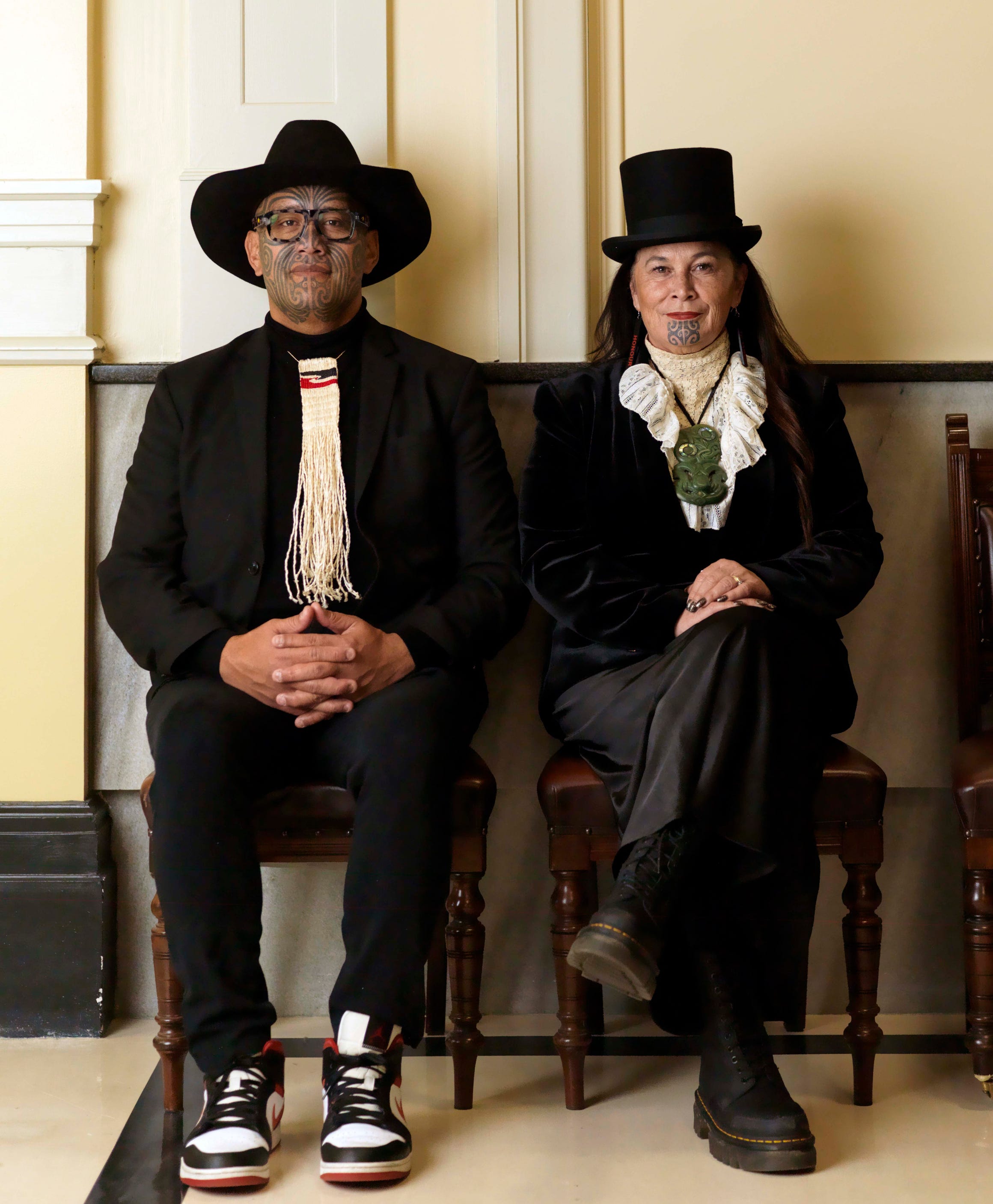
Rawiri said, “Our people are calling for a change of government; they want a one-term government, and we should be working together to be able to do that. We’ve offered a strategic voting plan heading into this election, and it would be good if others on the left would do the same.”
Asked about Seymour's stance on Karakia, Rawiri said it sounds like David needs more Karakia in his life.
Speaking about Te Pāti Māori’s wealth tax, the details of which have not yet been released for this election, Tova said Chippy had ruled out such a tax. Rawiri's eyes lit up, saying that on November 8th Hipkins will be dealing with two parties that want a wealth tax, TPM and the Greens, and that such discussions were better left until then.
Te Pāti Māori has played a major role in opposing this government; they have seen 15,000 more sign up to the Māori roll, and I hope they have a good number of MPs at the negotiating table to secure some concessions.
Because the thing is, and most of us get this, although obviously Seymour wouldn’t agree - when Māori do well, we all do well.
Have a great Monday, all of you lovely people.
Ngā mihi,
Nick.
If you’ve enjoyed this newsletter and can spare a few dollars, please consider subscribing; I'd really appreciate it. 🙂
To end today, here is the magnificent Marlon Williams with Kōrero Māori:
No posts
Comments
Nothing yet. Say the first thing.
Sign in to join the conversation.