
My first April in retirement and I blew it. April is my favorite month of the year. Spring arrives, flowers bloom, bees come out, and it’s time for serious garden work. When I was employed, it was also one of the busiest months in the academy. April is essays, exams, grading, meetings, students flailing, paperwork, administration, big final projects, research planning, hiring summer students etc, etc.
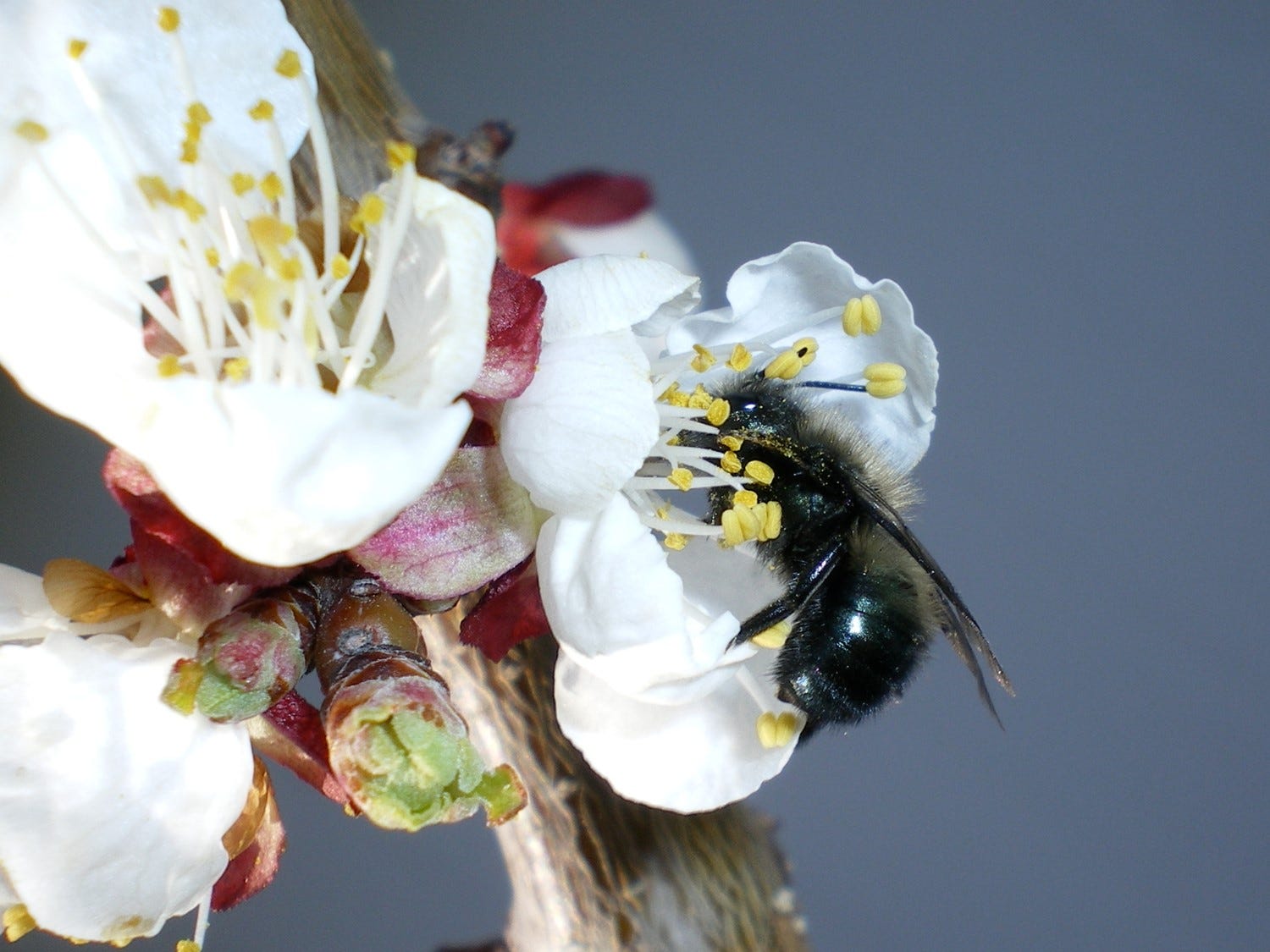
Gardening is the worst hobby to have if you’re a university teacher—you’re insanely busy in the two seasons of the year when you really should be planting and harvesting, spring and fall. My first September of retirement was devoted to escape— to bypass the Start of the Year feelings. But April! I was sure that my first April in retirement I’d finally be able to devote my entire time to plants.
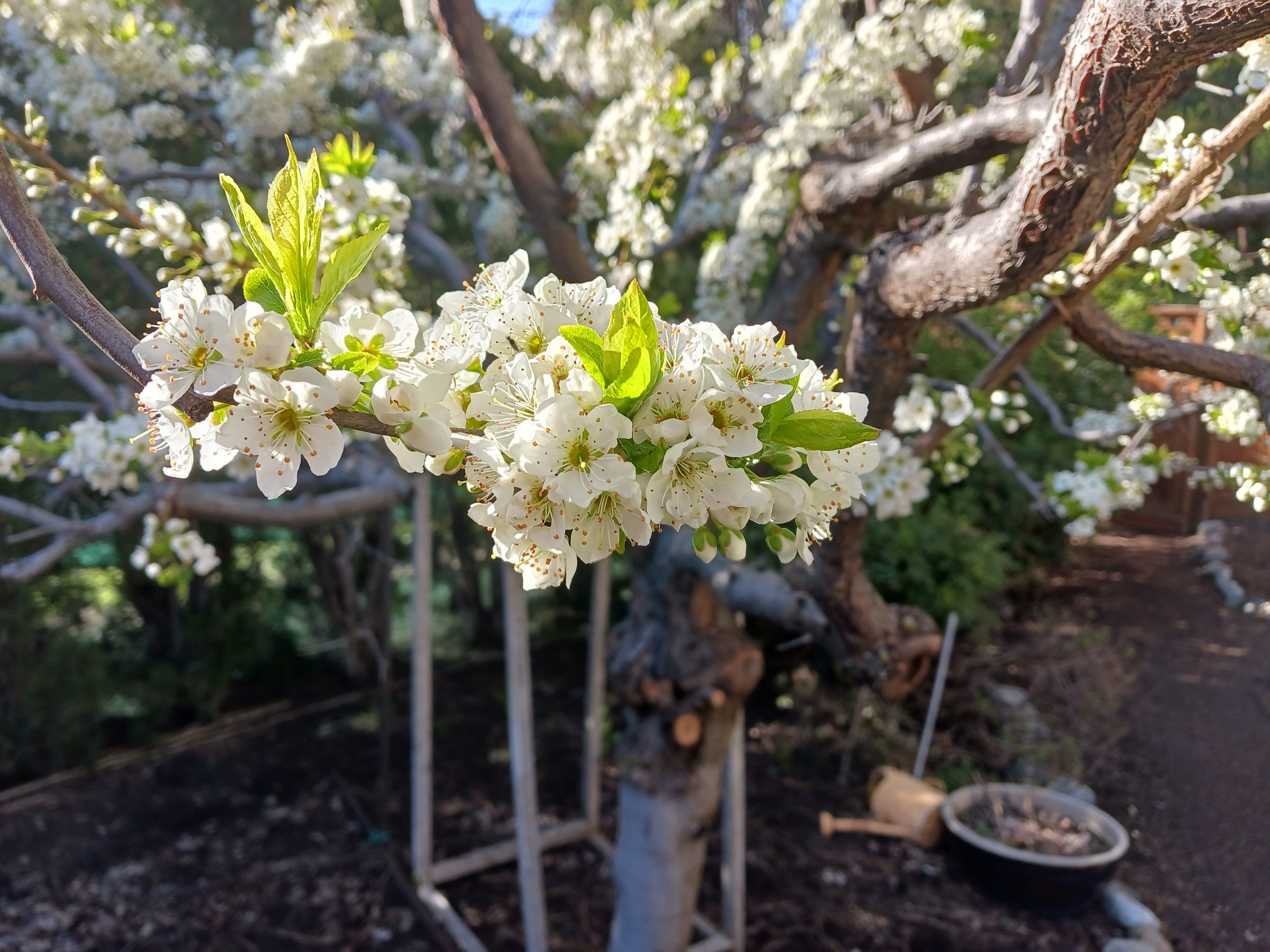
But it didn’t happen. I was ridiculously busy. Besides many family things, I organized a small poetry festival for Canada’s National Poetry Month, worked on a community project with some university students for the Nature Conservancy Society I volunteer with, did my income tax as well as that of other family members, and spent way too much time doom-scrolling about politics and elections.
Essentially my April was sucked up by administrative tasks, grant applications and forms, stressful ups and downs dealing with printers and computers, mild frustrations with students and poets who don’t answer emails, brooding about culture and politics: in fact, a lot like my old job. As the month came to a close, my husband said, “You haven’t learned how to retire yet.”
So here deep into May as the busy-ness continues, almost eleven months after my retirement began, I am having to confront some kind of truth about that. My ideal retirement was to spend the mornings writing, to garden several afternoons a week, to do regular exercise, to have lunches and coffees and walks with friends, to spend time with my grandchildren, husband and dog. And I had hoped, like many people in retirement, to do some volunteer work so that I am not a total sponge on society.
And I AM doing most of these things. Except, I force myself to admit, not the writing and gardening. And not spending enough time with my husband . What is it about these particular things that make me put them on the backburner? They give me the most personal satisfaction, yet they are what I set aside to be busy elsewhere. I suppose it is because these are things where I am only accountable to myself, so I can let them slide. The writing, well, no one is waiting anywhere for a new poem. The garden can go on without me for quite awhile. And my husband is always easy-going and forgiving. For all these things, there is no immediate price to pay for neglecting them.
I don’t think I’m a workaholic in the sense that I am destroying my family or even my garden, though maybe I’m letting my writing life slide away. But I seem to find it hard to prioritize my own loves and desires. I also find it hard to just sit and do nothing. Why do I have to have to be “busy as a bee” all the time?
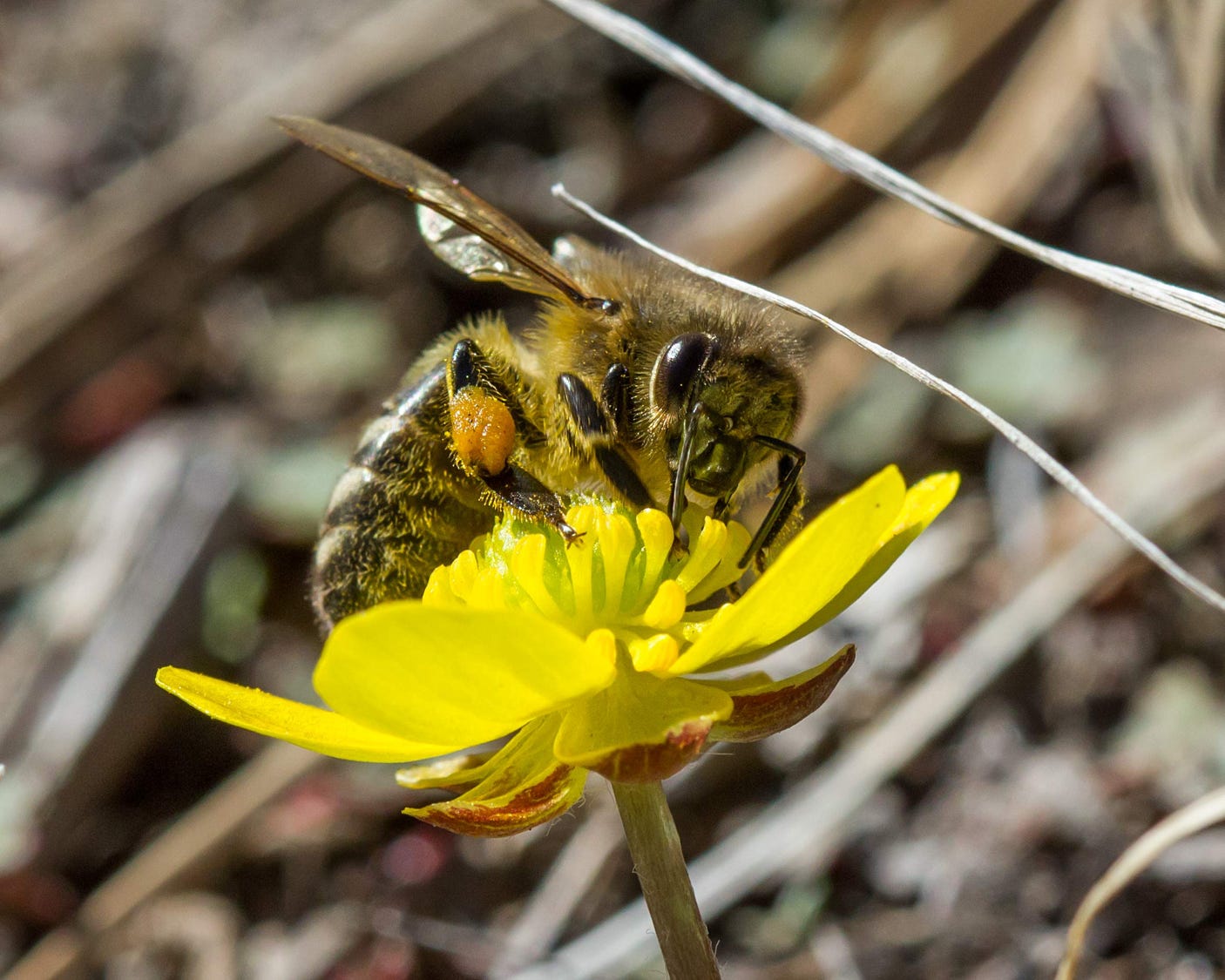
When I’m not busy, and find myself with nothing to do, it is true I get a bit antsy. Which is odd since I remember long stretches of doing nothing when I was young, like lying in the grass looking at clouds or riding my bike aimlessly around the neighborhood feeling the wind in my hair. And I remember spending huge amounts of time doing things I simply loved: eating four or five apples at a time while reading books all day, or writing copious entries in my journal. I never do any of that anymore. My personal narrative is that once I had kids, especially once I was a single mom and sole breadwinner, I schooled myself to never let anything get out of hand. I had to be on call all the time, make sure everyone and everything was looked after. This ability to focus on doing and getting done was an asset for my career as I became adept at juggling a lot and being responsible and efficient. And I still have those skills. But I forgot how to do nothing.
Retirement might be about finding my way back to those early years of pleasures and life-loving laziness. What is retirement if not a time to learn to be human again, as opposed to a role.
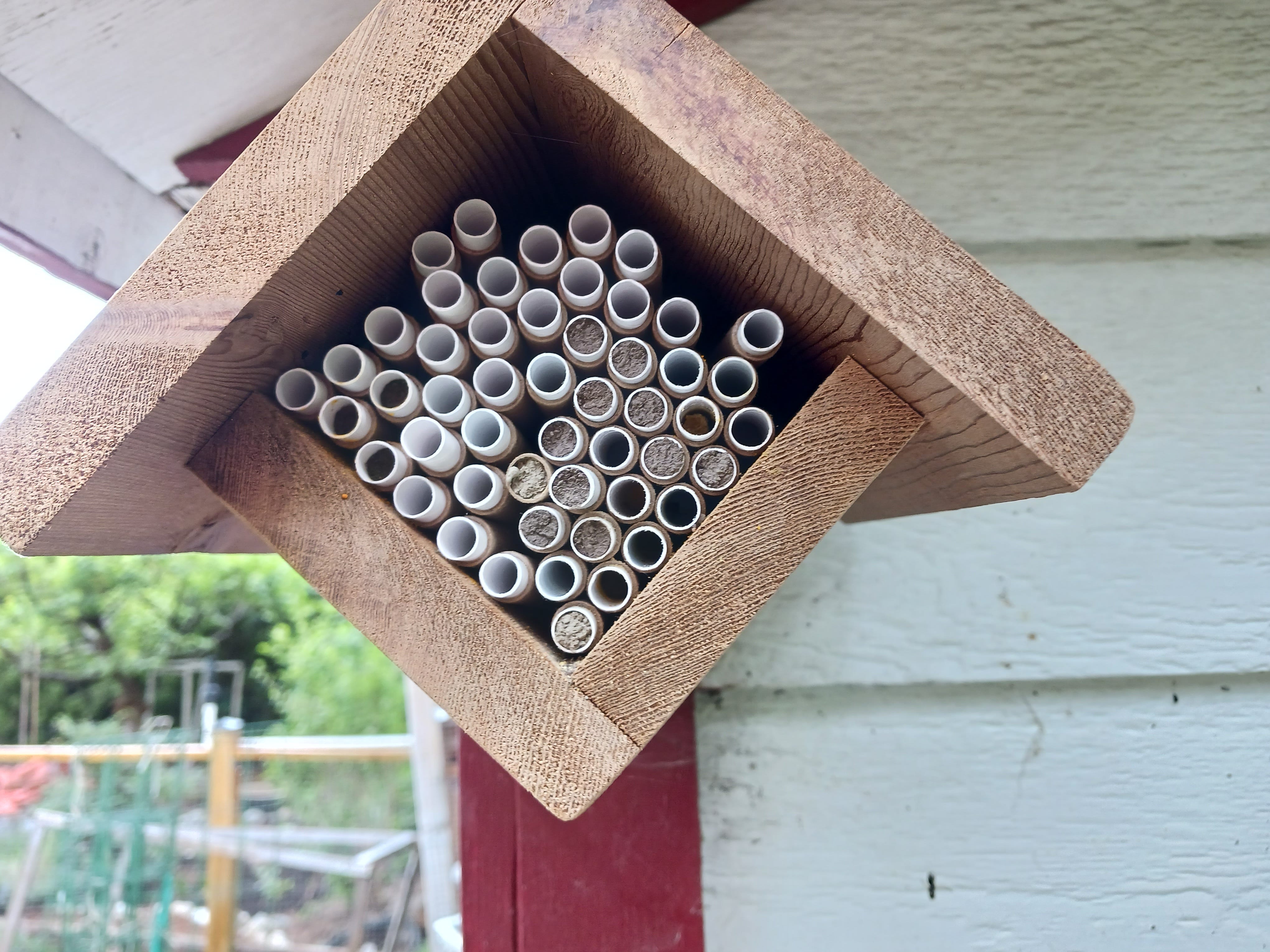
But look at the bees out there, so busy collecting pollen, buzzing madly about. The past two or three days I’ve been watching my mason bees. Mason bees are remarkable insects you can easily keep in your backyard. They are super pollinators and I hope they have super-pollinated my plum tree. They are all about work, as least the females are. Male mason bees hatch out of their cocoons, mate with the females and then spend the rest of their short lives buzzing about with their buddies, drinking nectar, and playing around with flowers.
Bees are models of busy-ness for us because the females are Workers Extraordinaire. Female mason bees hatch out of their cocoons and immediately begin a relentless, to-their-death, flurry of work—they seek out cavities or tubes and begin to lay eggs, provision them with pollen, then wall up each egg with a nice mud cap which they collect in their own jaws like little bulldozers. They fill a tube with six or seven little rooms, one for each egg. They’re housemakers, birthing machines, carers, harvesters, and architects.
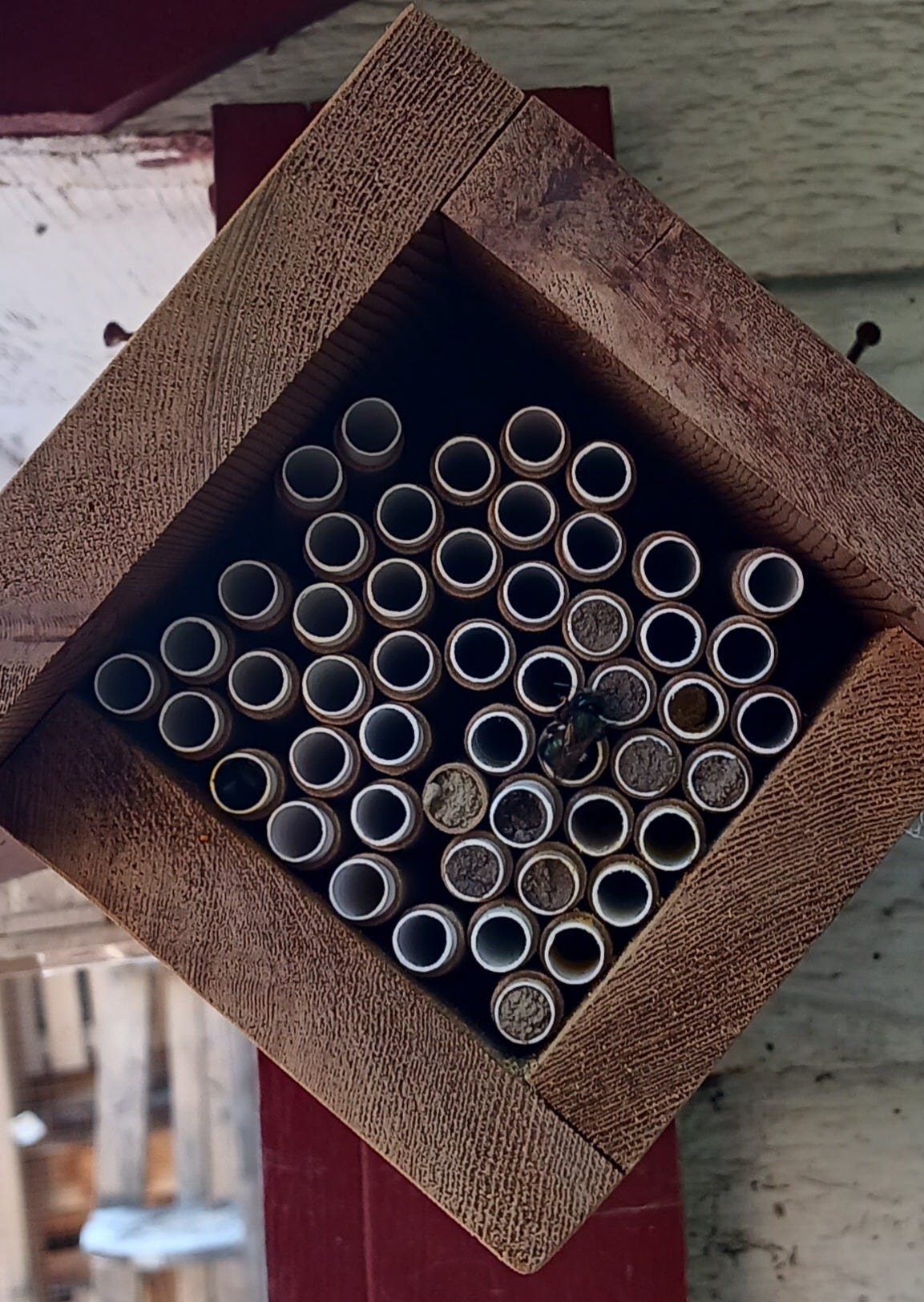
These females may be the wrong animals to identify with. Or are they?
I have been watching my female mason bees, and in the early mornings, and on drizzly or cloudy days, I see those females just sitting in their tubes, looking out, resting, and doing nothing. They are only in a frenzy of work when the sun is out and the flowers are pumping out their juices and pollen proteins. They can laze and rest as well as those slacker males when they get a chance.
In fact, this down-time behaviour is true of all bees, even the workaholic honeybees that are cultural symbols of toil and work ethic. According to the wonderful Canadian bee scientist Mark Winston, honeybees “spend a majority of their time not working… worker bees create a balance of work and rest to ensure individuals have the strength and colonies have the balance to allocate work when and where needed” ( Bee Time p. 231). Bees truly have much to teach me.
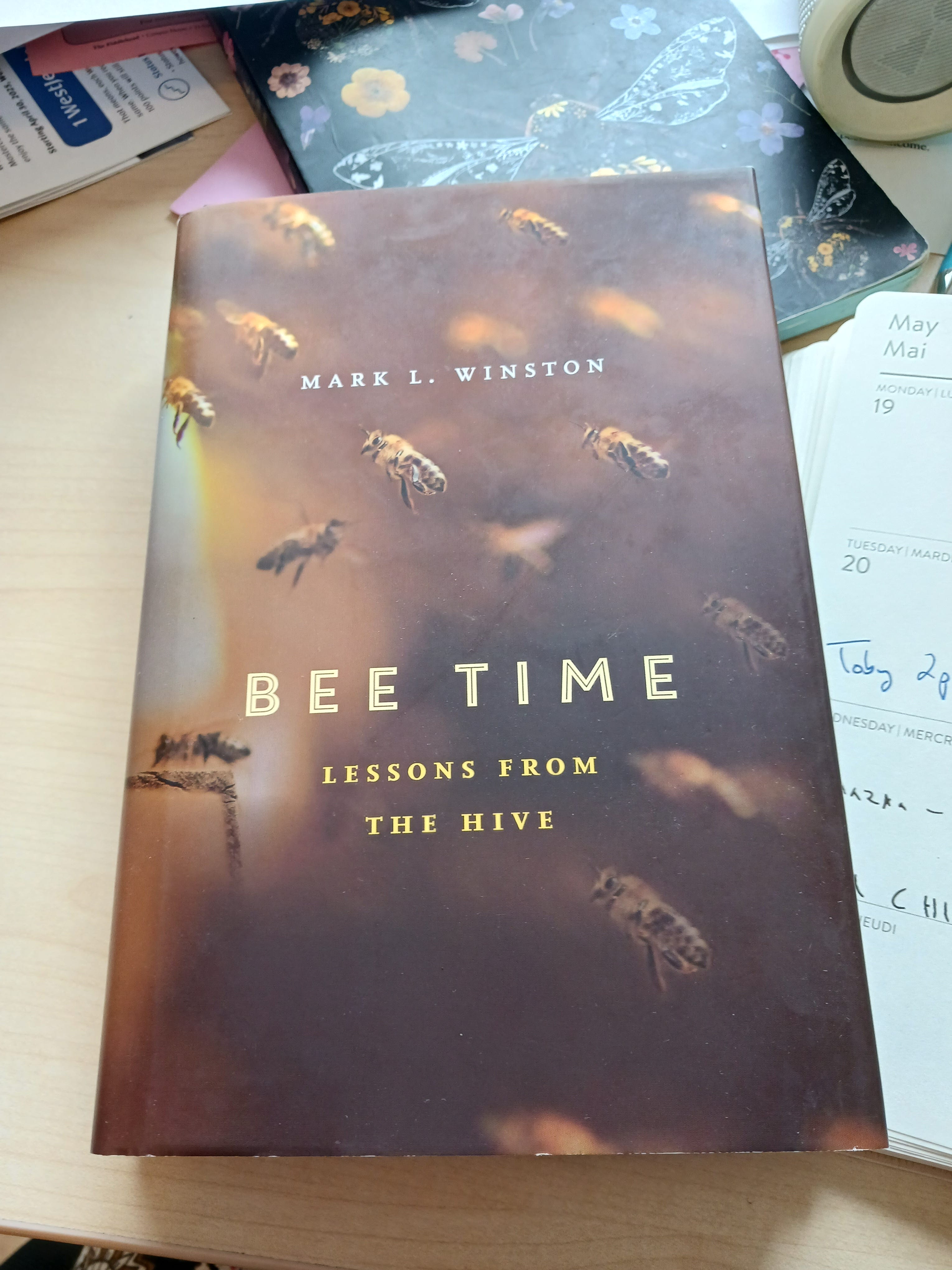
Except for the news obsession (though it is hard to avert one’s fascinated gaze from the implosion of Western social democracy), everything I am doing gives me pleasure. But I need to ask: Am I incapable of the Spring of my dreams? I need to take the bees, both male and female, as my mentors here. Spring is crazy busy bee time, which means both rest and relentlessness. Right?
Meanwhile, the mason bees have pretty well done their jobs. Their short spring lives are nearly over. After six to eight weeks, mason bees die and their legacy lives on in those tubes and cavities which will shelter the metamorphosing mason-bees-in-the-making for at least ten months until next spring.
Life is short, our legacies are long. Maybe that is the mason bee mantra. Off I go to work in the garden. Or read a book. Or maybe just sit in the garden and Bee Watch.
No posts
Comments
Nothing yet. Say the first thing.
Sign in to join the conversation.