
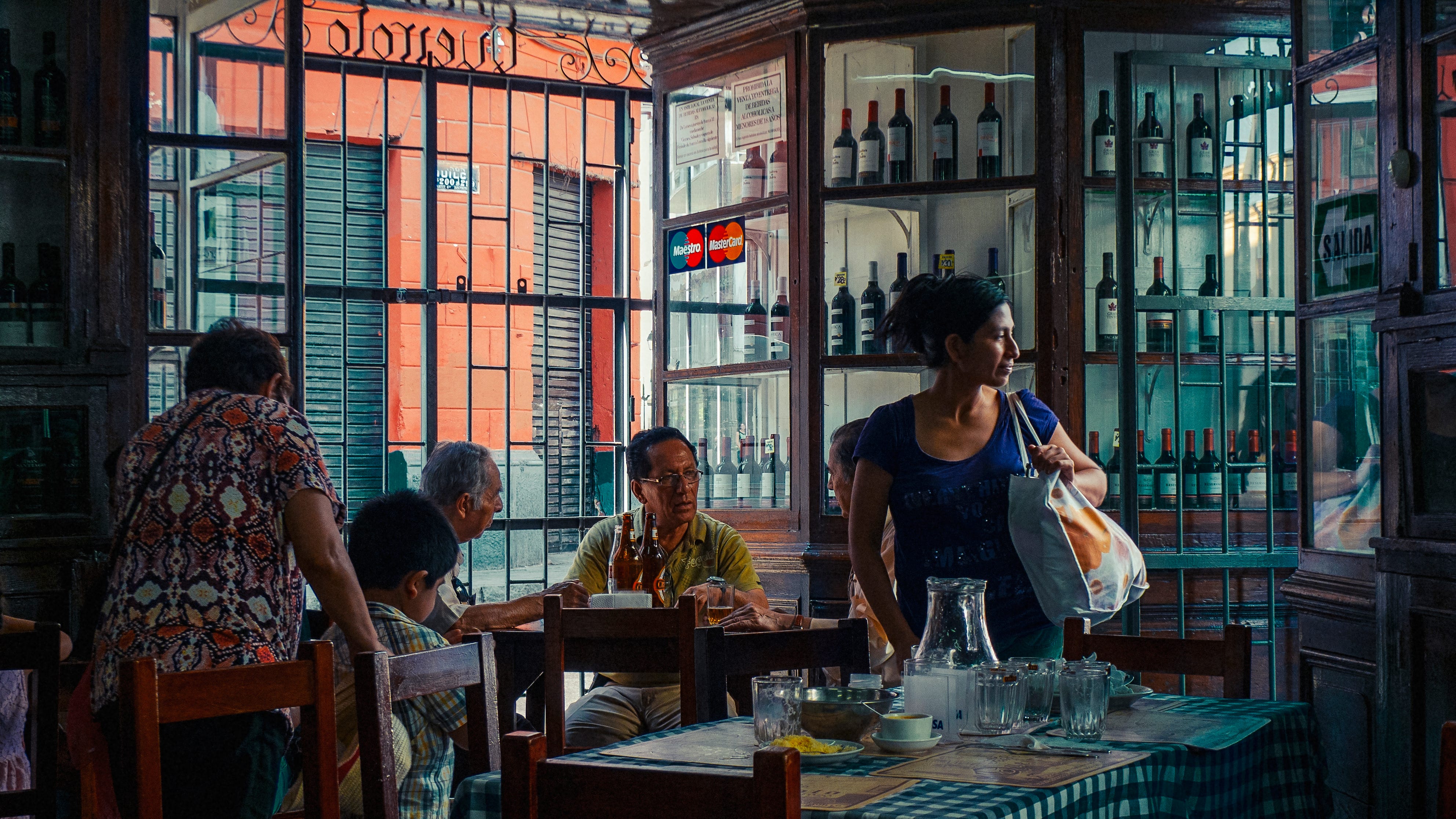
In “Tabernas Won’t Die,” from Tomato Tomato, Peruvian writer Ines Bellina traces the city’s taverns from their roots in the 19th-century with Spanish and Italian immigrants, who came for a glass of wine, to have a snack and pick up some basic supplies, to the modern era, where they went mostly unnoticed by the city’s gastronomic boom and are suddenly seeing a resurgence. At first, this was focused to the food, but it has since evolved: “What makes places like Casa Rebara, Victoriano, and the iconic Juanito’s stand apart is that, as much as they want you to enjoy their food, they truly champion the taberna as a place of social exchange.”

Mocotó, a humble dish found around southern Brazil that’s made of various cuts of pork offal and dried meat, plus the gelatinous pigs feet that give it a creamy texture, was once emblematic of the island of Florianópolis, where it originated during the time of slavery and gradually transitioned to the wider population. “In the second decade of the twentieth century, during the construction of the Hercílio Luz bridge connecting the island to the mainland, mocotó became a means of subsistence for some residents, who provided the dish as lunch for workers,” writes Brazilian journalist and food researcher Carla Rocha in GUTS MAGAZINE, in “Mocotó do Morro and Memories of Home.” Now, mocotó is often left out of Florianópolis’ gastronomic narrative, in favor of things like oysters and mullet. Like the Europeans that were recruited to replace the black population as slavery was abolished, stories of newer recipes displaced the older ones, yet mocotó manages to survive in fringe communities around the island.
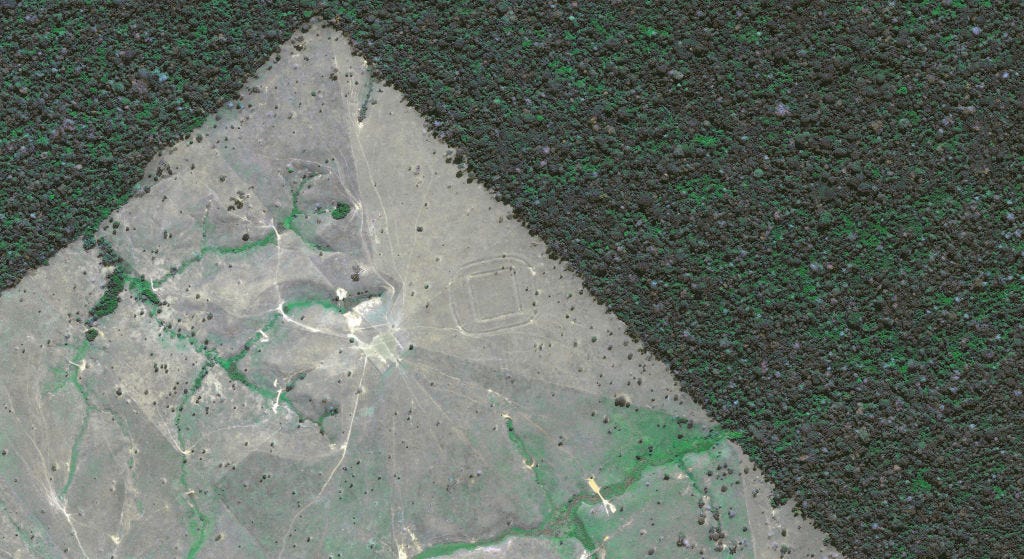
For several decades research has been uncovering traces of complex societies that lived within the Amazon rainforest and recently 400 previously unknown earthworks dating from 600 B.C. to 850 A.D. were found near the borders of Bolivia, Brazil and Peru. Researchers using lidar technology have found circles, squares and other geometric figures, some with connecting roads, beneath the forest canopy, as published in the journal Nature. The structures support the increasing load of evidence that the Amazon was densely populated and full of complex societies before dwindling because of disease, slavery and displacement with the arrival of Europeans.

“The Fire Still Burns in Peru’s Picanterías Across Arequipa and Cusco: One enduring style of restaurant keeps regional cooking alive with black-corn chicha, freshwater shrimp soups, and ocopa ground by hand on smooth river stones” by Nicholas Gill – Prior
“Your worst fears about cultural collapse might be true – here’s what you can do about it” by Elle Hunt – The Guardian
“Has the Restaurant Cookbook Boom Gone Bust? Why is it so hard to sell a restaurant cookbook?” by Emma Orlow – Caper Media
“An Omnivore’s Dilemma: Exploring the uncertainties of wild foods” by Hank Shaw – To The Bone
“Using the jícara can change the world: The way our ancestors used the jícara can help us reduce the use of disposable cups in large quantities” by Shava Cueva – Bebidas de Oaxaca
“New Zealand opens marine reserves with groundbreaking Māori co-management model” by Edward Carver – Mongabay
Comments
Nothing yet. Say the first thing.
Sign in to join the conversation.