
Ladder or Lottery with Gary A. Hoover
Where in the World: Singapore
Bookstore Spotlight: Book Bar
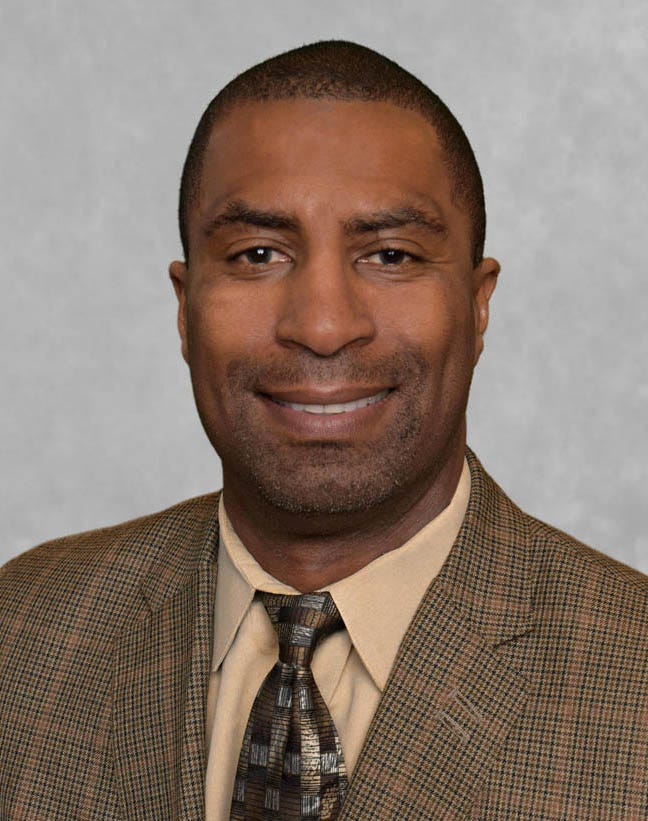
Gary A. Hoover is currently the Executive Director of the Murphy Institute and a professor in the Department of Economics at Tulane University. His research focuses on the intersection of economics, law, race, and public policy.
Q: How did you first get interested in economics?
A: I became interested in economics over 50 years ago. I grew up in Milwaukee, Wisconsin. I was raised by a single mother and we were quite poor. However, my mother would often have two and sometimes three jobs. I never saw a person who worked as hard as she did to provide for her family. Her constant mantra to us was that if we just “worked hard”, we’d get ahead. This didn’t make sense to me. Given how hard it was that I saw her work, she should have been a millionaire. In fact, she should have been a billionaire. I wondered where the disconnect was between just working hard and getting ahead. Answering that question is what led me to economics, and, all of these years later, what led me to write Ladder or Lottery.
Q: What are the current debates and battle lines in economics regarding economic inequality?
A: The debates are as old as poverty itself. The arguments generally boil down to agency. By that I mean that there is this camp which believes that poverty and inequality are choices. People are conditioned to believe that they cannot rise above their current circumstances. As such, these people become dependent on social assistance and remain at the bottom of the income spectrum. If they would only realize the opportunities in front of them, they could be industrious and close the inequality gap.
Others see the problem as being more systemic. In some cases, or many, the gaps are artificial and were not created by individual efforts and cannot be closed by them either. There is an economic system at play picking winners and losers. A third camp views the situation as being somewhere in between these two viewpoints.
Q: What intervention does your book make in this debate?
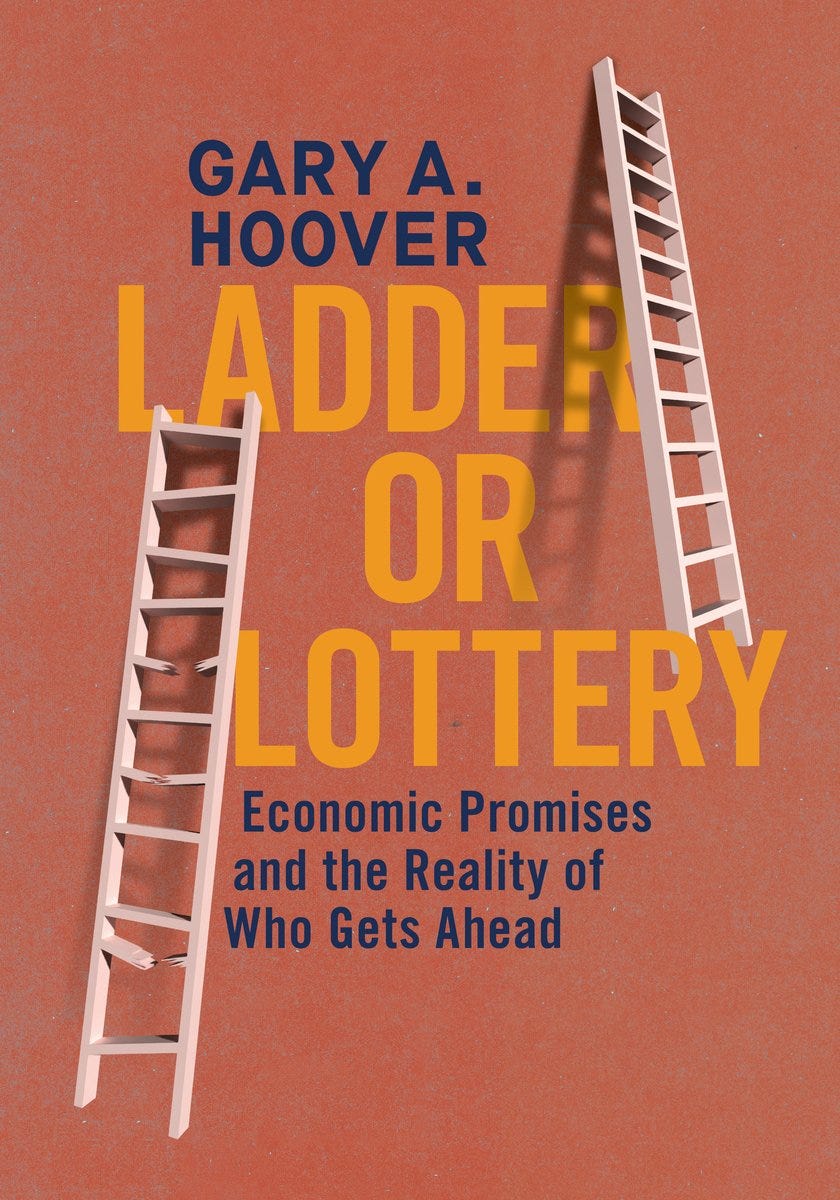
A: My book asks readers not to make a moral judgment about people at the top or the bottom of the distribution. I suggest that we view the problem from an engineering or business perspective. I state, “If an individual designs a system, or in my words, a social contract, the same input must repeatedly and predictably produce the same output. If the same input cannot be counted on to give the same output, then there is a design flaw and some thought should be given to a redesign. At a minimum, the user should be made aware of the glitch in the system. What I hope the reader has taken away from this book is that many in our society are not willing to admit there is a glitch in the system at all. They simply attribute the problem to the end users. My training in economics and mathematics has a problem with that logic. Simply put, if there are 45 million individuals at substantially lower rungs of the economic ladder, it is statistically inconceivable that so many are suffering from a culture or pathology that keeps them from climbing. Even if we can find success stories for hundreds or thousands or hundreds of thousands, the numbers still do not add up when there are millions left behind. It is hard to fathom that some of those millions did not attempt to use the system as intended but did not get the desired result. If that is the case, then the system is not working as intended, and instead of a ladder what we actually have is a lottery.”
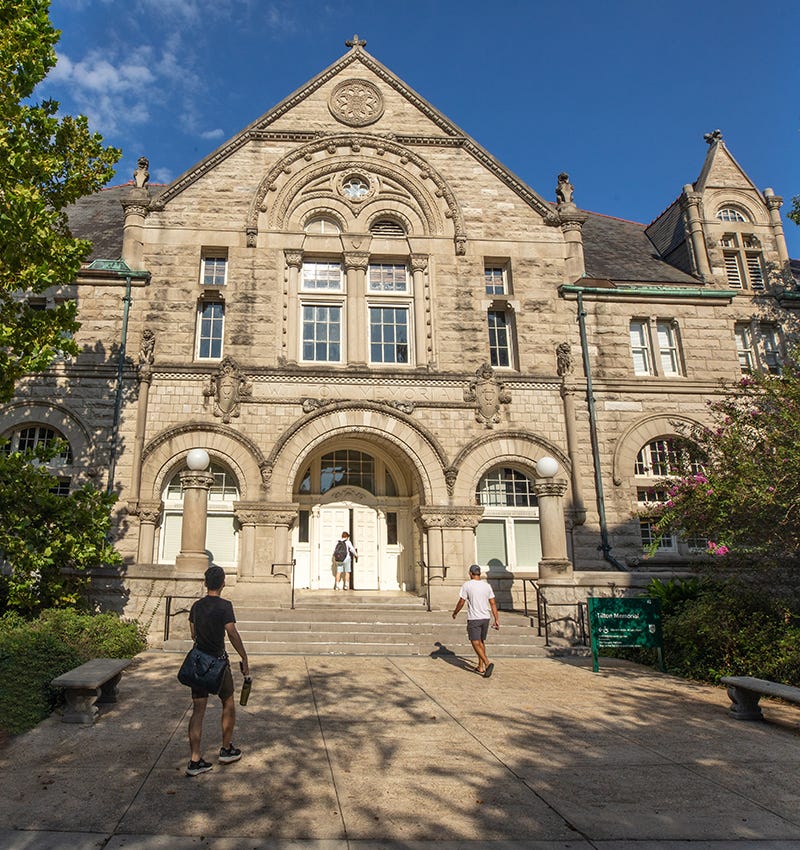
Q: Can you tell us a bit about your work at Tulane’s Murphy Institute?
A: The Murphy Institute is dedicated to the study of Political Economy. If you think of two people or two groups of people which we label as A and B, then we can imagine a case where they want to buy or sell a good or service. What we know from economic theory is that an exact and efficient equilibrium price and quantity can be found. However, that’s not enough. We would argue that there should be a third actor modeled, the government which we label as C. Some would argue that C is not just a benign referee between A and B but an active participant in the market trying to gather power unto itself. Thus, it should be limited. Others would say that C is not a referee but more like a judge and both A and B will try to lobby C to influence it to make the market environment more favorable to them than their competitor. Those of us studying political economy would say that A and B are trying to influence C but also the society as a whole. Basically, I bridge the gap to study what the market outcomes looked like before and after the intervention of C.
Q: The Murphy Institute endorses a joint venture between economic and legal scholarship. Could you elaborate on the importance of studying economics alongside the law?
A: Our focus at the Murphy Institute is to see how public policy influences markets and vice versa. Policy makers are “turning knobs” which influence all manner of policy from education policy to health policy to environmental policy, etc. On the other hand, markets see these policy changes and react. These include the housing market, the labor market, etc. But how do these markets and policy makers “communicate”? We would argue that they do through institutions, rules (laws), and ethics. Thus, we not only have a Center for Law and the Economy; we have a Center for Public Policy Research, and a Center for Ethics.
Q: What is your approach to teaching economics? How might this differ from other economists, and how do your students inform your work?
A: I believe the difference between me and my colleagues is that I’m less concerned with tools. Yes, economics requires a great deal of mathematics and statistics, but to me those are just tools. I try to teach my students to care more about the thing made with the tool than the tool itself. Yes, I can use some very mathematically challenging models to talk about income inequality, but I never want my students to lose sight of the fact that each of these numbers on a screen represents a human life. We are ultimately here to improve the human condition. My teaching is designed to put the “social” back in social sciences.
Q: Which economics essays or books most influenced you and why?
A: I cannot name one. It was the body of work which came from hundreds of years of economic science which influenced me. Some ideas which we held for decades were proven to be wrong. Thus, we learned from our mistakes. At least, some of us learned. I read articles which no longer stand up to serious scientific rigor. I hope that the work that I’m doing will be judged favorably by those in the future.
Q: What are you reading now?
A: I was on a joint panel at the Tulane Book Fest with Marc Dunkelman. Last year he wrote the book Why Nothing Works: Who Killed Progress—And How to Bring It Back. While it didn’t appear at first that our topics had much in common, I’m finding that one can draw parallels between the two books.
Q: What’s the best book you read this past year?
A: I just re-read a novel titled Palace Walk by 1988 Nobel Laureate Naguib Mahfouz. I read the book 35 years ago when I was in college and decided to pick it up again. Still a great read.
Q: If you could have dinner with any economist, living or dead, who would it be and why?
A: I’m fortunate to have had dinner with one of the economists that I greatly admire. David Card won the 2021 Nobel Prize for his empirical work on labor markets. Given my story above about what brought me to economics, it was fascinating to chat with him about how labor markets worked or didn’t work for people like my mother.
Listen to Gary’s two NBN interviews about his new book, Ladder or Lottery: Economic Promises and the Reality of Who Gets Ahead.
Listen to more fascinating interviews with economists like Gary on our channel, New Books in Economics!

This week, learn all about Singapore! Tune in to 3 great episodes to go beyond Crazy Rich Asians to understand more about The Garden City.
In Singapore, hyper-urbanization and commercial development exist alongside an enduring belief in the economic power of ghosts. Listen to our interview with Joshua Comaroff where he discusses his book Spectropolis: The Enchantment of Capital in Singapore, which explores the unlikely collusion of these two systems.

Tune in to a conversation between Jamie Wang and Natali Pearson on the SSEAC Stories hosted podcast. They examine the vision of eco-futuristic urbanism that Singapore has pursued and explore its implications for both humans and non-humans.
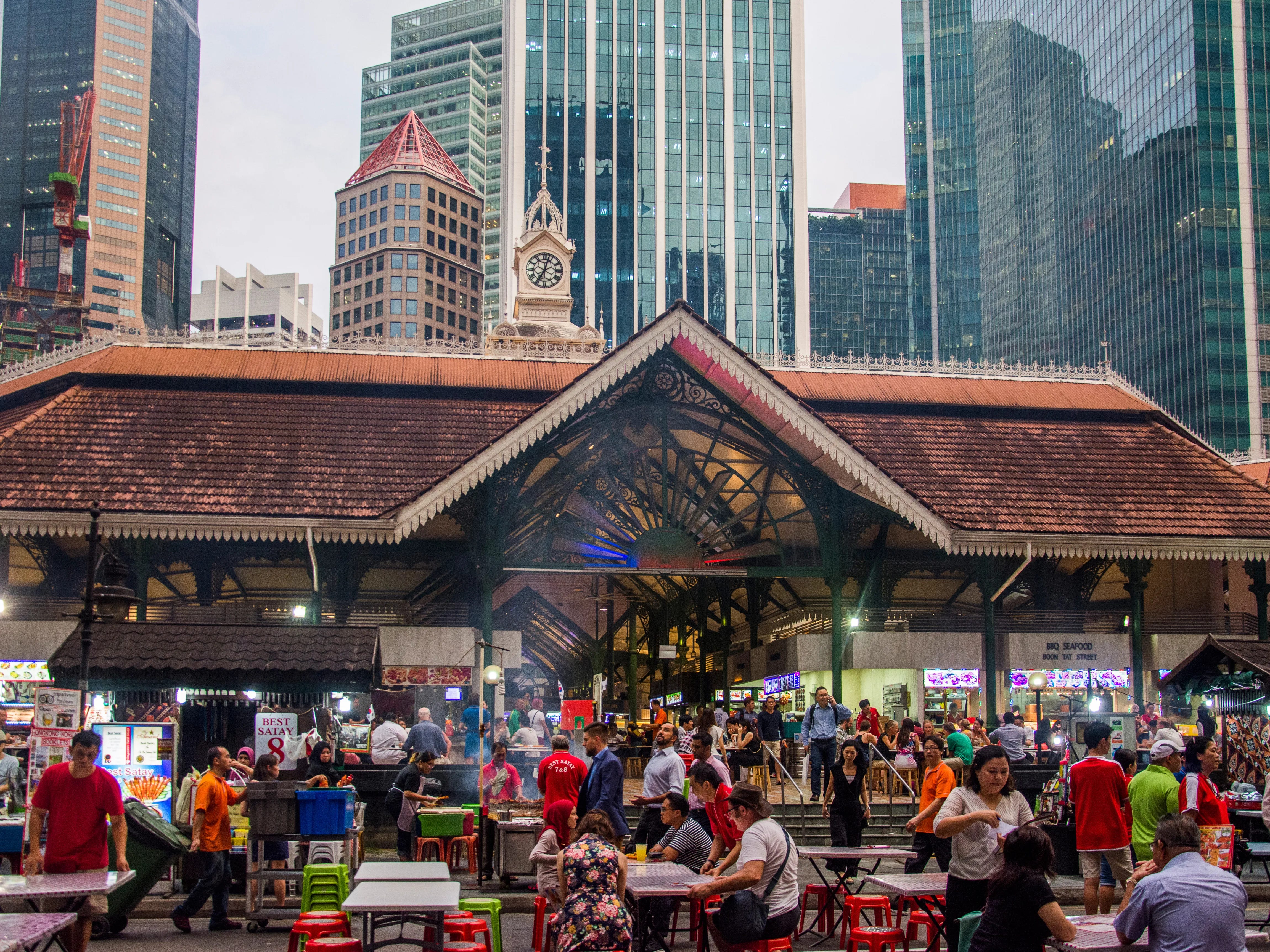
Tune in to restaurateur and author Lim Tse Wei’s discussion of his collection of essays Little Perfections: Eating in Singapore. In this fascinating interview he shares his own culinary journey and examines Singapore’s vibrant food culture.
Share with a friend.
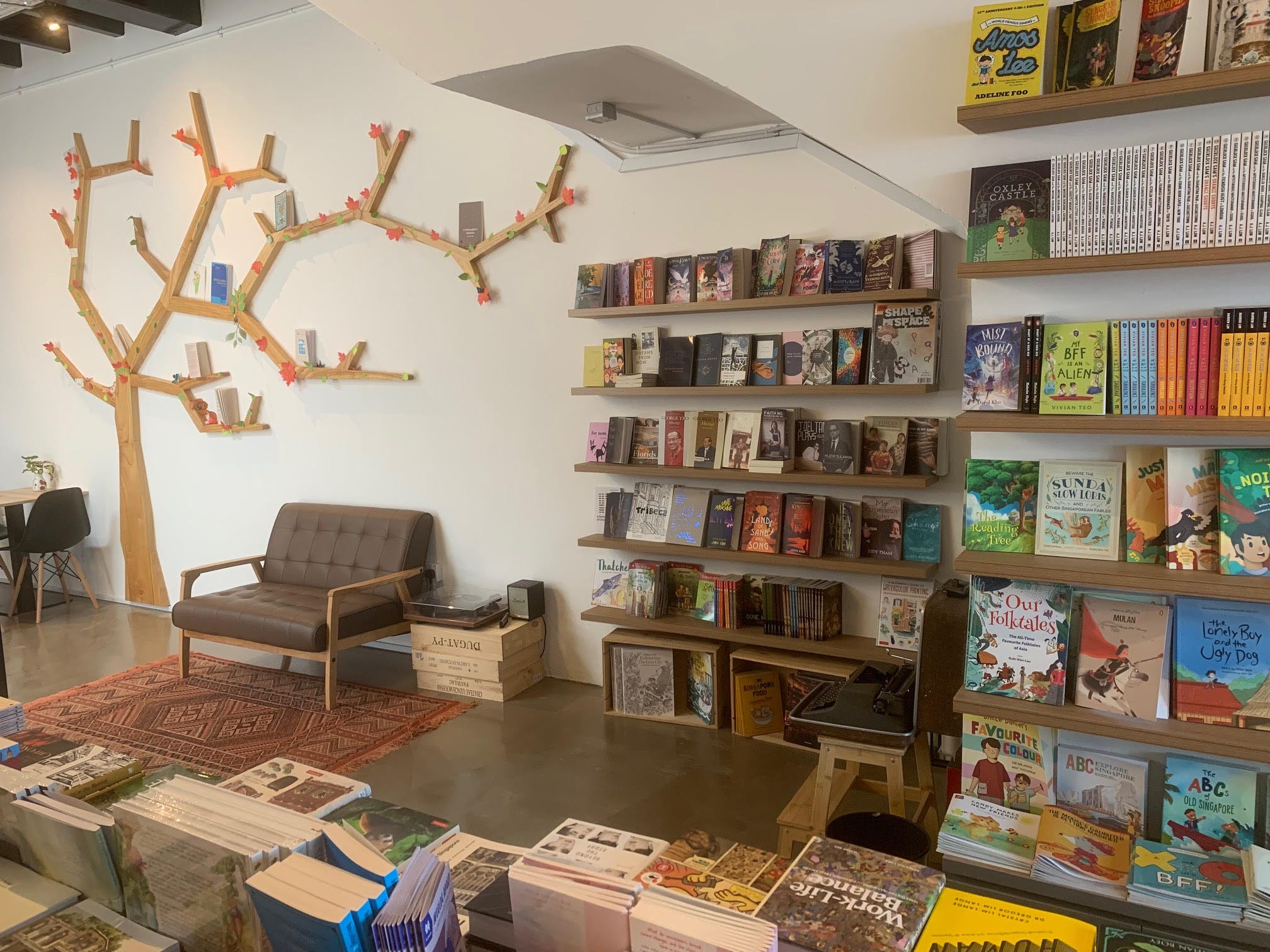
Driven by a love for books, we are a local independent bookstore with a focus on Singapore literature, with a special curation of books that feature Asian heritage. We also have a café space that serves a fragrant cup of coffee and offers you a cozy space where you can enjoy the scent of freshly brewed coffee with a good novel.
Beyond the books and coffee, Book Bar serves as a vibrant gathering place, fostering connections and nurturing a sense of community. Engage in spirited discussions with like-minded literary enthusiasts who gather to share their thoughts and insights. Attend author events, where the creators themselves bring their stories to life.
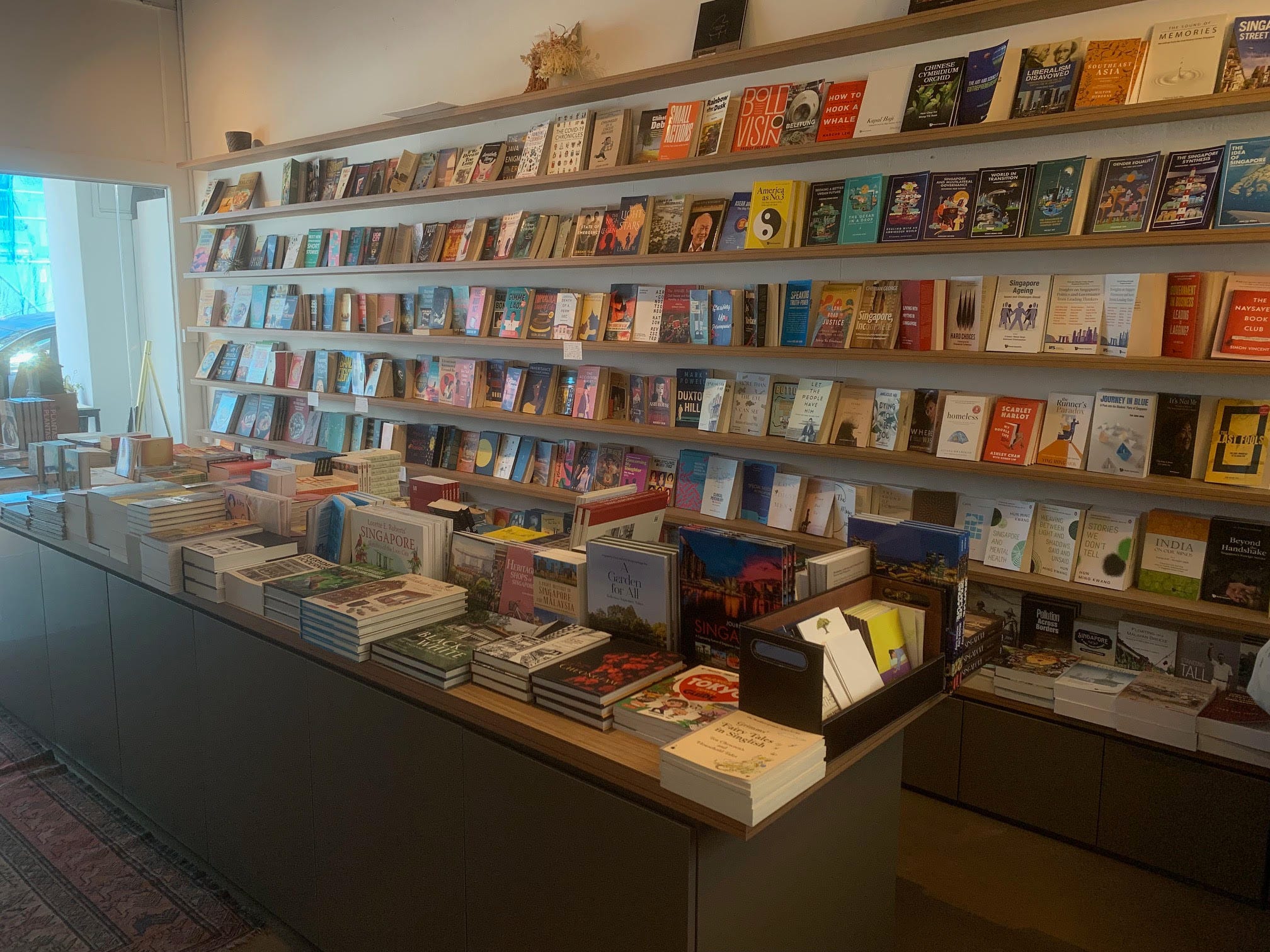
Alexander Chua is the co-owner of Book Bar, an independent bookshop with a focus on Singaporean and Asian literature. He has been in the bookselling and publishing industry for seven years, first managing the Epigram Bookshop before opening Book Bar in July 2023.
Q: Can you share the history of Book Bar, and why you decided to open this store?
A: My co-owner Sara Ng and I, met when I was managing Epigram Bookshop in 2020. In 2023 we decided to open our own store to promote and share our love of reading.
Q: What is the mission of your bookstore?
A: We want to make people fall in love with reading again, to be able to find the time to slow down and enjoy a book.
Q: What makes this store unique?
A: Our focus being mainly on Singaporean Literature is unique. We try to talk to every customer who comes in, and recommend them books from local authors. Many people who come in are interested in learning more about SingLit.
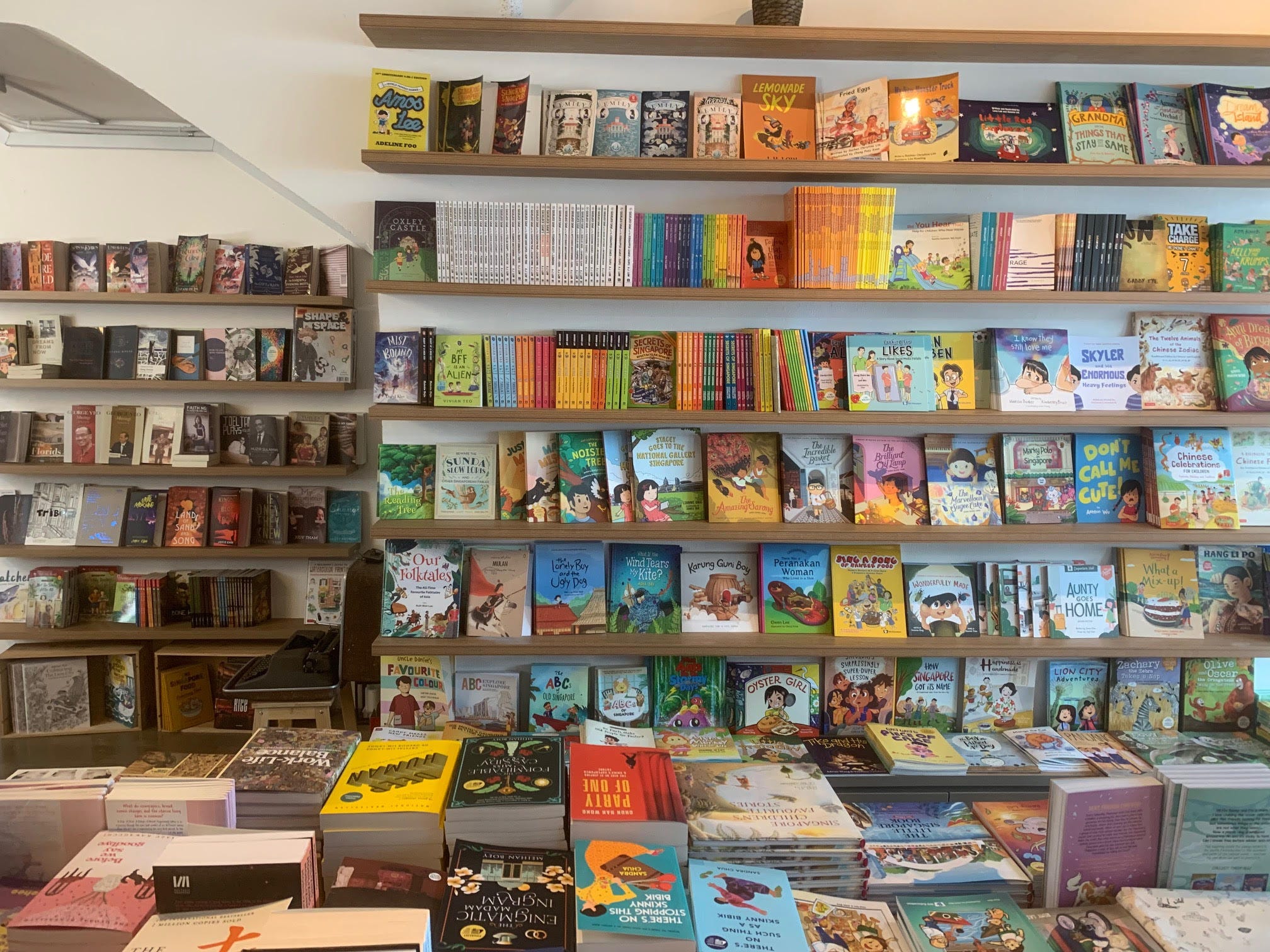
Q: What kinds of events do you host at your bookstore? Anything coming up we can share with our readers?
A: We hold an average of 10 events a month, from book launches and poetry readings to our own book reading events. Outside of books we have also done other events like wine tastings, pastry making, flower arrangement classes and even speed dating. You can follow us at @bookbarsg on Instagram to keep up with all the events we have planned.
Q: What do you enjoy about running a bookstore, and what have been the biggest challenges?
A: The community aspect, being able to talk to people about books, getting to know the regulars who come back. Biggest challenge would be covering costs, rental.
Q: What are your top 5 book recommendations at the moment?
Impractical Uses of Cake by Yeoh Jo-Ann
Unease: Life in Singapore Families by Teo You Yenn
Nine Yard Sarees by Prasanthi Ram
Song of the Yellow Dragon by Low Ying Ping
The Great Reclamation by Rachel Heng
We hope to see you and to help you find your next read!
Want to learn more about SingLit? Tune in to our interview with author Jemimah Wei about her debut novel The Original Daughter.
No posts
Comments
Nothing yet. Say the first thing.
Sign in to join the conversation.