
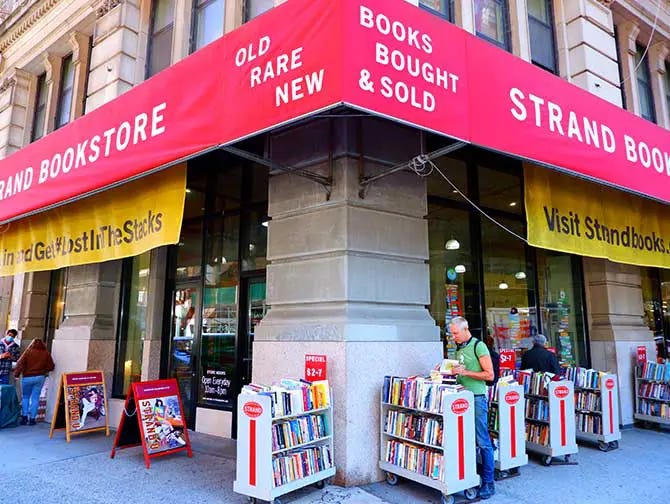
Though we at the New Books Network tend to focus on recent and forthcoming scholarly books, we also love old and antiquarian ones. Our editors are particularly fond of used bookstores. In this newsletter, we regularly showcase used stores known for specializing in various genres and staging community events with authors. Some used bookstores are small, dusty, and filled with hidden gems. Then there are the behemoths like Strand Books in Manhattan which boasts over 18 miles of books.
In the United Kingdom, WeBuyBooks is the largest buyer and seller of used books, carrying around two million copies in its five-story warehouse in Lancashire. Every day the company sells roughly 10,000 books and buys thousands of textbooks, novels, specialty and reference works, photography books, and beyond. Textbooks are its most sought-after product, fetching the highest premium.
We sat down with co-founder and managing director Mike Lane to learn about the second-hand book industry. We asked him everything from how the market prices books to why textbooks are so valuable. He also breaks down how WeBuyBooks spots counterfeit textbooks flooding the markets, a bigger problem than many realize. Listen to our conversation below!
If you are based in the UK and looking to sell some books, visit WeBuyBooks.co.uk and use code NBN15 for 15% extra on your first offer.

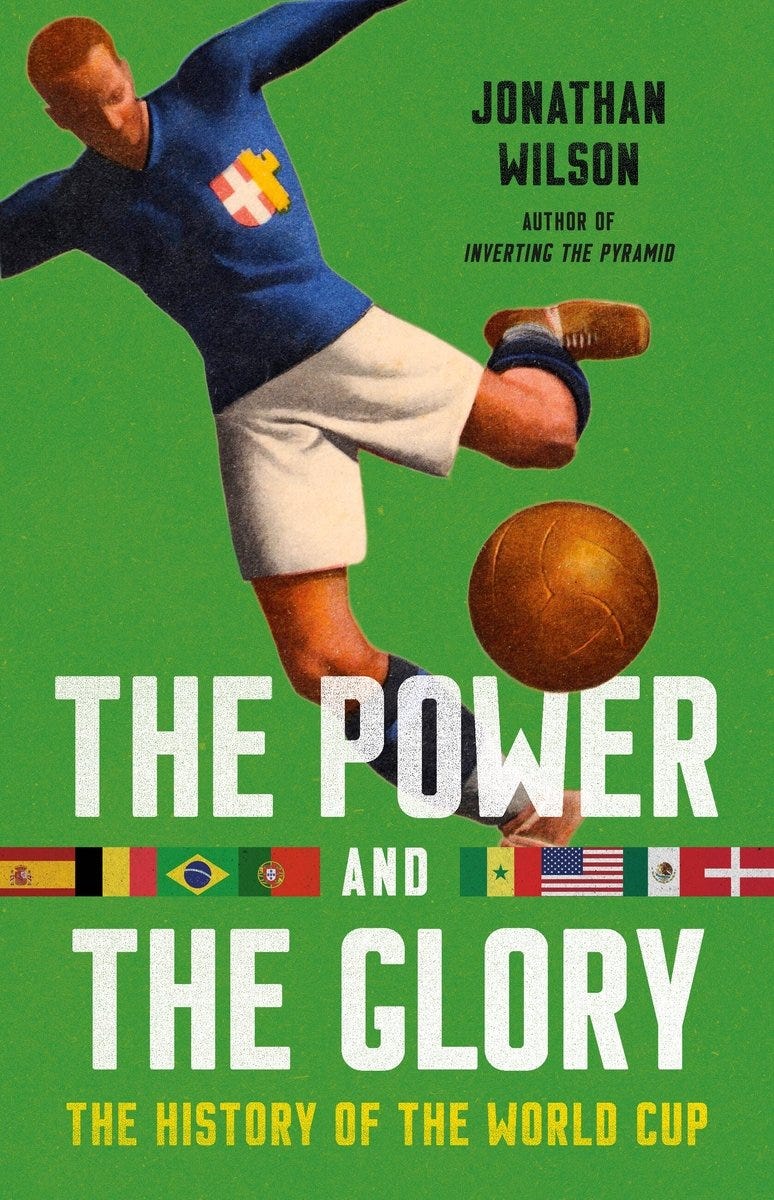
The World Cup has begun! 104 matches will be played across North America, culminating in the finals on July 19. Learn more about the history of this global sporting phenomenon in the episode below. In The Power and the Glory: The History of the World Cup, Jonathan Wilson shows how the World Cup has grown hand in hand with the political, economic, and social forces of our time.
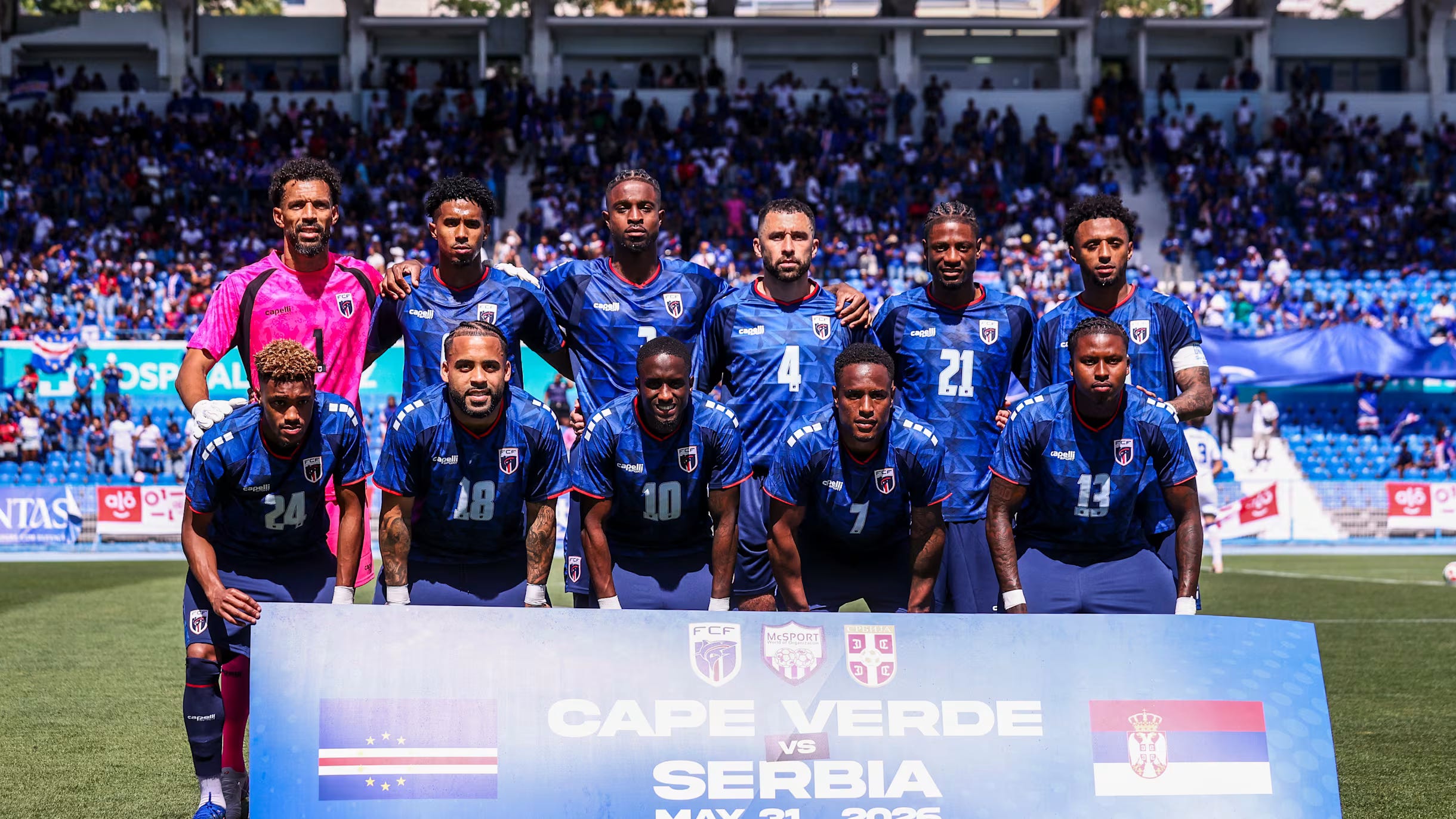
In just the first day of play, there were several upsets. The small island nation of Cape Verde came into the tournament ranked No. 67 and held firm in a 0-0 tie against No. 2 ranked Spain. New Zealand (No. 85) also tied Iran (No. 20), Saudi Arabia (No. 61) tied Uruguay (No. 16), and Egypt (No. 29) tied Belgium (No 9.).
Learn about a few of the countries that led upsets in the tournament below!
Amilcar Cabral remains one of the most significant African nationalists of his generation. Born in the Cape Verde Islands, he led the African Party for the Independence of Guinea and Cape Verde (PAIGC) in its fight against Portuguese rule. He also became a leading theoretician of revolutionary struggle and Marxism, and was influential in the independence struggle until his assassination in 1973.
In Egypt’s Football Revolution: Emotion, Masculinity, and Uneasy Politics, Carl Rommel examines the politics of football as a space for ordinary Egyptians and state forces to negotiate a masculine Egyptian chauvinism. He investigates the increasing attention paid to football during the Mubarak era; its demise with the 2011 uprisings and 2012 Port Said massacre, which left seventy-two fans dead; and its recent rehabilitation.
Learn more about Saudi Arabia from its eighteenth-century origins to the present day in this interview with David Commins. He narrates the full history of Saudi Arabia from oasis emirate to present-day attempts to leap to a post-petroleum economy.
Joachim Klement, a German mathematician who has correctly predicted the previous 3 winners, has publicly predicted that the Netherlands will win this year. Do you think we’ll be seeing Orange on July 19, or will an underdog manage to win?
Thanks for reading The New Books Network Newsletter! This post is public so feel free to share it.

In 2023 the global wellness industry was valued at over $6.3 trillion. Wearable technologies like Fit Bits, Oura Rings, and Whoops are everywhere you look, and practices like nutritional optimization, peptide injections, and ice baths have become mainstream. This week we are exploring exactly what longevity research is, why it’s so popular, and its impact on the human body as well as society more broadly.
Tune in to Coleen Murphy, a leading scholar of aging, discussing how research on longevity and aging may help us live longer and slow the debilitating effects of age. In this conversation about her book How We Age: The Science of Longevity, she explains how understanding the biological rules that govern aging can help us discover how to slow human aging and treat age-related diseases.
Do you want to live forever? Could you live forever? Should you live forever? In this episode of Darts and Letters, Jay Cockburn dives into longevity and anti-aging research to make sense of what's real, what's hype, who could benefit, and who would pay.
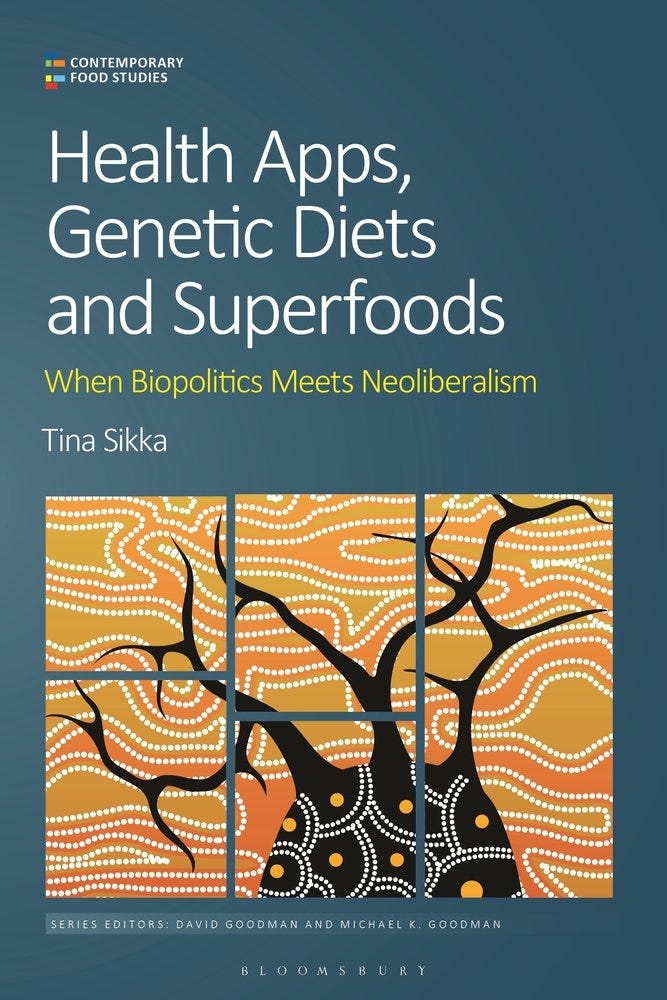
Listen to our interview with Tina Sikka about her fascinating book, Health Apps, Genetic Diets and Superfoods: When Biopolitics Meets Neoliberalism. She investigates the personalization, genetification, and functional food aspects of health and wellness culture, and their impact on the intersecting categories of gender, race, and class.
No posts
Comments
Nothing yet. Say the first thing.
Sign in to join the conversation.