
TikTok, the wildly popular short-form video app, has revolutionized how people consume and create content online, boasting over a billion global users. As of January 14, 2025, its fate in the United States hangs in the balance, with a possible ban looming due to mounting concerns over national security and data privacy. The U.S. government has issued an ultimatum for TikTok's parent company, ByteDance, to either sell its U.S. operations or face removal from app stores nationwide. This decision, fueled by bipartisan concerns over Chinese data practices, has sparked a massive cultural shift, with TikTok creators and users scrambling to find alternatives.
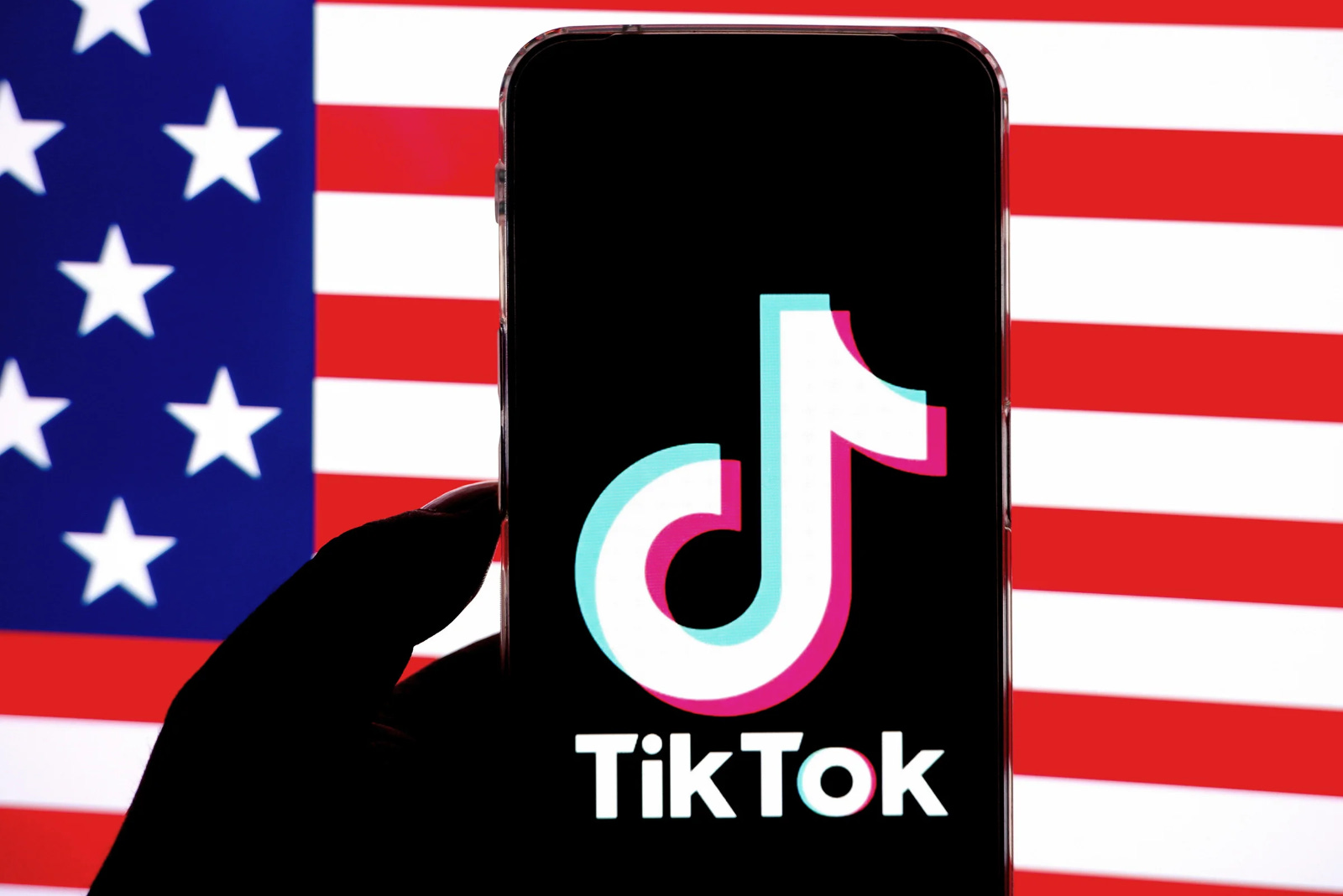
However, the ban raises critical questions about free speech, corporate influence, and data privacy standards across all platforms. It also serves as a reminder of the need for tools like Oak's vibeCheck Search, which empowers users to make informed digital decisions based on ethical, transparent information.
Oak provides tools to help users take control of their digital experiences. VibeCheck Search breaks down complex privacy policies and helps you understand the terms before you agree—ensuring informed consent in the digital space.
Why Is TikTok Being Targeted?
The primary justification cited by U.S. lawmakers revolves around national security concerns. TikTok, owned by the Chinese tech giant ByteDance, collects extensive user data, including device information, location, browsing habits, and even biometric data such as face and voice prints. Critics argue that this data could be accessed by the Chinese government due to China's national security laws, which compel companies to cooperate with data requests (Oliver, 2025; PolyMatter, 2025).
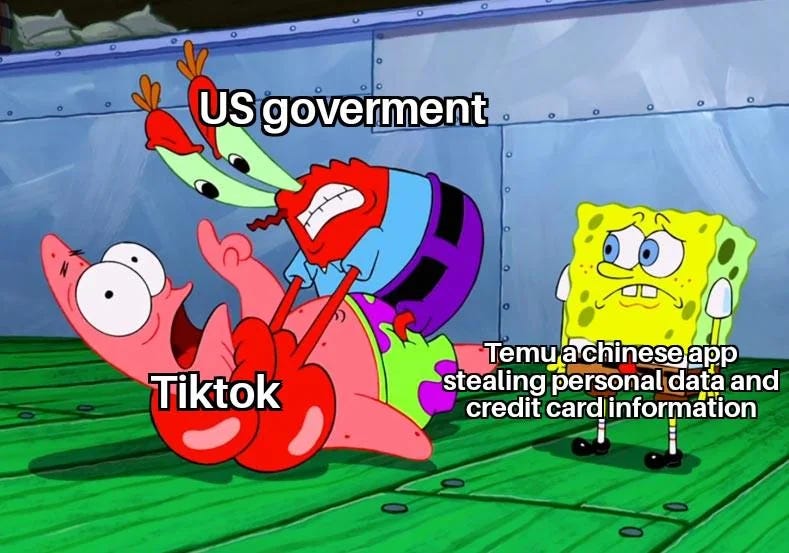
However, investigations have shown that TikTok does not collect significantly more data than other platforms like Meta and Google, which also harvest vast amounts of user data with minimal oversight (Oliver, 2025). This raises concerns about whether the ban is driven by genuine privacy issues or political motivations and market competition, as companies like Meta have heavily lobbied for TikTok's removal (RaZeR, 2025).
The Ironic Migration to RedNote (小红书)
In a twist of irony, as TikTok faces a potential ban, millions of its users have begun migrating to a Chinese-based platform called 小红书; pinyin: Xiǎohóngshū; commonly abbreviated as XHS; alternatively as RED or RedNote. Unlike TikTok, RedNote (小红书) is entirely based in China, with its servers, operations, and language all deeply embedded in the Chinese ecosystem. Despite this, a massive cultural exchange is emerging on the platform.

Americans, calling themselves "TikTok refugees," have flooded RedNote (小红书), with Chinese users warmly welcoming them into the platform. Some creators describe live streams where cultural traditions and languages are shared openly, and the CEO of RedNote (小红书) even issued a public video welcoming American users (NBC News, 2025).
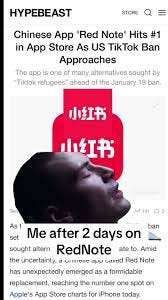
The movement has also taken a humorous turn, with viral skits portraying users saying emotional goodbyes to their "Chinese spy," a tongue-in-cheek nod to the U.S. government's concerns about surveillance (Oliver, 2025). While satirical, it underscores the growing skepticism toward the government's narrative surrounding the ban.
The Real Threat: Data Privacy or Corporate Interests?
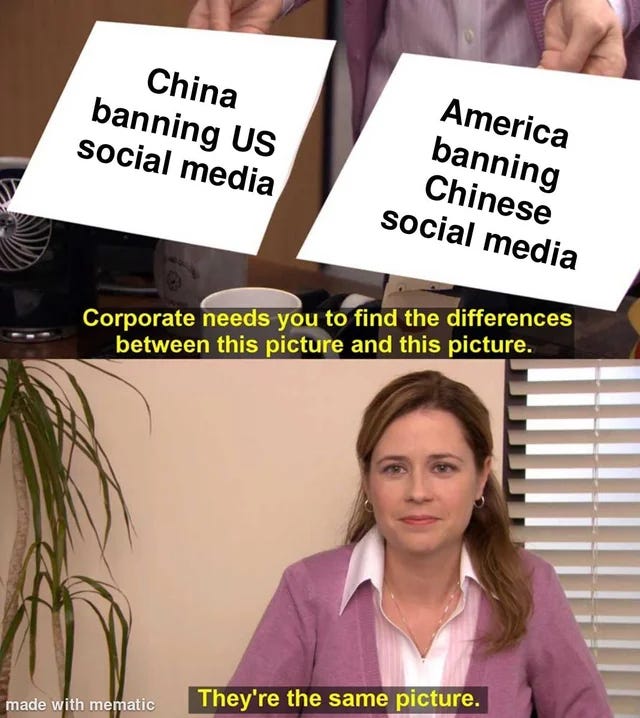
While data privacy is a critical concern, the TikTok ban does not address the core issue: a lack of comprehensive data protection laws in the U.S. If protecting user data were the true priority, similar scrutiny would be applied to Meta, Google, and other tech giants. Instead, the ban appears to reflect a broader issue of market competition, as platforms like Instagram and YouTube have struggled to compete with TikTok's algorithm and user engagement (RaZeR, 2025).
This highlights the need for tools that empower users to take control of their data. Oak's vibeCheck Search offers a solution by simplifying complex privacy policies and breaking down the terms of service for digital platforms. With vibeCheck Search, users can make informed decisions about the platforms they engage with, ensuring their data is handled ethically and transparently.
Exploring Alternatives to TikTok
As the ban looms, several alternative platforms have gained attention:
Clapper and Flip: Both platforms emphasize free speech and privacy while offering a creator-friendly environment.
Lemon8: Also owned by ByteDance, making it vulnerable to the same potential ban as TikTok.
RedNote: While culturally significant, it poses even greater data security risks due to its full integration with the Chinese digital ecosystem.
While RedNote offers a fascinating cross-cultural experience, it highlights the need for a safer, privacy-respecting alternative where users can engage without compromising their personal data.
Oak's Role in Empowering Digital Transparency
Oak provides a critical tool in this complex digital landscape. vibeCheck Search helps users navigate the fine print of platforms like TikTok, Instagram, and even RedNote (小红书), offering simplified explanations of privacy policies, data-sharing practices, and user rights. By empowering individuals with clear, actionable information, Oak champions both privacy and digital literacy.
Stay informed and protect your digital rights with Oak's vibeCheck Search. Understand what you're agreeing to before you click "accept." Visit Oak and explore how you can take control of your online experience.
Conclusion: A Moment for Digital Empowerment
The TikTok ban serves as a wake-up call not just for data privacy but for the broader issues of free expression, corporate influence, and the need for stronger privacy protections. While the migration to RedNote (小红书) highlights cultural curiosity, it also underscores the importance of critical thinking about data security and government motives.
Oak stands as a beacon of transparency in this evolving landscape, providing tools that help users make ethical, informed decisions online. Whether TikTok remains or disappears, the demand for a fair, privacy-respecting digital ecosystem continues—and Oak is leading the charge.
References:
NBC News. (2025). TikTok content creators prepare for app's potential ban. Retrieved from https://www.youtube.com/watch?v=khDPoSg92H0
Oliver, J. (2025). TikTok Ban: Last Week Tonight with John Oliver (HBO). Retrieved from https://www.youtube.com/watch?v=5CZNlaeZAtw
PolyMatter. (2025). Are We in a Cold War with China? Retrieved from https://www.youtube.com/watch?v=jO_Ho229wqw
RaZeR, J. (2025). The TikTok Ban Should Scare You. Retrieved from https://www.youtube.com/watch?v=l6X6hgGiG_4
Comments
Nothing yet. Say the first thing.
Sign in to join the conversation.