
Every week it feels like gaming asks you to trust it a little less and pay it a little more. This week gave us all of it in one shot. Xbox groveled over an outage that barely lasted a day. Steam Deck sales fell off a cliff after Valve got greedy with pricing. And in the middle of all that doom, Sony Santa Monica dropped a release date that actually made me excited to be a gamer again.
Xbox had a rough weekend. Sign-ins failed, game libraries wouldn’t load, and titles refused to launch for a big chunk of Sunday night into Monday. Xbox’s chief technology officer, Scott Van Vliet, came out and explained that the failure came from a licensing service outside of Xbox that Xbox depends on, an internal Microsoft system shared across multiple products. He called the whole thing unacceptable and promised the company would do better.
Here’s the thing. PlayStation had its own outage recently too, and PlayStation outages have basically become a once-a-generation tradition at this point. Nobody loves it, but nobody’s shocked by it either. The reason Xbox’s outage got so much attention is because Xbox has been taking hit after hit lately, and this was one more punch to a company that’s already stumbling. Van Vliet’s statement read less like a routine incident report and more like someone apologizing for forgetting to pay a bill. The system was down for barely 24 hours. The scale of the apology made it feel bigger than it was, and I think that’s a direct result of Microsoft’s fiscal earnings coming out rough and Xbox’s Asha Sharma publicly saying the division needs to do better. When your CEO is under that kind of pressure, every outage becomes a referendum on the whole platform.
What actually matters here isn’t the apology, it’s the pattern. Both Xbox and PlayStation had outages right around the time Sony announced it’s killing physical discs. Xbox is leaning harder into cloud and Game Pass. Both companies are betting the future on you staying signed in and connected at all times. And if that’s the future, the bare minimum they owe you is a service that’s actually up when you want to play. Ownership already took a hit when everything went digital. Reliability can’t be the next thing on the chopping block.
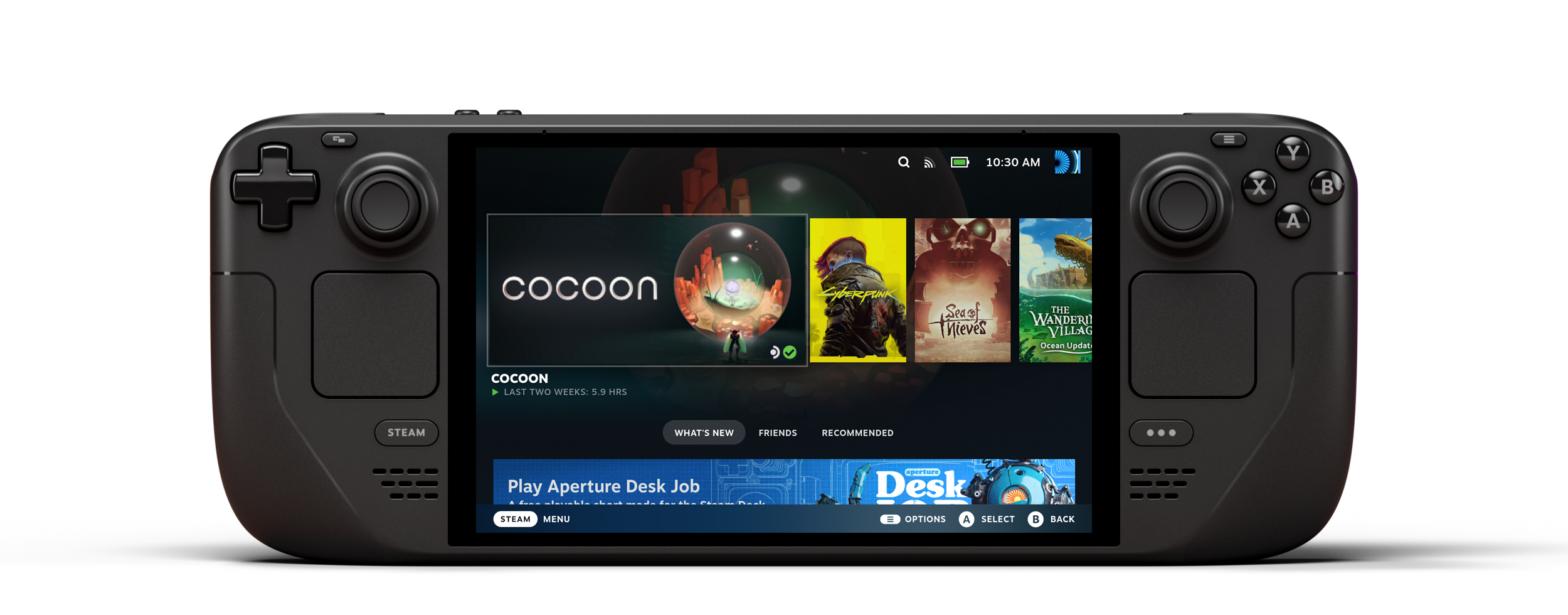
The Steam Deck used to be the budget all-star of PC handhelds. Now, according to numbers circulating from Boiling Steam via Gizmodo, it’s selling up to 82% fewer units than it did last year. The device has slipped from a near-permanent fifth place on Steam’s top sellers chart down to around fourteenth, which lines up with a massive drop in revenue. Valve isn’t going to confirm exact numbers, but the trend is obvious to anyone paying attention.
This isn’t some mystery. Valve raised the price of the Steam Deck by more than $300, and people responded exactly how you’d expect. That’s not a subtle increase, that’s Darth Vader telling Lando he’s altering the deal and to pray he doesn’t alter it again. When you jack the price up that aggressively, you can’t act surprised when the sales chart tanks.
There’s more going on underneath it too. Valve just launched the Steam Machine on June 29th, and there’s been chatter about a next-gen Steam Deck already in early planning. If people know a more powerful option is coming, or already out, why would they drop full price on the current handheld? And honestly, the broader handheld market has gotten a lot more competitive. Devices like the AYN4 are putting up real specs for $259, with the maxed-out version still landing under $600. When something that price-competitive exists, the Steam Deck’s premium pricing looks even worse by comparison.
Zoom out further and this is really about affordability. Gaming keeps creeping toward luxury-item territory. Consoles are approaching or sitting at the $1,000 mark. Handhelds are following the same path. Meanwhile people are modding old PSPs and Vitas, buying secondhand on Facebook Marketplace, and leaning hard into retro gaming because it’s the only version of this hobby that still makes financial sense. If Xbox and PlayStation actually launch new consoles next year at rumored price points, I think we see the same story play out at an even bigger scale. Nobody’s paying $1,500 for a console and then trying to scalp it for $3,000. The margins for that kind of flipping just aren’t there anymore, and the audience willing to pay that much up front is shrinking fast.
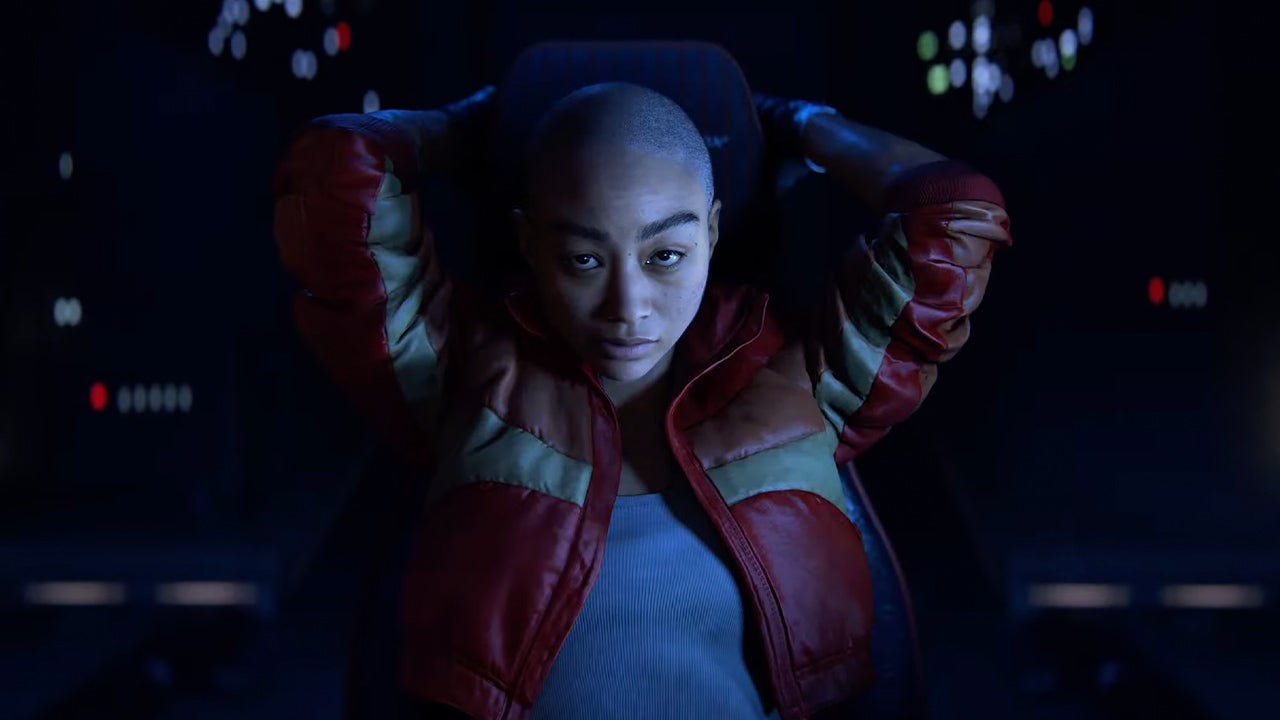
Leaker natethehate2 claims Intergalactic: The Heretic Prophet is targeting a 2027 release, though Naughty Dog hasn’t confirmed anything officially. This tracks with earlier reporting from Bloomberg’s Jason Schreier that the game wasn’t coming in 2026, despite some speculation it could land by the end of this year.
I want to believe it. If Sony opens 2027 with God of War: Laufey and closes it with Intergalactic, that’s basically a repeat of 2022, when Horizon Forbidden West kicked off the year and God of War Ragnarok closed it out. That would be a genuinely great year to be a PlayStation fan. But Naughty Dog has never been a studio that rushes. They take their time on every detail, and historically that’s been the right call. I’d rather wait an extra year for something that’s actually finished and polished than watch another ambitious PlayStation project get gutted or canceled the way Last of Us multiplayer did. Whatever the timeline ends up being, I want them to take it.

Laufey is coming out February 16th of next year. Sony confirmed it at the God of War: Laufey panel during San Diego Comic-Con, and it lines up with earlier confirmation that the game will ship on disc despite Sony’s plan to stop producing PlayStation discs starting in 2028.
Santa Monica Studio’s head of creative, Cory Barlog, also confirmed that the next Kratos-led God of War game is already coming after Laufey, and that it connects directly to her story. Barlog said the Laufey game is meant to expand the world in a way that sets up what comes next, and that everything happening in it ties back to what came before.
I trust Cory on release dates. We made a bet on Ragnarok’s release timing a while back, and I was right to trust him then, so I’m trusting him again now. Getting an actual, specific date out of Sony, especially with how tight-lipped they’ve been on dates lately, feels like a real signal of confidence. And the fact that they’re already confirming a next Kratos entry, directly tied into Laufey’s story, tells me they know exactly where this saga is headed. Laufey picks up right after the original 2018 God of War, and given how time works differently in the underworld, I think her story eventually catches up to the present timeline, right around the events after Ragnarok. If that’s the plan, it’s a smart one, and it means the next few years of God of War are going to be more connected than anything we’ve gotten from this franchise before.
Between the outages, the price hikes, and the industry bracing for consoles nobody can actually afford, it’s easy to feel like gaming is trying to squeeze you dry from every direction. But then something like a confirmed Laufey release date shows up, and it’s a reminder that the actual games are still worth showing up for. That’s the part worth holding onto.
No posts
Comments
Nothing yet. Say the first thing.
Sign in to join the conversation.