
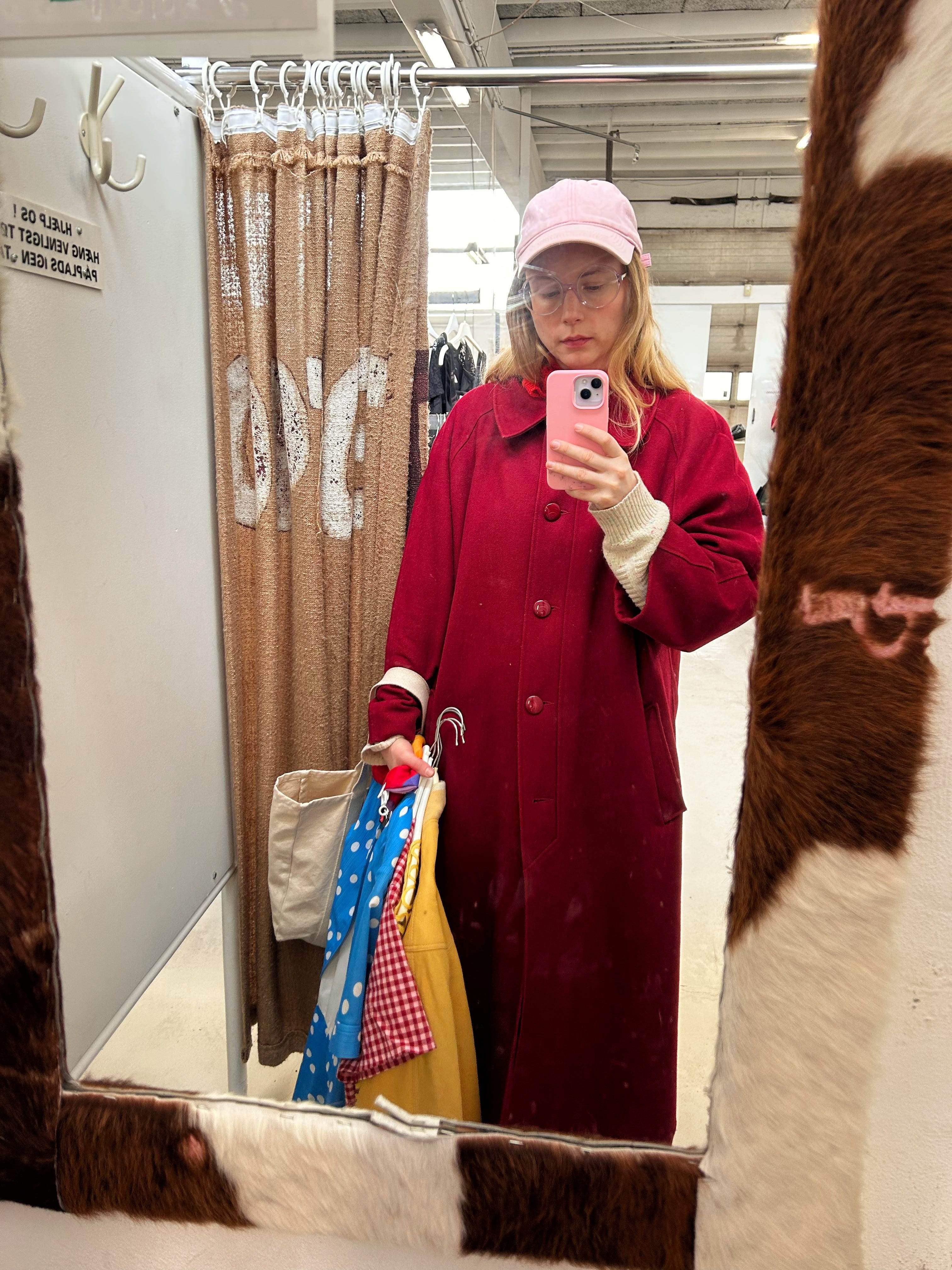
Every time I go to stay at my parent’s summer cottage in the Danish countryside, I always make sure to drop by the local charity shops to dig up the good finds.
I’ve gotten my hands on multiple beautiful nightgowns, a white cotton summer dress and a burgundy wool coat that gets compliments throughout the winter.
All things, I imagine having belonged to older, local women, who don’t need them anymore.
Items with stories to tell, something I really appreciate about second hand and vintage items: they have lived before, traveled, seen the world, or maybe just the county, witnessed important moments in peoples lives, and now, I bring them into a new life.
Usually second hand shopping in charity shops outside the bigger cities have the good finds: the stuff that would be gone in seconds, were they on hangers in second hand shops in the major cities.
Stuff that’s maybe too funky, flamboyant or old fashioned for most people, it’s right there on the hangers in the towns and villages in the countryside, waiting for me to find it.
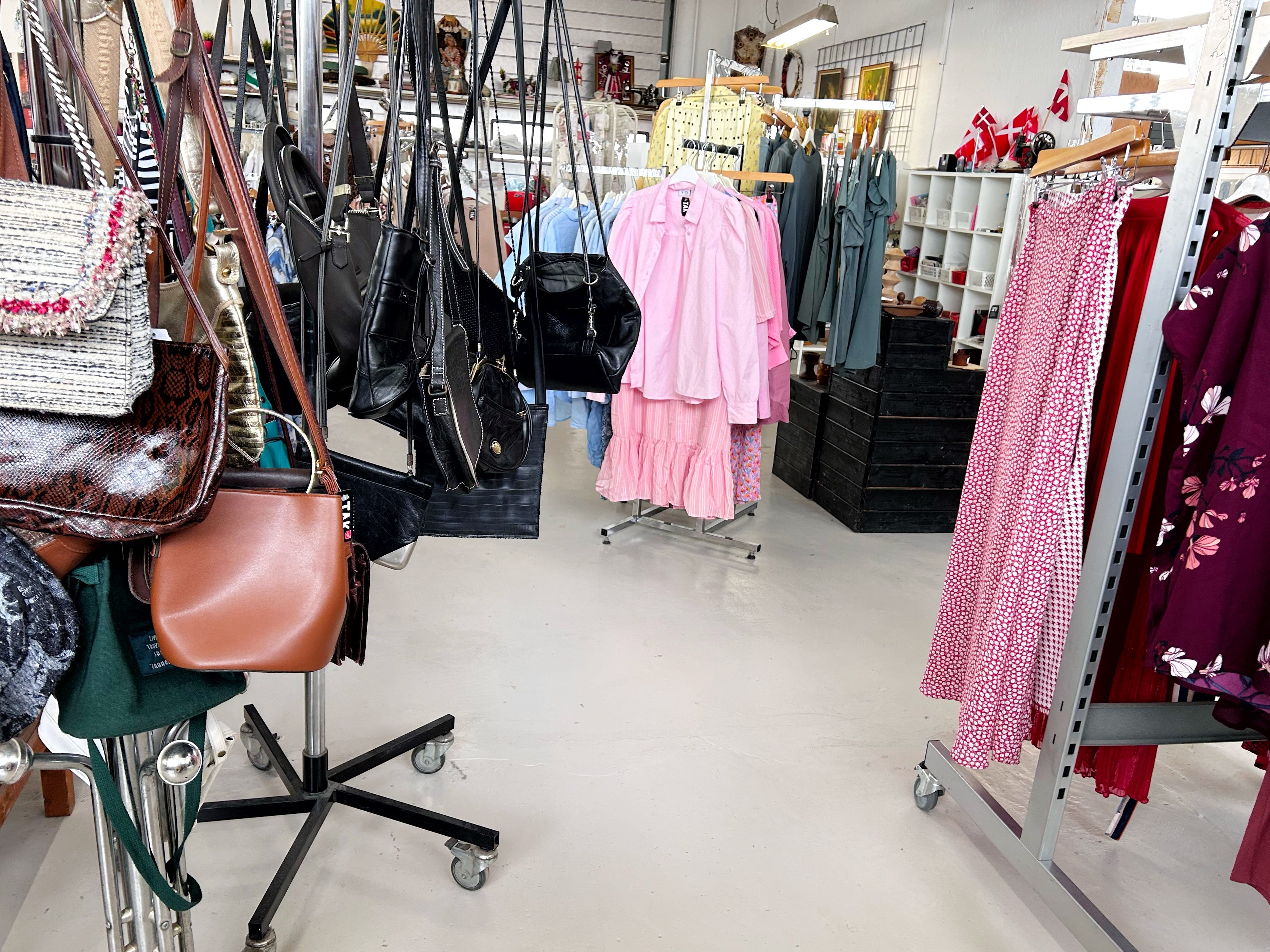
But recently, I’ve experienced a shift in the charity shops.
Now, it’s always a lottery, I know: you might not find anything good there for a month, two months, but then: BAM! it’s there! That 60’s floral dress. That embossed leather cowboy hat. Those 90’s square toed heels. Quality stuff!
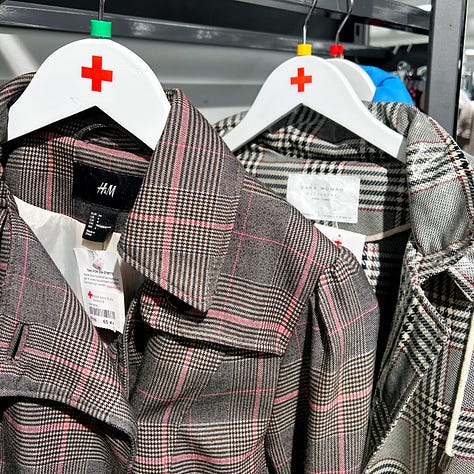
Unfortunately, these happy little surprises have become fewer and farther between. Most of what I see hanging on the racks have labels from brands I know and usually avoid: H&M, Zara, Shein, Asos, Bestseller sub brands like Vero Moda, Vila and Only.
The hunt for that “Oh my god, look what I found in the charity shop!“-find has become flooded with poor quality clothes, clearly produced under sorry conditions far far away.
I must admit that my excitement for second hand shopping has been slowly decreasing these past few years, as I see oceans of these fast fashion labels in the places where I go to find exciting one of a kind items for my wardrobe.
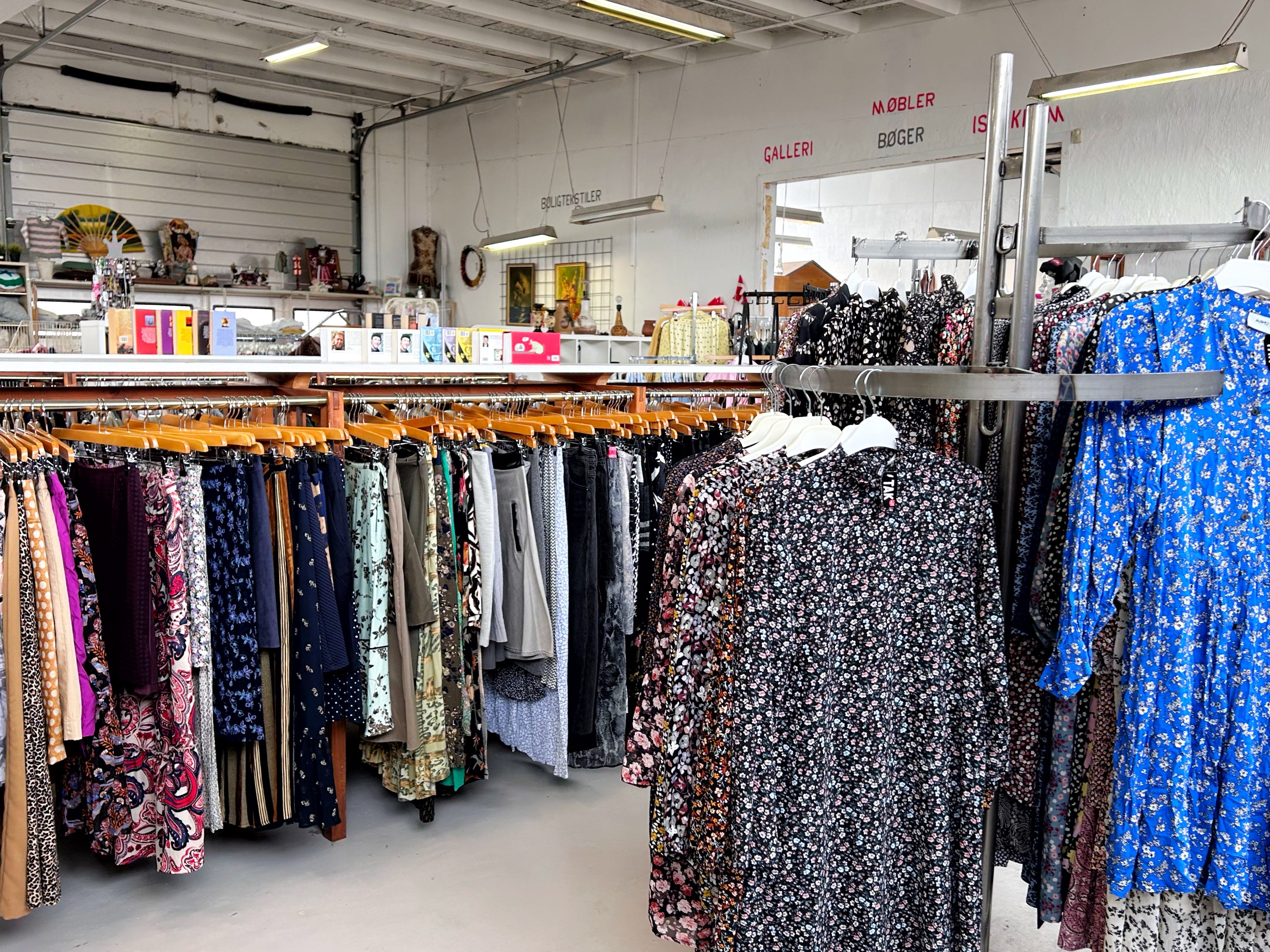
The second hand market has grown immensely in the later years: Environmentally friendly ways of shopping are growing more popular. Reselling your clothes or giving it away to charity shops in stead of throwing them out has become more normal.
A survey called “Genbrugsindekset“1 - the second hand reuse index - for 2024 by the Danish major reselling platform DBA reveals that 81% of the Danish population has bought or sold items second hand, 44% of the items bought and 22% of the items sold are clothes, exceeding any other product category.
71% of 16-30 year olds have bought second hand clothes within the past year, and 53% of the general population says they’ve shopped in physical charity, second hand or vintage shops at least once a year.
So second hand fashion is in - way in!
I feel like I should be happier about these stats, on the behalf of the planet - consumer behaviour is changing, yay! - but actually, I’m not jumping for joy. After having seen all the labels from the major fast fashion retailers fill up the racks in the charity shops I frequent, I’m not sure the second hand clothing market can be labeled as sustainable shopping, as we like to call it.
The prominence of fast fashion brands has completely skewed second hand shopping’s way of adding value, stories, depth and sustainability to our shopping habits and wardrobes.
Now, you could say: Isn’t it sustainable to sell or donate the clothes you’re not wearing and to buy them second hand? Sure, sure there is a sustainability claim to this form of consumer behavior, but, as so much else, it depends on the entire fashion system.
The prominence of fast fashion items in the charity shops reflect a different story of classic “buy and throw away“-consumer behavior.
The nature of fast fashion is to (obviously) be fast. Something’s trending on TikTok og the red carpet one week? Buy it in Zara two weeks later!
Fast fashion retailers ride on the trend waves and come out with new items as soon as the winds change the least. A report from McKinsey2 from 2016 says that Zara releases 24 new collections a year, H&M 12-16 collections. That’s multiple times a month, and there’s good reason to believe it’s increased since then.
This cycle is insanely fast and makes constant incentives for consumers to buy new stuff all the time - especially as social media platforms help speed up the trend cycles, having fast fashion brands produce items playing on microtrends within weeks, to keep themselves and consumers up to speed on the latest fad.
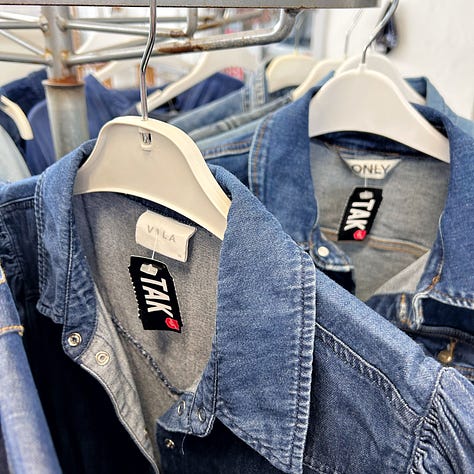
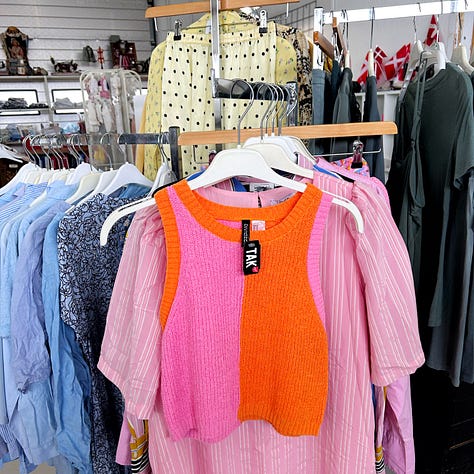
According to the Harvard Business Review3 Zara produces 35000 new styles per year, while Shein produces as many as 1.3 million styles in the same amount of time. Excuse moi, but I need to express myself here: 1.3 million styles per year? WHAT THE F***! Not 1.3 million distinct designs, but 1.3 million unique designs, that sell in multiple sizes and colors. And I thought Zara’s 35000 were an astronomical number.
… until I Googled H&M’s overall production a year: 3 billion products in total4.
I die.
This never ending production of new stuff! New stuff! Did you see our latest collection? is a brutal way of keeping consumers constantly feeling like they need to buy to keep up.
And, at the same time, these items are produced so cheaply.
Buying tons of them to try out a trend, try out multiple sizes, try out a dress in this or that color, costs peanuts for consumers, making their closets burst with low quality fast fashion items.
Thanks for reading! This post is public so feel free to share it.
If you have that mountain of fast fashion trend items sitting in your closet, surely at some point, you’re going to want to get rid of some of it.
Maybe they don’t fit anymore, maybe yellow wasn’t your color, maybe they’re out of style again or that trend was not for you - I’m looking at you super low waisted jeans - and this is where you decide to make a sustainable choice: In stead of tossing it in the bin, you fill a bag and take it to the local charity shop.
Ahhh, good deed of the day: done!
I guess the selection at charity shops are a reflection of the retail world around it:
Whatever people buy new, at some point it’ll end up in a charity shop
(if it doesn’t go to landfills like this one).
It might feel good to donate your fast fashion shopping mistakes, giving them new life, right? Maybe yellow is someone else’s color, maybe they’re gonna love it?
Sure, oftentimes, someone is going to find your donated sweater and think: This is for me! and take it home - all good - your choice to shop and then donate has created some sort of circularity.
You can discuss the benefits of this, but I believe carelessly shopping fast fashion and donating it is a “get out of jail free” card for poor consumer behaviour.
Donating fast fashion items makes you feel conscious, sustainable, as an upstanding citizen, all whilst it hides the reality of that sweater: the poor working conditions and horribly low pay, the sped up design process, the bad quality fabric and the millions of km it traveled across the planet to end up at the bottom of your closet, until it got donated.
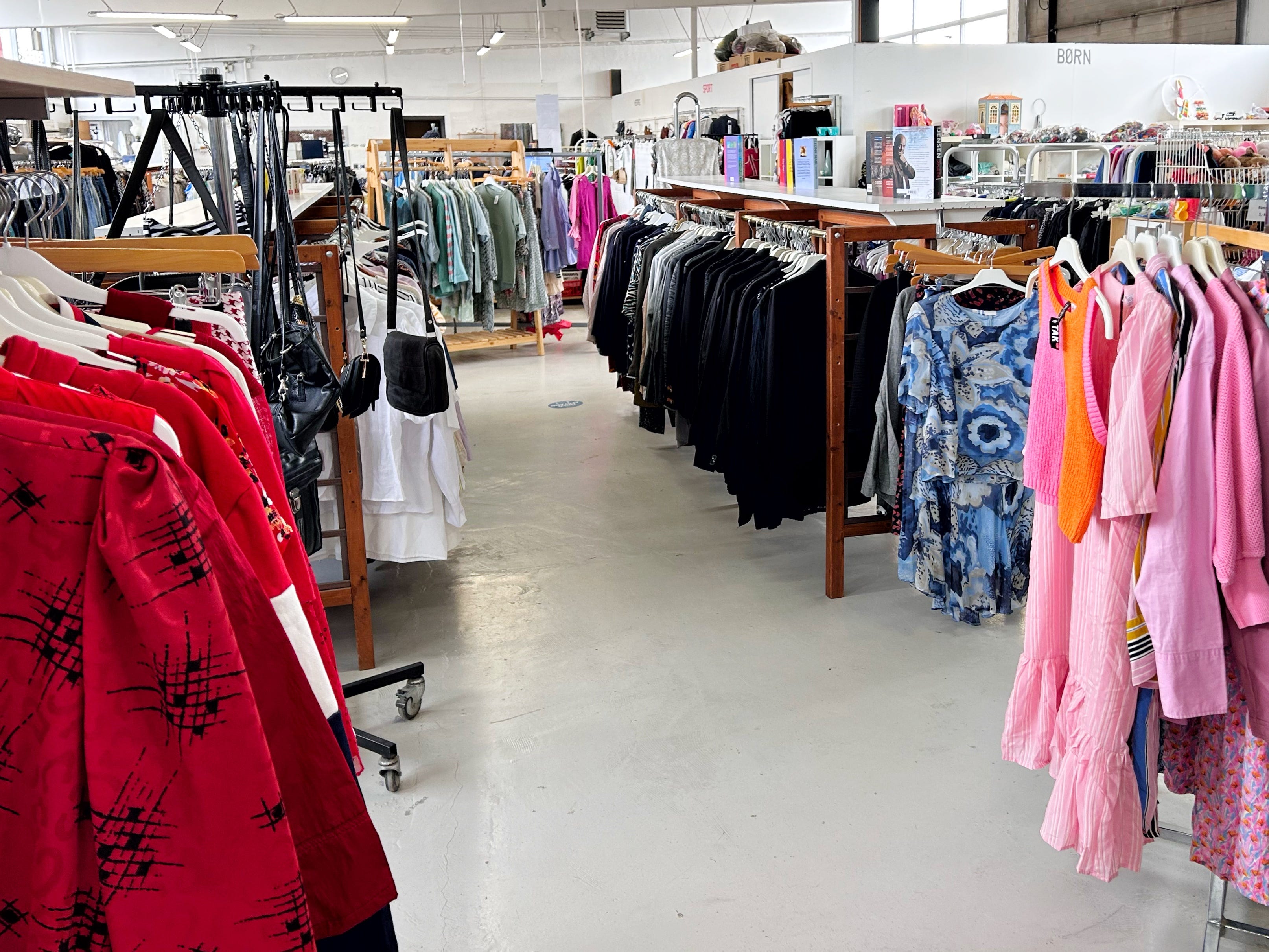
This is where we, unfortunate one of a kind item-loving second hand shoppers, get to feel fast fashion’s effect on the world trickling down - or even completely flooding - our sustainable shopping sanctuaries.
One of the notes I scribbled down in my notebook while brainstorming for this post (rant?) was:
Is the second hand market sustainable, if it’s continually being filled with sh**?
Is the excitement about “81% of Danes bought or sold second hand items in the past 12 months, an all time high“ really called for, if this is the second hand market they’re shopping in?
I mean, reusing and reselling is a sustainable behavior in itself.
But with a fast fashion market that prompts you to buy! Buy! Buy! it makes it’s dirty mark on what we’d otherwise consider a behavior that’s good for the planet, the people who produce the clothes, and for our personal style.
How can we avoid taking part in the global fast fashion system of producing headlessly, if we can’t even avoid these clothes when trying to shop sustainably?
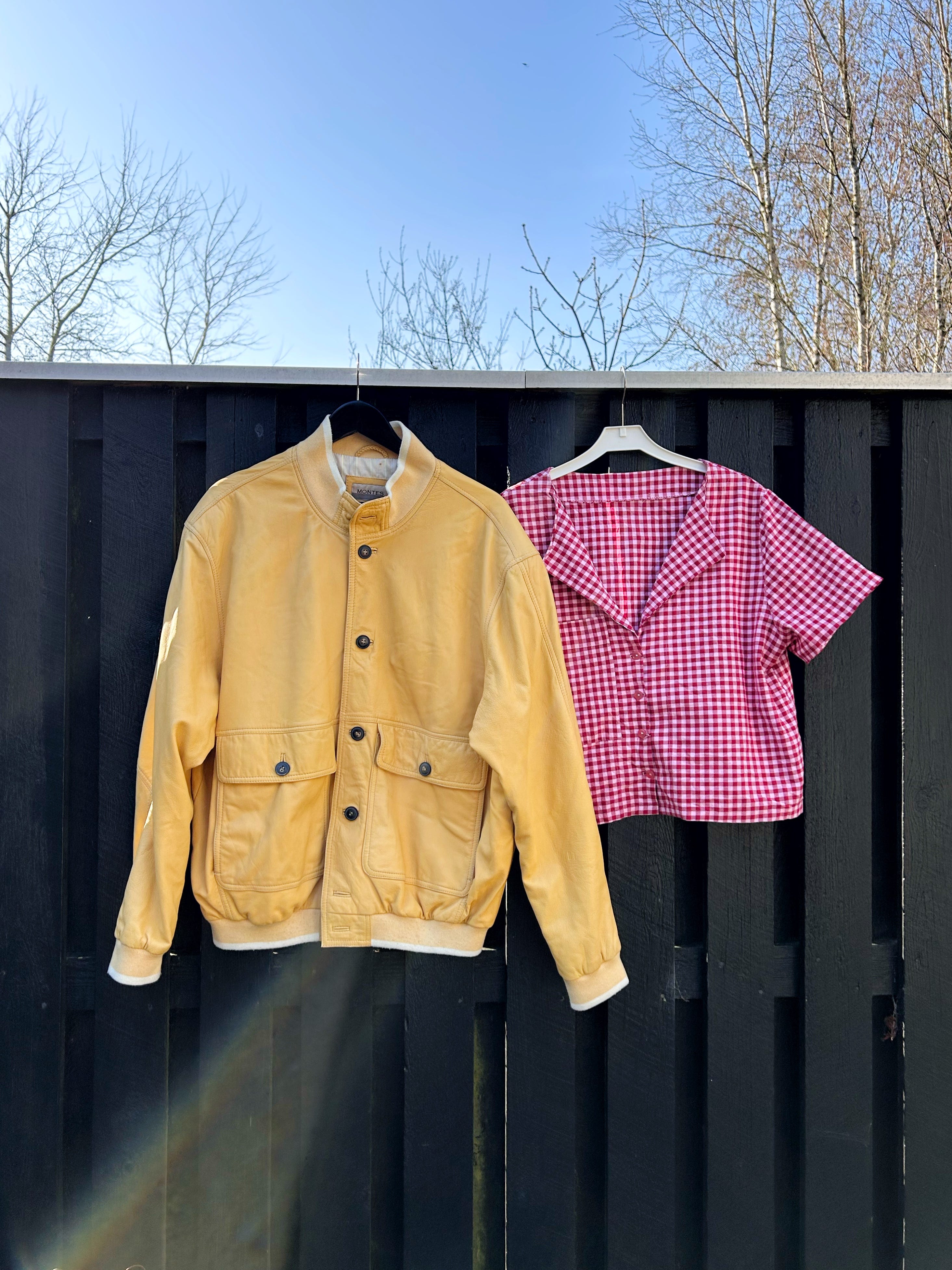
Luckily, I can end on a happy note - when I went to my local charity shop as part research for this article/part treasure hunt for myself, I lucked out.
Hanging along with countless H&M, Only and Zara items, I found a pale yellow men’s leather jacket, that has had a previous life, I already know a bit about: in the pocket, I found a ticket for a local football match from 2010, so it’s at least 15 years old.
And next to it: a shirt, that I’m almost certain it’s previous owner made themself.
Recommendation: Want to get deeper into working conditions for fast fashion factory workers? Avery Trufelman(my fashion reporter hero)’s reporting on Rana Plaza is through provoking and eye opening! Read/hear it here.
Genbrugsindekset for 2024 (The second hand reuse index for 2024) https://www.dba.dk/guide/publikationer/genbrugsindekset/2024/
McKinsey Report
https://www.mckinsey.com/capabilities/sustainability/our-insights/style-thats-sustainable-a-new-fast-fashion-formula
Harvard Business Review: The Lingering Cost of Instant Fashion
https://hbr.org/2024/02/the-lingering-cost-of-instant-fashion
Here’s the price for your new H&M clothes
https://www.europeanpressprize.com/article/heres-the-price-for-your-new-hm-clothes/
Comments
Nothing yet. Say the first thing.
Sign in to join the conversation.