
Undoubtedly, the decreasing cost of solar panels and solar electricity has been one of the most significant technological advances of the past decade. In the United States, the price of one watt of electricity generated by the sun has decreased by one-third since 2014, as a result of precipitous declines in the cost of photovoltaic solar panels. This is a significant development in light of the regional and global race toward net-zero carbon emissions by 2050.
However, the challenge with decreasing solar costs is that solar is now the most cost-effective choice for grid-scale utilities, but it remains out of reach for many homeowners. While rooftop solar installations were already expensive, President Trump’s removal of Biden-era tax credits means that the average rooftop solar system will run homeowners about $30,000 in 2026 — a cost-prohibitive sum for many.
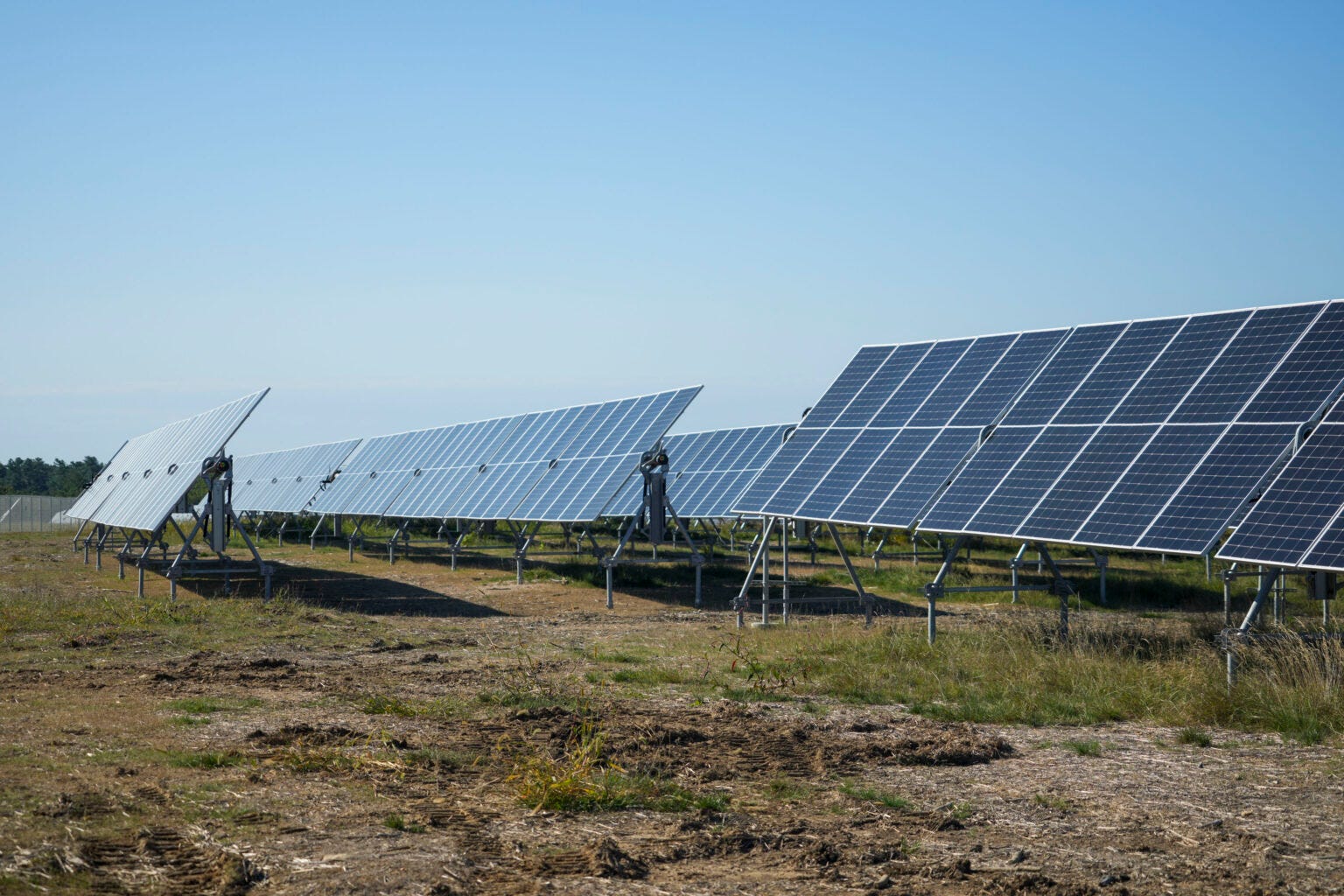
Over the past decade, a number of firms in Germany and the United States have worked to innovate ways to bring solar technology to homeowners and renters in an affordable manner. As a result of American and German engineering, in conjunction with Chinese manufacturing prowess, the plug-in solar panel became a viable consumer product.
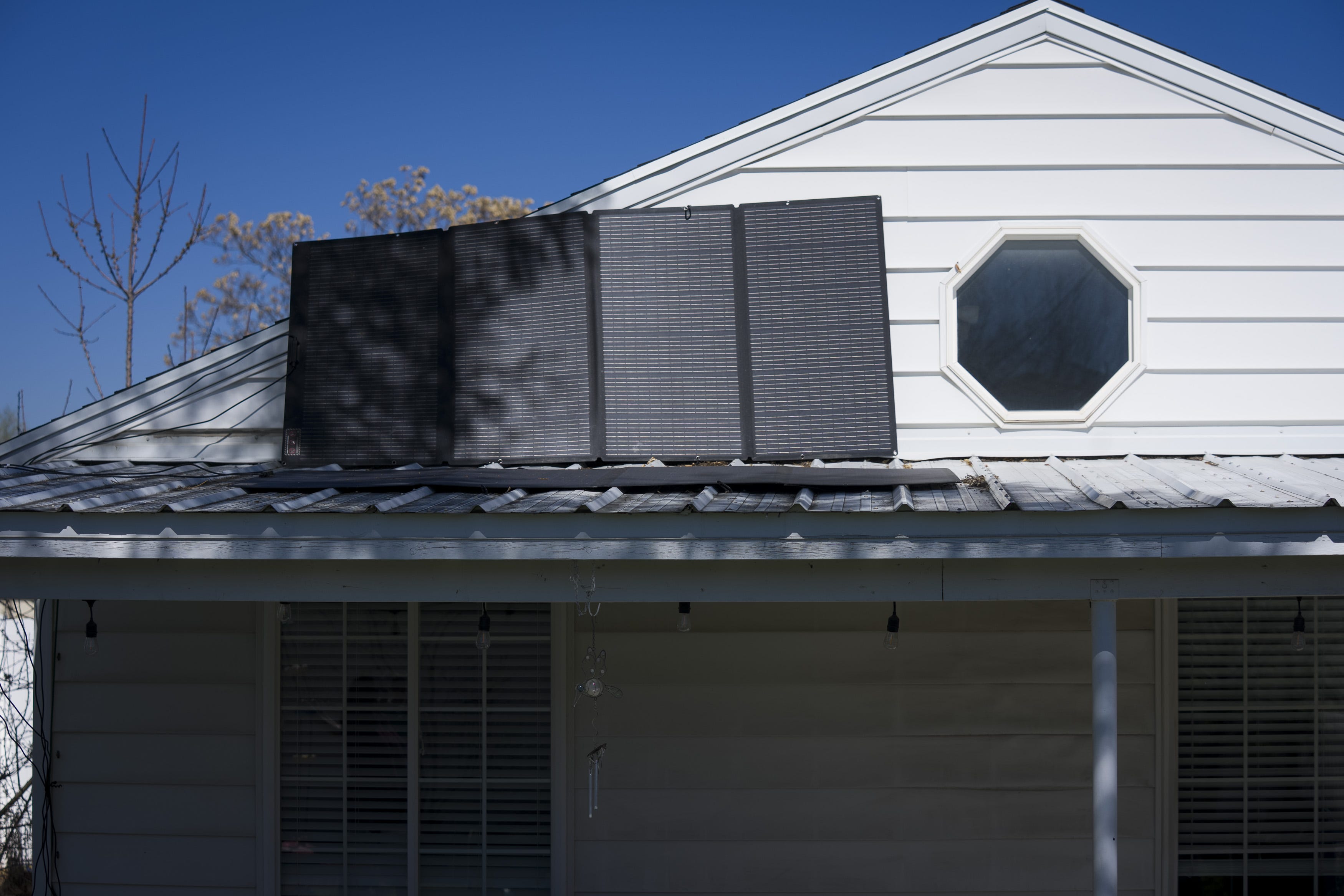
Plug-in solar panels are just that: a consumer purchases the equipment for a few hundred dollars, places it in a sunny location on their property, and plugs it into a standard power outlet at their home. Just like that, they are generating electricity from the sun, helping to reduce electricity bills. Plug-in solar requires no permit and no inspection — the technology is demonstrably safe. While plug-in solar generates less electricity than its much-larger rooftop counterpart, its impact is still consequential, helping homeowners reduce their annual electricity bills by hundreds of dollars per year.
In Germany, where the technology has seen rapid adoption in the 2020s, more than 10% of households now have plug-in solar of some form. Germany’s adoption boom came after the German parliament streamlined installation rules in the late 2010s. The reason for their apparent lack of adoption in the United States relates to rules which require new grid-connected power sources to receive proper permits before coming online. This prevents homeowners from taking this simple carbon- and cost-cutting measure.
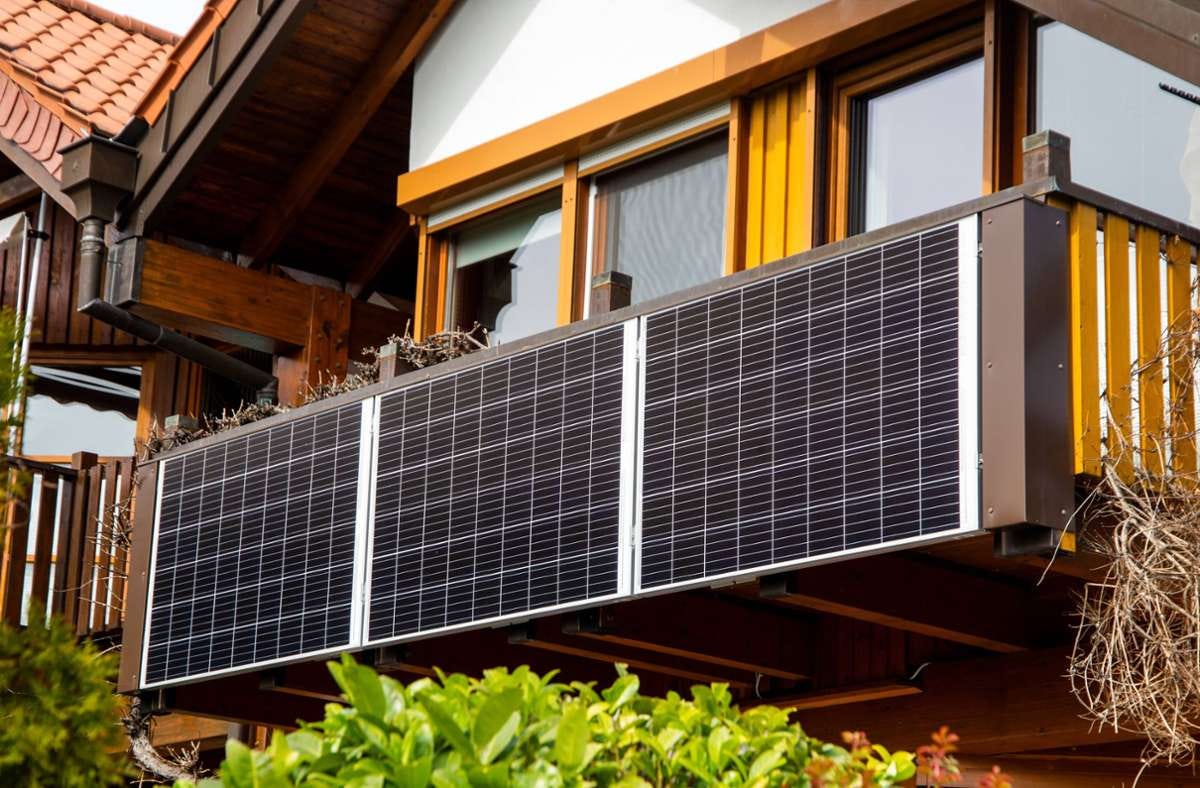
As recently as February of 2025, plug-in solar was illegal in every single jurisdiction in the United States. However, in Republican-dominated Utah, the first bill to legalize plug-in solar passed in March 2025 with unanimous, bipartisan support, and was signed into law by a Republican governor. Since the beginning of state legislative sessions this year, bills to legalize plug-in solar have been introduced in dozens of states — including every New England state. As of May 28, 2026, plug-in solar is now legal in five states: Utah, Colorado, Virginia, Maryland, and Maine.
In Connecticut, the bill has passed both houses of the legislature and is awaiting Governor Ned Lamont’s (D) signature. In Vermont and New Hampshire, the bills have been passed in at least one chamber while in Massachusetts it has been voted out of committee in the House of Representatives. It remains to be seen whether or not Rhode Island will take up the issue this session. However, it is entirely possible that by the end of this summer, plug-in solar will be legal in all six New England states, and potentially more than a dozen states in total — a rapid shift from just fourteen months ago.
As The Beacon has previously reported, part of the problem with New England’s clean energy strategy is that it is heavily-reliant on consumers voting with their wallet — especially in Massachusetts, where the government relies on incentivizing wealthy Bay Staters to put solar panels on their rooftops. However, in a region with some of the nation’s most expensive electricity rates, the legalization of plug-in solar may prove to be one of the most popular red tape-cutting decisions in many years.
Éamon Ó Cearúil is the Co-Editor-in-Chief of The New England Beacon. To contact him with tips and information, please email here. To support our mission, please click here.
No posts
Comments
Nothing yet. Say the first thing.
Sign in to join the conversation.