
EVERYDAY WILD -
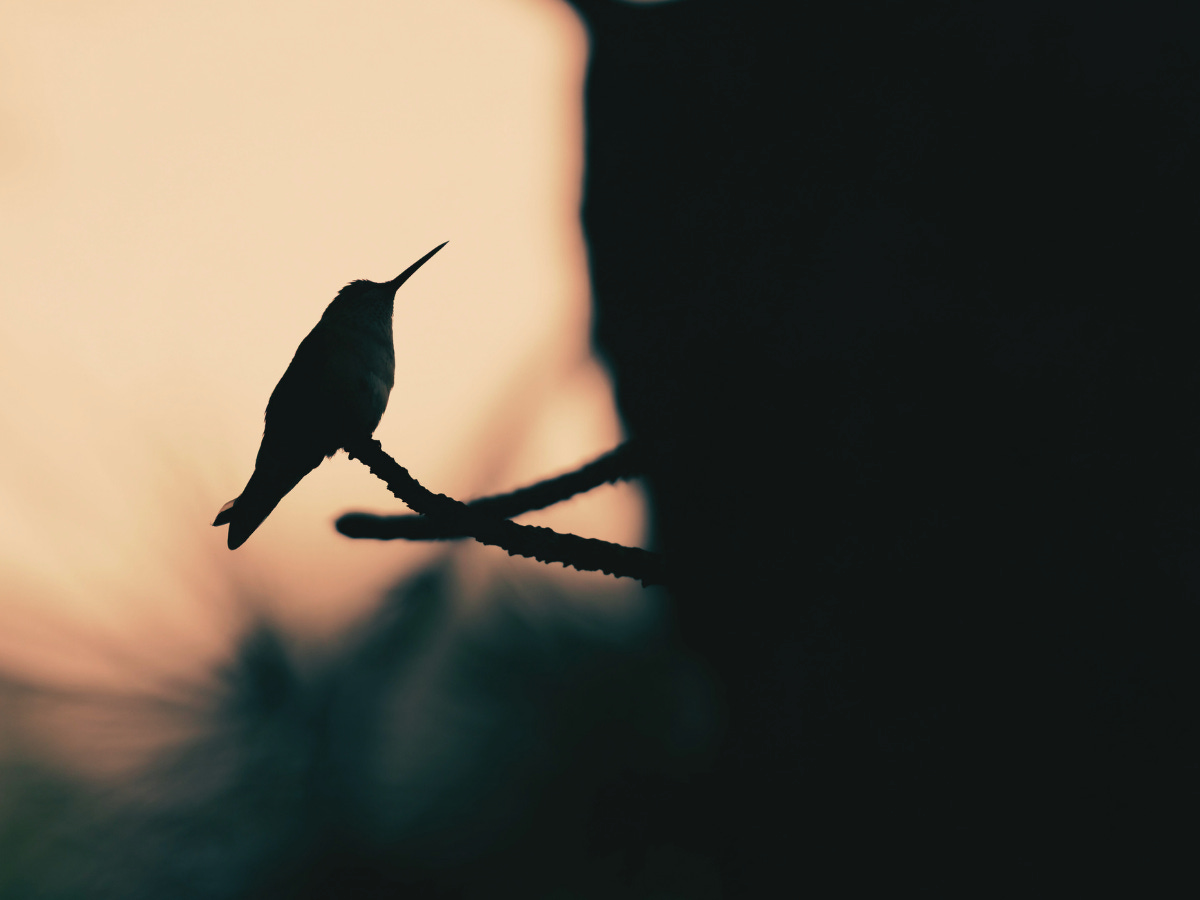
There’s an instant, if you are still enough, when the frantic blur of wings ceases, quietly… but for only a moment. In this breathless pause, the world feels suspended. The city, the to-do lists and all the noise - just dissappears. During this tiny shred mindfulness I wasn’t just watching nature, I was part of it.
This is the magic of watching hummingbirds.
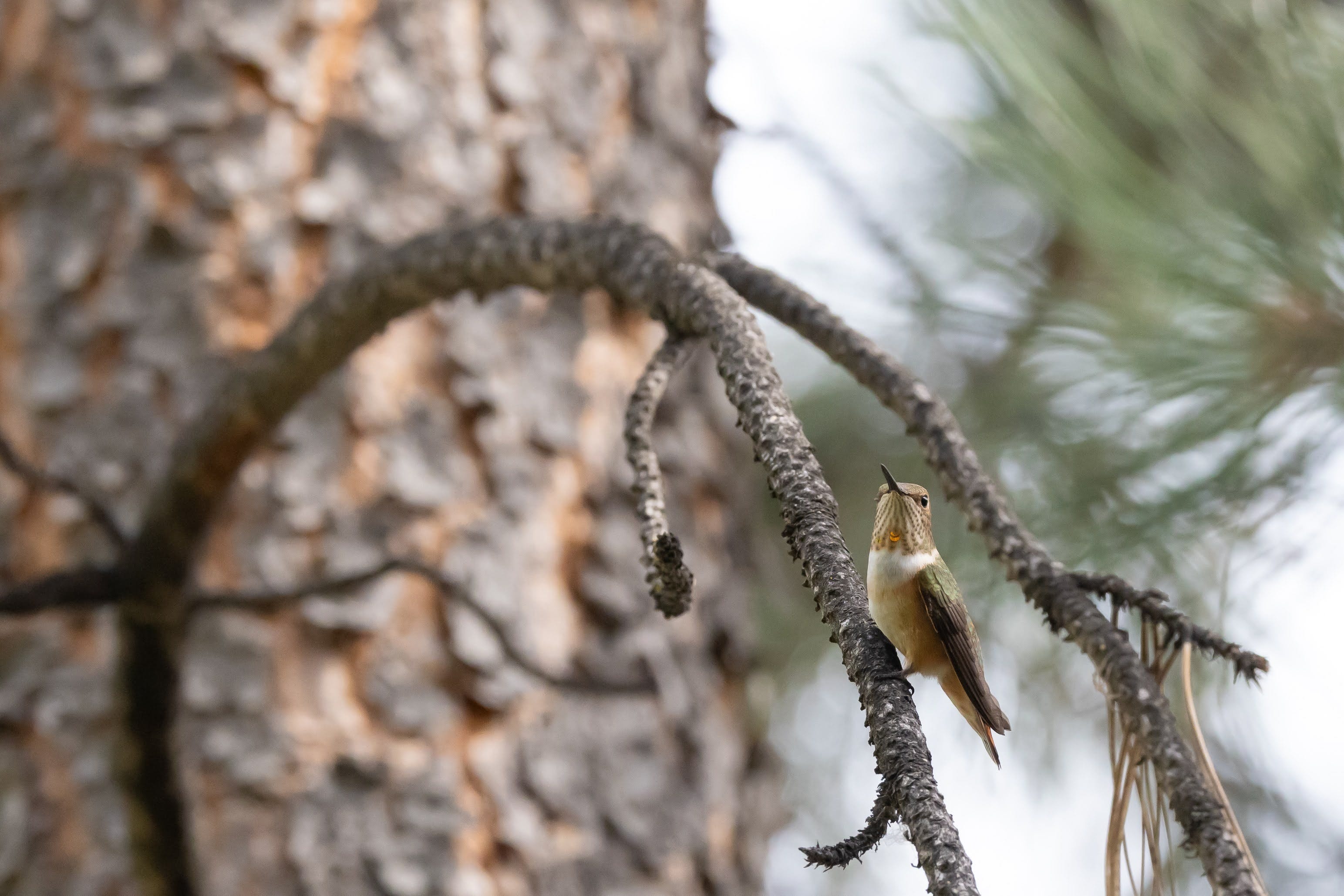
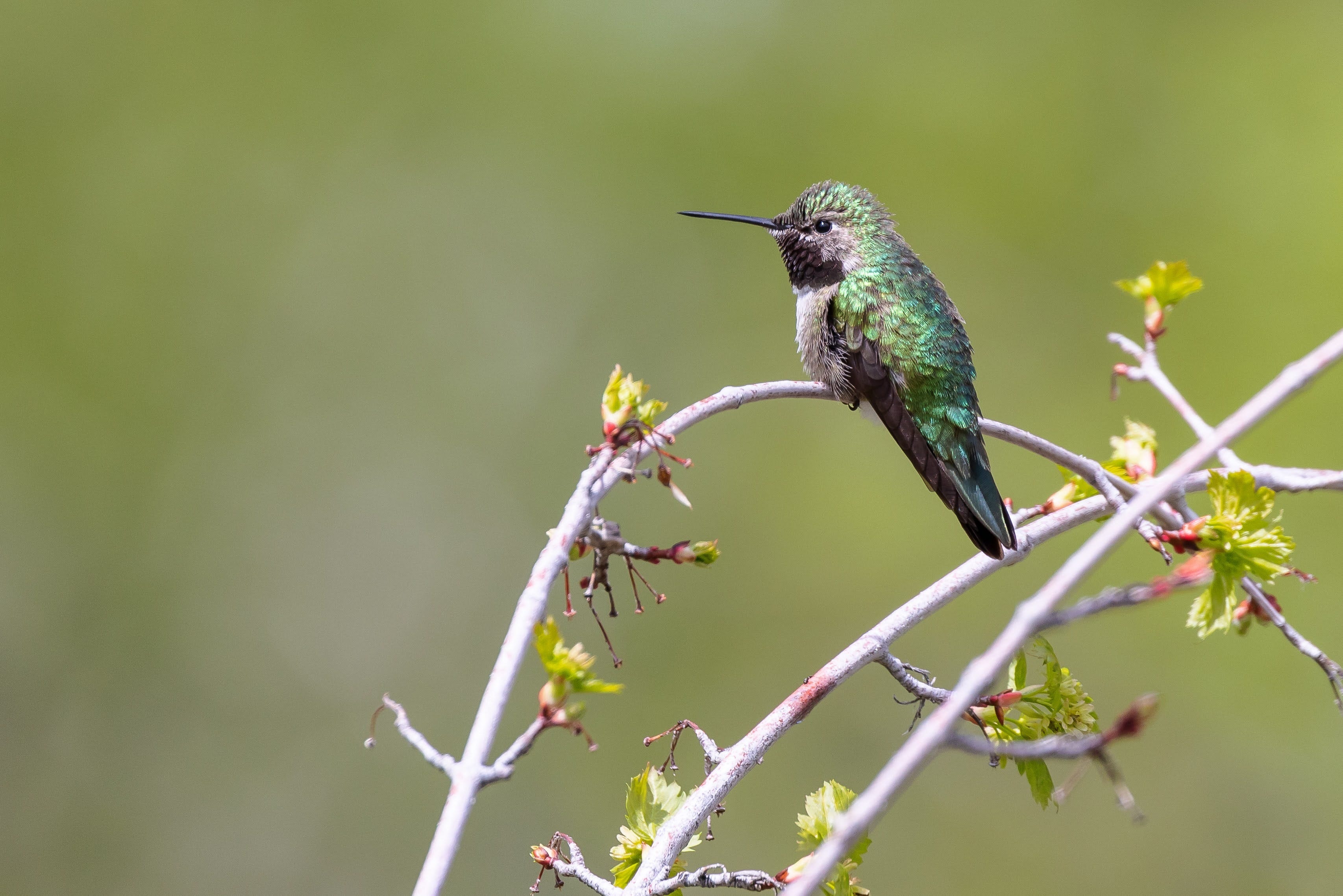
One of the many gifts of living in Colorado is that we can watch these magnificent birds into autumn. Our most common hummingbird, the Broad-tailed hummingbird, begins its journey south in August. But since Colorado lies right along their migration route, you can still spot these dazzling little birds all the way through September. Black-Chinned & Calliope hummers can be seen in August and September. Rufous Hummingbirds, our flashy orange throated friends, can be seen from August to October as they migrate through the Rocky Mountains to the south.
Remember it depends a bit on weather as well. If we have an unseasonably warm fall, they tend to stick around a little longer.
Migration is a critical and vulnerable time for these tiny birds. They’re racing against colder temps, needing constant food sources to fuel a journey that can span thousands of miles. For a hummingbird, every flower and feeder along the way can be the difference between survival and exhaustion!
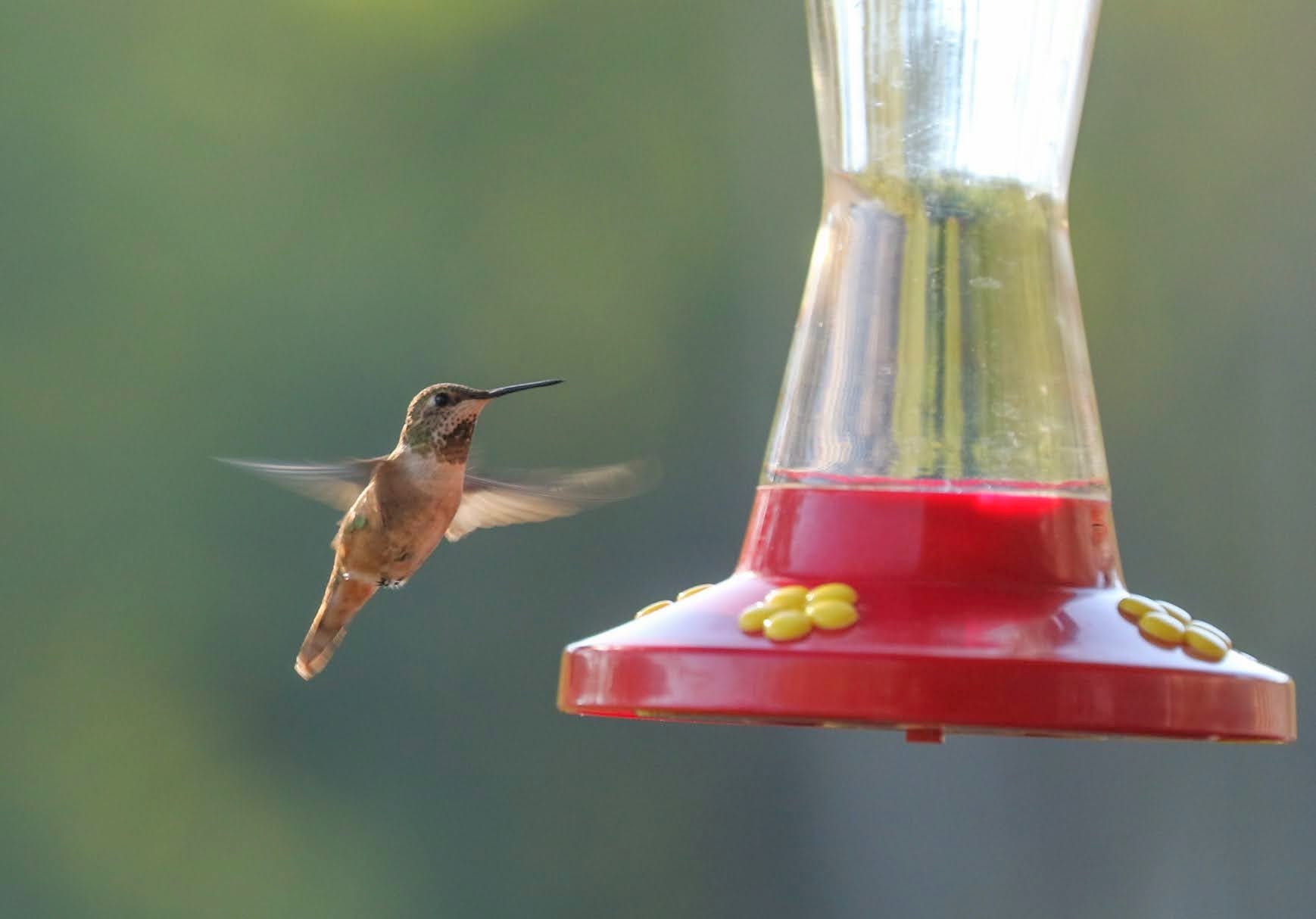
If you’d like to help these birds on their migration—and keep the joy of watching them a little longer—here are a few simple things you can do.
Keep up your hummingbird feeders through November
Late migrants depend on reliable nectar sources!
Clean feeders regularly to prevent mold
Everyday! Use a weak vinegar and water solution, no soap or bleach!
Use a simple home-made sugar and water solution: 4 parts water to 1 part white sugar - no dyes needed
Plant late blooming flowers
Native plants like Agastache, Salvia and late-season Penstamon can provide nectar naturally into the fall.
Group your hummingbird plants together to help hummingbirds fuel up more efficiently.
Provide Water Sources
Misters, drippers or shallow fountains offer drinking and bathing opportunities
Create perch spots if there are not any in your yard
Add small branches or trellises where hummingbirds can rest and survey their territory
Open, sunlit spots are preferred
So if you’re lucky enough to catch that breathless pause—a flash of iridescent wings, a quiet hover in the late-summer or early fall light—remember that it’s more than a beautiful moment. It’s a life in motion, a traveler on a long journey. By keeping feeders clean, planting late-blooming flowers, or simply letting your yard stay a little wild, you’re offering a lifeline.
And in return, you get a little magic.
22 Jaw Dropping Facts About Hummingbirds
Comments
Nothing yet. Say the first thing.
Sign in to join the conversation.