
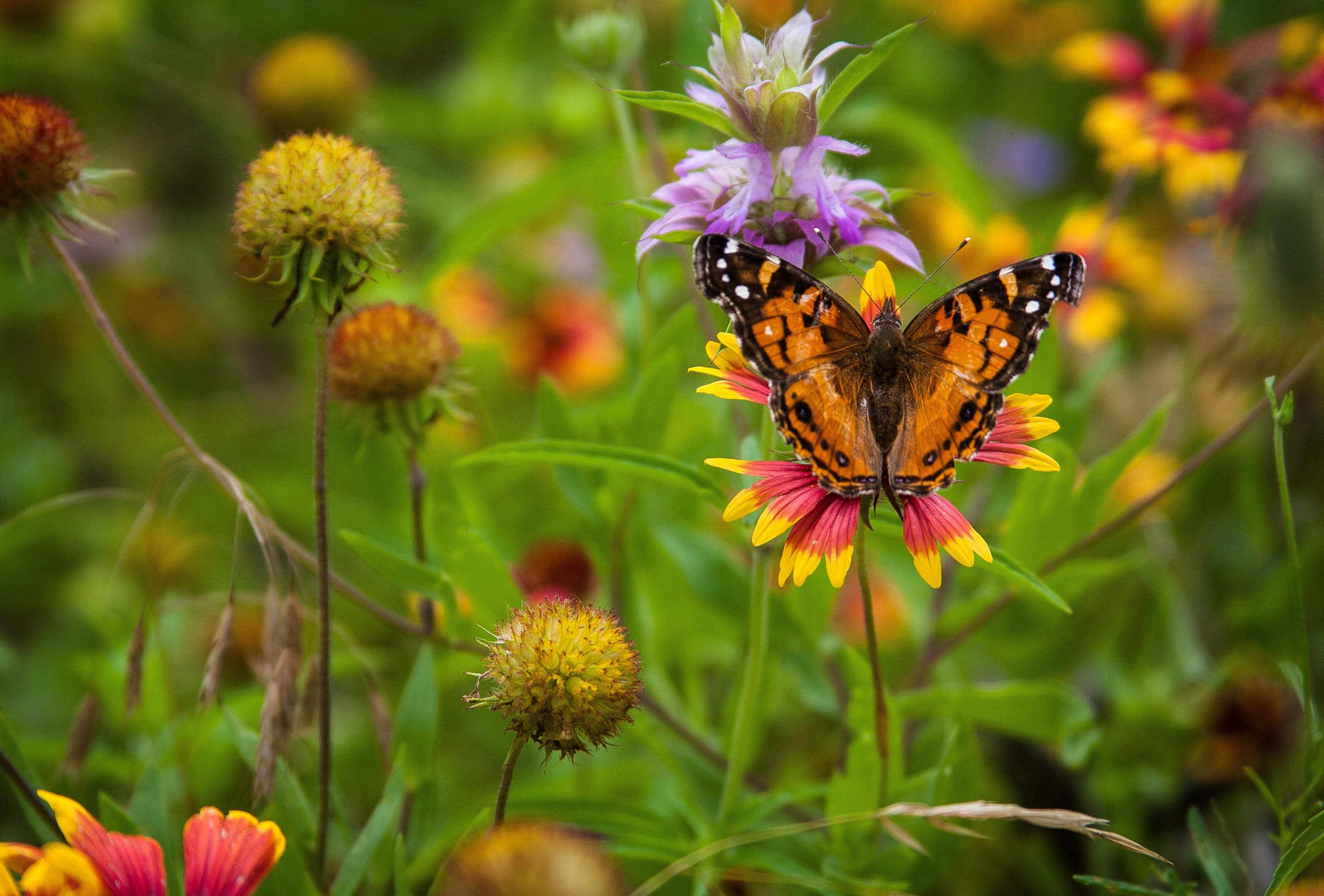
If you’re already picturing a backyard buzzing with hummingbirds, bees and butterflies next spring, the best time to start is now—fall!
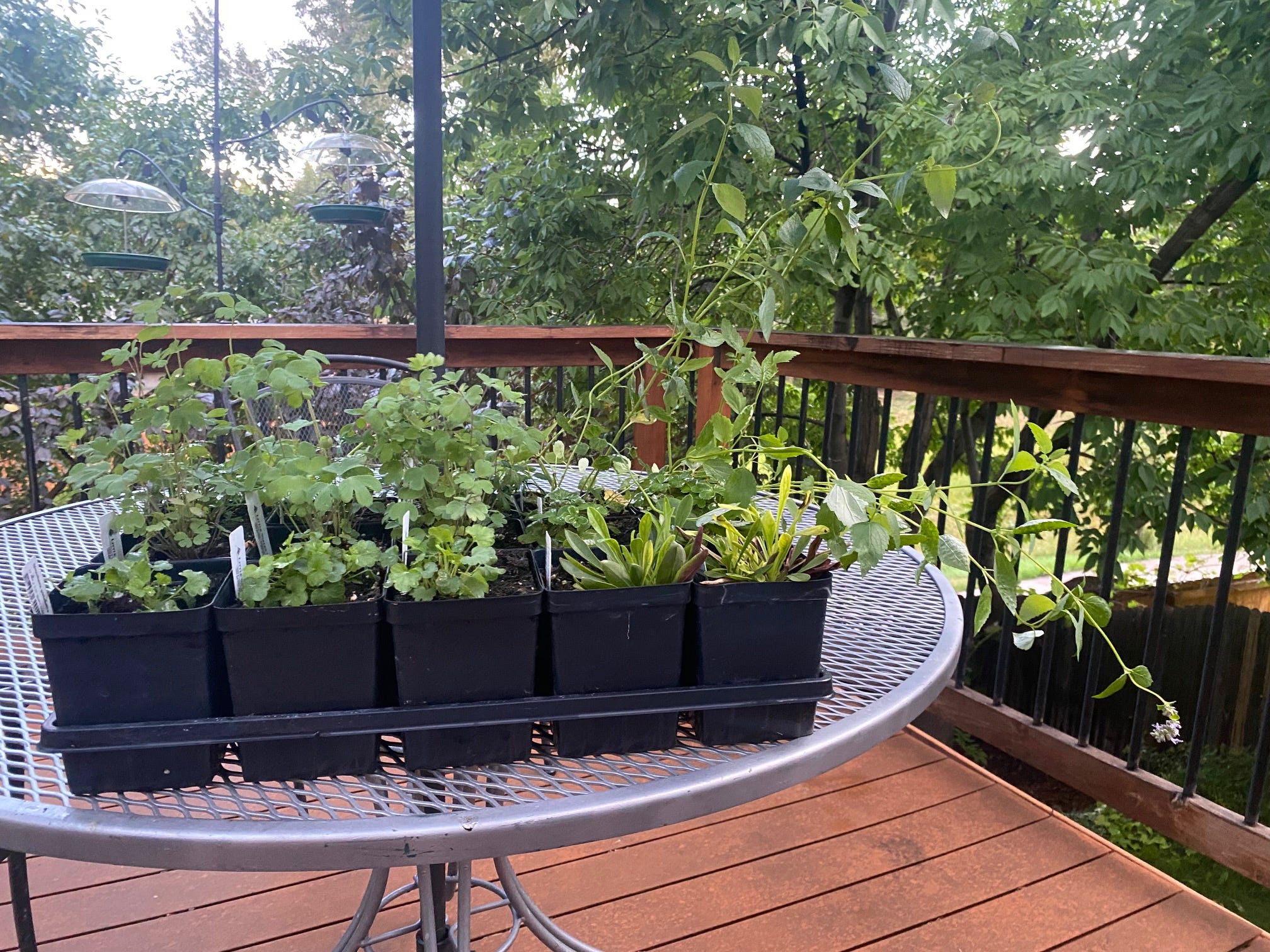
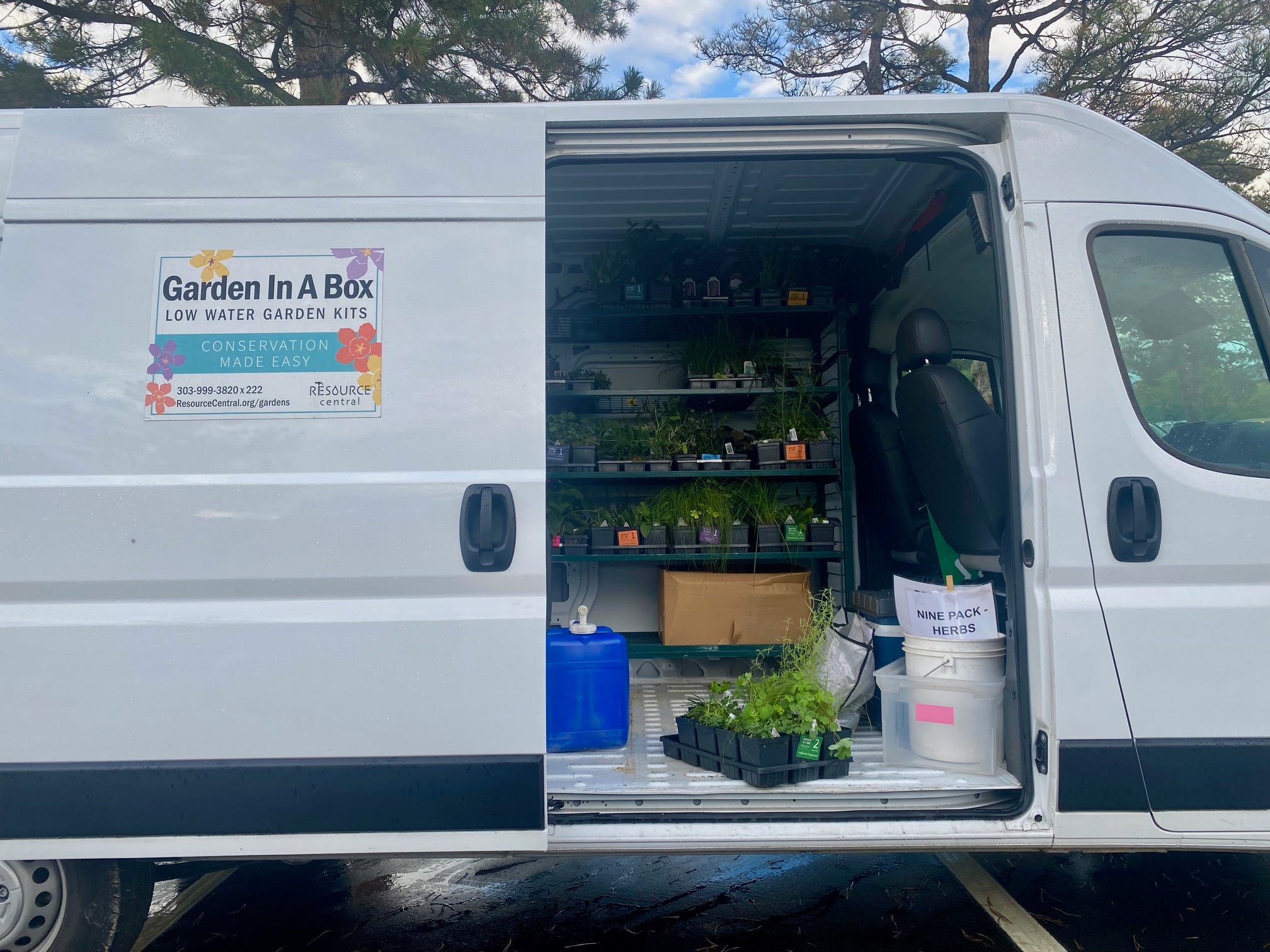
I recently picked up some beautiful native perennials from Resource Central, a fantastic organization that partners with cities across the Front Range. Their Garden In A Box program offers affordable, water-wise plants that thrive in our climate and support pollinators. If you live along the Colorado Front Range and want a garden that’s beautiful, low-maintenance, and eco-friendly, they’re a great place to begin.
Gardeners like to say: “First year, sleep. Second year, creep. Third year, leap.”
By planting in the fall, you give your perennials time to build strong roots before spring arrives. Cooler weather reduces transplant stress, while winter moisture—even snow—helps them settle in. Come spring, your garden is already a step ahead.
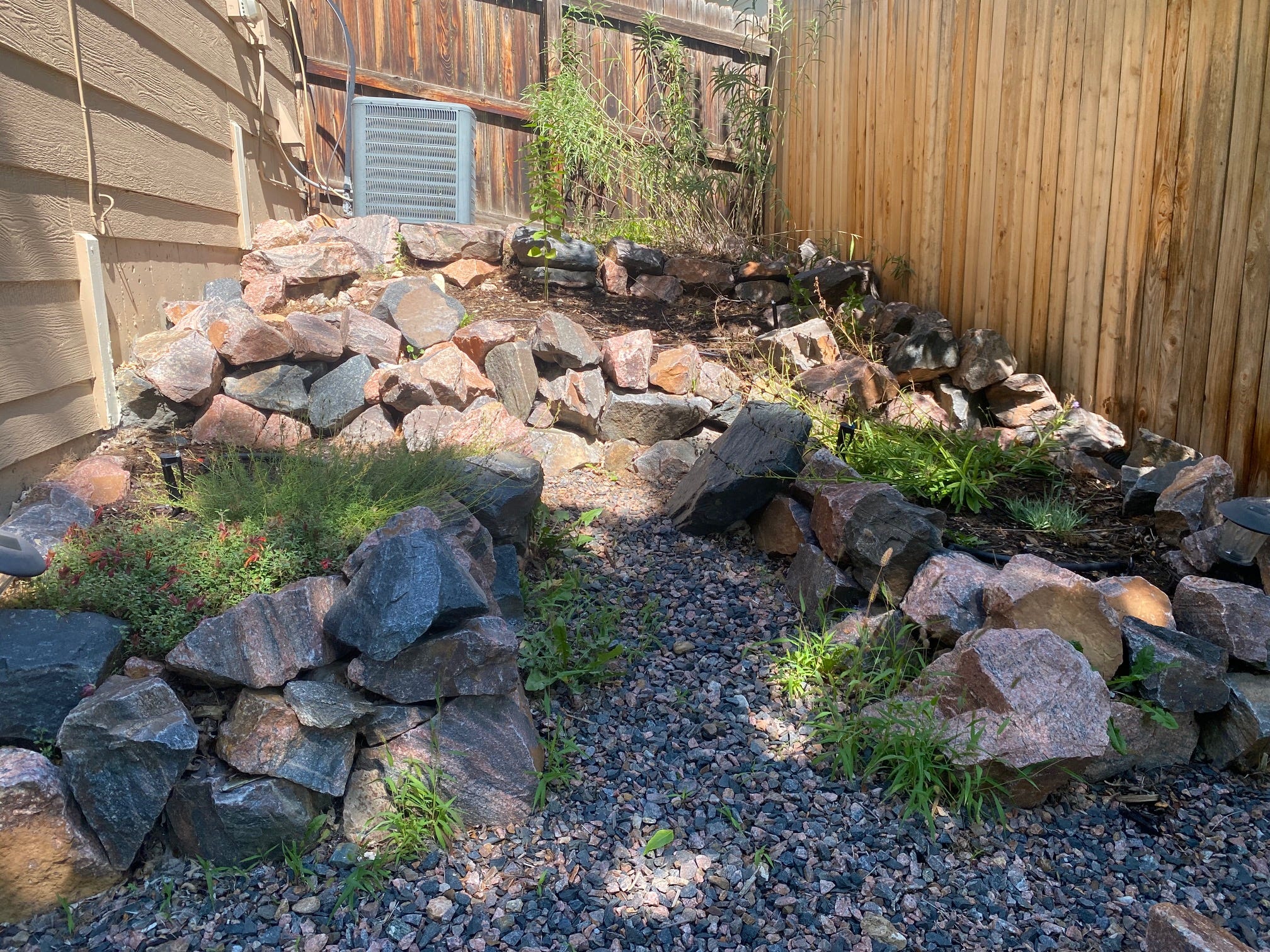
When we moved into our Colorado Front Range home, one flower bed looked ready to plant—but underneath the mulch and weed blocker was nothing but compacted clay. Growing in the mulch were bindweed, non-native grasses and dandelions. A few struggling ornamentals weren’t helping pollinators, and the space felt lifeless.
So I started fresh:
Weeded – Pulled bindweed, dandelions, and unwanted grasses.
Removed non-natives – Made room by pulling out a carnation and a leggy bluebell.
Improved the soil – Broke up clay, added compost and Clay Buster, then planted into amended, loosened soil.
Planted for the light – Chose natives suited for partial shade, the actual conditions of this bed.
Great choices for partial shade include:
Anise Hyssop, Sandia Coral Bells, Yellow Columbine, Rocky Mountain Penstemon, and Alpine Lady’s Mantle, Firechalice, Pineleaf Penstemon
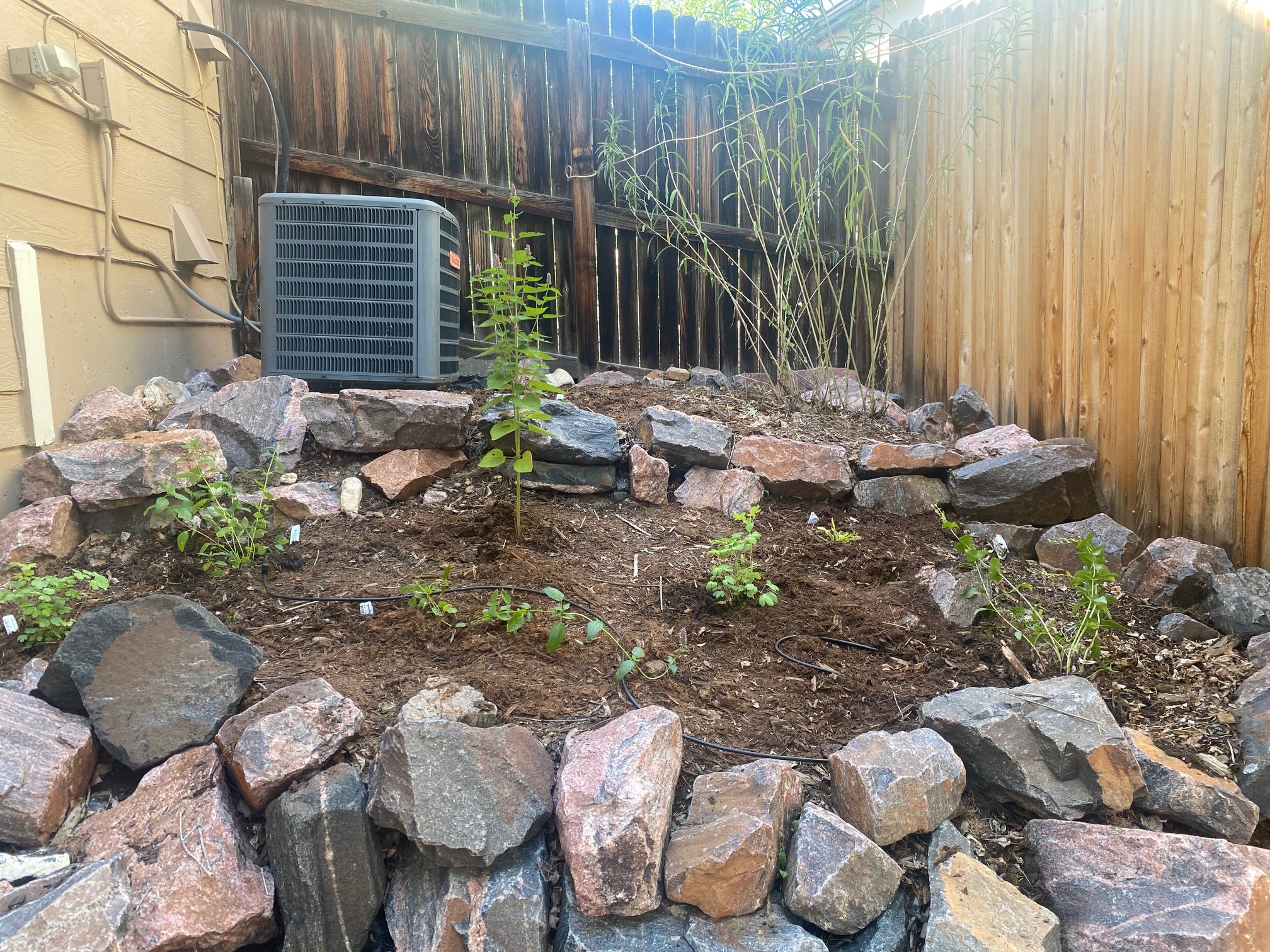
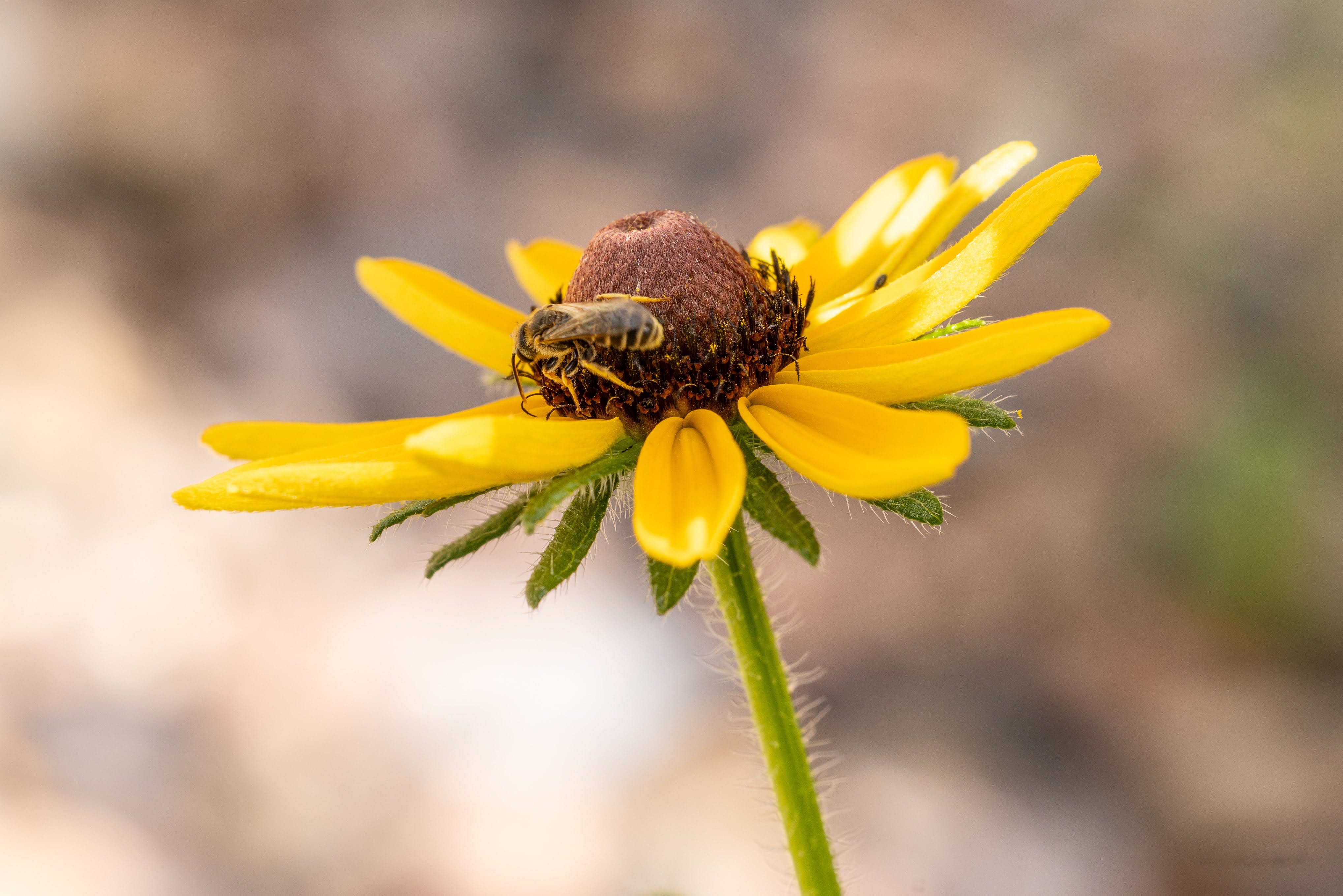
One of the joys of planting natives is how quickly wildlife responds. Even a small patch of flowers can become a much-needed stopover for bees, butterflies, and hummingbirds. By planting this fall, you’re creating habitat that will burst to life in spring.
Start small. One flower bed is enough to make a difference.
Use local resources. Programs like Resource Central make it easy and affordable.
Match plants to conditions. Pay attention to soil and light—natives thrive when they’re in the right spot.
Think long-term. Native gardens get better with time. Fall planting helps them hit the ground running.
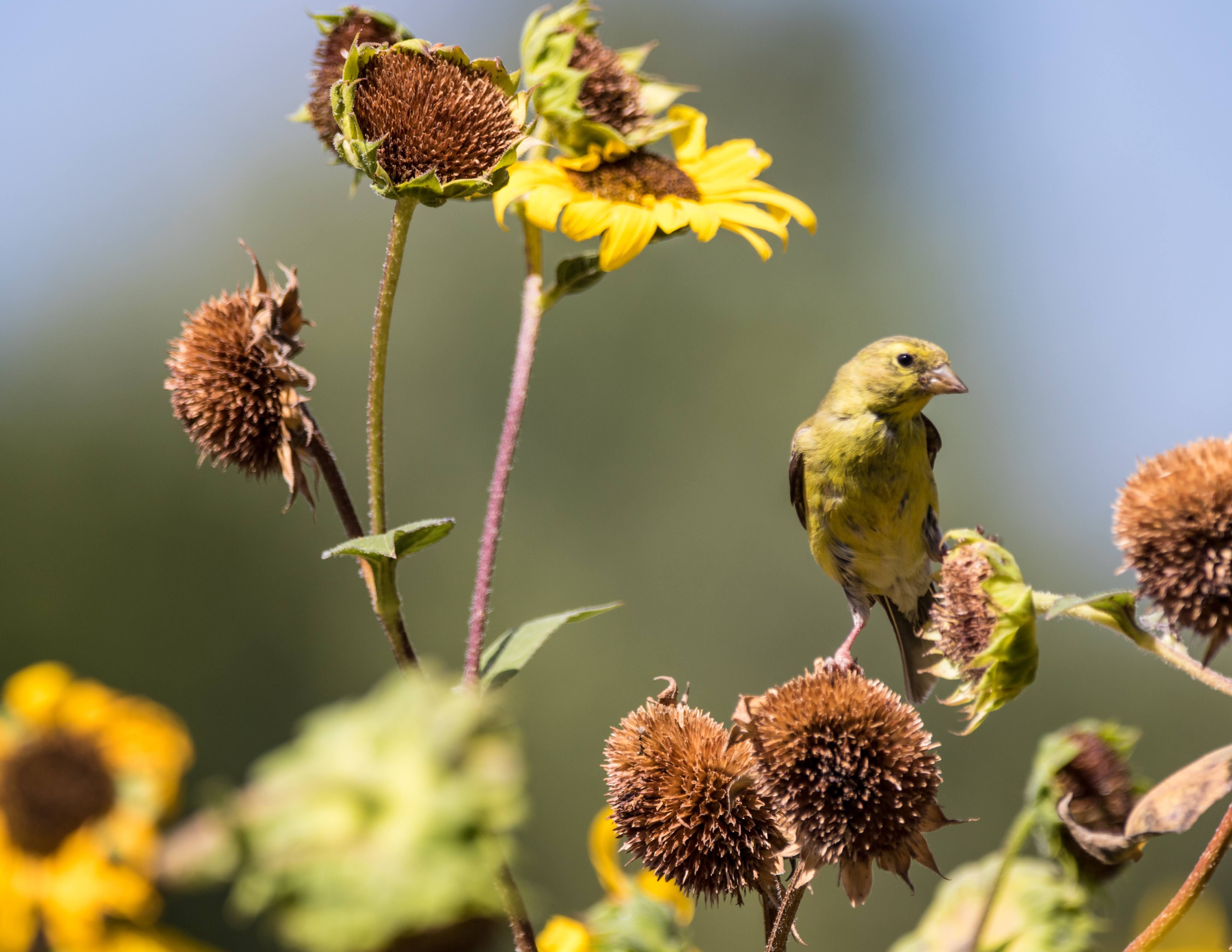
With our dry climate, replacing thirsty lawns with natives isn’t just beautiful—it’s smart. You’ll conserve water, reduce yard work, and support biodiversity while enjoying a landscape that changes gracefully through the seasons.
So grab a shovel this fall, tuck a few native plants into the ground, and let nature do the rest. By spring, you’ll be glad you started early.
Resources to Explore
Comments
Nothing yet. Say the first thing.
Sign in to join the conversation.