
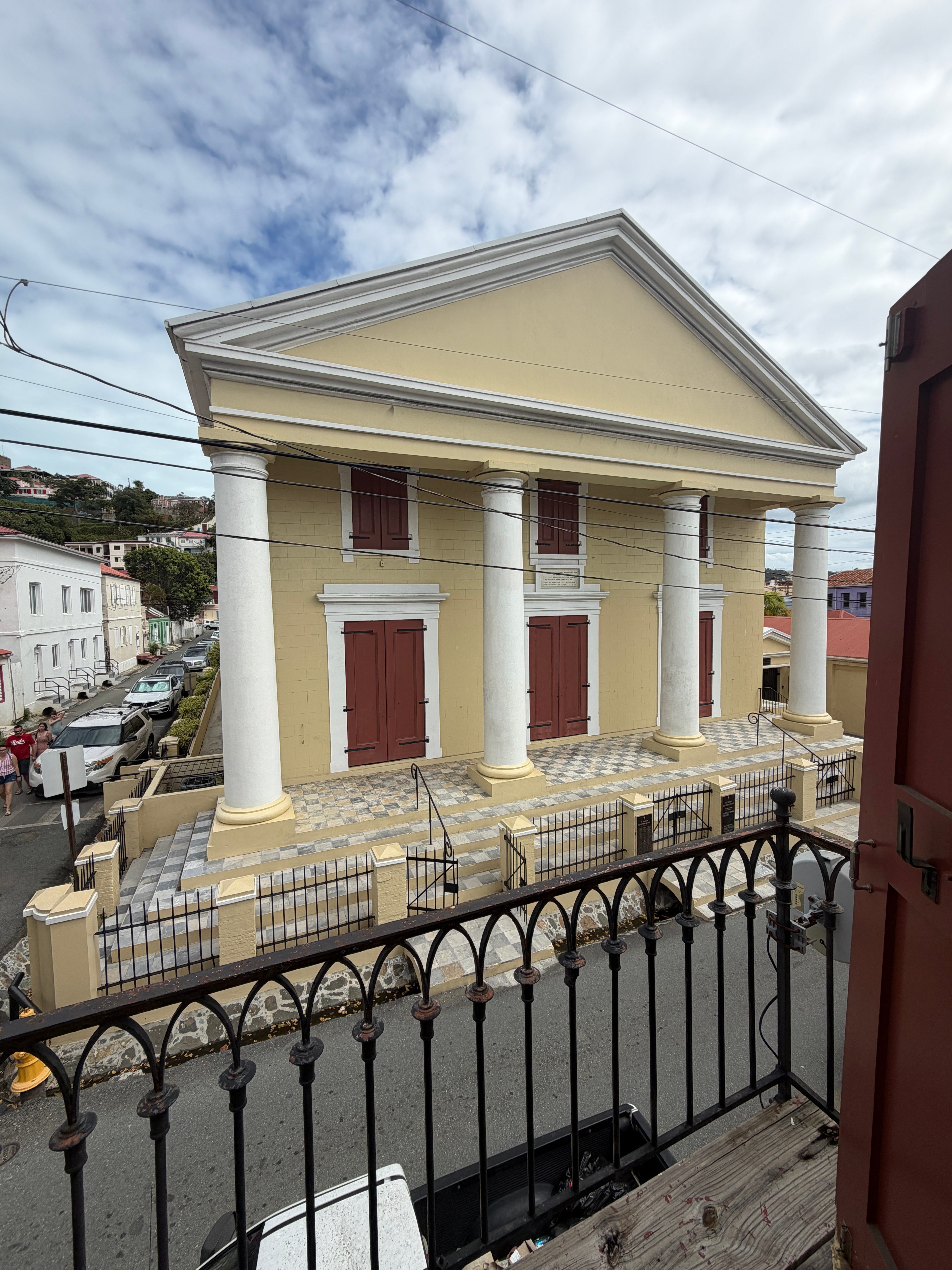
Last night, St. Thomas Reformed Church (STRC) held a town-hall style meeting with our neighbors who live around the church. It has been a long time since STRC has held a meeting designed to listen to the experiences, the concerns, the preferences, and the hopes of our neighbors. It felt like the start of an important relationship.
St. Thomas Reformed Church leaders will recall that one of the mandates they had given to me was to help them get more connected to their neighborhood. This was an important milestone in my work with the beloved STRC community.
I went to the CCDA.org website this morning to refresh myself on the principles of Christian Community Development (CCD) from the premier organization that helps these kinds of efforts. I clicked on the page that lists their CCD philosophy. I’ve indexed it here for your convenience.
Reconciliation
Redistribution
Relocation
Leadership Development
Empowerment
Church-Based
Listening to the Community
Wholistic Approach
The “Listening to the Community” principle caught my eye, and I noticed they have a one-minute video that underscores the biblical relevance of starting there.
As STRC, we are trying to educate ourselves by getting to know our neighbors relationally. CCDA states:
Christian Community Development affirms the dignity of individuals and collaborates with neighbors to leverage community resources and assets to bring about sustainable change. Too often communities are developed by outsiders who bring in resources without taking into account the people who live in our communities.
We want to affirm our neighbors, to collaborate with them, and to bring about sustainable change by leveraging our community resources and assets. We do that best when we have a relational presence and the proximity to know what’s going on.
For more businessy-minded folks, you could call this “doing our market research.” But it goes deeper.
Many of the people in the room last night (I counted about a dozen) are people with resources, ideas, and lived experience that could help us work on issues we have in common. It takes a measure of humility for us to ask with curiosity, “What qualities, talents, and abilities does my community have that can help promote community growth?”
Our focus is on building community with our neighbors. We want them to “see themselves as assets and as part of the solution to community challenges.”
In the interest of brevity, I’ll close this post with a final observation: When you journey with Jesus, you might start with one goal but then discover that he has something new, different, and better for you. We are open, Lord. We’re listening… We’re learning from you… as we listen to and love our neighbors.
Comments
Nothing yet. Say the first thing.
Sign in to join the conversation.