
Allow me the title of this post because it’s very different from what I’d usually write.
“Can we actually trust Korean skincare brands?” is something I’m seeing in comments across all platforms in the last few months: TikTok, Instagram, Reddit.
Everywhere.
I’m going to give you everything you need to make your own opinion, and of course I’ll give you mine throughout the post as well.
First, why Korean beauty earned its reputation. Then, my honest take on why that reputation is being unfairly poisoned.
Korean skincare demand is up 350% globally since 2022.
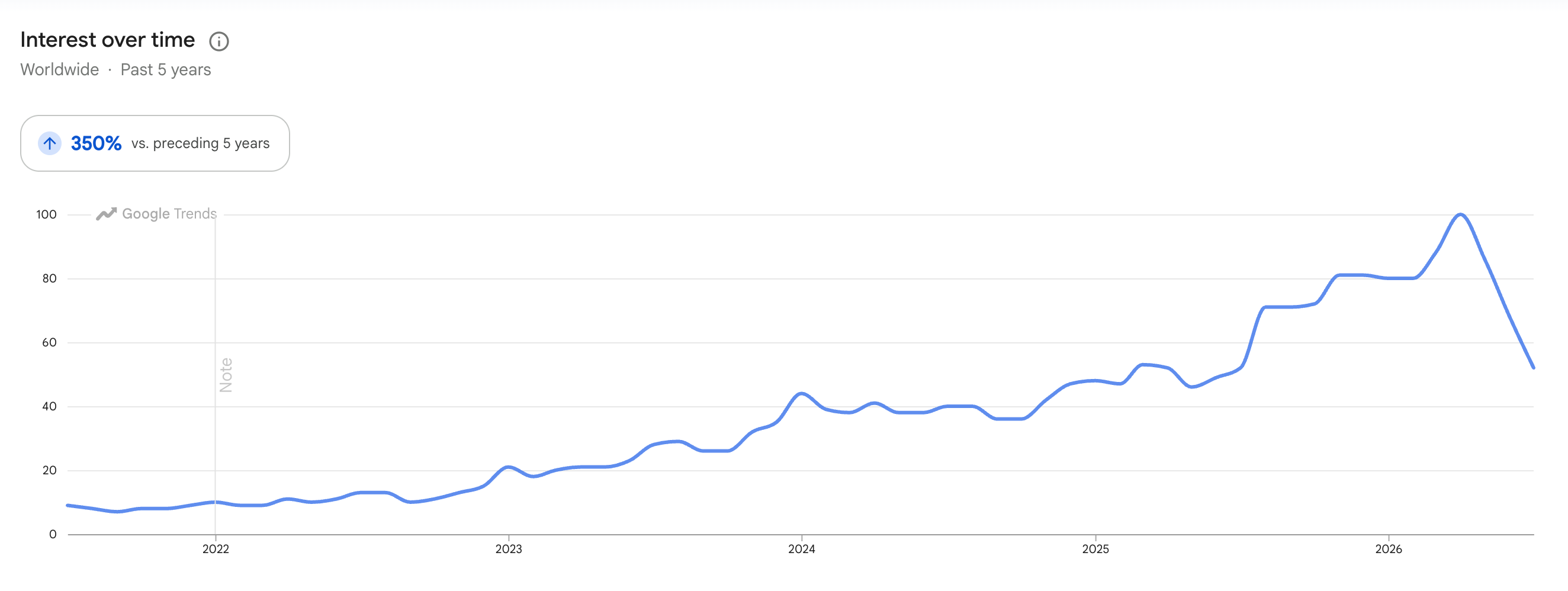
It rose in popularity because it has a completely different ethos to Western skincare.
Western skincare has always been aggressive: burn away acne with acids and dry your skin out to stop oil production.
Korean skincare brought us true barrier care: nourishing extracts and layers of hydrating toners.
It’s not effective simply because it’s from Korea. It’s that Korea has a completely different approach to skincare in general, and it’s something we desperately needed in the UK and US.
We saw something we liked and we made it popular in the UK.
That’s how any beauty category goes mainstream. Word of mouth turns into viral videos. Viral videos turn into blog posts. Blog posts turn into a Pinterest aesthetic.
Korean brands saw a new audience and marketed to it. It was the obvious business move for them. Any business would have done the same.
Most of them handled it well, but some didn’t.
And because the human brain loves to focus in on the negative, we notice these brands more and generalise across the whole category.
To understand where things might’ve gone wrong, we need to look at the industry as a whole.
Let’s start at the root of so many world issues.
My FYP is dominated by a few key themes:
Gender reveals
Recipes I’ll save but never make
Breakdancing
Essays on capitalism, UK and US politics
If you’re not as chronically online as me, the topic of deconstructing capitalism might have gone over your head, but I’ll break it down:
We live in a capitalist society where everyone is optimising for money.
Skincare brands (in all parts of the world) are trying to grow their revenue each year.
Businesses can’t exist without profit.
The problem is when greed takes over, and there are greedy people in every post code.
Excess consumption is the default, so brands respond by feeding us more.
You have two feet.
You have a pair of shoes.
For the same reason you buy more shoes when you already have enough, skincare brands churn out more products for people who always want more.
It goes like this:
New serum launch
People buy it
Hype dies out
Brands feel the need to launch another to stay relevant
We end up with:
PDRN serums
Collagen sticks
£20 hypochlorous acid spray when it’s in the baby aisle for £2
Branded tote bags nobody asked for
Brands are always looking for the next thing to release.
Their job is to make you feel like you need it, even though you already have a skincare routine.
This is consumerism under capitalism.
We buy more because “enough” has been marketed out of us.
And it doesn’t stop at spending. We tell them what we want more of, even when it doesn’t benefit us:
Clean beauty free of “nasty” chemicals
Products without preservatives (the same preservatives that stop mould growing in your skincare)
Sulfate-free shampoo
These are demand-led beauty launches. Products brands make because they know consumers want them.
Not because they’re actually effective.
The same machinery that took over Western beauty has now caught up with Korean skincare.
That’s what’s actually going wrong right now.
It’s not a Korean skincare problem. It’s a capitalism-in-skincare problem.
Korean brands are just the current front line because they’re the current trend.
That alone isn’t the fault of Korean skincare brands simply because they’re Korean.
It’s an issue with a sub-group of brands in general, all over the world.
Just as there are inauthentic Korean brands, there are inauthentic Western brands.
A lot of beauty brands realise they’ll make more money if they overproduce.
So that’s just what they do.
The signs are the same everywhere:
They launch new products every few weeks with no clear formulation reason
Their marketing leans harder on packaging and aesthetic than ingredients
They ride whichever trend is hottest (glass skin, snail mucin, PDRN) without meaningful differentiation
Their claims are big and their science is thin
Doesn’t matter where they’re from. These types of brands exist everywhere.
The good news is that most Korean skincare brands aren’t in that camp.
It’s just that the bad apples shout the loudest and have the brightest packaging - but they’re the exception, not the rule.
I know there are a few elephants and I’m not going to ignore them.
A few years ago, some Korean sunscreens were tested and found to be performing worse than their labels claimed.
But this hasn’t only happened in Korea.
Bondi Sands, an Australian brand widely sold in the UK, has been through the same scrutiny. Some independent tests suggested their sunscreens weren’t hitting their labelled SPF either.

And this is where it gets messy: some of these claims turned out to be true and some were false. Follow-up testing gave different results depending on the lab and the batch.
Sunscreen testing isn’t as straightforward as people would believe. But most people only remember the negative headline.
Once distrust sets in, it sticks. And while that’s completely valid, and being cautious about SPF is important, there’s a difference between critically evaluating a specific brand and writing off an entire country’s beauty industry without real evaluation.
There’s a rising trend of azelaic acid serums that come in watery, clear formulations, often labelled at 10%.
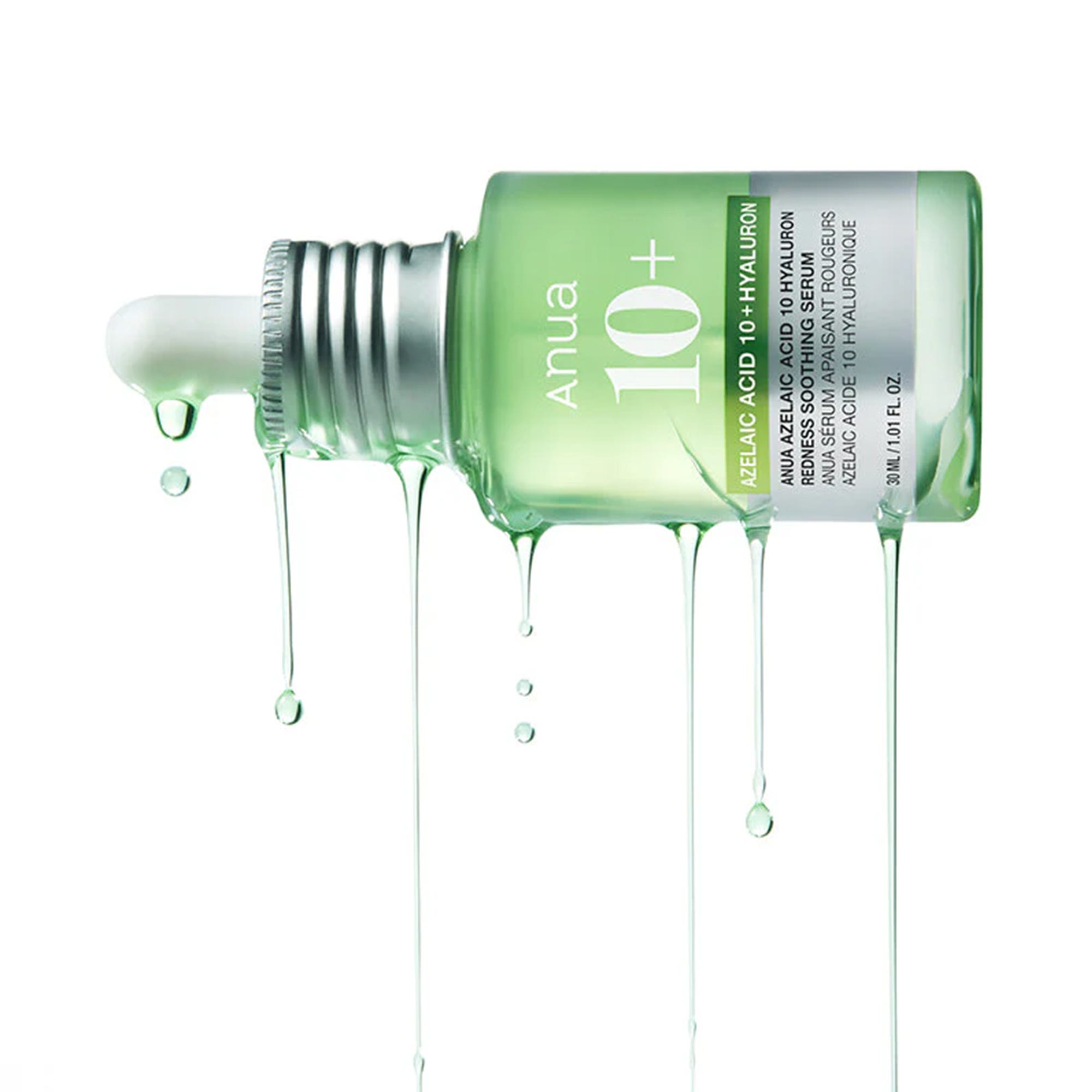
Traditional azelaic acid is a chalky, insoluble powder. That’s why many of them come as creams.
A few cosmetic chemists have broken this down on TikTok recently. Their concern is that to force azelaic acid into a watery formula, the pH has to be raised significantly, which converts the active into a salt form.
That salt form is a derivative, and it doesn’t have the same evidence base for efficacy at 10%.
So the label might say azelaic acid 10%, but what’s actually in the bottle isn’t what the research says works.
I’m currently working through this myself on TikTok. I haven’t fully concluded, and neither has the wider community. You can follow the discussion here:
It's a good example of the machinery I described earlier: a trending active gets rushed into a watery, aesthetic-friendly format that consumers might like. Sometimes it’s just as effective, sometimes it’s not.
Why would I make products if I believe all the skincare we need already exists?
And no I’m not writing this post to plug it (it’s too early anyway).
But I will say this:
I’m creating products for a type of customer that is currently not catered for at all
I’m creating genuine solutions, not products for the sake of it
I’m creating products that allow your existing routine to be more effective
I hate the way skincare brands are all the same, and I truly believe what I’m making is different
So hopefully it’s clear that I’m not up for tarnishing all Korean brands with the same brush.
I’m actively working against the generalisation I see every day, and it concerns me.
It’s completely fine to stick to brands you know well if these issues put you off. But I’m worried about the growing narrative that all of them aren’t trustworthy, when really it’s a few key players shouting the loudest.
Interestingly, I have previously spoken to the co founder of Pure Seoul, who deeply cares about vetting the K and J beauty brands that sell on her platform. There are some brands, however, who want to be on her platform, that she has politely declined.
Natalie x
P.S. Two things if you want to stick around. Follow me on Instagram for sneak peeks of my skincare brand launching next spring/summer. I’ll be running polls over the next few months to shape the products, so if you want a say in what gets made, that’s where it’s happening.
For £6/month, you get the exact systems I’ve used to fix my skin, increase my income, and make better decisions - with detailed, brutally honest guides you won’t find anywhere else.
About the author:
Hey, I’m Natalie. I built an audience of over 1 million on TikTok talking about skincare, that quickly evolved into something much bigger here on Substack.

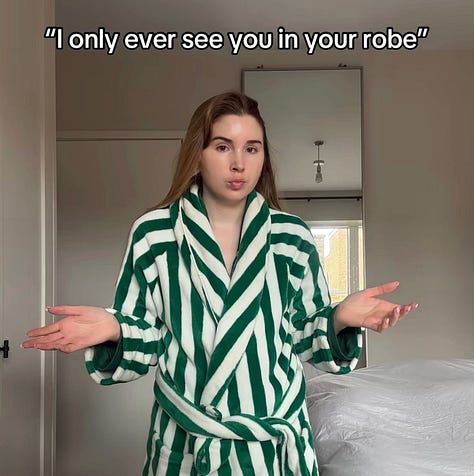
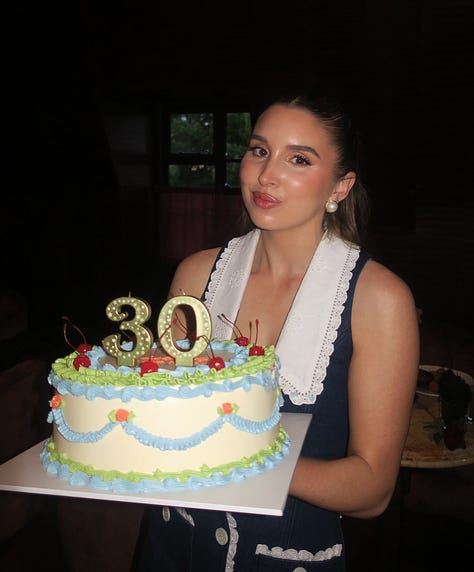
Now I write brutally honest, big-sister guides on skincare, finance and wellness for your 20s and 30s - breaking down what actually works so you can get ahead faster, learning from my mistakes and shortcuts.
💬 Follow on TikTok or Instagram for brutally honest skincare takes
💻 Ask me a question in the group chat
🧴Shop my recommendations here
Comments
Nothing yet. Say the first thing.
Sign in to join the conversation.