
Most of what we do at Naso happens on the slow lane. We sit with emerging artists, we write, we ask the questions that take three hours to answer properly, and we put those answers into print. We go looking for the next generation and then we run them in the same pages as the generation before, because the conversation between the two is the whole point. Storytelling is the work.
We have always also wanted to destigmatise parts of the art industry, especially to these emerging artists or artists that do not have access to this type of information in their day to day. How does the price of an artwork climb? Who moves it? What does time do to value?
For an artist, understanding how a price is built means understanding who is shaping a career alongside them: the gallery setting the first number, the collector deciding where a work will live, the curator placing it within a wider conversation, the writer giving it language, and time testing whether all of that attention can hold.
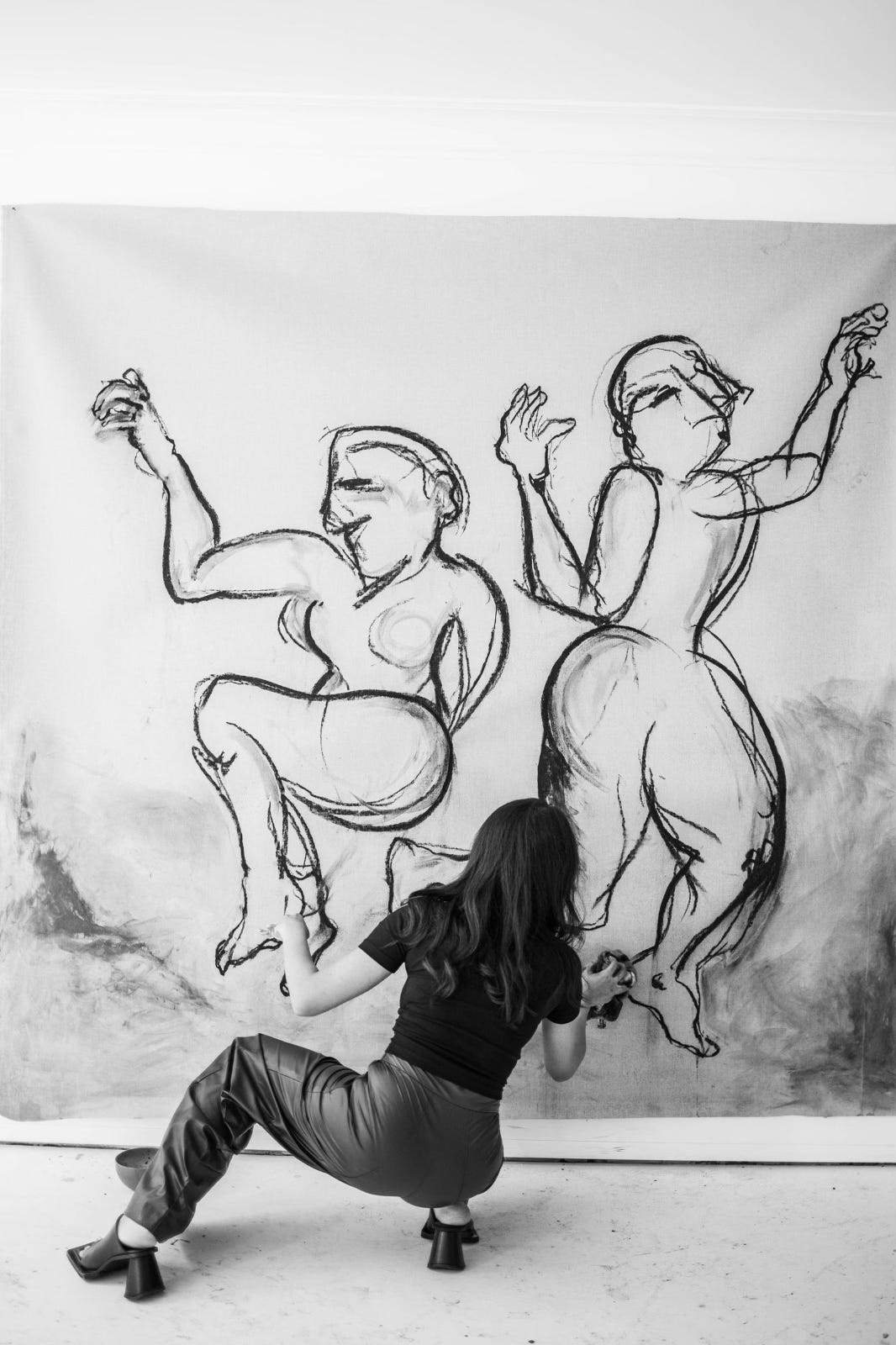
There is no formula waiting to be found. A gallery looks at scale, medium, how much of the work exists, the exhibition history, what sold last season, and picks a number that says: *this is where we think this artist sits.* It’s a position statement dressed up as arithmetic. The number is an opinion, and opinions can be argued with — but only by someone who knows it was an opinion in the first place.
Prices move in steps, and careful galleries keep those steps small. The reason is structural: a price that visibly drops is brutally hard to lift again. An artist priced too high too fast can stall for years, with unsold work and a stuck ladder. What looks like a gallery being cautious with your money is usually a gallery protecting your next decade.
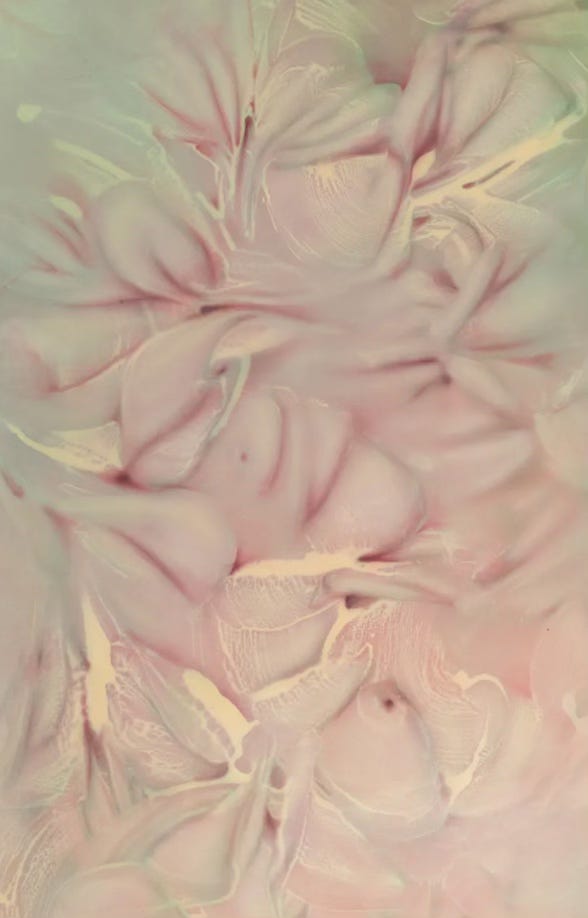
Placement is the part outsiders never see. A work entering a museum collection, a foundation, or the hands of a collector who actually lends will keep working for the artist for thirty years. A work that vanishes into a freeport does nothing at all. This is why galleries turn down more money from the wrong buyer. They aren’t selling an object, they’re building a provenance.
Curators, writers, biennial committees, editors, the researcher who footnotes a practice in 2041. Not one of them spends a euro, and all of them move the number. Scholarship is what makes work legible — it hands a practice a lineage and a vocabulary, which is what lets it survive the trend that first made it visible. That’s where a magazine sits in this ecosystem, and we’d rather say so than pretend we’re standing outside it.

Time is the input nobody can shortcut, and it cuts both ways. It compounds the good things: exhibitions accumulate into a record, a record becomes a reputation, a reputation becomes something a serious buyer will underwrite. It also exposes work that only ever had momentum. Prices built on a waiting list evaporate when the waiting list moves on; prices built on institutional depth tend to hold, and to recover after a quiet decade. The market rewards patience because patience is the one thing it cannot manufacture.
The secondary market’s real power is that it is public. Gallery prices are private, so the hammer price becomes the only number anyone can quote and it gets quietly promoted into the truth about a practice. It isn’t. An auction result is not the market’s opinion, it’s the second-highest bidder’s. What actually sustains a career is depth: ten people who want the work, not two. Auction cannot show you depth. It can show you failure, though: a lot that goes unsold is publicly burned and hard to place privately for years afterwards. And the number in the headline does not reach the artist. Resale rights return a small capped percentage in the EU and UK, and nothing at all across much of the rest of the world. A record can make a career or trap it, and it pays for neither.
The taboo is meant to keep art safe from the market. Mostly it just protects whoever already understands the market — rarely the artist. Money, in practice, is rent, materials, insurance, the freedom to spend eighteen months on something difficult. Knowing how your price is built is not selling out. It’s authorship, extended to the parts of the career nobody teaches.
At Naso, we believe artists should be able to understand that machinery without being consumed by it. Because knowing how the industry around your work operates does not make the work less sincere. It simply means that when decisions are being made about your value, your trajectory and your future, you are equipped to be part of the conversation.
Words Copyright of Naso Art Journal
No posts
Comments
Nothing yet. Say the first thing.
Sign in to join the conversation.