

As new mothers we’re told that sleep deprivation is just part of the gig. And look- to some extent, it’s true. The reality is that many new parents do get significantly less sleep after having a baby and there’s not a whole lot we can do about that. It is biology after all.
But we’re expected to suck it up and manage it all alone. That’s wrong. This shouldn’t be all on one person to figure out. Some of us cope incredibly well with lack of sleep. For others, it can be a mental health trigger and very serious.
Poor sleep can worsen depressive and anxious symptoms, while conditions like postpartum depression can cause nighttime wakefulness and insomnia, creating a vicious cycle of exhaustion.
So how do you protect your sleep so you can be well? And how do you do so in the earliest months, when your baby needs responsiveness and nighttime feedings?
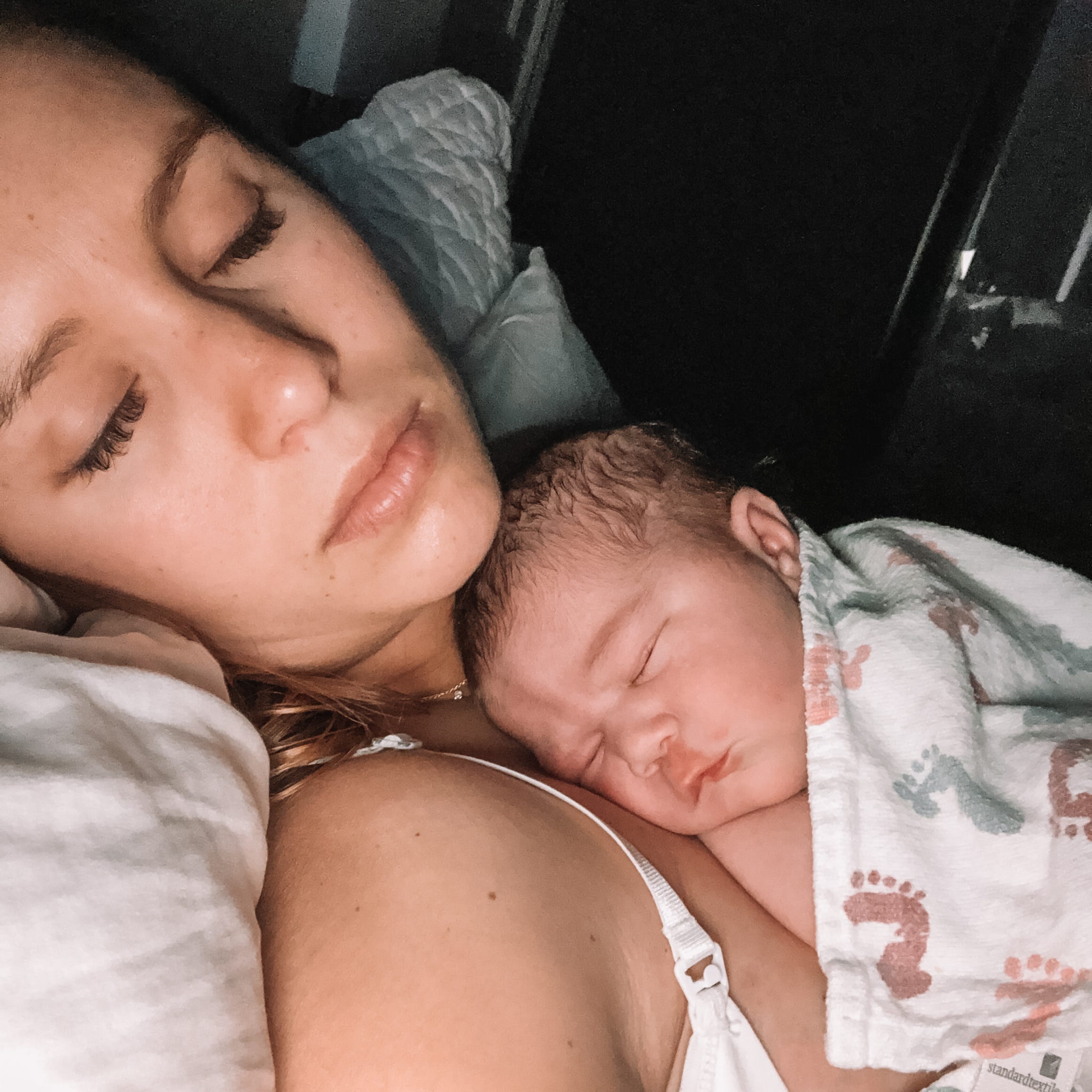
1. Taking shifts for protected chunks of sleep
It’s quite normal for babies (especially newborns) to wake up every couple of hours at night. For some, especially those who are more sensitive or who are going through a sleep “regression” for whatever reason, they might be waking up hourly. This is incredibly hard to manage and can become unsustainable if it lasts. Making a plan with a partner or another support person to get at least one protected 4-5 hour chunk (even if it’s only a few times per week) can make a huge difference.
A protected block of uninterrupted sleep allows new mothers to complete a full sleep cycle and reach deep, restorative sleep, which is critical for stabilizing mood and preventing postpartum mood disorders. And if each caregiver can get one long stretch, it makes the fragmented sleep for the rest of the night easier to handle.Here is one way to do shifts:
Divide the night into 2 clear shifts with a partner or helper (for example, 8 PM to 1 AM and 1 AM to 7 AM).
She feeds or pumps right before going to sleep at 8pm. During that time she is either in a different room with ear plugs or white noise so that the partner can tend to the baby and give them a feeding of the pumped milk, formula, milk from the freezer etc. if needed. Or if mom prefers to exclusively nurse, the partner quietly brings baby into the bedroom, helps baby get latched, and takes baby away to do the diaper change, re-swaddle, soothe and put back to sleep etc. The mother barely has to wake up in this case.
Partner then hands off the monitor to mom (or just set it by her bedside) after first shift ends, so they get a turn at a real stretch too. For the rest of the night, after midnight, mom can get up and feed as needed while partner sleeps through.
Another option is an early morning shift. This was always my preference, as many babies become more wakeful in the early morning hours. If your partner wakes up at 4am, (you may want to get up too and do a quick feed/ pump) and they can be with the baby until 8am, you get to start your day feeling rested and refreshed, and they just feel like they woke up a little early and need an extra coffee. No big deal.
An alternative to shifts during the workweek, which can be hard for certain families, is to do this just Friday through Sunday. Again, even these restorative blocks of uninterrupted sleep a couple times per week is better than nothing. You can also have your partner or a family member or babysitter or doula come watch the baby during the day so that you can catch up a bit with a nap. Wherever you can find rest, take it.
For breastfeeding/ pumping families doing shifts may be a little bit of trial and error so that you maintain your supply. Working with an IBCLC to come up with a personalized plan is a great idea to kick off a shift-based schedule.
2. Flex the breast
For some, exclusive nursing feels like the best choice. Breastfeeding can also be mood protecting, which isn’t discussed nearly enough! If this is you, I highly recommend learning about side-lying nursing positioning, in particular while bed sharing. This can allow you to continue to EBF your baby while sleeping.
For others though, introducing a nighttime bottle of either pumped milk, donor milk, or formula to ensure restorative sleep for the mother is a worthy tradeoff.
This can be very emotional and sometimes triggers feelings of shame or disappointment. It’s very real for your feeding plan changing to bring up lots of feelings for you. Remember that being mentally well for yourself and your baby is top priority. Especially if you are going through a severe lack of sleep or if you are at risk for a postpartum mood disorder, sometimes the best thing you can do is to be flexible with your feeding plan.
To listen to more strategies for protecting sleep, sharing feedings with a partner, taking shifts etc., listen to this episode of NOTU with IBCLC Victoria Facelli
3. Expand the support circle
We’re evolved for alloparenting, day and night- meaning that one (or even two) people were never meant to do this alone. Caring for an infant overnight is full time work. Even if you’re exclusively nursing, the weight of nighttime care shouldn’t be entirely on you.
See if a night doula is something your work benefits/ Medicaid funds, you could use FSA/ HSA for, or is covered through insurance (more likely if baby has a medical need, you have multiples, or parent has a documented medical condition or history of mental health condition).
Call on grandparents, siblings, friends, anyone who may help with a shift.
4. Learn safer bed sharing guidelines
Some mothers sleep much better when they are close to their babies, and it’s a valid option so long as you aren’t on medications or so sleep deprived you won’t be able to be responsive.
Here is a post with all safety guidelines for bed sharing and chest sleeping with baby.
5. Know the warning signs
Sleep deprivation is real and it can feel like torture. It can also be a risk factor for postpartum depression and other mood disorders. Sometimes sleep deprivation in postpartum goes beyond a sleep issue and becomes a medical emergency that no strategy can fix.
You need real and immediate medical support if you are:
unable to fall asleep even when you are exhausted and the baby is safely sleeping
experiencing racing thoughts, persistent panic or dread when trying to sleep
feeling disconnected from your baby
having thoughts of harming your baby or yourself
TLDR: The first few months of a baby’s life are intense. Their needs are intense and constant. Nighttime wake-ups are completely normal, but can become unsustainable if the mother is unable to get to sleep in between, or if the wakings are very frequent. However, the advice to “just sleep train” can also be distressing for new mothers and doesn’t make sense.
Hearing your baby cry, reducing or ceasing breastfeeding, or being physically separated from them can be incredibly distressing and may even increase anxious symptoms. Traditional advice to let the baby cry or “self soothe” may not feel right for you especially in the first few months. However, this doesn’t mean you have to suffer or white-knuckle your way through months of intense sleep deprivation.
While it may not be realistic in the early months to get full nights of the sleep we really crave, you may be able to get a restorative chunk, structuring your night where you get 4 hours or so. Even if this only happens a few times per week or during a particularly rough patch it can be game changing.
The bottom line is that postpartum parents need more support. They need in-home checks, easy access to mental health resources, real help from their partners, and community. They need proper parental leave and affordable childcare policies. Until these things can happen at a national scale we will unfortunately continue to have mothers in crisis.
🎧 For more, listen to these episodes of my parenting pod, No One Told Us and be sure to “subscribe” so you don’t miss an upcoming episode on Postpartum OCD + Sleep:
🧠 For more mental health support:
National Maternal Mental Health Hotline: Call or text
1-833-852-6262(1-833-TLC-MAMA) for free, confidential support in English, Spanish, and 60+ languages.Postpartum Support International (PSI) HelpLine: Call
1-800-944-4773or textHELPto1-800-944-4773(English) or text971-203-7773(Spanish) to connect with the Postpartum Support International network.Suicide & Crisis Lifeline: Call or text
988if you are in a crisis or experiencing thoughts of self-harm.Visit Postpartum Support to learn more about postpartum mental health, get connected with local support, join free virtual groups and more
If your baby is waking up very frequently (like hourly all night long) or seems upset, unsettled, or something just feels “off” and you’re not sure what it is, you can download this FREE guide to sleep “red flags” to share with your pediatrician and get some answers (and sleep!!).

P.S. If you had a creative solution for protecting your sleep postpartum, let us know in the comments! 👇🏼
Up Next (if you loved this one!):
The Babies Aren’t Broken, Our Policies Are
Why I Changed My Mind About Sleep Training
Danish New Moms have Built-In Support, Beyond Parental Leave
Did Denmark Actually Ban “Cry it Out?”
My Kids Didn’t Get the Same Version of Me, and That’s Okay!
Things that Would Send First-Time-Mom-me into a Coma (Sleep Edition)
To Support This Newsletter (ILSYM!)
📱 Follow me on Instagram and Tiktok
📸 Screenshot your favorite part of this newsletter and share it on Insta! Be sure to tag @heysleepybaby pretty please!
⏩ Hit “Forward” or tap to share this email with a friend (if you’re that friend, hi!)
💸 Consider upgrading to a paid subscription for just $5 per month to support this newsletter and to get access to my full archive of past posts!
Comments
Nothing yet. Say the first thing.
Sign in to join the conversation.