
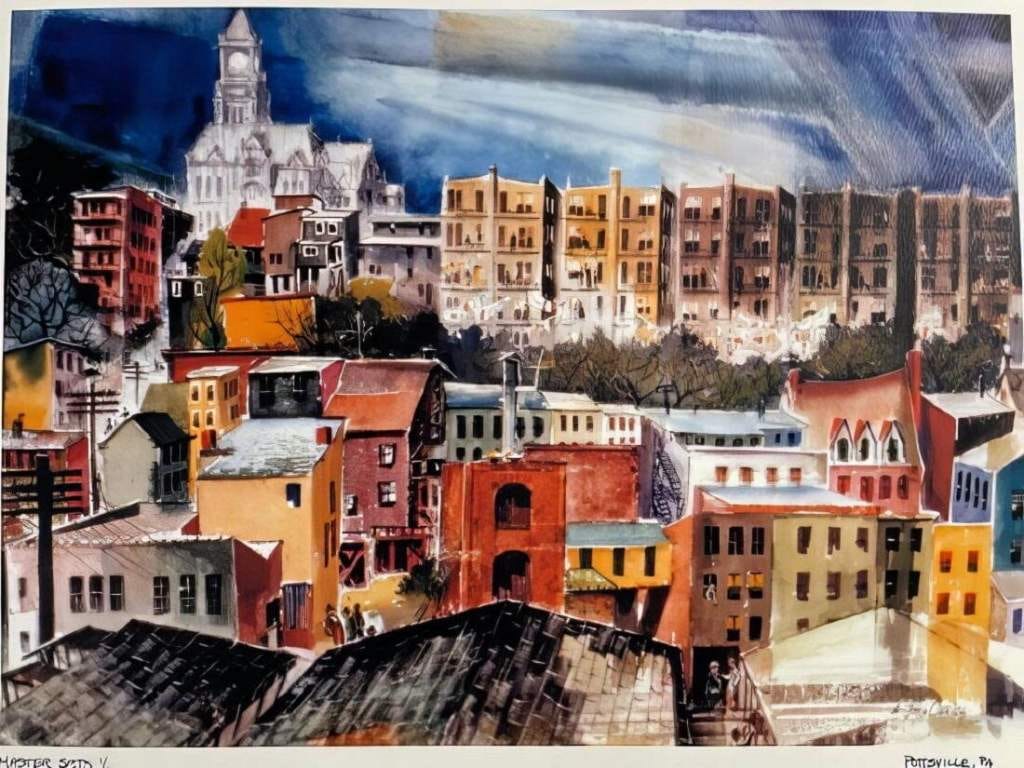
It was better not to think. Those were the not-thinking days, the 1950’s, the early 1960’s. Don’t think. Feel the minimum, hunger, thirst, sleep. Stay alive. Go out with the buddies, try to forget. Stay out all night if you have to. Breakfast at the Sheridan before the crack of dawn. Home fries, salt cod, eggs sunny side up as the sky turns from black to gray. Sure, the battle-ax will be on the warpath when you walk in the front door just as she’s waking the kids up for Sunday School. Ignore her. Pull down the blinds in the bedroom. Crawl into bed and sleep off the night.
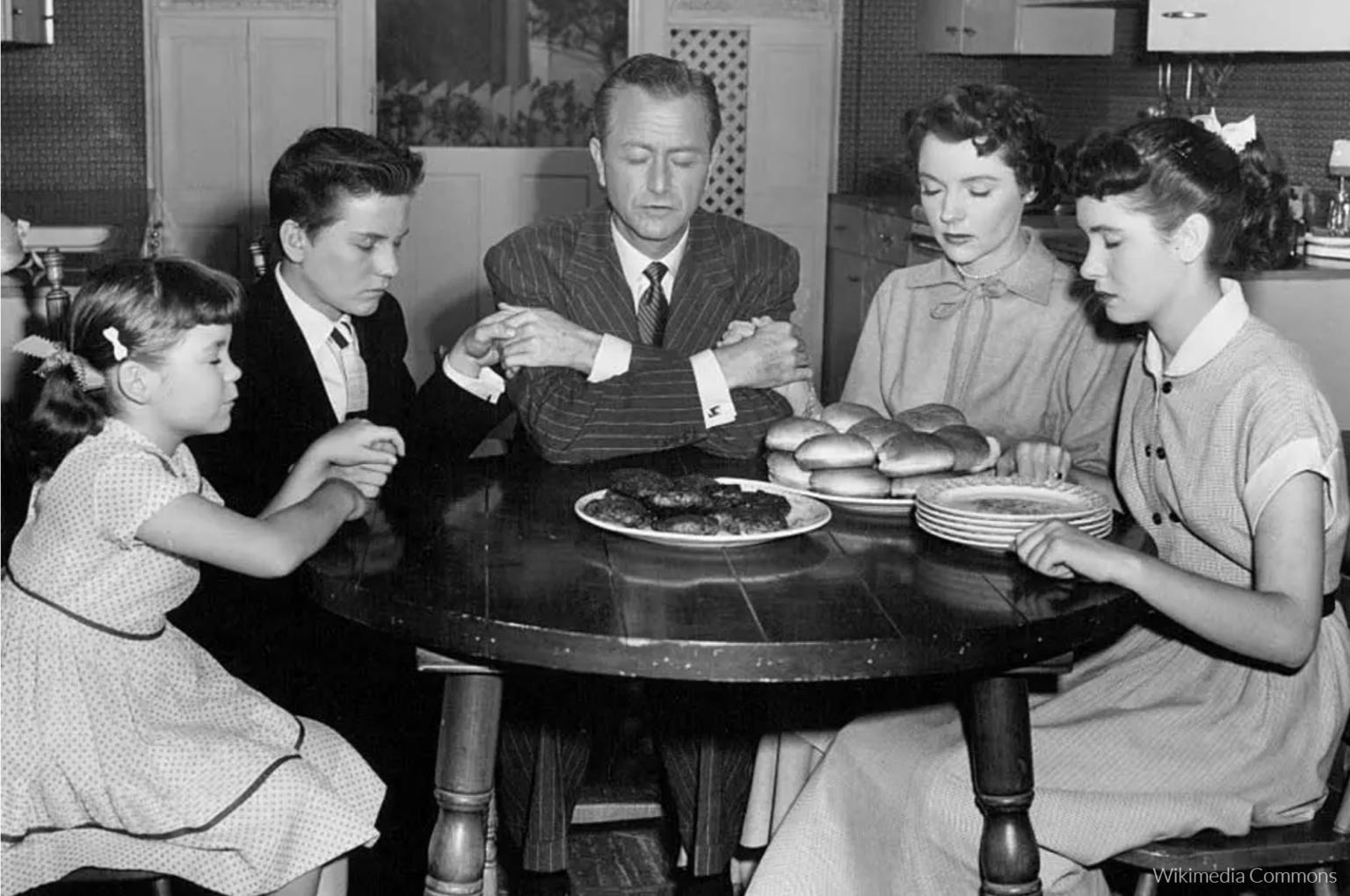
You get up for the roast beef, mashed potatoes and peas. Sit down at the table in your pajama bottoms and a white t-shirt. No time to shave. Just enough time for the first cigarette of the day. The first cup of coffee will have to wait. You crush your cigarette in an ashtray as the eldest bows her head to say grace. You respect tradition but you don’t respect the message. You’ve seen too much to believe in a Sunday-School god. Where was God when you needed him?
The meal is tense but you make it through. The battle-ax is thawing. She does it for the kids. A normal homelife, whatever that means. And then? The long dismal stretch of Sunday in the armchair in the living room in front of the TV, an ashtray balanced on the armrest, the Sunday paper on the floor. You like the comics, especially Beetle Bailey. It brings back the good times. It makes you laugh.
OK. A normal homelife. You stand up. You take your plate. I’ll clean up, you offer.
No, she shakes her head. She stands up. Picks up two plates. One by one, she wipes off the leftover gravy with a paper napkin, throws it in the trash, sets the plates one next to the other on the kitchen counter, gets out the dishpan, turns on hot water. I’ll do it myself, she says.
Have it your way. You don’t say that one out loud. You go back in the bedroom. Take off the pajama bottoms, pull on a pair of pants, a plaid shirt. You pick up your car keys and take your wallet from the pocket of the pants you wore last night. You go back to the dining room.
Com’on, you say to the eldest. She’s your boy, your bud. You can talk to her. Not that she says much, but she’s listening. Does she want to stay with her sisters, play with friends on the block? You don’t ask yourself those questions. You know she likes to tag along. She’s a serious kid, not goodlooking, but good company. Most often you ride in silence, companionable silence. She makes no demands but always accepts if you offer candy or ice cream. She’s too fat for a kid her age.
But you get the feeling she understands. Understands that you’re suffering. You take her with you when you visit the buddies. She sits in a corner, doesn’t bother anybody, never complains.
The buddies joke, “In the doghouse again? That’s what you get for marrying a schoolteacher.”
You smile, don’t agree or disagree. Your sister’s a teacher too. She’s a principal and, next to your mom, the best person you’ve ever met.
Winnie doesn’t care when they all come over on a Sunday afternoon, when the air in the living room is so thick with smoke you can hardly make out the TV screen. The kid is sitting too close. Some Shirley Temple movie. Good. That’ll keep her occupied. You settle back on the sofa, light up another cigarette. Casey’s here, and Furman. Winnie brings in a plate of beer bologna and cheese, puts it on the coffee table. Murph hands out the bottles of beer. You’re not hungry so you drink. The cloud of smoke settles in your brain, mingles with the alcohol. You want to reach out and hug these men, your best friends. They were there. They know what no one else can understand. Nobody talks about the Philippines these days.

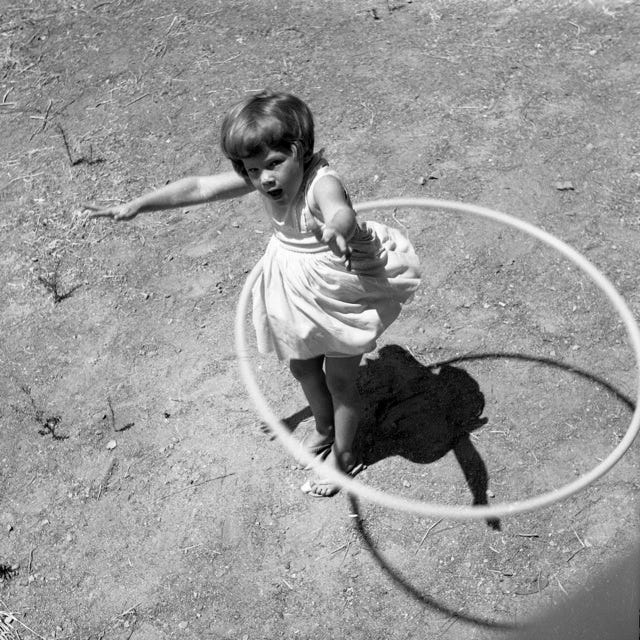
Hula hoops and muumuus. 1959. Hawaii becomes the 50th state. Celebrate! Participate! Buy a hula hoop at the local five-n-ten. Up and down the block kids twist their hips and try to keep their hula hoops spinning around their waists. First a slow circle, then faster and faster. Don’t let that hoop clatter to the ground!
Don’t think. Pay the bills. Buy the gadgets. Plastic is the future. Eisenhower is President. The middle class is on the rise. Forget what you saw over there.
When, in 1998, Tom Brokaw publishes his book, “The Greatest Generation” about the ordinary heroes of World War II, my father had already been dead for thirty years. Nobody was talking about him when he died.
I miss my father. He was an intelligent, cynical man, too much a maverick for family life, but he tried. I’d even say, he did his best, which is all you can ask of anyone. He also liked to have a good time. He had friends who liked to have a good time, all of them veterans of World War II. What did they see? What were they not talking about? What were they trying to forget? In my father’s case, I’ll never know because he died too young. The Catholic War Vets on the westside of town, the Amvets on the east. They always had somewhere to go when they had to take off the masks.
With my friend Gayle Wurst, who has interviewed many veterans who landed in Normandy on June 6, 1944, I had the privilege of meeting some of these men, spending a weekend with them in Bayeux, France, at the time of the 60th anniversary of D-Day in 2004. At that time many were still alive. With Gayle, I was invited into the home of a Frenchman who was a boy when Allied troops landed on the beaches. That man’s door is always open to Americans and he cannot forget their sacrifice. The people of Normandy suffered during the D-Day landing and ensuing battles, undeniably. But they value the gift of freedom as only those who have lost it can.
Twice, once with Gayle and once with my friend Linda, I visited the American Cemetery in Colleville-sur-mer on a cliff overlooking the English Channel. It is a sober, moving, beautiful place. For all those who continue to believe in democracy and the Constitution of the United States, it is sacred ground. Here, except for “thank you for the ultimate sacrifice,” words are out of place.
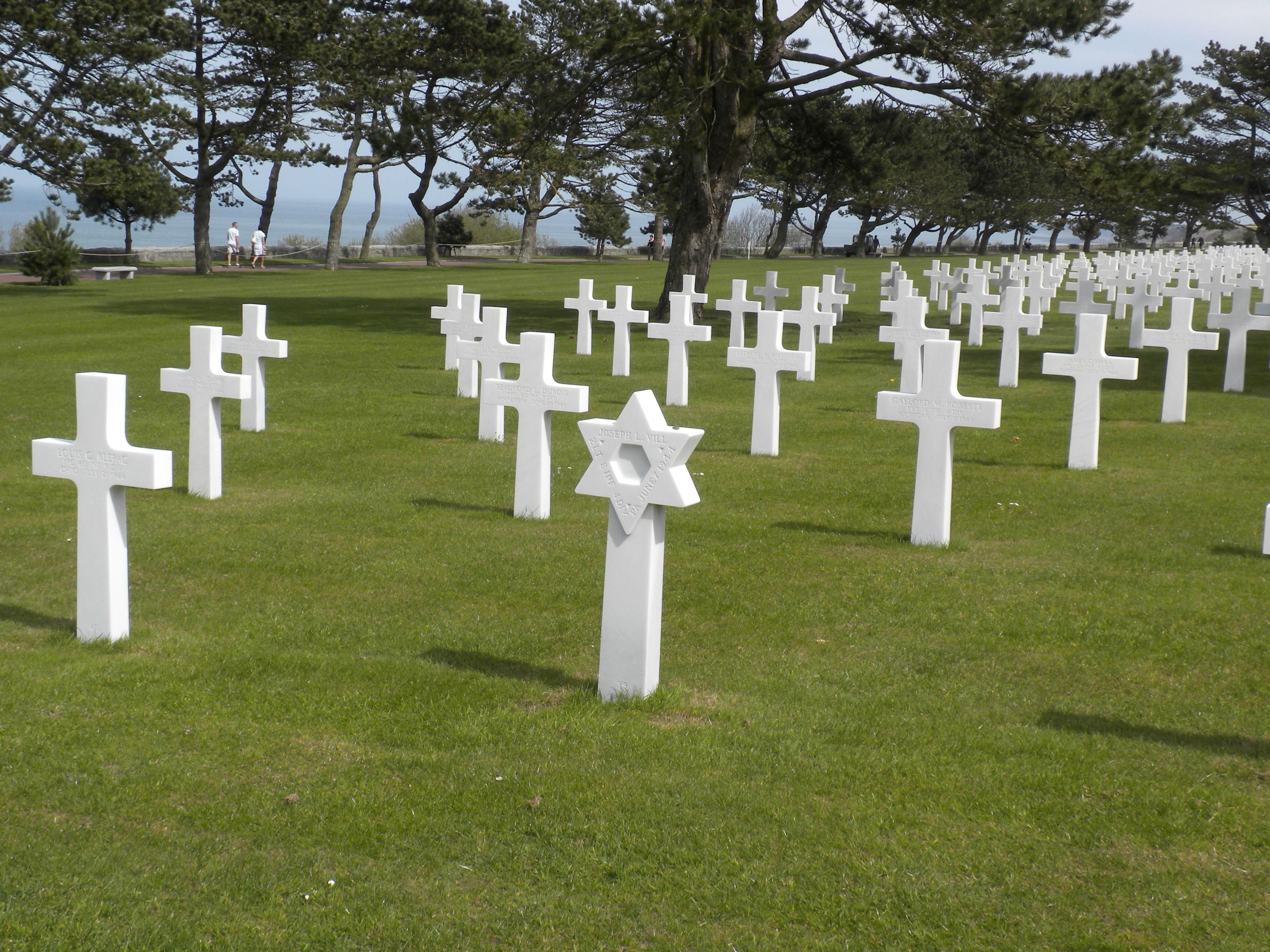
On June 6, 2026, Secretary of Defense Pete Hegseth broke the pact of silence and gratitude and debased that ultimate sacrifice by dragging politics into his speech. He demeaned US allies, interfering in their internal affairs without the knowledge necessary for meaningful comment or analysis. He brought shame on himself and on us. My heart aches for the men whose graves at Colleville-sur-mer silently honor their sacrifice.
Almost sixty years after my father’s death, my heart still aches for him.
My dad died before Citizens United, which allows corporations to make unlimited political contributions, placing the outcome of political battles in the hands of those holding the most wealth. He died when the top marginal tax rate in the United States was above 90% (though there were plenty of loopholes). The corporate tax rate ranged from 38 to 52%, and capital gains, though benefiting from preferential rates, were taxed significantly higher than they are today.
My dad died when the middle class still had a chance. Alone, working as a schoolteacher, my mom, despite financial losses brought on by my father’s death, was able buy a home and pay for the education of her three daughters.
Beginning in the 1980’s, those in power tried to sell the poor and middling sort on the trickle-down effect. Don’t tax the rich and they’ll invest and you’ll see, you middle-class drones will benefit too. Open your hands, open your mouths, to catch the drips.
Except now we’re in a drought, and the American dream of owning a home is just that, a dream, for young people who work hard and earn proportionately less, facing greater precarity than their parents at the same age.
Am I nostalgic? Am I simply tooling (to use a very outdated word) down Memory Lane?
I don’t know. I miss the past, but the present is all I’ve got. I miss my father and my mother and all those I’ve loved and lost.
Today I miss the country and the values my father fought for in World War II, an imperfect country, imperfect values, an imperfect democracy, yet one where there was room to hope. I feel the United States I love slipping through my fingers. At times, I feel powerless.
For my father, for all his buddies, for all those American men and women, regardless of race or religion, who fought and died in World War II, I remember their sacrifice and search for reasons to hope today.
Comments
Nothing yet. Say the first thing.
Sign in to join the conversation.