
“In my ideal world, there would be no need for ERGs or BRGs. You wouldn't need to think you're the only Black person in the room or the only queer person in the room. You'd just exist and focus on your career.”— Sarah Levitt
While this vision may still feel distant, holding it close offers a powerful compass.
It’s a reminder of where we’re headed — even if the path is uphill.
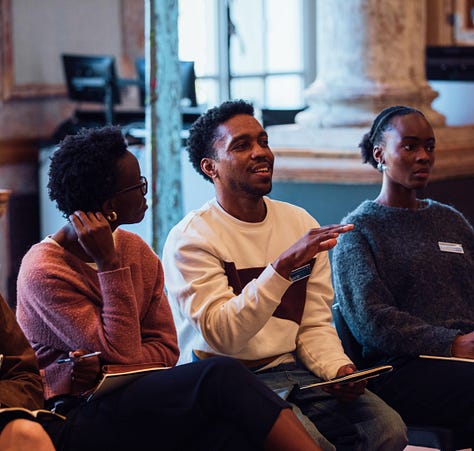
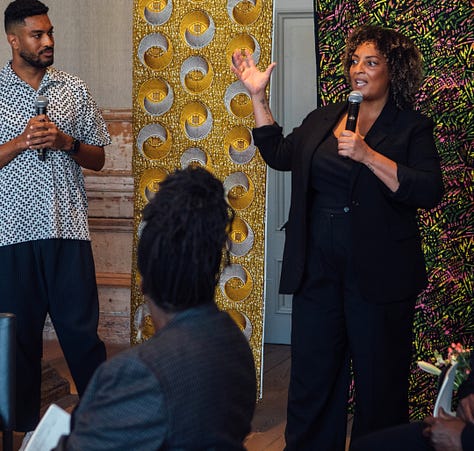
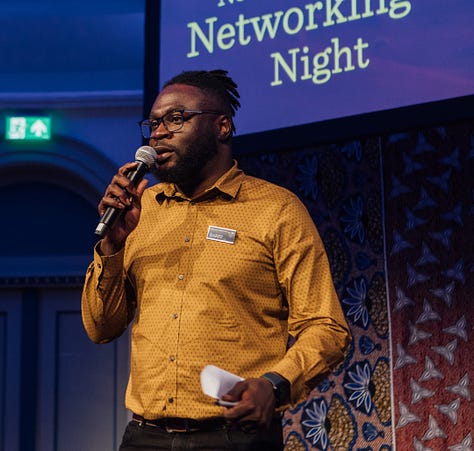
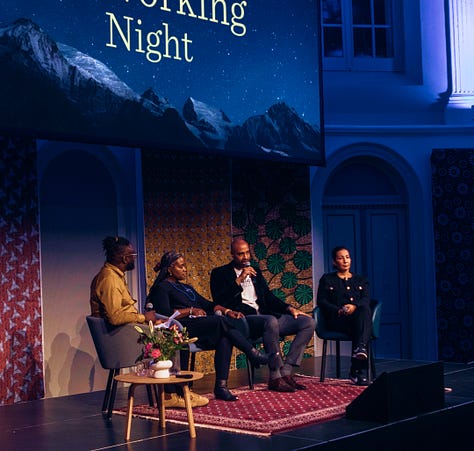
At last week’s North Star Networking Night, this journey was palpable. Through panel discussions, hands-on workshops, and honest conversations, we explored how Employee Resource Groups (ERGs) have evolved beyond support networks into engines of transformation. Personal stories became collective strength, and the room buzzed with a determination to rewrite the rules of workplace culture.
In today’s volatile workplace landscape, ERGs can’t afford to stand still. They need to be agile enough to shift with corporate strategies while staying rooted in their mission. But how do they remain essential rather than just… tolerated?
The first step is creating safe spaces — not as a buzzword, but as a lived experience. Structure matters. Executive sponsorship, especially from high-level allies like VPs, lends legitimacy. But it’s not about having the “right” people on paper; it’s about building a culture where everyone feels like they have an easy way in—through regular check-ins, lunch-and-learn formats, group workshops, and informal conversations that foster ongoing, open dialogue including the space to agree to disagree.
Proactivity is the second key. Thriving ERGs break silos, foster intersectionality, and invest in mentorship. They manage expectations — not just of their members, but of the company — while aligning efforts with broader organizational goals. Understanding the struggles of other ERGs shifts the mindset from competition to collaboration. "We need to support each other, not just exist in isolation," another participant noted.
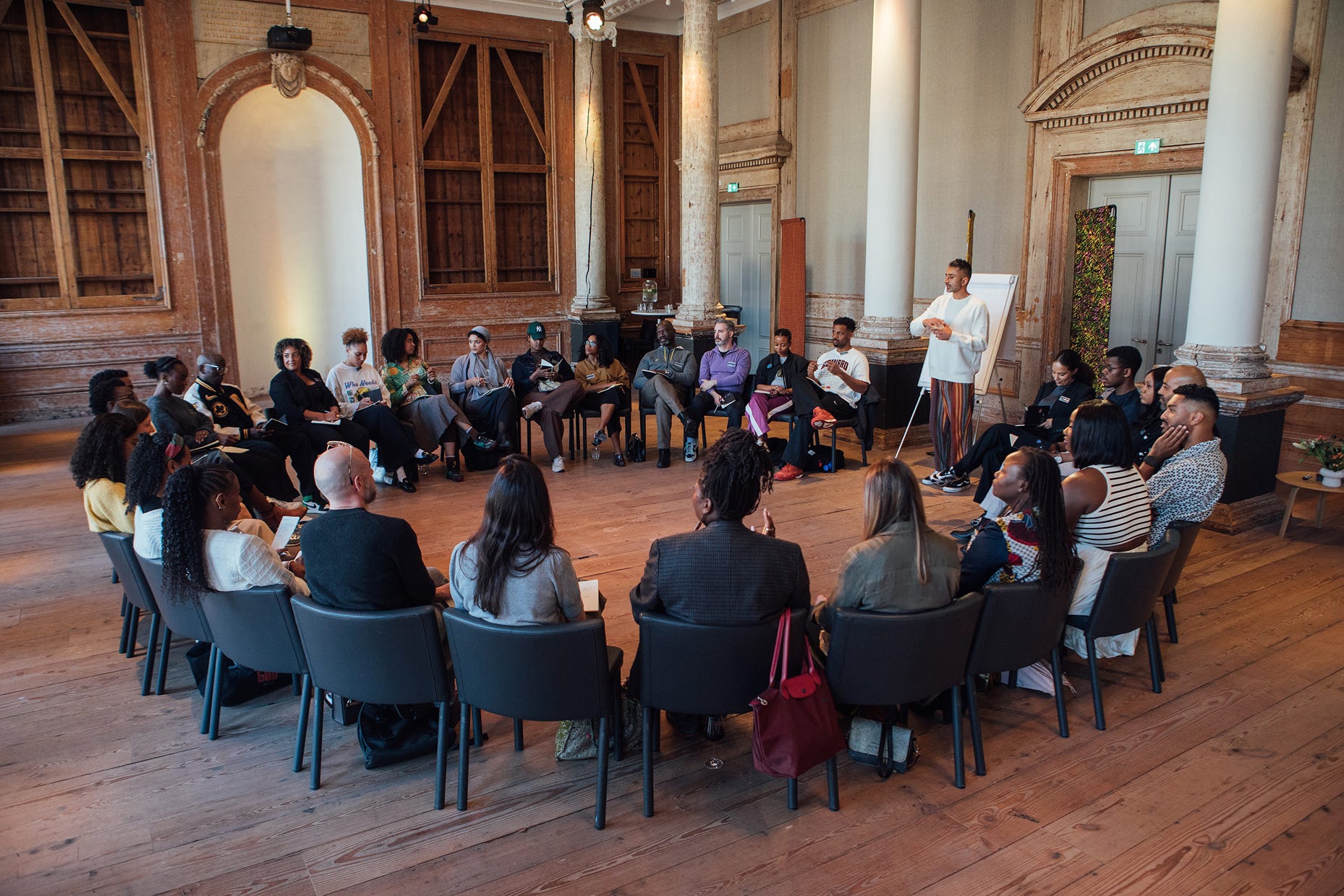
Belonging is more than a feeling; it’s a language. When ERGs work well, they don’t just validate personal experiences — they give people the words to tell their own stories.
"This is a space to help people find language for something they have not yet been able to verbalize," reflected Jahan Sharif.
Personal stories matter. Lived experience isn’t just anecdotal — it’s a strategic tool. It identifies real challenges, grounds solutions in reality, and makes support relatable. ERGs that tap into this authenticity move beyond surface-level diversity into something deeper: systemic change.
Leading an ERG isn’t just a title — it’s an act of courage. For many, it means carrying emotional labor alongside the pressure of representation. Leadership isn’t about perfection; it’s about resilience and showing up, even when it’s hard.
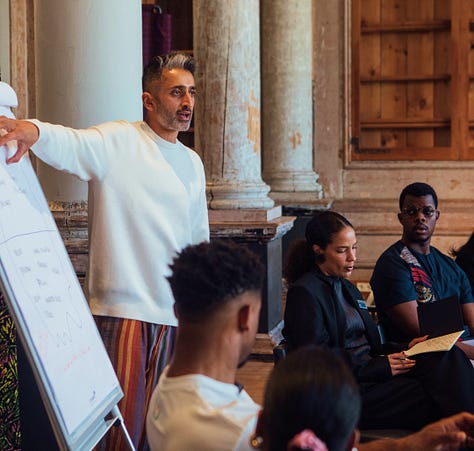
Through the workshop with Salmaan Sana, and following open dialogue, some of the key leadership qualities emerged—especially in a time when DEI has become more politicized or silenced in some spaces and how hard it can be to advocate from the inside.
Daring to ask the hard questions: Driving difficult conversations means shaking the status quo.
Listening with empathy: Inclusion isn’t about talking louder; it’s about hearing more.
Setting clear boundaries: Burnout is real. Setting boundaries isn’t selfish — it’s survival.
Advocating: Small wins matter. Recognizing them keeps morale alive.
Leading from authenticity: Balancing warmth with authority — a poker face for the world, a real smile for those being led.
Turning frustration into fuel for progress: Speaking up to secure resources and visibility is non-negotiable.
Embracing compassion: Or as one participant put it, "Strong front, open heart, strong back."
But leadership doesn’t live in a vacuum. ERGs thrive when leadership is collective — when every member takes responsibility for fostering growth, calling out struggles, and uplifting one another.
As Gisele Llewellyn expressed, “I see it as my duty. When someone from a multicultural background joins, I want to make sure I help them get where they need to be. We support each other. We develop each other.”
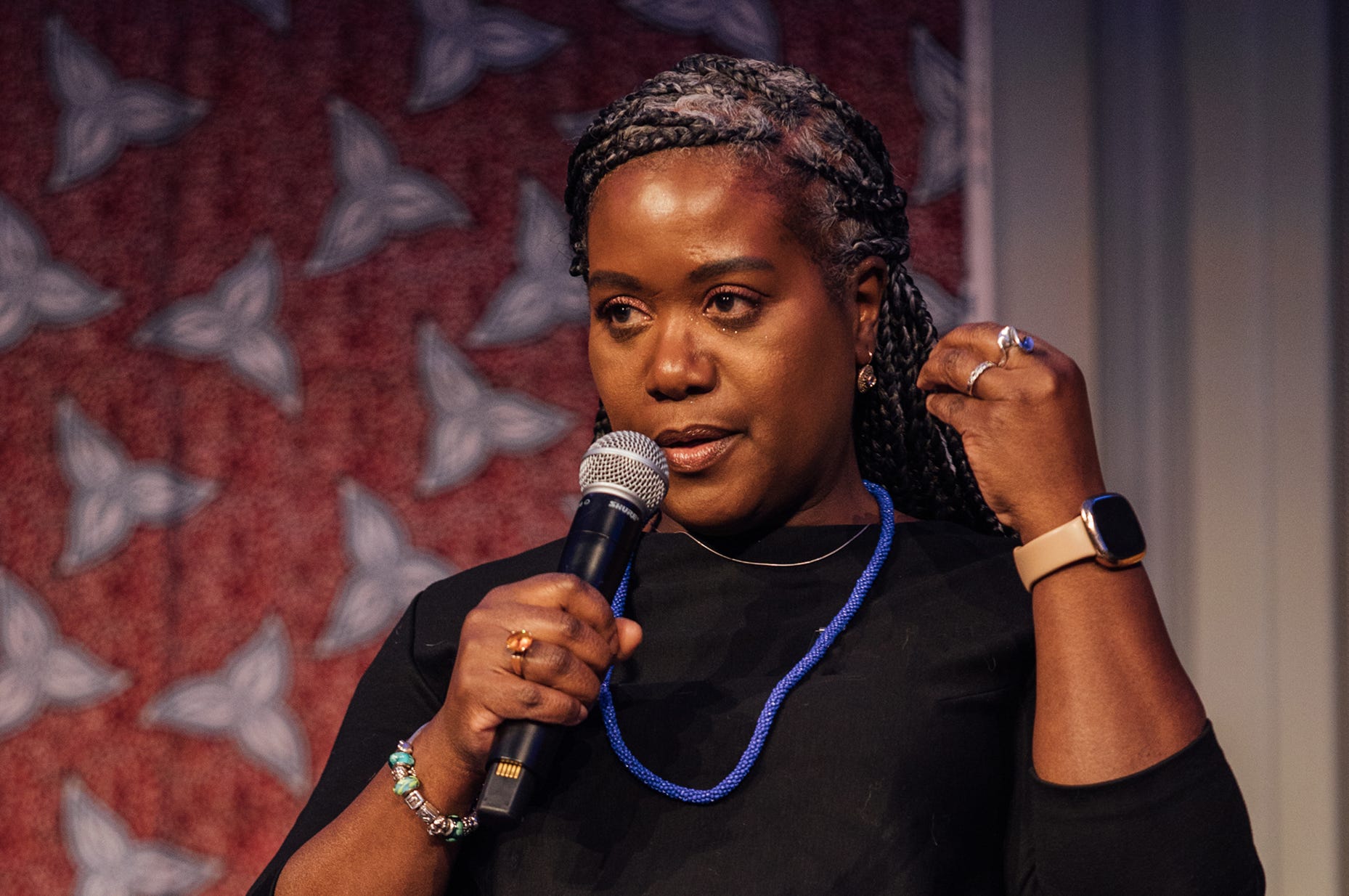
Thriving ERGs don’t just react — they create. Alignment with broader DEI and business strategies ensures their work isn’t sidelined but recognized as a driving force for organizational growth. This isn’t about checking boxes; it’s about staying indispensable.
At the heart of this work are best practices that ground ERGs in both strategy and impact:
ERG strategy — Align with business goals to gain leadership buy-in.
Stakeholder influence — Speak in their language, whether it’s finance metrics, HR engagement, or innovation for leaders.
Building ERG credibility — Track and communicate impact: engagement, retention, and policy changes. Protecting psychological safety is non-negotiable.
These aren’t just good ideas. They’re commitments — ones that require both organizational buy-in and community resilience. Creativity comes into play when ERGs turn challenges into opportunities. Whether it’s reframing employee turnover as a chance to bring fresh perspectives or leveraging storytelling to inspire participation, solutions need to be as dynamic as the problems they aim to solve.
At its core, success lies in making space for people — not just to succeed but to be seen. ERGs flourish when members feel valued, when leaders show up with honesty and heart, and when everyone understands that belonging isn’t a final destination; it’s something we build, moment by moment.
As the night wound down and the room buzzed with lingering conversations, one thing was clear: ERGs are not a footnote in workplace culture — they’re the future.
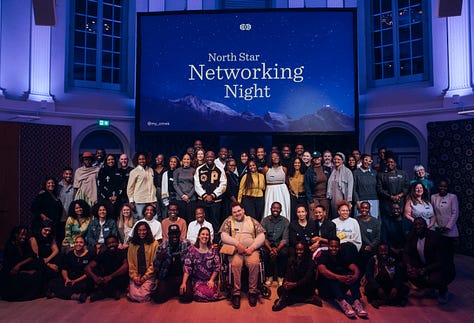

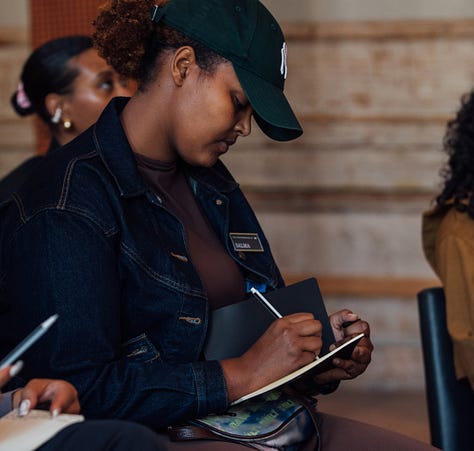
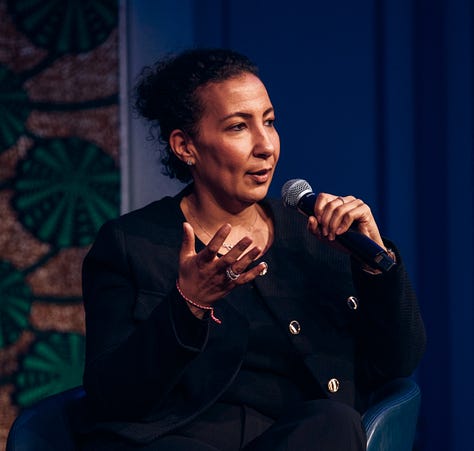
What did we miss? What were some of the insights you took away? Leave a comment!
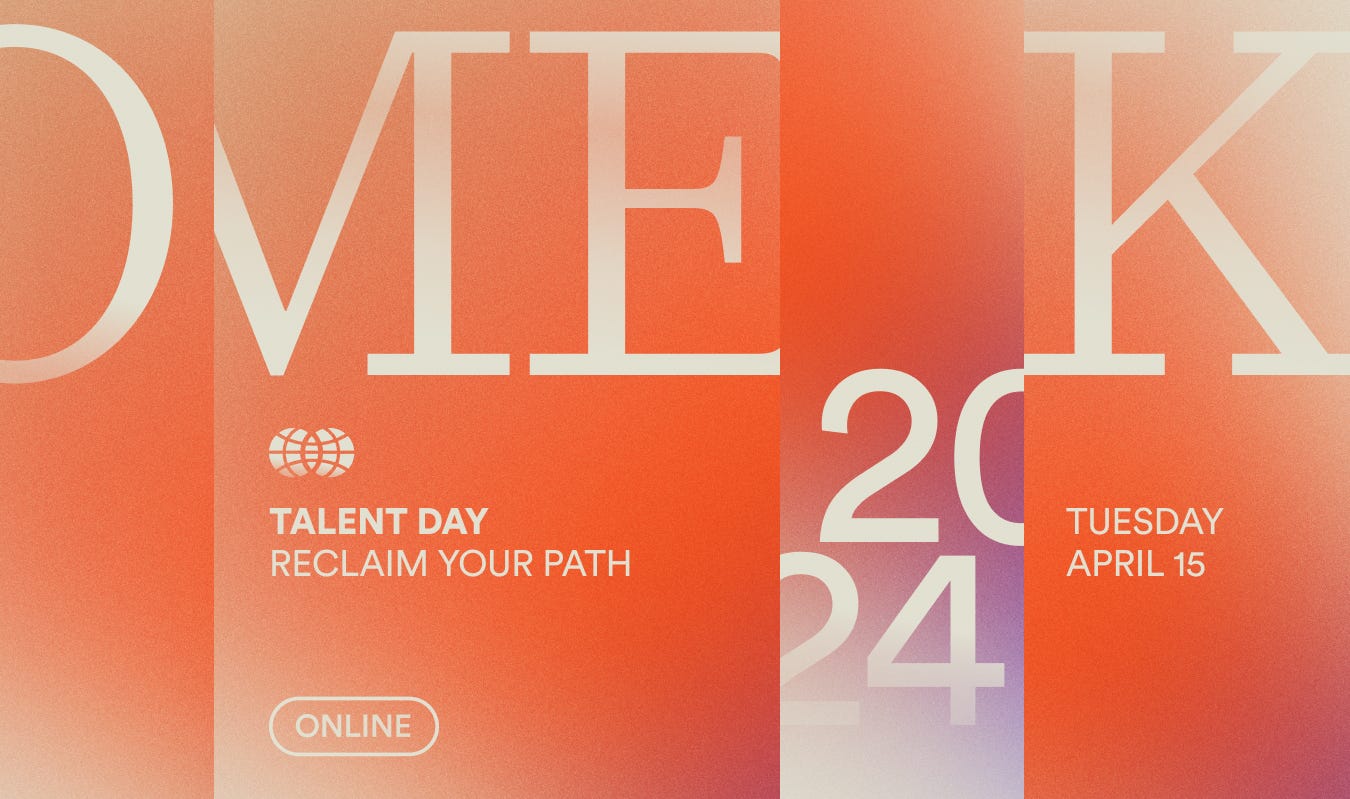
Bridging Worlds by Omek is a space for bold conversations on what it means to lead, build, and belong as bicultural professionals, entrepreneurs, and brands. Join the community or attend one of our upcoming events like 🚀 Omek Talent Day: Reclaim Your Path on April 15 online!
No posts
Comments
Nothing yet. Say the first thing.
Sign in to join the conversation.