
Welcome to My Next Electric, a newsletter about electrifying machines and educating humans. Today, a guest post from Logan Pilaro.
In this post, I’ll share what I’ve learned trying to apply our new thesis to the Latin American market.
In the US, “right place, right time” revolves mostly around grid and policy friction. For Edge Energy, it’s Interconnection queues; Copper, 110V outlets unable to handle induction stoves; and Every Electric, daily price volatility from the intermittency driven duck curve.
Latin America’s opportunities take on a different form; I’m figuring out how the Batteries Included Fund capital and expertise can make some plays and help some founders down south.
Matt hired me partly because I studied abroad in Mérida, Mexico and Lima, Peru.
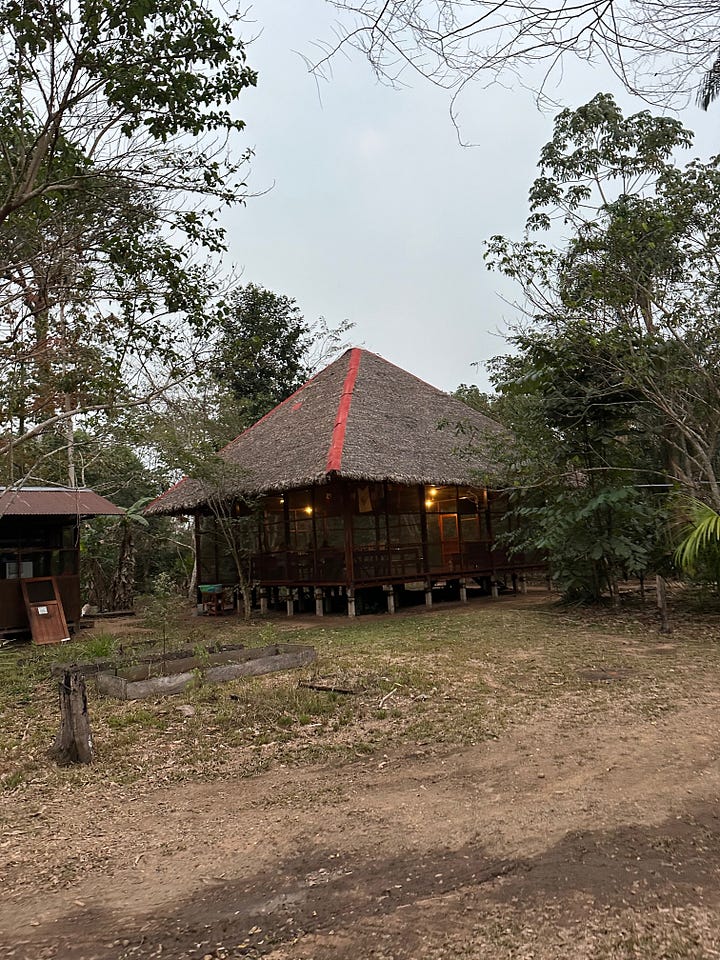
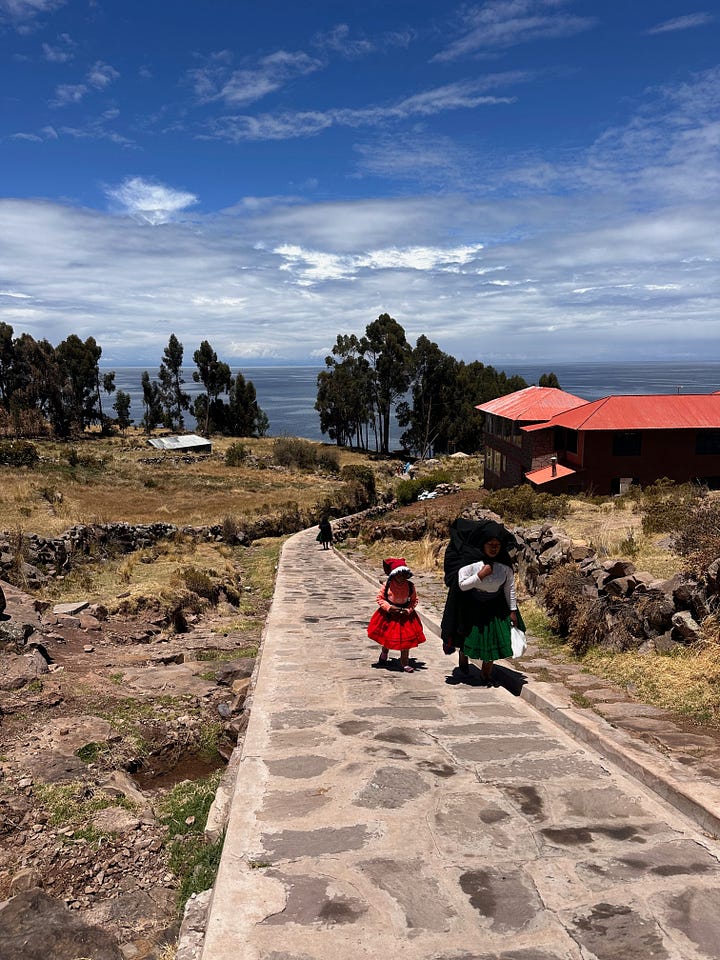
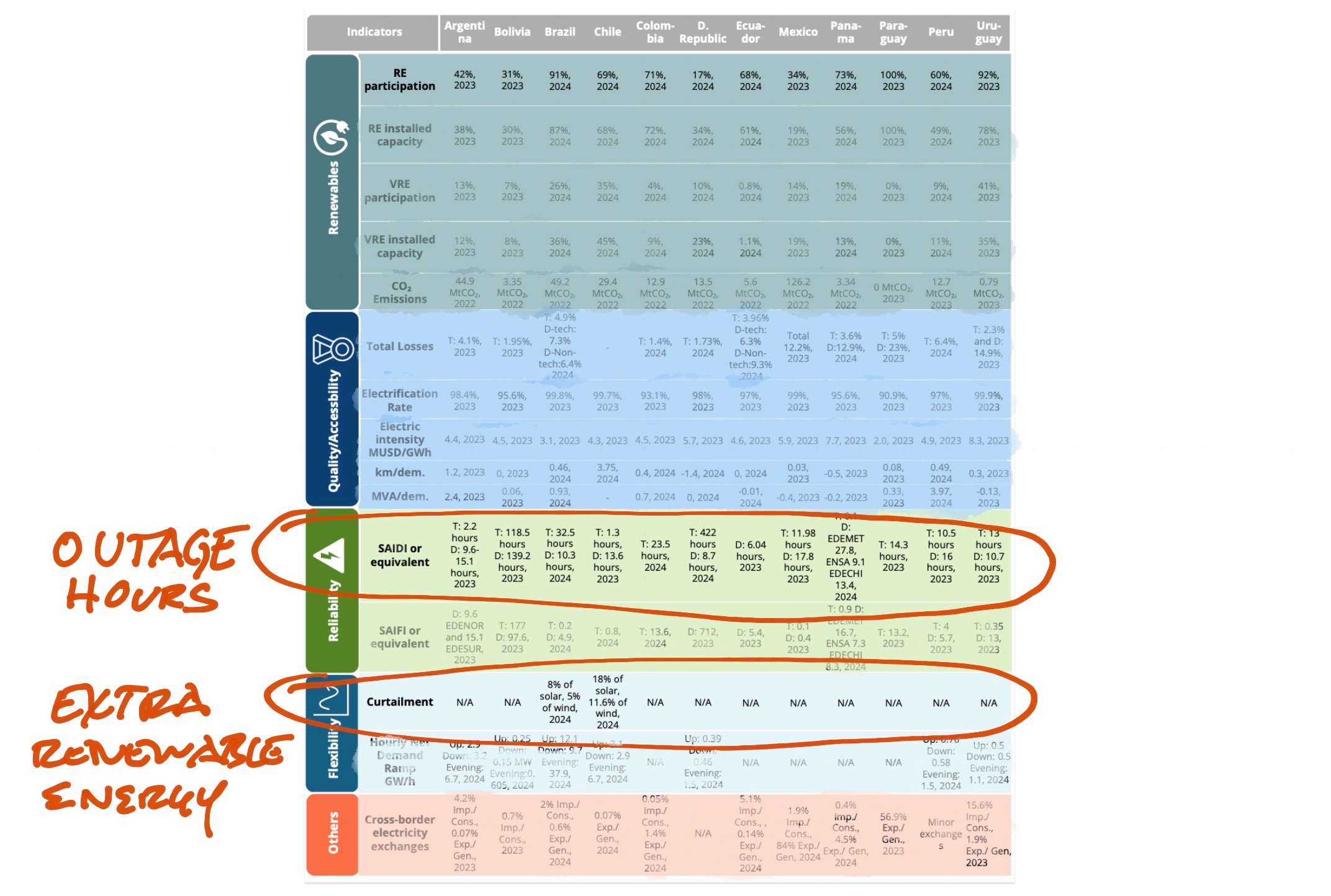
I had some stories of how I saw the impact of microgrids, but I didn’t yet have the data. I found a goldmine, the June 2025 PSR Grid Indicators Latin America report. These consultants compiled data across 12 countries into 20 different indicators like “#15 Curtailment of variable renewables,” “#11 SAIDI (outage hours)” and “#10 Efficacy of generator access process.” (Check out page 9, it’s a great summary of everything).
Off-grid?
And then there’s the diesel generator problem. Bloomberg reported last week that Brazil alone spends roughly $2.4 billion a year subsidizing diesel for ~160 isolated thermal plants in the Amazon, and emissions from those isolated systems are about 17x higher per MWh than Brazil’s main grid. Numbers like that appear when communities don’t have access to the grid. Solar plus a battery can beat diesel on cost, emissions, and noise, and keeps getting better. The off-grid story is real, with millions of people living it, but I think it’s a better match for development finance than our pre-seed venture checks. The bigger opportunity for us is where people are connected, just not well enough.
Where we’ll actually look: The grid edge
In a 2025 Article in the “Applied Energy” journal, Cornell’s Alonso Alegre-Bravo argues that the “98% electricity access rate” (often referenced) hides the unreliability and cost realities that cause consumer dissatisfaction. The PSR report backs this up. The Dominican Republic’s transmission SAIDI was 422 hours compared to the 1-3 hour range typical in US utilities. 98% electricity access doesn’t mean much when the lights are off for weeks a year.
It’s cleaner to understand the off-the-grid issues: find a way to get them cleaner, cheaper electricity. But our fund’s opportunity is at the edge of every Latam grid where outages are frequent and people are ready to take some agency in their use and purchase of electricity. In many countries, rooftop solar and grid scale batteries are booming, in the DR, BESS is mandated for all utility-scale PV projects! I want to find founders also putting relocateable batteries next to machines and homes, not just generation assets.
We want people to collaborate in the grid, not just consume.
Well good news is, this is happening, and founders are pushing for it! I was recently nominated for Tulane’s Stone Center for Latin American Studies best paper prize for my essay on Puerto Rico’s decentralized community owned solar grid, Casa Pueblo. In Chile, they’ve reached 4.6 GWh of storage while solar curtailment was still increasing as of 2025. All across Latin America, there’s room for more batteries and founders who want to put them in the right place at the right time, while staying open minded about their next location.
Quick Note: I keep saying “Latin America” like it’s one thing. Obviously, every country has its own regulatory frameworks, electrification rates, renewable penetration, and start-up ecosystems that will uniquely affect where, and if, our small checks will help.


I want to be careful not to oversell. I’m still in school and only had so much time for this internship. But I found myself getting distracted from my classwork by my research into start-ups. It feels pretty rad to have found something that is “work” but I actually want to do. (I’ve been looking for this after discovering some of Paul Graham’s essays, particularly this one: How to Do What You Love)
Start-up Chile Evaluation - One meeting on the books
I looked through 102 companies across two cohorts (most had nothing to do with batteries so were simple to check off). The public accelerator funds overwhelmingly B2B SaaS (shocker) and fintech but I found one company worth a second look: 50x
50x (50x.energy)
Co-founders Diego, Nicolas, and Francisco are building a residential battery as a service model that they hope becomes a large Virtual Power Plant (VPP). Matt’s already invested in Every Electric which puts batteries next to residential AC to take advantage of price swings, 50x is doing the same but you can plug anything in. Matt and I have a meeting with Diego this Friday.
Connect Climatech (Bogotá) - stage mismatch. Interesting companies, but the program runs later-stage than BIF writes. Ruled out as a sourcing channel.
Newlab Montevideo - intro in progress
Optimistic about this one, Matt works with their New Orleans location and they’ve just expanded to Montevideo. More soon.
My finals wrap up this week and I’ll have more time to find more companies and build some intuition.
A few of BIF’s filters were built around US conditions. I’m not totally sure yet which ones translate south.
What does “relocatable” mean in markets where the first placement hasn’t happened?
Relocatability is the newest part of BIF’s thesis. We’re betting that battery economics improve if they can move between value stacks. In Chile, the translation is pretty clean. They have lots of grid scale BESS and room for relocatability to compete. In Andean Peru, the battery may be the first one, so how will founders know where it’ll go next? Maybe historical battery deployment has some case-studies I can look into. Maybe the right way (for now) to think about relocation is regional instead of next-to/inside one machine to another.
Can a $50k check from a US fund even deploy into a Chilean or Uruguayan pre-seed?
This is the most boring question but maybe the most important one. I haven’t solved the cross-border structure problem. Convertible notes, SAFE equivalents, FX exposure, and local counsel are all things the fund must understand before any of the sourcing matters.
How do we show up well?
Latin America has around 67% of global lithium reserves. Current mining practices have continued legacies of extractivism dating back to colonial times. I don’t think a $25K check from an angel fund is the same thing as a mining concession from an MNC, but we want to explicitly try to be a collaborator. Our foreign investment should always be in companies including local communities in decision making. I’m still learning what that looks like in practice.
If you’re working in Latin American cleantech, know founders I should be talking to, or have opinions about any of the questions above, I’d like to hear from you. Especially on the cross-border structure question.
Pranati will post next week on her cool modelling of how relocation can can add to a battery’s value stack.
More soon, probably with fewer answers than I’d like.
- Logan
Connect with us on Linkedin: Logan Pilaro, Matt Candler, Pranati Patnam
No posts
Comments
Nothing yet. Say the first thing.
Sign in to join the conversation.