
During summer camp (SHAD, in high school), one of the camp counsellors was telling us about how he quit his 20+ year software engineering career to become a wildlife photographer. My 11th-grade self (aspiring software engineer that I was, no work experience that I had) could not wrap my head around this idea.
After a 3-week-long vacation in Europe (Portugal, UK, Netherlands), my “newly graduated from software engineering” self now understands. I still want to do SWE - that hasn’t changed. And I’ve always liked wildlife photography - I like how the animals don’t give a shit that you’re trying to get a photo of them, so it’s entirely up to you to make them look cool. But now I can really imagine myself disappearing one day to spend a week in a random forest just to photograph the local fauna.
The catalyst for this realization was all the birds I saw unintentionally on my trip! I knew pretty early on that I wanted to try and identify as many as I could from my photos, so here we are. I’ve included my own photos, as well as Wikipedia photos, because making moving birds look cool from a distance with a mid phone camera is hard.
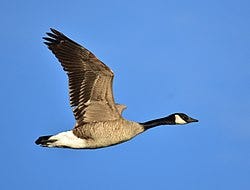
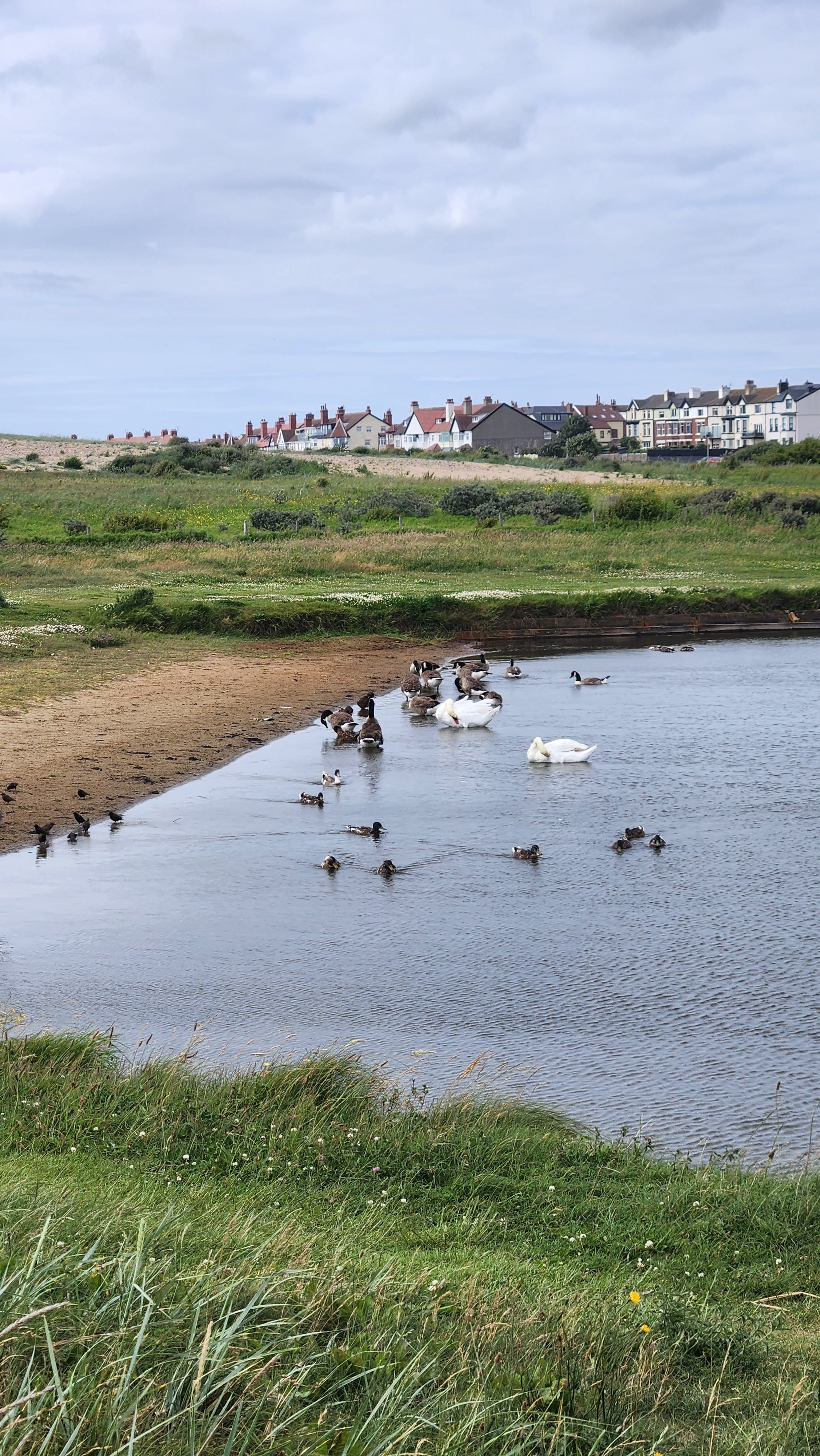
So I attended the University of Waterloo… which is known for having many, many Canadian geese. Canadian geese are native to North America, but were introduced to the UK in St. James Park in London in the 17th century (source)! I didn’t see any of these when I was in that park, but I did see them in Waterloo, Liverpool.
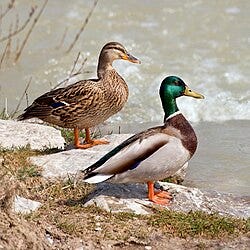
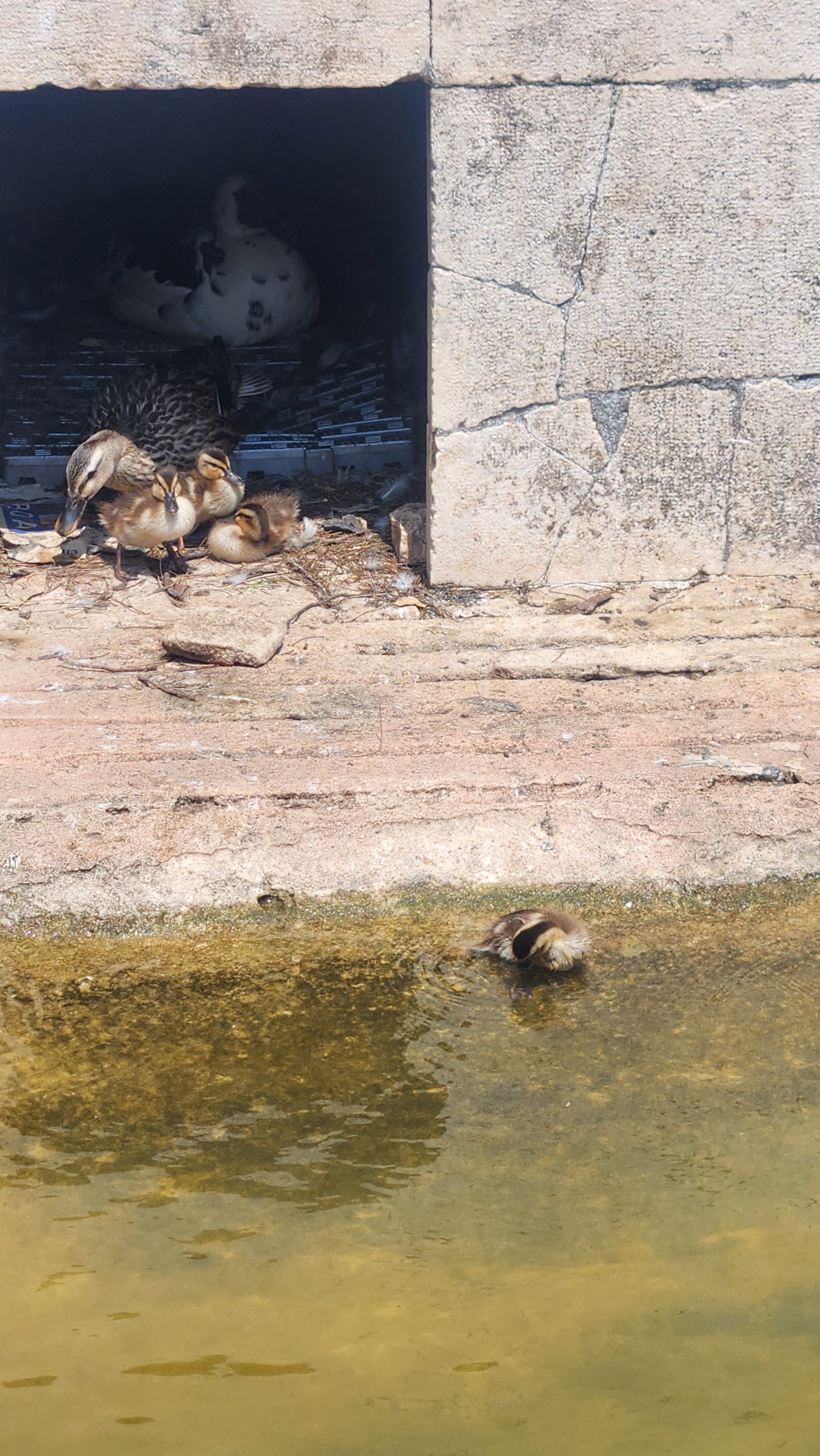
These are everywhere and are… kind of boring to see at this point… but in Lisbon there were baby mallard ducks in the fountain in the Empire Square Garden!
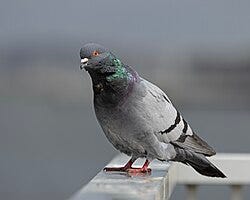
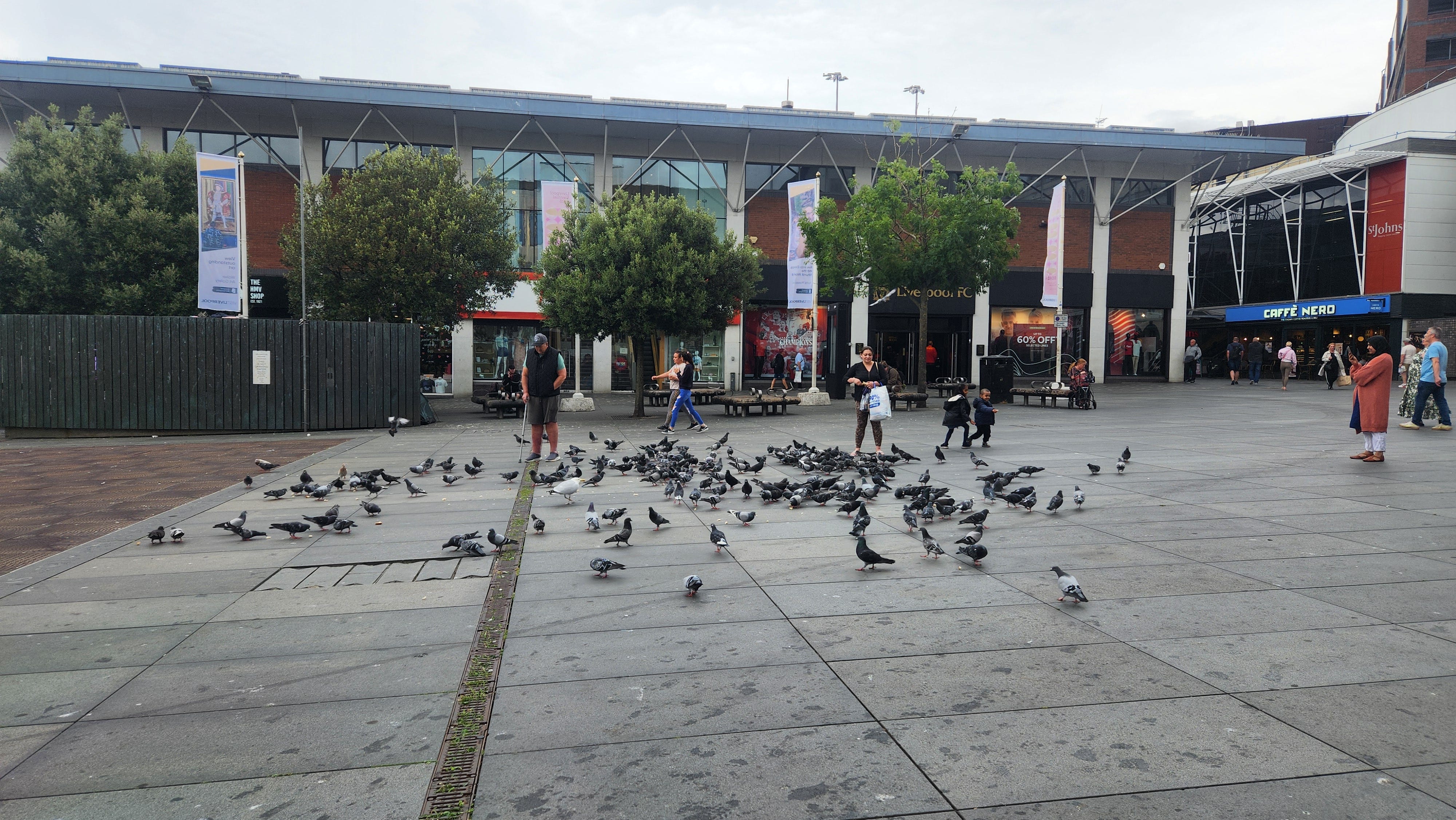
There are pigeons all over Europe and North America, especially in cities. Despite all the baby birds I saw on this trip, I did not see a single baby pigeon on this trip so I’m convinced they aren’t real (kidding, apparently it’s because the squabs are really weak and helpless so they don’t leave the nest until they look like adults - source).
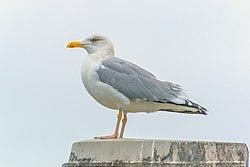
So apparently the herring gulls are recognized separately based on region - there are American herring gulls and European herring gulls (source). They even have separate Wikipedia pages. But they seem to be pretty similar so I’m grouping them here, and they seem to behave about the same. There’s also a variation of these called a yellow-legged gull, but none of my photos are clear enough to tell the distinction… so I’m just assuming I only saw herring gulls since they are more common.
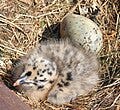
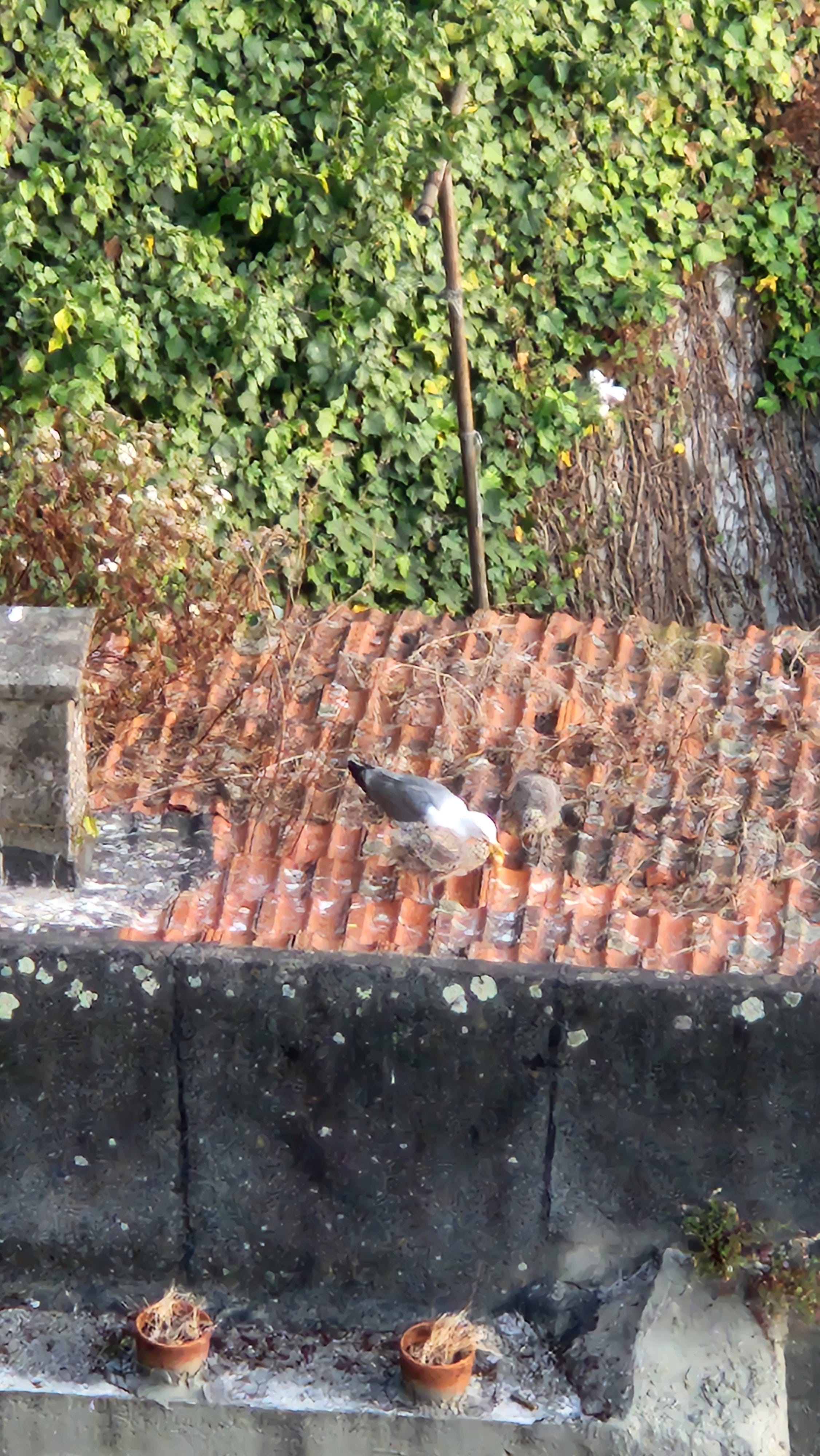
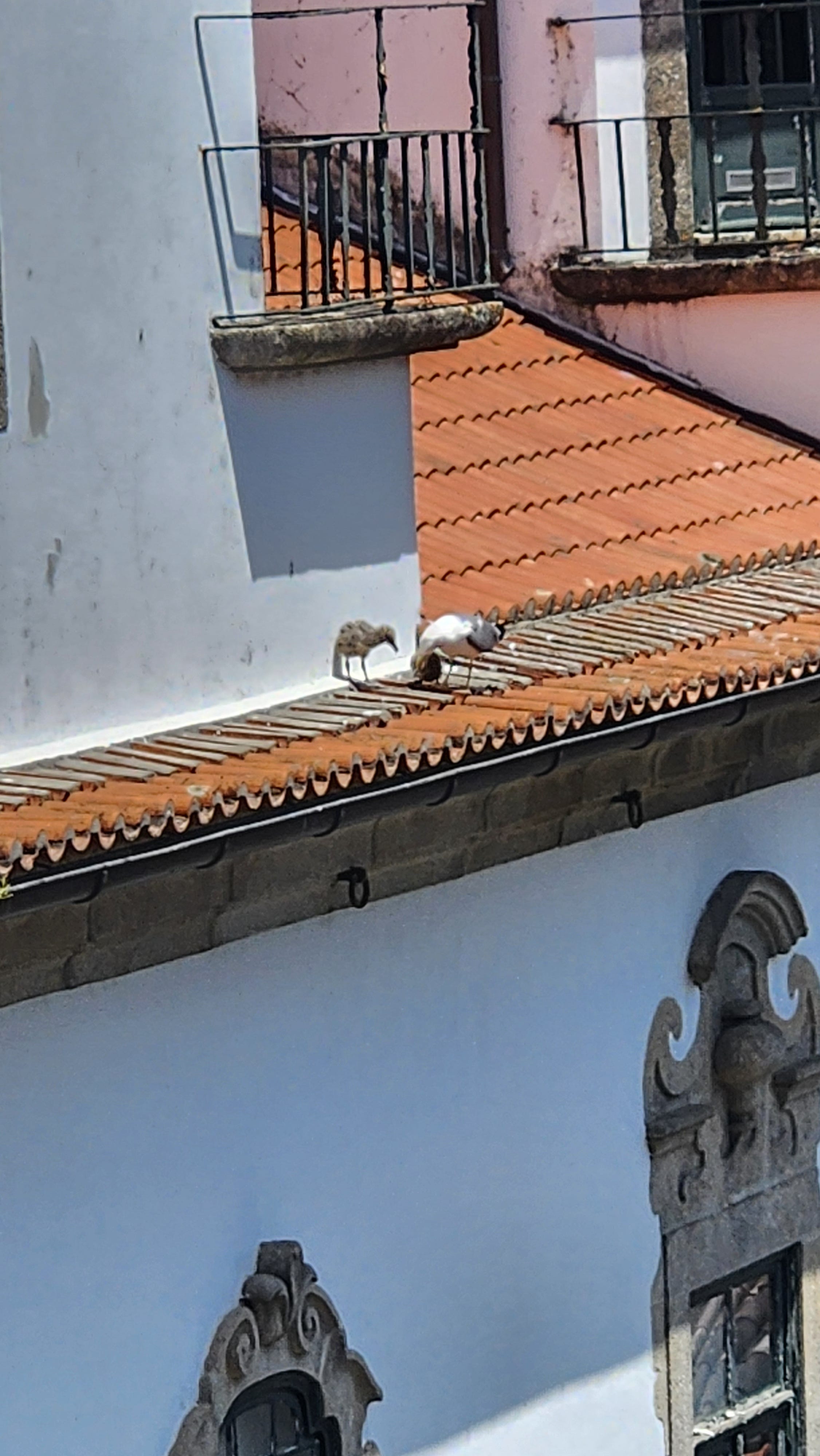
In Porto (Portugal) I saw baby seagulls on two rooftops! I’ve actually seen these on the coast of California, so I knew what they looked like beforehand. Interestingly they are grey and spotted.
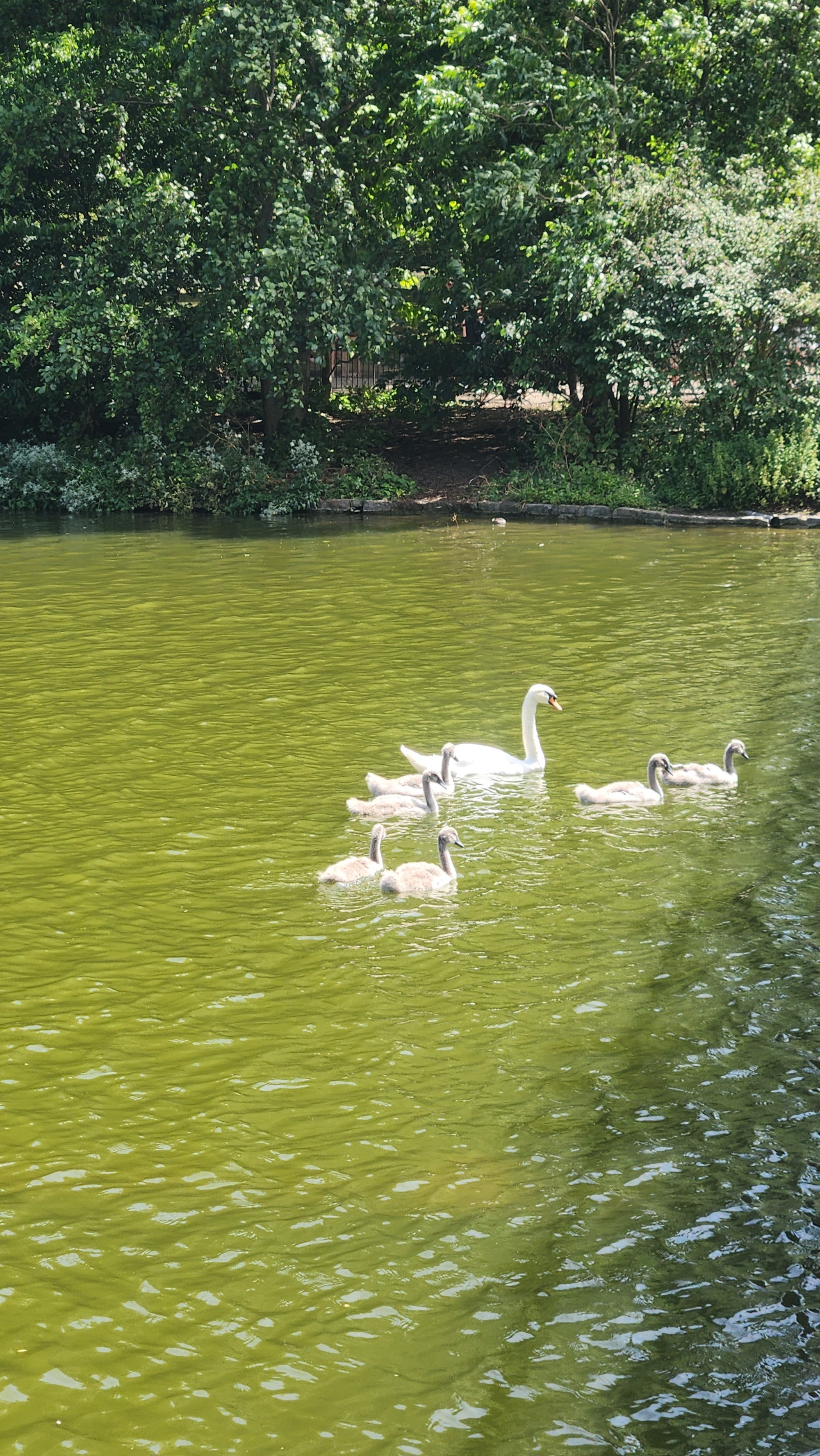
I mostly saw swans in the UK, in both Liverpool and London. It was also baby swan (these are called cygnets!) season, and they were very cute. These are actually introduced to North America (because they looked pretty) and are native to Eurasia and far North Africa.
Alright now onto the more interesting section!
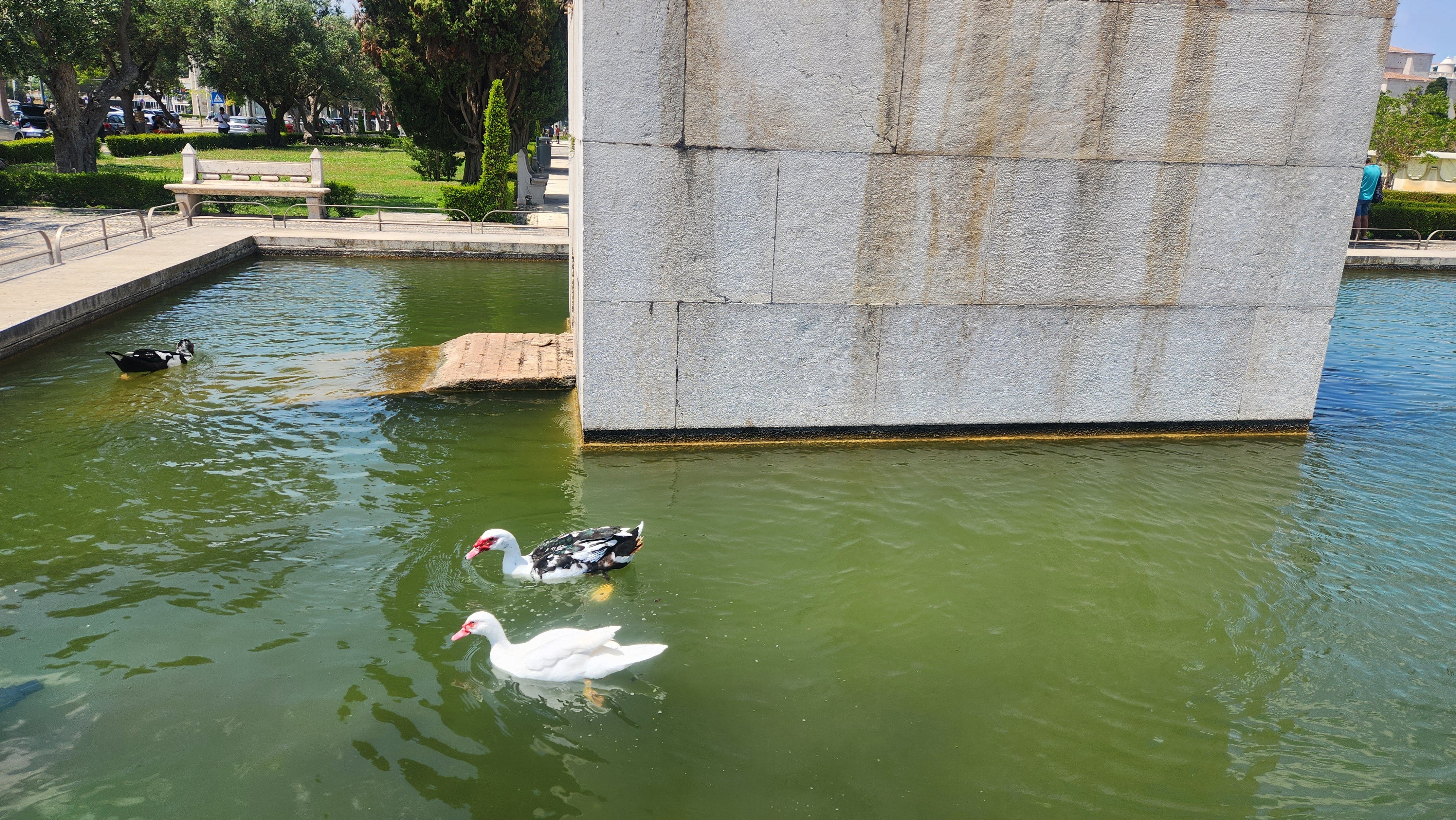
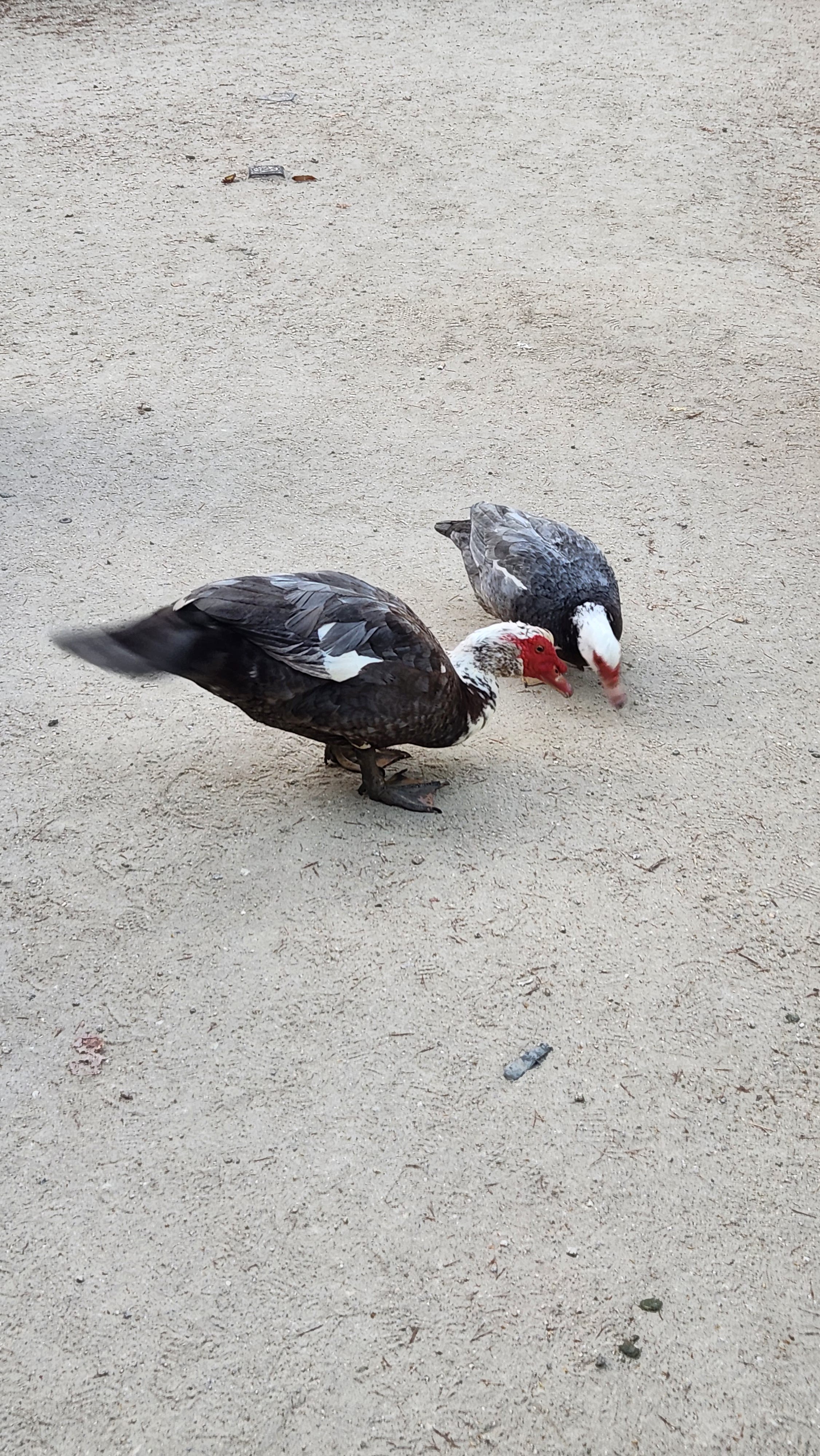
These are native to South America but have spread and are now feral in much of the world. I saw these in Portugal, in both Lisbon and Porto.
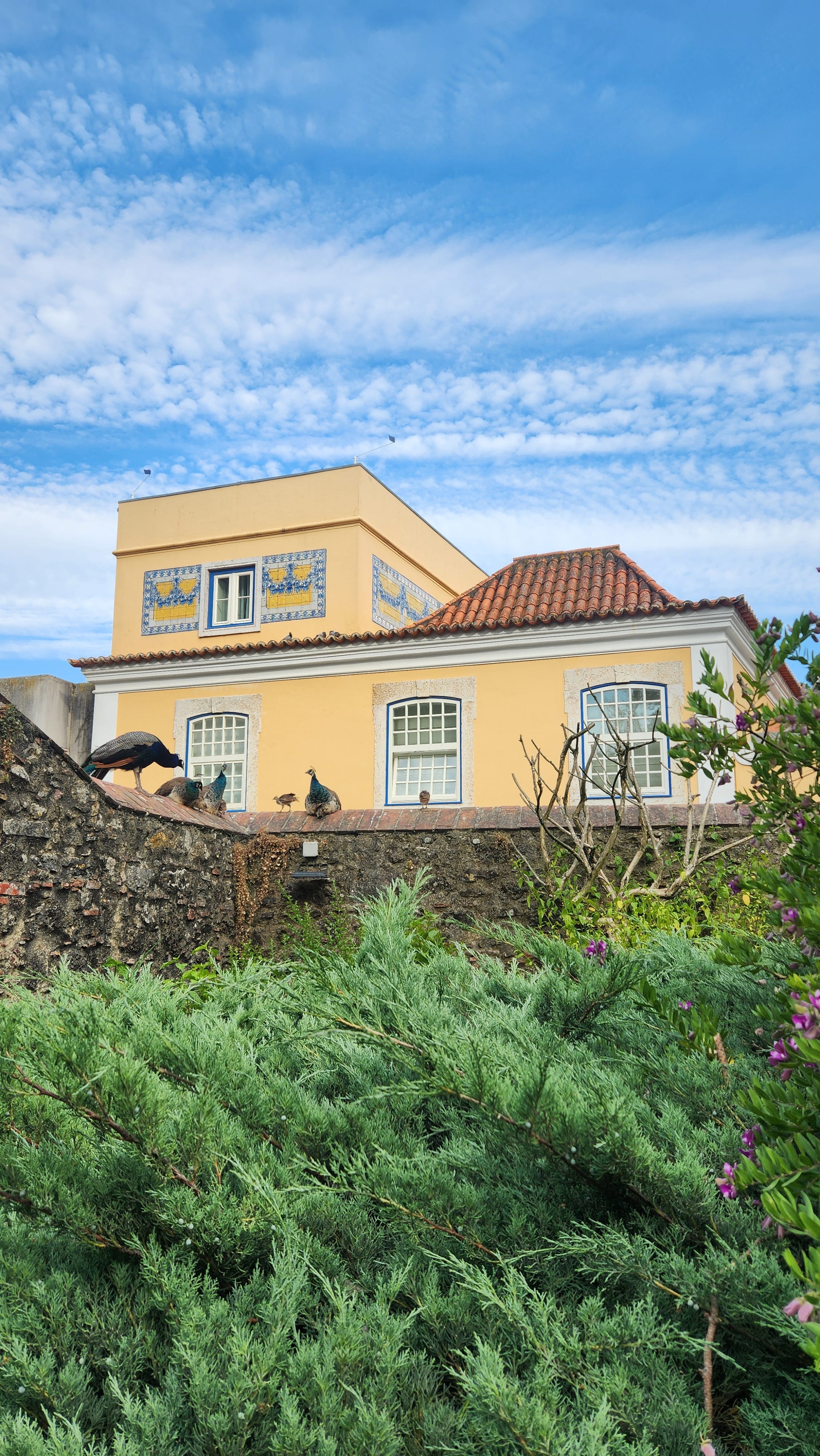
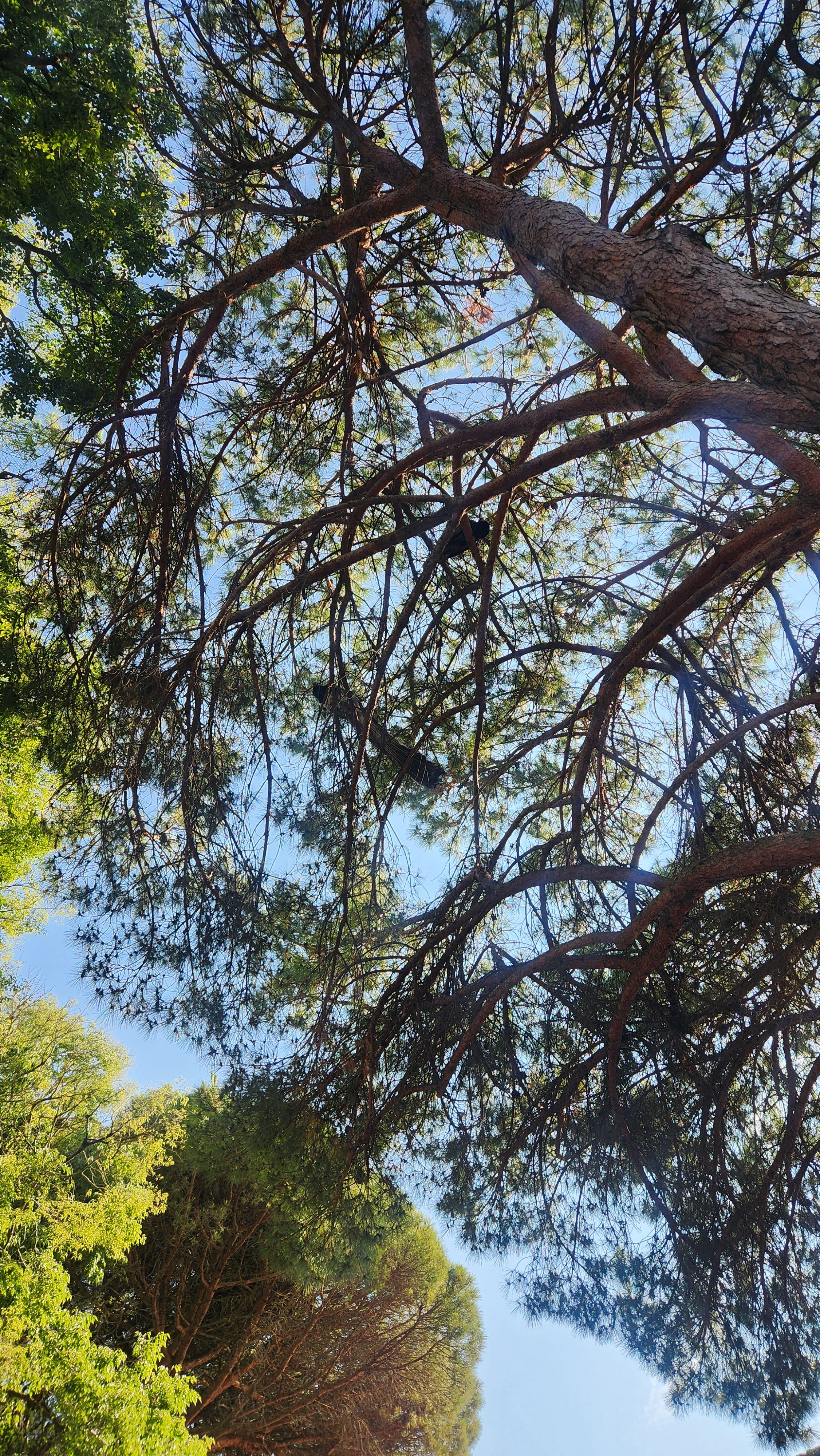
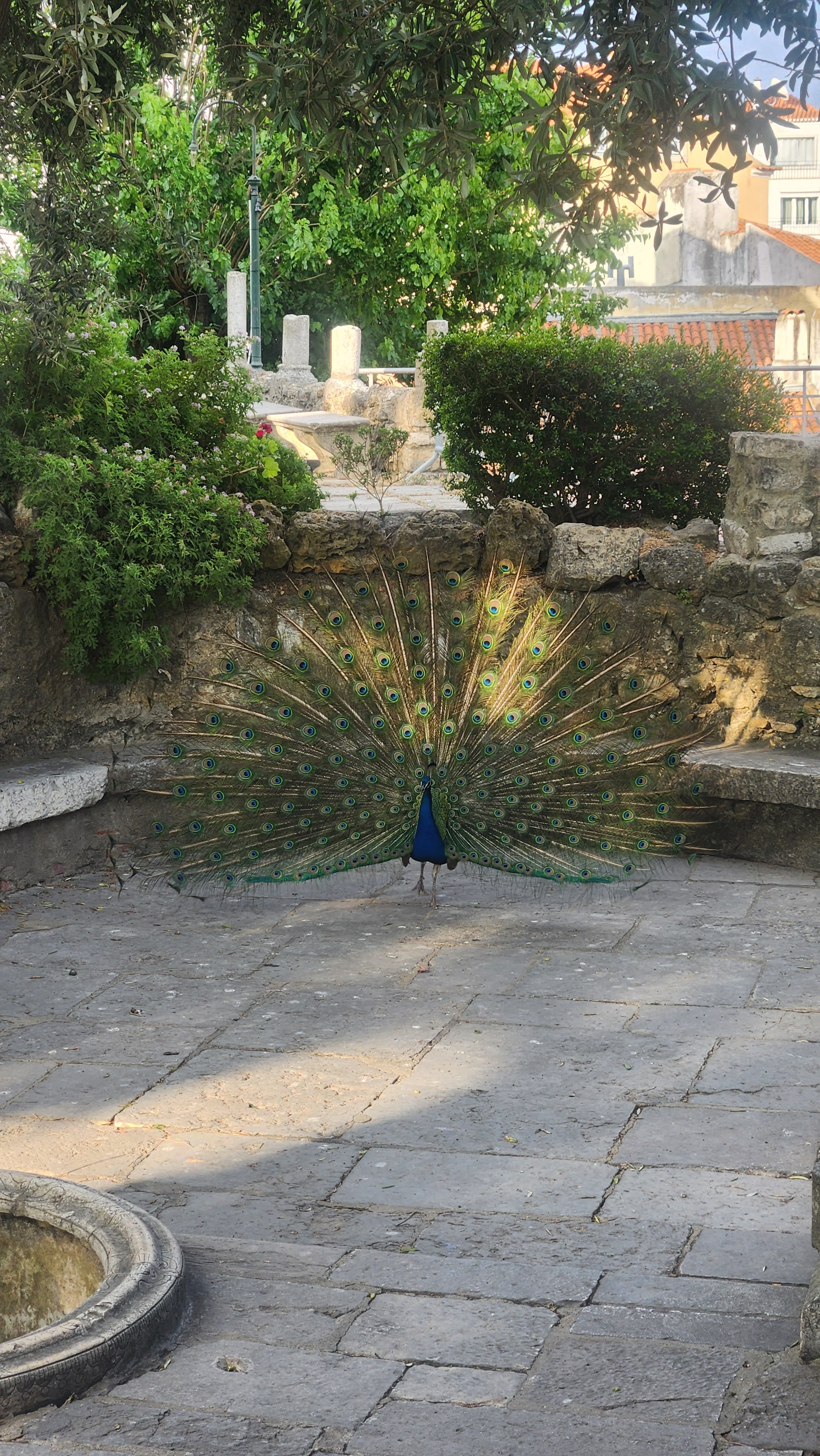
I’ve seen these in zoos before, but not freely roaming. These are particularly common in Portugal - there were some in the Castelo de São Jorge in Lisbon and the Jardins do Palácio de Cristal in Porto. And it was baby peacock season! This was where I (and from the sounds of it, many other also people) learned that peacocks can fly as many were just chilling in trees.
As the name would suggest, these are native to the Indian subcontinent and were apparently brought over to Portugal by explorers in the 1500s (source sorry it’s not a very good one but I’d believe it).
And now I have a place to share the video I took of a peacock getting rejected by a peahen (he was dancing around for 20 seconds before this so it was kind of sad to watch).
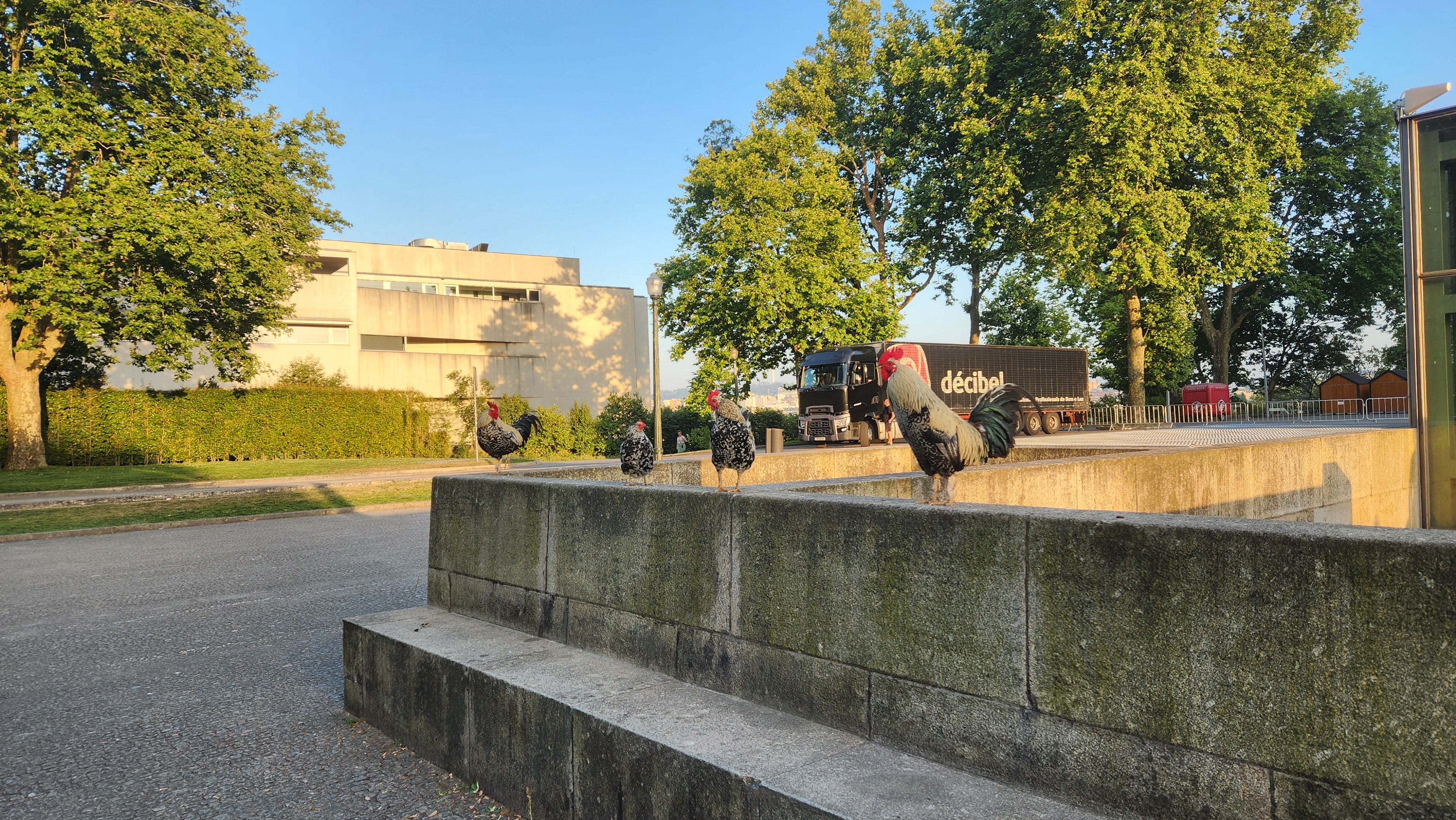
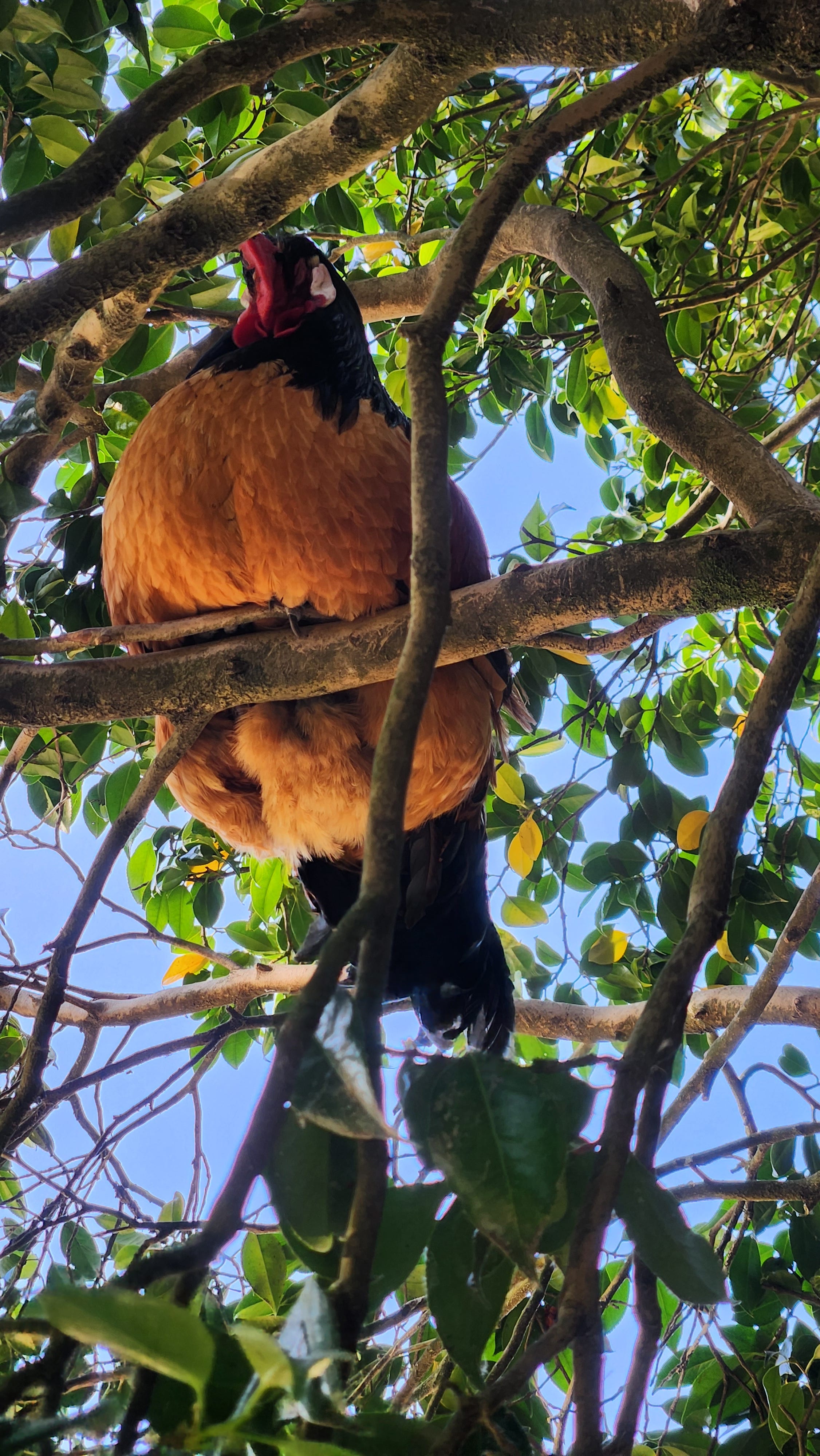
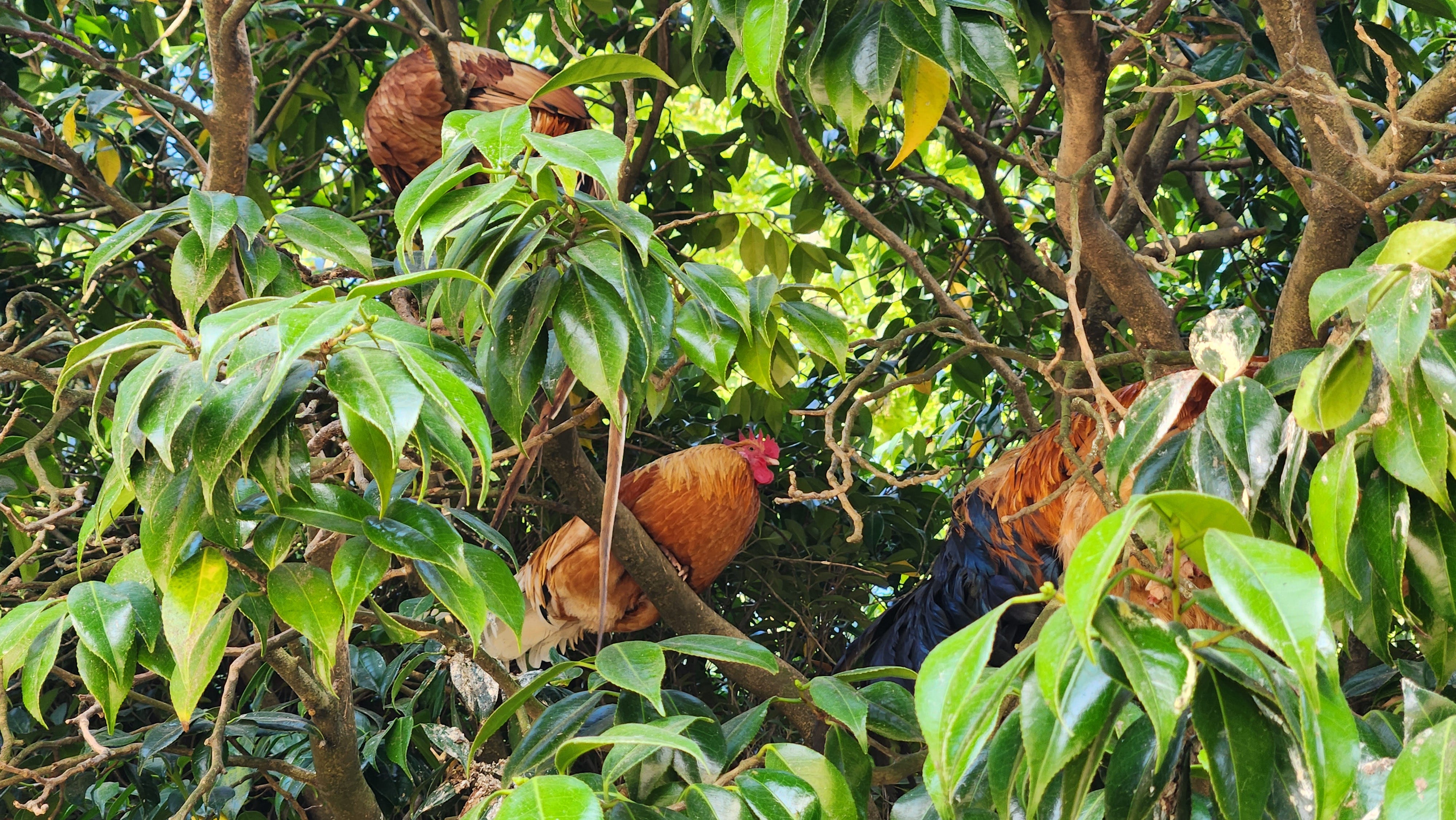
I’m not sure how chicken breeds work and Google Lens wasn’t being helpful, so… I’m just going to group them under chickens. These were in Jardins do Palácio de Cristal in Porto where they’re just vibing around the park and chilling in trees.
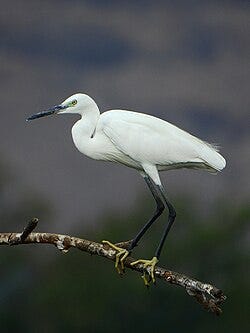
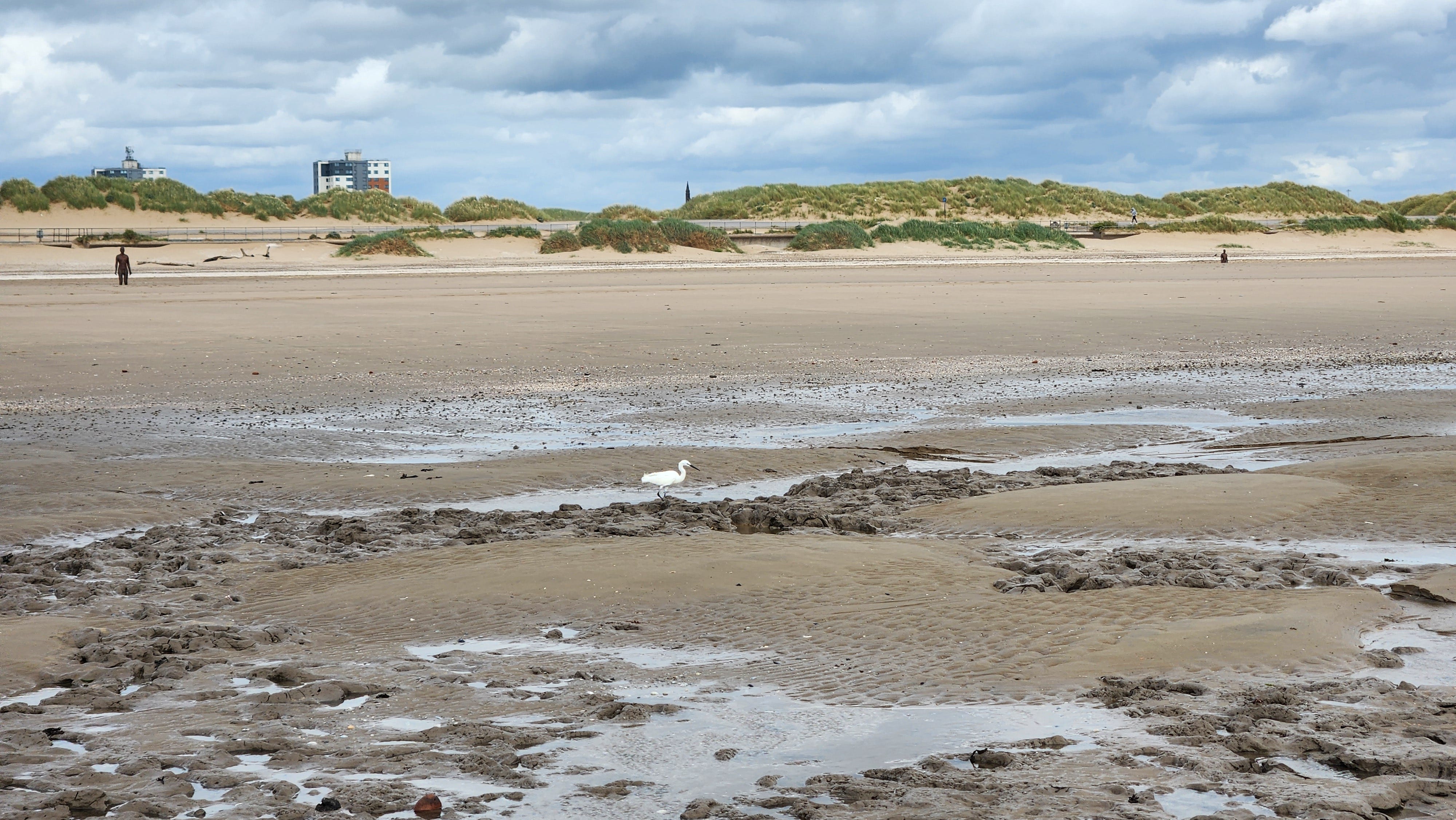
I saw this one on Crosby Beach in Liverpool.
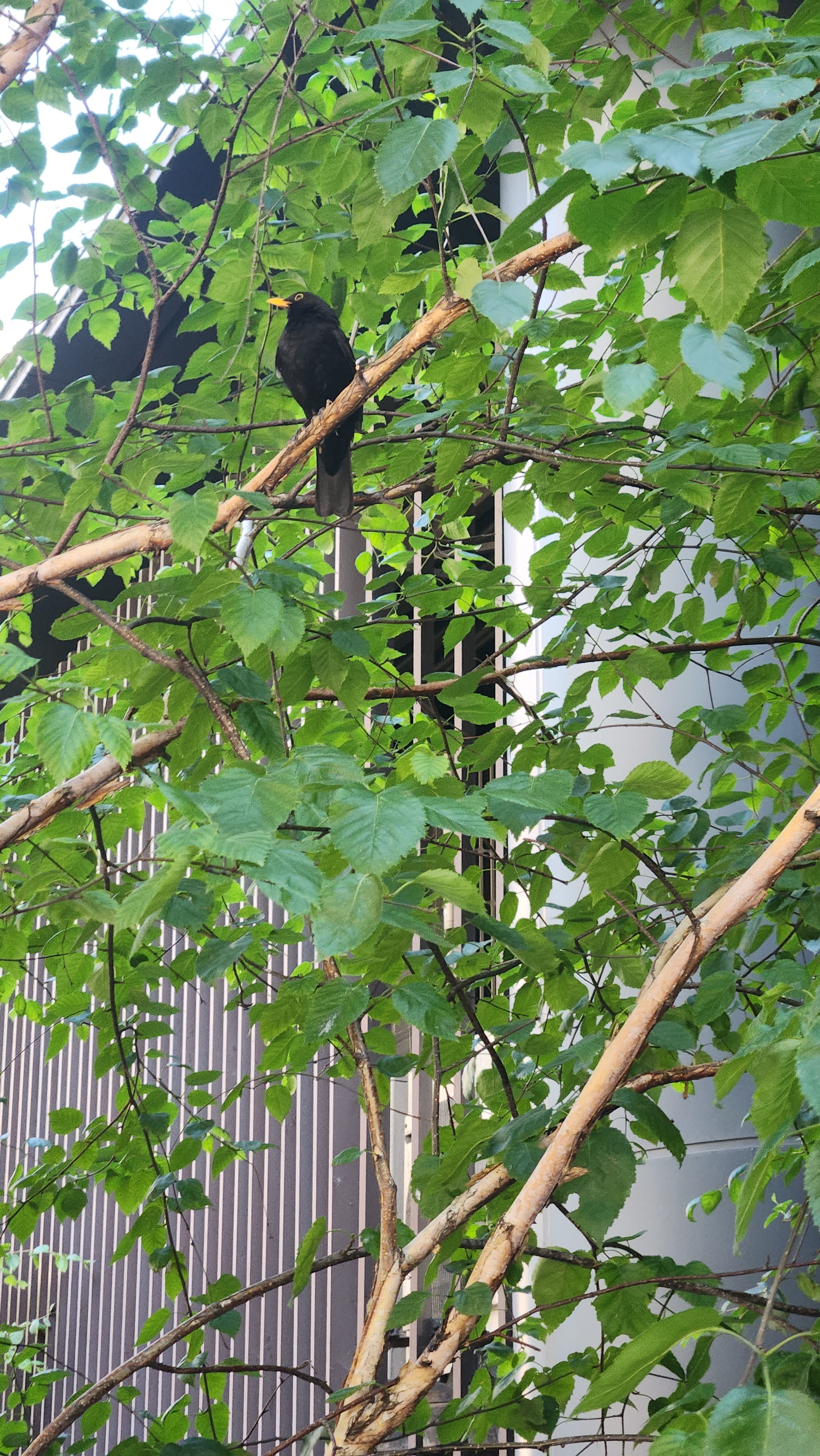
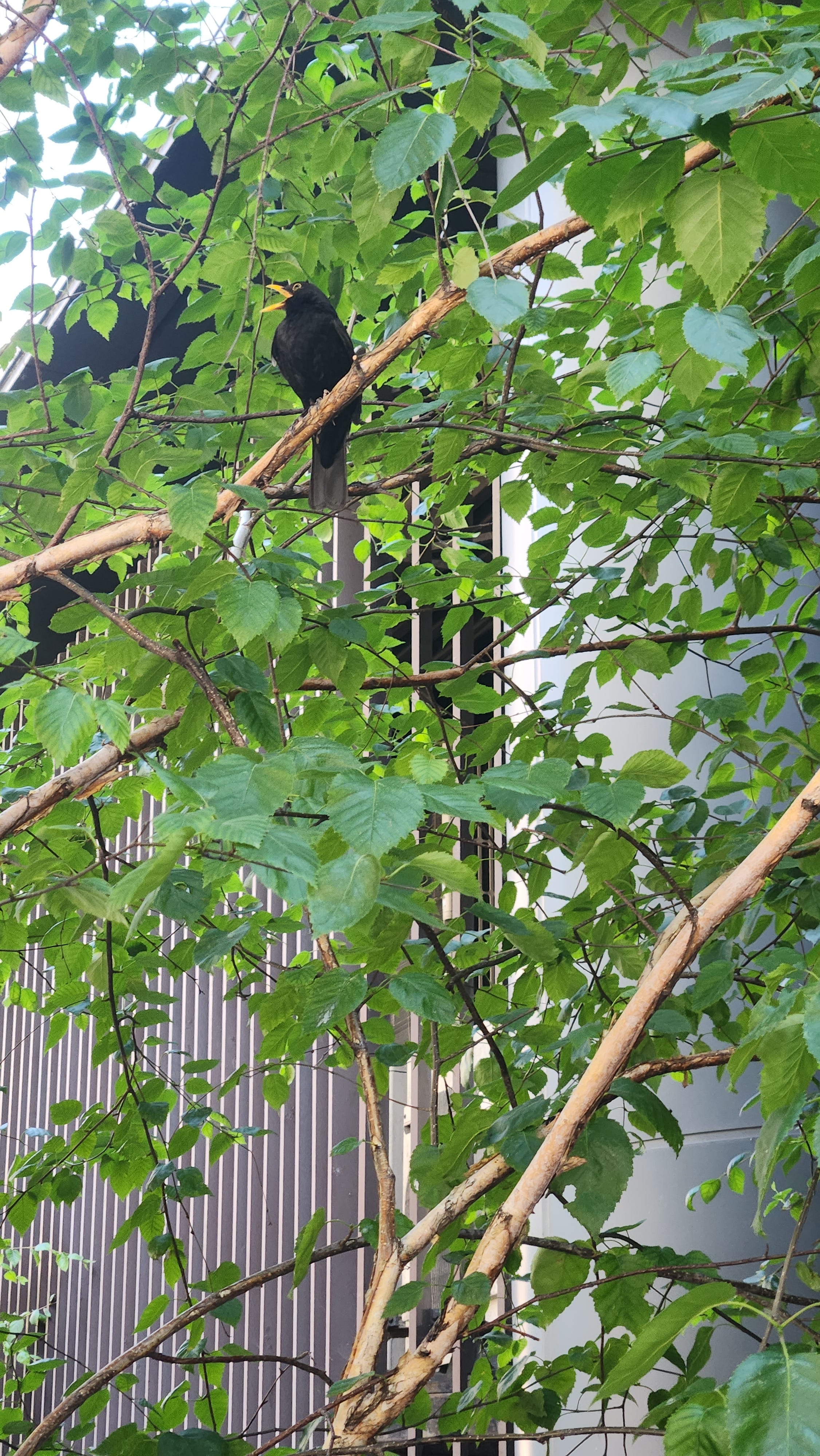
I saw one of these while randomly strolling through the streets of London and got a neat two-image sequence. It was being really loud. They’re quite common in Europe.
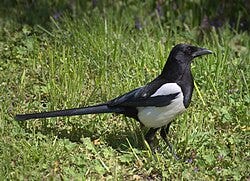
I saw these pretty often in the UK flying about, this photo was taken in Liverpool.

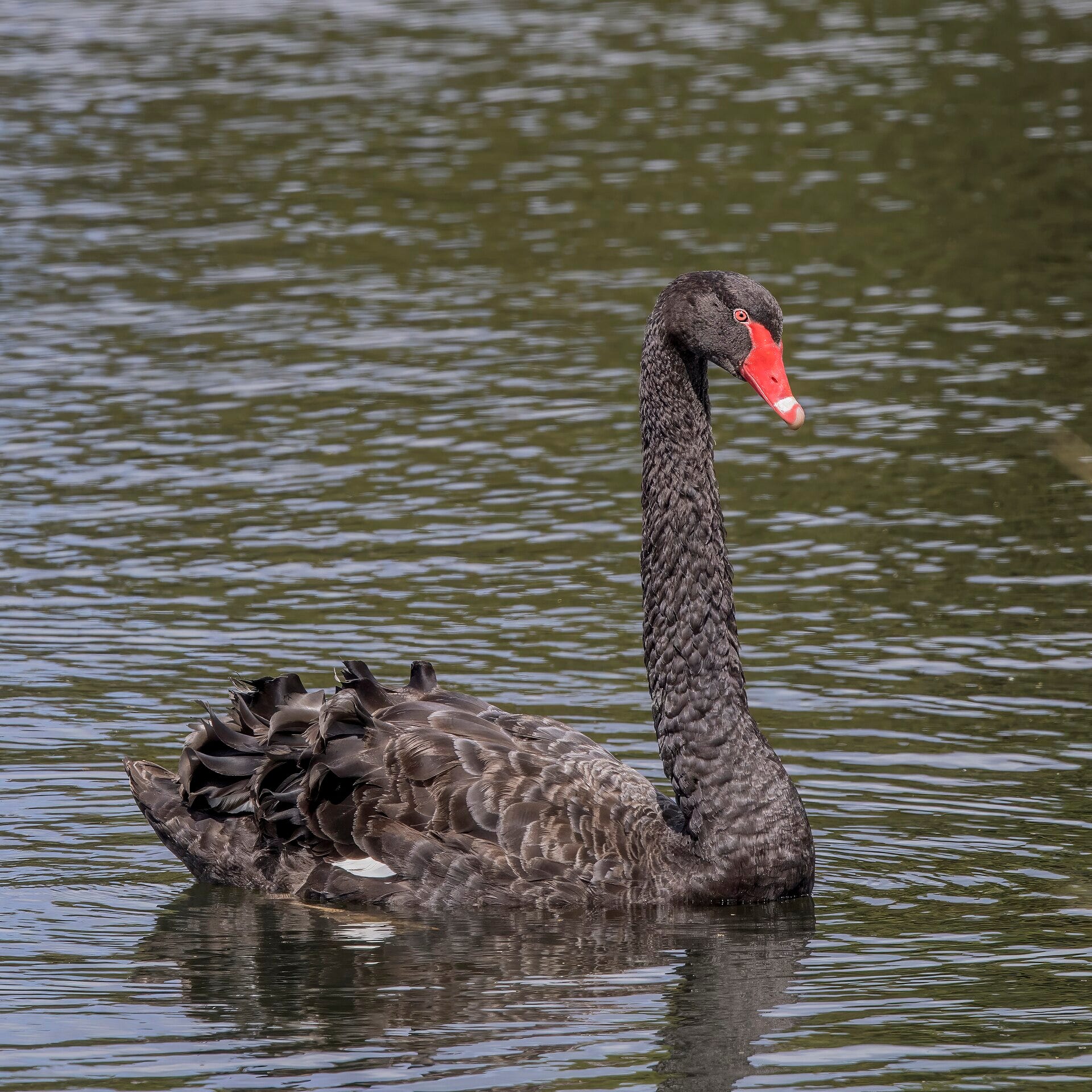
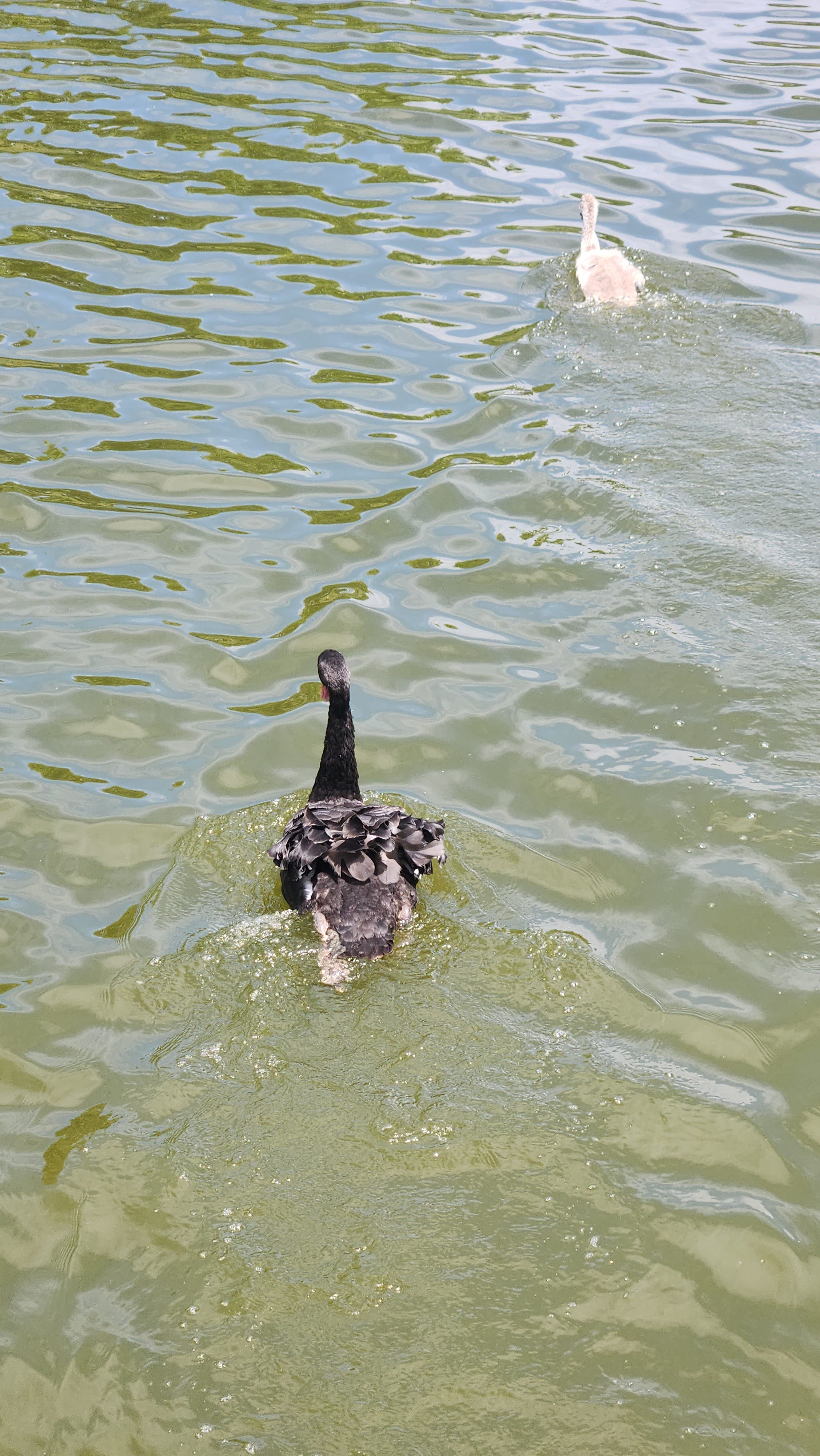
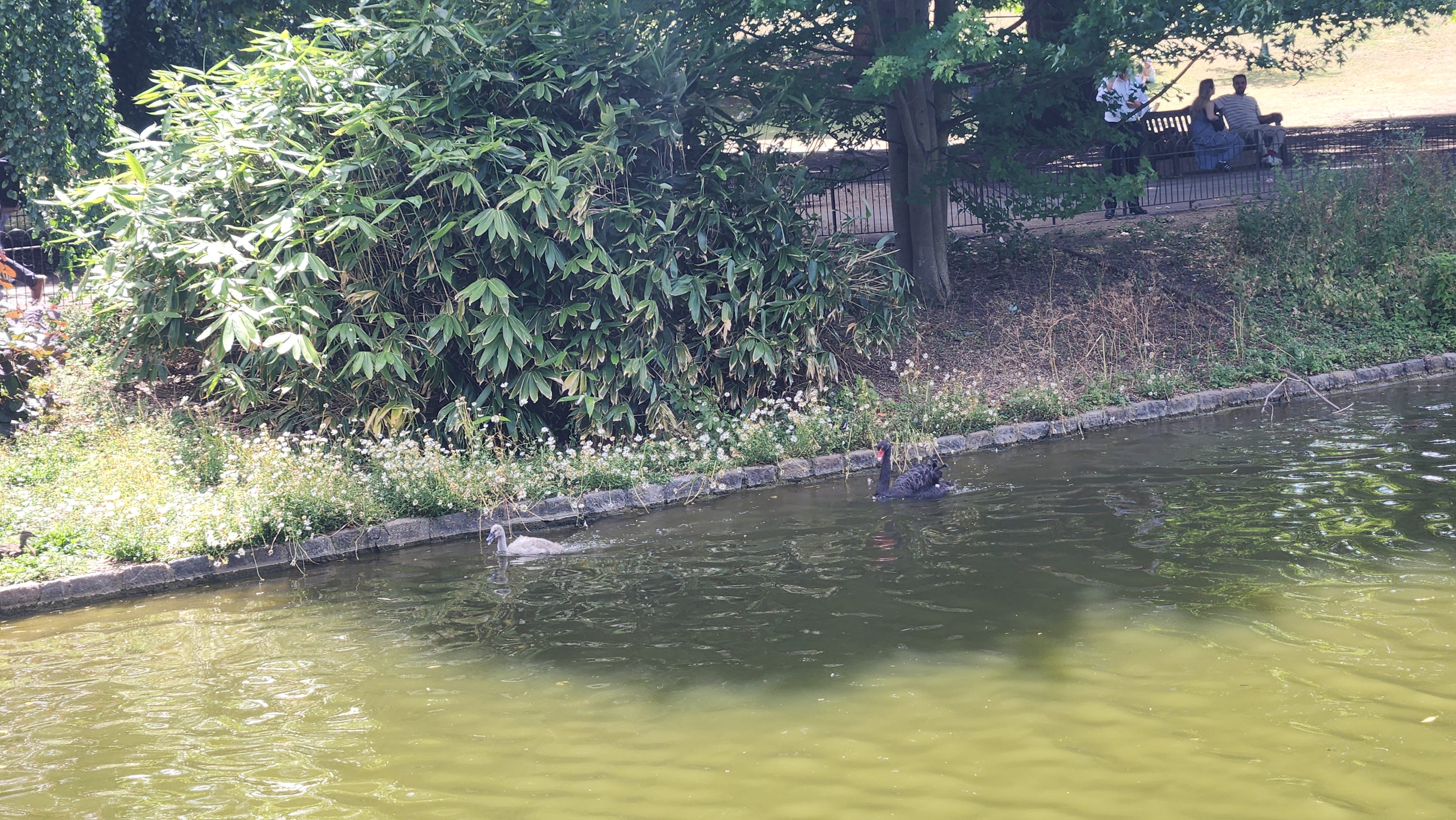
I only saw one of these and it was in St. James Park in London. These are native to Australia and were introduced to the UK. They’re popular as ornamental waterbird, and this one is probably an escapee. I think the cygnet was also a black swan given that they were swimming together but I was too far to verify the colour.
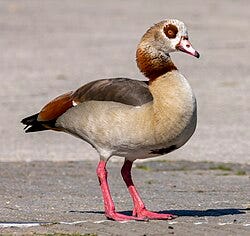
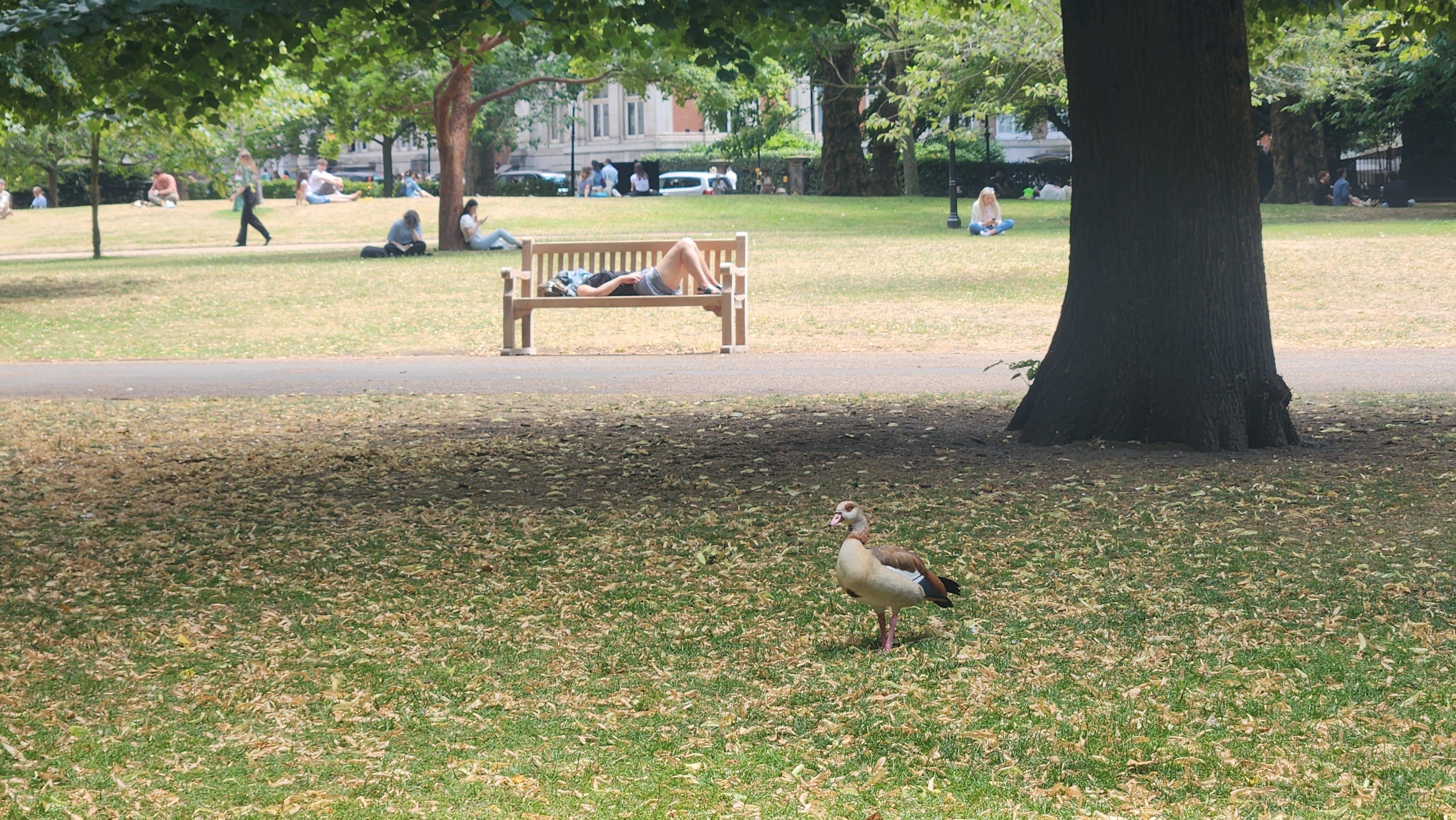
Native to Africa, these were introduced to the UK in the 17th century as ornamental wildfowl, and then a feral population formed from the escapees (source and source).
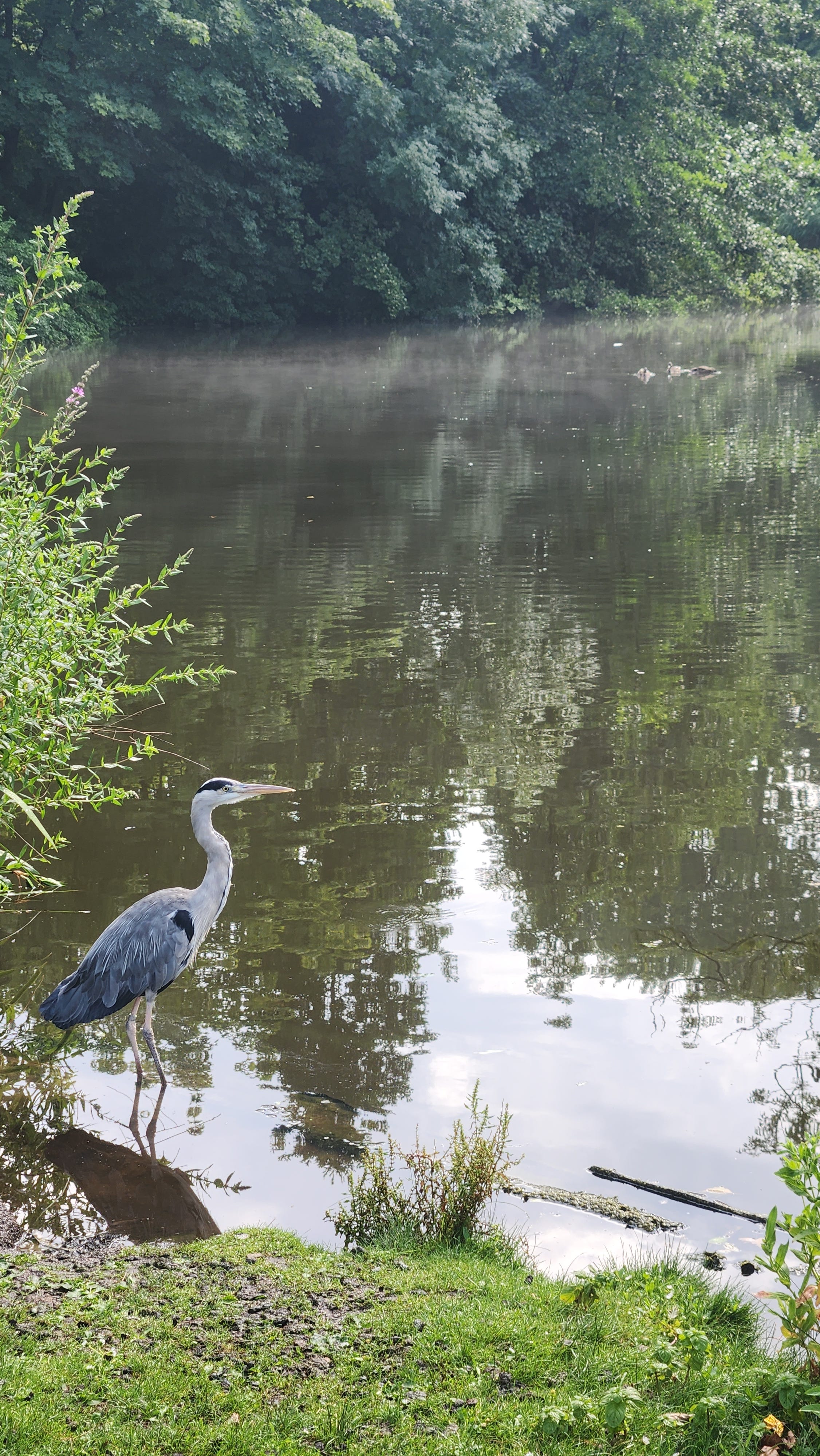
I saw one of these in St. James Park in London, and another in Vondelpark in Amsterdam. These are really similar to Great Blue Heron, which are native to North America, but grey herons are native to Europe.
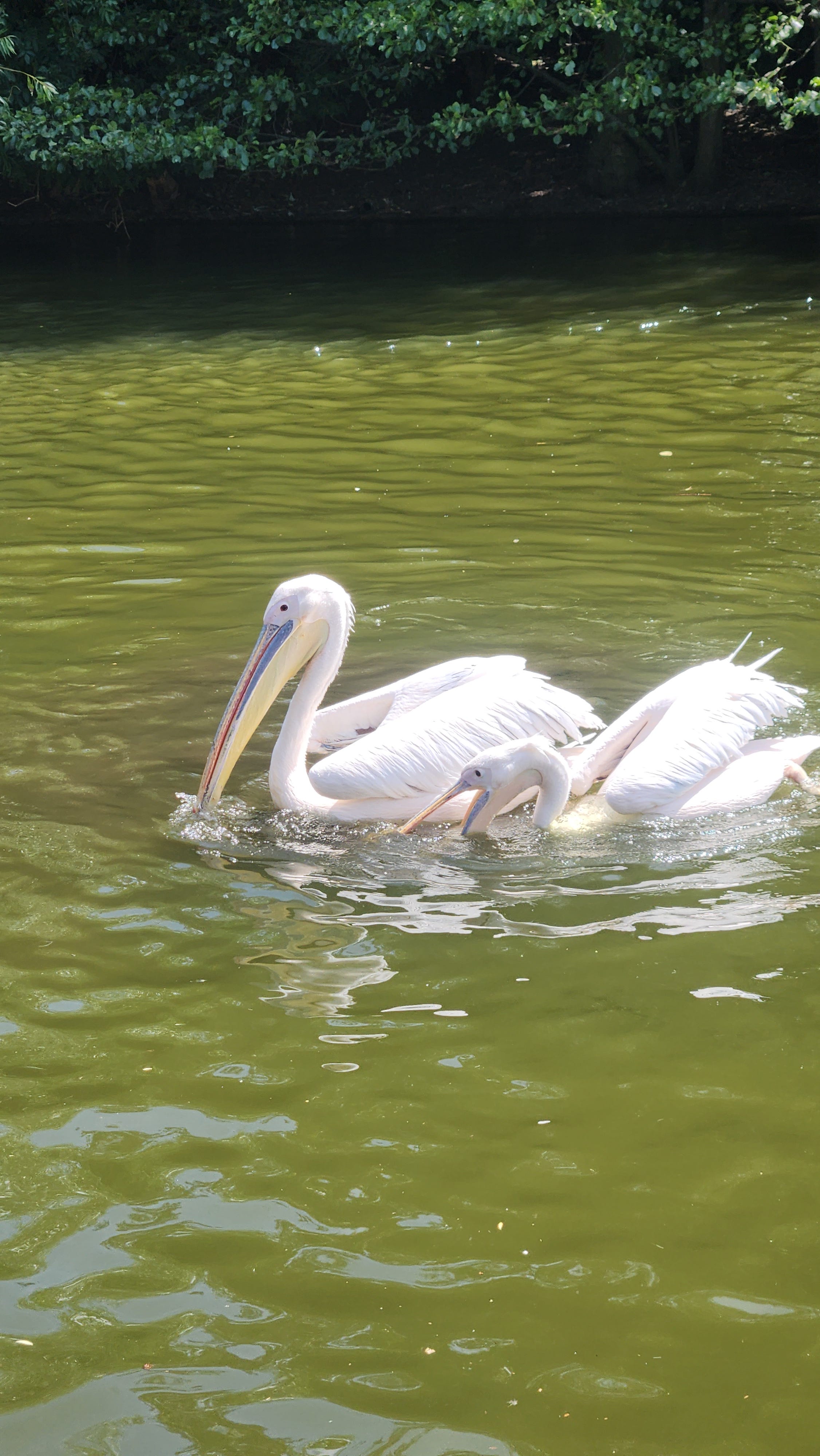
These were introduced to St. James Park in London in 1664 (source) and were a gift from Russia, but the current squad isn’t related to the originals. They are named Gargi, Tiffany, Isla, Sun, Moon and Star. Gargi is the only one with not-clipped wings, and she was formerly wild. The pelicans are considered captive in the park, and are fed fish daily (the feedings are an event you can see).
I saw these in St. James Park. They walk kind of funnily and don’t have any feet webbing. There was also a juvenile moorhen (brown coating) speeding through the grass.
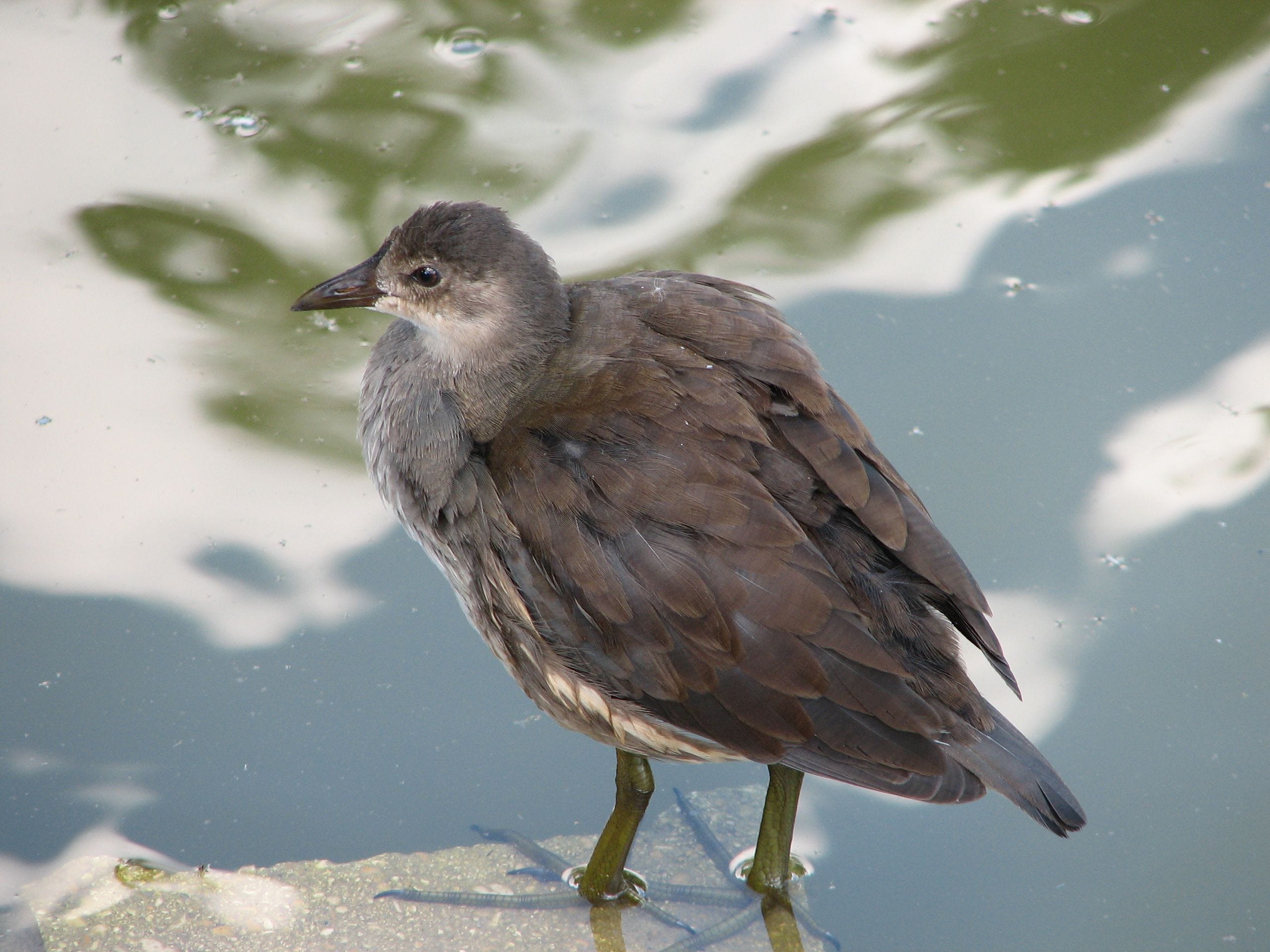
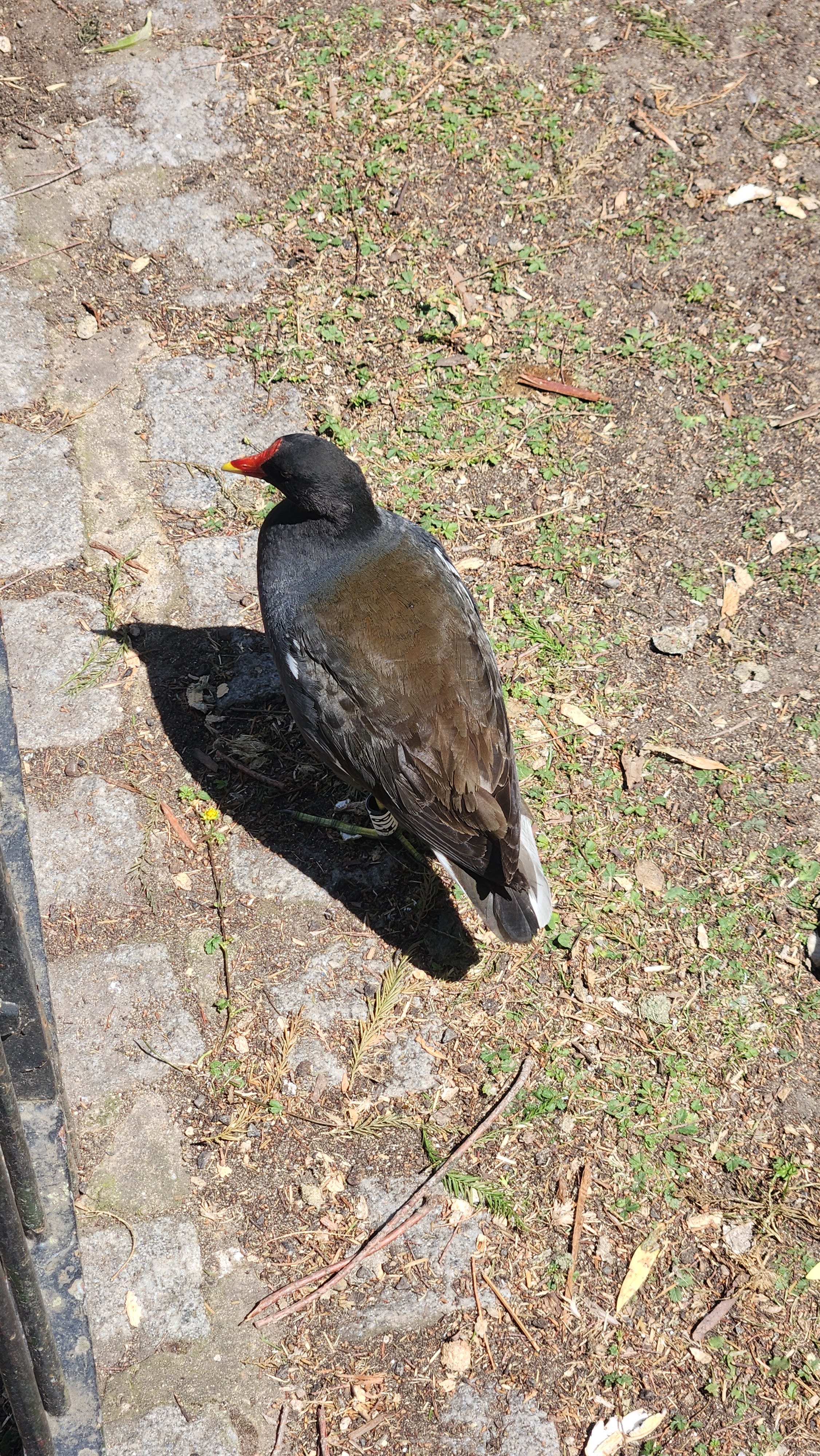
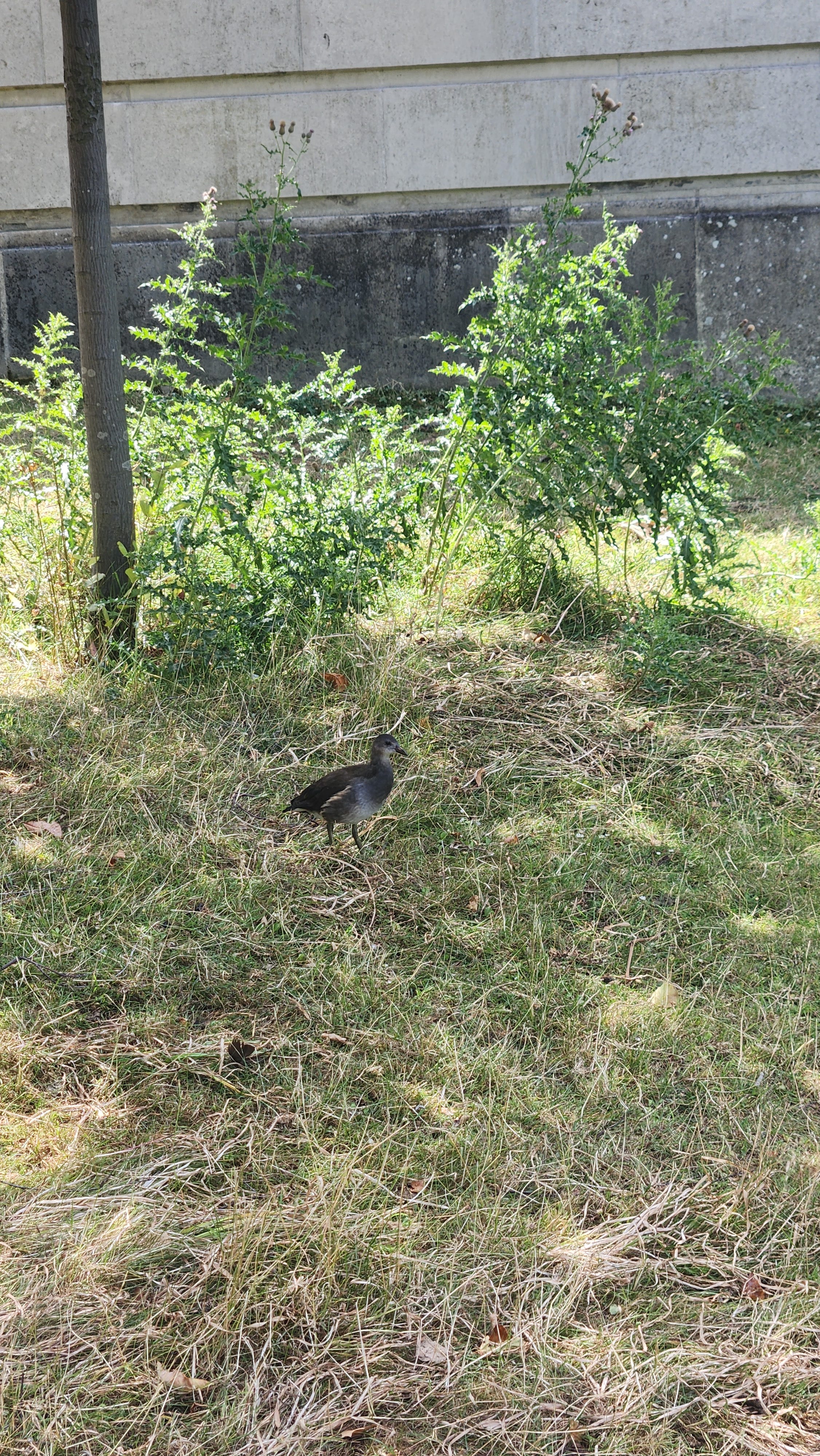
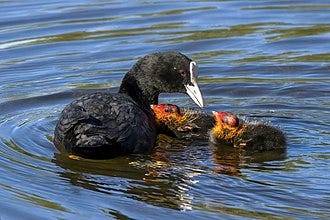
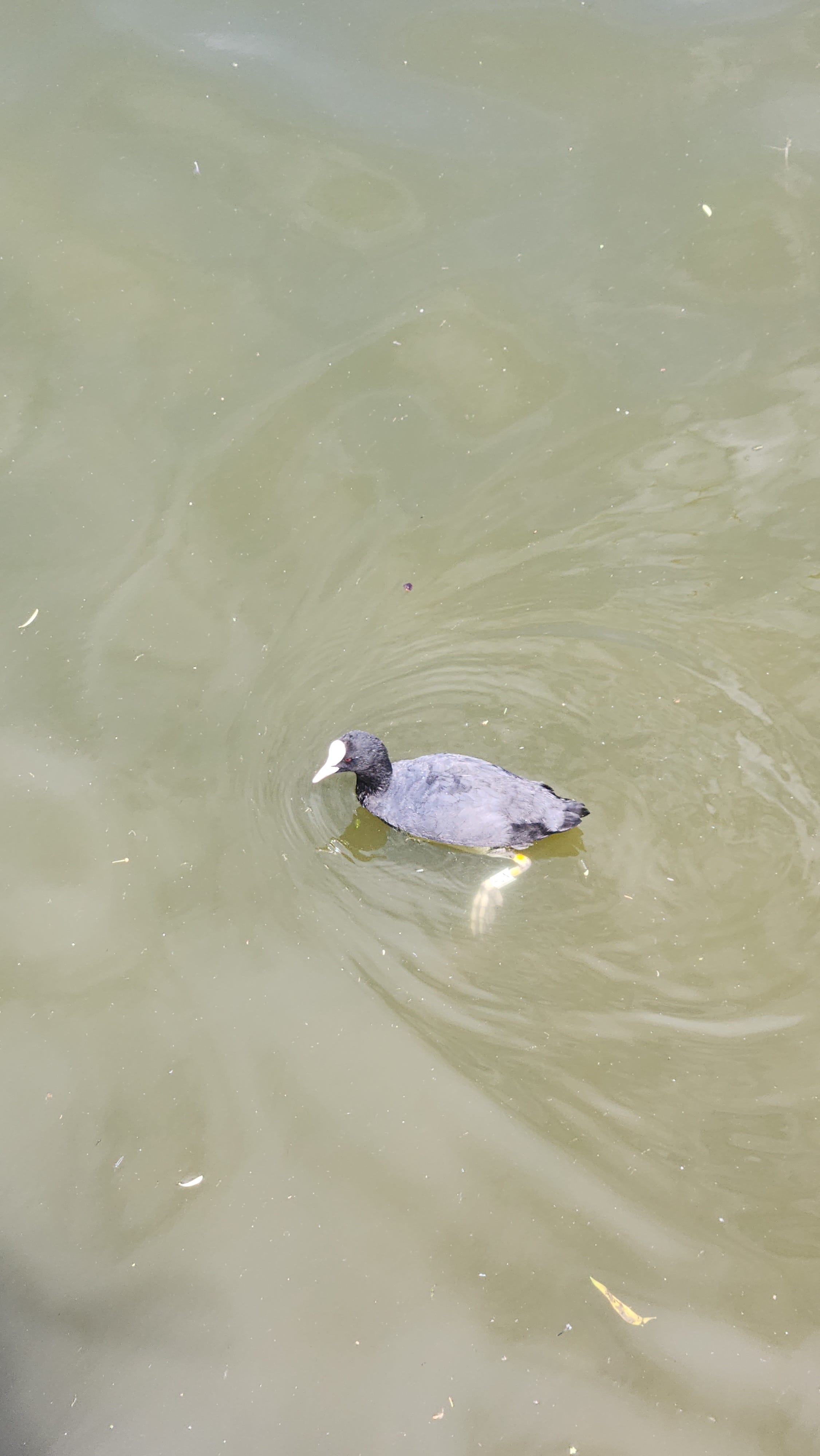
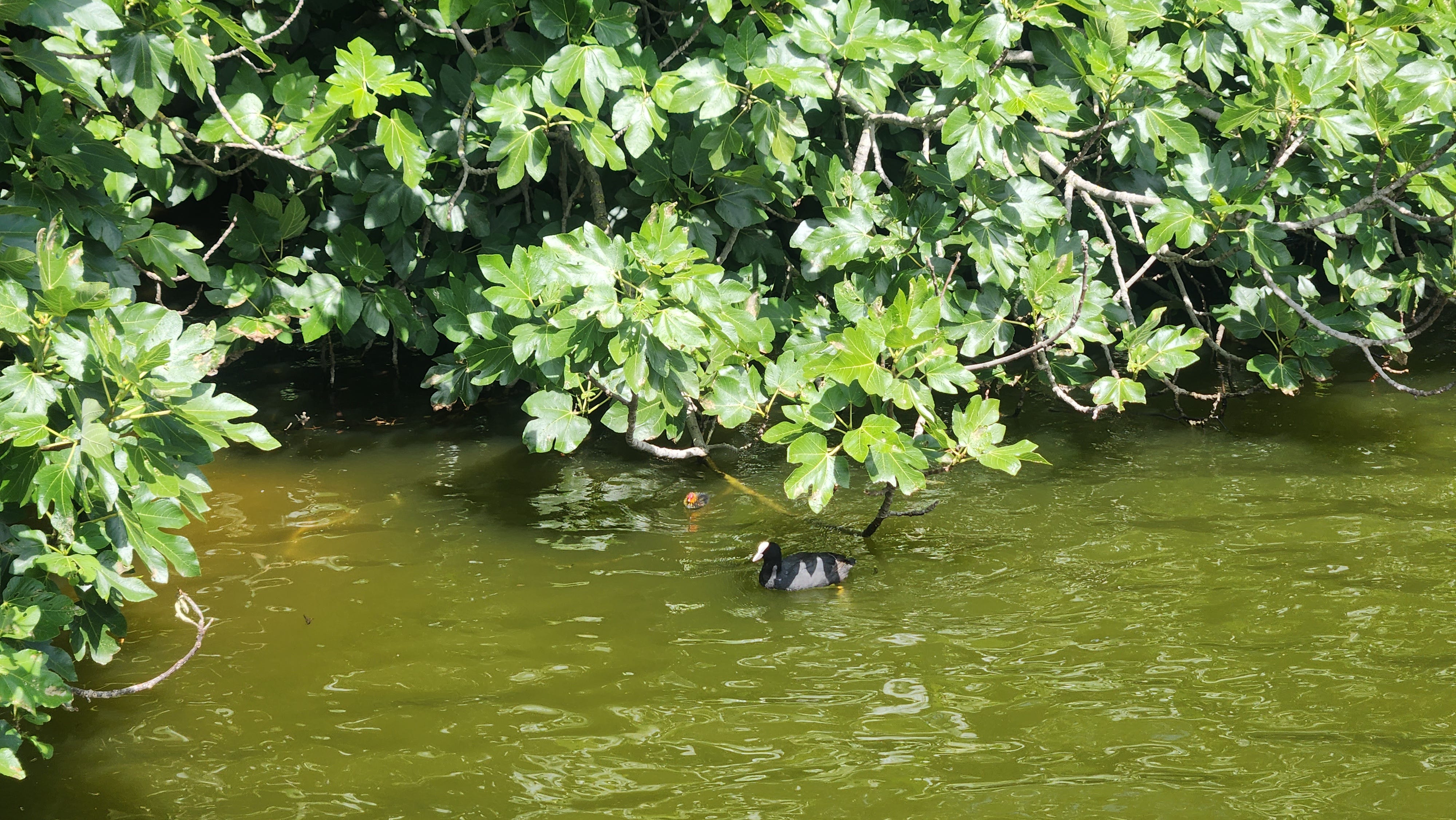
I saw these in London, both during a walk along the Regent's Canal and in St. James Park. There were also baby chicks in St. James Park - these are black with orange/red heads.
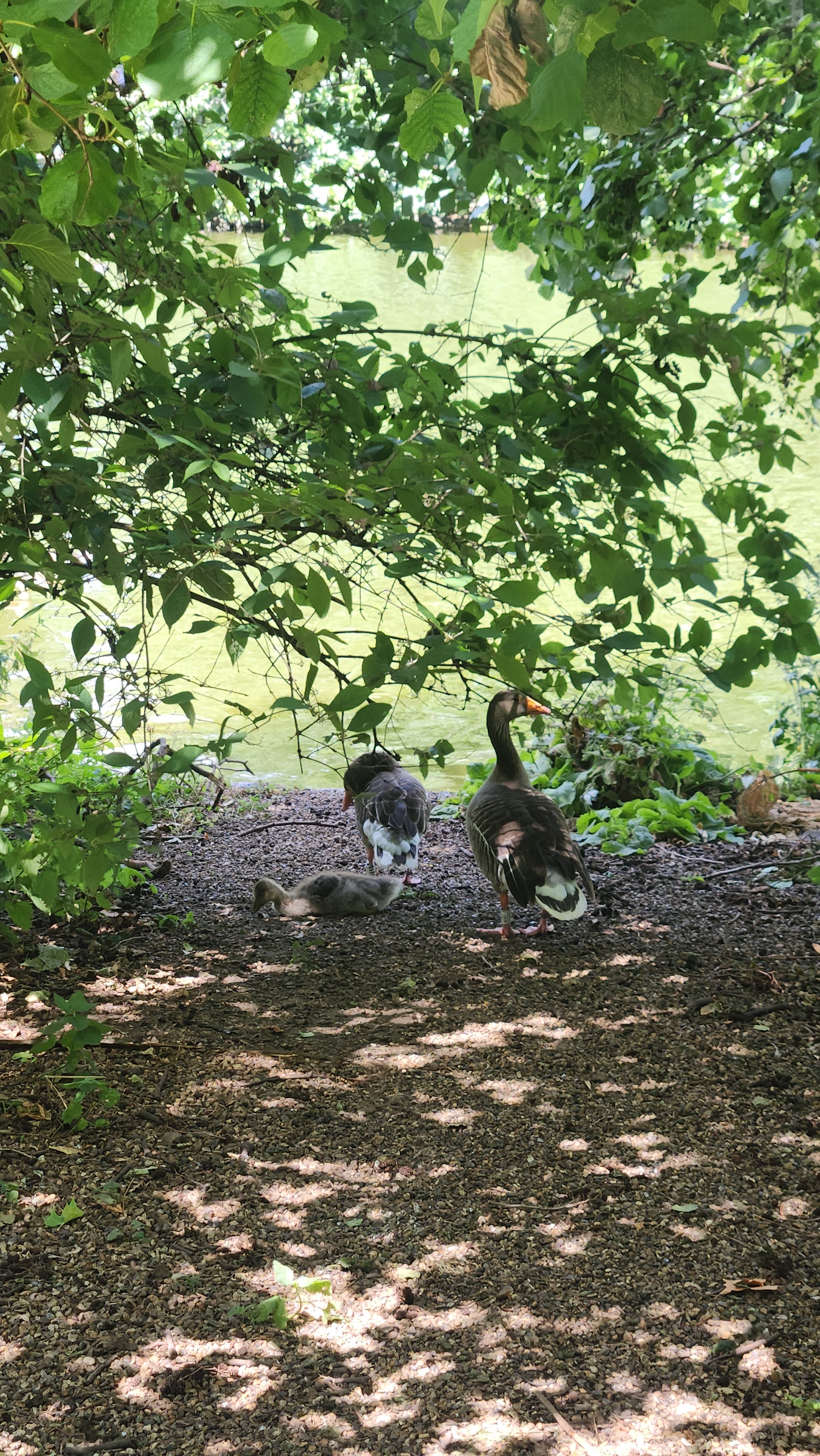
I saw these in St. James Park in London - including a baby gosling! They are extremely common in Europe, but are much rarer in North America.
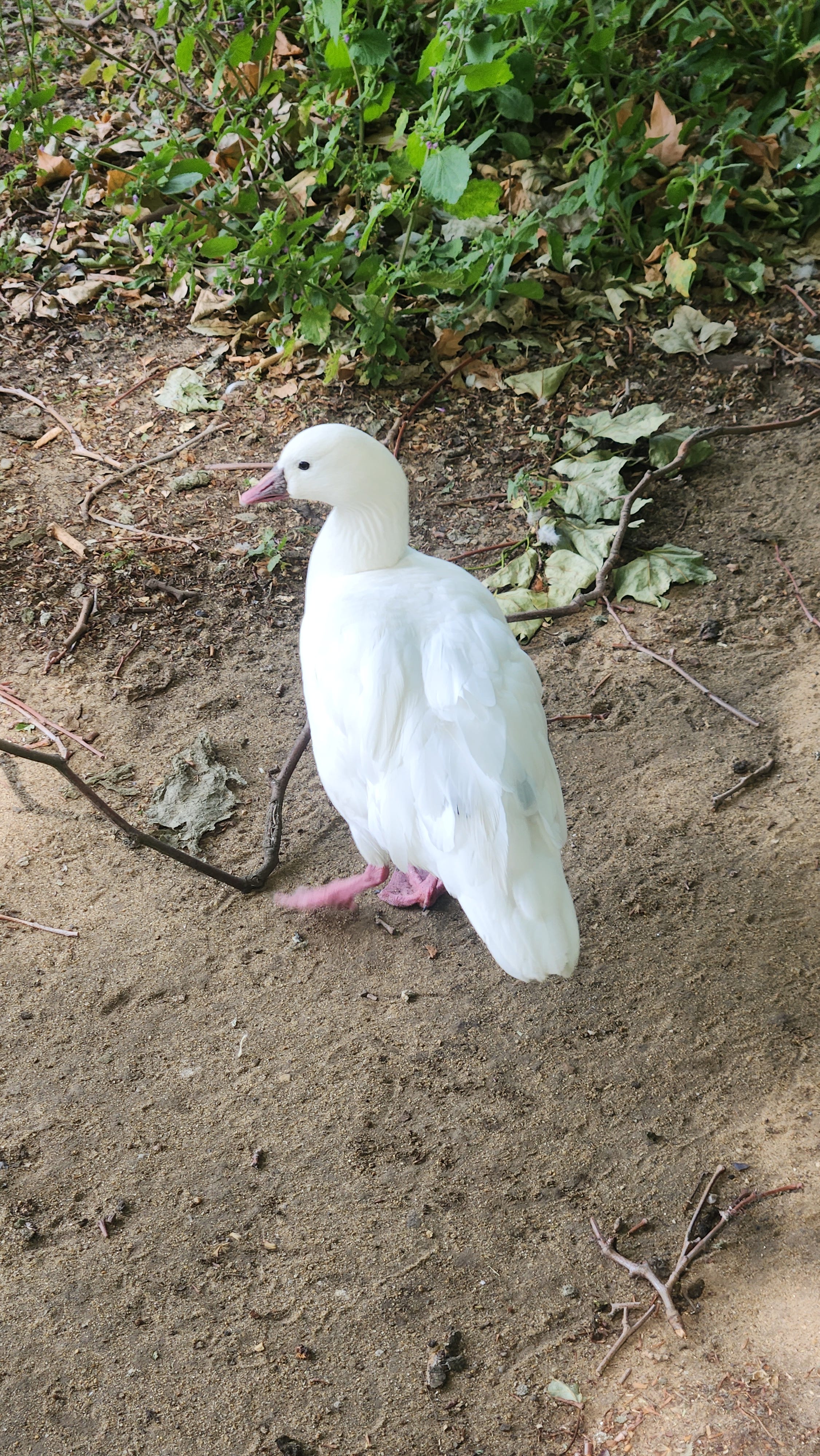
This one was also in St. James Park, and I followed it around for a while because I thought it looked cool. These are native to North America and are also part of the park’s captive bird collection.
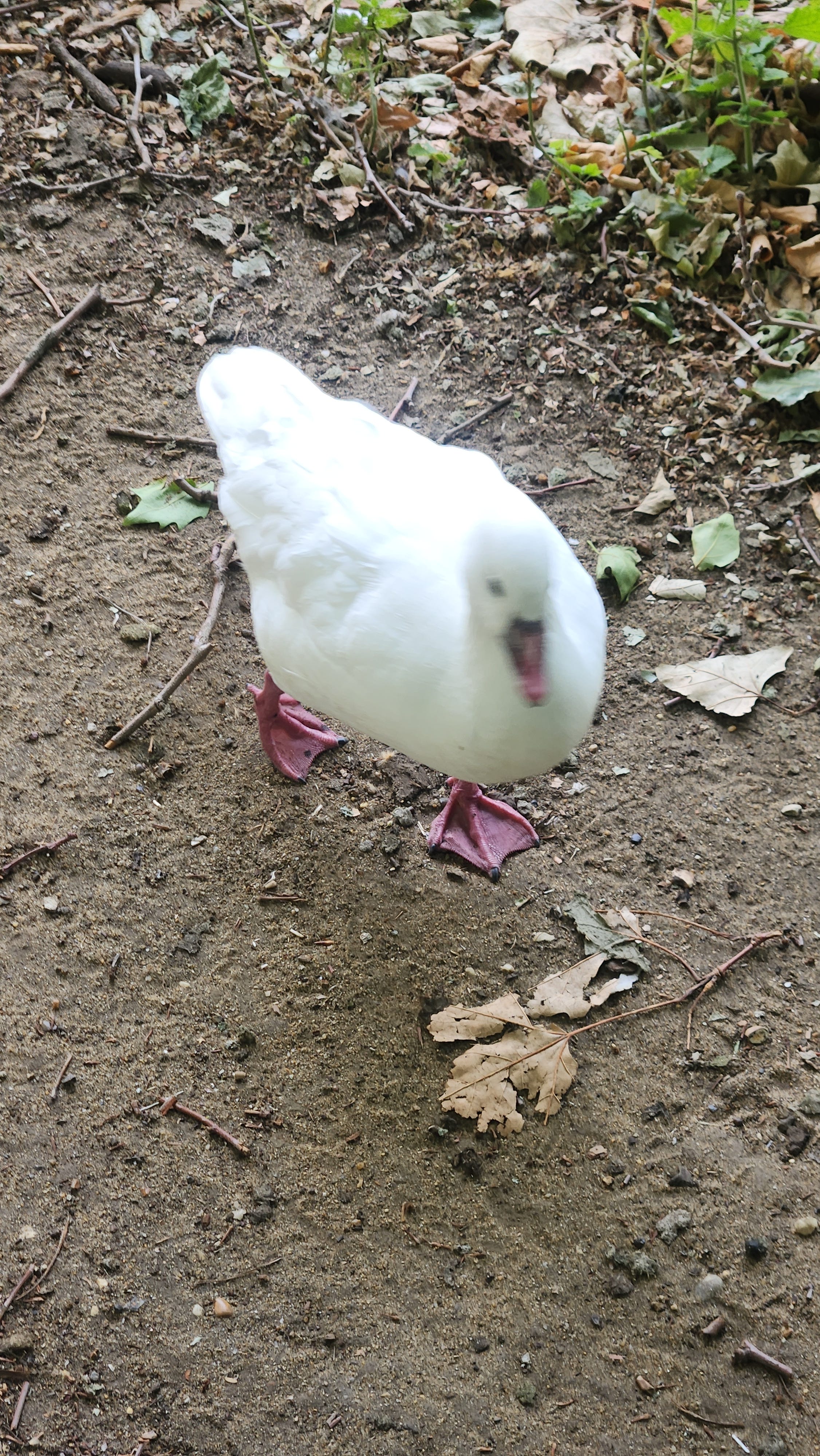
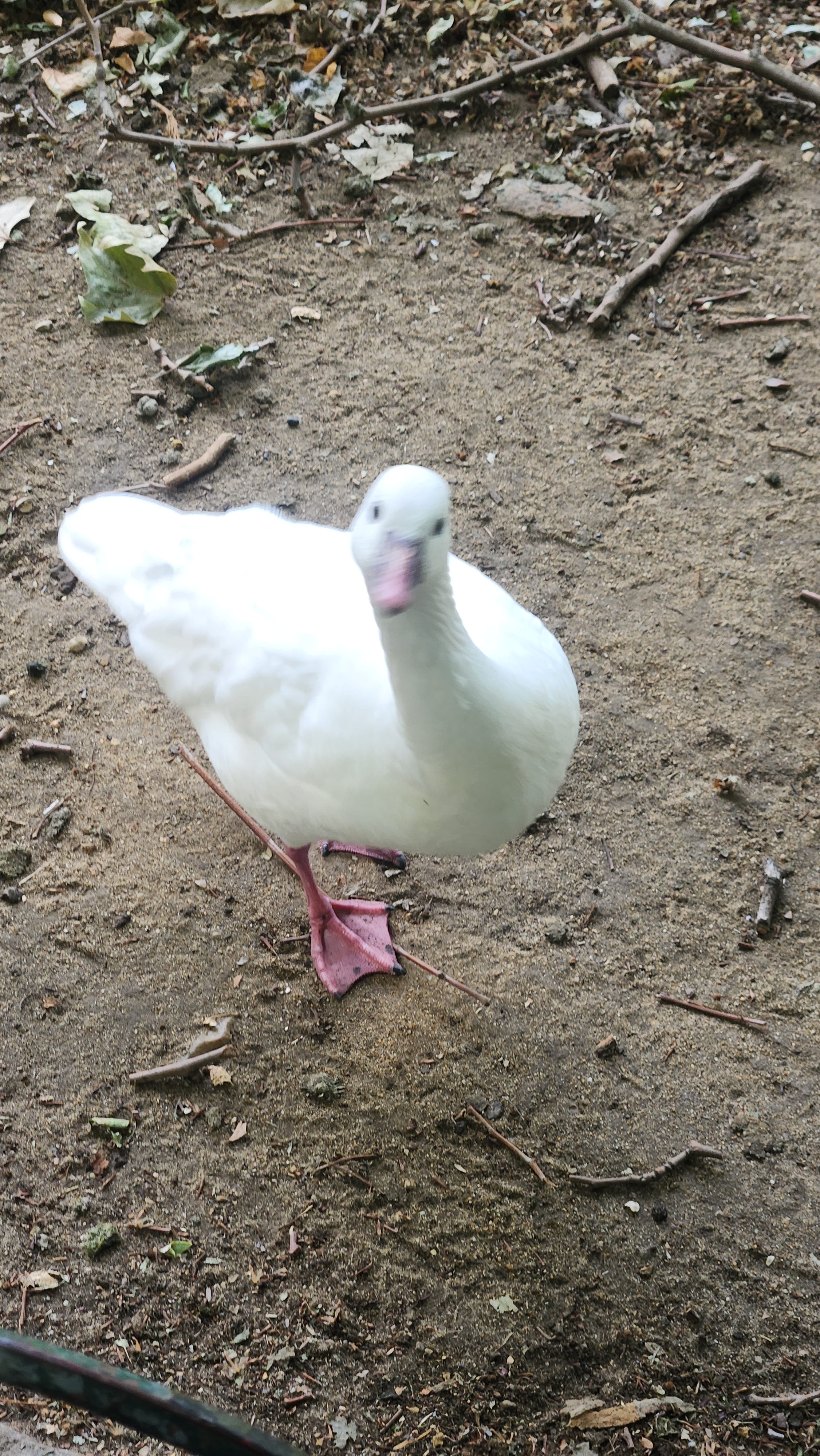
These were being really loud in St. James Park in London, but I also saw a couple flying through Vondelpark in Amsterdam. These originated in the Indian subcontinent.
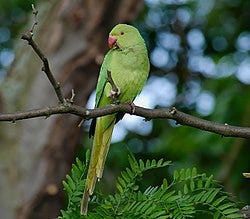
I saw this one from a distance in St. James Park in London and are native to Eurasia.
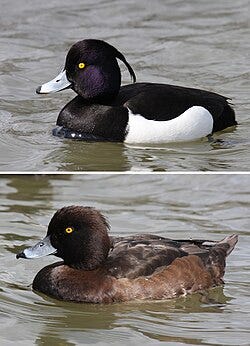
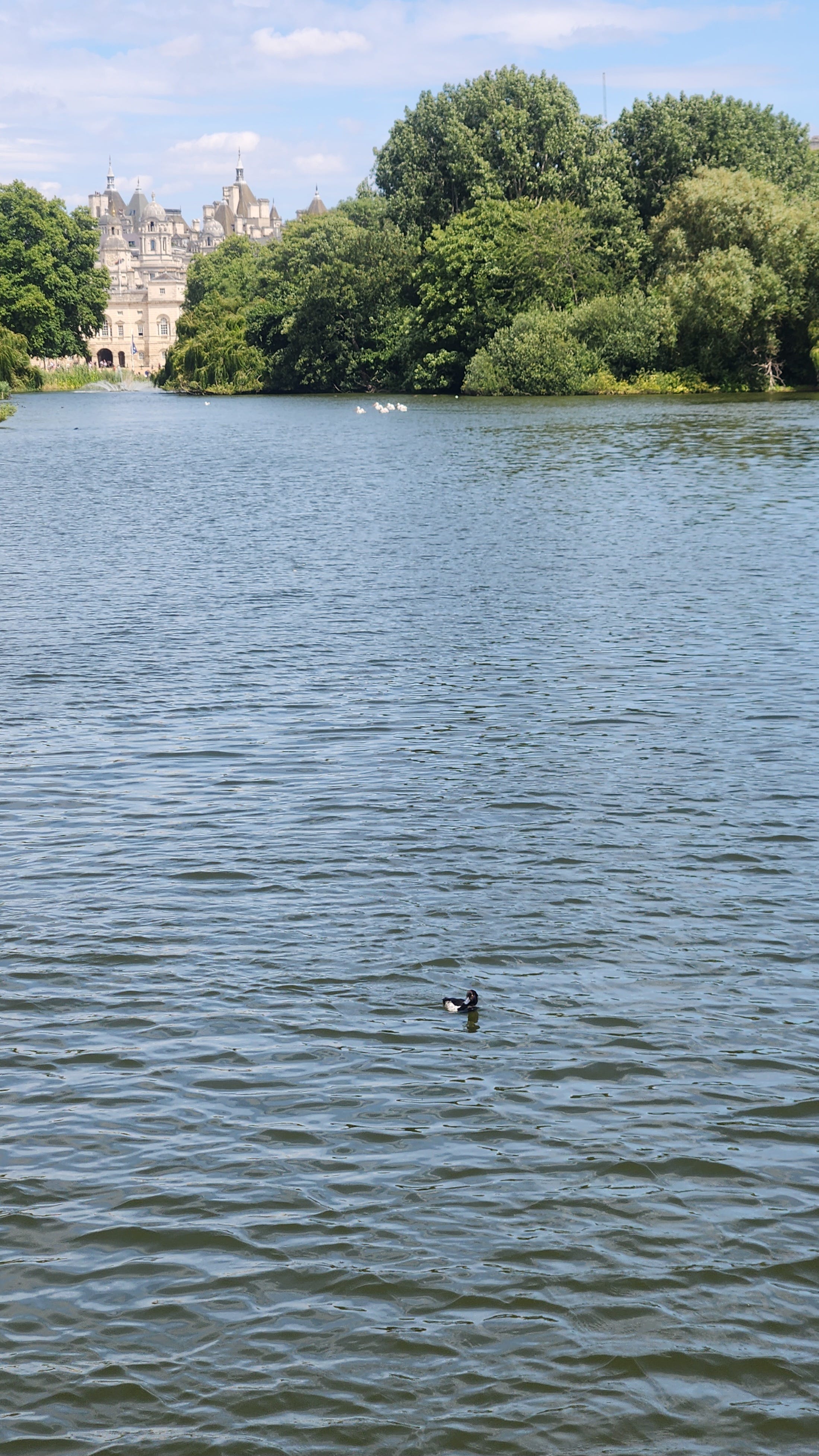
And that’s… 21 bird species! This is a non-comprehensive list - notably I wasn’t going to try to identify the swifts and swallows I saw in Portugal darting about, but their silhouettes were very pretty.
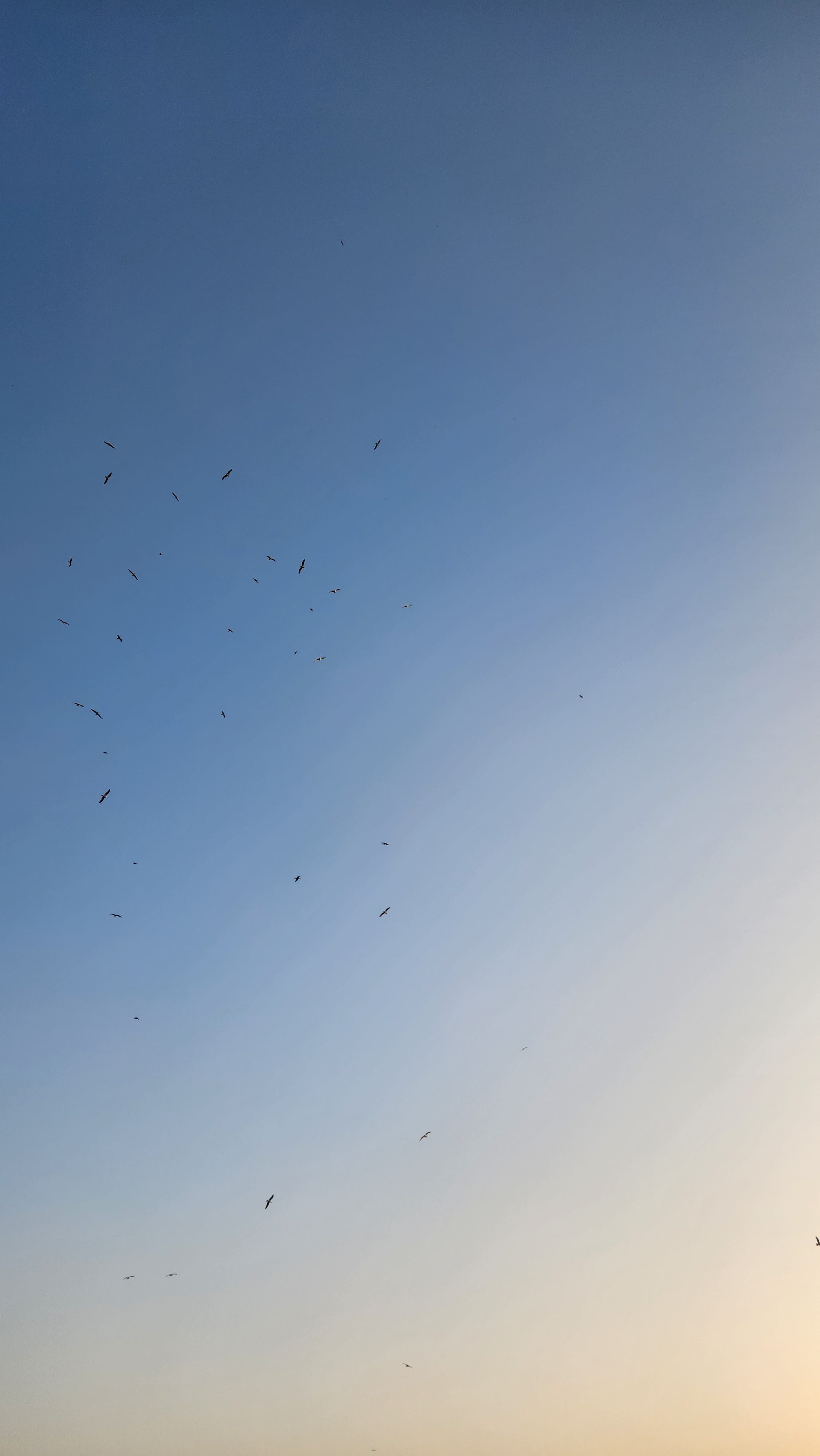
But I hope you enjoyed this lil’ bird exploration of mine. Special thanks to the friends I traveled/met up with along this trip who waited as I stopped to take bird photos :)
I also upload my more-aesthetic-artsy photos from my trip (that aren’t all birds) on Flickr.
—
end of musing 🫶
No posts
Comments
Nothing yet. Say the first thing.
Sign in to join the conversation.