

A classic international relations argument highlights the risks of “chain-ganging”.1 If your security is tied to that of an alliance partner, then a risky action—like starting a war—by that partner might cause you to enter into a war:
In multipolarity, the approximate equality of alliance partners leads to a high degree of security interdependence within an alliance. Given the anarchic setting and this relative equality, each state feels its own security is integrally intertwined with the security of its alliance partners. As a result, any nation that marches to war inexorably drags its alliance partners with it. No state can restrain a reckless ally by threatening to sit out the conflict, since the demise of its reckless ally would decisively cripple its own security.
Note that chain-ganging is premised on relative equality of alliance partners. There is, however, no reason why equality should be so important. Nor is it important, except as a special case, that the interdependenc should be symmetrical. It is, instead, a question of security dependence on the part of at least one party that creates incentives for some state (we’ll call it State A) to take actions that leave State B with no choice but to join State A and no leverage over State A’s decision in the first place. In other words, very similar dynamics can confront State B even if State A is not beholden to State B for its own security so long as State B is reliant on State A.
It makes sense why theorists would have focused initially on a condition of relative equality; the original article dealt with the origins of the First World War, a cataclysm that preoccupied (and in some traditions, began) international relations scholarship for many decades. For that reason, the classic statement dismisses the possibility that superpowers in bipolarity would exhibit risky behaviors that would endanger their allies: the superpowers would not hesitate to cut loose misbehaving allies, the theorists (if not always the facts) suggested, while the superpowers could not be dragged into conflict by the actions of their subordinates due to the restraints imposed by bipolarity itself. “The behavior of Cold War policymakers has sometimes violated these prescriptions, but we believe that this had more to do with perceptual or domestic political factos than with the structural properties of bipolarity,” the authors write.
But this is to dismiss what would be more interesting if we view the world from State B’s perspective. If State B is weaker and depends on State A for its security, then could it not be forced to participate in some actions that it would rather avoid should State A require it? The trump card, so to speak, is that State A may be able to credibly threaten withholding at least some measure of protection for State B should it refuse to join in some venture led by State A; further, this might be made more credible should State A require collective effort to bail out some misadventure it had undertaken that at least temporarily risked calamity for all of its proteges.
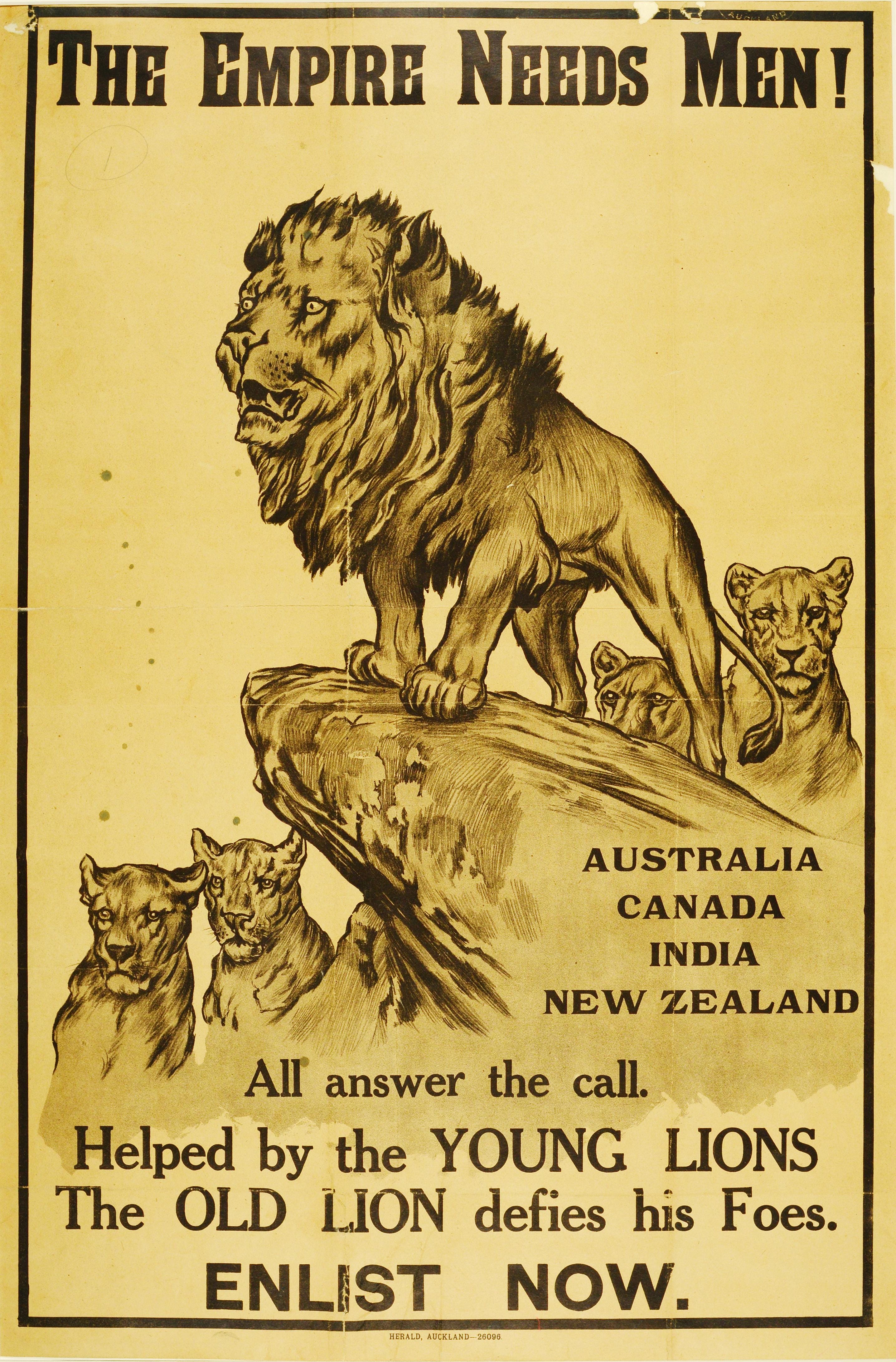
In this circumstance, weaker partners might not feel that they had been chain-ganged into conflict. The image is not that of peers linked together (albeit, in this clumsy and carceral metaphor, by an outside power). Rather, it is more like the old Royal Navy practice of impressment—the application of superior power to coerce the participation of weaker powers in the pursuit of State A’s goals. The term press-ganging might well capture both the naked application of force and the feeling of resentment on behalf of the subordinate, dependent powers who might find themselves, as it were, shanghaied.
Thanks for reading Systematic Hatreds! This post is public so feel free to share it.
Christensen, Thomas J., and Jack Snyder. “Chain gangs and passed bucks: Predicting alliance patterns in multipolarity.” International organization 44, no. 2 (1990): 137-168.
No posts
Comments
Nothing yet. Say the first thing.
Sign in to join the conversation.